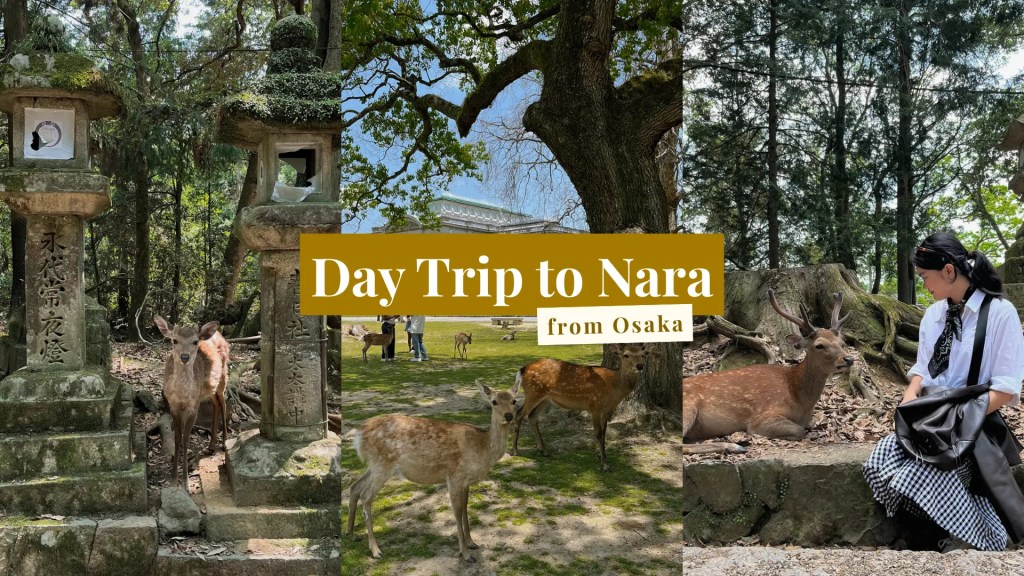

Believe it or not—I almost dropped a Nara day trip from my Japan itinerary. With a fixed schedule covering major Kyoto and Osaka attractions, my set seven-day trip to the Kansai region was already filled to the brim, leaving me wondering if visiting the city was still feasible.
However, after doing a bit of research about this historic and cultural capital—and being swayed by the cuteness of the famous Nara deer—I somehow managed to squeeze it in through a day trip. Little did I know it would become one of the highlights of my first trip to Japan, leaving me wishing I had carved out even more time after discovering what Nara has to offer.
Running out of time to read through this post? Watch the video below on how I executed my DIY day trip to Nara from Osaka:
Table of Contents
About Nara
Prior to Kyoto being established as the capital of Japan for more than a millennium, the seat of the country’s power and the emperor was located in the nearby city of Nara.
Historically noted as the first permanent capital of Japan, the country didn’t have a fixed governing center—which constantly changed depending on where the emperor resided—until the founding of the city in 710, then called Heijokyo.
The growing influence and power of Buddhist monasteries in 784 forced the government to move the capital city from Nara to Nagaoka and eventually to Kyoto.
As a result, many historical buildings were abandoned by the fleeing government—with most destroyed to ruins and several eventually restored—making Nara home to a handful of Japan’s most prized National Treasures and UNESCO World Heritage Sites.
Where is Nara Located?
Located an hour away from the popular tourist hubs of Kyoto and Osaka, the city of Nara is situated in the northern part of Nara Prefecture in the central Kansai region.
Nestled directly south of Kyoto and east of Osaka, this historic city makes a convenient day trip destination for travelers based in either metropolis. Its ideal location on the map also means Nara is exceptionally well-connected to both Osaka and Kyoto via direct railway lines.
How to Get to Nara from Osaka
Kintetsu-Nara Line
Getting to Nara from Osaka is easy by taking the Kintetsu-Nara Line from Osaka-Namba Station and getting off at the last stop at Kintetsu-Nara Station. This route is widely considered the best train to take due to its walking distance from Nara Deer Park, where the city’s famous attractions are found.
For my DIY day trip, I took the train from Kintetsu-Nippombashi Station, which is just a few minutes away from my booked accommodation in Nipponbashi, Osaka.
JR Yamatoji Line
Another alternative is to take the JR Yamatoji Line of JR West from JR Namba Station (or Osaka Station via the Yamatoji Rapid Service) and get off at JR Nara Station. However, prepare for a longer walk or a bus ride to reach the park, as this station is farther from this popular tourist attraction.
Travel Tip 🚊: If you're traveling Japan with an IC card like Welcome Suica (Tokyo) or ICOCA (Kansai), this works seamelessly in train lines and buses in Nara and you don't need to purchase a separate rail pass.
What to Do in Nara for a Day
If you think that visiting Nara for a day only rewards travelers with a deer encounter experience, the close proximity of the city’s popular spots from one another allows tourists to further explore the area beyond its iconic tourist attraction.
If you’re curious to find out what these are, read on to unravel the other must-see nearby tourist spots that you should put in your itinerary when planning a Nara day trip.
Nara Deer Park
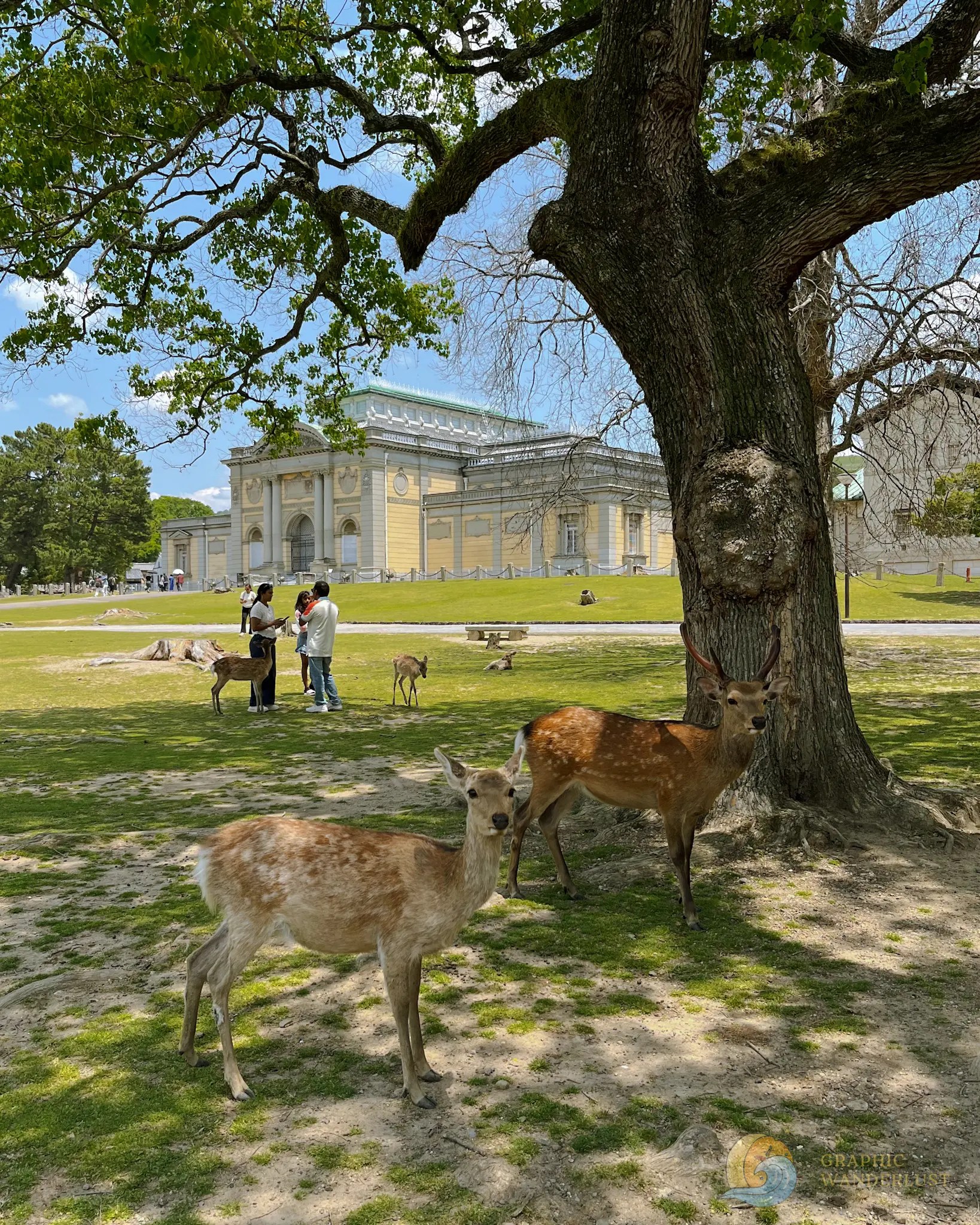
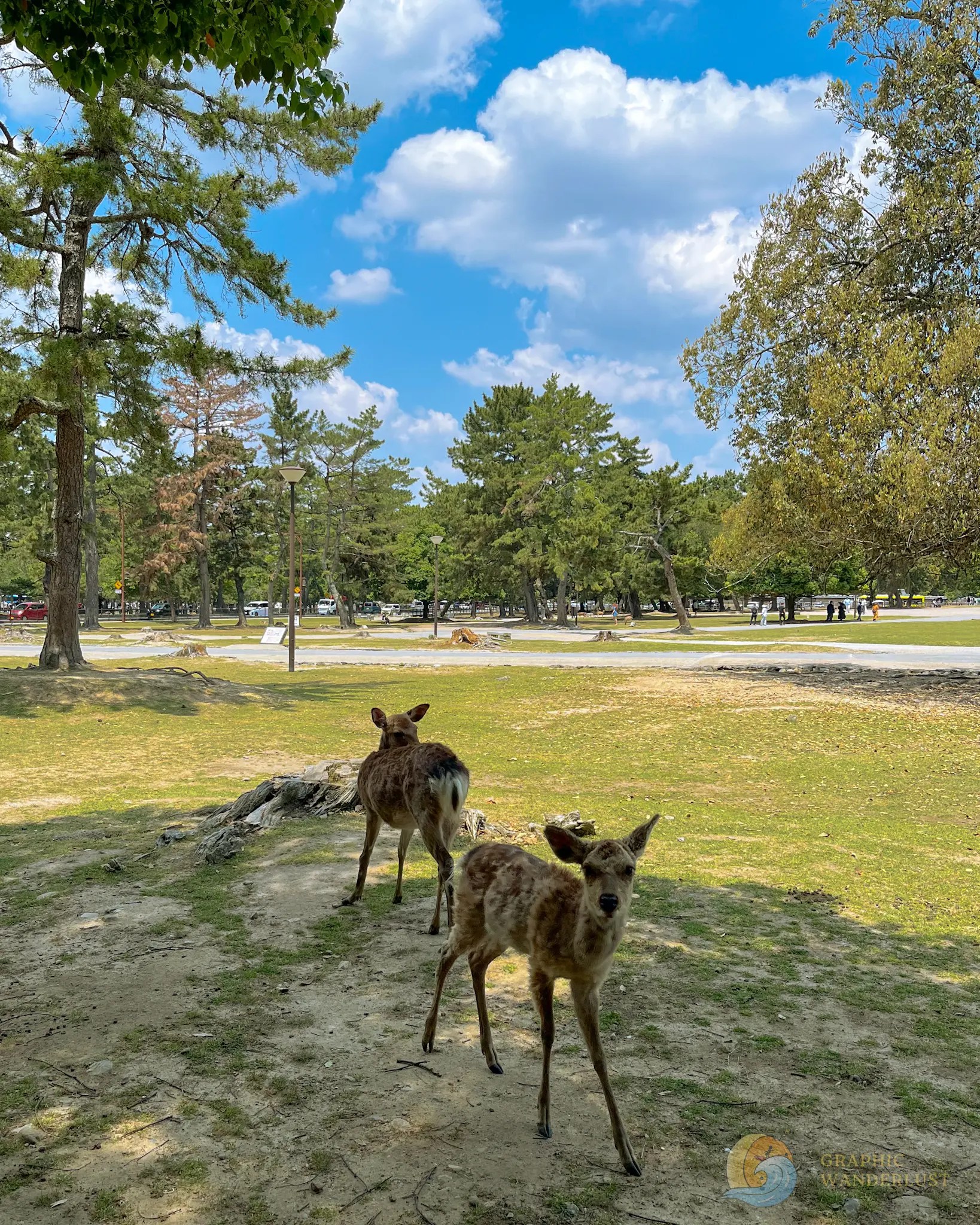
- Location: 469 Zoshicho, Nara, Japan
- Operating Hours: Open 24 hours
- Admission Fee: None
One of the main highlights of the city, Nara Deer Park tops every Nara itinerary for the unique and popular experience of encountering and interacting with Japan’s wild, bowing deer.
A highly respected and culturally protected animal for locals, Nara deer are believed to be messengers of the gods after serving as a companion—specifically a white deer—to one of the deities of Kasuga Taisha Shrine, who traveled from Ibaraki Prefecture, north of Tokyo, to Mt. Mikasa in Nara.
A popular interactive activity with the free-roaming deer is feeding them shika senbei (deer crackers), which are special biscuits sold for ¥200 at various stalls and in vending machines in the area.
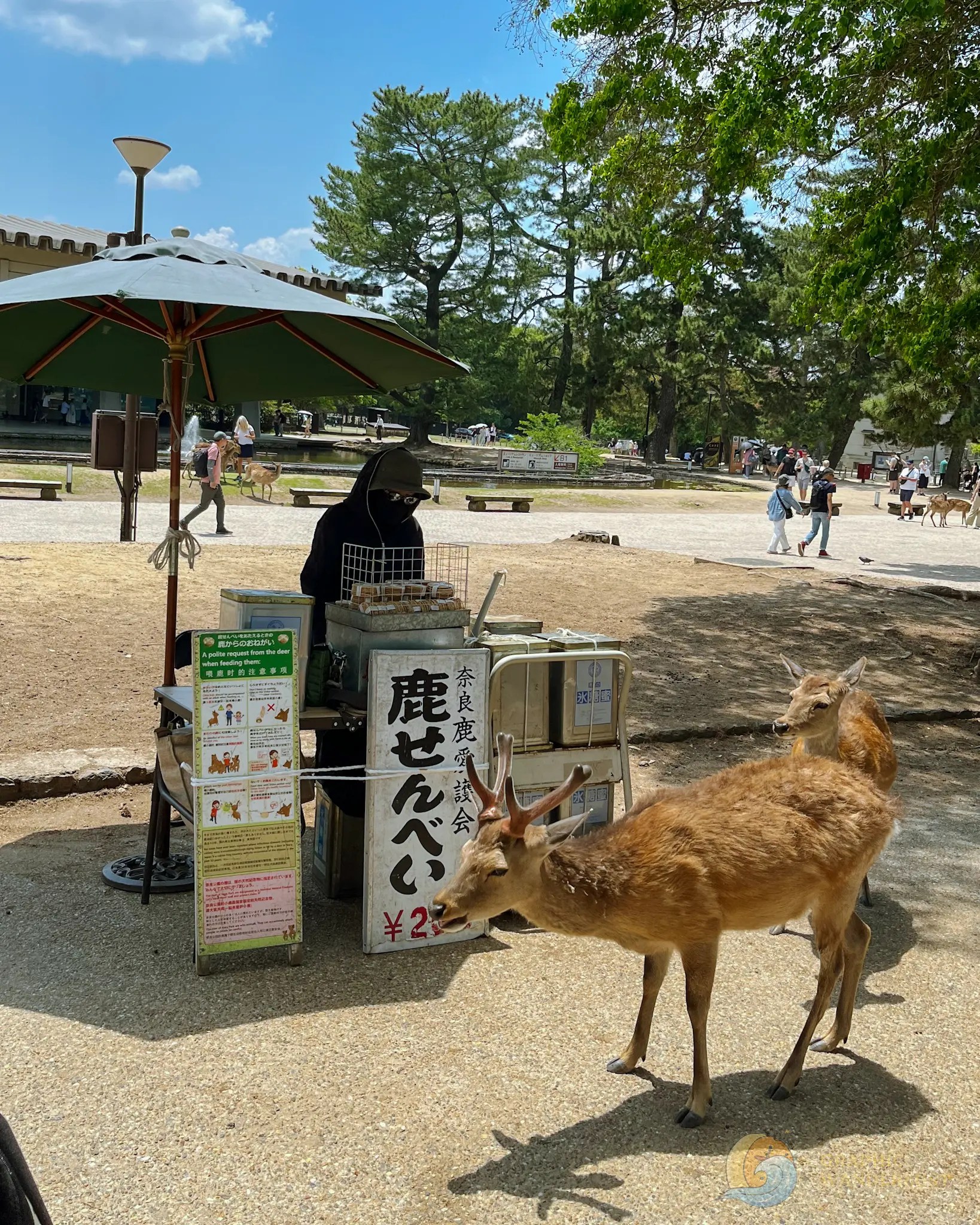
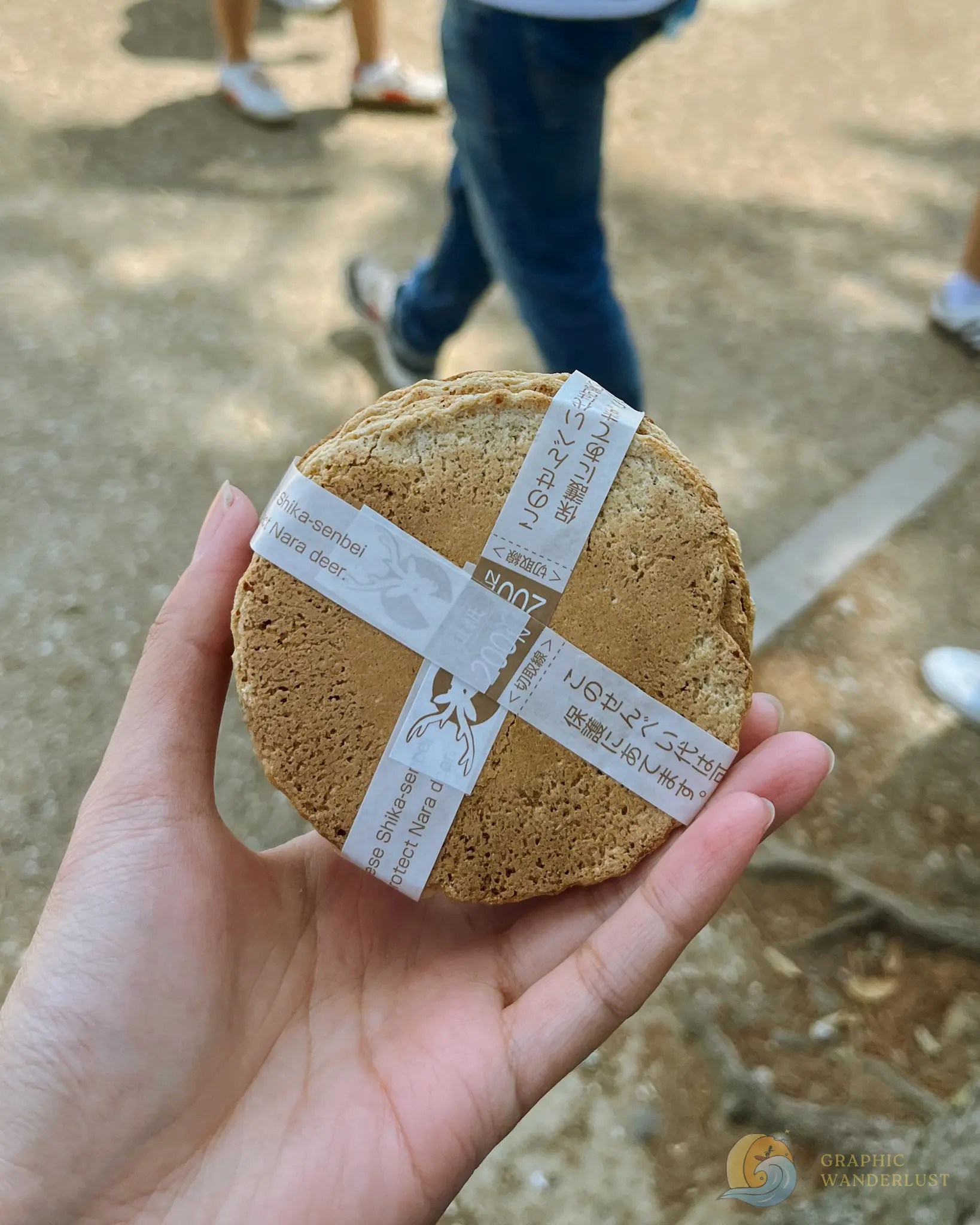
Despite being labeled wild, Nara deer are actually very tame and are safe for humans to interact with, especially when being fed. Their bowing motion is actually an invitation to feed them with a cracker! Although small children should always be supervised, as some deer get excited and aggressive when shown—or even when they smell—a shika senbei around you. I have personally experienced a deer nipping at my skirt and umbrella after seeing that I bought deer crackers from the stall in the photo above. 😅
Recent information shows that there are around 1,400 deer found and scattered around the sprawling 660-hectare park, which is home to other important and historical sites in Nara, including the next tourist spots.
Deer-feeding Tip 🦌: When feeding the deer and you run out of crackers to give, simply put your palms out to signify that you're out of shika senbei, to let the deer know and to prevent them from nipping your clothes.
Kasuga Taisha Shrine
- Location: 160 Kasugano, Nara, Japan
- Operating Hours: Outer Grounds: 6:30AM-5:30PM (March to October); 7:00AM-5:00PM (November to February); Inner Grounds: Varies throughout the year—best to check the official Kasuga Taisha Shrine website for the latest information
- Admission Fee: Free (outer grounds); ¥700 (inner grounds)
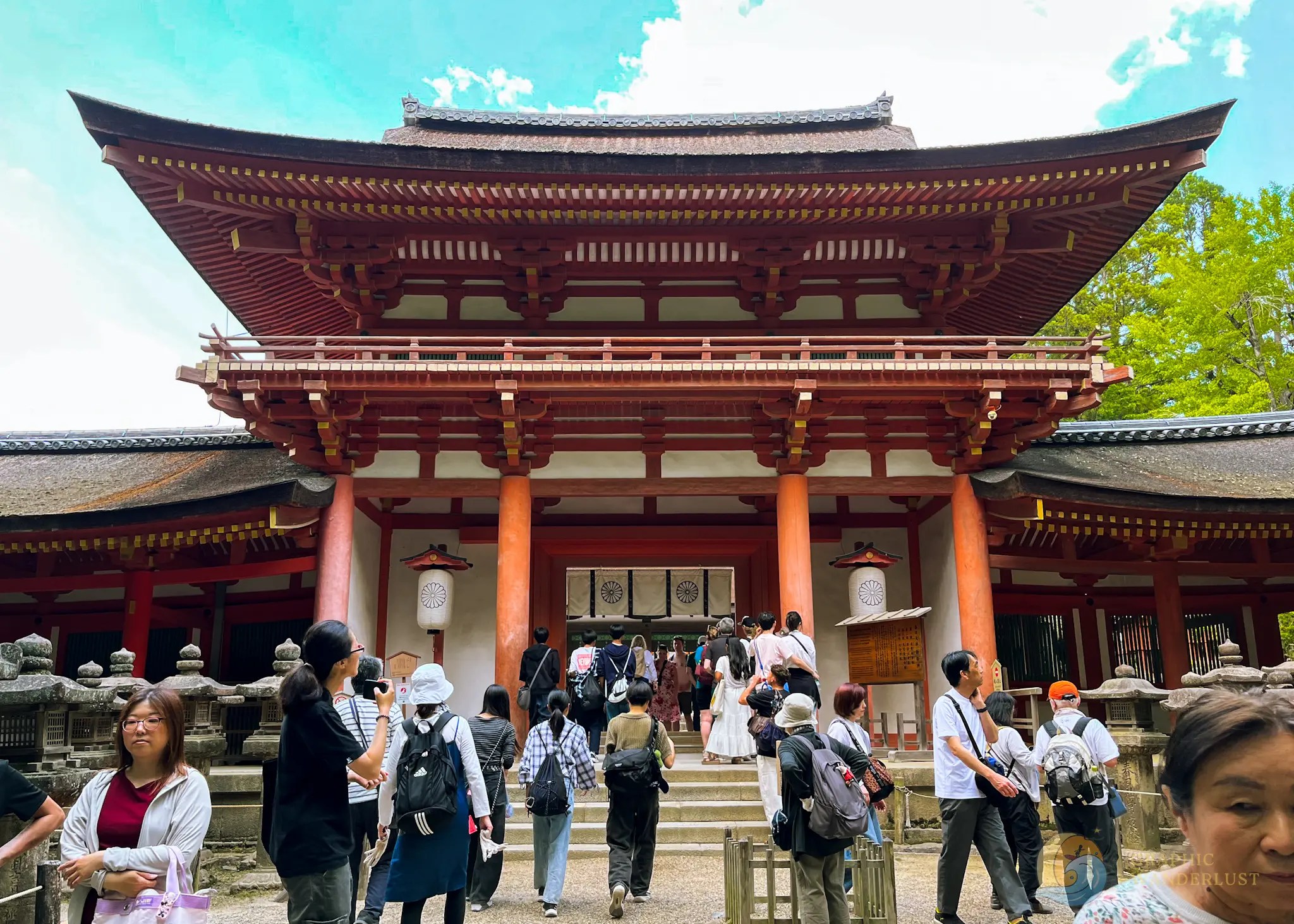
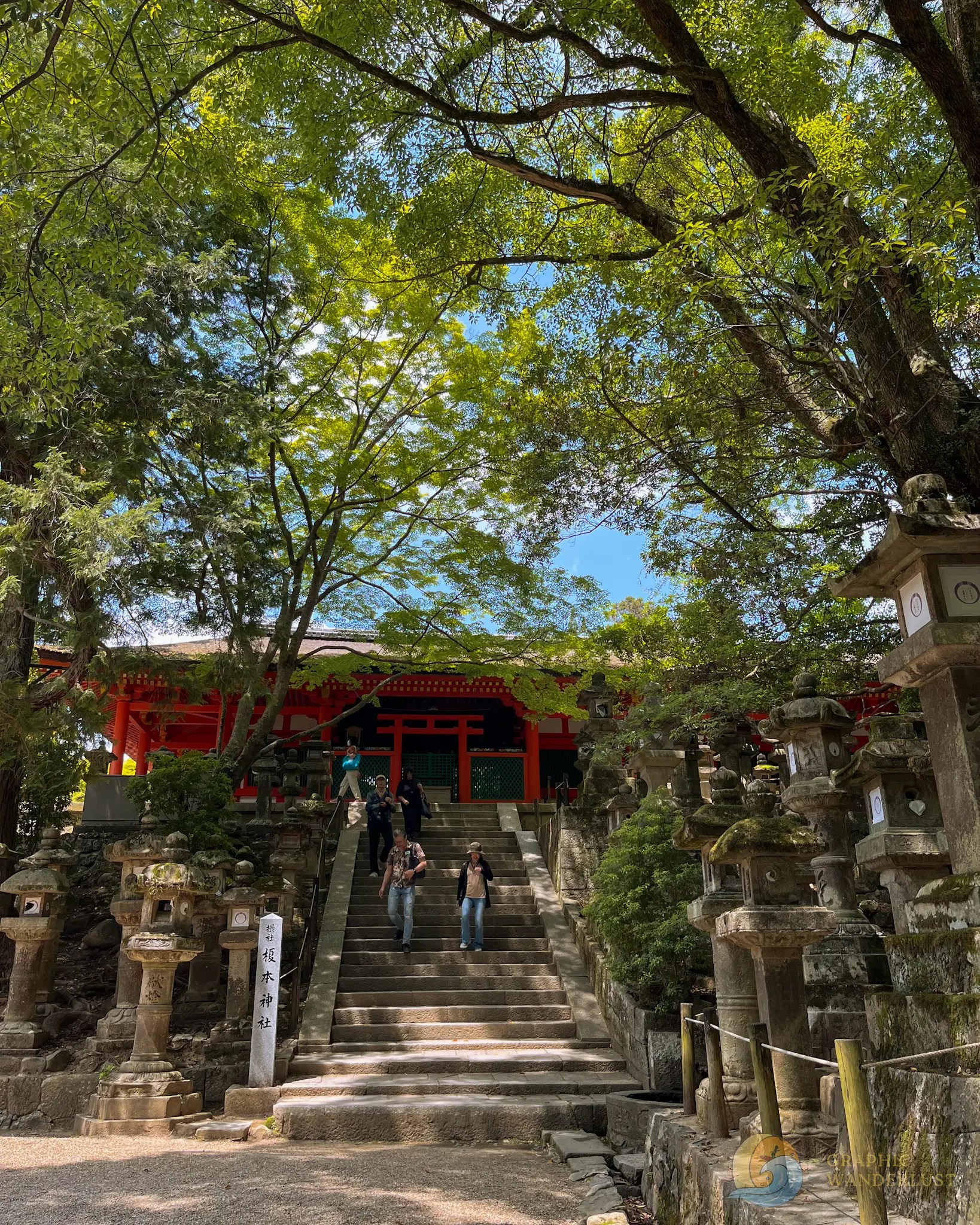
An adjacent major Nara tourist attraction that sits within the Deer Park complex and one of the city’s designated UNESCO World Heritage Sites, Kasuga Taisha Shrine is one of Japan’s highly revered Shinto shrines dedicated to four deities and located at the foot of Mt. Kasuga.
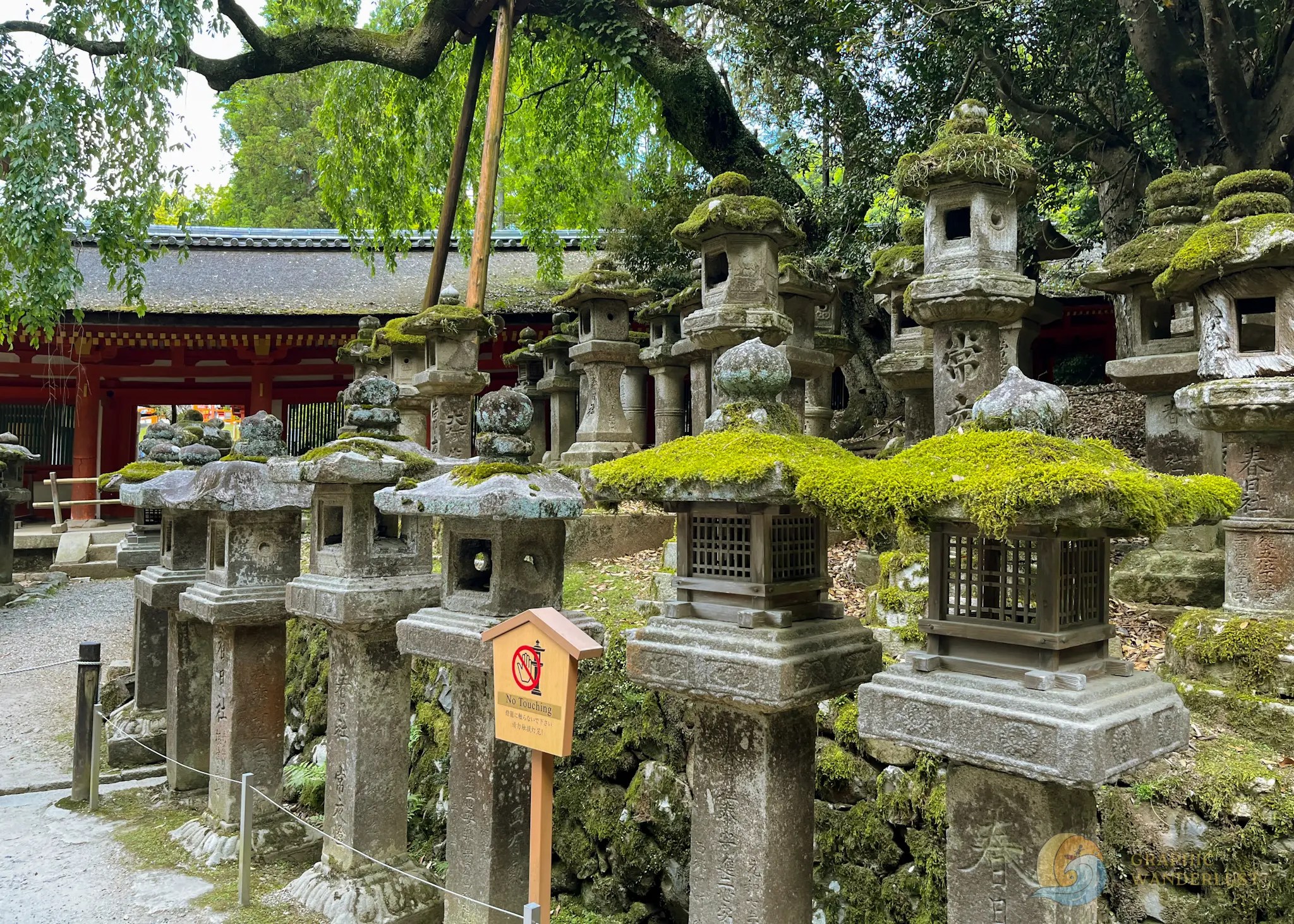
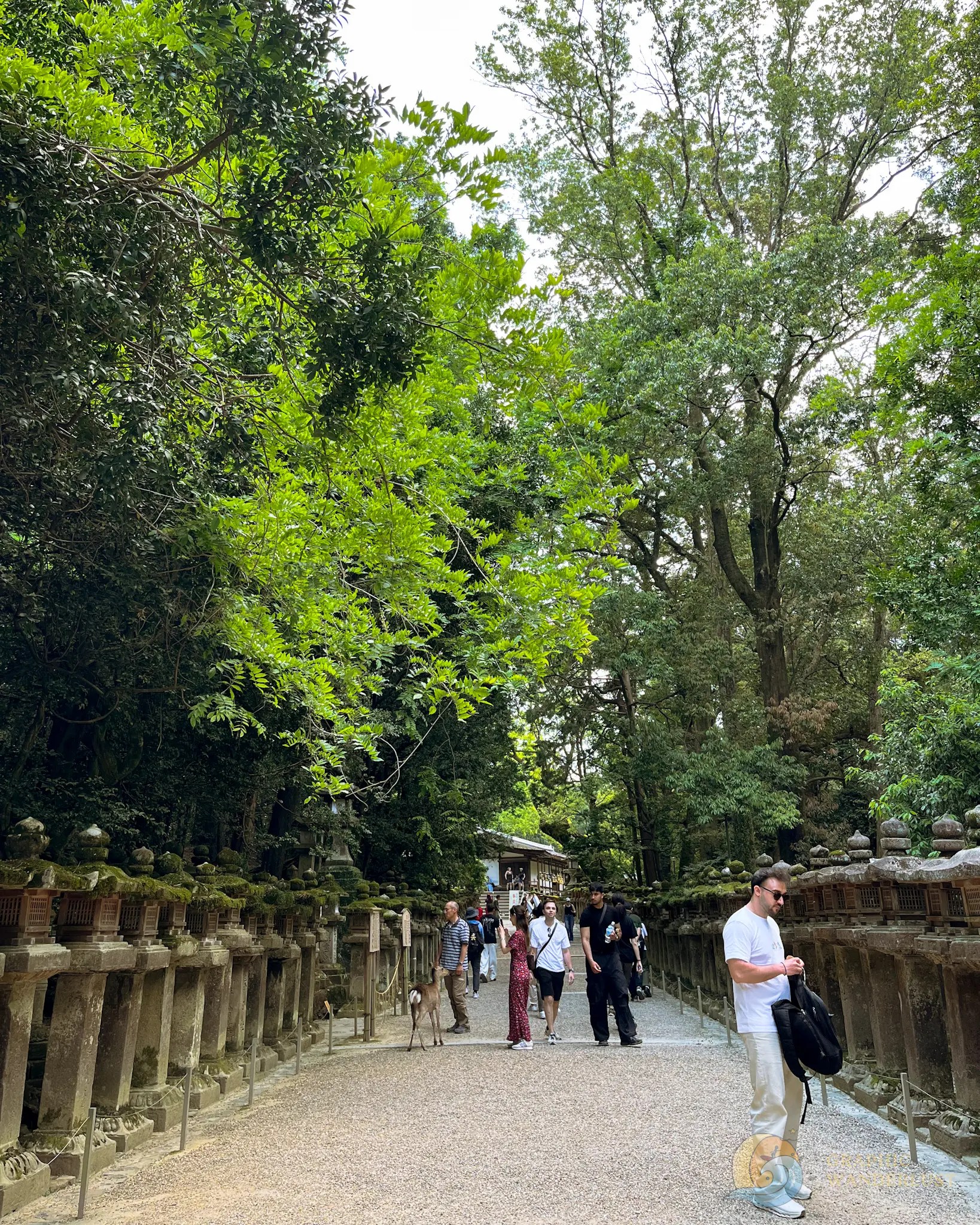
Marked by its stone-lantern-lined path leading to its main complex and bright vermilion-and-white gates, Kasuga Taisha Shrine lies east of Noborioji Park, where most tourists get dropped off to feed the deer in Nara Park. This place of worship was built during the height of the Nara Period in 768 in accordance with the orders of Empress Shotoku.
Its inner grounds enshrine Shinto deities Futsunushi-no-Mikoto, Amenokoyane-no-Mikoto, Himegami, and Takemikazuchi-no-Mikoto, with the latter as the same deity associated with Nara deer’s sacred status. The halls of these enshrined Shinto gods are declared Japanese National Treasures and can be accessed by paying the admission fee to Kasuga Taisha’s inner complex.
Aside from Kasuga Taisha’s main buildings, there are other and more auxiliary shrines found around the complex, including the ones dedicated to the twelve lucky Shinto gods, the culturally protected Wakamiya Shrine and Meoto Daikokusha, visited for marriage and matchmaking wishes.
Don’t forget to save a few shika senbei too when visiting the shrine, as a handful of deer also linger in the area and are notably calmer compared to the ones found in Noborioji Park.
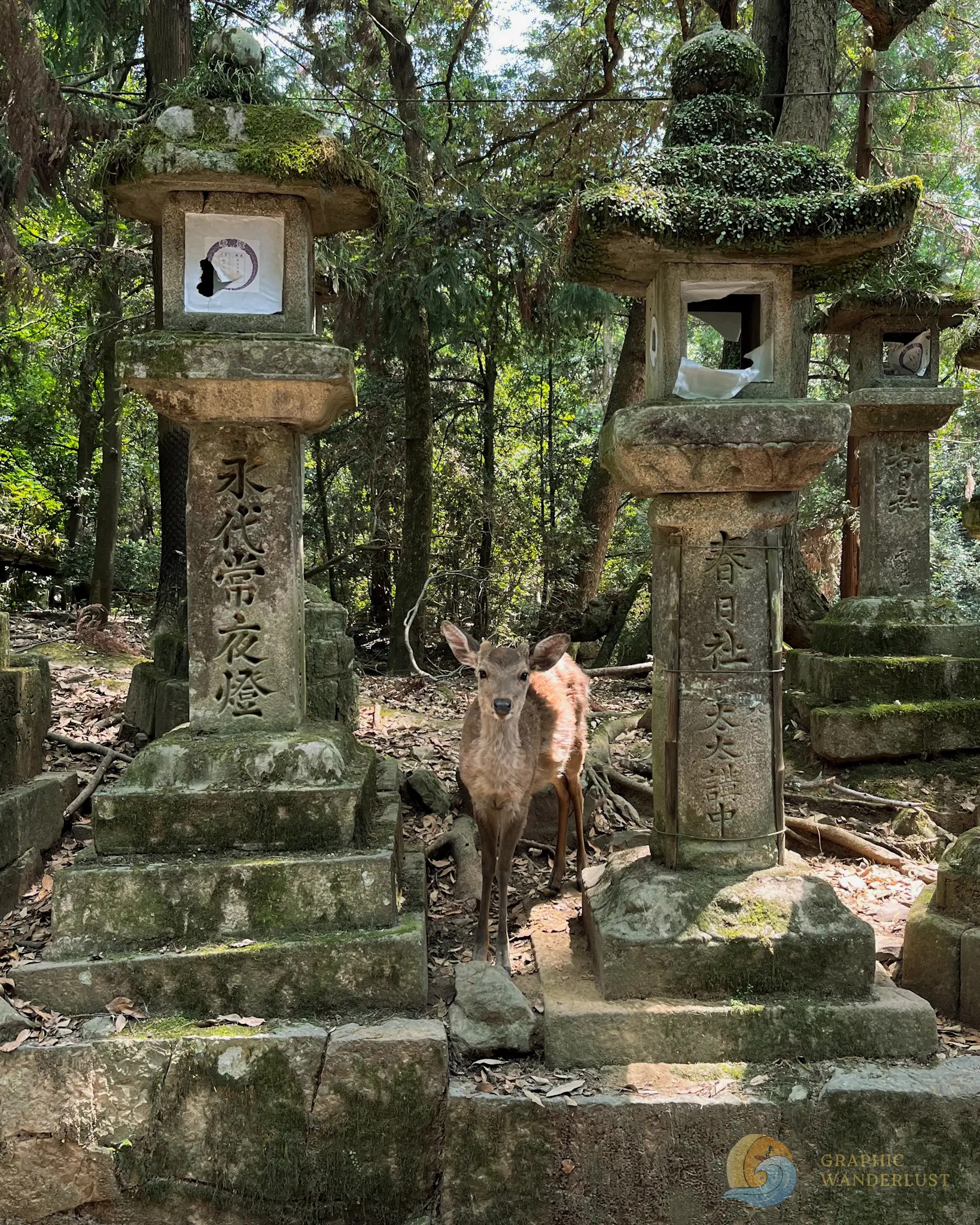
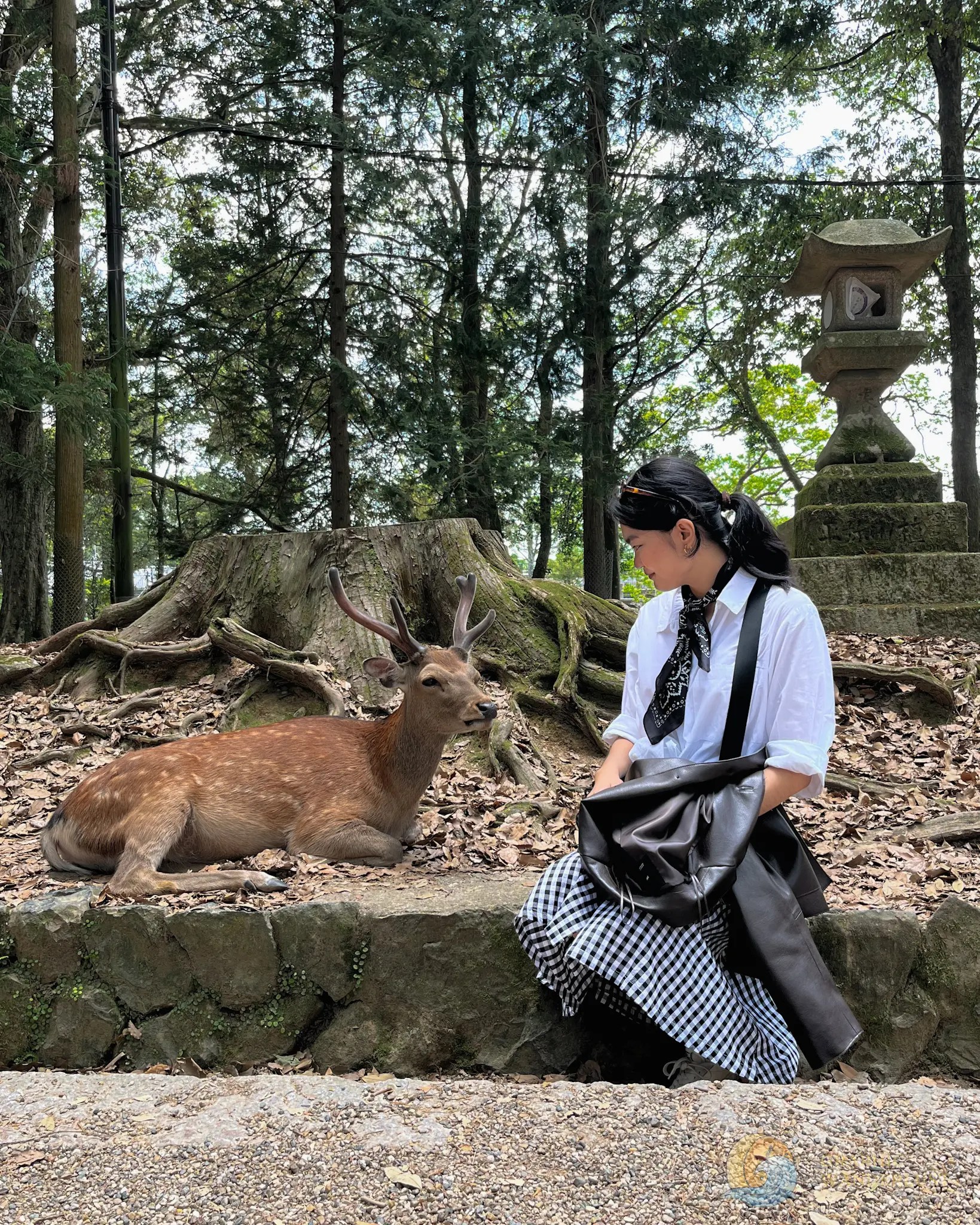
On a personal note, I also found the lush greenery surrounding Kasuga Taisha Shrine mystical and magical, especially with the presence of the deer, evoking an immersive, otherworldly feel.
Todai-ji Temple
- Location: 406-1 Zoushi, Nara, Japan
- Operating Hours: Great Buddha Hall: 7:30AM-5:30PM (April to October); 8:00AM-5:00PM (November to March)
- Admission Fee: ¥800 (Great Buddha Hall)
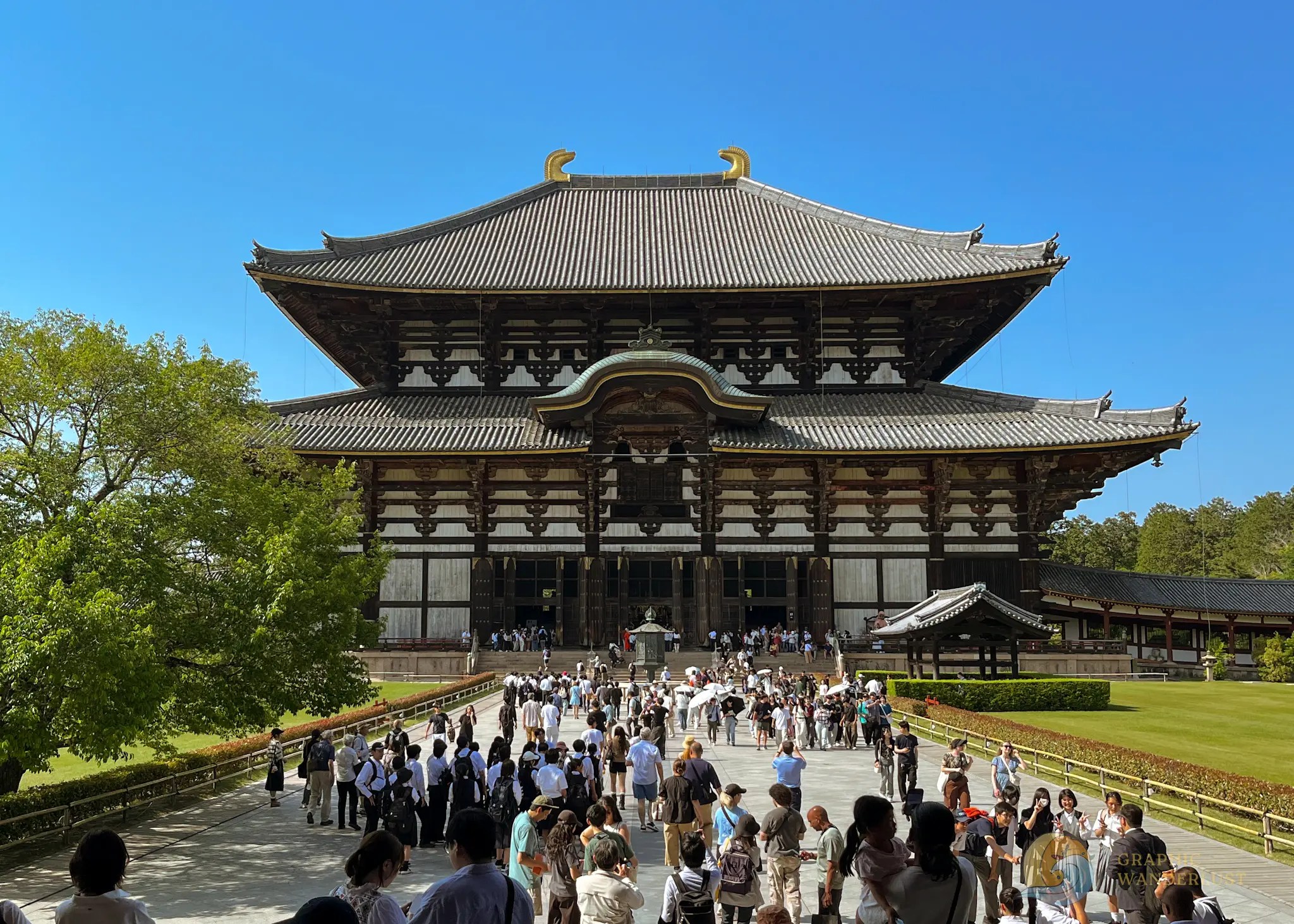
Another symbol of Japan’s rich spirituality and history and one of the city’s UNESCO World Heritage Sites, a visit to Todai-ji Temple is another easy addition for a quick Nara day trip itinerary.
Located north of Noborioji Park and northeast of Kintetsu-Nara Station, Todai-ji Temple is another Japanese National Treasure known to house the country’s biggest bronze Buddha image.
Built in 752 during the height of the Nara Period, Todai-ji, which means the Great Eastern Temple, is the head temple of all provincial Buddhist temples in Japan. It is known for its Great Buddha Hall or Daibutsuden, which houses the large 15-meter bronze statue of Vairocana Buddha in a seated position and held the record as the biggest wooden building in the world.
Synonymous with its grand size, the temple became so powerful during the Nara Period that the imperial government was forced to move the capital of Japan away from Nara to weaken its influence.
Aside from Daibutsuden, Todai-ji also houses several other important cultural and historical sites within its complex, including the Nandaimon Gate or Great South Gate, which is another Japanese National Treasure known for its gigantic, wooden hip-and-gable roof and large Nio Guardian Kings statues, serving as the temple’s main entrance.
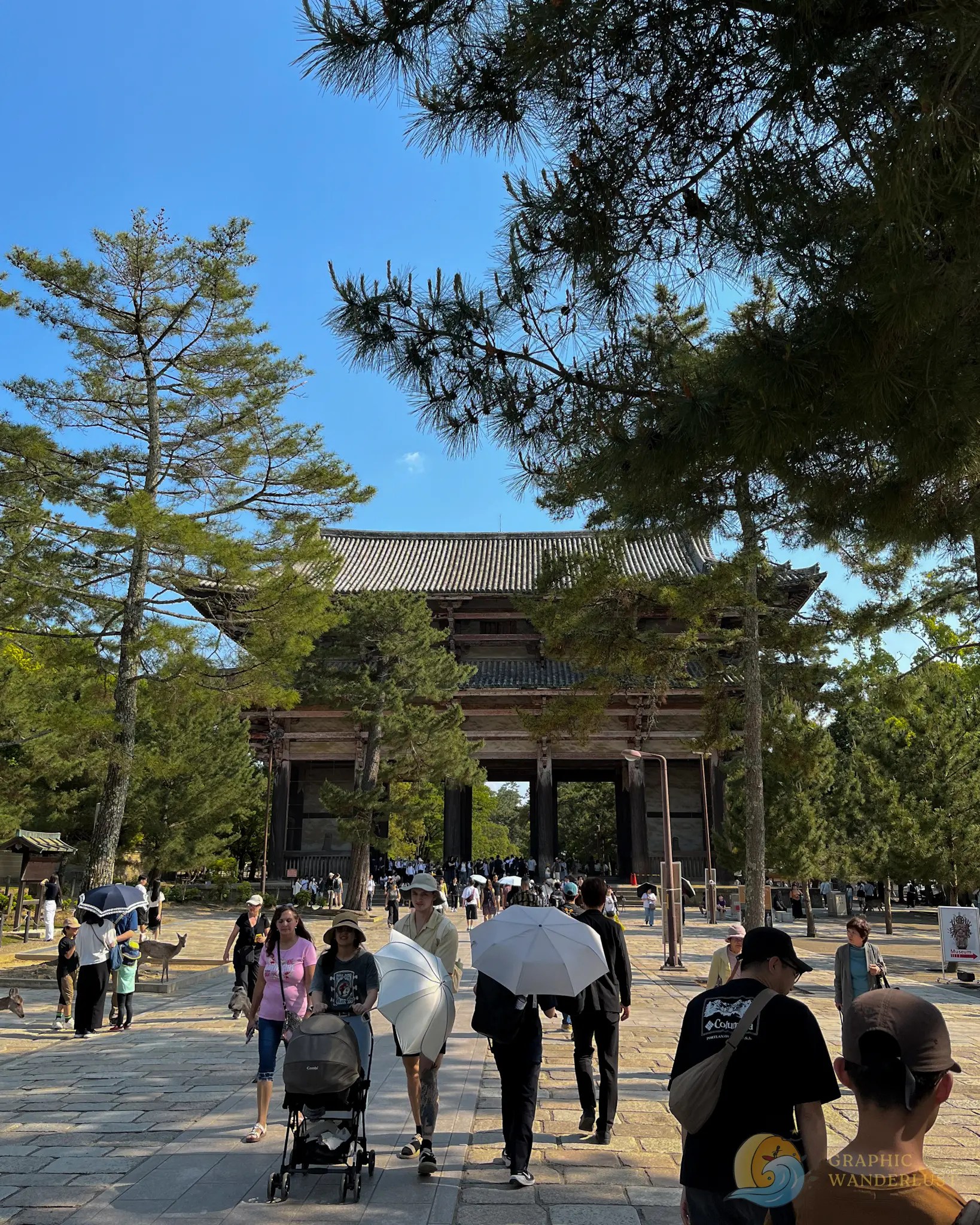
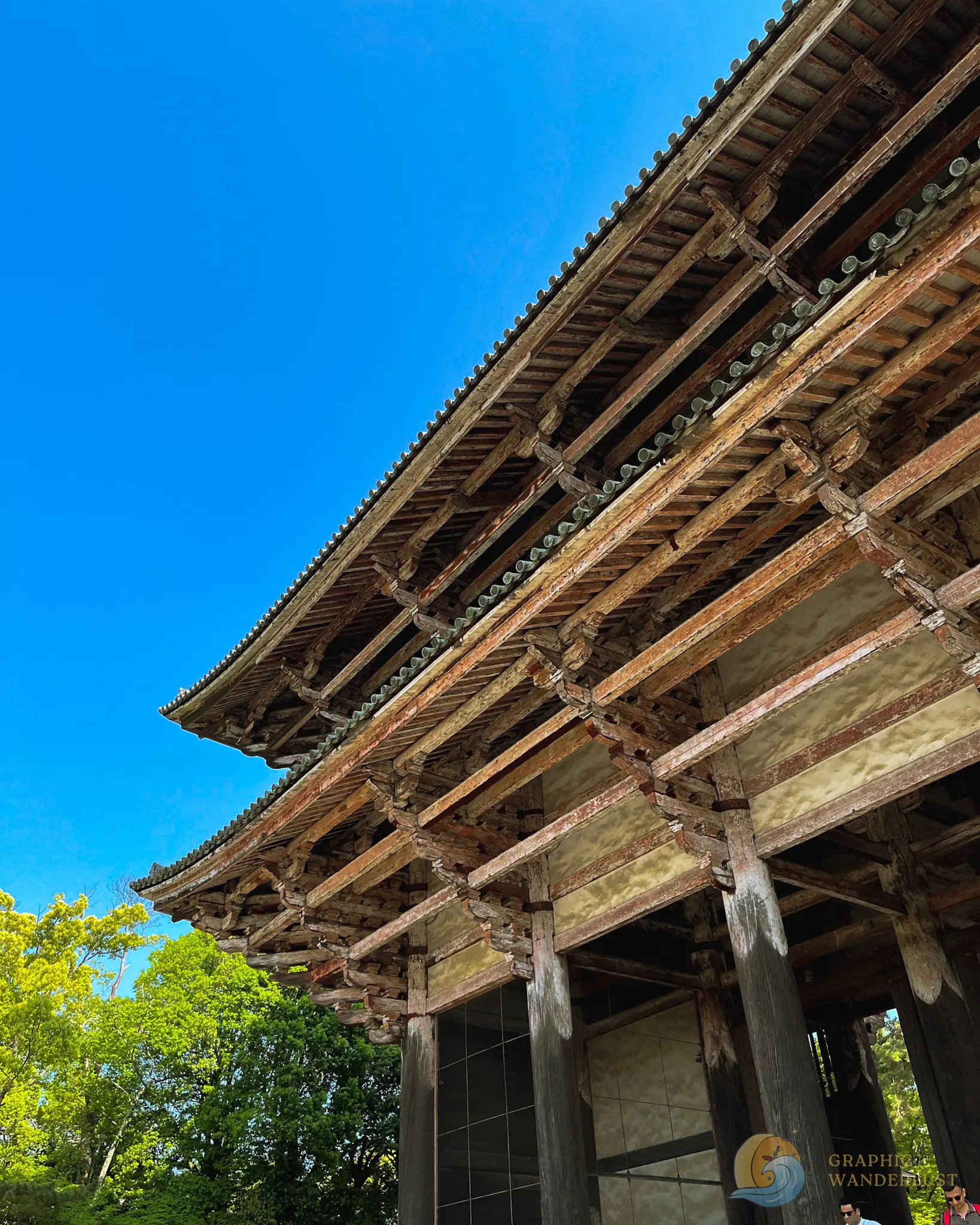
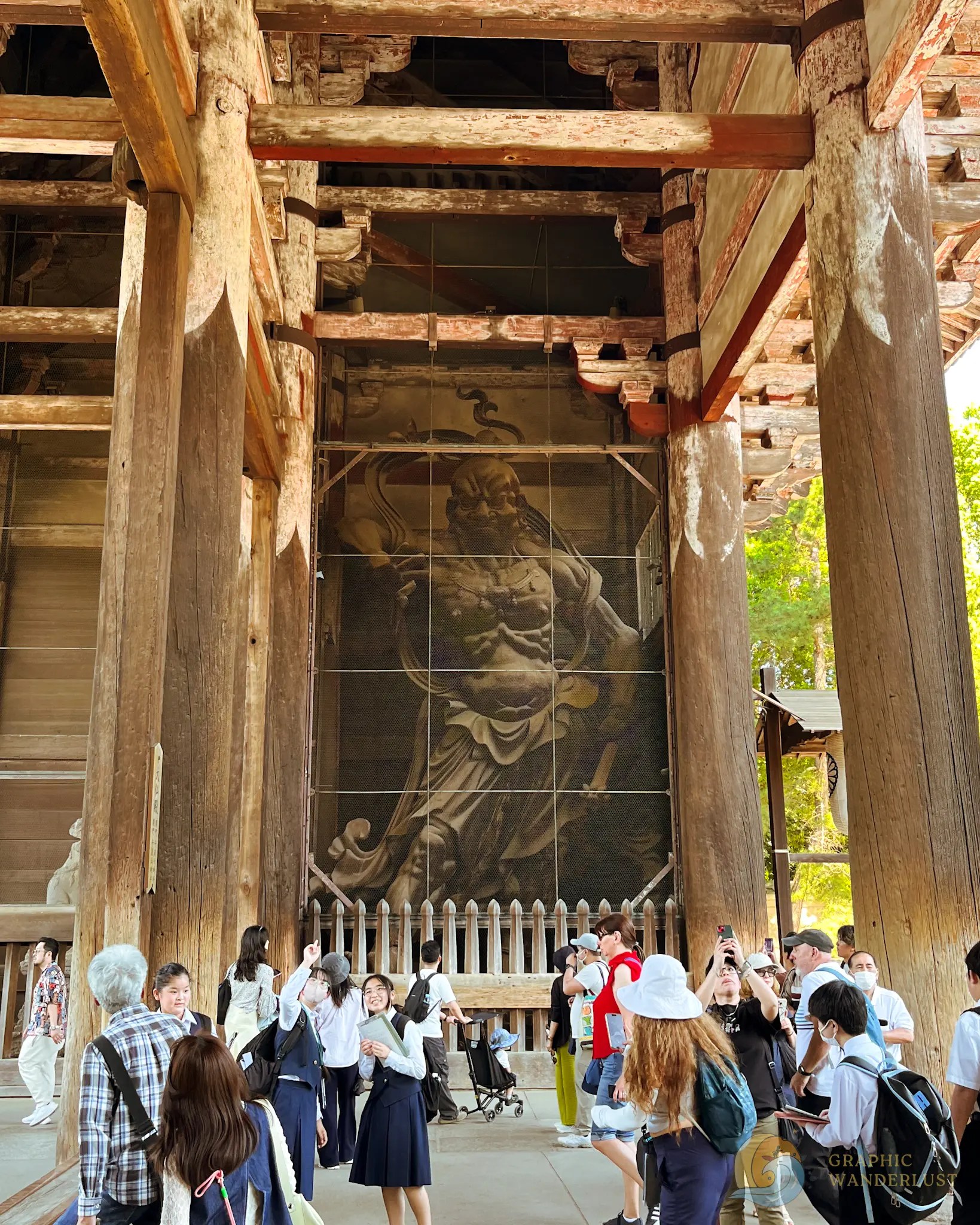
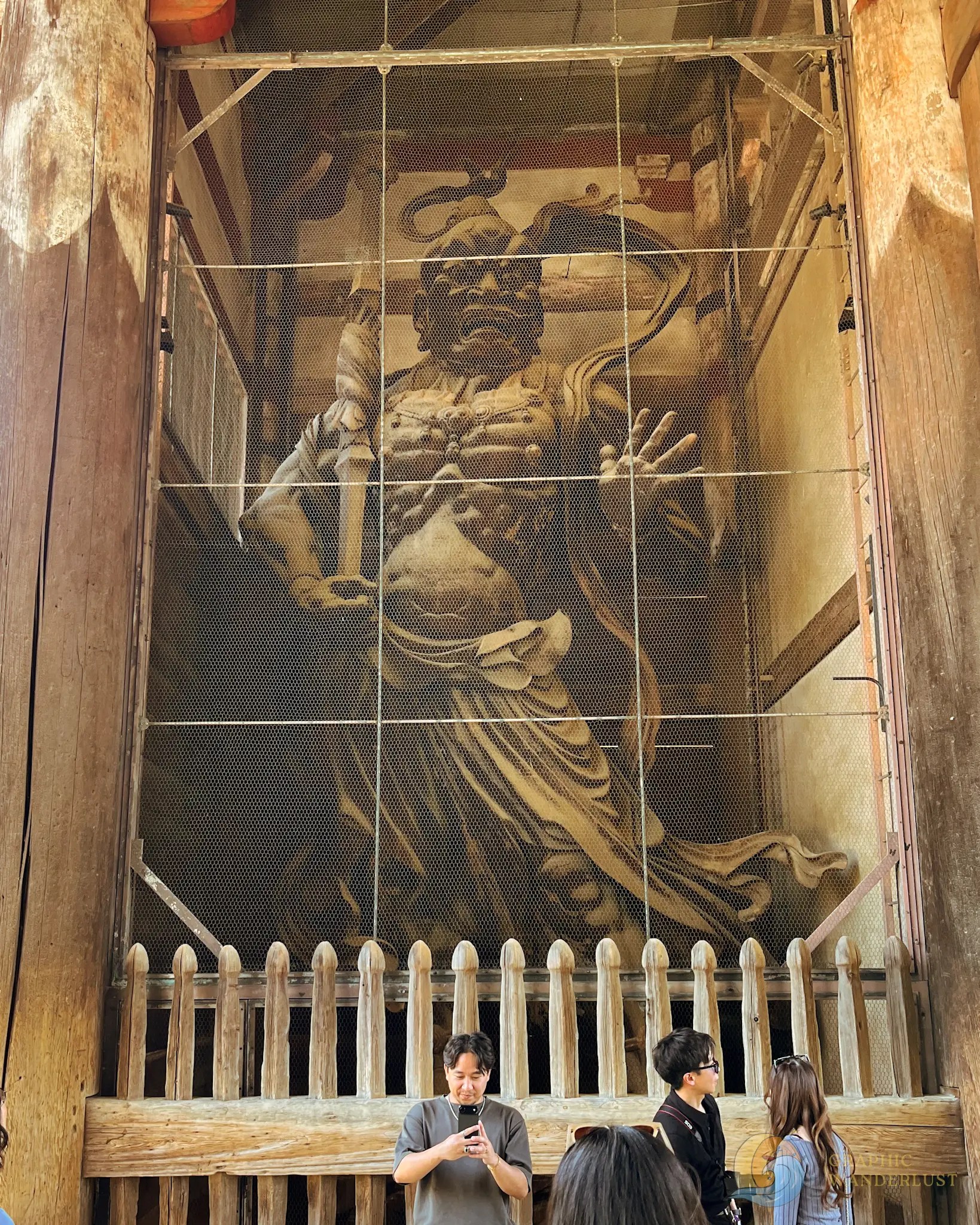
The quiet and elevated structure of Nigatsu-do Hall, east of Todai-ji Temple, is another must-visit, offering panoramic views of the city above, and is known to host the annual Omizutori Festival, notable for its fire and water ceremonies.
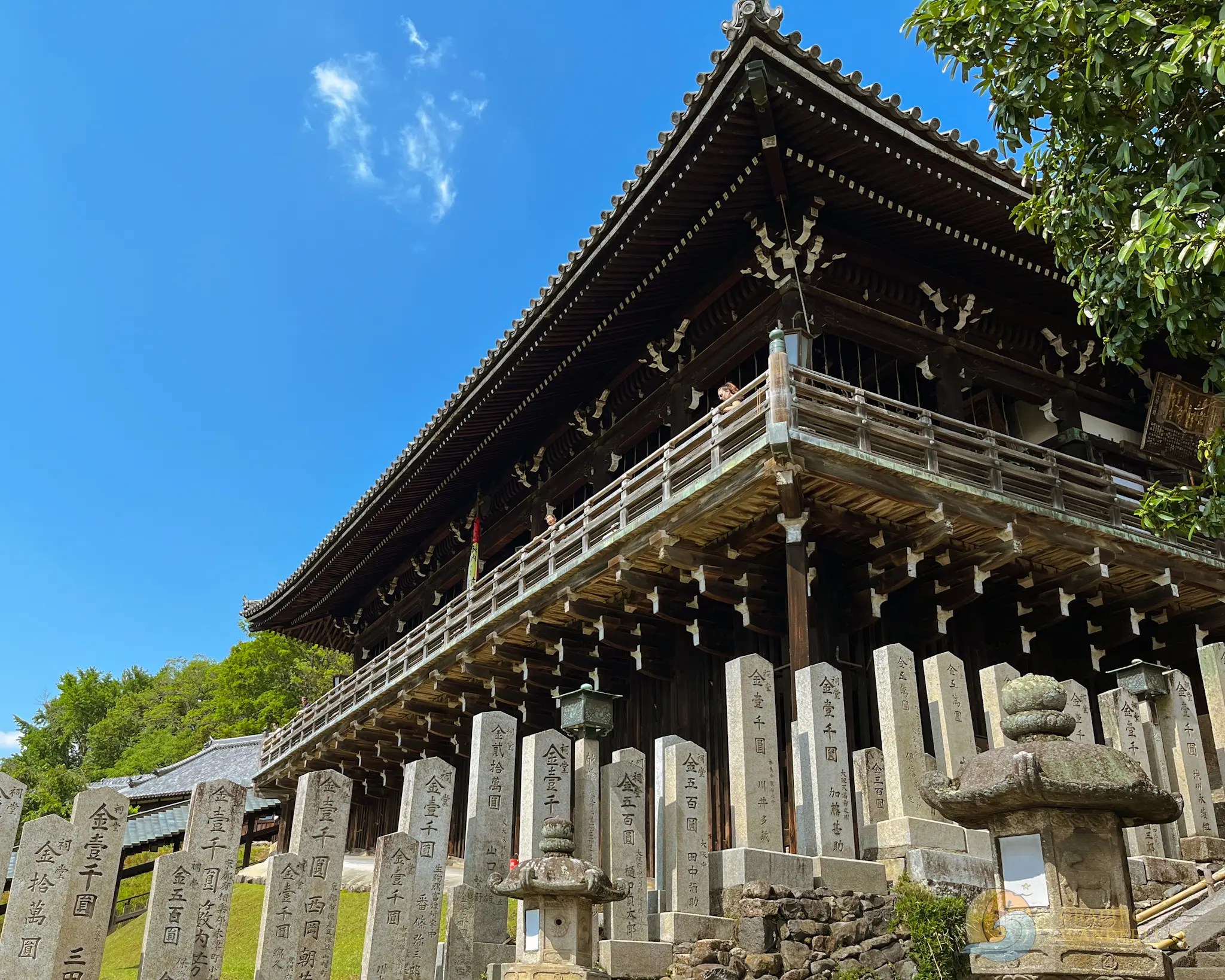
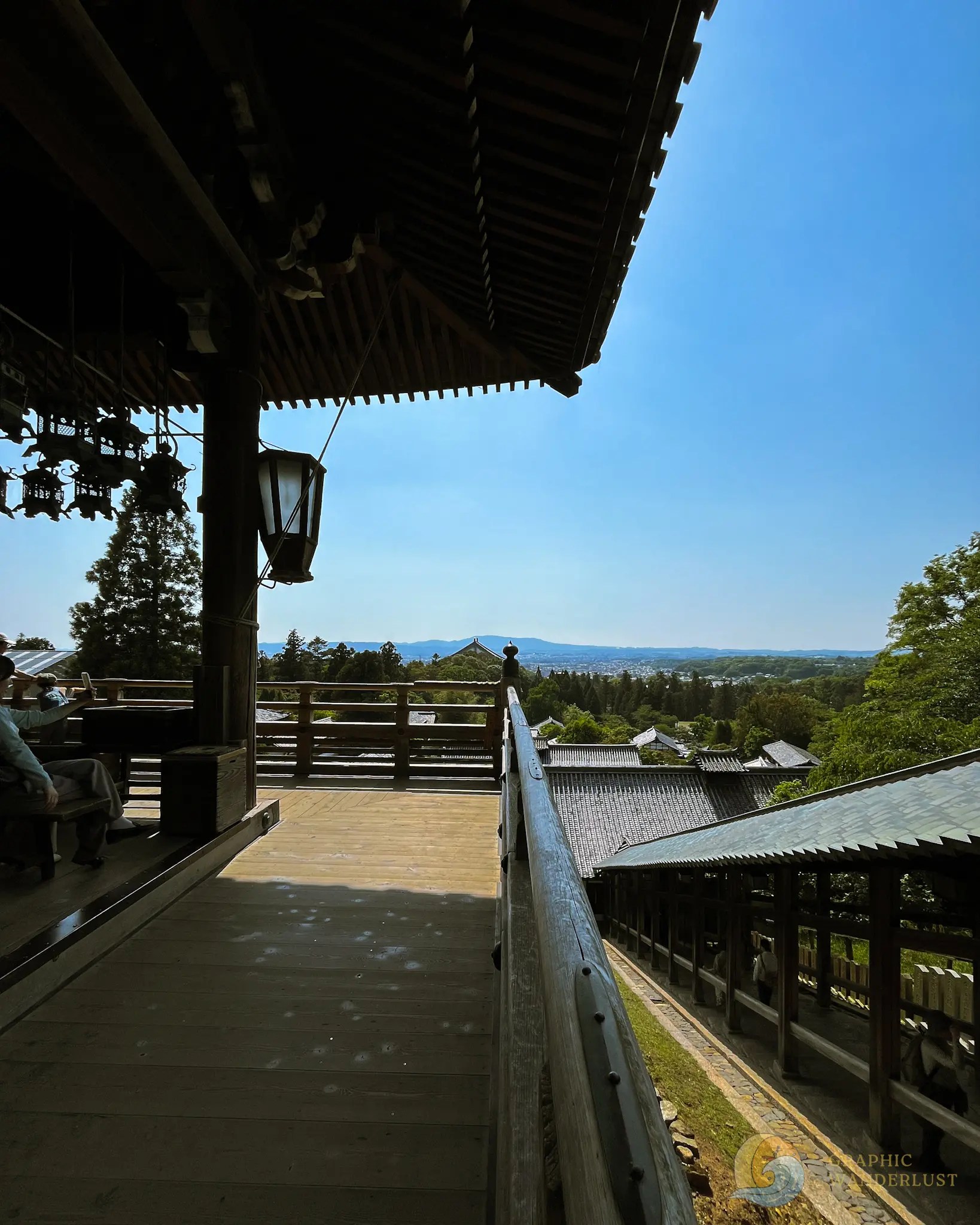
Travel Tip ⛰️ : When going to Todai-ji Temple from Noborioji Park or Kasuga Taisha Shrine, you'll get to pass by Mount Wakakusa, which is another important cultural site in Nara, boasting panoramic views of the city from its summit, best visited during sunsets. A handful of deer also linger around the area, especially in the middle of the day when they rest and sleep.
Higashimuki Shopping Street
- Location: 15 Higashimuki-nakamachi, Nara, Japan
- Operating Hours: Varies per establishment
- Admission Fee: None
End your Nara day trip before hopping on a train back to Osaka by dropping by Higashimuki Shopping Street.
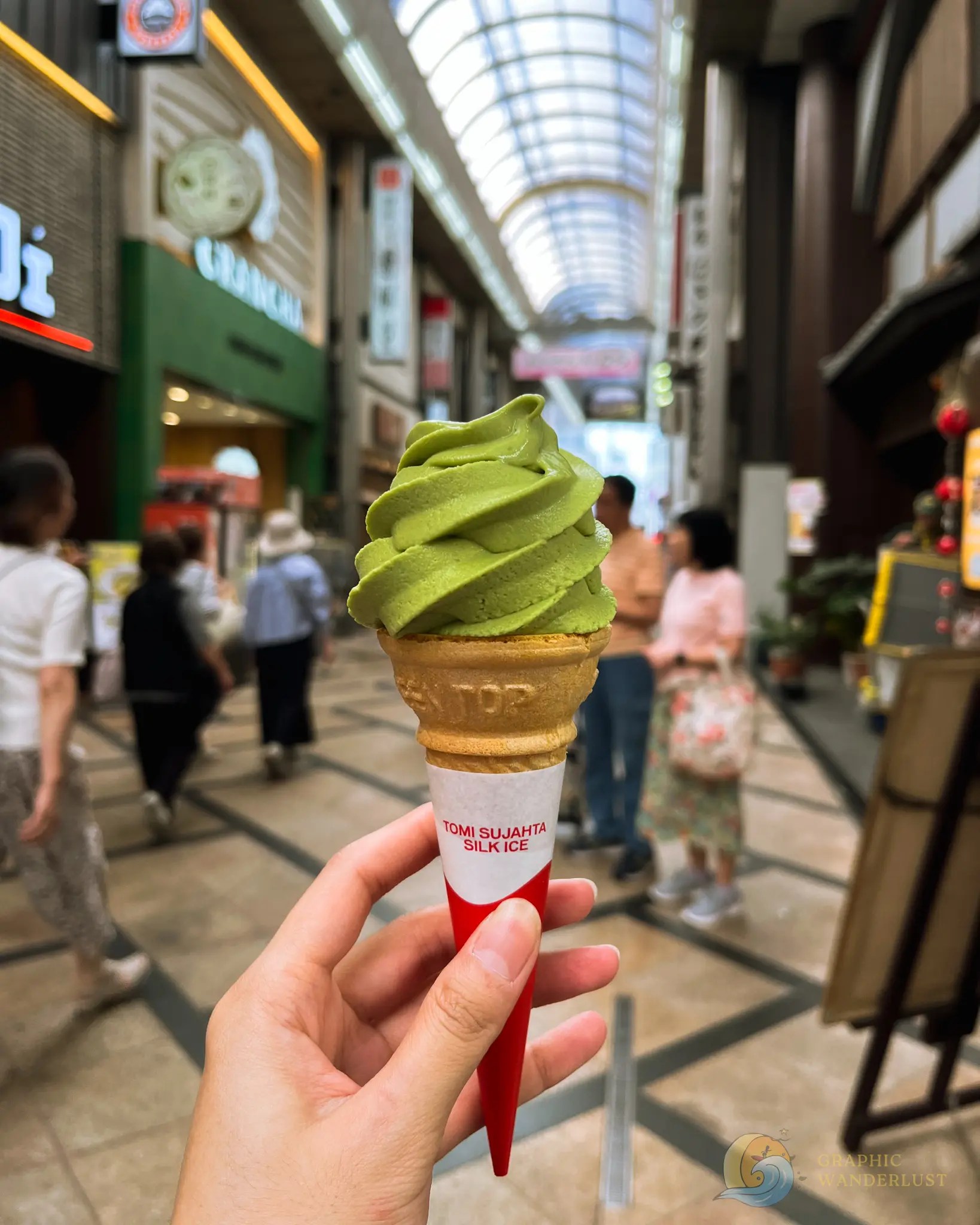
A covered shopping arcade near the entrance to Kintetsu-Nara Station, Higashimuki Shopping Street is hard to miss with its convenient location and has become a usual pitstop for tourists ending their Nara day trip to grab snacks or a meal or purchase a souvenir.
During my trip, this was the place where I grabbed a serving of matcha soft serve from Tomi Sujahta for ¥350.
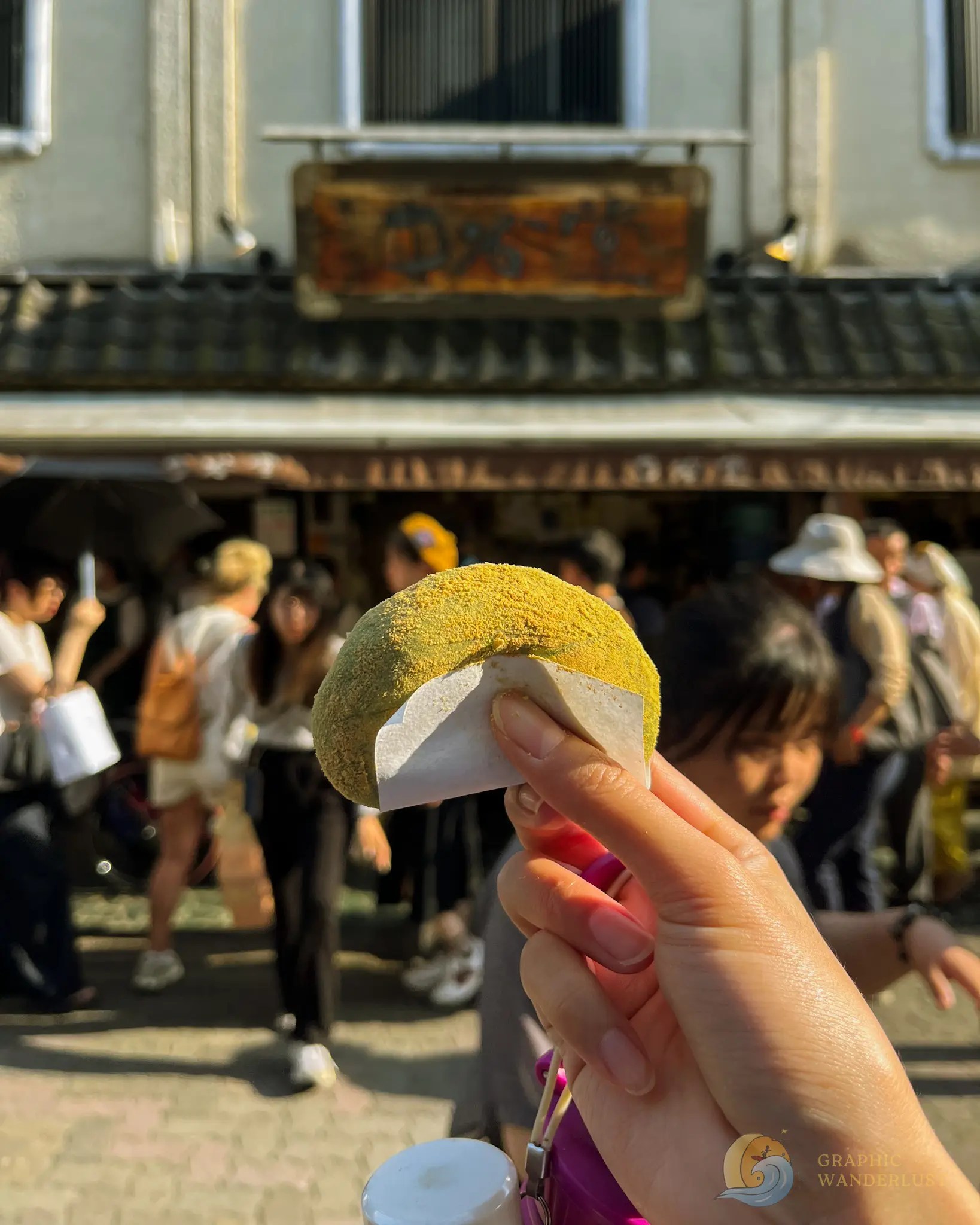
The street is also adjacent to Sanjo-dori, where a handful more local dining spots are found, including the famous Nakatanidou, which is known for its fast-pounding mochi pounders that observe a regular beeline of customers wanting to try their Yomogi Mochi (¥200).
Sample Nara DIY Day Trip Itinerary
For my recent day trip to Nara from Osaka, here is the actual itinerary I followed, including the different local dining spots I tried:
8:00AM – Wake up and prep
9:30AM – Travel to Nara from Nipponbashi
11:30AM – Arrival at Kintetsu-Nara Station
11:40AM – Explore Noborioji Park and feed deer
12:20PM – Make way to Kasuga Taisha Shrine and feed deer along the way
12:50PM – Explore Kasuga Taisha Shrine
1:35PM – Late lunch at Mizuya Chaya
2:20PM – Arrival at Todai-ji Temple complex
2:30PM – Explore and take pictures of Nara from Nigatsu-do Hall
2:50PM – Arrival and explore Todai-ji Temple’s Chumon (Central Gate) grounds
3:20PM – Quick photo-ops and appreciation of Nandaimon Gate
3:45PM – Shop for souvenirs at Sanjo-dori
4:10PM – Try Nakatanidou’s Yomogi Mochi
4:20PM – Try Tomi Sujahta’s matcha soft-serve at Higashimuki Shopping Street
4:40PM – Shop for souvenirs at GOTO-CHI Nara
5:00PM – Board the train back to Osaka
Nara Day Trip Travel Tips
- When doing a day trip to Nara, aim to reach the city in the early morning hours to skip the surge of tour groups that arrive in the city mid-morning. The deer are also more active at this time of the day and allow you to spend more time with them. In my experience, it’s easy to spend a few hours interacting with these cute creatures that I didn’t notice two hours passing by so easily.
- Never feed the deer aside from the recommended crackers sold in stalls and vending machines. These special cookies are specifically made for the animals’ diet, and feeding them a different one may cause health problems for the deer.
- To avoid getting ambushed by a herd of deer when feeding them, don’t put out all of the shika senbei on display. Instead, get one cracker at a time so the deer won’t keep asking for more.
- Never sit or ride on the back of a deer. As previously mentioned, Nara deer are considered sacred, and sitting on them is a culturally inappropriate and disrespectful act for locals.
- If you’ve already been to the temples and shrines in Kyoto, you might feel entering the ones in Nara repetitive. But ensure to explore their surrounding areas as the scenery is also a sight to behold.
After a day of discovering and experiencing what Nara has to offer, I found myself regretting the fact that I didn’t research the city well enough prior to my visit to Japan.
Compared to Kyoto and Osaka, Nara was the city in my recent trip where I genuinely felt peaceful and serene despite the crowd of tourists. There’s something about the place that makes it so mystically alluring that I can’t exactly point my finger on. It may be the centuries-old trees of Mt. Kasuga, the serenity of its historic temples and shrines, or the magical and sacred appeal of the deer themselves.
But one thing is certain: a trip to Nara is a must. Whether you’re doing a day trip or a couple of nights’ stay, visiting this historic cultural capital is essential in fully understanding Japan’s past, present, and future.
Ready to experience Nara’s mystical charm? What tourist attractions are you excited to see? Let’s hear them out in the comments below!
If you’re also doing a Kansai trip for the first time, check out my handy guides on traveling to Kyoto and Osaka for the first time!
If you also find this post useful, you can support me in creating more travel and hiking guides in the future! Just tap on my Ko-fi or Buy Me a Coffee profile to get started, or share this post with your friends or on social media for free!
DISCOVER MORE JAPAN TRAVEL GUIDES HERE!





Any thoughts?