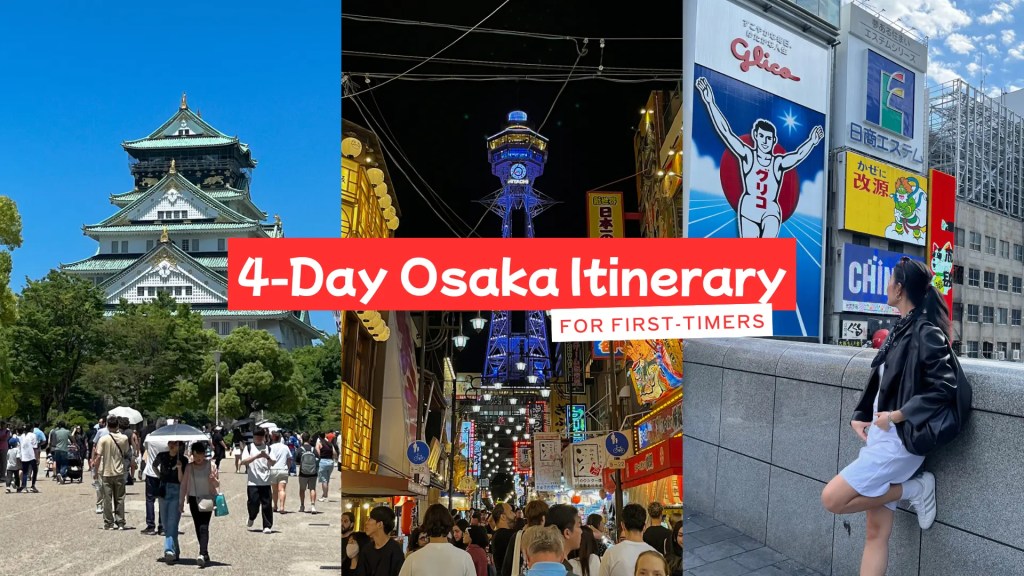

If there is one thing that I didn’t expect in my recent travel to Osaka, it would be how overwhelming it can get when you visit for the first time. Brimming with various kinds of activities, from Dotonbori‘s street food stalls to Universal Studios Japan‘s adrenaline-pumping attractions, Kansai’s bustling economic capital doesn’t run short of providing entertainment to visiting tourists. No wonder I always ended each day tired—but fulfilled—during my four-day stay in the city.
From exploring the historic grounds of Osaka Castle Park to discovering the otaku (Japanese pop culture hobbyist) stores of Denden Town, here’s a comprehensive 4-day Osaka itinerary and travel guide for travelers visiting the city for the first time!
⛩️ 🦌 Interested in visiting Kyoto and Nara for the first time too? Check out my handy travel guides to these popular Kansai destinations!
Table of Contents
- Osaka Fast Facts
- Best Time to Visit Osaka
- How to Get to Osaka
- Getting Around Osaka
- Where to Stay in Osaka for First-timers
- Things to Do in Osaka
- Sample 4-Day Osaka Itinerary
- Osaka Travel Tips
Osaka Fast Facts
- Visa: Required for Philippine passport holders; visa-free for over 70+ countries
- Travel requirements: Valid visa (if required) and passport, completed Visit Japan Web
- Currency: Japanese Yen (¥)
- Major language: Japanese
- Major religion: Buddhism, Shinto
- Timezone: Japan Standard Time (GMT+9)
- Seasons: December to February (Winter); March to May (Spring); June to August (Summer); September to November (Autumn)
- Best time to visit: March to April (cherry blossom season); October to November (Autumn)
- Modes of transportation: Trains, subways, buses, and taxis
- Payment methods: Cash (local merchants), ICOCA/digital IC card (public transportation and most retail establishments), credit card, i.e., Mastercard & Visa (big establishments)
- Power plug & socket type: Type A and B
ALSO READ: Japan Visa Application in the Philippines: First-Time Guide
Best Time to Visit Osaka
Spring (March to April)
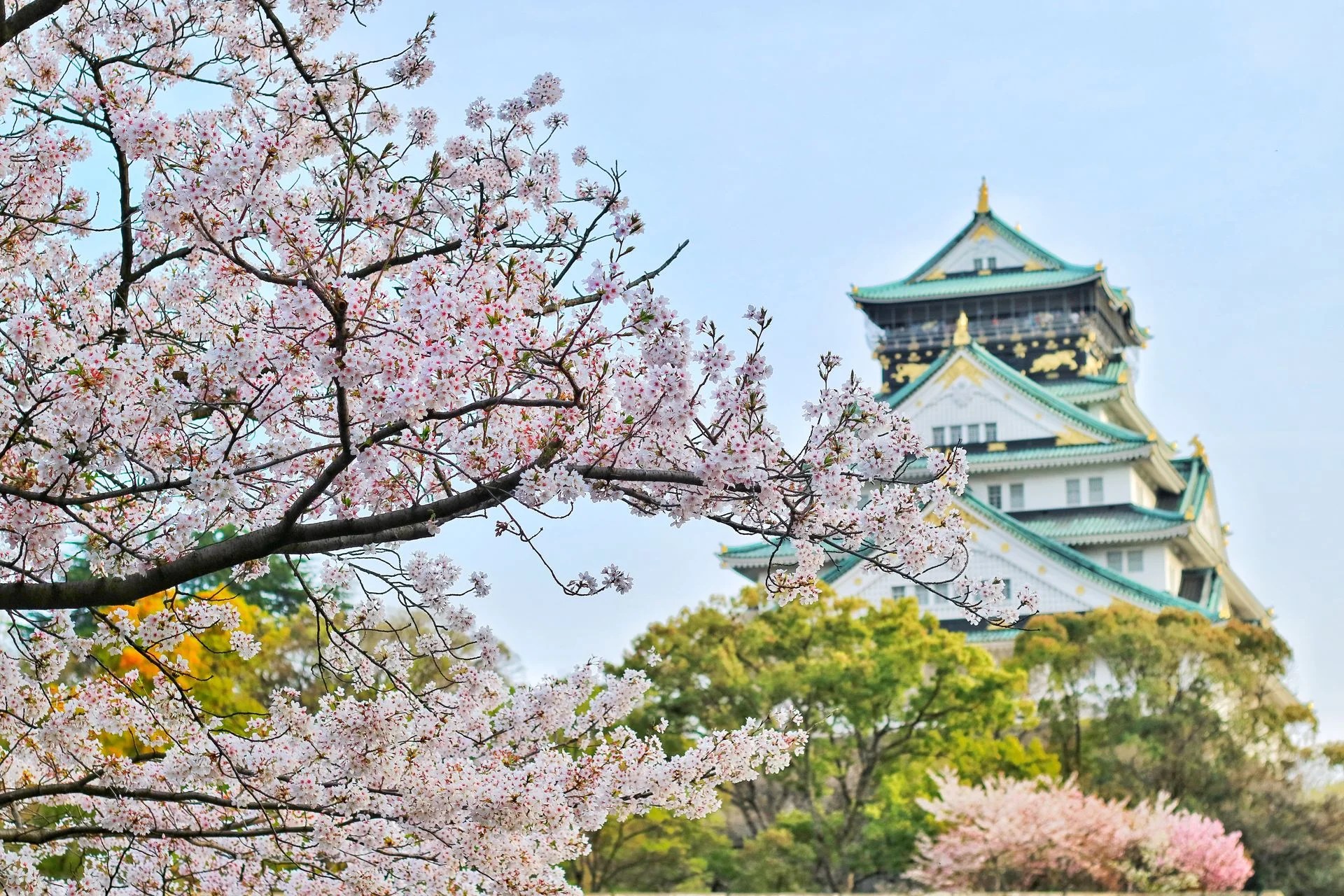
Similar to most parts of Japan and its popular neighboring city, Kyoto, Osaka is also best visited during its sakura or cherry blossom season, which typically starts from the last week of March to the first week of April.
This quick window between the transition of these two months turns Osaka’s nature parks—including the famous historic grounds of Osaka Castle Park— into popular sakura viewing spots filled with soft pink hues.
During these months, the city also experiences pleasant breezy temperatures from 6°C to 20°C, bringing sunny days, cold evenings, and occasional spring showers.
However, this period coincides with the city’s and Japan’s peak tourist season, so expect major Osaka attractions to be crammed with travelers, and hotel and food prices to surge during these hectic weeks.
Autumn (October to November)
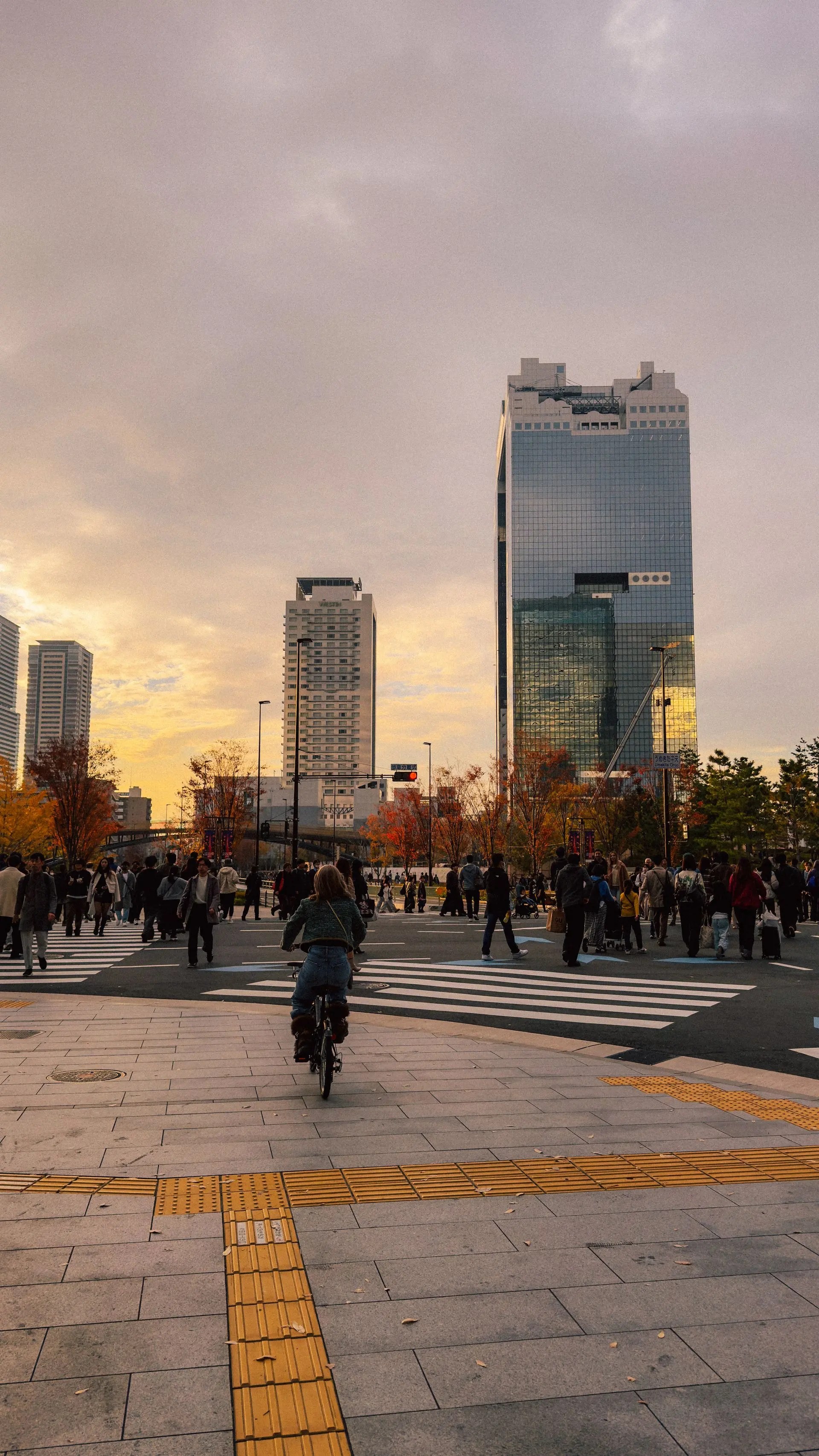
If you can still hold off booking a flight ticket to Osaka, the autumn months of October to November are also the best times to visit the city, as its foliage turns into bright fiery orange and deep reds.
Unlike the pink weeks of March and April, visiting Osaka in autumn rewards visitors with scenic nature spots emblazoned with various shades of yellow and orange in their full glory.
Furthermore, this picturesque autumn scenery lasts longer than spring’s cherry blossom season and features mild temperatures with warm sunny days and crisp cold evenings.
Nonetheless, and due to the change in traveler behavior in recent years, November has also become a tourist peak season, causing accommodation and food prices to rise due to the increased foot traffic.
For budget travelers, the month of October—just as the trees start turning orange and red—is a sweet spot to still savor the picturesque autumn scenery without dealing with the massive tourist crowds and hefty price tags.
Mid to Late May (Post-Golden Week)
If budget and good weather are your priorities in an ideal trip, the weeks after Japan’s Golden Week in May are also one of the best times to visit Osaka and the country in general.
A series of public holidays that last for around seven days, Japan’s Golden Week starts from the last week of April to the first week of May, and is the period when locals take vacations and travel domestically. During these days, accommodation and food prices hit their peak until the end of the week, after which rates return to normal.
Not to mention that the period after this big domestic holiday is the late spring season, so you can expect lush greenery, blooming flowers, and generally sunny daily weather that can rise up to 29°C.
During my recent trip to Osaka, this was also the same time when I visited the city, and contrary to my initial expectations, Osaka can get as warm as the early summer season.
How to Get to Osaka
As Japan’s third most populous city and Kansai’s capital, Osaka is easier and more convenient to reach compared to the region’s other nearby major cities. Whether you’re coming from within Japan or outside of it, here are the transportation options for reaching Osaka.
By plane
From Kansai International Airport
For inbound travelers coming from outside of Japan, Osaka is easily accessible through the Kansai International Airport (KIX), located southwest and an hour away from the heart of the city.
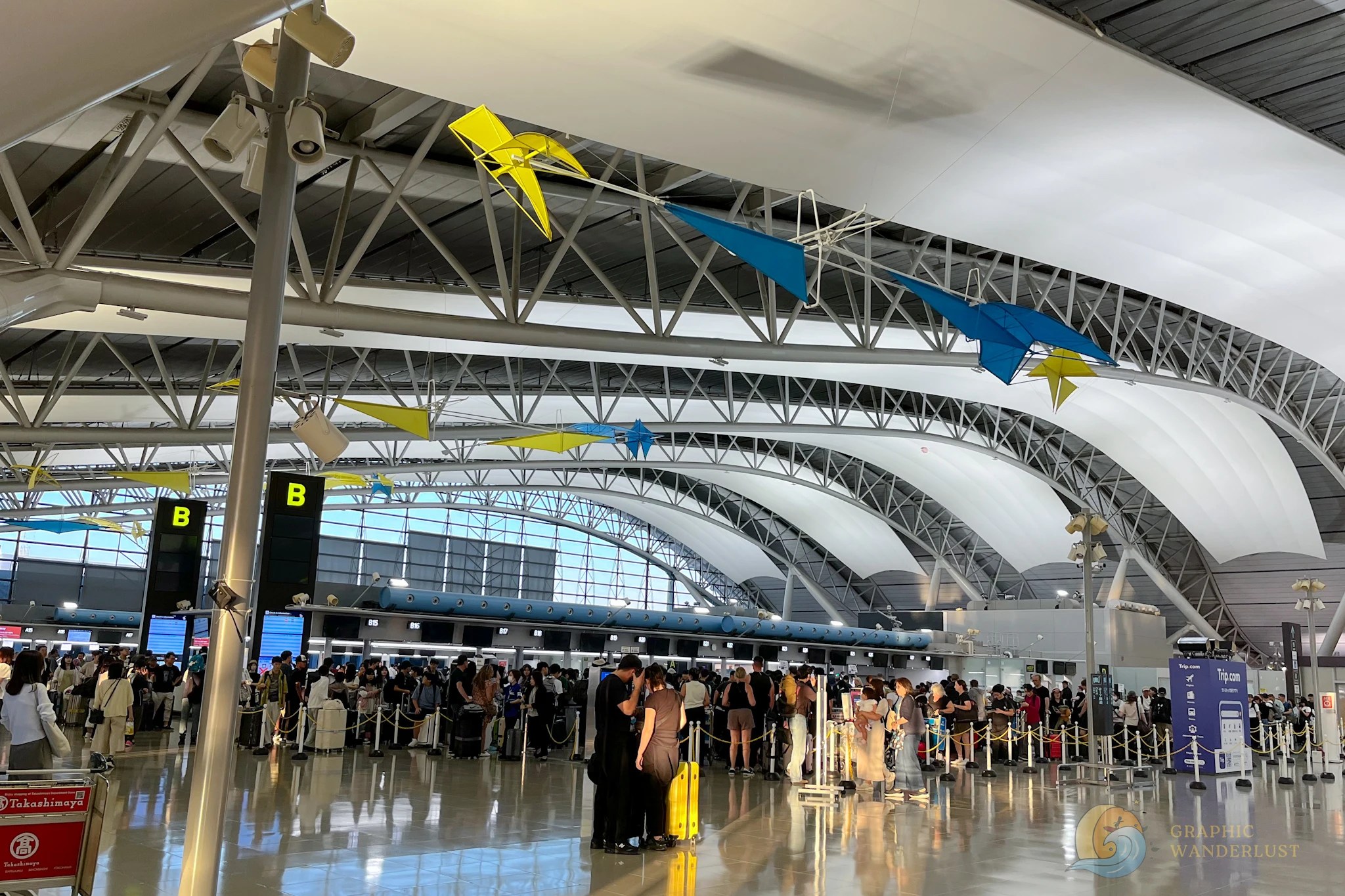
Nestled on an artificial island in the middle of Osaka Bay, the airport is well-connected to the city through Kansai Airport Station, where a handful of railway lines bound for downtown Osaka stop.
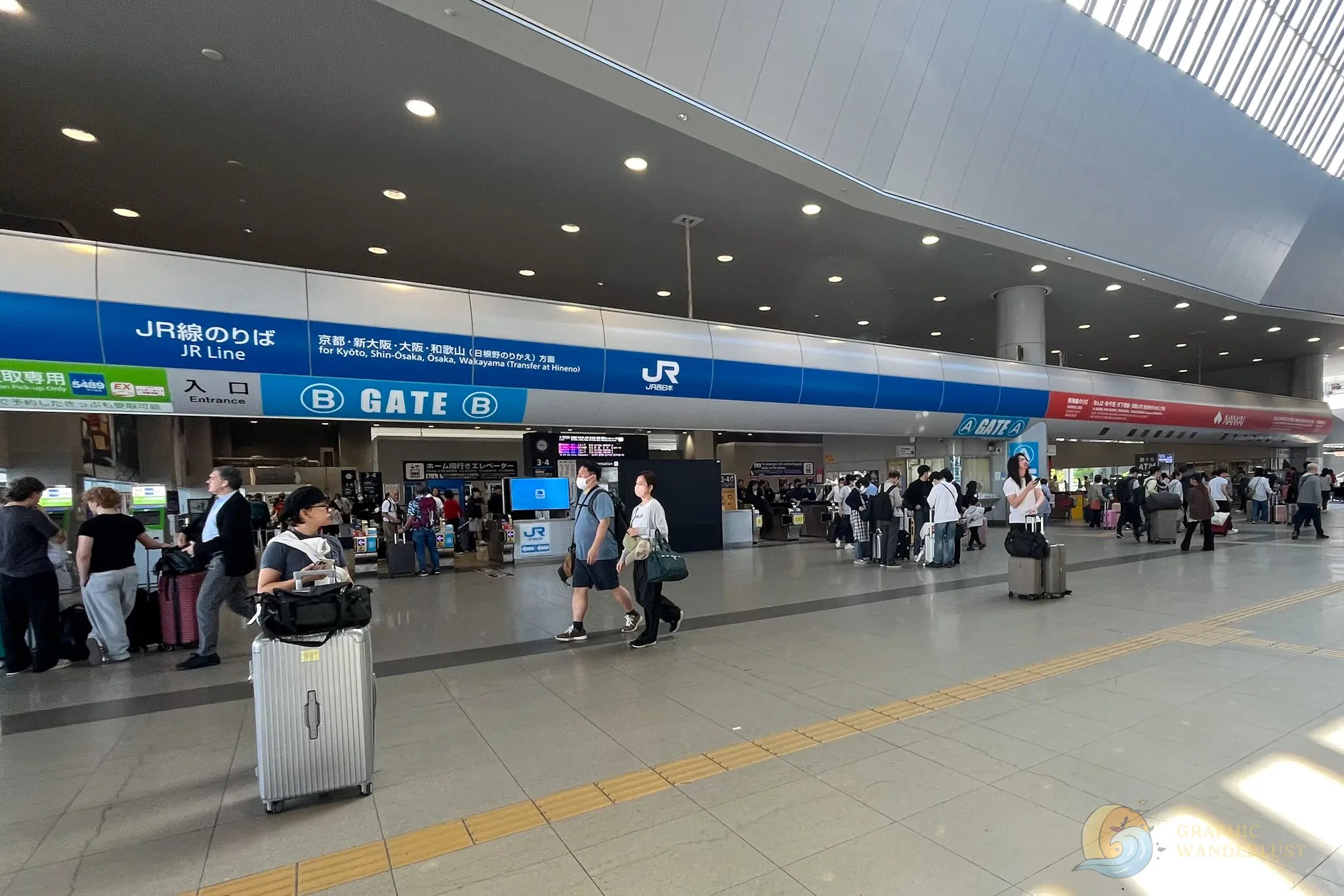
Depending on your preference and the location of your booked accommodation, there are four train lines that you can take to go to central Osaka:
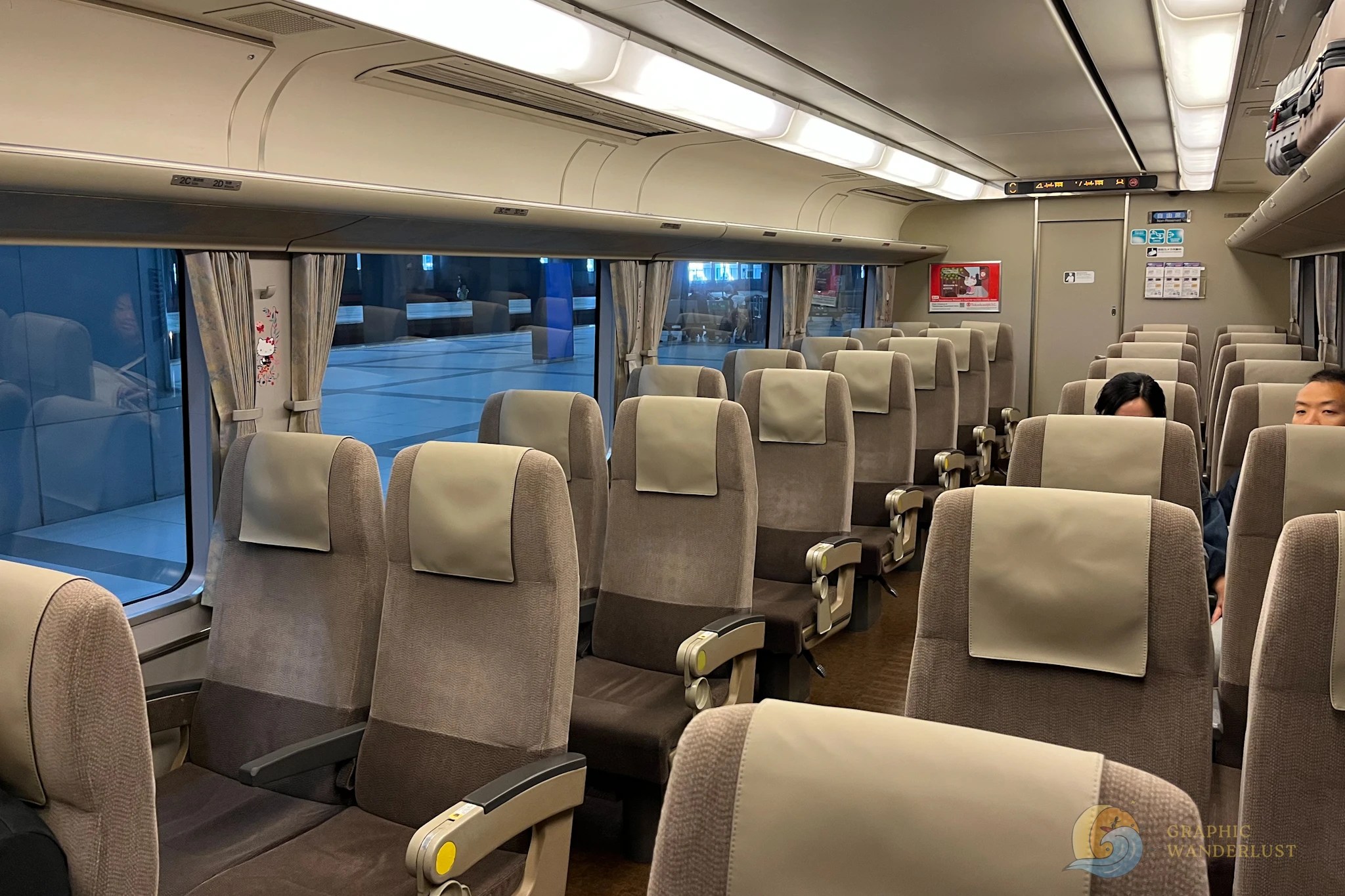
- JR Haruka Limited Express: A limited express train by JR West that only stops at four stations, including Tennoji, Osaka, and Shin-Osaka, with reserved and non-reserved seating options, designated luggage areas, and special reduced fares starting at ¥1,300 for foreigners. For travelers bound for Kyoto, this is also one of the most convenient ways to travel from Kansai Airport.
- JR Kansai Airport Rapid Service: A cheaper commuter alternative, albeit with a longer travel time than the Haruka Express, composed of the Kansai Airport, Hanwa, and Osaka Loop Lines that stop at major stations like Tennoji and Osaka.
- Nankai Airport Limited Express: A Kansai private company, Nankai Electric Railway‘s limited express train service that stops at major South Central Osaka stations like Tengachaya, Shin-Imamiya, and Namba and features reserved seating and designated luggage areas with a fare of ¥1,544.
- Nankai Airport Express: A regular commuter train still from Nankai Electric Railway Company that has more stops and terminates at Namba Station.
During my trip, for my flight from Manila with Jetstar Japan, this is also the same airport where we landed before proceeding to Kyoto, where we spent the first leg of our Kansai trip, arriving via the Haruka Express.
READ MORE: 3-Day Kyoto Guide: Things to Do & Itinerary for First-Timers
Book your Manila to Osaka flight here!
From Osaka Itami Airport
For travelers coming from Tokyo and other parts of Japan, Osaka Itami Airport (ITM), also located an hour north of downtown Osaka, serves as the region’s domestic hub and is connected to the city center by the Osaka Monorail.
From here, visitors have the option to choose between the Hankyu Takarazuka and Kita-Osaka Kyuko/Midosuji Lines, which both head to the Kita Ward via the Umeda Station.
For tourists staying outside of the Umeda area, the airport buses departing from Itami Airport are the best choices, with stops at Osaka, Shin-Osaka, and Namba Stations.
Travel Tip 🚉: Grab an ICOCA (Kansai region's IC card) at Kansai Airport Station or the Osaka Airport monorail station after exiting the airport for seamless transfers between train lines without the need to purchase physical tickets for each ride.
By train
For travelers coming from Tokyo or other neighboring prefectures and cities in Japan, Osaka is also easily accessible through the various regional railway lines that stop in the city.
For starters, there are three major train stations to note to keep your trip hassle-free as you navigate your way to your accommodation. It is also ideal to reserve your lodging around these stations to simplify your journey:
- Shin-Osaka Station: An important stop for passengers taking the bullet train from Tokyo and other prefectures, seamlessly connected to Osaka’s major subway line.
- Osaka/Umeda Area Stations: A major train station north of the city center where multiple railway lines meet, including the Osaka Station of the JR Kyoto and Haruka Lines, Umeda Station of the Osaka Metro Subway Line, and the Osaka-Umeda Station of the Hankyu and Hanshin Lines for travelers hailing from Kyoto and Kobe, respectively.
- Namba Area Stations: Another big, major train station, located south of Central Osaka near the popular Dotonbori and subdivided into further railway lines, including the Namba Stations of the Nankai Airport Lines from Kansai Airport, and the Osaka Metro Subway Lines and the JR-Namba Station of JR West.
Typically for first-timers, here are the two popular and major routes that travelers take when visiting Osaka via train.
From Tokyo to Osaka
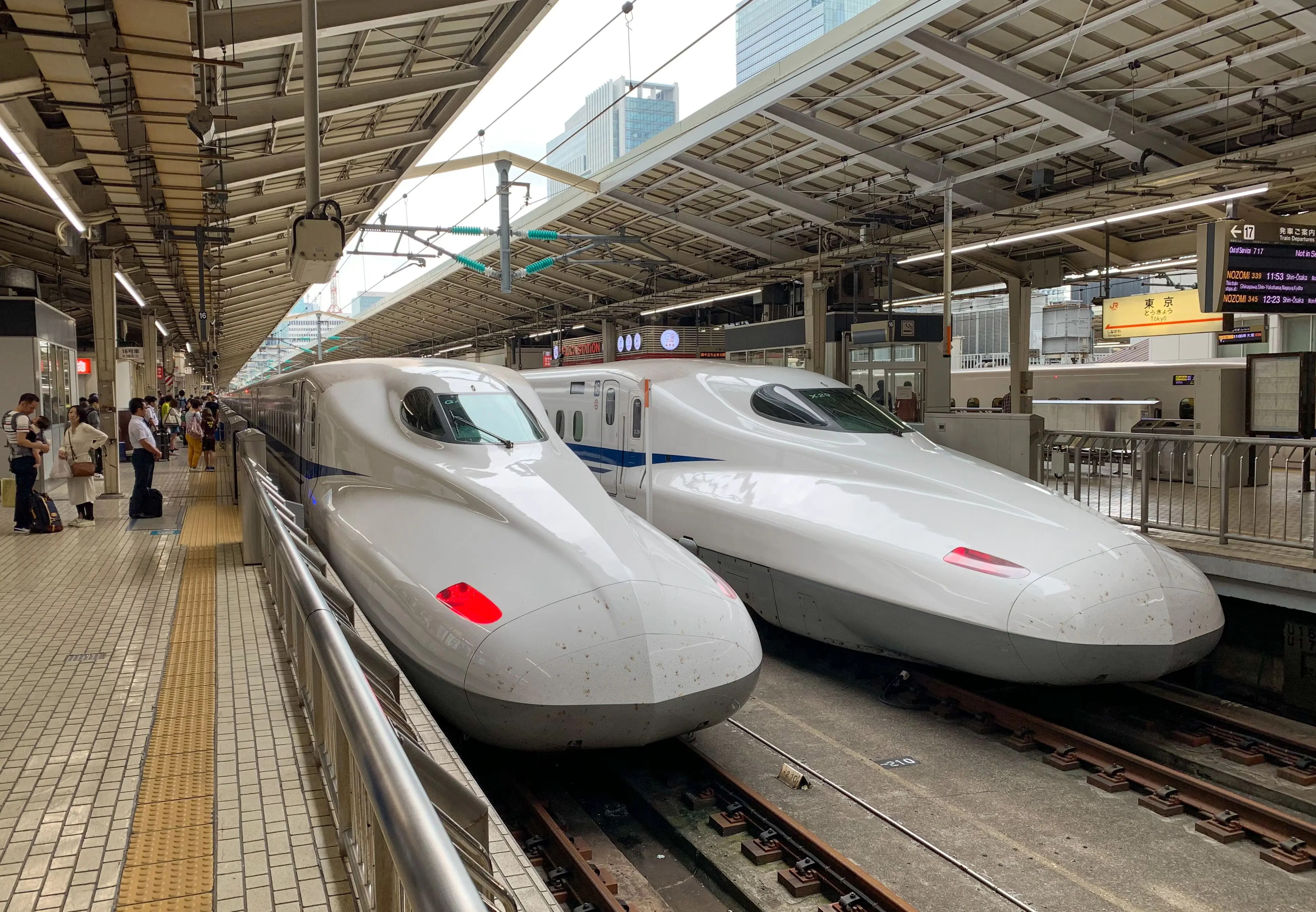
For travelers transiting from the country’s capital, Tokyo, the best way to reach Osaka via train is by taking Japan’s world-famous bullet train, specifically and locally known as the Tokaido Shinkansen.
Operated by JR Central, the fastest travel time between Tokyo and Osaka on the Tokaido Shinkansen is two and a half hours and runs at a speed of 285km/hour.
Passengers can choose from the three train types that ply along this route with daily and regular departures from Tokyo and Shinagawa Stations:
| Train | Travel Time | Stops | Standard Fare* (Non-Reserved) | JR Pass Coverage |
|---|---|---|---|---|
| Nozomi | 2 hrs and 30 mins | 5 | ¥13,870 | ❌ Not fully covered** |
| Hikari | 3 hours | 6-9 | ¥13,870 | ✅ Covered |
| Kodama | 4 hours | 14-16 | ¥13,870 | ✅ Covered |
**requires an additional ¥4,960 supplement fee
All three trains stop at Shin-Osaka Station, which is seamlessly connected to the city’s Midosuji Subway Line that stops at major stations like Umeda, Namba, and Tennoji.
Tickets are available on the smartEX website, on Klook, or directly at ticket counters.
Travel Tip 🗻: If you want to get a scenic view of Mt. Fuji while riding the Tokaido Shinkansen from Tokyo to Osaka, ensure you book seats on the right side (seat E) of the train and on the left side (seat A) when traveling from Osaka to Tokyo.
From Kyoto to Osaka
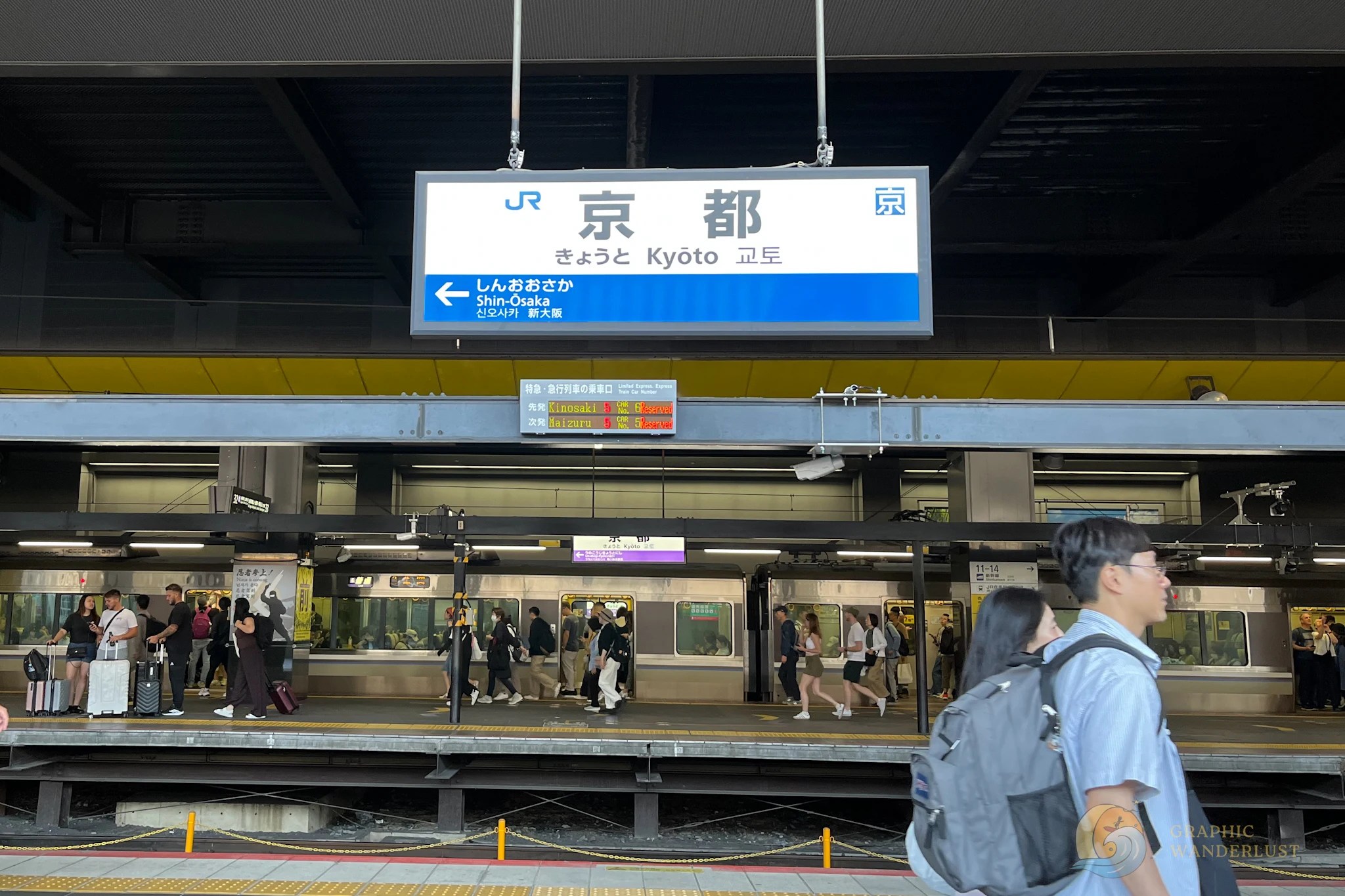
The nearby tourist-favorite and historic city of Kyoto is also well-connected to Osaka with the various train lines that depart from Kyoto Station and Downtown Kyoto.
Depending on where you’ll be coming from, here are the three railway lines that you can choose from when traveling from Kyoto to Osaka:
- JR Kyoto Line: For travelers staying around and coming from Kyoto Station, and with booked accommodation or destination around Shin-Osaka or Osaka Stations, the JR Kyoto Line by JR West is the most convenient route to take, with only 30 minutes of travel time and a ¥580 fare.
- Keihan Main Line: If you’re coming from the historic district of Gion or the iconic Fushimi Inari Taisha, these two popular tourist spots are connected to Osaka through the Keihan Main Line by riding at Gion-Shijo and Fushimi Inari Stations, respectively, and getting off at Yodoyobashi Station, which is connected to the city’s Midosuji Subway Line.
- Hankyu Kyoto Line: An alternative route for travelers coming from Gion or for those staying in Downtown Kyoto, the Kyoto Kawaramachi Station of Hankyu Kyoto Line terminates at Osaka-Umeda Station for ¥410.
By highway bus
For budget travelers coming from Tokyo and looking to beat the steep prices of the Tokaido Shinkansen and skip the tedious route of domestic flights, the highway buses departing from the various parts of Japan’s capital are the cheapest and most convenient way to reach Osaka.
Similar to the Tokyo-Kyoto route, the best highway bus lines to book for tourists traveling from Tokyo to Osaka are Willer Express, VIP Liner, and Klook, which offer traveler-friendly English booking portals and tickets starting as low as ¥2,200.
Each bus line offers various facilities and features to make the nine-hour trip comfortable, with scheduled day and nighttime trips for maximum availability and convenience. Boarding stations in Tokyo also vary depending on your selected bus operator.
Getting Around Osaka
Despite the overwhelming, octopus-like train lines that ply under the streets of Osaka, I actually found it much easier to navigate, compared to the public transportation system in neighboring Kyoto.
Unlike Kyoto, most destinations in Osaka are well-connected to a train station, and directions are clearly marked, making it easy to hop from one attraction to another.
But for travelers landing in Osaka for the first time, this massive railway network can look incredibly daunting. To help you make sense of it all, I’ve sorted Osaka’s primary train and subway lines based on how often you’ll actually use them and how close they are to the major tourist spots.
Osaka Metro
The official brand name of the city’s network of subway lines, the Osaka Metro runs multiple train lines across the city, including stops near major tourist destinations.
For reference and ease of navigation, here are the different Osaka Metro Lines, sorted between the north-to-south and east-to-west directions, and the nearest train stations to reach major tourist attractions:
| Direction | Subway Line | Color & Symbol | Key Station | Nearby Tourist Spots |
|---|---|---|---|---|
| North to South | Midosuji | Red / M | – Shin-Osaka – Umeda – Shinsaibashi – Namba – Dobutsuen-mae – Tennoji | Tokaido Shinkansen Station, Shinsaibashi Shopping Arcade, Dotonbori, Shinsekai, Tennoji Park |
| Tanimachi | Purple / T | – Higashi-Umeda – Tanimachi 4-chome – Tennoji | Kita Area Shopping, Osaka Castle Park, Shitennoji Temple | |
| Sakaisuji | Brown / K | – Ebisucho – Dobutsuen-mae – Tengachaya | Den Den Town, Tsutenkaku Tower & Shinsekai | |
| East to West | Chuo | Green / C | – Tanimachi 4-chome | Osaka Castle Park |
| Sennichimae | Pink / S | – Nippombashi – Namba | Kuromon Market, Hozenji Yokocho Alley, Dotonbori |
JR West
Another major player in Osaka’s railway system, JR West, also runs multiple train lines across the city. But unlike the underground Osaka Metro, most of these have elevated tracks above the streets and are designed for regional travel, connecting to other nearby cities and prefectures like Kobe, Nara, and Kyoto.
During my four-day trip in Osaka, these are the two JR West lines suggested to me to reach the top tourist attractions in each area:
- JR Loop Line: Morinomiya and Osakajokoen Station for Osaka Castle Park
- JR Yumesaki Line: Universal City Station for Universal Studios Japan
Getting an ICOCA Card
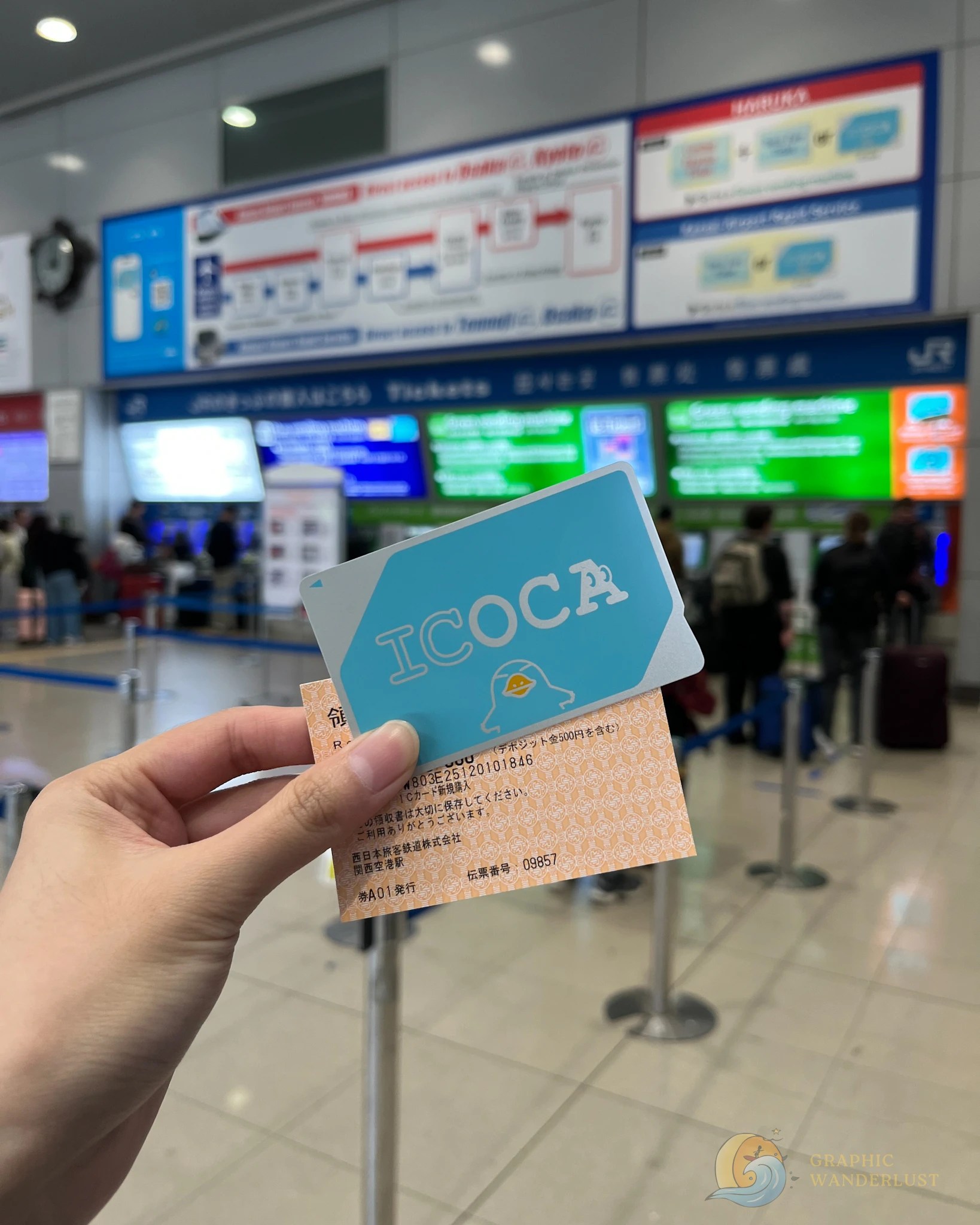
The very thing that saved me and made my Kansai trip bearable and convenient, the region’s IC card, ICOCA, is going to be one of your best travel companions (aside from Google Maps!) in navigating Osaka for the first time.
A contactless, prepaid card that functions as digital cash, ICOCA allows you to seamlessly tap in and out of train stations and buses in the Kansai region regardless of their company operator—no need to think about whether it’s going to work on other railway networks aside from JR West!
Not to mention that you can also seamlessly connect it to your Apple Pay wallet for iPhone users and use it in various retail establishments like convenience and souvenir stores and even vending machines.
For my recent trip to Osaka, I got my ICOCA card from Kansai Airport Station, where I paid the deposit fee of ¥500 and topped up a total amount of ¥9,500 for my seven-day trip in the region.
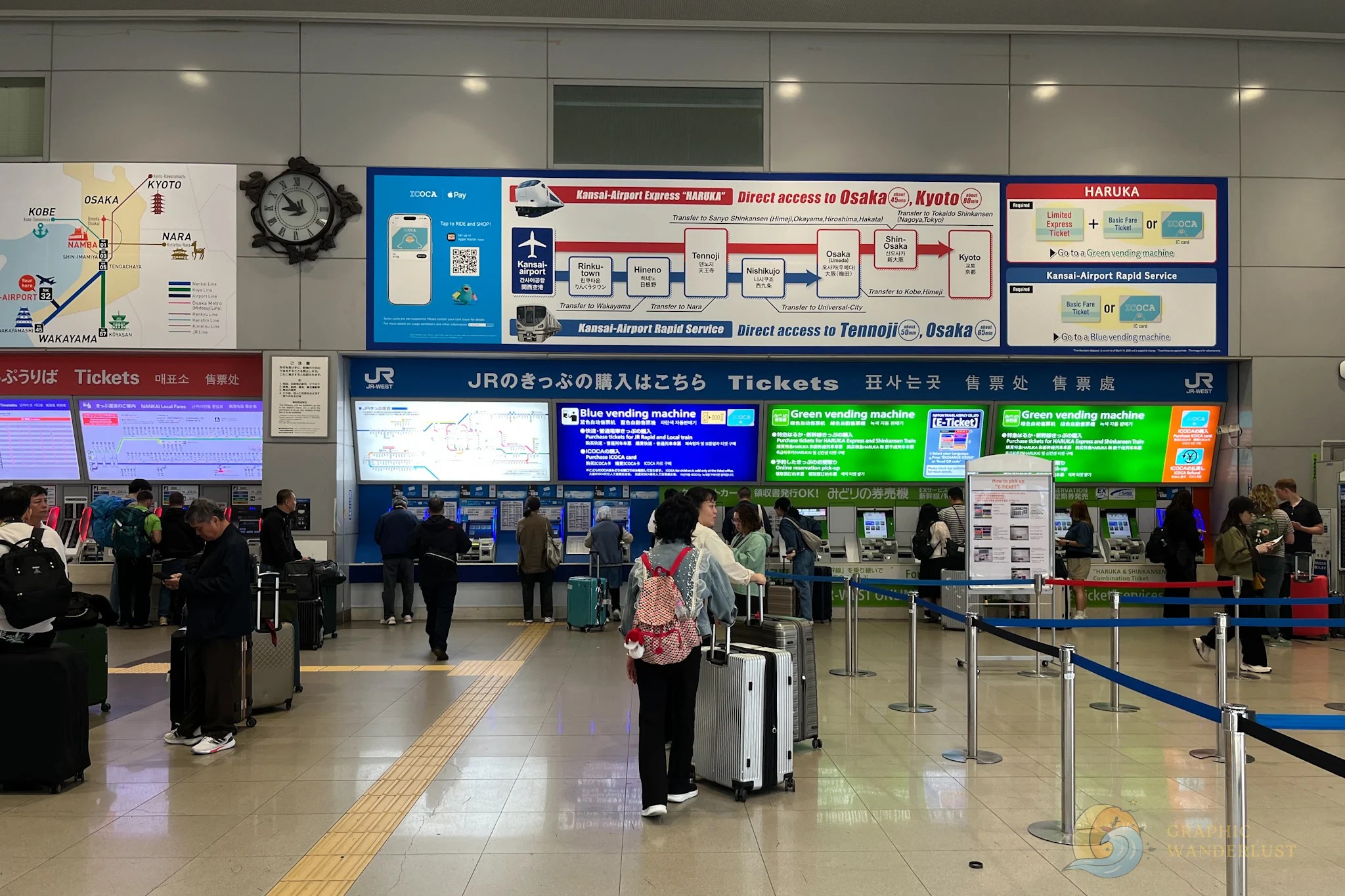
For travelers coming from Tokyo, your tourist Welcome Suica and tourist/regular PASMO cards also work in Osaka and in the entire Kansai region.
Quick Osaka Sightseeing Budget Hack 💰: If you have only one or two days in Osaka and want to see as many major tourist attractions as possible, getting the Osaka Amazing Pass lets you use the city's selected trains (JR West and Nankai Airport Lines excluded), subways, and buses unlimited for the number of days covered by your pass. Not to mention that it also offers discounts in selected stores and restaurants, and free admission to some paid major tourist spots like the Osaka Castle Museum, Tsutenkaku Tower, and Umeda Sky Building.
JR Pass Budget Trap ⚠️: Unless you are planning a long-distance trip across multiple prefectures in Japan, traveling around Osaka and the Kansai region absolutely does not require a nationwide JR Pass. Due to its massive price increases in recent years, buying this pass is an expensive mistake if you are only staying in one or two regions—so skip it entirely, buy individual tickets if you are taking a bullet train, and stick to your ICOCA or Osaka Amazing Pass for daily exploring!
Where to Stay in Osaka for First-timers
Now that you’ve got your transfer itinerary and ICOCA/Osaka Amazing pass readied and covered, it’s finally time to uncover the two main areas to pick from when looking for the best place to stay in Osaka for the first time:
Umeda Area
As detailed by our major train stations breakdown in making your way to the city, staying around the train stations in the Umeda area of Kita Ward is one of the best choices to make your Osaka trip convenient and comfortable.
Due to its proximity to the major train stations that connect various railway lines in Osaka, selecting a lodging in and around this area eases the difficulty of commuting and going to top tourist attractions.
Not to mention that this neighborhood is also in close proximity to the city’s famous Umeda Sky Building and boasts a modern urban atmosphere, reflective of its function as Osaka’s commercial and business district.
- Budget: Hostel OGK, Ibis Budget Osaka Umeda, First Cabin Nishi Umeda
- Mid-range: APA Hotel Osaka Umeda, Hotel Granvia Osaka, Hotel Elcient Osaka Umeda
- Luxury: Four Seasons Hotel, Conrad Osaka, Hilton Osaka
Namba Area
For travelers looking to be in proximity to the energetic and bustling district of Dotonbori, staying in and around the Namba area, south of Central Osaka, is your best bet in unlocking the most of this top tourist attraction.
The train stations that sit beside this shopping and street food hub make for good transit points when hopping from one attraction to another—especially the Osaka Metro Namba stop, which is just a few blocks away from Dotonbori’s famous Glico Man Sign.
Unlike Umeda’s polished and modern ambience, Namba boasts a gritty and lively atmosphere and cheaper accommodation alternatives with its more affordable lodging rates, ranging from inns, capsule hostels, and budget business hotels.
Aside from Dotonbori, the Namba area is also home to other famous Osaka tourist attractions like Hozen-ji Temple, Hozen-ji Yokocho Alley, Namba Yasaka Jin-ja, Kuromon Ichiba, and Denden Town.
During my trip, this was also the same area where I stayed for my four days in Osaka, specifically in Namba Guesthouse HIVE in Denden Town, which—albeit a 15-minute walking distance to Dotonbori—is directly connected to Ebisucho Station of Osaka Metro’s Sakaisuji Line.
- Budget: Acro Capsule Hotel, Namba Guesthouse HIVE, Welina Hotel Dotonbori
- Mid-range: Citadines Namba Osaka, Sotetsu Grand Fresa Osaka Namba, Koko Hotel Osaka Namba
- Luxury: Namba Oriental Hotel, Hotel Royal Classic Osaka, Swissôtel Nankai Osaka
Check-in Heads-up ⚠️: Lodging establishments in Osaka charge an additional accommodation tax upon check-in for room rates starting at ¥5,000 and above. This is calculated at ¥200 per person, per night of your stay, so be sure to have a little extra cash or your card ready at the desk!
Things to Do in Osaka
Aside from the vibrant district of Dotonbori and the historic grounds of Osaka Castle Park, here is a list of must-see tourist attractions in Osaka for visitors seeing the city for the first time!
Dotonbori
- Location: Dotonbori, Chuo Ward, Osaka, Japan
- Operating Hours: Varies per establishment
- Admission Fee: None
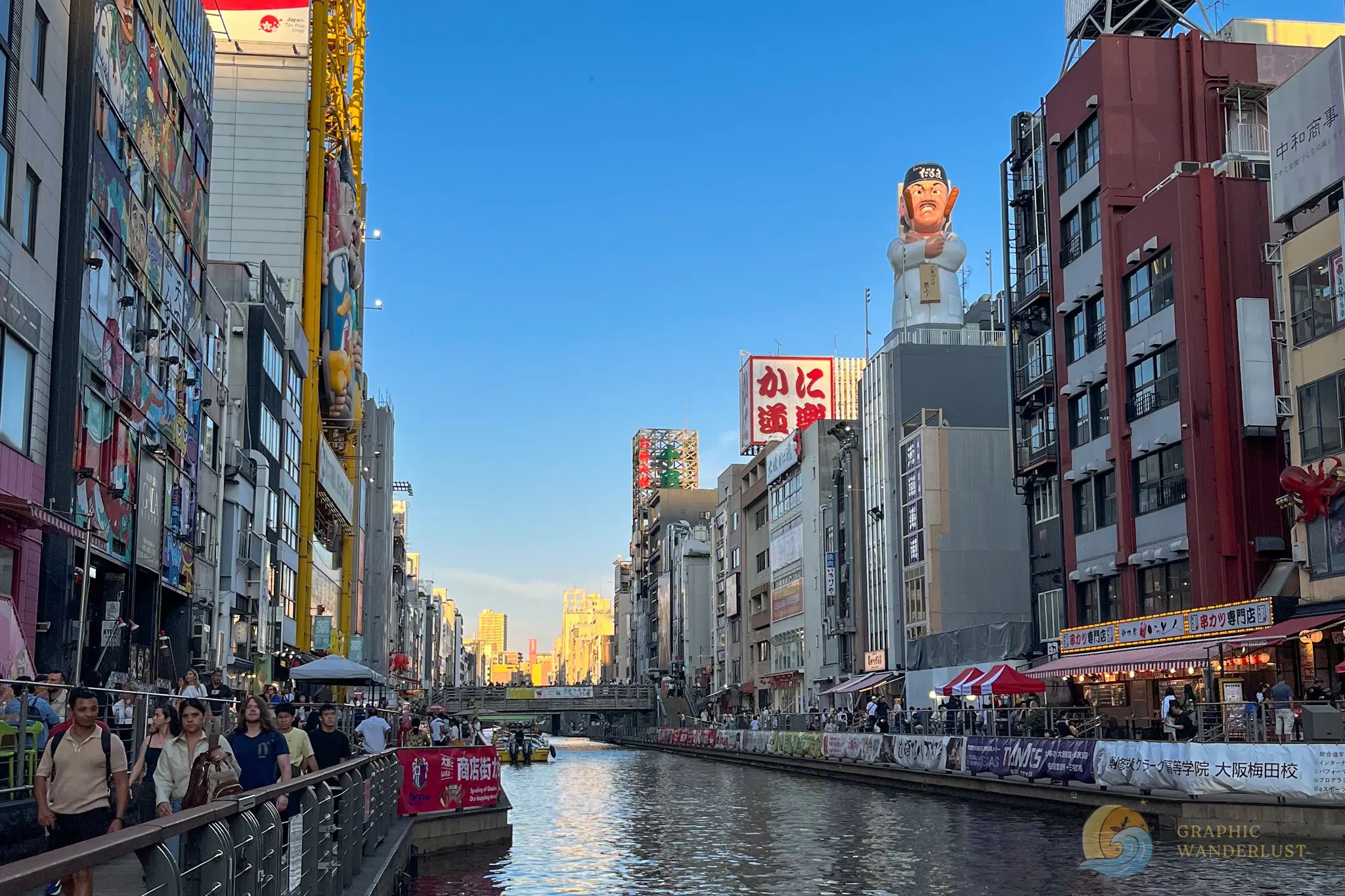
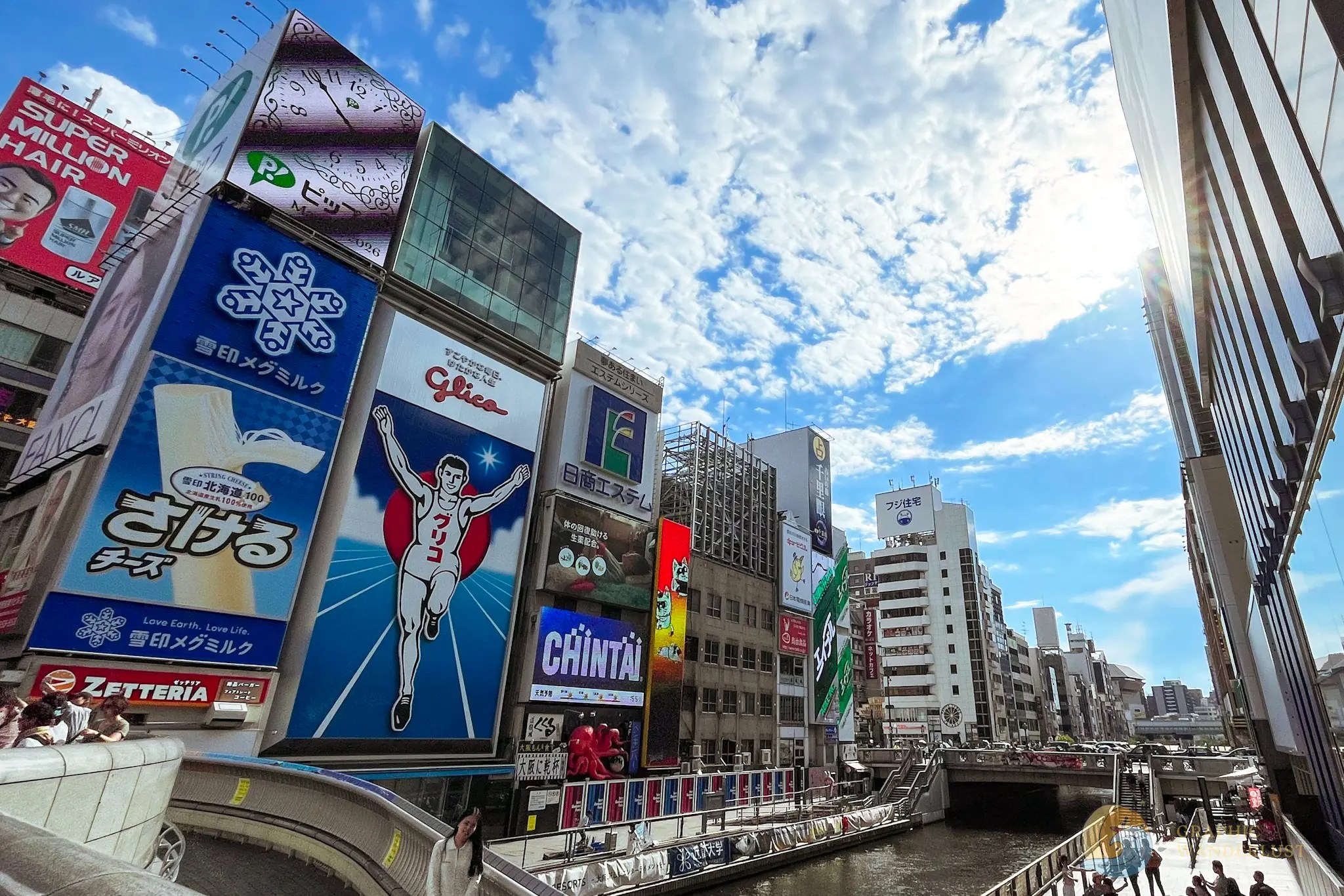
As Osaka’s top tourist attraction and premier entertainment and nightlife district, dropping by Dotonbori has become a must-do activity for tourists visiting for the first time.
Underscored by its gaudy neon lights, gigantic billboards, 3D storefront displays, and lively street food scenery, Dotonbori encapsulates Osaka’s vibrant energy.
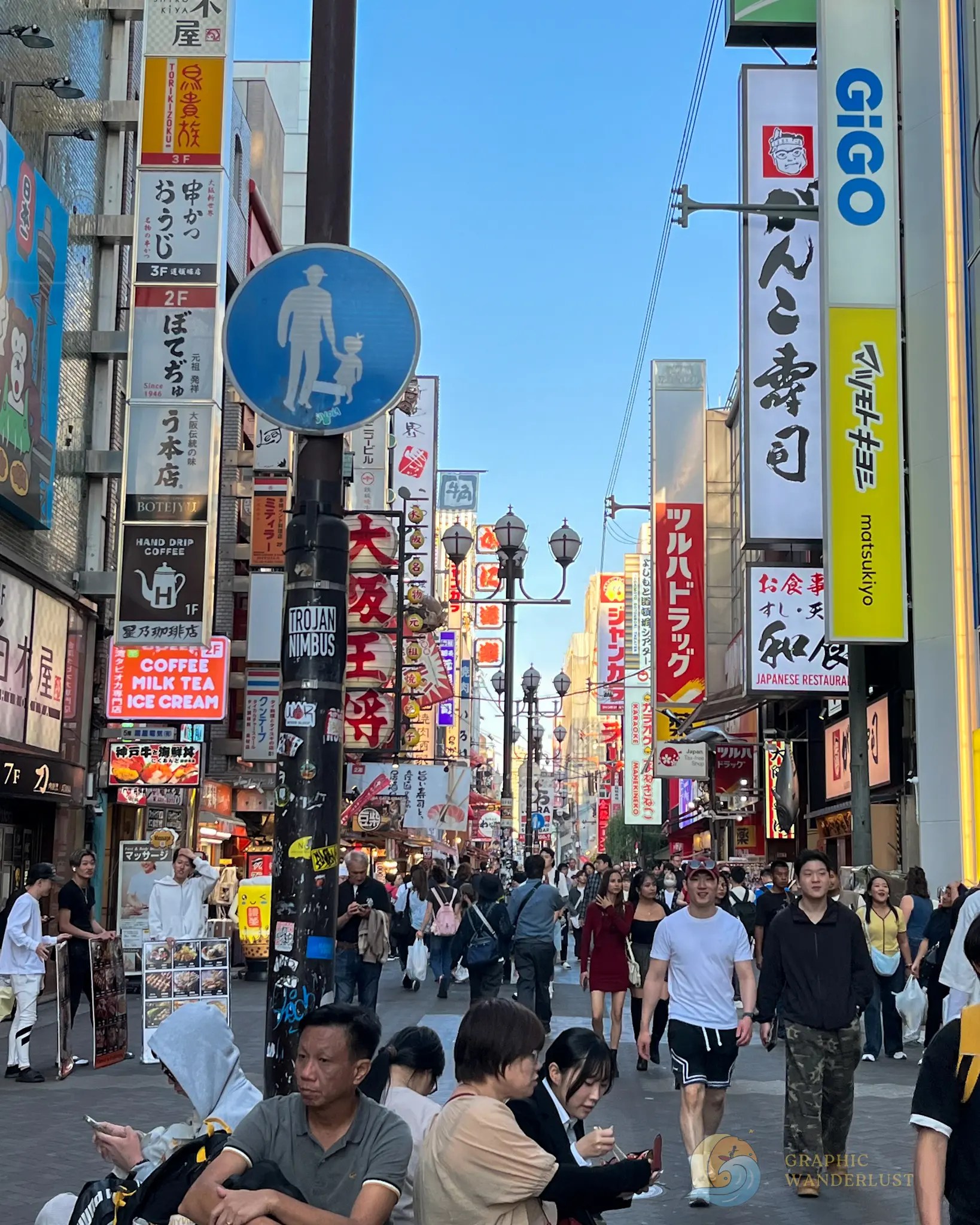
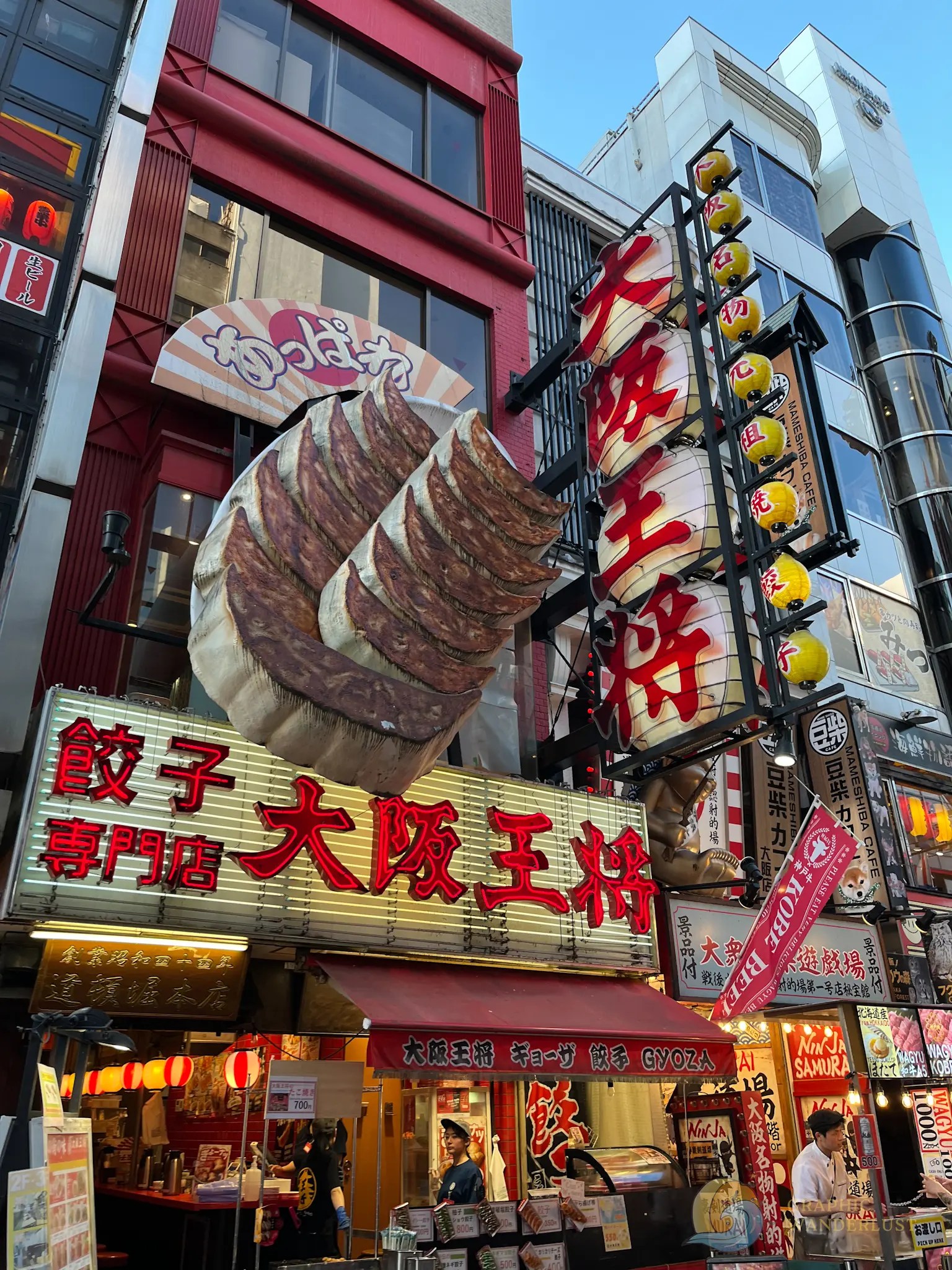
Leading the list of the top tourist attractions in the area is the iconic Glico Man Sign found near the Ebisu Bridge, where visitors copy the billboard’s victorious pose and take photo ops with it.
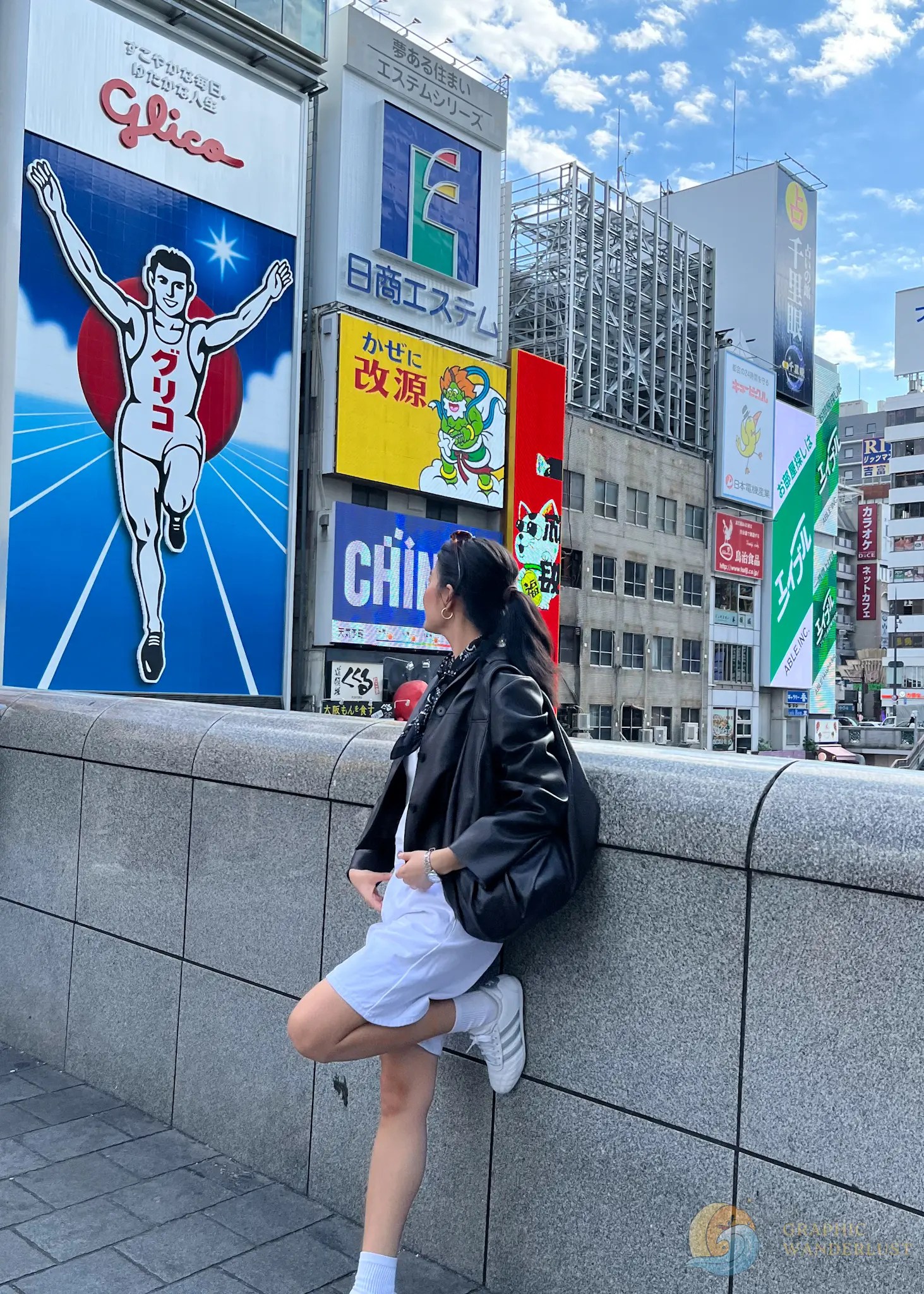
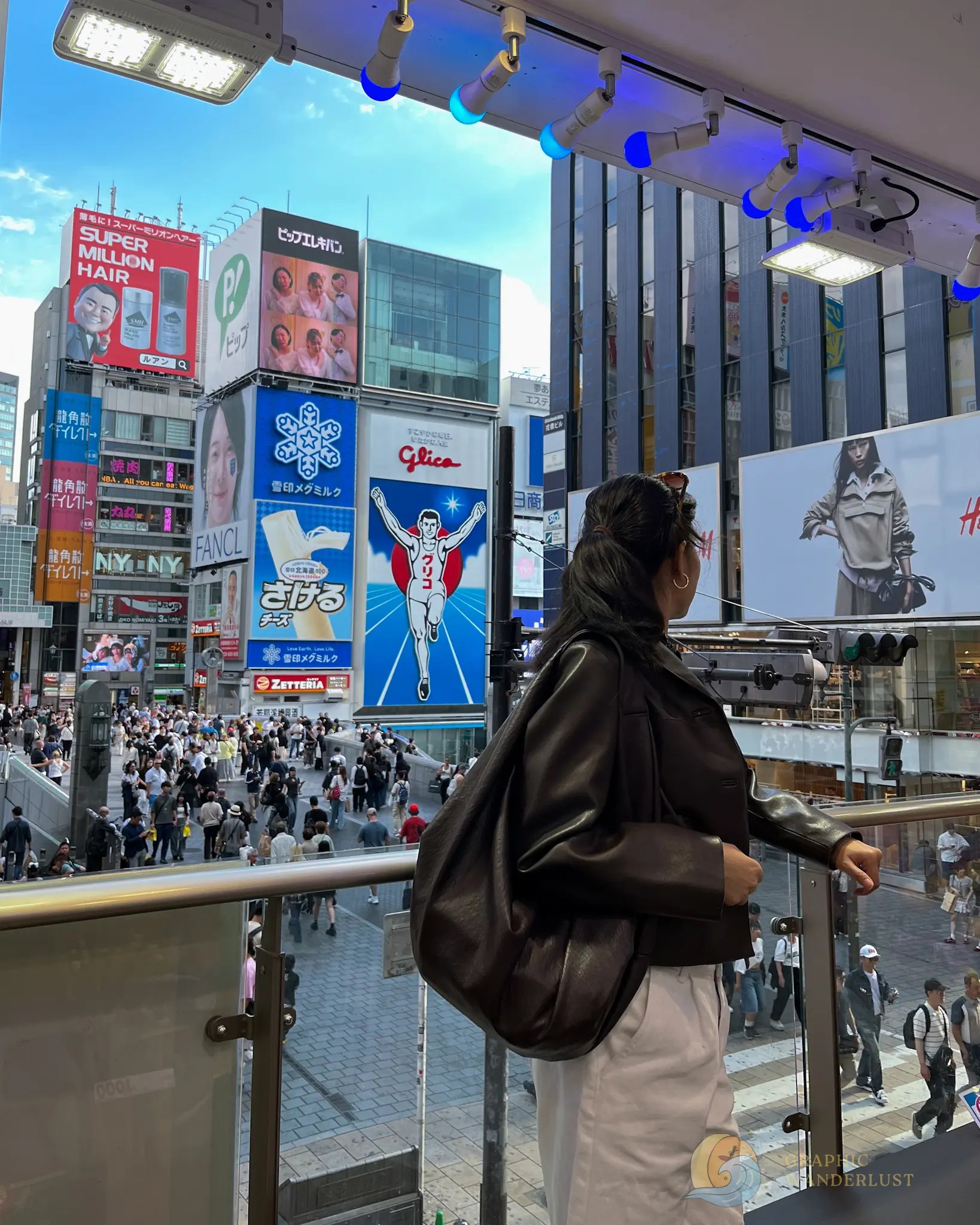
Another popular activity in Dotonbori is taking the river cruise that plies along the canal below the Glico Man Sign, offering immersive views of the district, especially at night when the lights are on.
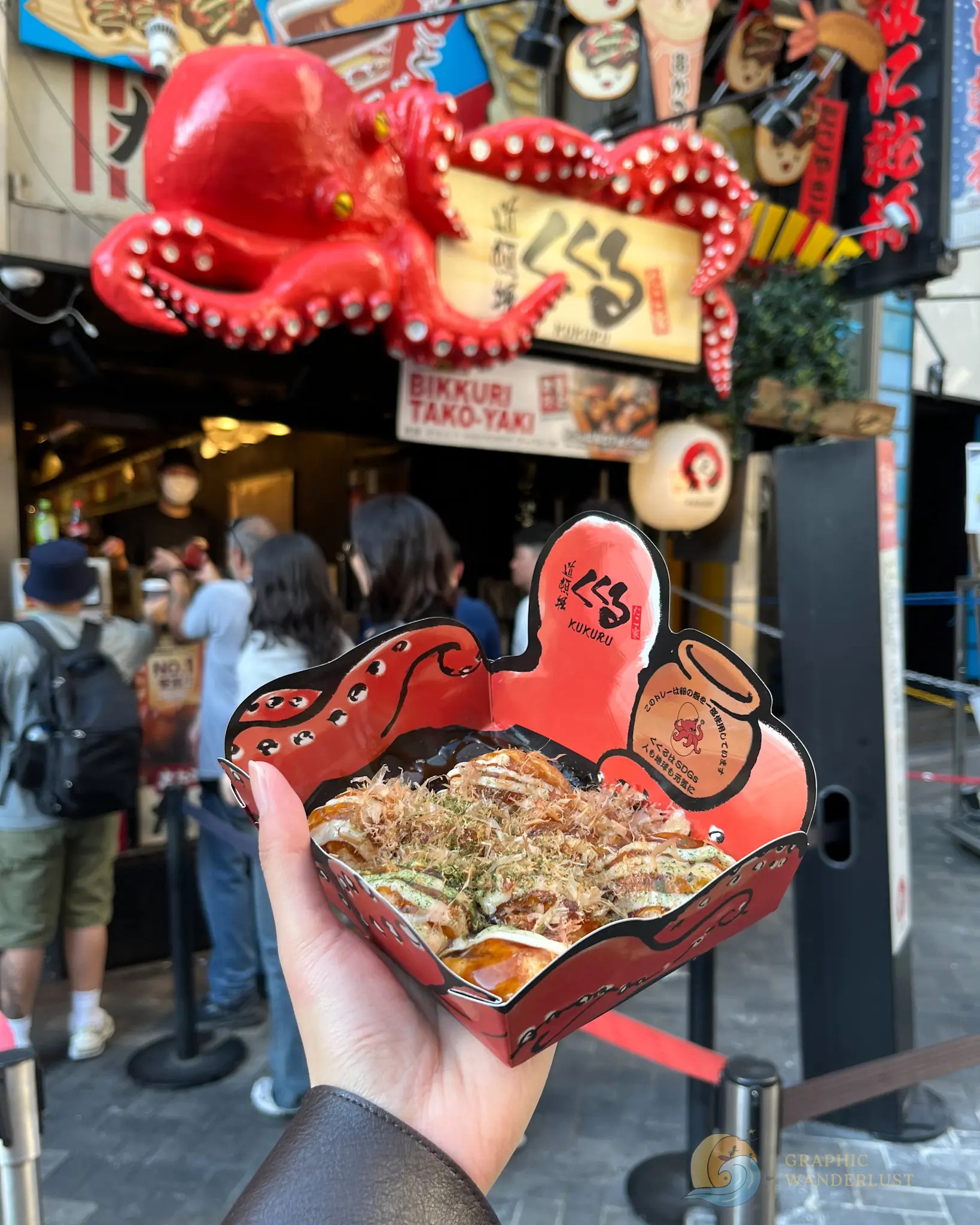
Don’t forget to sample Dotonbori’s famous street foods like takoyaki (ball-shaped batter balls with octopus slice fillings) and okonomiyaki (Japanese pancake dish), which can be found at the various stalls that fill the district. Some well-known places to try these specialties are Okonomiyaki Sakaba O, Creo-Ru, and Kukuru, where we tried their signature takoyaki for ¥1,040.
Hozenji Temple & Hozenji Yokocho Alley
- Location: 1-2-16 Namba, Chuo Ward, Osaka, Japan
- Operating Hours: Open 24 hours (temple); varies per establishment (Hozen-ji Yokocho)
- Admission Fee: None
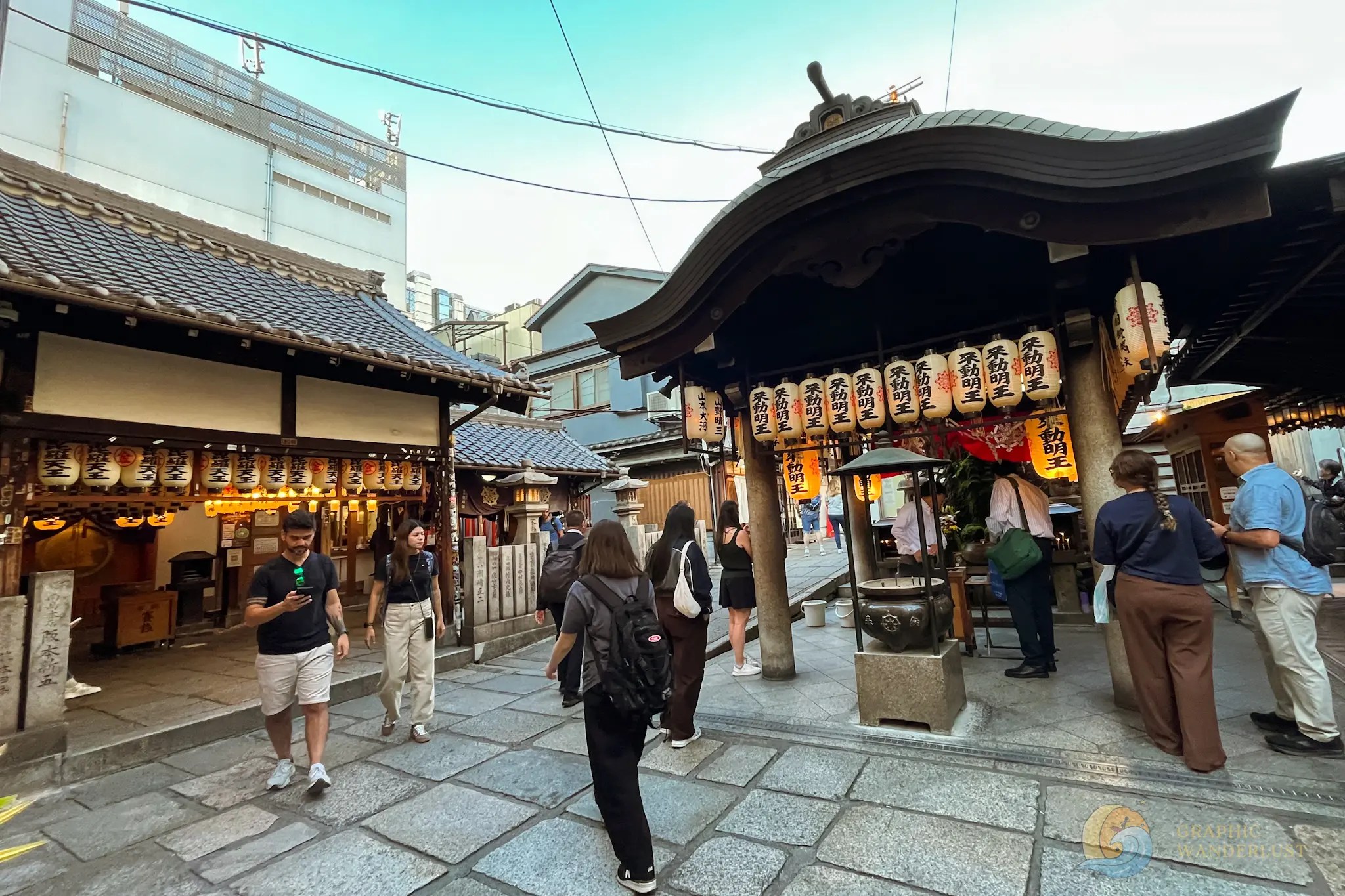
For tourists looking for a quiet alternative to the lively stalls fronting Dotonbori’s canal, the Hozen-ji Yokocho Alley tucked right beside its sidelines offers a peaceful respite.
With its lines of small stores and restaurants offering Osaka’s specialties, a visit to Hozenji Yokocho Alley feels like traveling back to Old Japan or its neighboring city, Kyoto. The matching red lanterns displayed at each establishment’s storefront and cobblestone streets complete its historic ambience.
Don’t skip too on visiting the temple where the alley was named after, Hozen-ji Temple, which is famous for its moss-covered Buddhist image of Fudo Myoo, which is believed to bring good luck, once you splash it with water.
Shinshaibashi
- Location: Shinsaibashisuji, Chuo Ward, Osaka, Japan
- Operating Hours: Varies per establishment
- Admission Fee: None
Another nearby tourist attraction to Dotonbori, which sits so close to it that one may not notice having already reached it, is the shopping arcade of Shinsaibashi, popularly called Shinsaibashi-suji by locals.
A 600-meter-long covered retail strip with an entrance just beside the famous Glico Man Sign near Ebisu Bridge, Shinsaibashi is one of Osaka’s largest shopping districts, housing over 180 retail and dining merchants under its roof.
From famous fashion retailers, souvenir shops, takeaway stands, to traditional and secondhand kimono stores, Shinsaibashi is a shopping mecca for visitors going to Osaka for the first time.
Personally, when I visited the place on my first day in Osaka, I was overwhelmed by the massive number of stores that dot the street, that I ended up not buying anything from them. But for last-minute souvenir shopping, Shinsaibashi is one of the best places to do it, with a handful of souvenir stores found in it, competing for the lowest prices.
Osaka Castle Park
- Location: 1-1 Osakajo, Chuo Ward, Osaka, Japan
- Operating Hours: 9:00AM-6:00PM (Osaka Castle Museum and Nishinomaru Garden from March to October); 9:00AM-4:30PM (Nishinomaru Garden from November to February)
- Admission Fees: ¥1,200 (Osaka Castle and Toyotomi Wall Museum); ¥300 (Nishinomaru Garden)
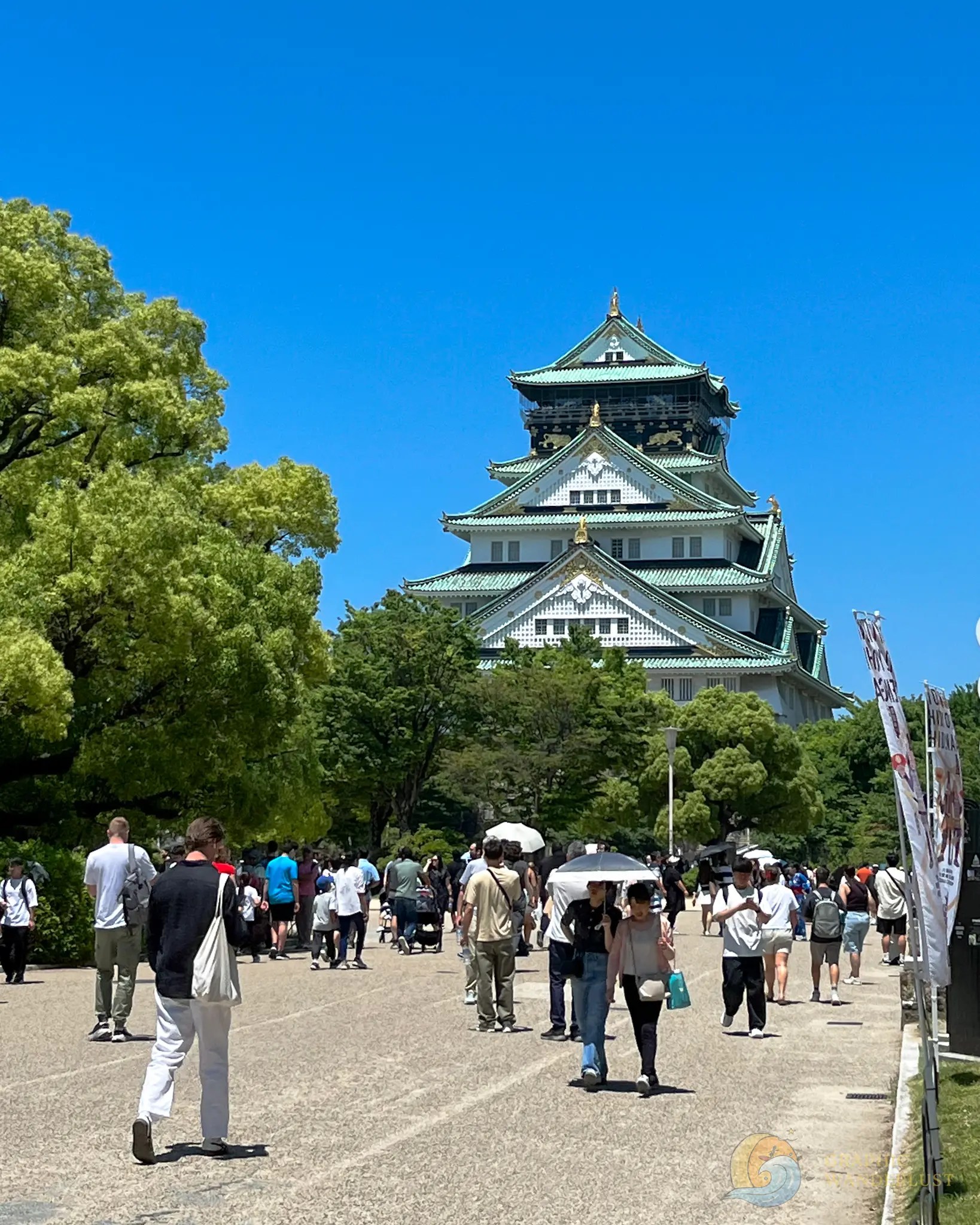
Take a trip back in history by visiting another must-stop destination in the city, Osaka Castle Park.
A sprawling 105.6-hectare nature and historic park, the Osaka Castle Park is built on the former grounds of Ishiyama Hongan-ji Temple and is home to 13 important Japanese cultural properties and over 3,000 cherry blossom trees, making it a popular hanami (sakura viewing) spot during its season.
Taking center stage in this popular tourist attraction is the striking, multi-leveled Osaka Castle Tower, dressed in traditional Japanese architecture and sitting on a massive stone foundation.
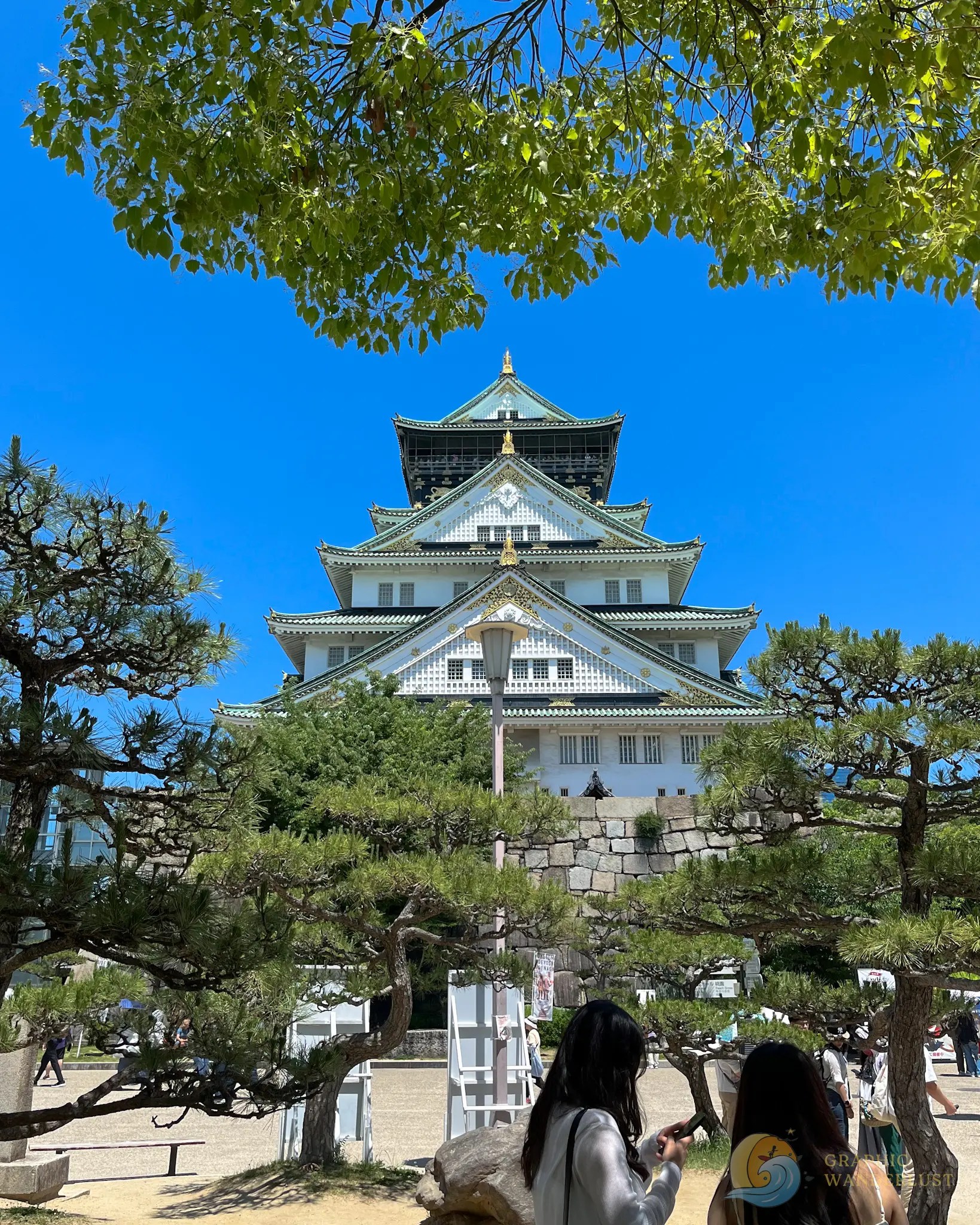
The tower houses the Osaka Castle Museum, which showcases various exhibitions featuring artifacts narrating the history of the building and the life of its founder, Toyotomi Hideyoshi. At its top level, you’ll find an observation deck featuring panoramic, unobstructed views of Osaka from above.
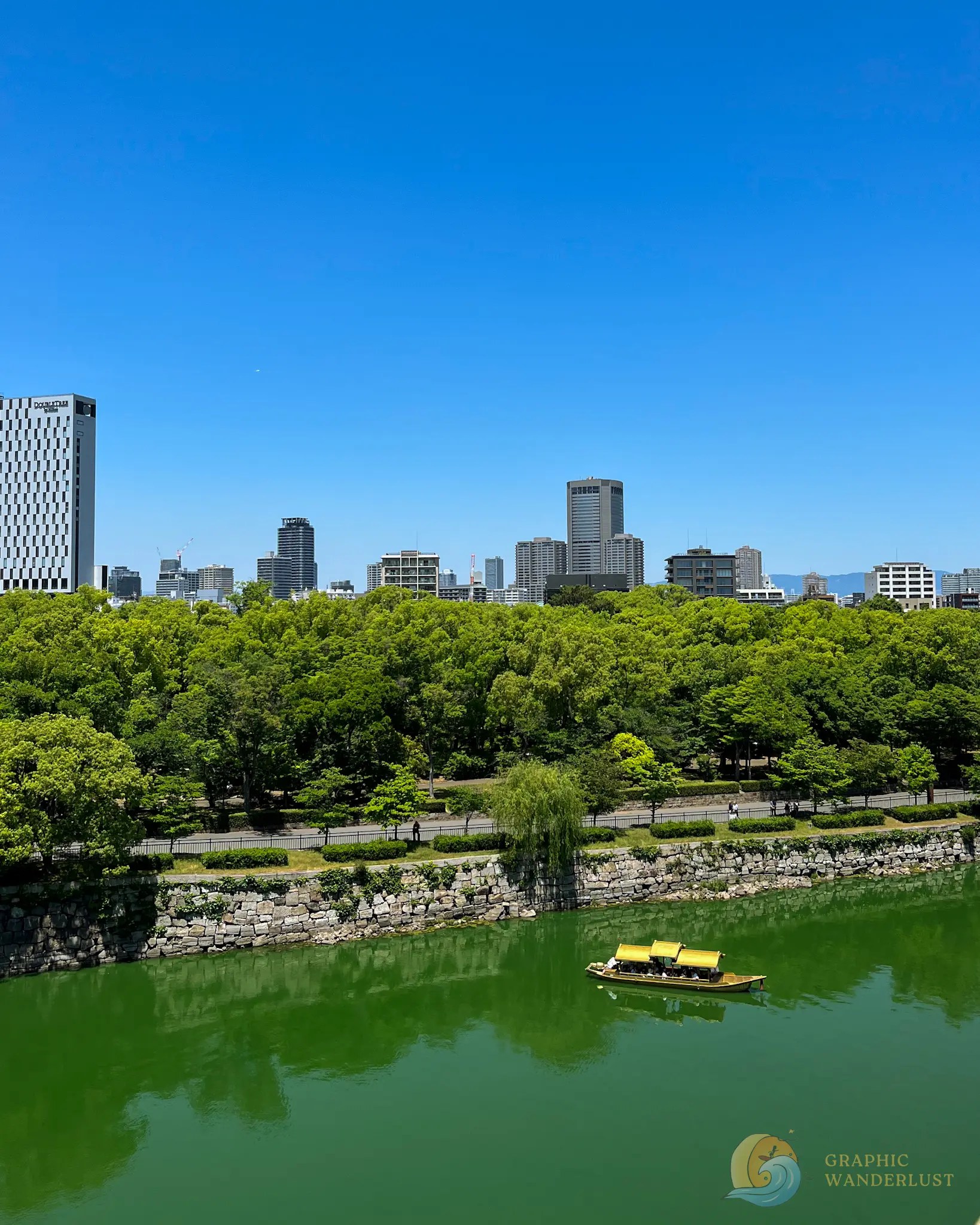
Other famous points of interest found within the park include the Nishinomaru Garden, home to around 300 cherry blossom trees and a teahouse; the Toyotomi Stone Wall Museum, a recently opened museum showcasing the buried stone walls originally built during Toyotomi Hideyoshi’s time; and the Gozabune Boat, which takes visitors for a scenic ride around the moat that encircles the inner citadel.
Universal Studios Japan
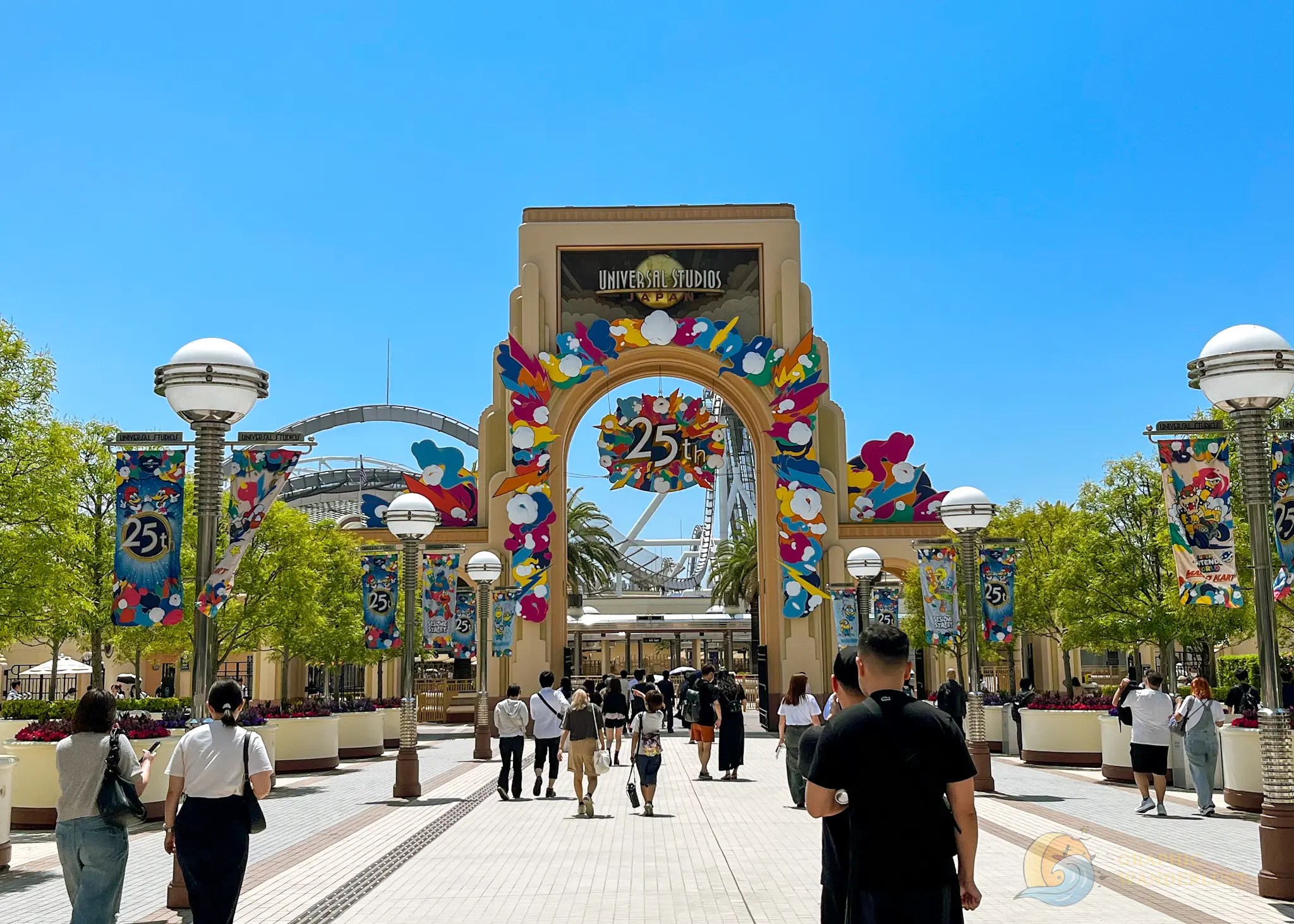
- Location: 2-1-33 Sakurajima, Konohana Ward, Osaka, Japan
- Operating Hours: 9:00AM-8:00PM
- Admission Fee: Starts at ¥8,900 for a 1-day Studio Pass
Have you really gone to Osaka if you haven’t sealed your trip by dropping by Universal Studios Japan? My answer is no.
Ironically, this was one of those destinations in my itinerary that I initially dropped until I made a last-minute decision to put it back in, since I felt that I was missing a dream if I skipped it. Turns out that I was right because this popular Osaka theme park is what made my trip to the city more memorable.
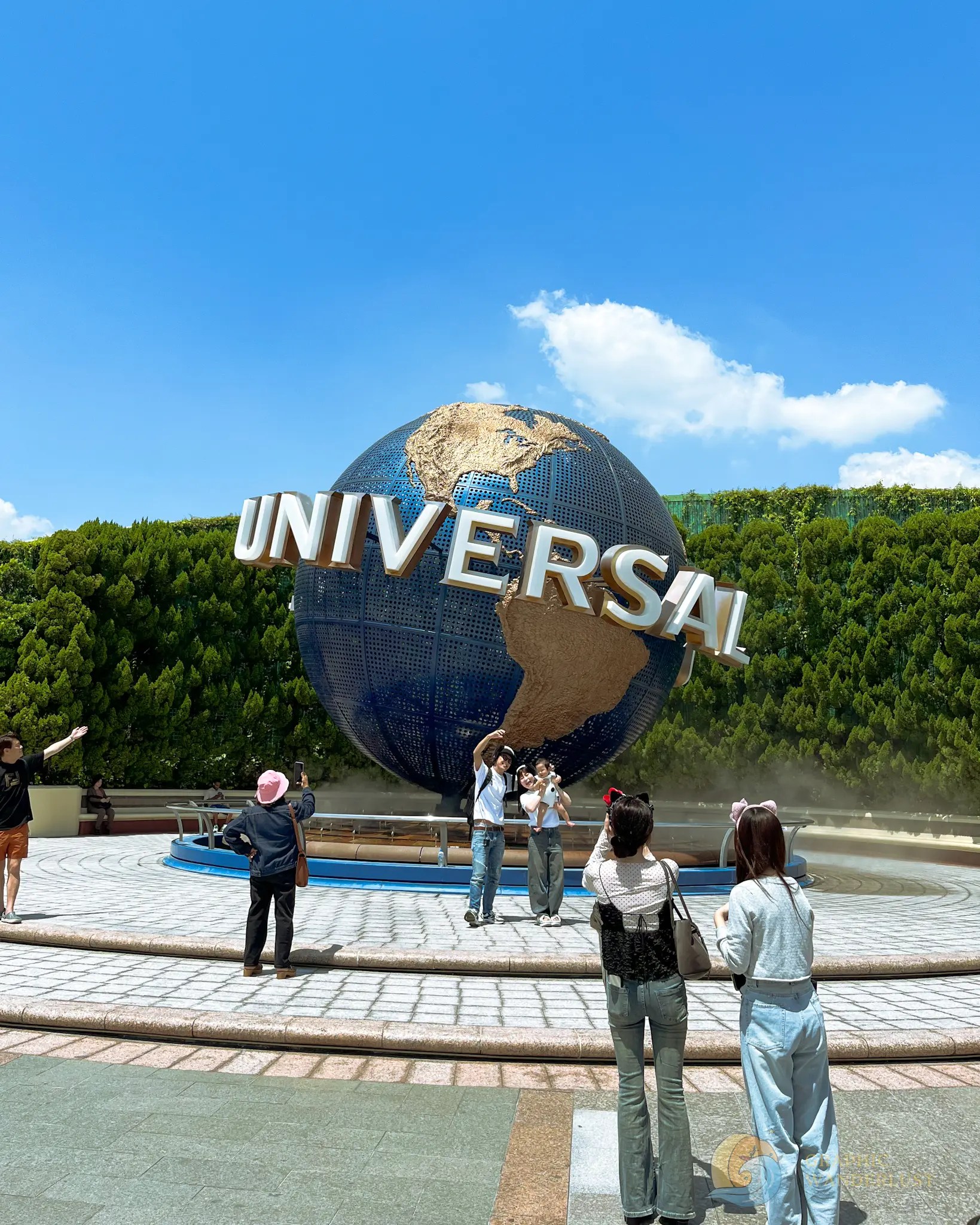
Located west of the city center in the Osaka Bay Area, Universal Studios Japan is one of the country’s most popular tourist destinations, attracting not just children but also adults young at heart.
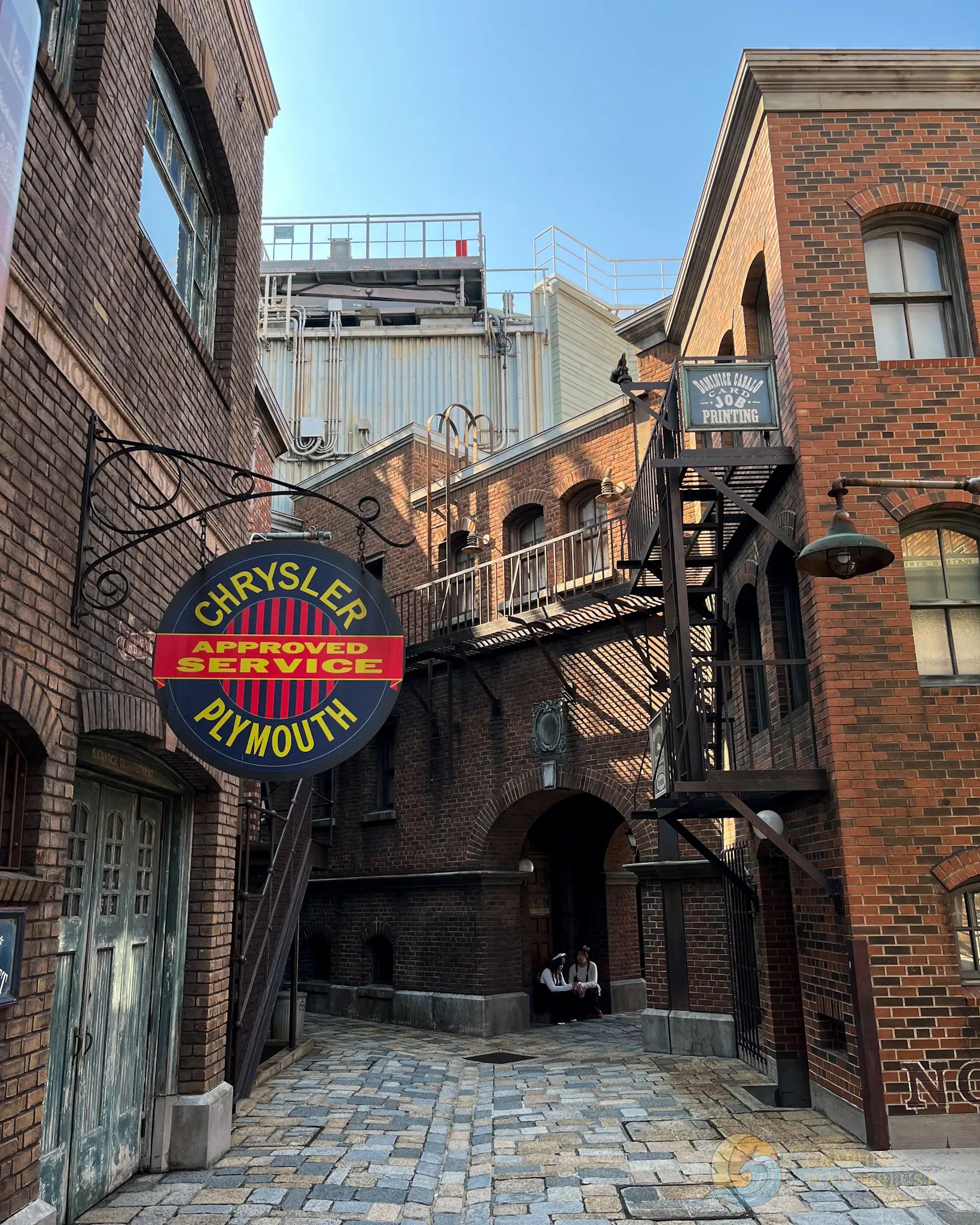
Comprised of a handful of rides and set replicas inspired by popular Hollywood movies, video games, and American cities, one can easily spend a whole day exploring the different themed areas found in the park’s 54-hectare vicinity.

Popular themed zones in Universal Studios Japan include the Super Nintendo World, which features Mario-themed rides and interactive mini-games; the Wizarding World of Harry Potter, which recreates the magical world of the popular book and movie series and features themed rides and souvenir stores; and the Minion Park filled with rides, shops, and booths of these iconic yellow characters.
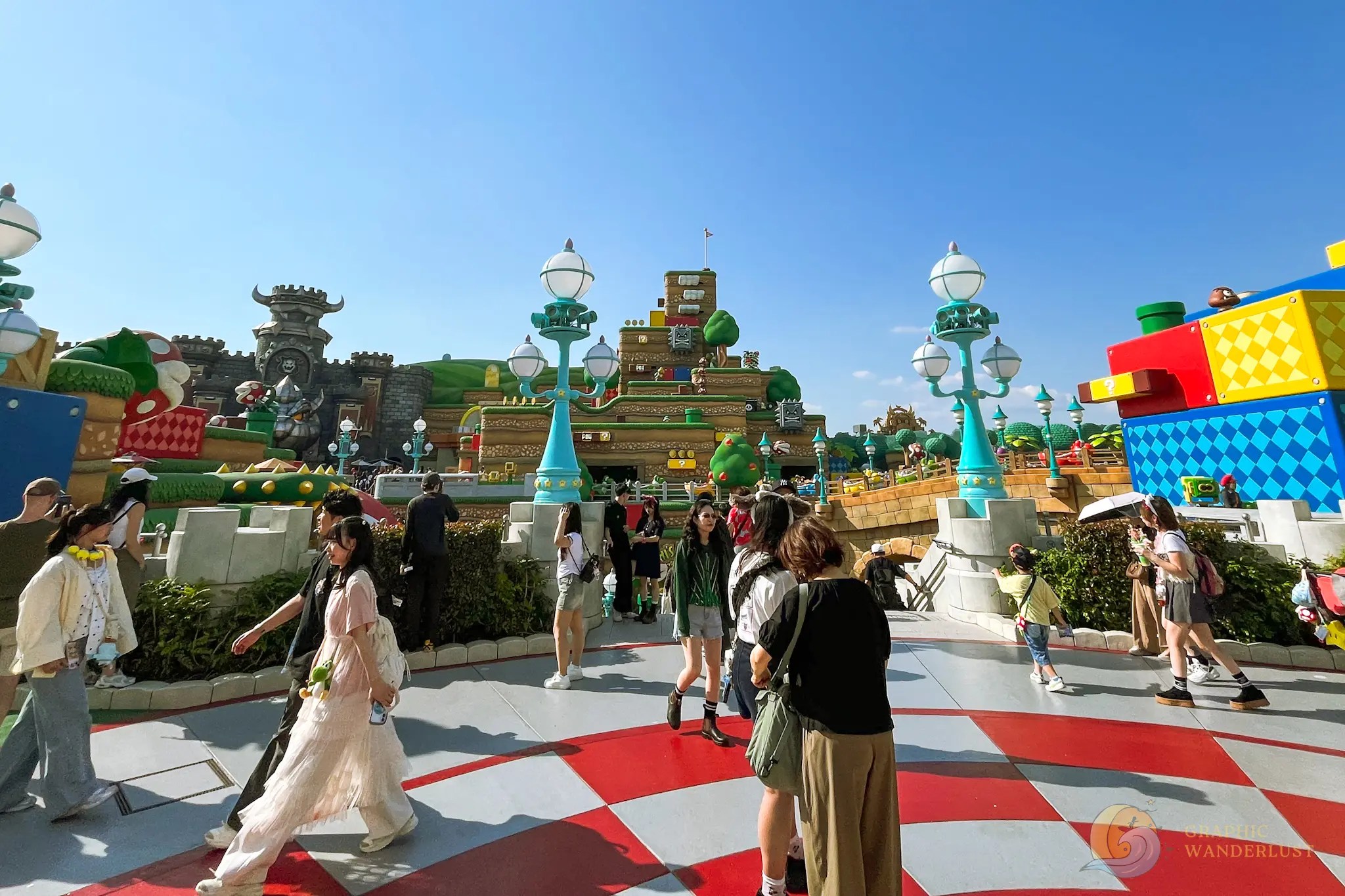
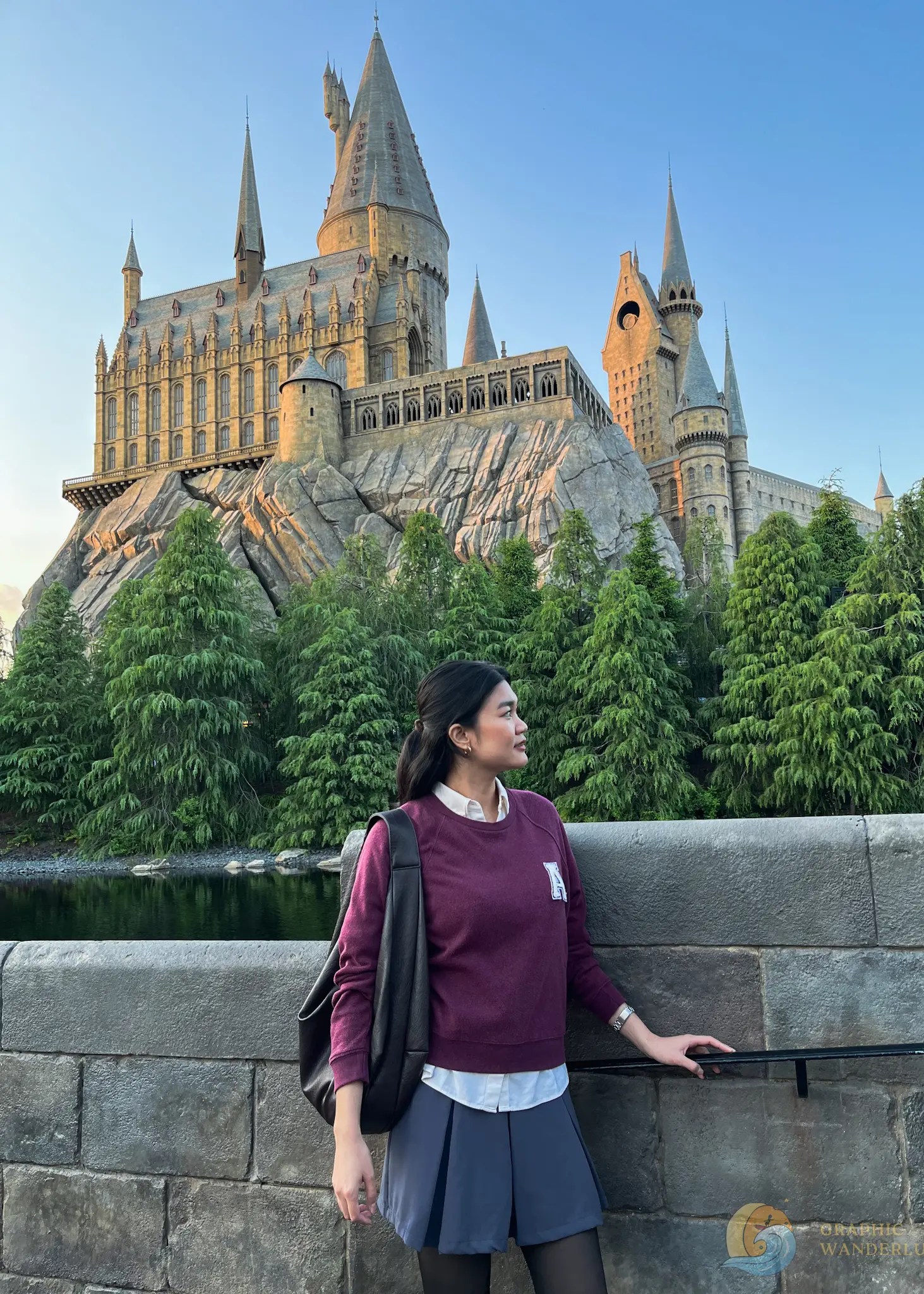
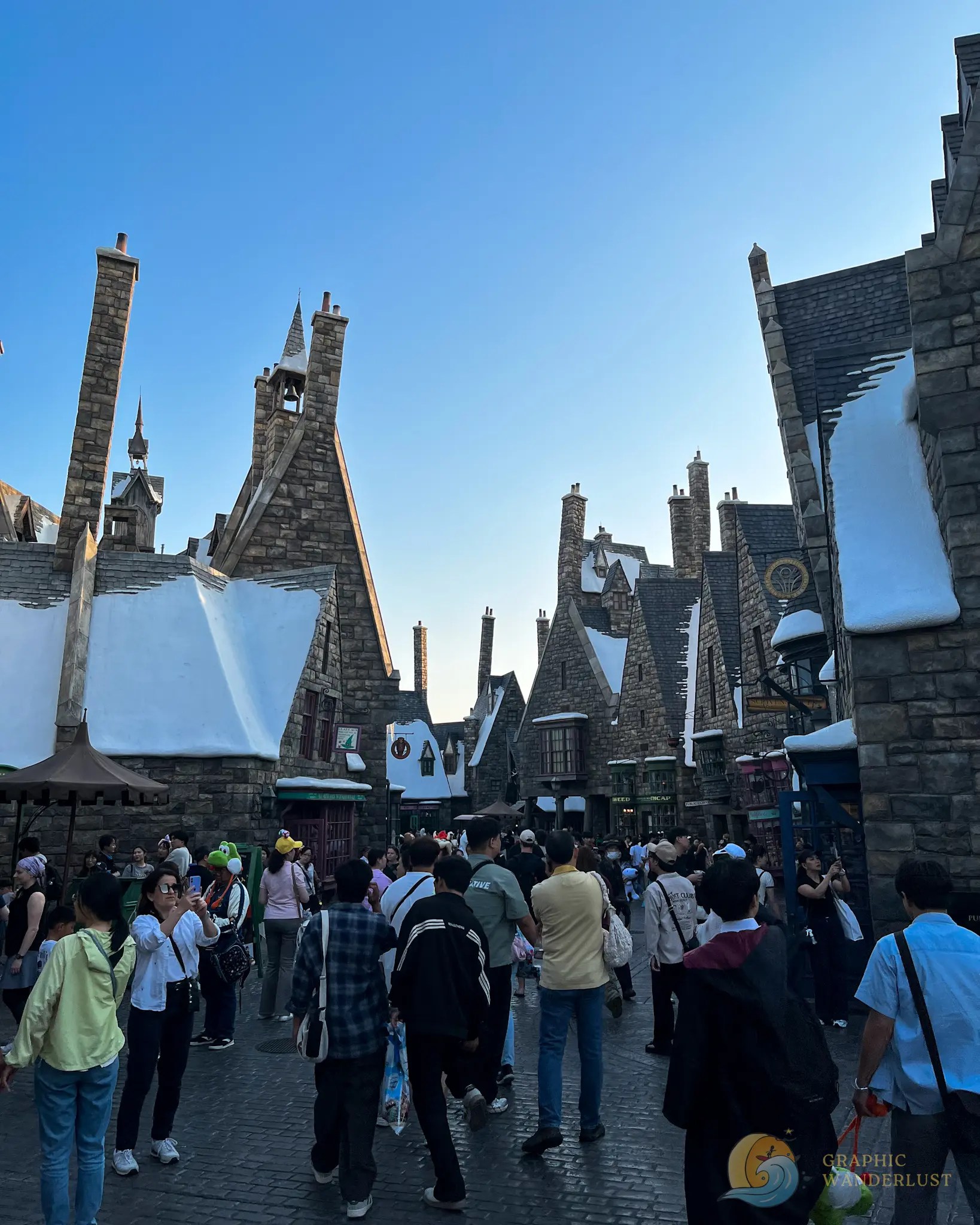
In my recent trip to Universal Studios Japan, I bought a one-day Studio Pass from Klook, where I was able to get it for ₱3,549 and seamlessly enter the theme park using the accompanying QR code.
Getting USJ Studio Passes ⚠️: Unlike your typical theme parks, Universal Studios Japan tickets are only available online and cannot be purchased on-site. It also employs dynamic pricing, in which ticket prices fluctuate throughout the week based on expected crowd sizes, seasonal demand, and popularity.

As a general rule of thumb, weekends, travel peaks, and major long holidays like the Golden Week usually have the highest ticket prices.
Shinsekai
- Location: Ebisuhigashi, Naniwa Ward, Osaka, Japan
- Operating Hours: Varies per establishment
- Admission Fee: None
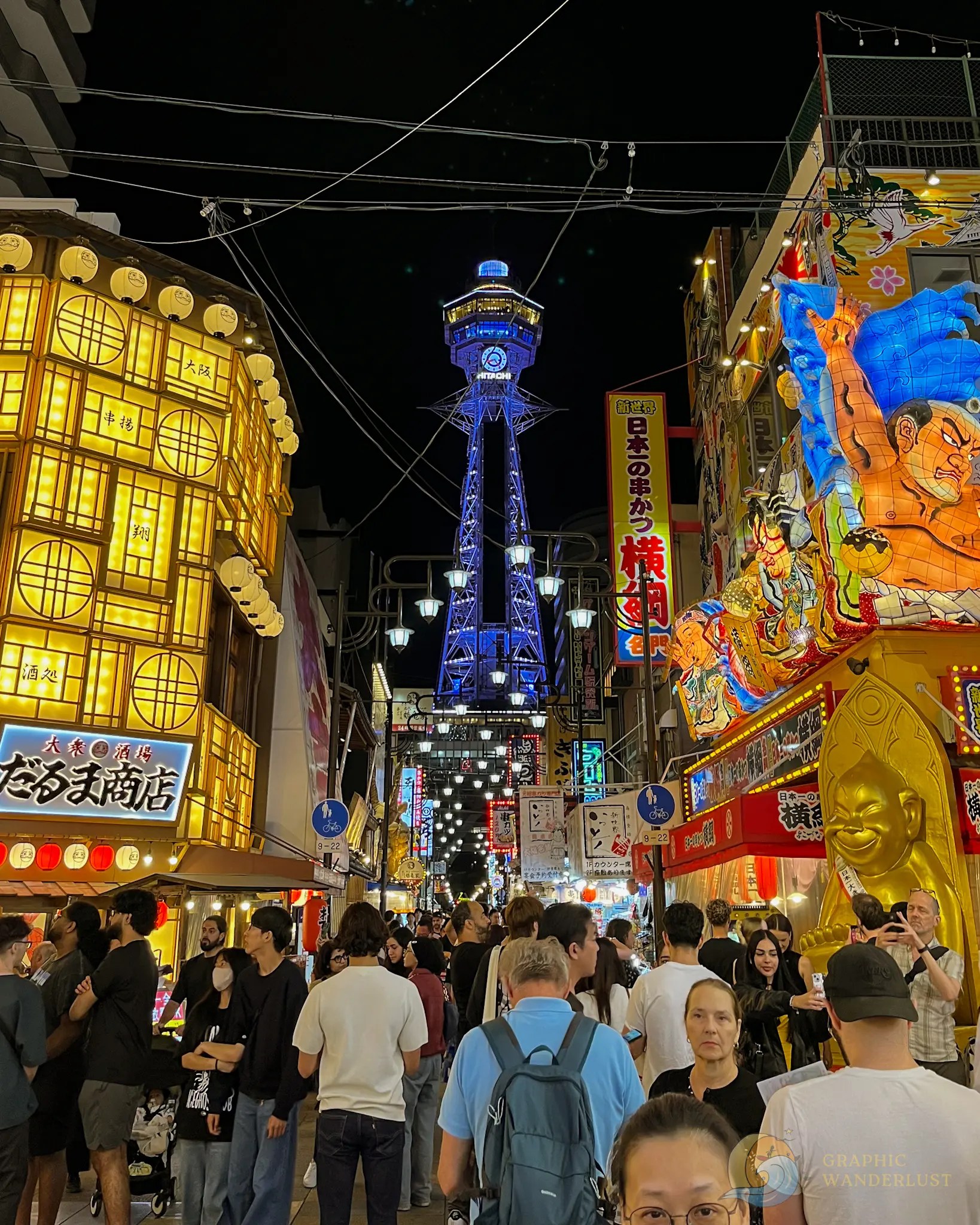
Going all the way south from downtown Osaka is another bustling district known for its retro atmosphere, lively food scene, and iconic tower that further reflects the city’s vibrant energy.
Developed in 1912 on the former site of the 1903 National Industrial Exposition, Shinsekai, which means “New World,” is a bustling neighborhood in the Naniwa Ward, designed to evoke Paris and New York’s Coney Island.
Leading the list of top attractions in the area is the imposing Tsutenkaku Tower, a mixed-use 103-meter-tall building inspired by Paris’ Eiffel Tower that houses theaters, stores, observation decks, and an adrenaline-pumping slide and harness drop for visitors.
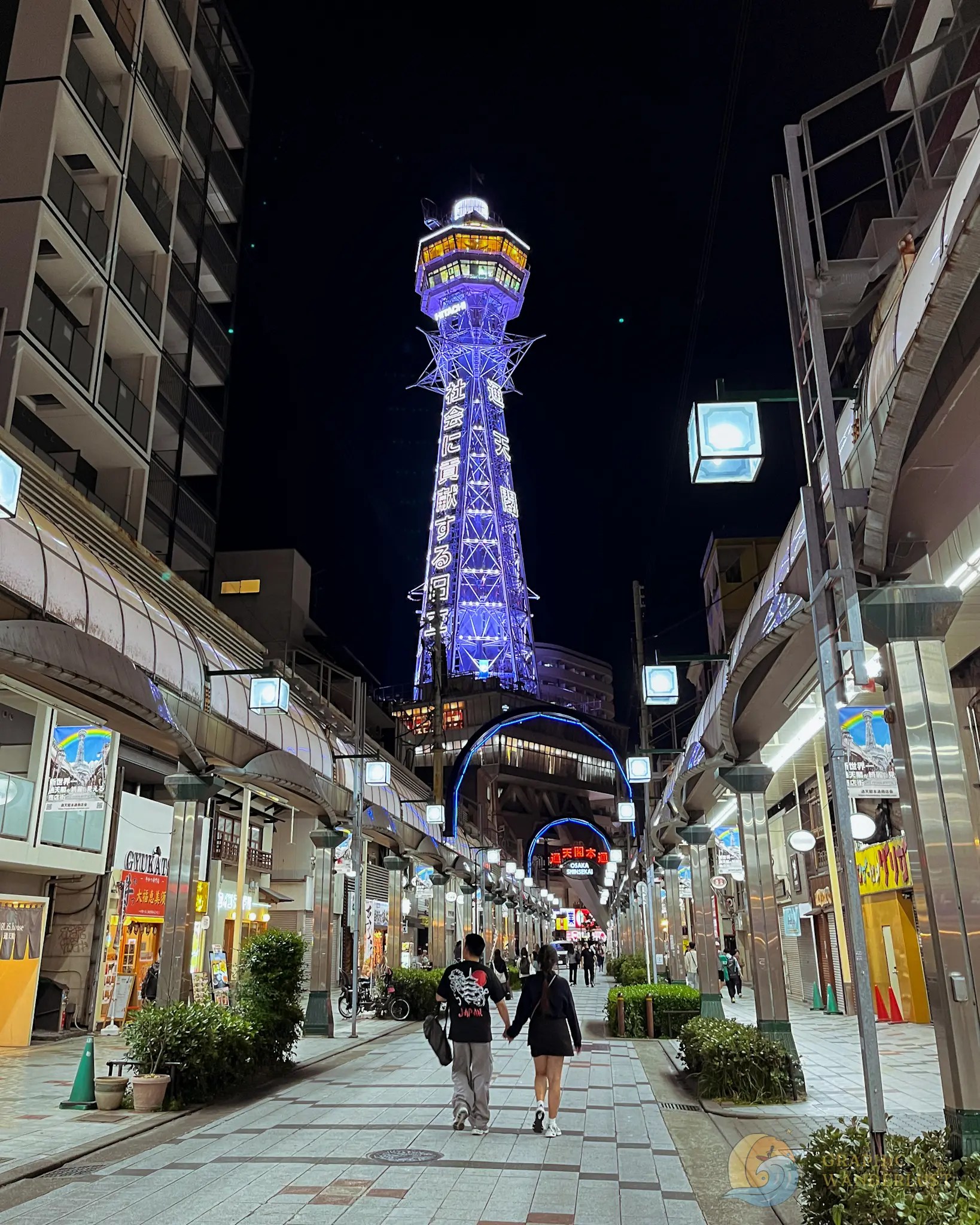
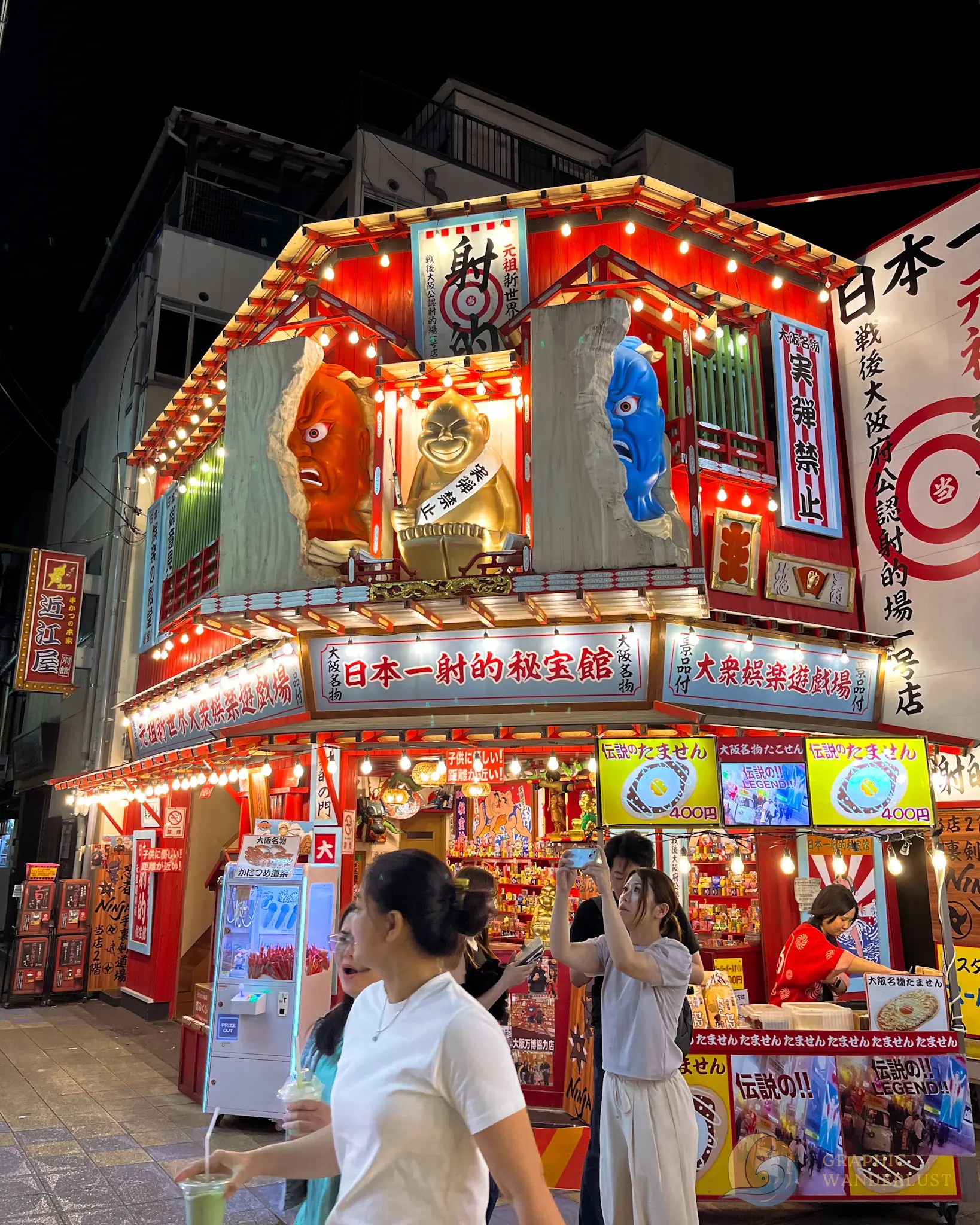
Don’t miss out on the lively food scene that the district offers, which gives off a retro version of Dotonbori’s atmosphere with the Shinsekai Hon-dori Shopping Street and Janjan Yokocho Street, known as must-stop destinations for striking 3D storefront displays and Osaka’s famous kushikatsu (deep-fried battered skewer) and dote-yaki (slow-simmered beef stew), respectively.

Shitennoji Temple
- Location: 1-11-18 Shitennoji, Tennoji Ward, Osaka, Japan
- Operating Hours: 8:30AM-4:30PM (April-September); 8:30AM-4:00PM (October to March)
- Admission Fee: ¥500 (Central Temple and Treasure Hall, respectively); ¥300 (Gokuraku-jodo Garden)
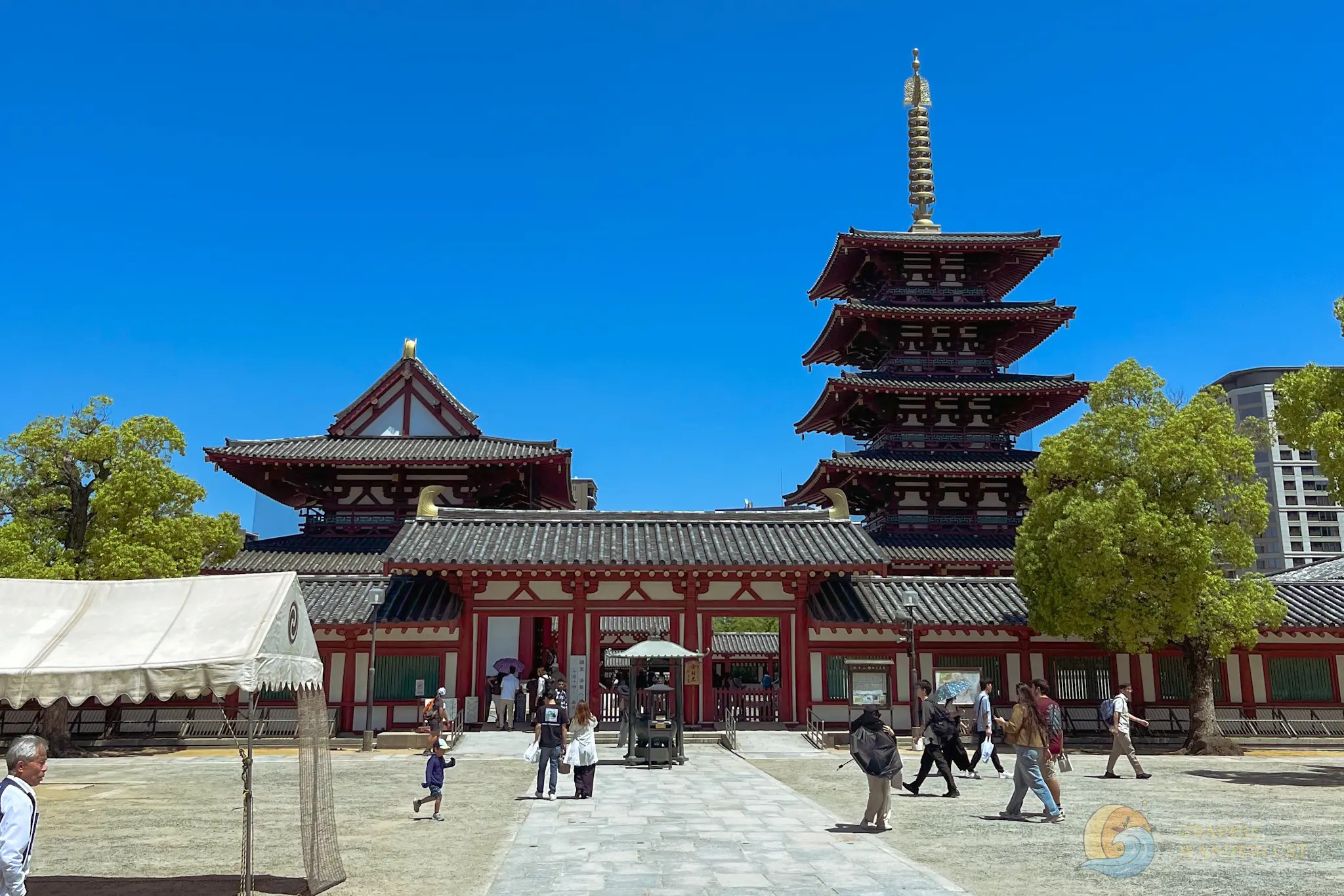
Maximize your Minami itinerary by dropping by one of Japan’s oldest and most important cultural properties and the first Buddhist temple built by the state, Shitenno-ji Temple.
Located northeast of Shinsekai, Shitenno-ji was first built in 593 by Prince Shotoku to introduce and spread Buddhism in Japan. Due to the numerous wars and natural catastrophes experienced by the temple over the centuries, most of the original buildings found in the area were destroyed, and the current complex was a major restoration completed around 1963.
As the first official state-sponsored temple in the country, Shitenno-ji does not belong to any sect and is considered the head temple of the non-denominational “Wa” (Harmony) sect.
Aside from its main hall housing the temple’s main deity, Kannon Bodhisattva of Salvation, Shitenno-ji also houses the Gokuraku-jodo Garden, which is patterned after descriptions of Amida Buddha’s Western Paradise, and the Treasure House, which exhibits a collection of artifacts important to the temple’s history.
Denden Town
- Location: Nipponbashi, Naniwa Ward, Osaka, Japan
- Operating Hours: Varies per establishment
- Admission Fee: None
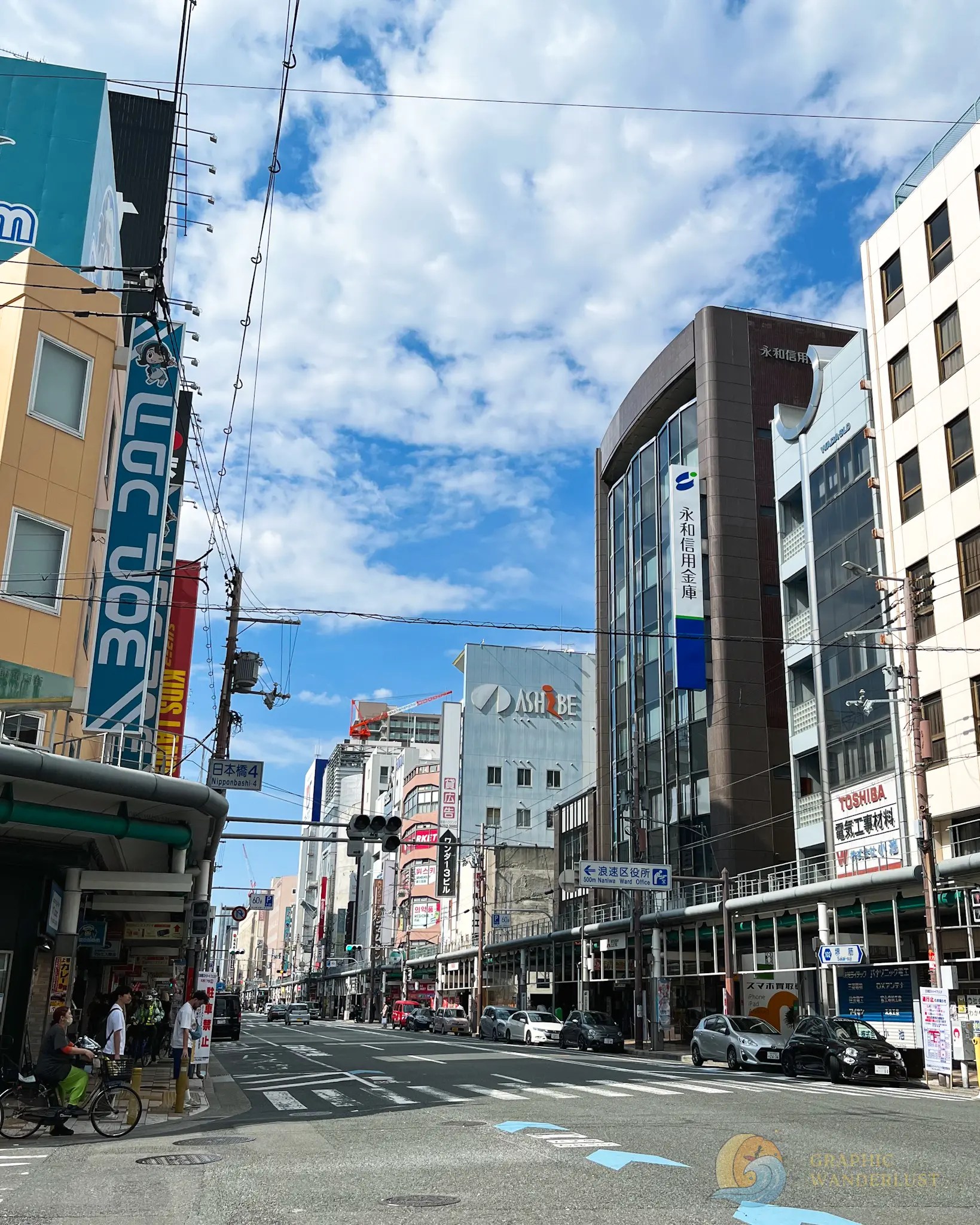
Japan is synonymous with manga (Japanese comic books) and anime (Japanese animation), and if Tokyo has Akihabara as the center of otaku (Japanese pop culture hobbyist) culture in the east, Osaka has Denden Town to boast in the west.
Tucked in the neighborhood of Nipponbashi, near Namba Station and south of Dotonbori, Denden Town, which is a shortened version of Denki no Machi (Electric Town), is the go-to spot for anime, manga, and pop culture lovers in search of otaku items in Osaka.
From action figures, gaming cards, and retro video games to cameras, electronics, and home furnishings, this bustling otaku district is brimming with over 150 stores catering to a wide variety of specialized hobbies.
Similar to Akihabara, popular hobbyist stores like Mandarake, Animate, and Super Potato have branches in the area and is also known for its maid cafes and “love toys” stores.
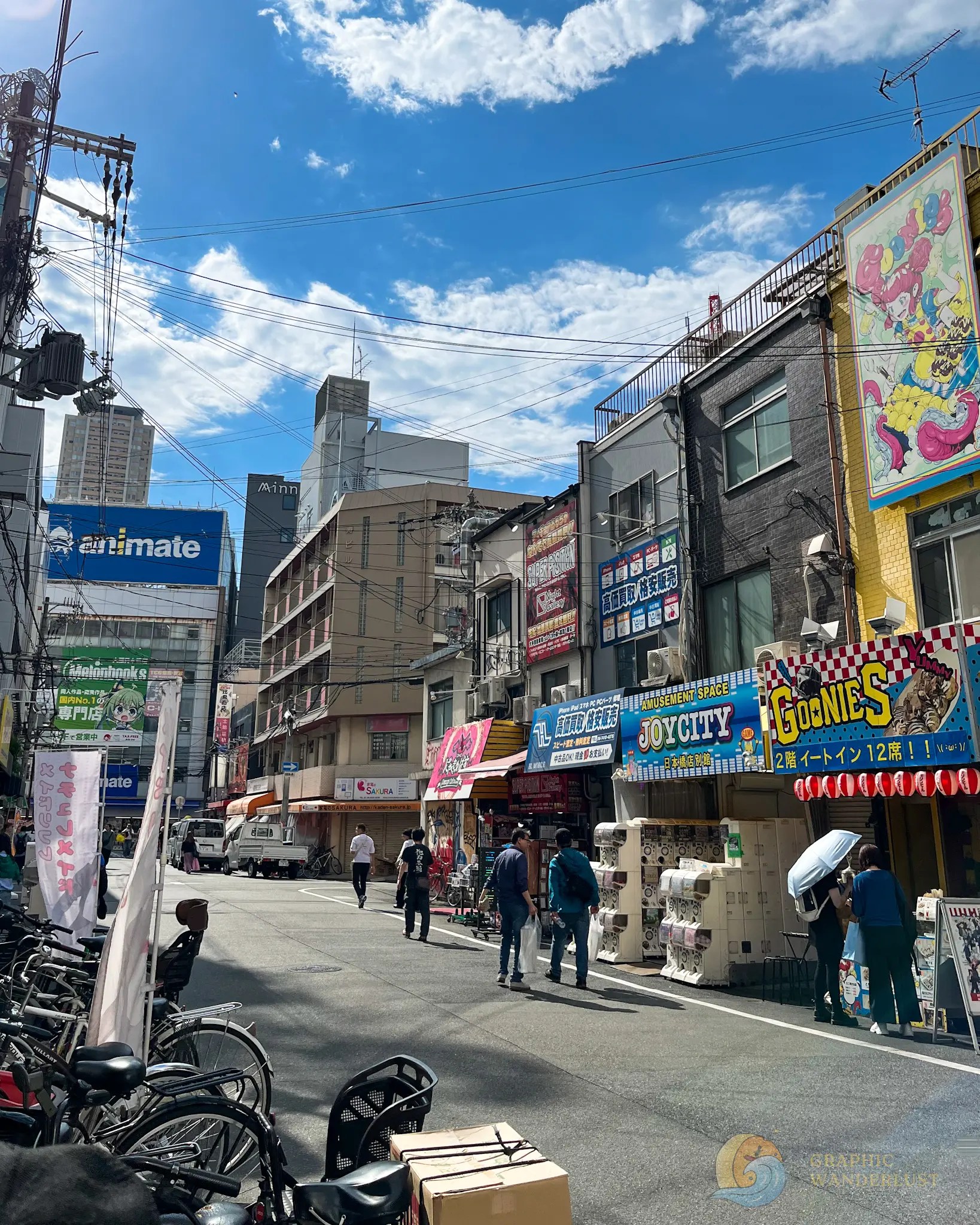
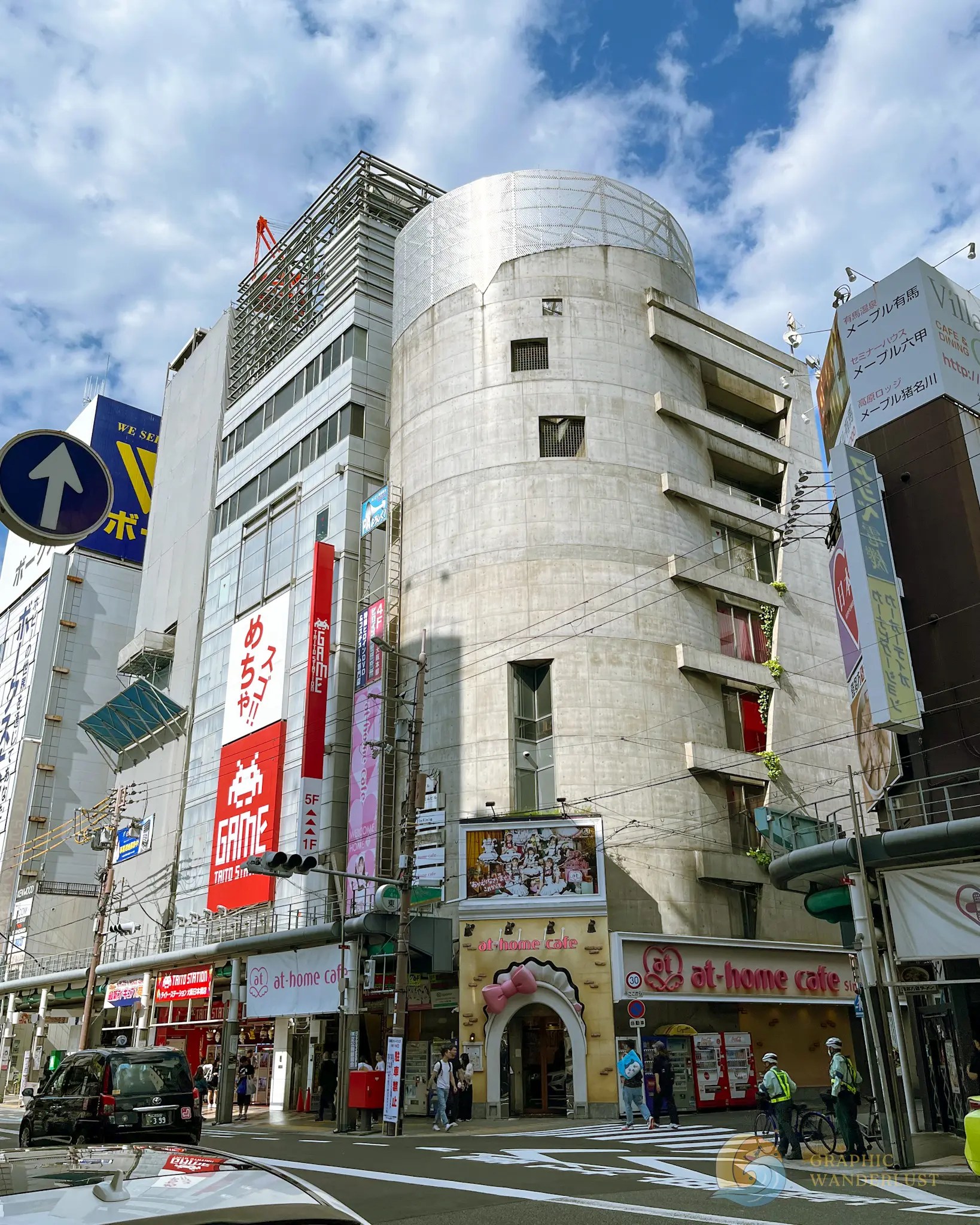
Don’t miss out on the local food scene that the neighborhood boasts, with the handful of restaurants and small eateries that you can find in the area, and the annual Nipponbashi Street Festa, where hundreds of cosplayers flood the streets of the district—during my recent trip, it was held at Namba Parks—boast their manga and anime-inspired costumes every spring.
Kuromon Market
- Location: 2-4-1, Nipponbashi, Chuo Ward, Osaka, Japan
- Operating Hours: Varies per merchant
- Admission Fee: None
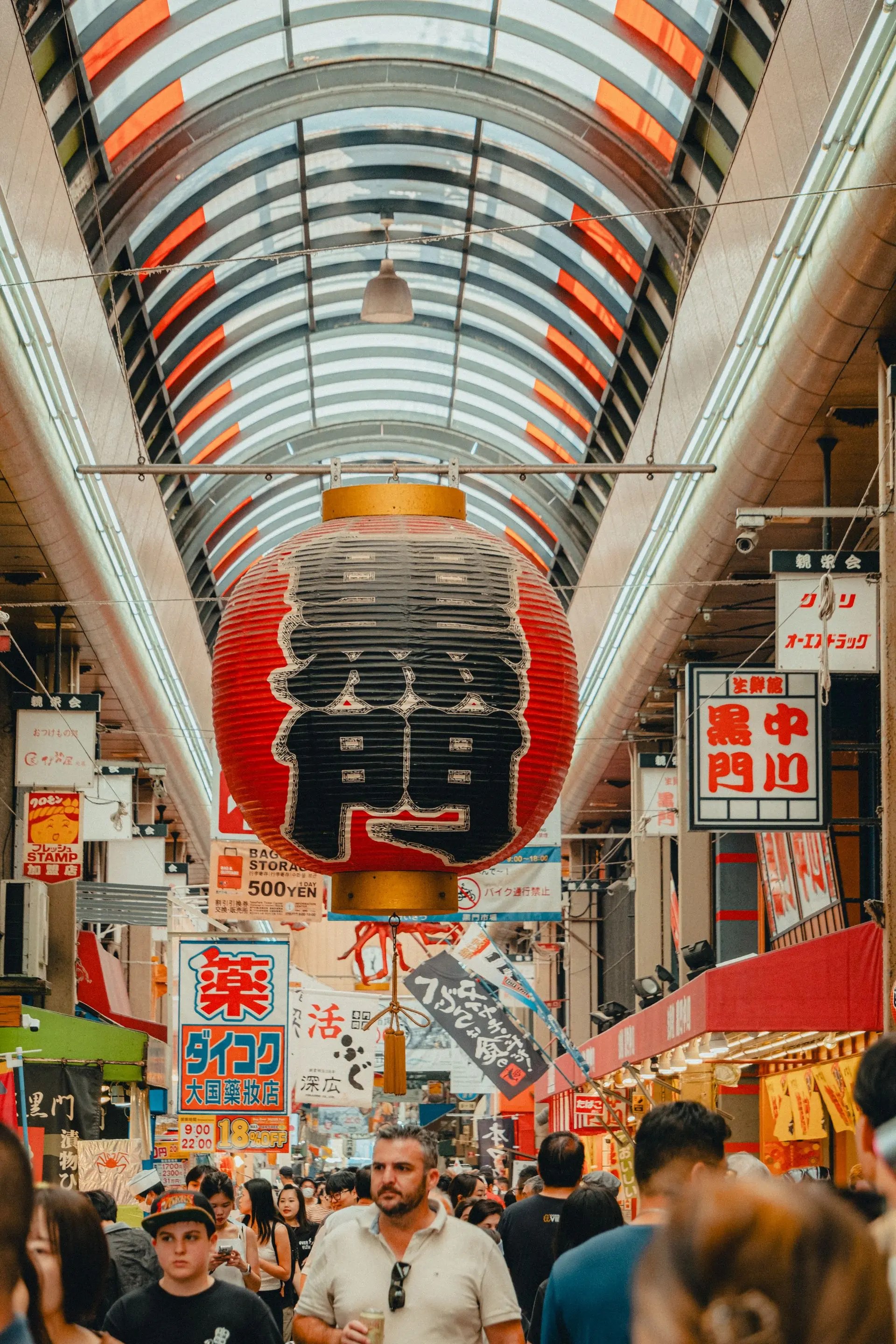
Complete your Nipponbashi itinerary by dropping by the neighborhood’s popular seafood market, Kuromon Ichiba.
A 580-meter covered fresh seafood market with origins from the late Edo period, Kuromon Market is located just north of the center of Denden Town and is well-known for its array of stalls selling fresh seafood, ranging from crabs, oysters, and eels to sea urchins and pufferfish. Aside from these, the market is also home to vendors selling high-quality Wagyu beef, seasonal fresh produce, traditional sweets, and Osaka’s specialty, takoyaki.
Namba Yasaka Jinja
- Location: 2-9-19 Motomachi, Naniwa Ward, Osaka, Japan
- Operating Hours: 6:30AM-5:00PM
- Admission Fee: None
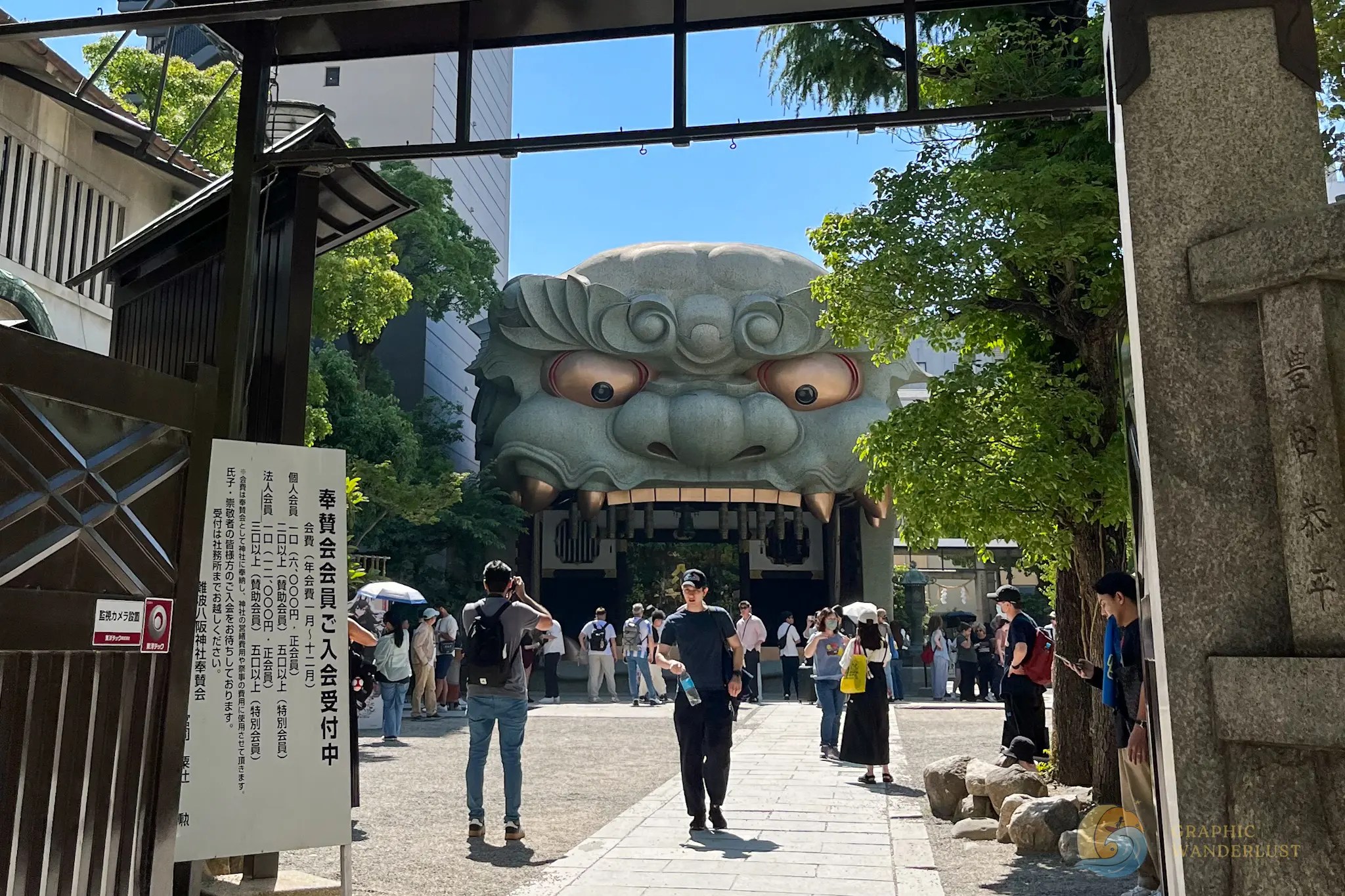
As a popular Osaka place of worship known for its unique, theatrical, and oversized lion head statue, Namba Yasaka Jin-ja is also one of the nearby attractions that you can easily visit when you find yourself in the Namba area.
Located just less than 10 minutes away walk from Nankai Line’s Namba Station, this iconic Shinto shrine in the Minami District is visited for its large, open-mouthed lion head statue, which is believed to swallow evil spirits and bring good luck.
Worshippers also pay respect to the shrine’s deity Susanoo-no-Mikoto, who is believed to have freed the people from hardship after killing the eight-headed serpent god, Yamata no Orochi. The annual tug-of-war ceremony that happens at the place every January celebrates this victory and is also a crowd-drawer.
teamLab Botanical Garden

- Location: 1-23 Nagaikoen, Higashisumiyoshi Ward, Osaka, Japan
- Operating Hours: 7:45PM-9:30PM
- Admission Fee: ¥2,000
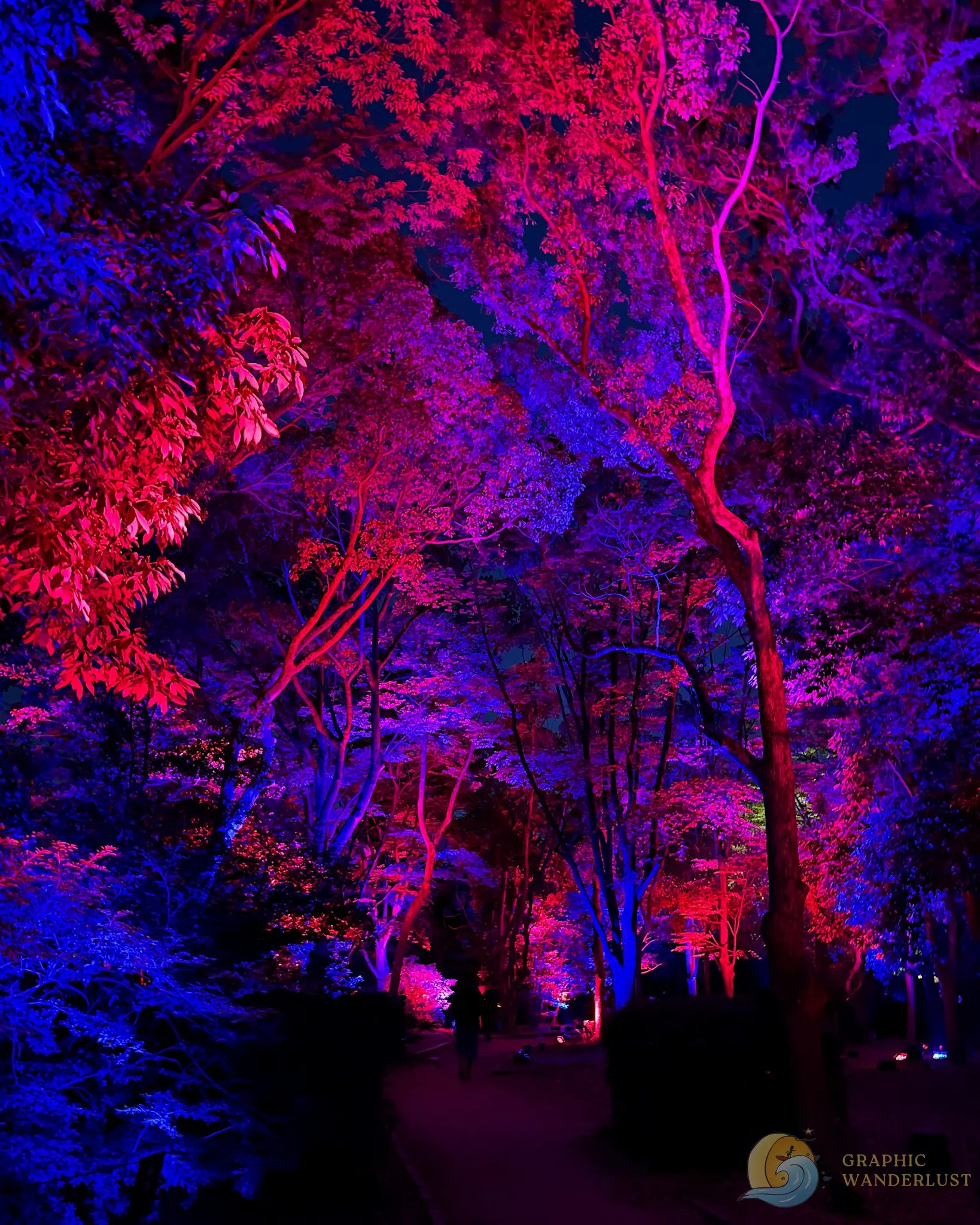
Completing the list of must-see attractions in Osaka—and fulfilling a longtime dream of mine—is the teamLab Botanical Garden.
A nighttime interactive outdoor exhibition from the international art collective, teamLab, their popular installation in Osaka is located in the Nagai Botanical Garden of Nagai Park and can only be accessed after sunset.
Driven by the idea of nature and human interactions, the park boasts seven themed areas that seamlessly blend with the trees, plants, lake, and wildlife that you can find in the area.
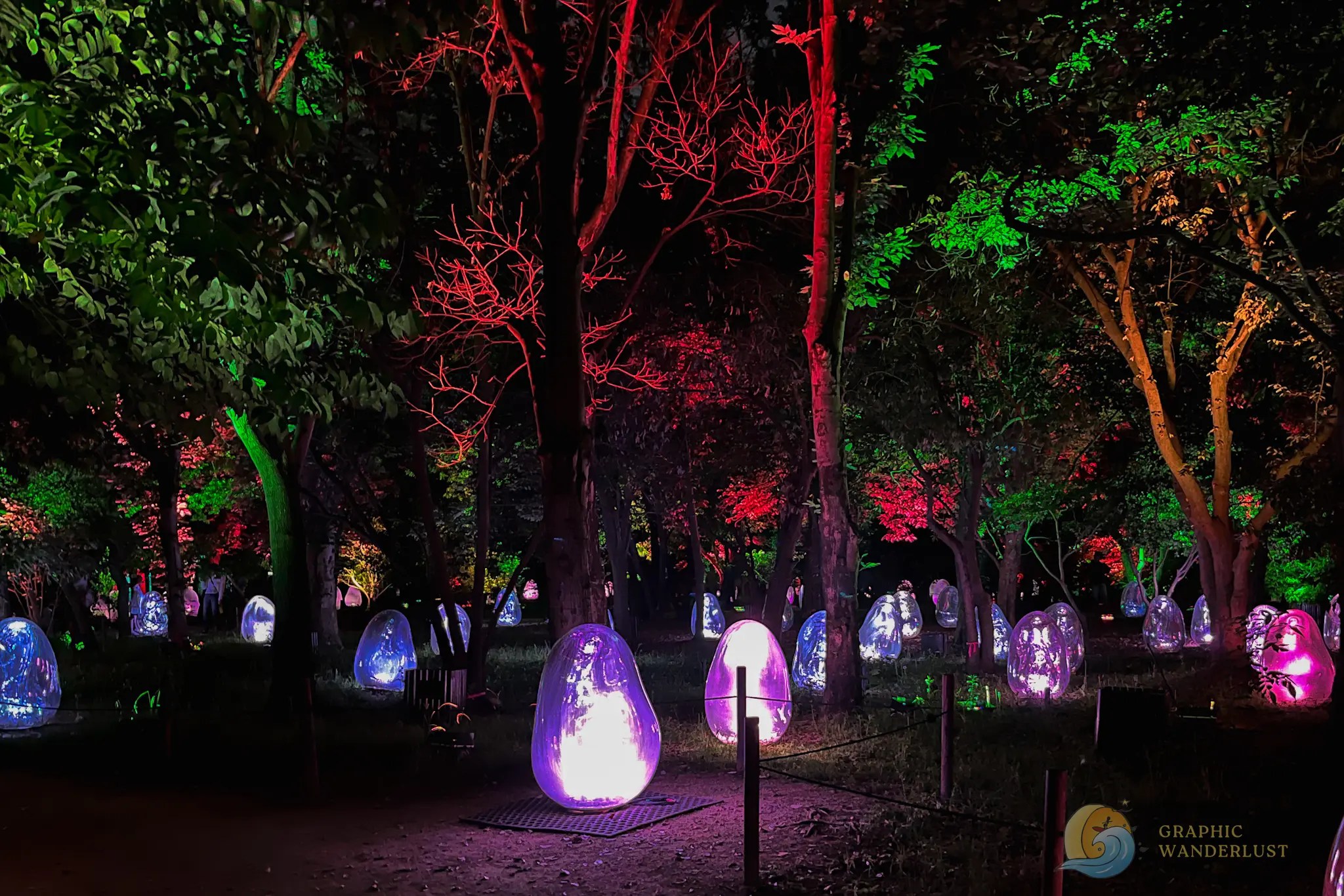
Leading the list of top attractions in the place are the handful of illuminated egg-shaped ovoids that shift color and emit musical tones when touched by visitors or swayed by the wind.
For my trip, I got my admission pass on Klook, where I was able to get it for ₱768. But tickets are also available on teamLab’s online booking portal and at on-site counters.
Sample 4-Day Osaka Itinerary
For my four-day recent trip to Osaka, here is the actual itinerary I followed in exploring the city and making a half-day trip to the nearby Nara.
Day 1 – Arrival in Osaka and Exploring Dotonbori & Shinsekai
11:00 AM – Check-out of hotel in Kyoto
11:35 AM – Arrival at Kyoto Station
11:40 AM – Early lunch at Tonkatsu Wako
1:13 PM – Travel to Osaka through JR Kyoto Line
2:00 PM – Arrival at Osaka Station
2:50 PM – Check-in at Namba Guesthouse HIVE
3:15 PM – Explore Denden Town
3:50 PM – Arrival at Glico Man Sign and photo ops
4:00 PM – Explore Shinsaibashi
4:35 PM – Quick takoyaki break at Kukuru
4:55 PM – Early dinner at Coco Ichibanya
5:45 PM – Quick tour of Dotonbori
5:55 PM – Drop by Hozen-ji Temple
6:00 PM – Continue exploration of Dotonbori
6:30 PM – Quick break and rest at hostel
8:00 PM – Explore Shinsekai
8:30 PM – Buy souvenirs at MEGA Don Quijote Shinsekai
9:30 PM – Return to hostel and rest
Day 2 – Half Day Universal Studios Japan Tour
8:00 AM – Wake up and prep
11:00 AM – Early lunch at Ichiran Dotonbori
11:50 AM – Travel to Universal Studios Japan via train
12:45 PM-6:30 PM – Explore Universal Studios Japan
6:35 PM – Travel back to hostel via train
7:00 PM – Buy dinner at 7-eleven
7:15 PM – Return to hostel and rest
Day 3 – Nara Day Trip & teamLab Botanical Garden
8:00 AM – Wake up and prep
11:30 AM-5:00 PM – Nara Day Trip
5:00 PM – Travel back to Osaka
6:15 PM – Dinner at MOS Burger Nagai Park
7:20 PM – Explore teamLab Botanical Garden
8:40 PM – Travel back to hostel and rest
Day 4 – Half-Day Osaka DIY Tour & Departure from Japan
10:45 AM – Check out of hostel
10:50 AM – Travel to Osaka Castle Park
11:11 AM – Explore Osaka Castle Park
12:20 PM – Travel to Shitennoji
12:55 PM – Quick tour of Shitenno-ji grounds
1:40 PM – Lunch at Ebidanomi Abechika in Tennoji Station
2:30 PM – Quick drop by Namba Yasaka Jin-ja
3:00 PM – Explore Namba Parks
4:00 PM – Return to hostel to pickup luggage and rest
4:30 PM – Travel to Kansai International Airport
6:10 PM – Arrive at Kansai International Airport
6:30 PM – Dinner at Tasty Street
7:20 PM – Check-in to flight
11:25 PM – Departure for Manila
Osaka Travel Tips
- If you’re traveling with large luggage (26 inches and above), be aware that most train station coin lockers cannot accommodate suitcases of this size. Instead, look for a Crosta branch—Osaka has locations in both Shin-Osaka and Osaka Stations—which can securely store oversized bags for ¥1,000. They also offer a luggage delivery service, allowing you to forward your bags directly from one city to another.
- When visiting Universal Studios Japan, download the official USJ app to familiarize yourself with the theme park’s different attractions and their location. The place itself is massive, and knowing which ones to prioritize will save you time. Plus, if you’re applying for a timed-entry ticket to enter popular attractions, you’ll also need this app on hand.
- When visiting off-peak seasons, buying a Universal Studios Japan Express Pass is not necessarily needed, as the wait times for each ride are not that bad. During my recent trip in May, I was honestly surprised by how fast the queue was for different rides (except for the Flight of the Hippogriff) and how it contradicts the exaggerated wait times indicated on the USJ app. But if you’re visiting during high travel seasons, I suggest getting one to save time and enjoy the theme park more.
- In my experience of traveling during an off-peak season, going to Universal Studios Japan early in the morning before its opening is not necessarily a must to enjoy the place. As a person who prioritized convenience, I actually arrived at the theme park past noon, and my entry to the place was seamless. Nonetheless, I suppose the story would be different if you’re visiting during tourist season or if you are determined to capture crowd-free photos of popular zones like Super Nintendo World and The Wizarding World of Harry Potter.
- The initial deposit fee of ¥500 for an ICOCA card is refundable if you decide to return the card on your last day in Osaka. However, if you want to keep it as a souvenir but still want to get the deposit fee, you can connect it to your Apple Wallet, and it will instantly transfer the initially paid ¥500 along with your remaining balance. Nonetheless, take note that doing this officially deactivates the physical card and you won’t be able to use it anymore.
- Despite its history, most people deem Kuromon Market a tourist trap due to its high prices when compared to typical local seafood markets.
Compared to the serene and calm atmosphere of Kyoto’s temples and gardens, visiting Osaka in the second leg of my Kansai journey was the exact opposite of that peaceful experience. Instead, the city boasts a vibrant, high-energy atmosphere that will leave you feeling exhausted due to the variety of things happening around you.
But one thing that really stood out to me amidst the chaos of Osaka is the warm hospitality of the Japanese people, known as omotenashi.
From hotels and restaurants down to the thoughtfulness of their everyday technology and public infrastructure, Japan’s attention to detail left me amazed and fascinated.
If I were to summarize my experience of omotenashi, it would be the art of being ready before the need arises. And this remarkable experience is what sets Japan apart from the other countries I’ve visited.
Ready to experience omotenashi just like I did? What experiences are you looking forward to on your first trip to Osaka? Share them in the comments below!
If you also find this post useful, you can support me in creating more travel and hiking guides in the future! Just tap on my Ko-fi or Buy Me a Coffee profile to get started, or share this post with your friends or on social media for free!
DISCOVER MORE ASIAN DESTINATIONS AND GUIDES!





Any thoughts?