

Sapa has always charmed me even before I first learned its name. Hearing a friend describe a place in Northern Vietnam that experiences snow, this tropical girlie was instantly hooked—winter season in Southeast Asia? That sounded unusual. And with Vietnam being visa-free for Filipinos, my desire to visit this place only grew stronger.
From exploring the ‘Roof of Indochina’ at the peak of Fansipan Mountain, traveling to its town center from Hanoi to discovering Northern Vietnamese cuisine in its array of dining spots, here’s a handy Sapa, Vietnam travel guide when you’re visiting it for the first time.
Table of Contents
- About Sapa, Vietnam
- How to Get There
- Best Time to Go
- Things to Do in Sapa
- Where to Stay
- Where to Eat
- Sample 4-Day Sapa Itinerary
- Travel Tips
About Sapa, Vietnam

Located in a valley in Northwest Vietnam, Sapa (or Sa Pa as it is written in Vietnamese) is a mountainous town in Lao Cai Province known for its misty natural sceneries, cascading rice terraces, and mountain peaks.
It serves as a jump-off point for hikers and travelers visiting Fansipan Mountain which is known for being the highest peak in the region. Trekking is also a popular tourist activity, allowing visitors to explore the array of majestic rice terraces and local villages that surround the town center.
Aside from its natural landscape, Sapa is also home to some of Vietnam’s minor ethnic groups including H’mong, Red Dao, Tay, Giay, and Xa Pho people whose unique culture plays a significant role in defining the place’s image.
Its former function of becoming a resort station during the French colonial period also reflects the culture of the town as seen in its buildings’ architecture, completing Sapa’s East-meets-West cultural landscape.
How to Get There
Tucked 300 kilometers northwest of Hanoi, near the Vietnam-China border, Sapa sits within the Hoang Lien Son mountain range.
By land, this mountainous town can be reached in five to six hours of travel from Hanoi. By train, in eight to nine hours including the transfer going to the town center.
Flying is currently not an option because Sapa doesn’t have an airport and the nearest one is the terminal found in Hanoi.
For our trip, since we wanted to head directly to Sapa after our inbound flight from Noi Bai International Airport, we opted to travel by land via booking a bus from it.
There are several operators to choose from for those who prefer to take this route, but for our trip, we booked with G8 Sapa Open Tour for VND420,000 which provided a limousine bus and included the transfer directly to our booked accommodation.

If coming from Hanoi which is the common and more popular way, more bus companies are available servicing this route which offers options including cabin, sleeper, VIP, and limousine buses.
Private van transfers are also a choice for those who prefer comfort but expect the fare to be more expensive.
If traveling by train, keep in mind that the nearest train station, Lao Cai, is still an hour away from Sapa town, so you’ll need to take a van, minibus, or taxi for the final leg of the journey.
Book your Hanoi to Sapa transport here!
Best Time to Go
The best time to visit Sapa is during September and October when the rice fields are lush and green. The spring months of March, April, and May are also recommended for clear skies and good weather.
For travelers seeking to experience chilly weather and occasional snow in the area, the best time to visit is during the winter months of January and February.
Try avoiding the monsoon months of June to August when the region experiences the highest amount of rainfall, making trails muddy and when the possibility of landslides and flash floods are high.
Things to Do in Sapa
From mountains, and rice terraces to ethnic villages, here are the top things to do when visiting Sapa for the first time.
Climb Fansipan Mountain
A must-do in every Sapa itinerary, your trip wouldn’t be complete without sealing it with a climb to Fansipan Mountain.

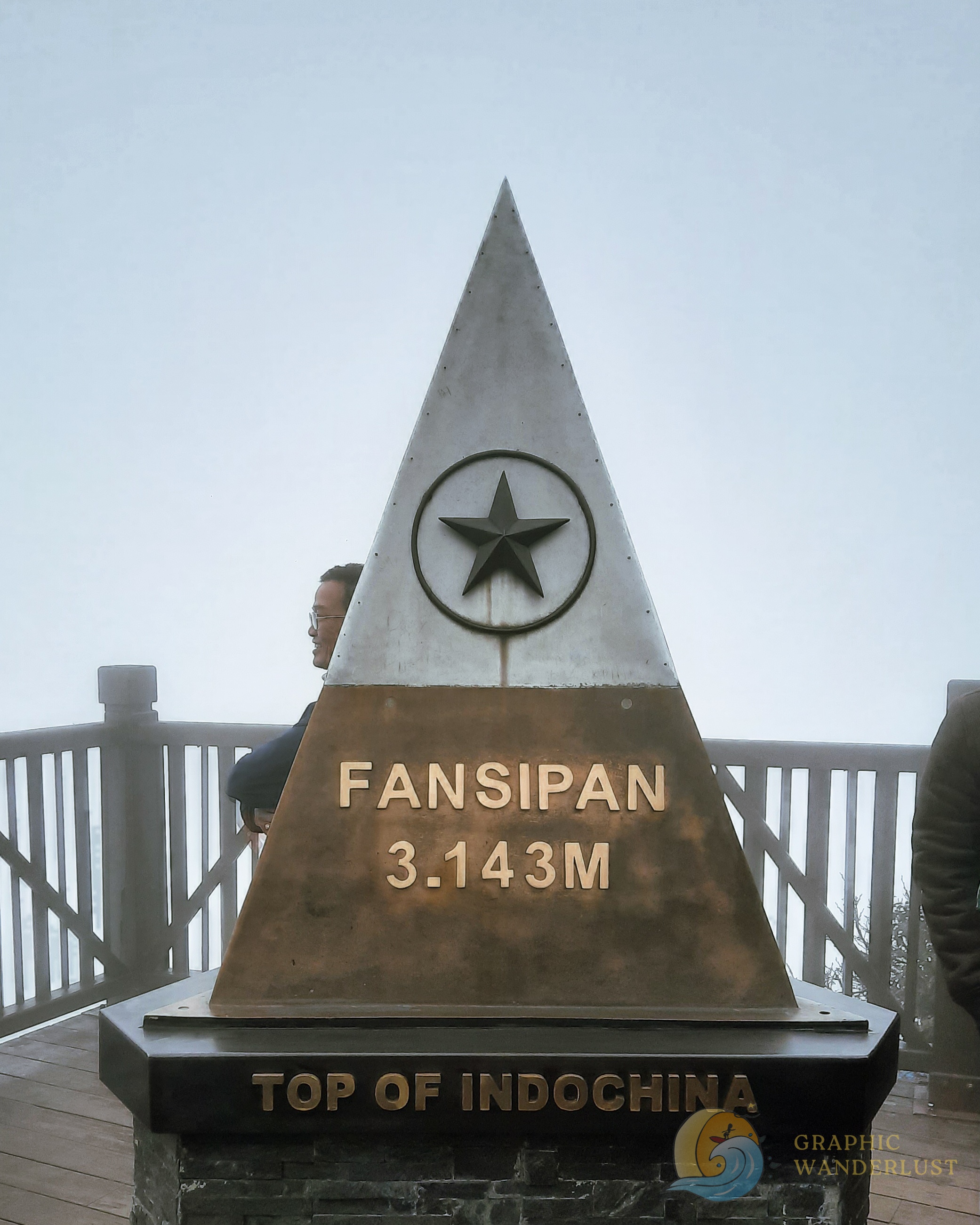
Standing at a staggering 3,143 MASL, Fansipan Mountain (or Phan Xi Pang in the local language) is dubbed the Roof of Indochina for being the highest peak in the entire region.
Travelers have an option to hike the mountain for two to three days to reach its summit or opt to avail the 15-minute cable car ride leading to its peak serviced by Sunworld Fansipan Legend.

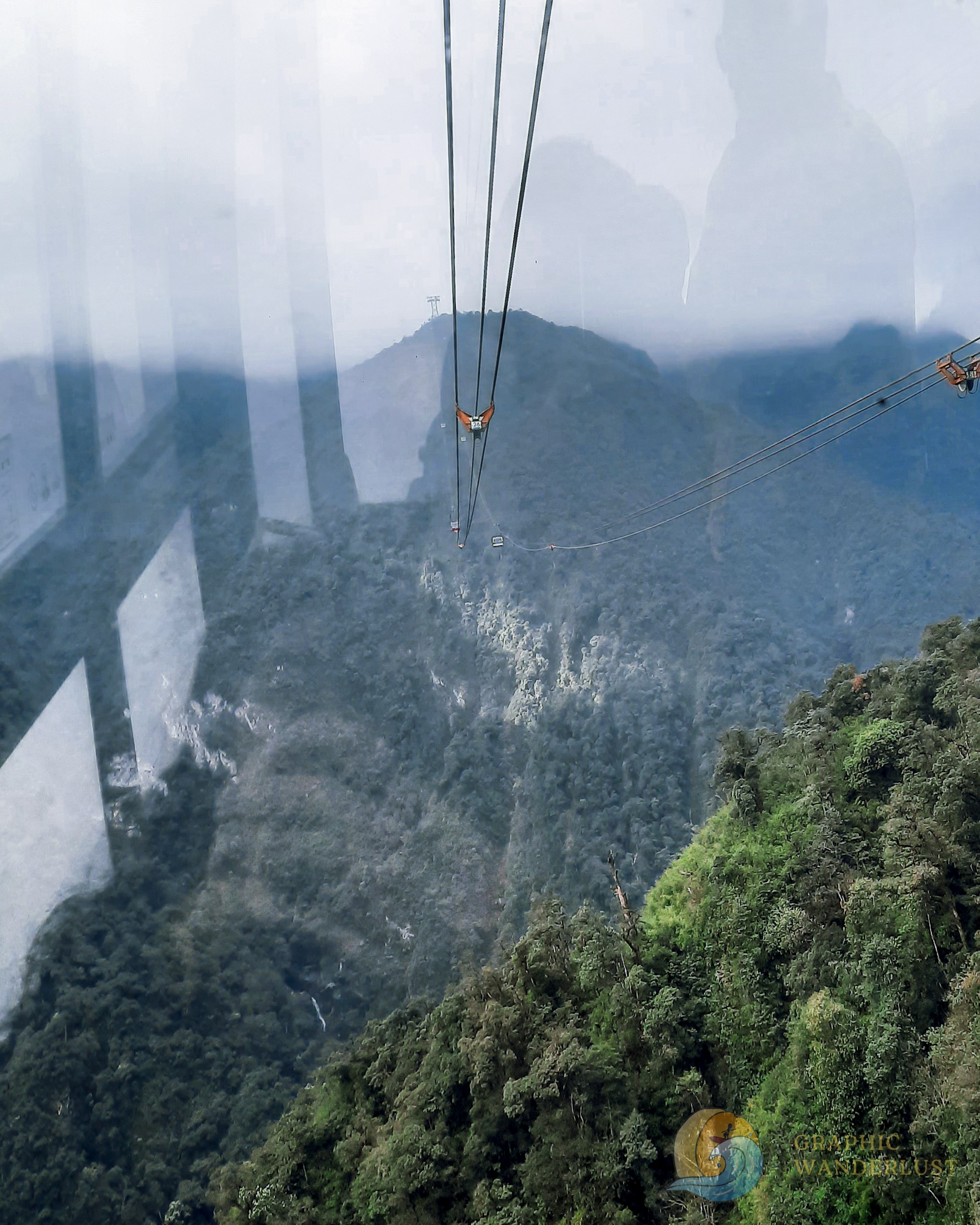
Its summit boasts an overlooking view of the region’s lush natural landscape on a sunny day and misty and chilly scenery during winter and cloudy days.

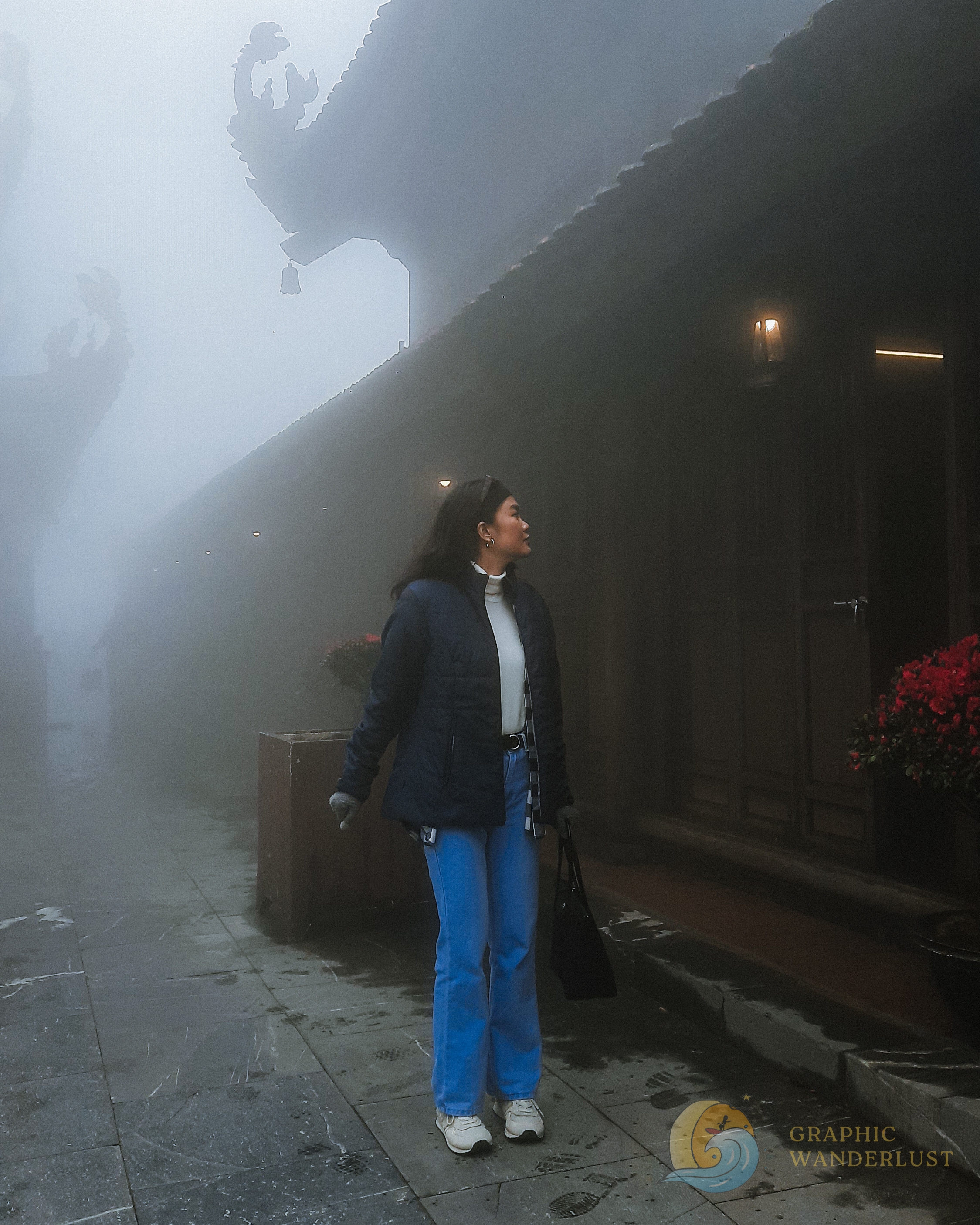
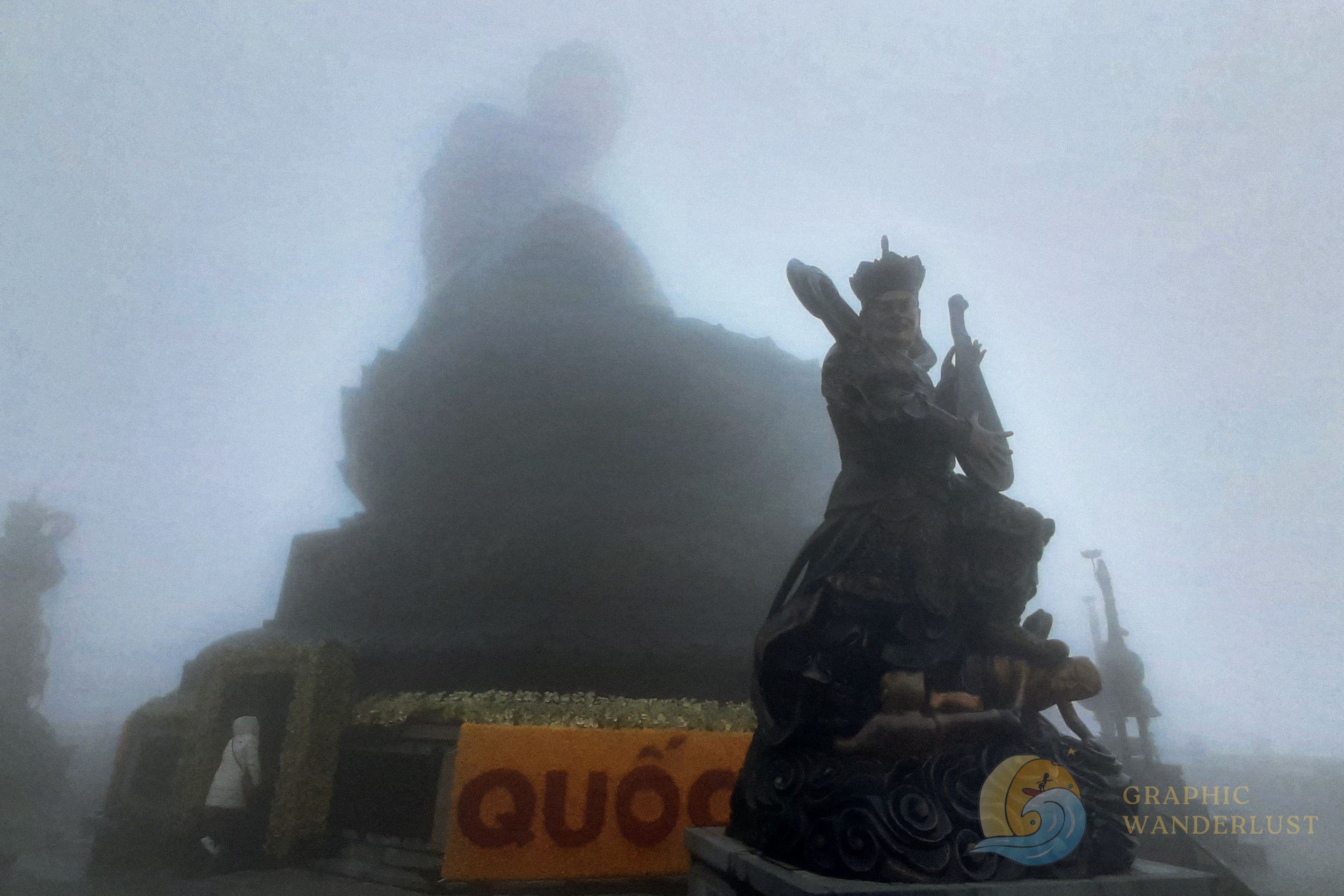
On top of this, the peak of Fansipan Mountain is home to a pagoda complex that includes The Great Buddha Statue, Bich Van Thien Tu Temple, Dai Hong Chu Tower, and Guanyin Statue which offer a glimpse into Vietnam’s rich spiritual tradition and architecture.


For our short visit to Sapa, we opted to avail of the cable car serviced by Sunworld Fansipan Legend on Klook. Aside from the cable car ride, we picked the package that also included the Muong Hoa Monorail and Peak Rail tickets to spare ourselves from climbing up to the 600-step staircase leading to the summit.
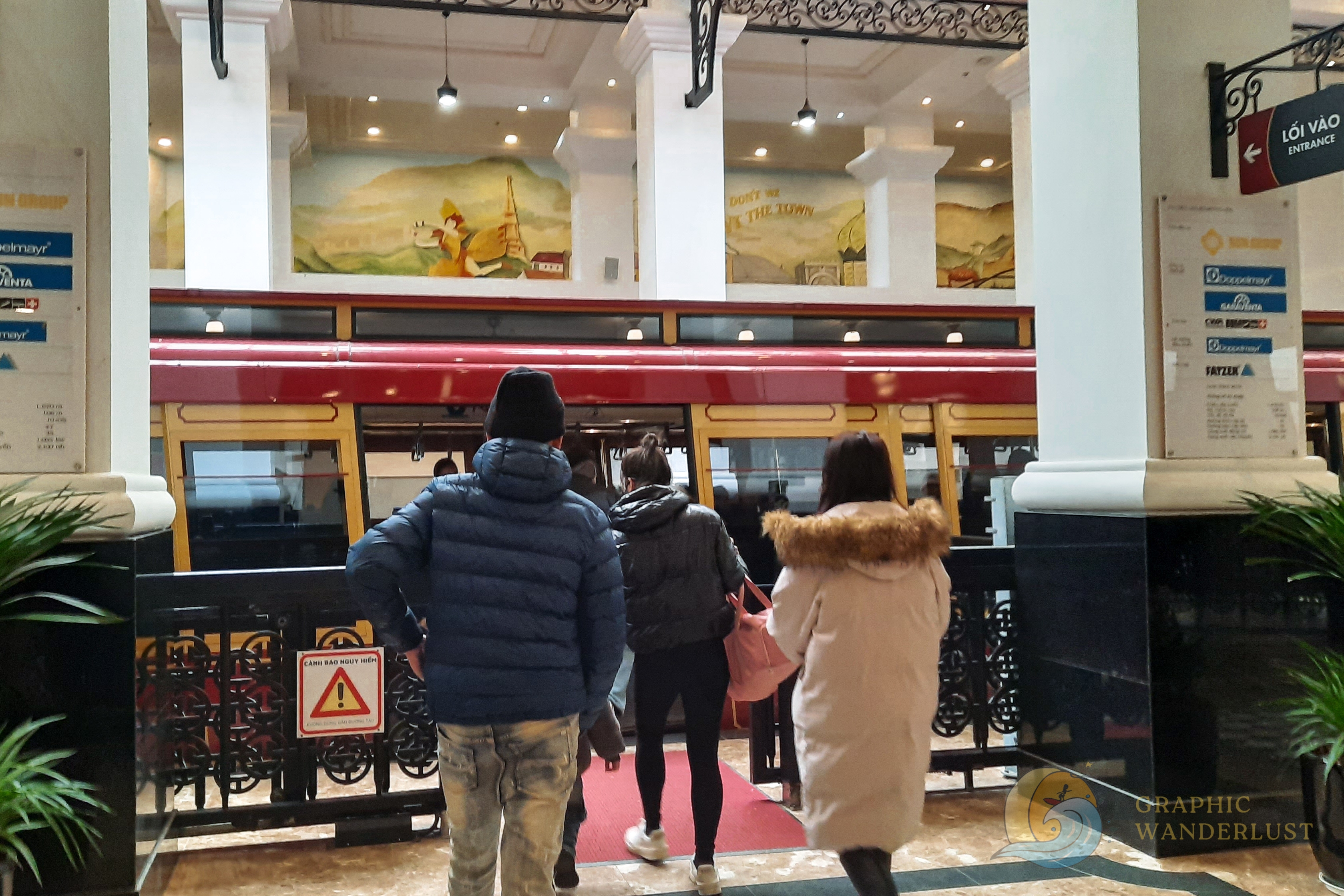
Budget tip: 💡 Use the code SUNWORLD5 on Klook to get 5% off on Sun World Fansipan Legend Ticket!
Trek Sapa’s Rice Terraces
For outdoor enthusiasts, another thing to tick off in the list of Sapa’s must-do activities is trekking through its rice terraces.
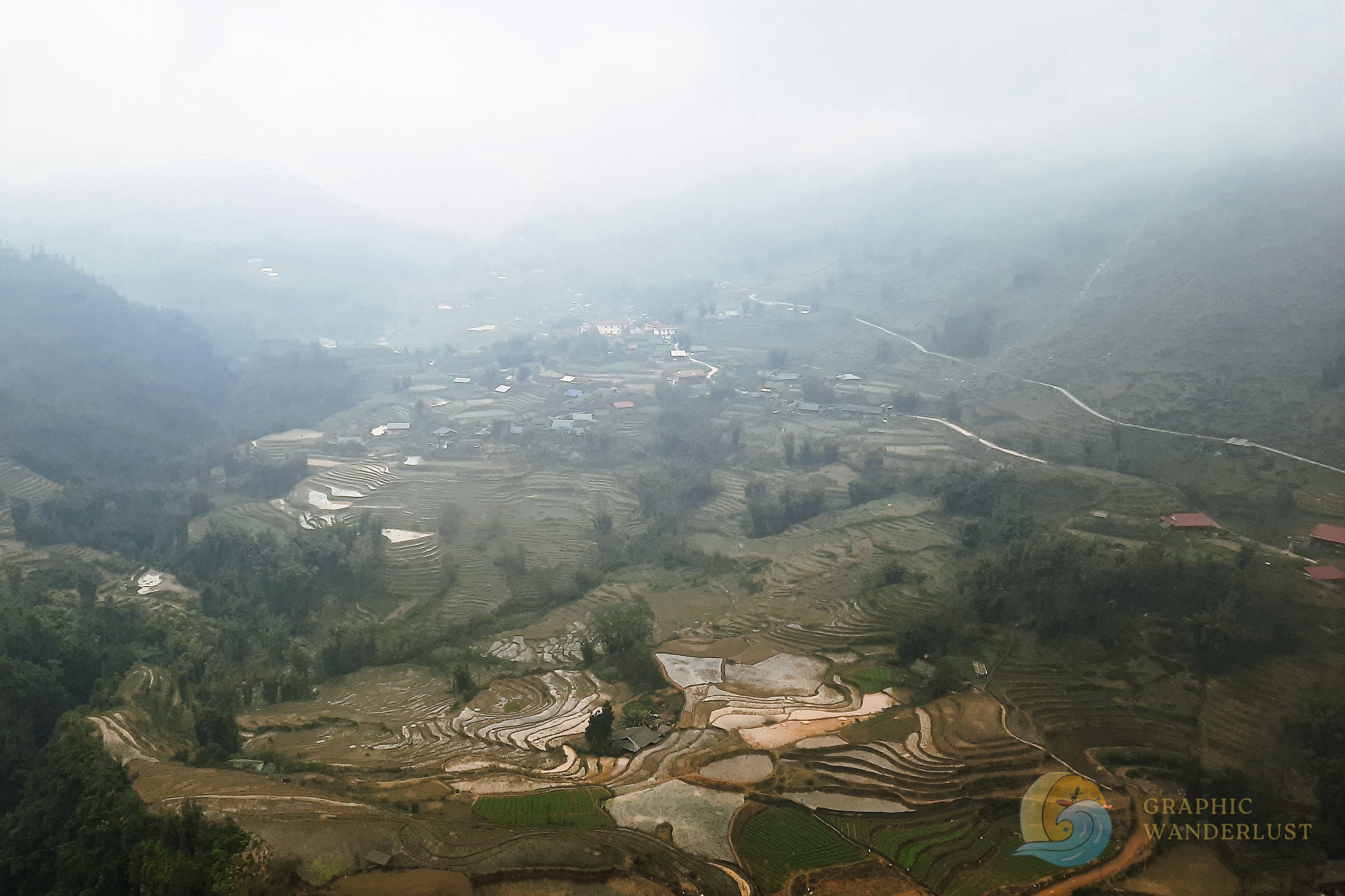
For half, full or two days, various guided tours covering different trails are arranged by organizers for travelers who want to see and explore Sapa’s rice terraces. In addition, this experience usually offers cultural immersion as most itineraries also include a stop in local villages and even an overnight stay in a local’s home for two-day treks.
Some of the popular trails offered by organizers include the Lao Chai-Ta Van and Y Lin Ho-Lao Chai-Ta Van routes, which pass through Sapa’s iconic Muong Hoa Valley.
READ: Hiking rice terraces in the Philippines!
Visit Cat Cat Village
For non-trekkers who want to get a glimpse into the local ethnic groups’ lifestyle, Cat Cat Village has become a popular tourist spot and alternative to the remote mountainous neighborhoods of Sapa.
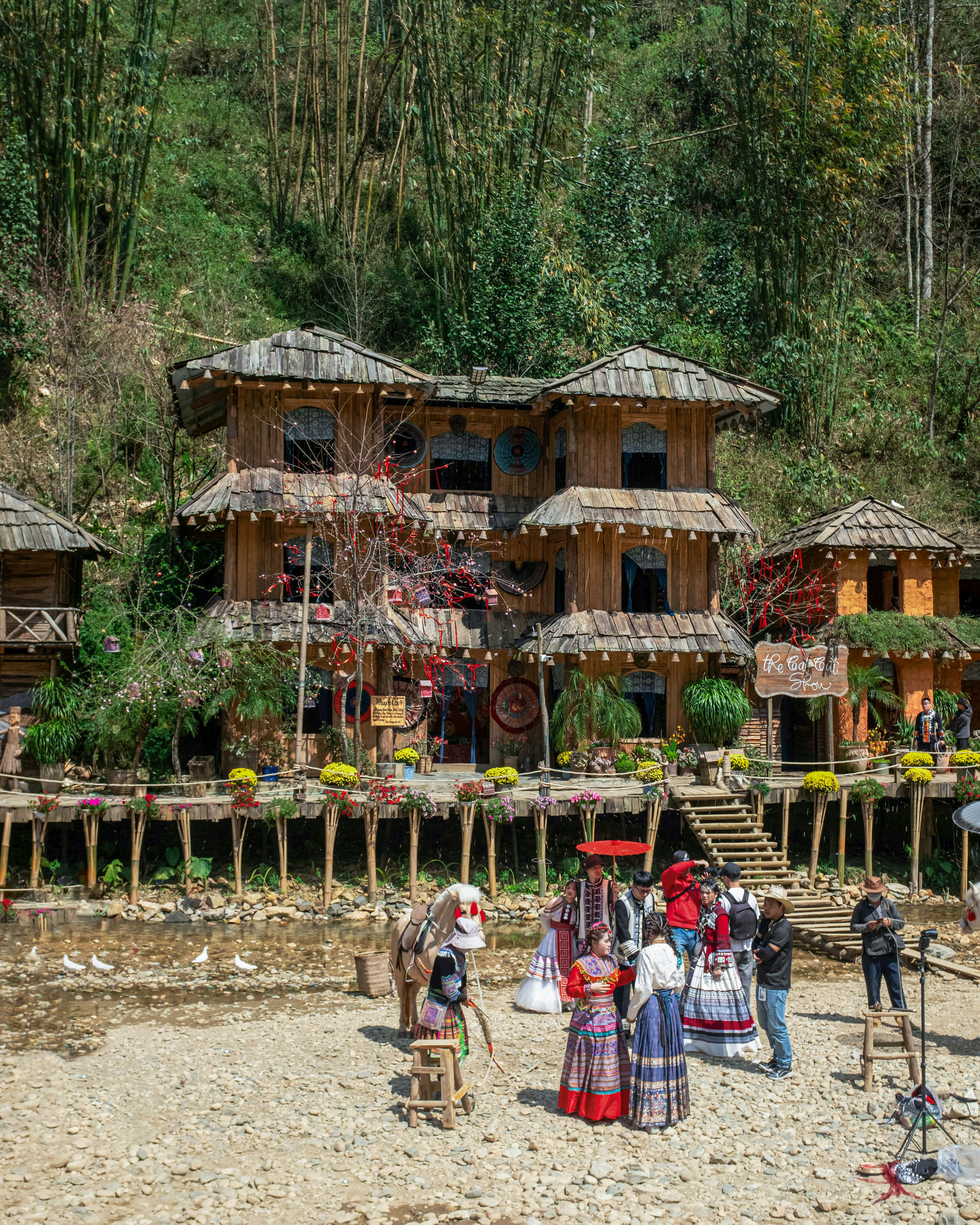
Located approximately just three kilometers from the town center at the foot of Hoang Lien mountain, Cat Cat Village boasts a lush surrounding natural scenery with CatScat Waterfall taking centerstage as the area’s main highlight and where the village got its name.
The place is also home to the Black H’mong ethnic group whose stilt houses offer a glimpse into the region’s architecture and lifestyle and who also sell local handicrafts in the various souvenir stores found in the village.
The area is also dotted with a handful of photo-op structures and costume rental shops for visitors who want to try on local ethnic attire.
Travelers have mixed sentiments about Cat Cat Village with some describing it as a fabricated amusement park rather than an ethnic village while others recommend it as a must-try experience in Sapa.
Personally, we didn’t visit the place during our trip since I found it too touristy but if you’re interested, the place can be accessed by paying the admission fee of VND150,000 or by booking a Half-Day Cat Cat Village Guided Tour.
Explore Sapa Town Center
Even without leaving the bounds of the town center, one wouldn’t run out of places to visit and things to do in Sapa.
Starting off at Sapa Square which is found at the heart of the town center and serves as a venue for the region’s official events. It offers a 360-degree view of the main center with Ham Rong Mountain looming over the background on clear days. It is also a good center point for navigating the other tourist spots in Sapa.
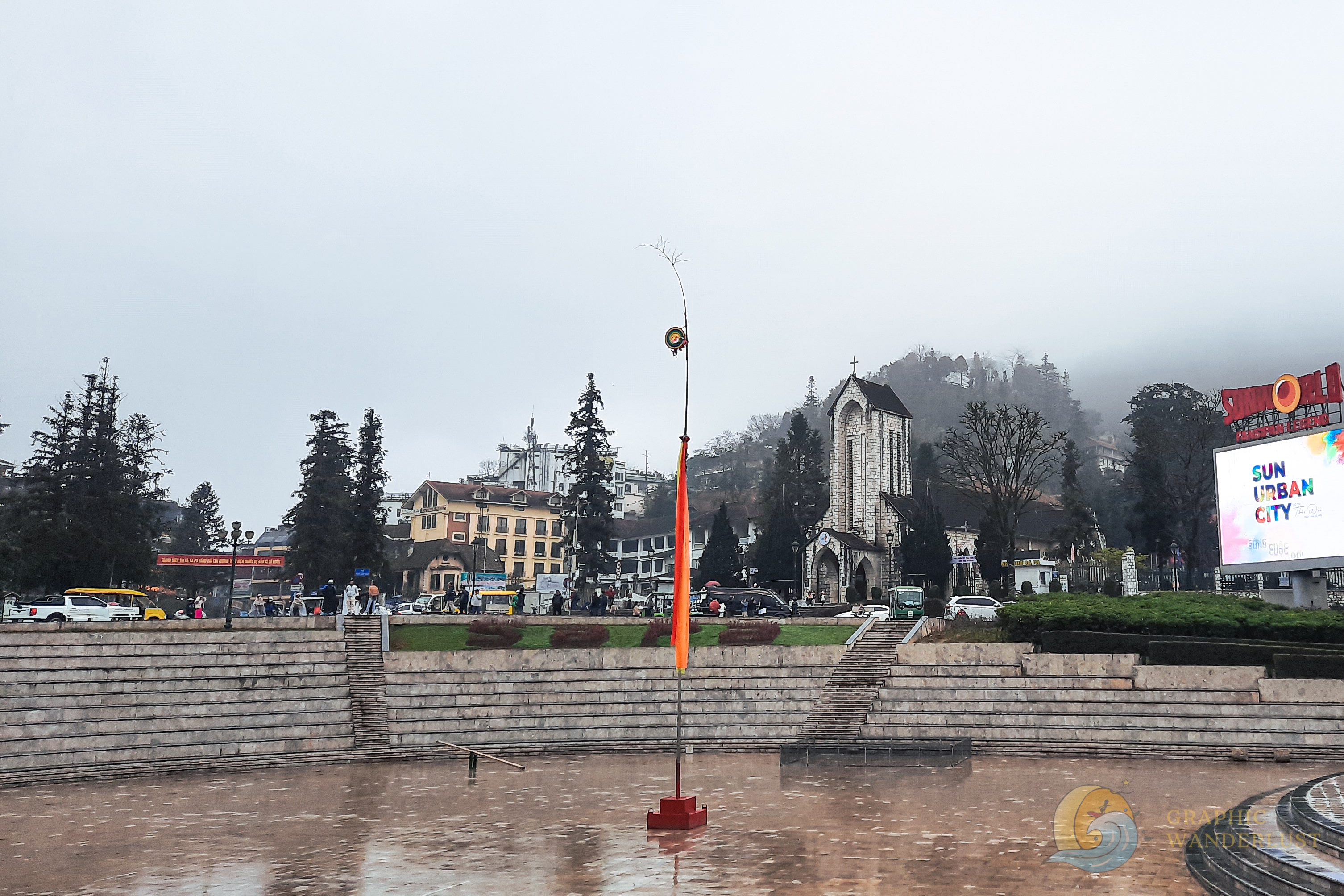
Other nearby must-visit spots include Sapa Stone Church which is a late-19th century Gothic Catholic church erected by the French during the colonial period, Sun Plaza which is a popular commercial center known to house Sapa Station of Muong Hoa Funicular Railway, and an array of souvenir stores and cafés, and Sapa Culture Museum which sits at the top of the hill in front of the first two and offers a glimpse into Sapa’s history and its ethnic minorities’ customs and traditions for free through the different artifacts found in the place.
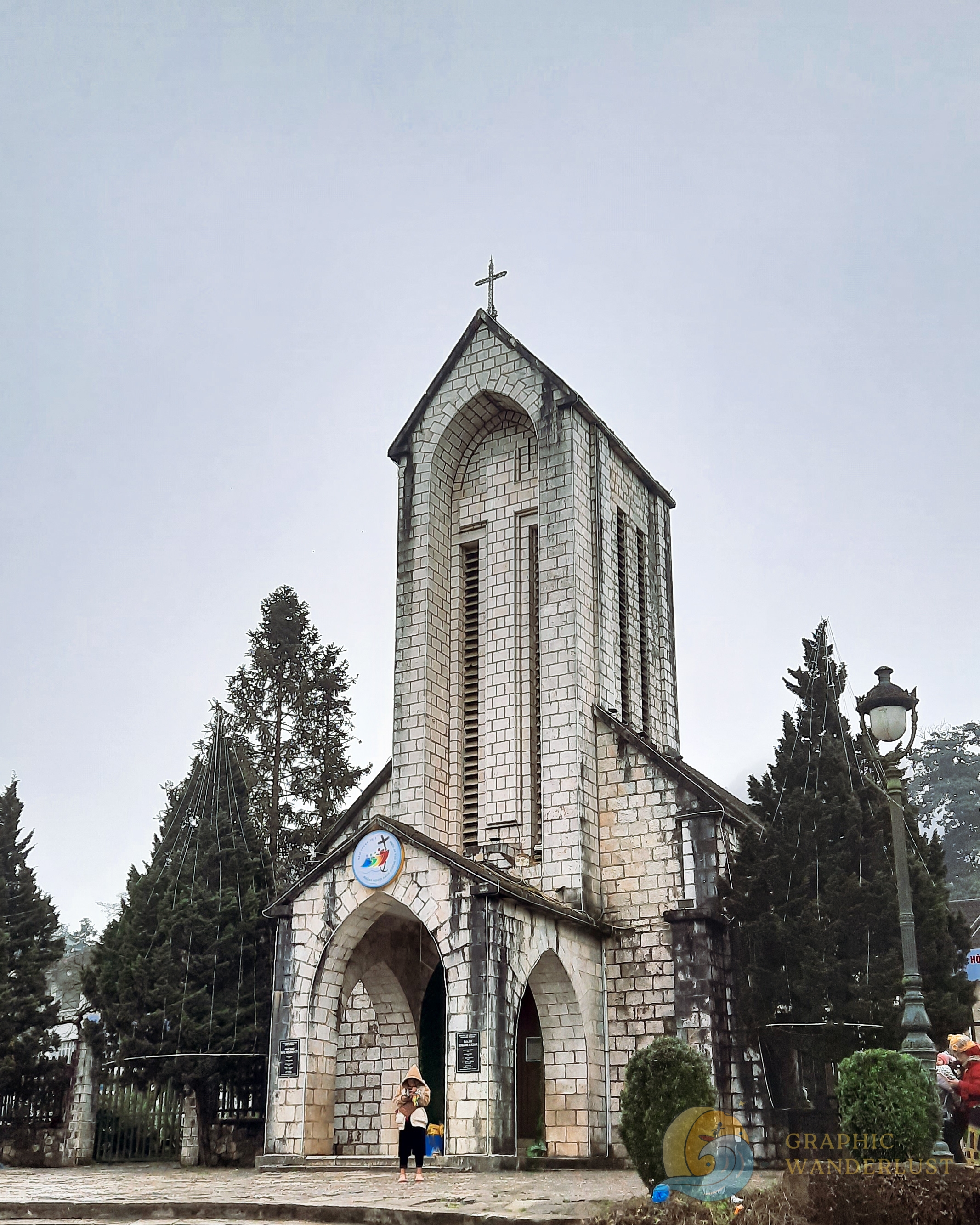

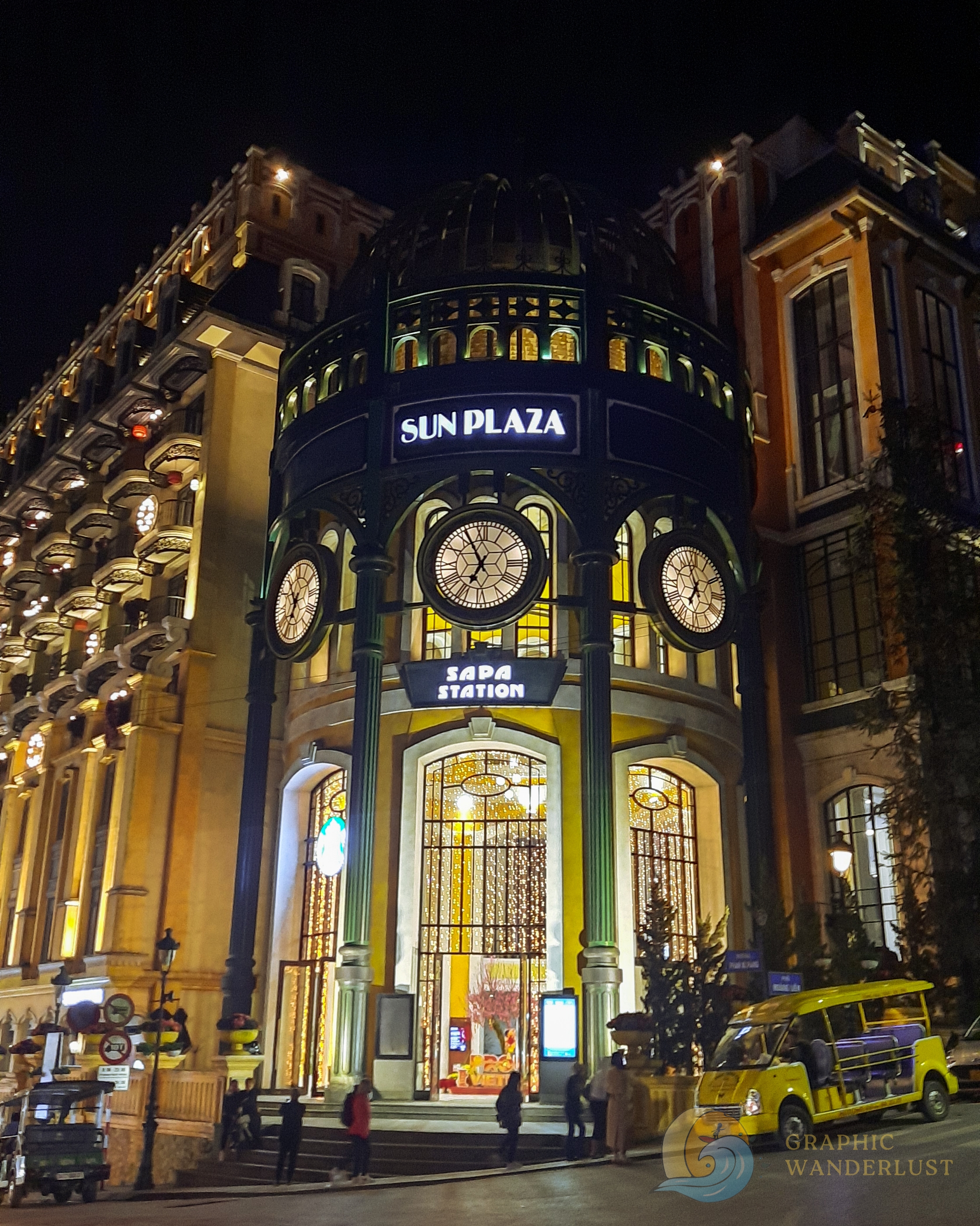
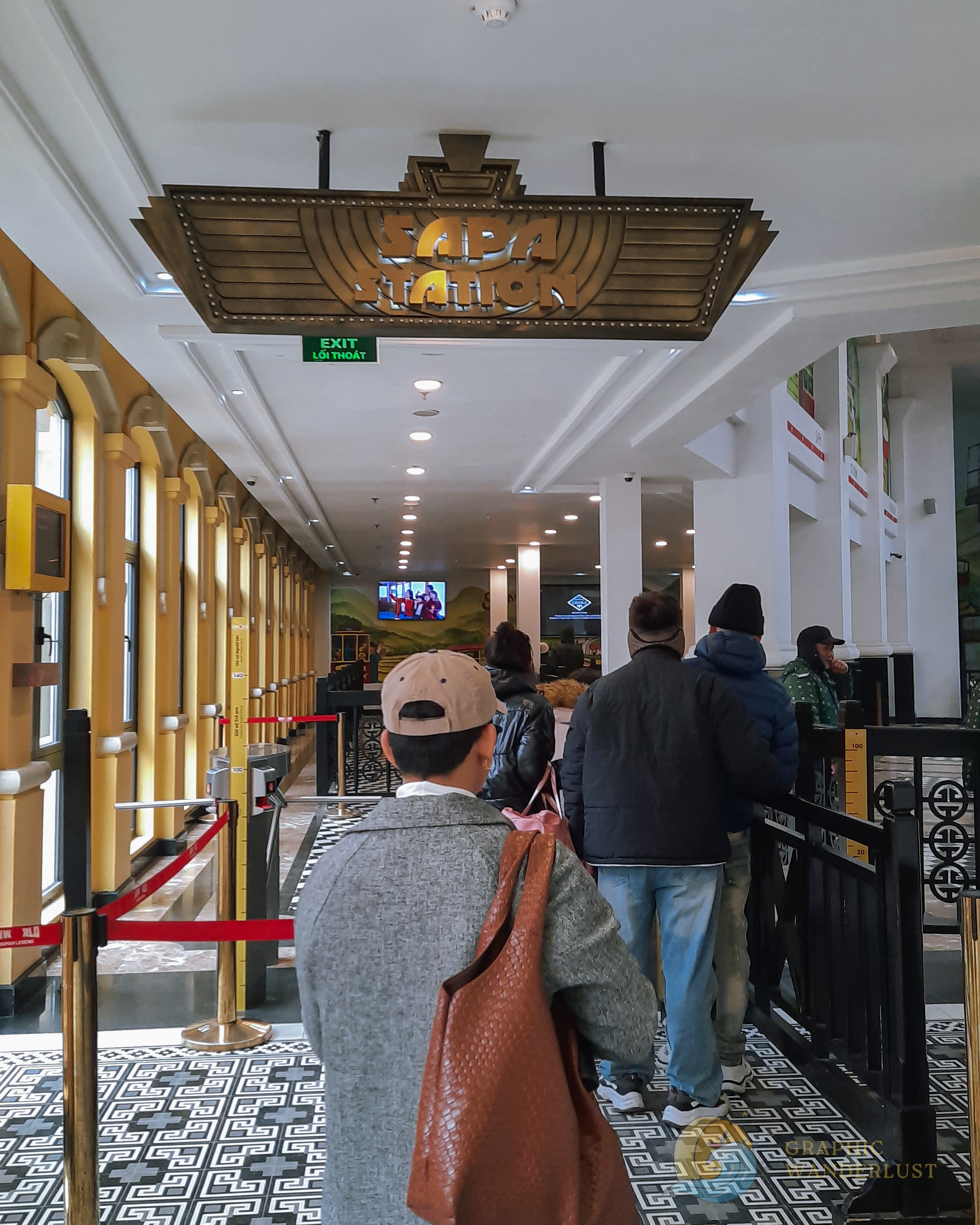
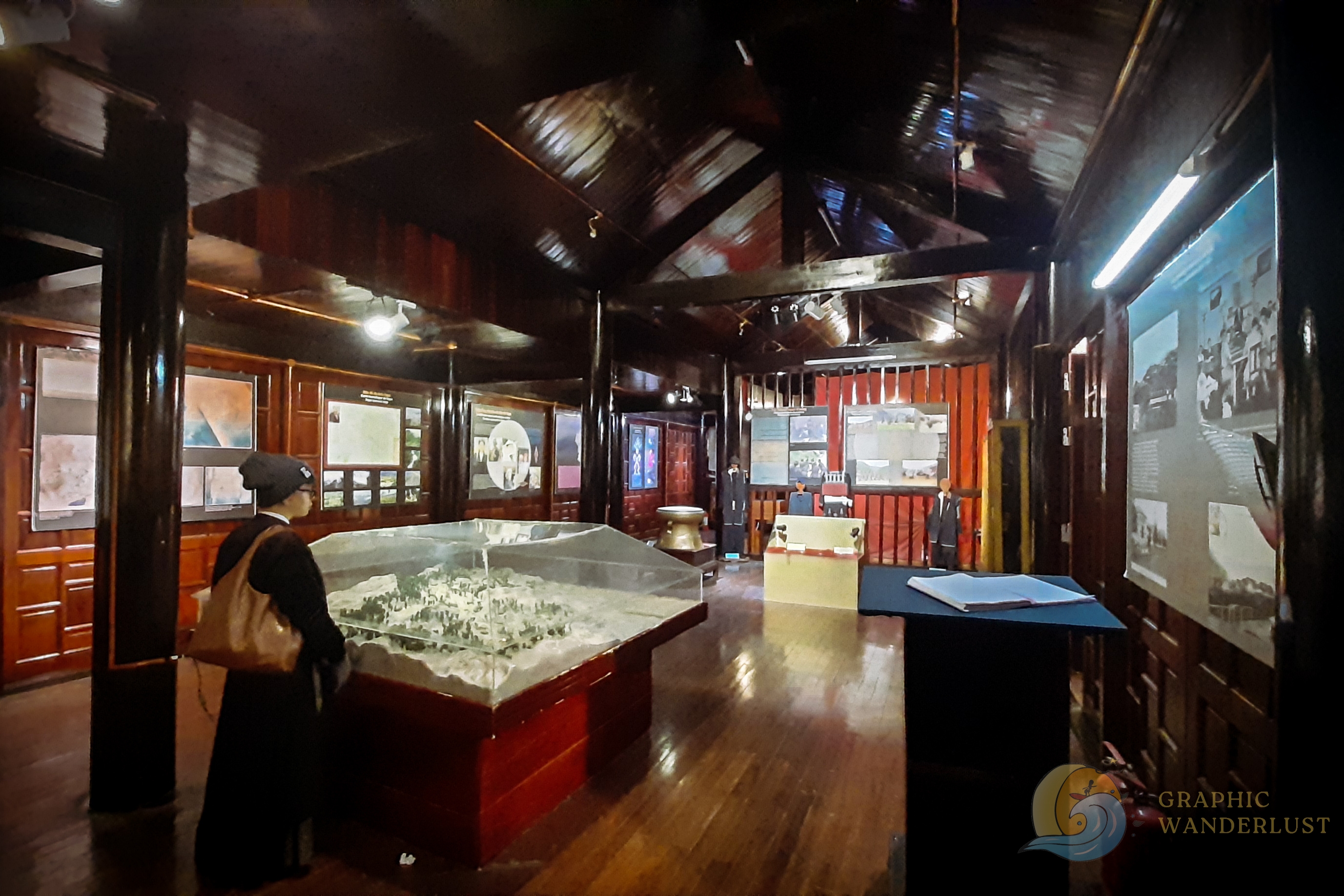
Do not skip on dropping by Sapa Lake, northeast of Sapa Square, which is a manmade lake boasting picturesque sceneries of the town and its surrounding mountains and where an array of dining spots around it can also be found.
For a glimpse into local lifestyle and cuisine, pay a visit to Sapa Market which serves as the major hubspot of produce coming from the different parts of the region and where local-approved dining spots are located.

Other Things to Do in Sapa
If you have a few more days to spare in Sapa, here are the other must-try activities to include in your itinerary:
- Marvel at the beauty of Silver Waterfall and Love Waterfall
- Drive through O Quoy Ho Pass for majestic mountain views
- Enjoy panoramic views of Sapa Town Center and its nearby villages at Cloud Yard in Ham Rong Mountain
- Take scenic photo ops at Glass Bottom Bridge and Moana Sapa
- Ride Mong Village Alpine Coaster with Hoang Lien Mountain range in the background
Where to Stay
Despite its mountainous location, Sapa is dotted with various accommodations for every type of traveler.
To help you narrow down the best one for your trip, here are the different areas to choose from sorted based on their location and ambience, and suggested accommodations for each of them.
Sapa Town Center
Needless to say, staying at the heart of Sapa Town Center is the best area to pick for travelers looking for accommodation options a stone’s throw away from cafés, restaurants, and major tourist spots.
The town is dotted with various choices most concentrated in the streets of Cau May, Fansipan, Hoang Lien, Thac Bac, and Tue Tinh. There are also available options around Sapa Lake for those who prefer a peaceful atmosphere and near Sapa Market where most buses pick up and drop off passengers.

- Budget: Phuong Nam Hotel, Sapa Mimosa Hotel, Saparis Hotel
- Mid-range: Hotel Sapa Square, Pistachio Hotel, Viettrekking Sapa
- Luxury: Hotel de la Coupoule, Silk Path Grand Sapa Resort
Cat Cat Village
For travelers who want to stay close to Sapa’s rice terraces and mountain range while still having easy access to the hustle and bustle of the town center, the area of Cat Cat Village fulfills both criteria.
Boasting lush natural sceneries and a more peaceful atmosphere, this neighborhood is ideal for visitors who want to reconnect and relax in nature.

- Budget: Sakura Homestay, ChienDe Homestay, H’Mong Cat Cat Homestay, Catcat Garden House
- Mid-range: Sapa Catcat Hills Resort & Spa
Muong Hoa Valley
Sitting at the heart of Sapa’s iconic rice terraces, accommodation options in Muong Hoa Valley are the best spots to pick for travelers who wish to explore the area and immerse themselves in the local villages’ culture. Staying in this area offers an endless sight of greenery with the rice terraces and mountain ranges surrounding this part of Sapa.

- Budget: Ta Van View Homestay, Hmong House Sapa, La Beauté Sa Pa
- Mid-range: Sapa Eco Bungalows & Spa, Muong Hoa Eco Villa, D&D Eco Sapa
- Luxury: Sapa Farmstay, Laxsik Ecolodge
Where to Eat

Home to some of Vietnam’s minor ethnic groups, Sapa doesn’t run out of dining spots that offer travelers a taste of Northern Vietnamese cuisine. But even if you’re not a daring foodie, this place is also dotted with cafés and restaurants that serve hearty comfort foods to beat the region’s chilly weather.


Here is a list of recommended places on where to eat in Sapa, from unique and exotic Northern Vietnamese dishes to picturesque dining spots offering good views and tasty dishes.
Northern Vietnamese Cuisine
- A Phu Restaurant
- Thang Co A Quynh Restaurant
- Red Dzao House
Vietnamese Cuisine
- Paradise Restaurant
- Good Morning Vietnam
- Hello Vietnam Restaurant
Western Cuisine
- Le Petit Gecko
- Thong Dong Vegan Kitchen & Café
- Casa Italia Pizza Restaurant
- Chic Restaurant
Cafés
- Cong Ca Phe
- Viettrekking Coffee
- The Mist Sapa
Sample 4-Day Sapa Itinerary
The recommended number of days to stay and visit Sapa’s tourist spots is three days, excluding the two-day rice terraces trek.
For our slow travel trip—and since rice terraces are a common sight for us back home in the Philippines—we skipped this part of Sapa and its other destinations we found touristy, and instead focused on visiting Fansipan Mountain and exploring the town center. This itinerary provided us with a very comfortable and unrushed pace, allowing for mid-day breaks in between. Nonetheless, this plan may be a bit too laid-back and even boring for travelers in search of adventure.
For our trip to Sapa, here is the actual four-day itinerary we have done in discovering the area.
Travel Tips
- Dress accordingly based on the season. Do not underestimate Sapa’s cold weather especially if you plan to visit in winter. Ensure to pack thermal clothing and prepare at least three layers for the cold season. When visiting during summer, expect to shed a layer or two.
- Be aware that the language barrier may pose a challenge when communicating with locals. Unlike in other Southeast Asian countries, not all Vietnamese people can understand or speak English so be prepared to use some basic hand language or have a translator on hand.
- If shopping for jackets or winter clothes, avoid the stores along the main streets and opt for the ones located behind the major roads. They usually offer cheaper alternatives like Indigo Shop in Hoang Dieu Street.
- Expect to be approached by local street vendors in the main center who insistently try to sell shopping bags to you. Decline politely as most of them will leave you alone if you are uninterested.
- Child labor is sadly a common sight in Sapa, especially in Sapa Square. These children will usually be seen dancing to music alone or with another kid with a small container in front of them for tips while parents watch behind or a distance from them.
For a person who is used to all-year sunshine, visiting Sapa, especially during the winter season, is truly a remarkable experience for me.
The town center’s French colonial buildings coupled with the scenic natural background also slightly fulfilled my desire to get a glimpse and experience a piece of Europe which is a personal dream destination.
In addition, it’s interesting to realize that, despite the thousands of miles separating Vietnam and the Philippines, destiny seems to have used the same hand in writing the history of Sapa and the Filipino-favorite, Baguio City, which both became a refuge of its colonizers from the heat of the Orient.
How about you, what made you interested in visiting Sapa, Vietnam? Let’s hear them out in the comments below!
If you also find this post useful, you can support me in creating more travel and hiking guides in the future! Just tap on my Ko-fi or Buy Me a Coffee profile to get started or share this post with your friends or socials for free!
Read more Asia travel guides!





Leave a reply to 4-Day Hanoi Travel Guide: Best Things to Do, Tips + Itinerary – Graphic Wanderlust Cancel reply