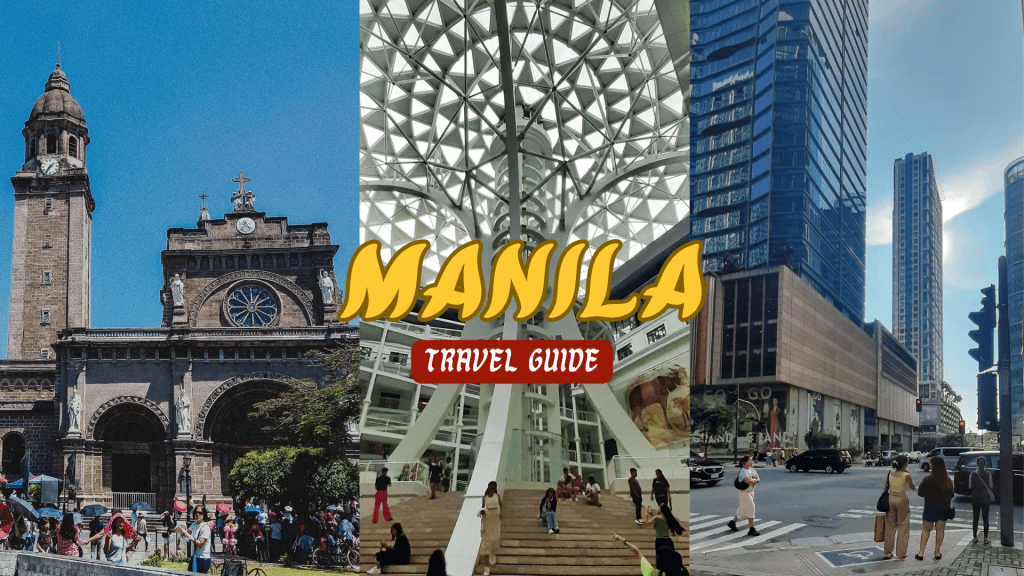

It’s quite a surprising realization for me that I’ve written various travel guides about far-flung places in the Philippines and its neighboring countries yet, ironically, I rarely talked about the city I know so well. Because I’ve grown used to its culture and norms, exploring Manila has become a no-brainer that I forget that is also one of the country’s top tourist attractions.
But what can you expect from this highly urbanized capital city of the Philippines? Is the famous Manila Bay worth a sight to see in the day or is the walled city of Intramuros good enough for a night of stay? Are the modern districts of BGC and Makati worth the experience of staying up late or is Manila even safe?
These are some of the questions I aim to answer as a local in this Manila travel guide for travelers seeking to experience the city for the first time.
Table of Contents
- Fast Facts
- Travel Requirements
- Manila vs. Metro Manila
- Best Time to Go
- Getting Around Manila
- Where to Stay
- Places to Visit
- Where to eat
- Is Manila safe for tourists?
- Handy Tips from a Local
- Sample Itinerary
Fast Facts
- Currency: Philippine Peso (₱)
- Major languages: Filipino, English
- Major religion: Catholicism
- Timezone: Philippine time (GMT+8)
- Seasons: Dry (December to May); Rainy (June to November)
- Best time to visit: December to May
- Modes of transportation: Jeepney, train (MRT and LRT), taxis, buses, tricycles, pedicabs, motorcycle taxis, ride-sharing services, UV Express Service
- Payment methods: Cash (local merchants); card i.e. Mastercard & Visa (big establishments); digital wallets i.e. GCash, Maya, GOTyme
- Power plug & socket type: Type A, B, and C
Travel Requirements
On top of the mandatory visa if required for your passport, incoming travelers, both local and foreign, are required to fill up the eTravel form within 72 hours before their expected arrival in Manila. This free online travel declaration document is a straightforward questionnaire regarding the passenger’s travel history and current health status and is usually required during the Bureau of Immigration’s screening. Hence, ensure to secure the generated QR code after submitting the form as proof of your registration.
Manila vs. Metro Manila
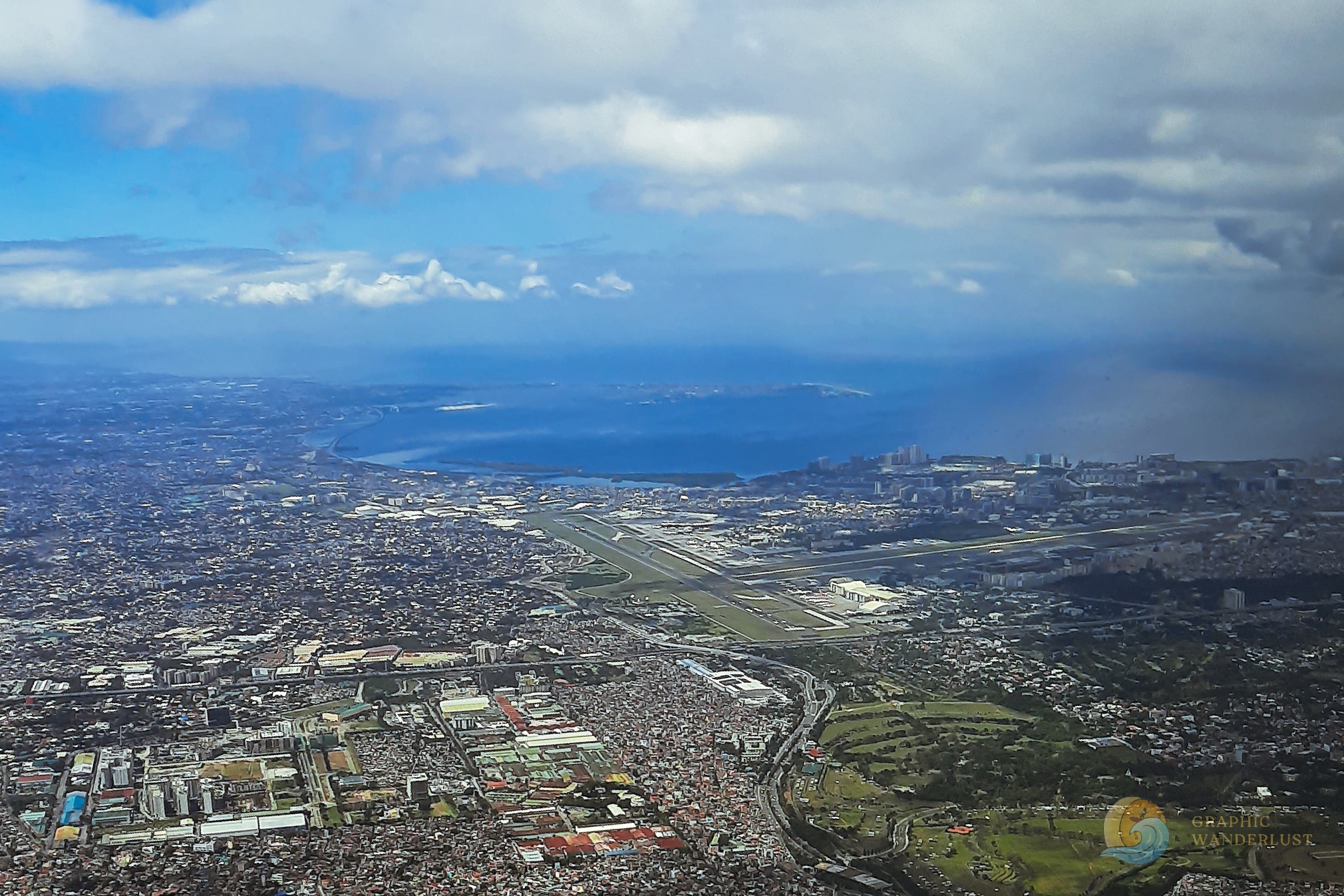
But before we delve further into the other topics, let’s first discuss the confusion between the difference between the city of Manila and the region of Metro Manila.
As indicated above, there is what we know as Manila City which refers to the actual metropolis fronting Manila Bay and housing the historic site of Intramuros and the well-known districts of Binondo, Ermita and Malate and which are usually portrayed in postcards, travel photos, etc.
Metro Manila, on the other hand, is the region where Manila City is part of and is composed of 15 more neighboring cities including Quezon City, Makati City, Pasay City and others. To locals, this is also known as the National Capital Region or NCR.
So when do you use the words Manila and Metro Manila? The latter is rarely used in conversations but more for formal communication. The City of Manila is usually called Manila which is similar to how the other cities are also called i.e. Makati, Pasay. If you’re in the province or one of the islands, you can also use the word Manila in describing the entire region. This is also the same meaning that this post signifies when using the word ‘Manila’.
Best Time to Go
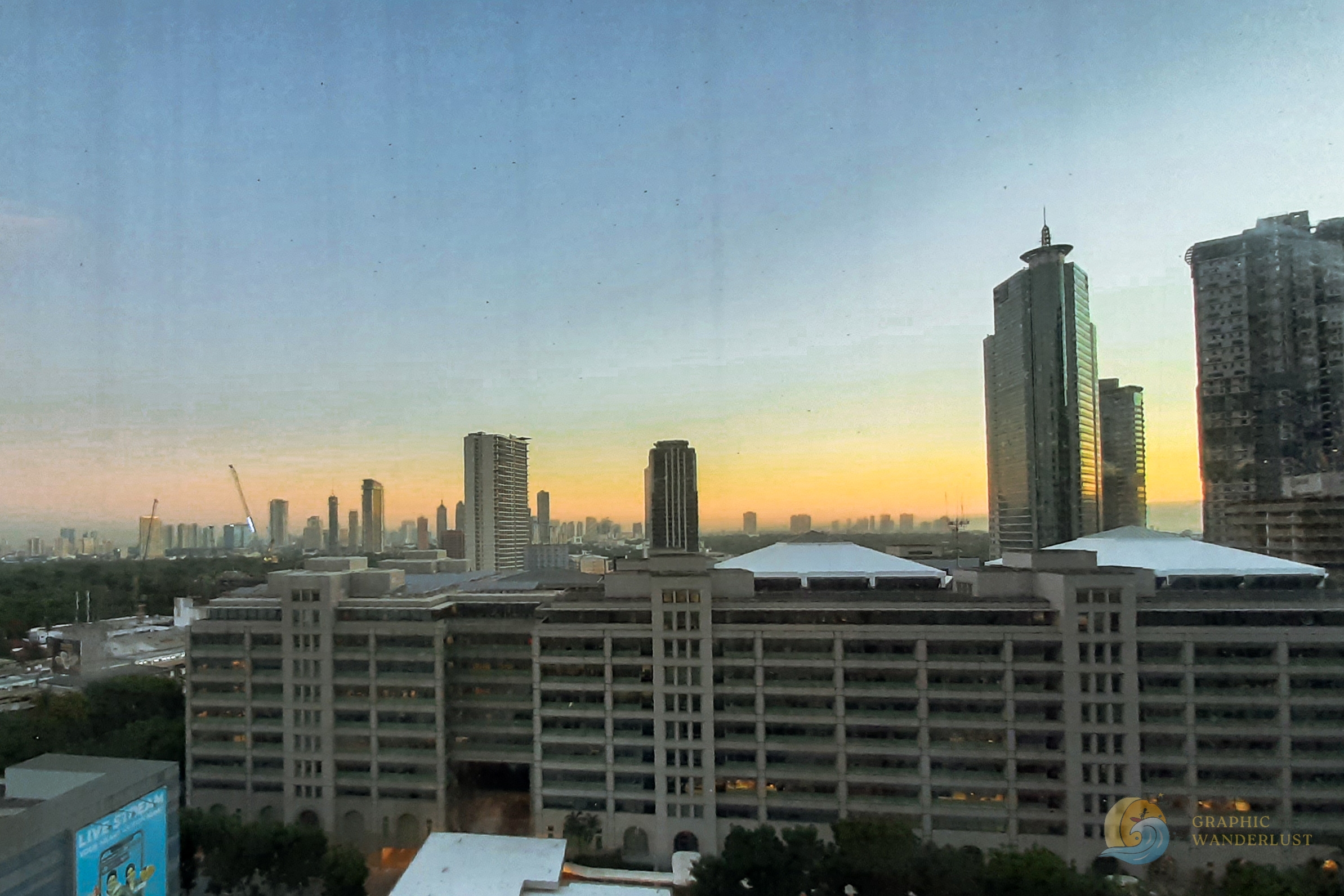
Getting the most out of your Manila trip, or even Philippine adventure, relies heavily on the month of your visit.
Basically, the country only has two seasons which are dry (December to May) and rainy (June to November). The best time to go is during the dry season when the amount of rainfall is low and when tropical typhoons are rare. However, take note that these months also include the hottest times of the year in the country and are the peak season for visiting tourists.
Personally, I regard the months of January, February and March as the ideal times to visit Manila and the Philippines as a whole because the daily temperature is not that harsh and can be chilly, especially in the mountainous regions. It is also the period before the locals flock to the beaches for the summer season. But if you want to fully immerse yourself in the culture, the best time would be the month of December when the whole country becomes more alive and festive as it fully gears up for the Christmas season.
Try avoiding the months of June to October as this period is recorded to have the highest amount of rainfall and when strong tropical typhoons enter the country, causing flooding in Manila. Nonetheless, there are also days or even weeks within this period when rainfall is rare and when attractions and hotel prices drop because it is off-season.
Getting Around Manila
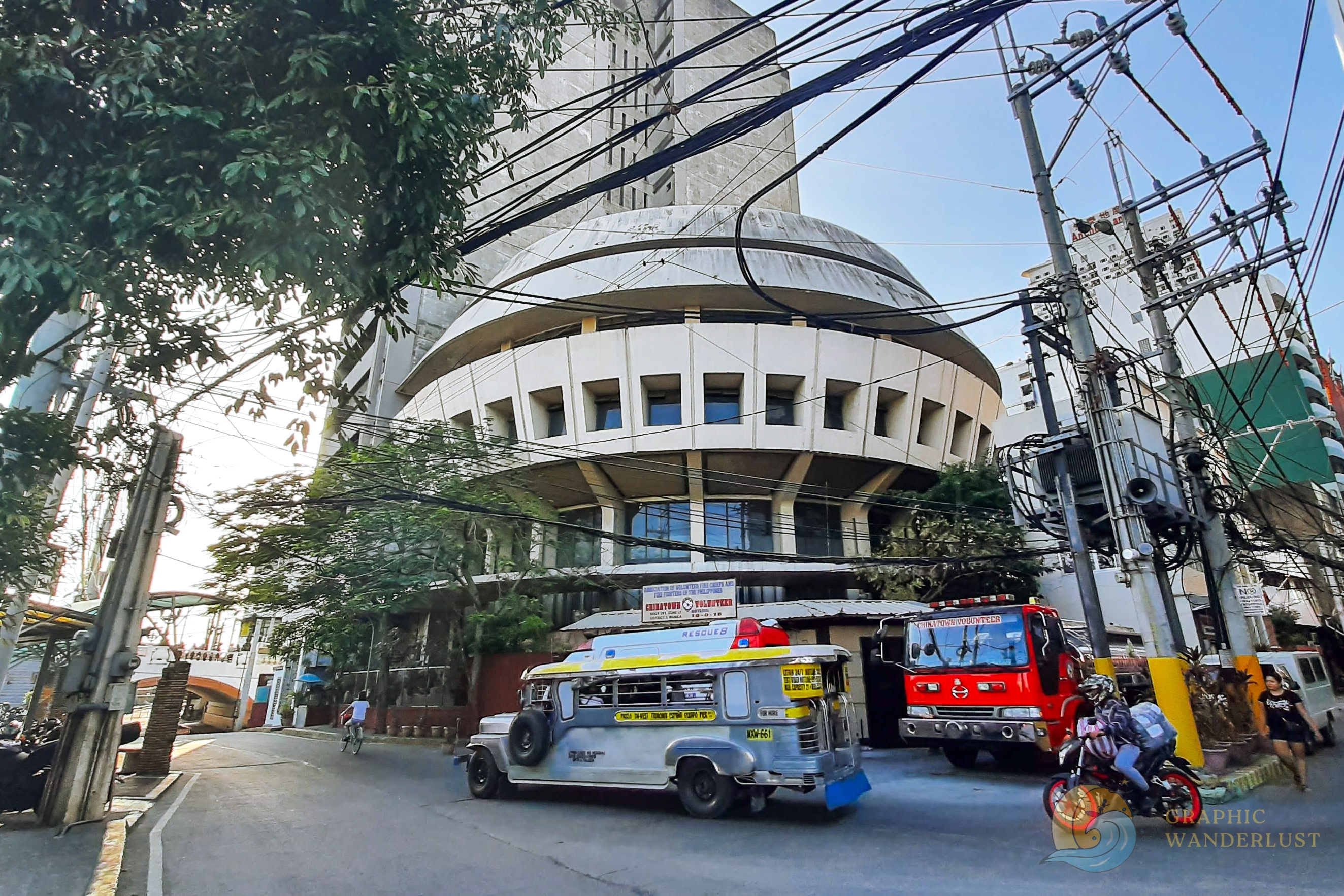
Unlike its other big neighboring countries, traveling around Manila is a bit of a struggle due to the lack of a reliable railway system network that connects the big districts of the region. Although there are existing train lines running along the main thoroughfares, these are not enough to bring one to their destination and would still require another ride via public utility vehicles.
To help ease the burden of navigating the streets of Metro Manila, here are the different modes of transportation that you can choose from in going to your destinations as a tourist:
- Grab – A ride-hailing app that functions similarly to that of Uber.
- Motorcycle Taxis – Famous apps include Angkas, Joyride and Move It.
- Taxis – The traditional air-conditioned metered cab usually painted in white whose base fare starts at ₱50.
- Jeepneys – The traditional public utility vehicle of the Philippines remodeled from army jeeps—a must-try experience for visiting tourists. Fare starts at ₱13.
- MRT and LRT – The metro’s two public railway system that run through the different cities of the region.
- MRT – The line connecting the north and south of the metro. Use this line if your destination is found along or near the main highway of EDSA.
- LRT Line 1 – The line running through the different districts of Manila City and ends at Sucat, Parañaque and Muñoz, Quezon City.
- LRT Line 2 – The line connecting the east and west of Metro Manila and ends at Recto, Manila and Antipolo in the nearby province of Rizal.
- Tricycles – A three-wheeler public utility vehicle powered by a motorcycle that is usually used for covering short distances.
Personally, I think Grab is the best option among all of these for being the most convenient while motorcycle taxis are good picks to beat the metro traffic.
Do not miss the chance of riding the traditional jeepney and tricycle too for an additional authentic Filipino commuting experience on your Manila trip.
Where to Stay
As we already know, Metro Manila is divided into different cities, home—not just to attractions and locals—but to various districts each boasting its own vibe and characteristics.
To help you identify the best place to stay during your Manila trip, here’s a quick overview of some of the region’s top districts for tourists sorted based on their general characteristics and suggested accommodations for each of them.
Intramuros
If you want to wake up in a former Spanish colonial citadel boasting centuries-old churches and other historic relics of the past, then the area of Intramuros may be the perfect fit for your accommodation hunting.
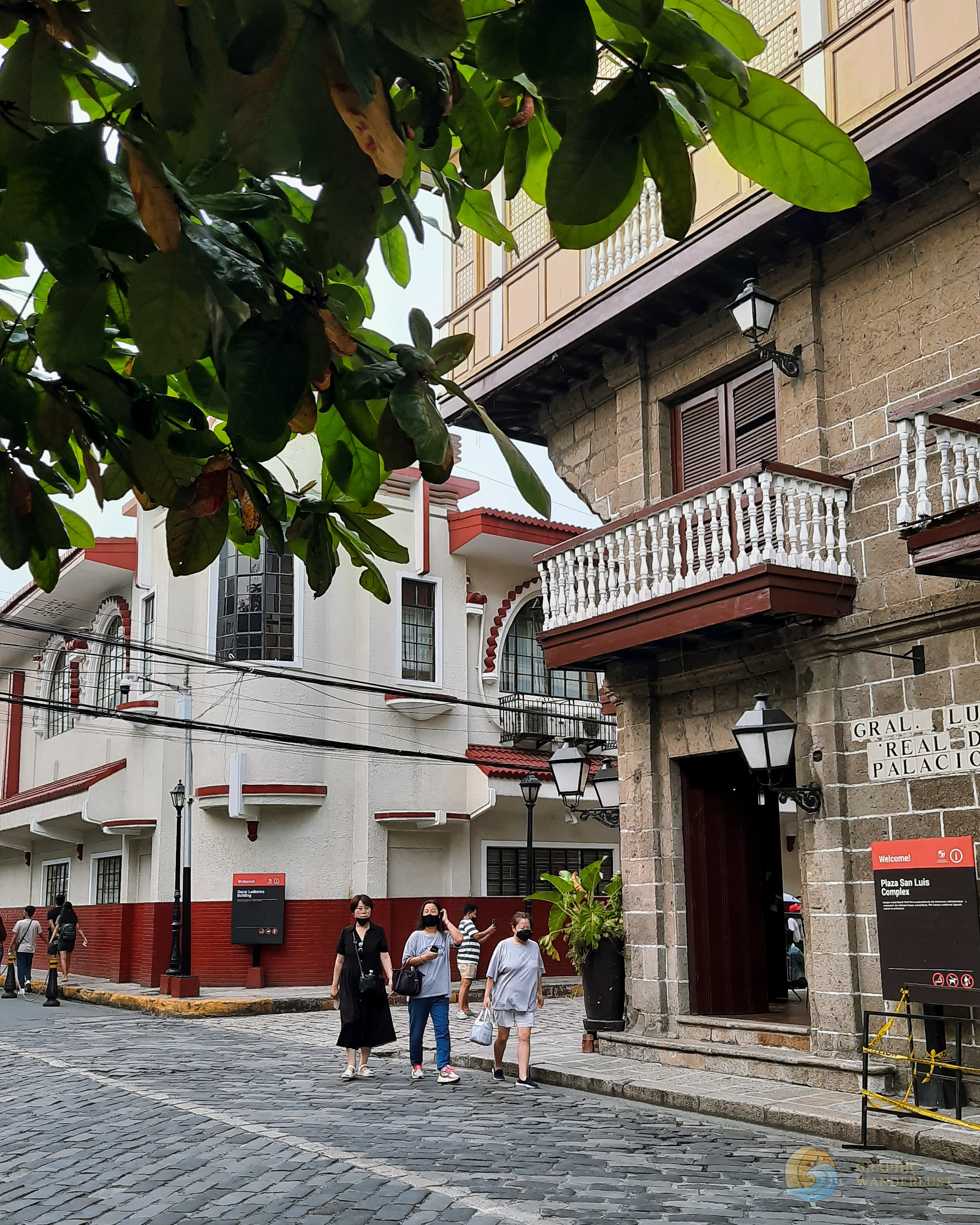
Aside from being the top tourist attraction in Manila, the Walled City is also home to a few hotels that provide an ambience reflecting the district’s historical charm. On top of this, the area is filled with a handful of restaurants and cafes and sits close to Binondo Chinatown which is also a must-stop destination in the city.
Suggested accommodations:
Ermita & Malate
If you want to be close to museums, tourist attractions, a lively food scene and nightlife or even a view of Manila Bay, then the districts of Ermita and Malate will not fail you.
Ermita houses Rizal Park, National Museum Complex, Manila Ocean Park and Dolomite Beach while Malate is known for its namesake 16th-century Baroque church, Malate Church, and as home to the flagship stores of well-loved Filipino restaurants Café Adriatico, Bistro Remedios and The Aristocrat. The latter area has also been recently connotative with Korean food due to the presence of various related dining spots that have popped into its streets in recent years.
Although, a word of advice, these two areas are known to be red-light districts and the views of Manila Bay that it may offer may be restricted due to the current reclamation projects happening close to it.
Suggested accommodations:
Bay City
If the negative connotations of Ermita and Malate scare you off and prefer a safer area to stay in while still being within close proximity to Manila Bay, the region’s top tourist spots and the airport, then the district of Bay City may be the better option for you.
Famously known for housing the largest shopping mall in the country, SM Mall of Asia, and being an entertainment hotspot with the presence of theaters and casinos in its area, Bay City doesn’t only boasts a handful of accommodation options for travelers but also an array of shopping and amusement activities. Not to mention that it also has a public transport terminal that makes it easier to reach the district of Ermita for historical sightseeing.
However, similar to the last two districts, the views of Manila Bay may also be limited from this area due to ongoing reclamation projects.
Suggested accommodations:
Ayala Center
If you want to veer away from the usual tourist activities in the city and prefer to have a more metropolitan experience, then Ayala Center may be the best fit for you.
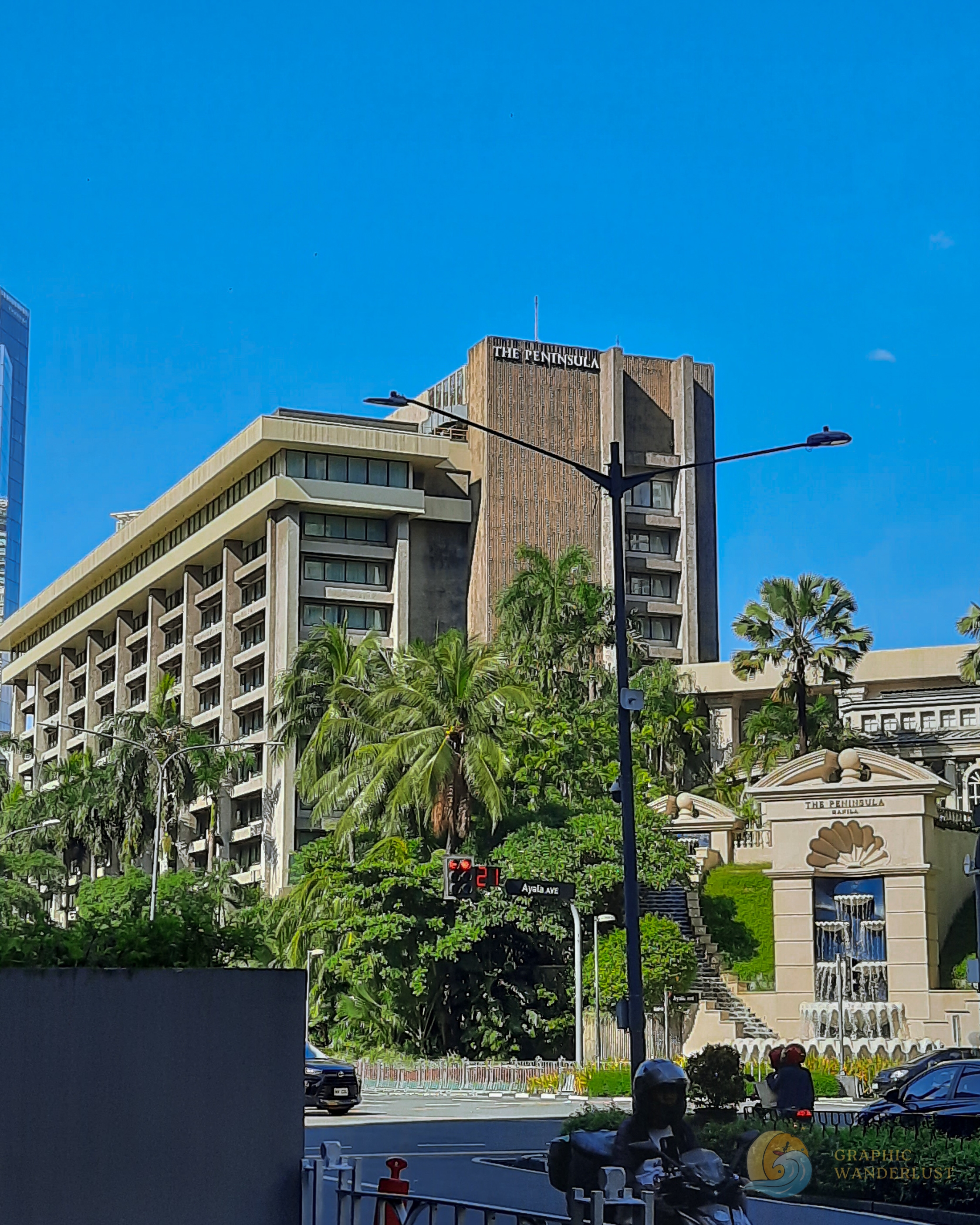
Known to be a buzzing business district, Ayala Center is located at the heart of Metro Manila and is filled—not just with towering office buildings—but also with a handful of accommodation options and leisure activities including the well-known shopping malls of Glorietta and Greenbelt. The area has also become a go-to spot for ex-pats in the region due to the vast cuisine found in its array of dining options.
Suggested accommodations:
Poblacion
For the party animal and nightlife enthusiasts who prefer more affordable accommodation options a few blocks away from the bustling business center of Ayala, the nearby district of Poblacion in Makati City will satisfy your desire to further discover Manila after dusk.
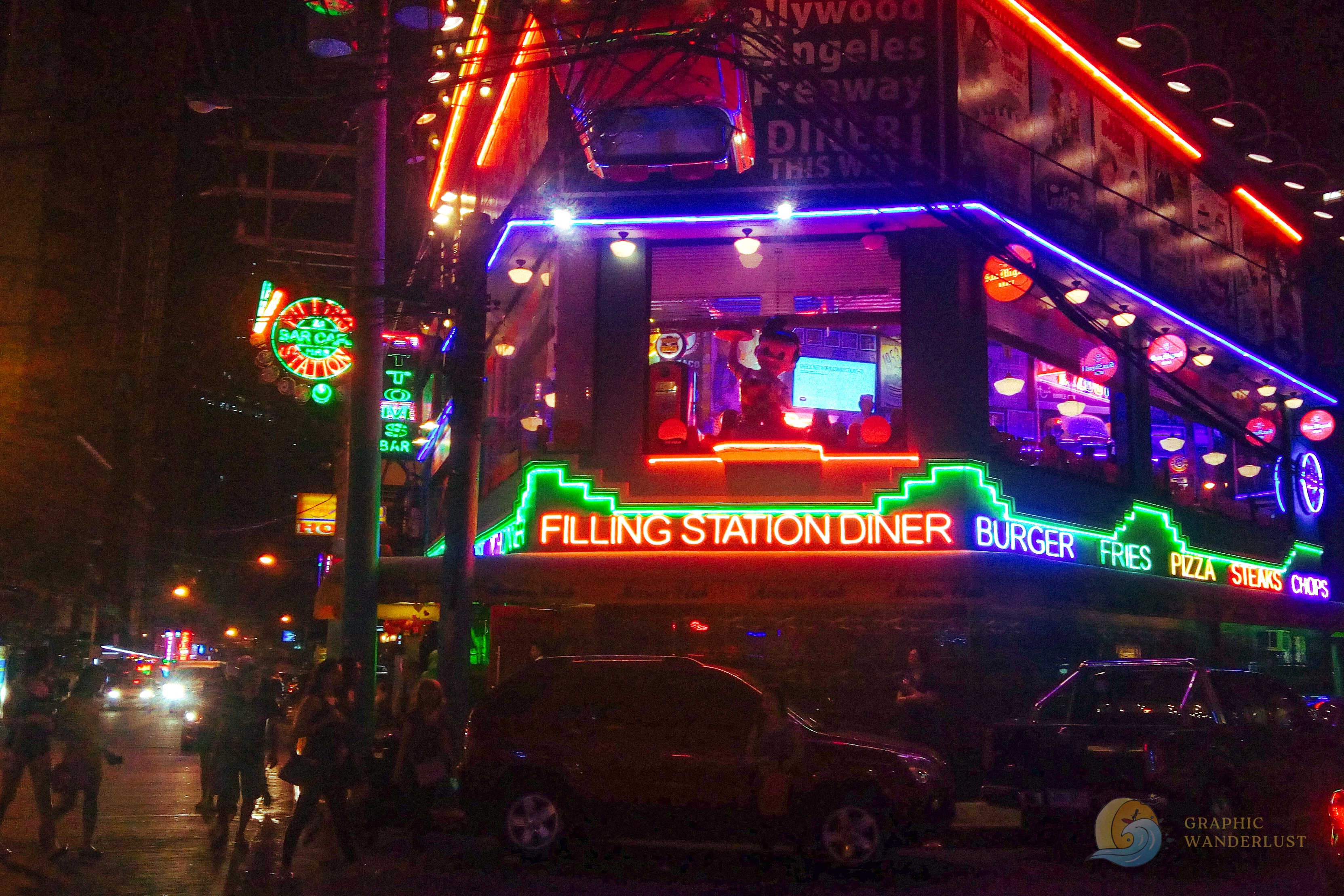
Dotted with bars, pubs and restaurants, this lively district has become the go-to of both locals and ex-pats for late-night rendezvous due to the array of options it offers to visitors be it cuisine or nightlife. However, similar to Ermita and Malate, Poblacion also has a strip known for being a red-light district so be wary of this when considering the area for your accommodation.
Suggested accommodations:
BGC
Probably the poshest district in the metro as of the moment, Bonifacio Global City or simply BGC is Manila’s answer to the modern cities of its neighboring countries.
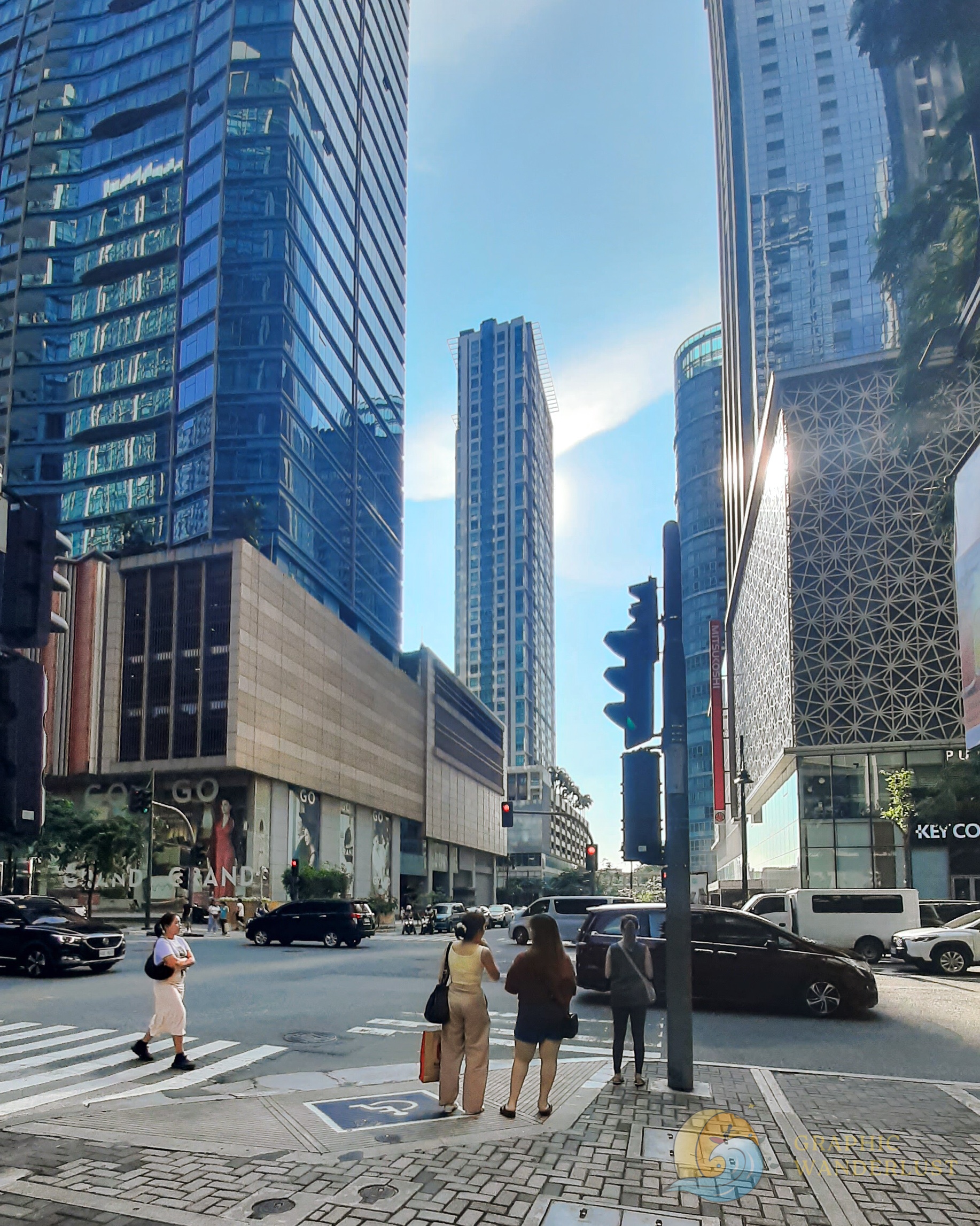
Boasting towering skyscrapers and a modern appeal, this area differs greatly from Manila’s Spanish-influenced persona and resembles more like the fast-paced city of Singapore. Similar to the latter, this commercial and business district is also filled with some of the world’s biggest and most luxurious brands in its retail areas and is also home to a handful of corporate international offices and, of course, five-star hotels. Nonetheless, budget-conscious travelers shouldn’t shy away from BGC as there are also affordable accommodation options within its vicinity.
Suggested accommodations:
Places to Visit
Many tourists, and sometimes even locals suggest it, skip Manila when visiting the Philippines due to the lack of points of interest available compared to the natural and pristine wonders that the other regions boast. While I do agree with the fact that the metro isn’t as pretty as the country’s other major tourist destinations, it is undeniable that Manila played a pivotal role in the history of the Philippines that skipping it may bring a sense of lack and a shortage of understanding of what the country is really is. Not to mention that the region is home to almost 15 million (as of 2024) Filipinos, accounting for almost 13% of the population already.
If you’re one of the few who is curious about discovering more about the metropolis, here are Manila’s top and must-see tourist spots for first-time visitors.
Intramuros
One look up of Manila in Google search and you’ll be presented with photos depicting massive European-styled churches, cobblestone streets and an ornate fortress gate which are all remnants of the glorious past of Old Manila within the walls of Intramuros.
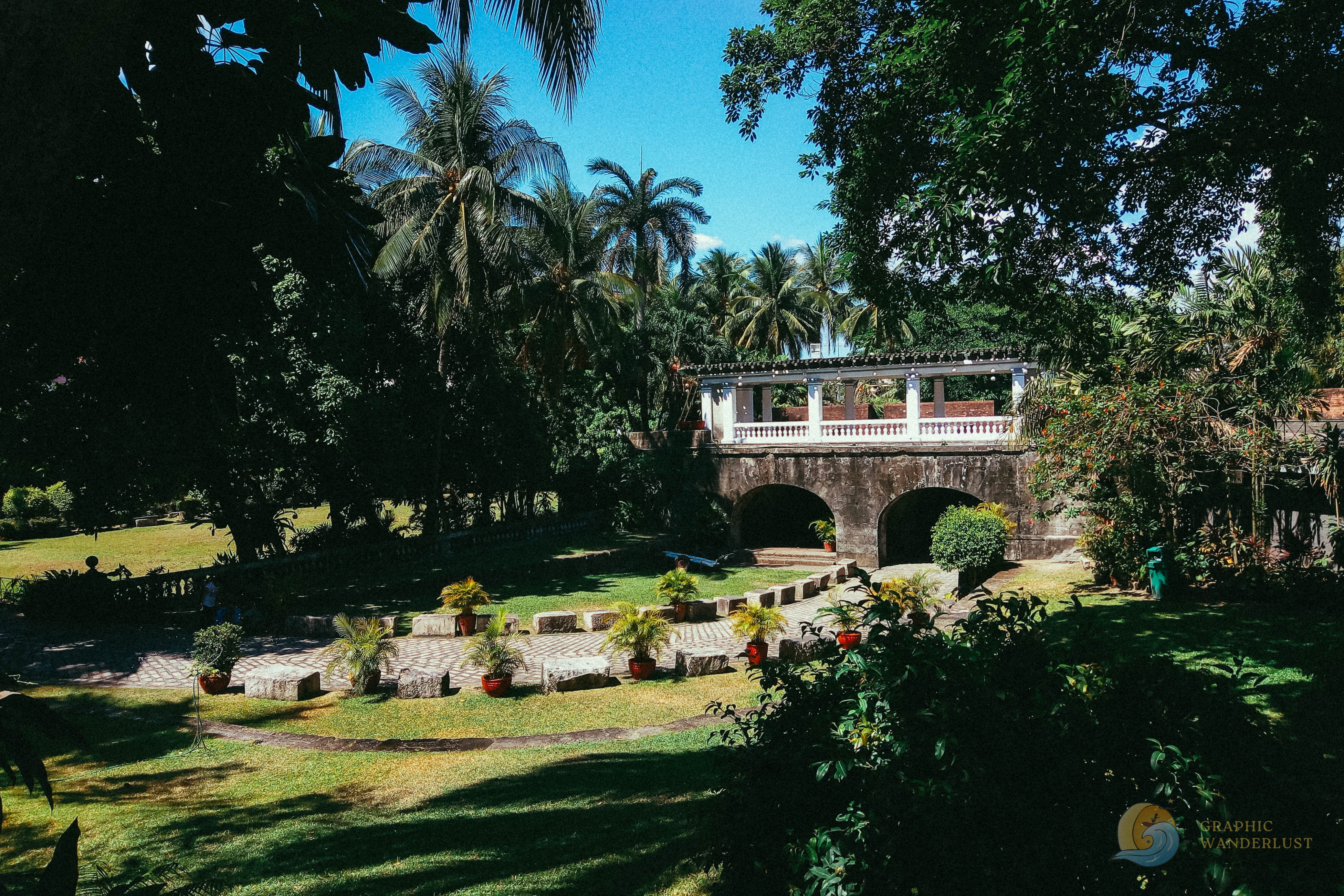
Reflecting the major role that it has played in the country’s history, the Walled City of Manila was built in the late 16th century and was the former seat of the Spanish colonial government and center of commerce and education during its period. It is mainly characterized by its 22-foot surrounding fortification which functioned as a military defense during its heyday.
Found within its vicinity are more historical gems of the city including Fort Santiago which was a fortress significantly known for holding the country’s national hero, José Rizal, before his execution, Manila Cathedral which is a 16th-century Neo-Romanesque Catholic church known as the country’s first cathedral and premier basilica raised by former pope and now a canonized saint John Paul II and San Agustin Church which is a 16th-century Neoclassical-Baroque Catholic church known for being the oldest stone church in the country and being enlisted as one of the four churches declared as a UNESCO World Heritage Site in the Philippines.
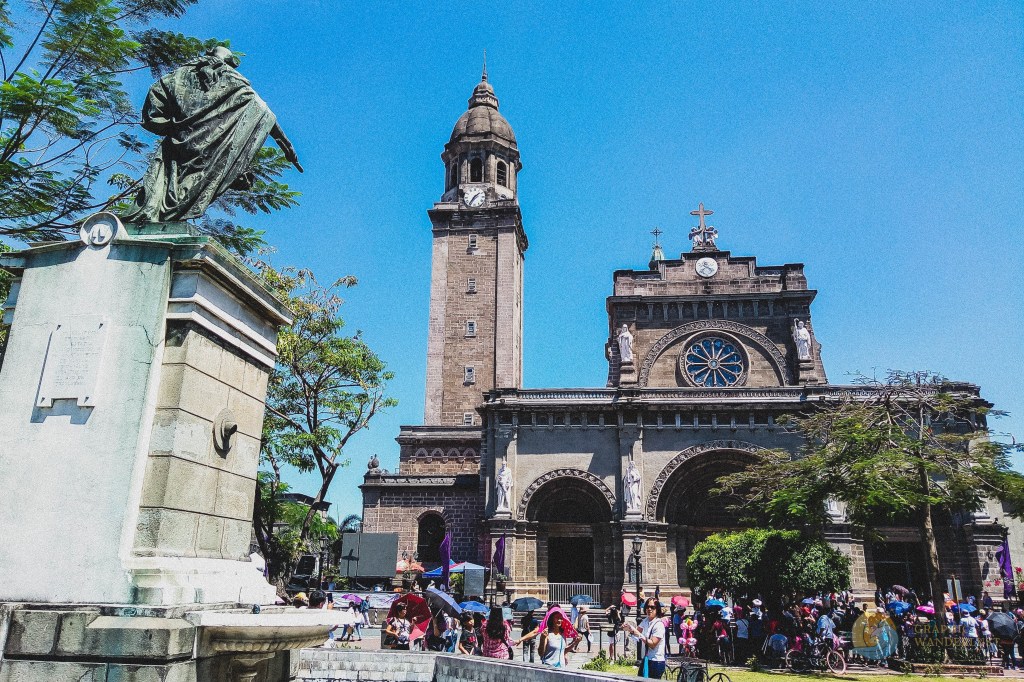
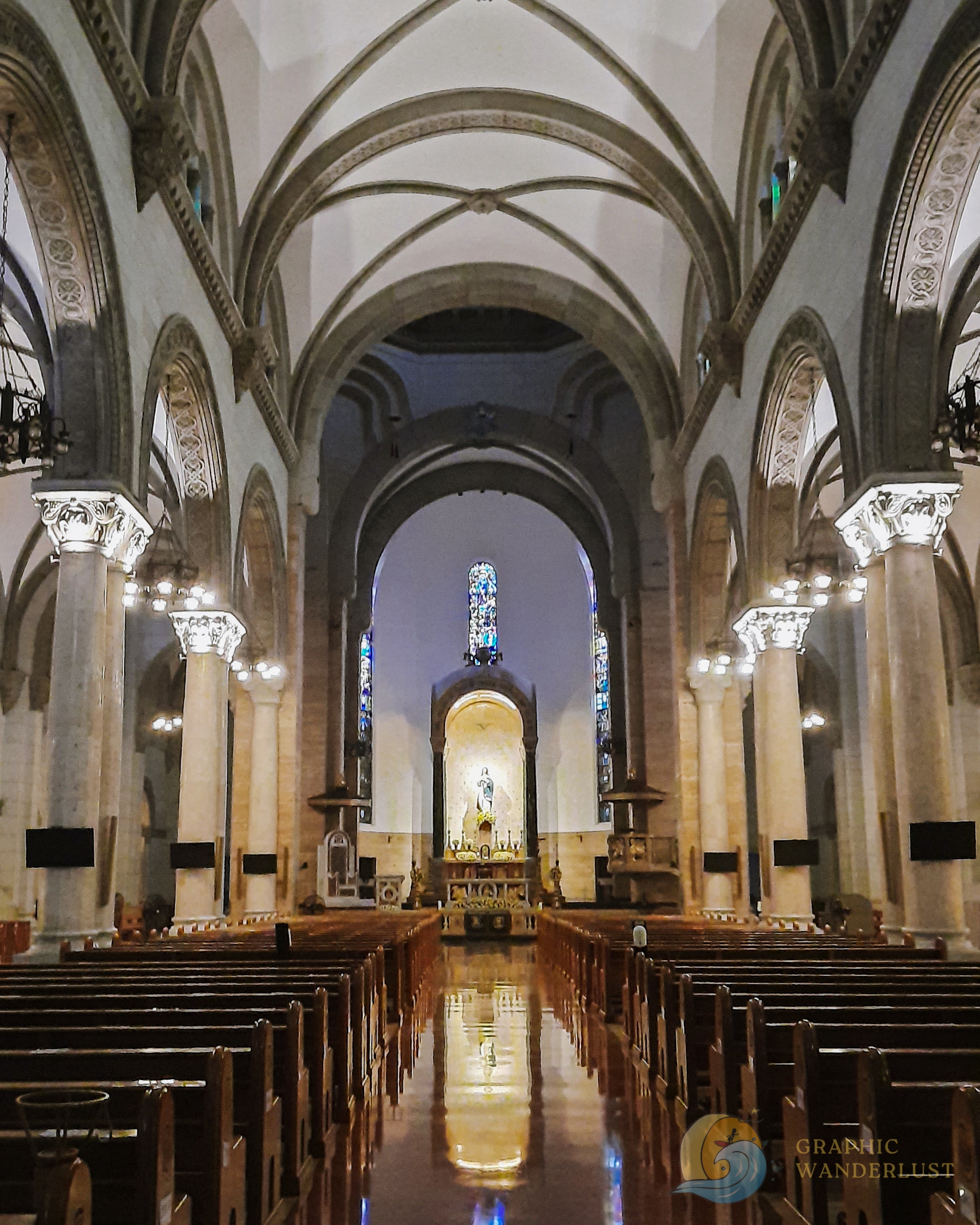

Do not skip on paying a visit too at Casa Manila, a museum modeled after a typical upper-class home, to get a glimpse of Spanish colonial life and feed your taste buds with Filipino cuisine at Barbara’s Heritage Restaurant while being serenaded by a live band.
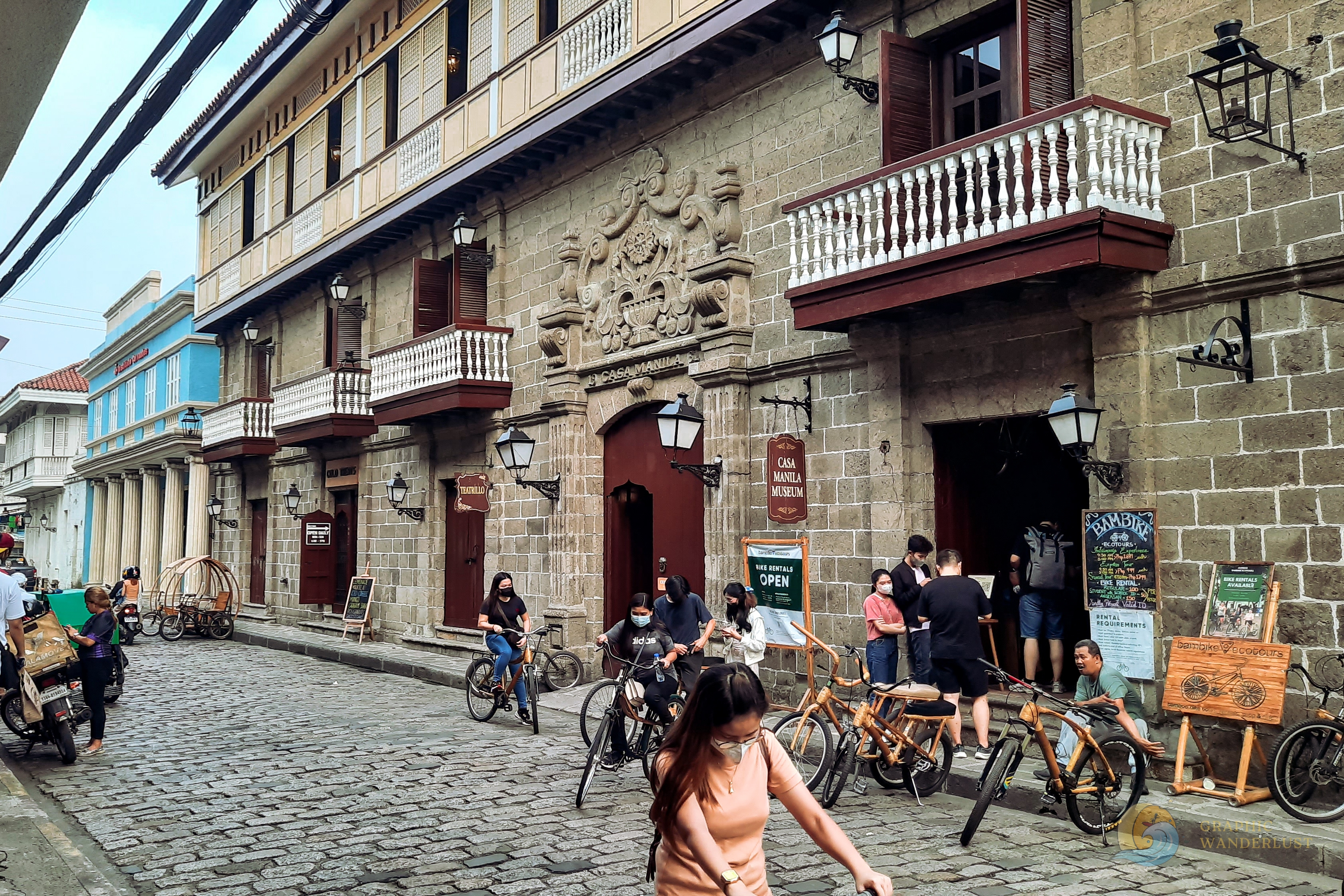
There are various available join-in and private tours for exploring Intramuros including walking tours and using bamboo bikes but if you prefer to do it on your own, you can also visit the different tourist spots within the area by paying the entrance fees for the required ones.
Binondo Chinatown
Standing across Intramuros is another must-see tourist attraction in Manila which has become not just a historical spot but also a buzzing food destination due to its array of affordable food offerings that both locals and tourists frequently visit.
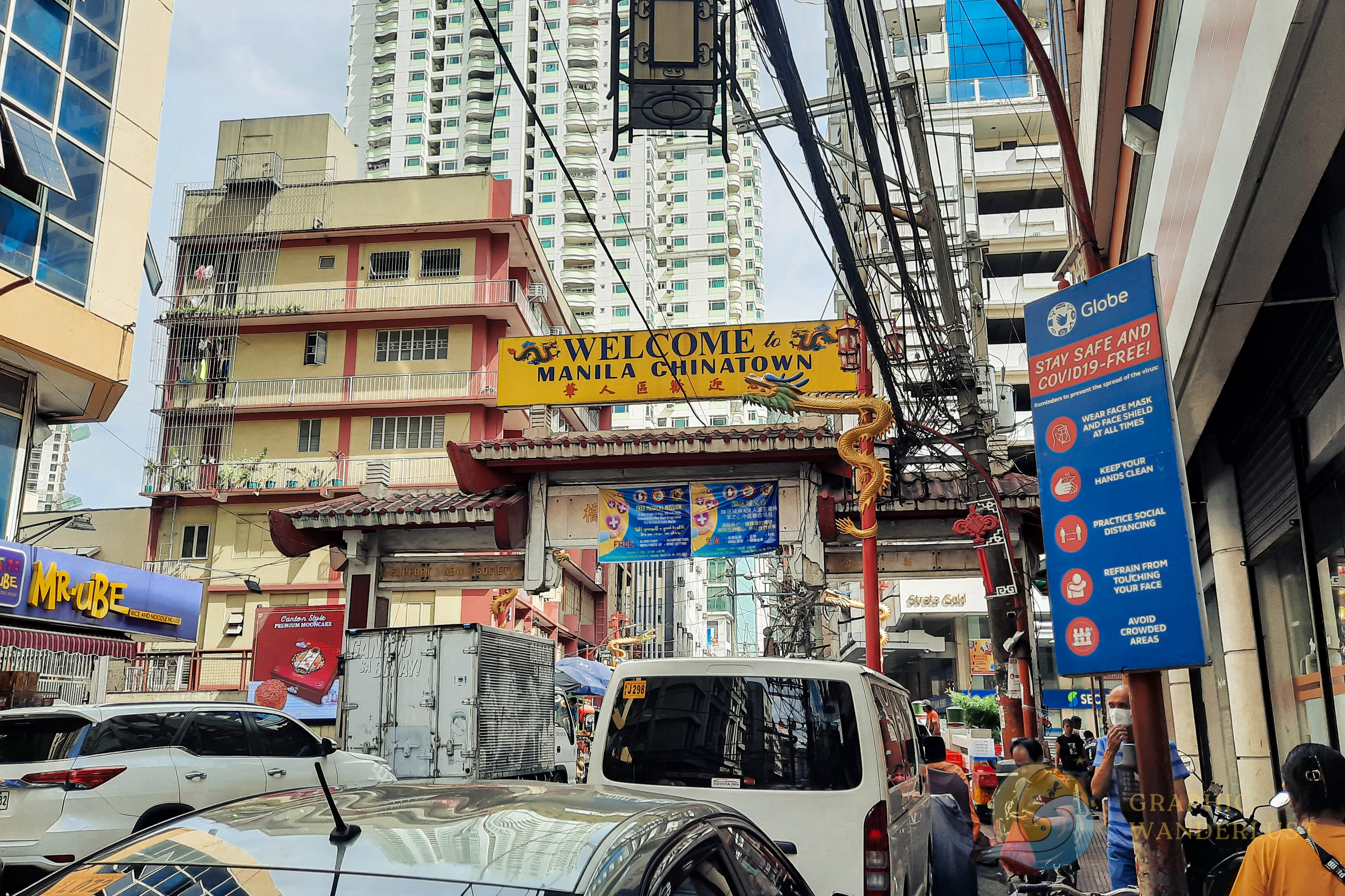
Known to be the oldest Chinatown in the world, Binondo which used to be a trading hub of Chinese merchants in Manila in the 16th century developed into a district brimming with shops and restaurants powered by today’s Filipino-Chinese community settling within its vicinity.
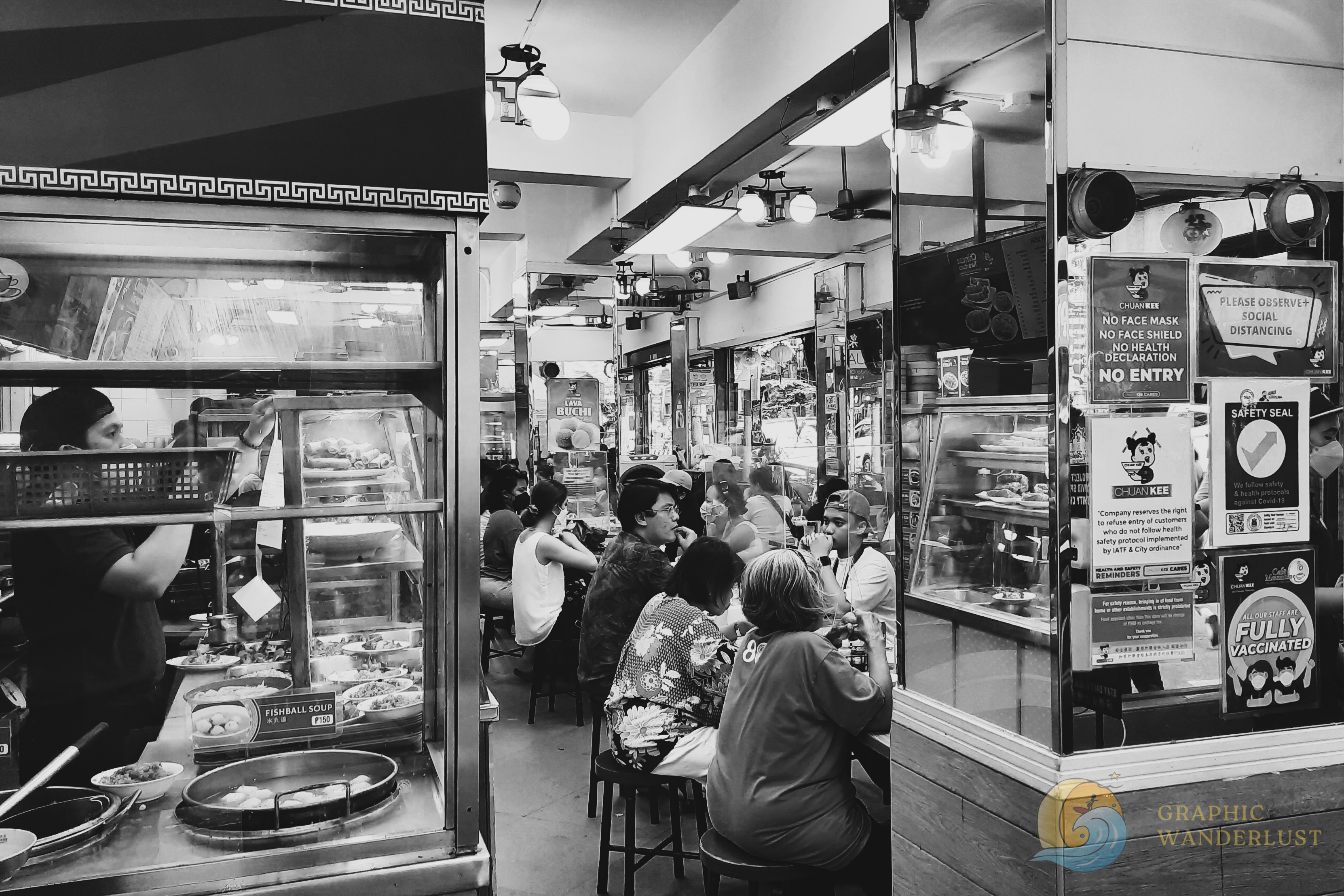
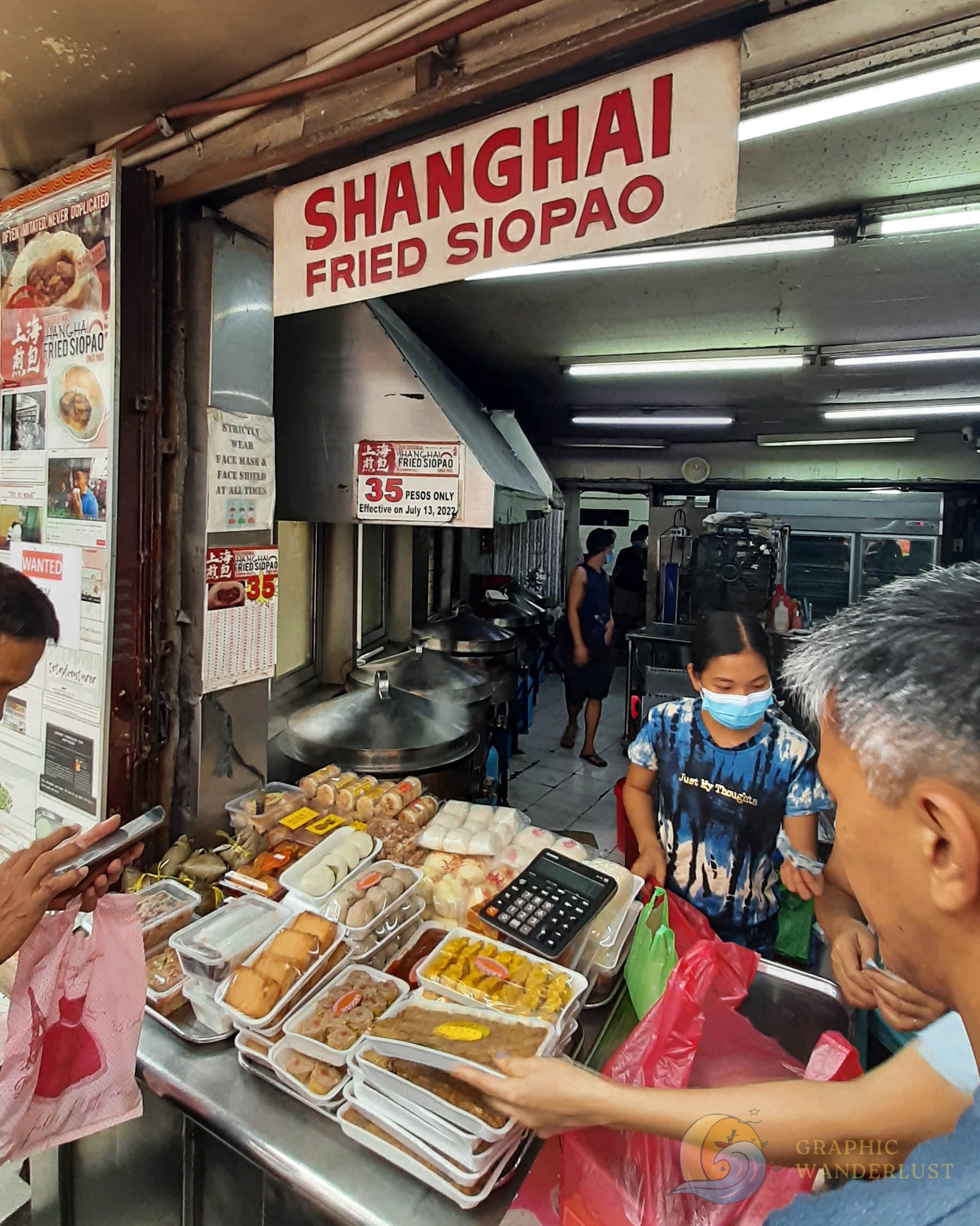
Popular activity in the district is doing food crawls and food tours, which include visiting and dining consecutively in several restaurants and eateries found within the area. Famous ones include Dong Bei Dumpling, Shanghai Fried Siopao, Wai Ying Fast Food, Ying Ying Tea House, Chuan Kee and Sincerity Cafe and Restaurant.
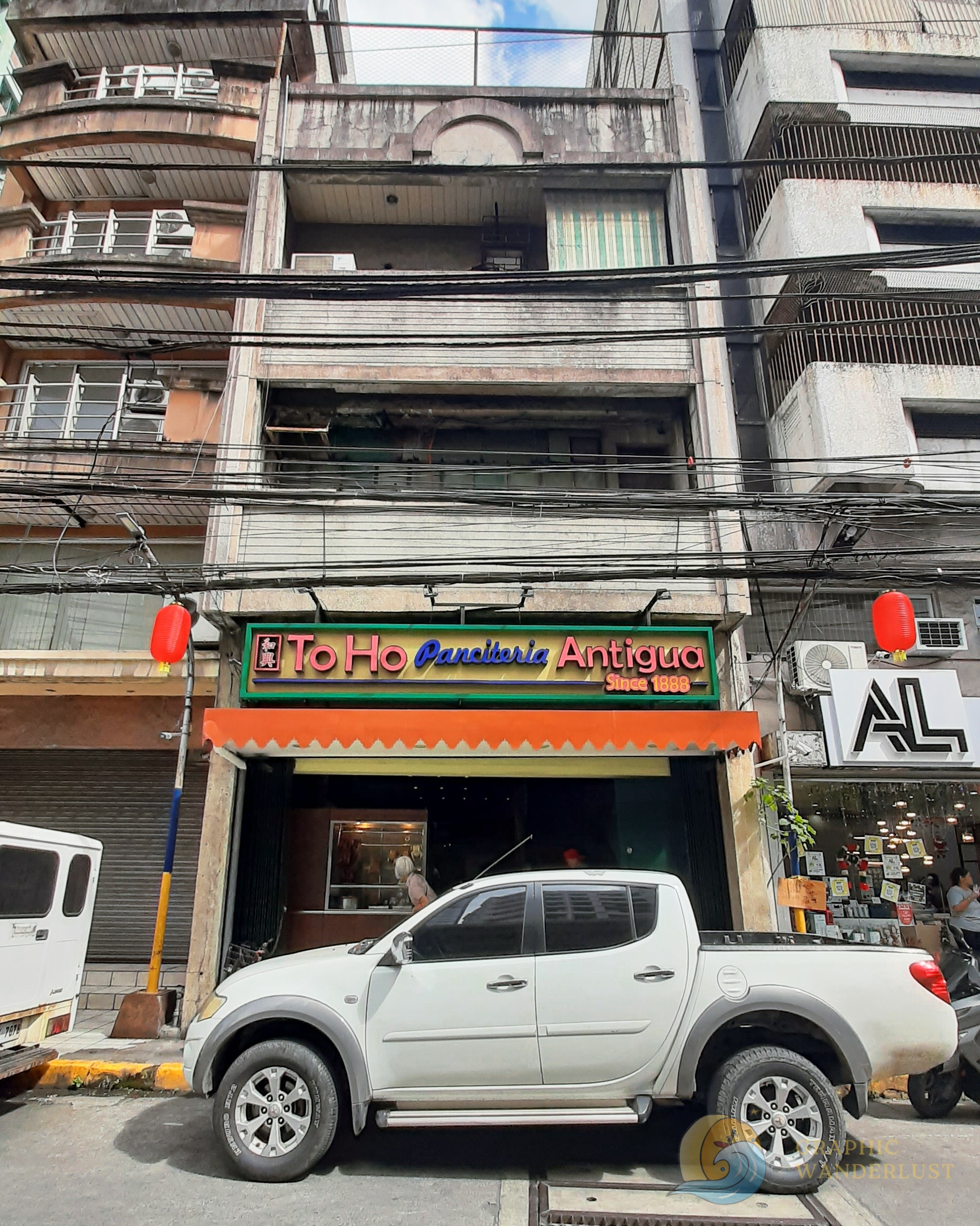
Do not miss the chance to dine in too in the country’s oldest restaurant To Ho Panciteria Antigua which first opened in 1888, serves classic Chinese fare and is rumored to be a go-to dining spot of national heroes, José Rizal and Andres Bonifacio.
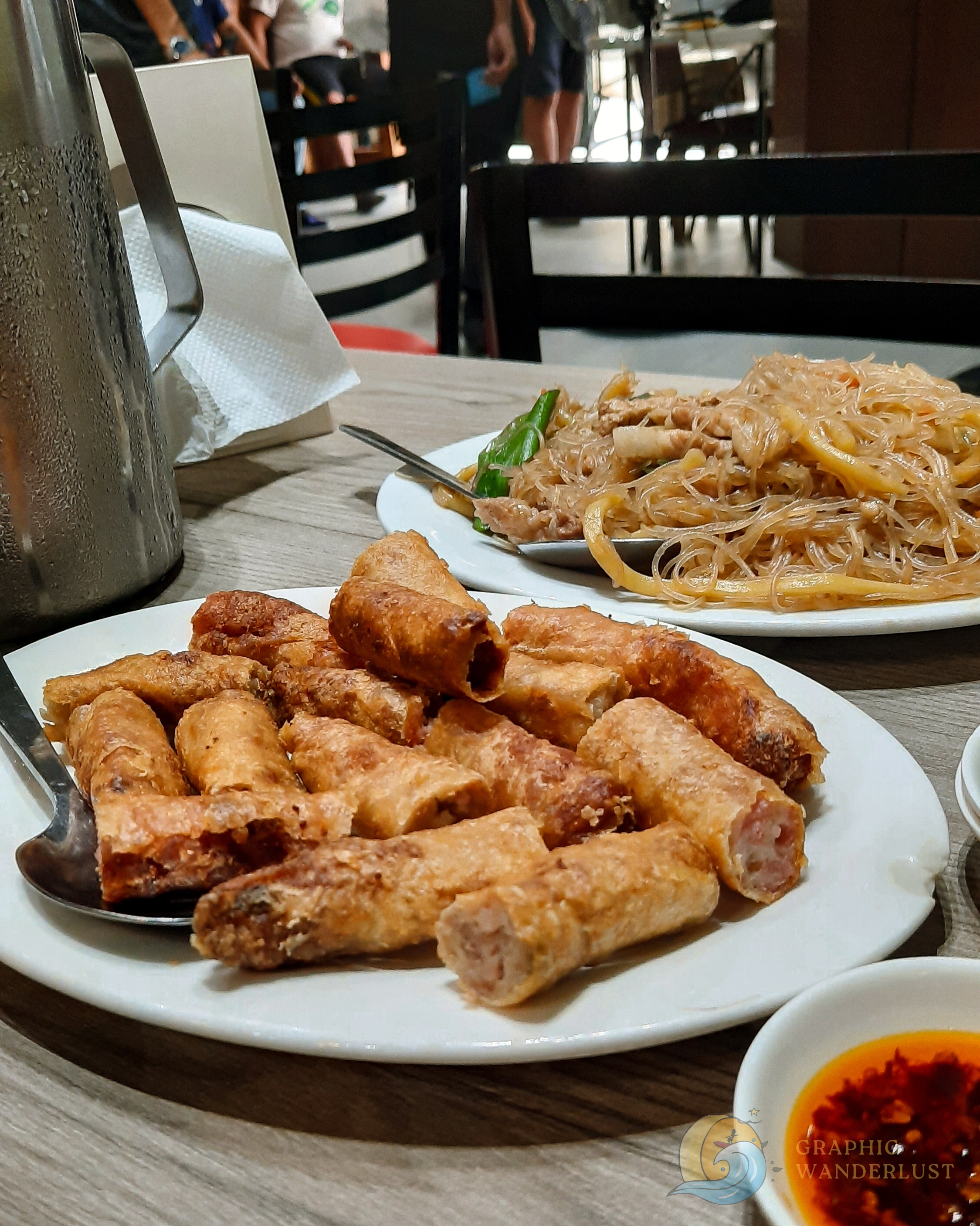
Check out this time when I did a food crawl in Binondo Chinatown!
National Museum Complex
For a primer on the country’s art, culture, flora, fauna and terrestrial characteristics, a trip to one of the musems of the National Museum Complex will feed your mind with knowledge of these if you find yourself in Manila before visiting the country’s different regions.
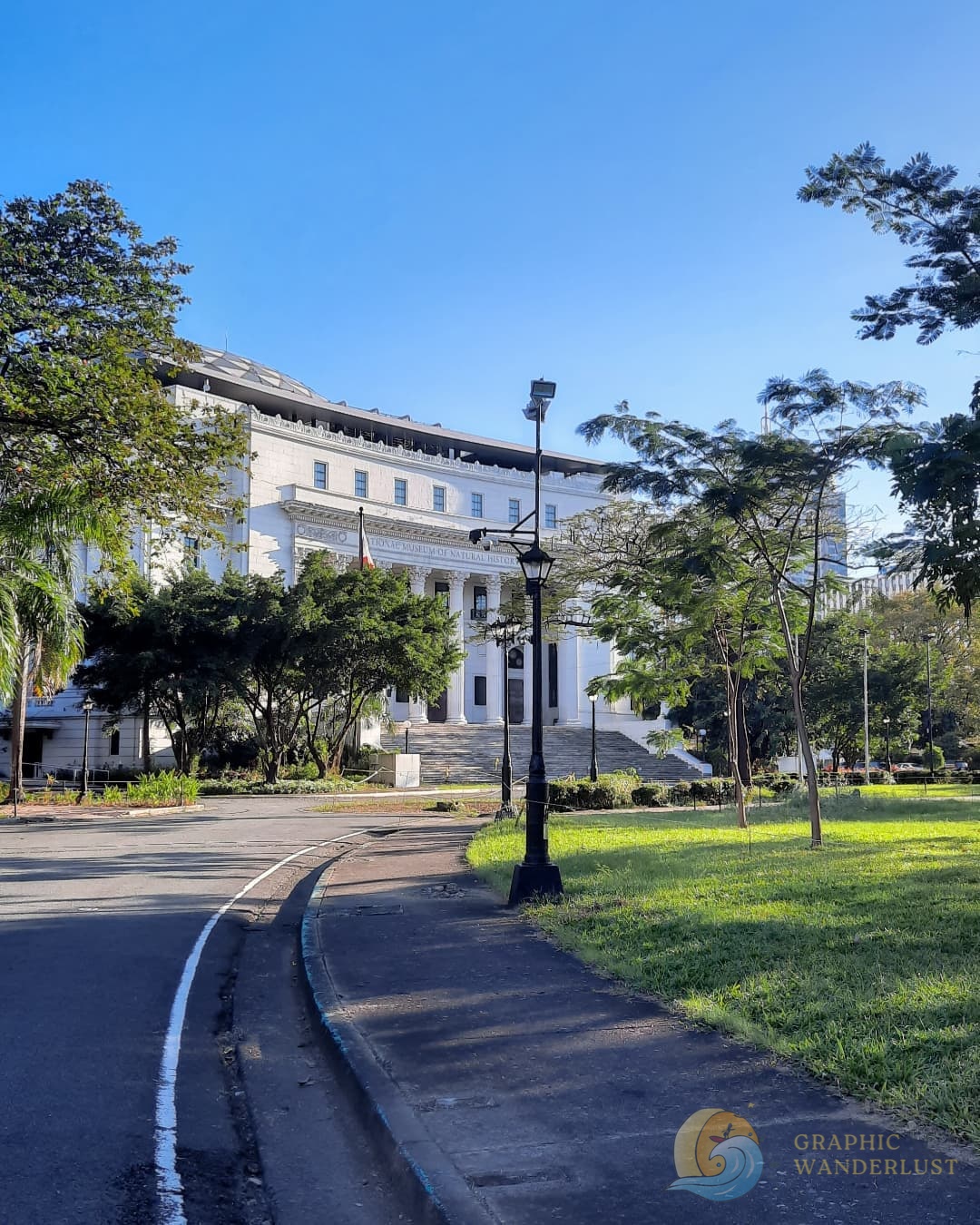
A trio of neoclassical and American colonial-era buildings found within and near Rizal Park, this complex houses the National Museum of Fine Arts which is home to a collection of the country’s best artworks made by some of its greatest artists including Juan Luna’s Spoliarium, National Museum of Anthropology which showcases the Philippines’ rich culture through the different artefacts, textiles and everyday instruments used by the different tribes of the regions and the more modern National Museum of Natural History which exhibits the country’s diverse flora, fauna and terrestrial features.
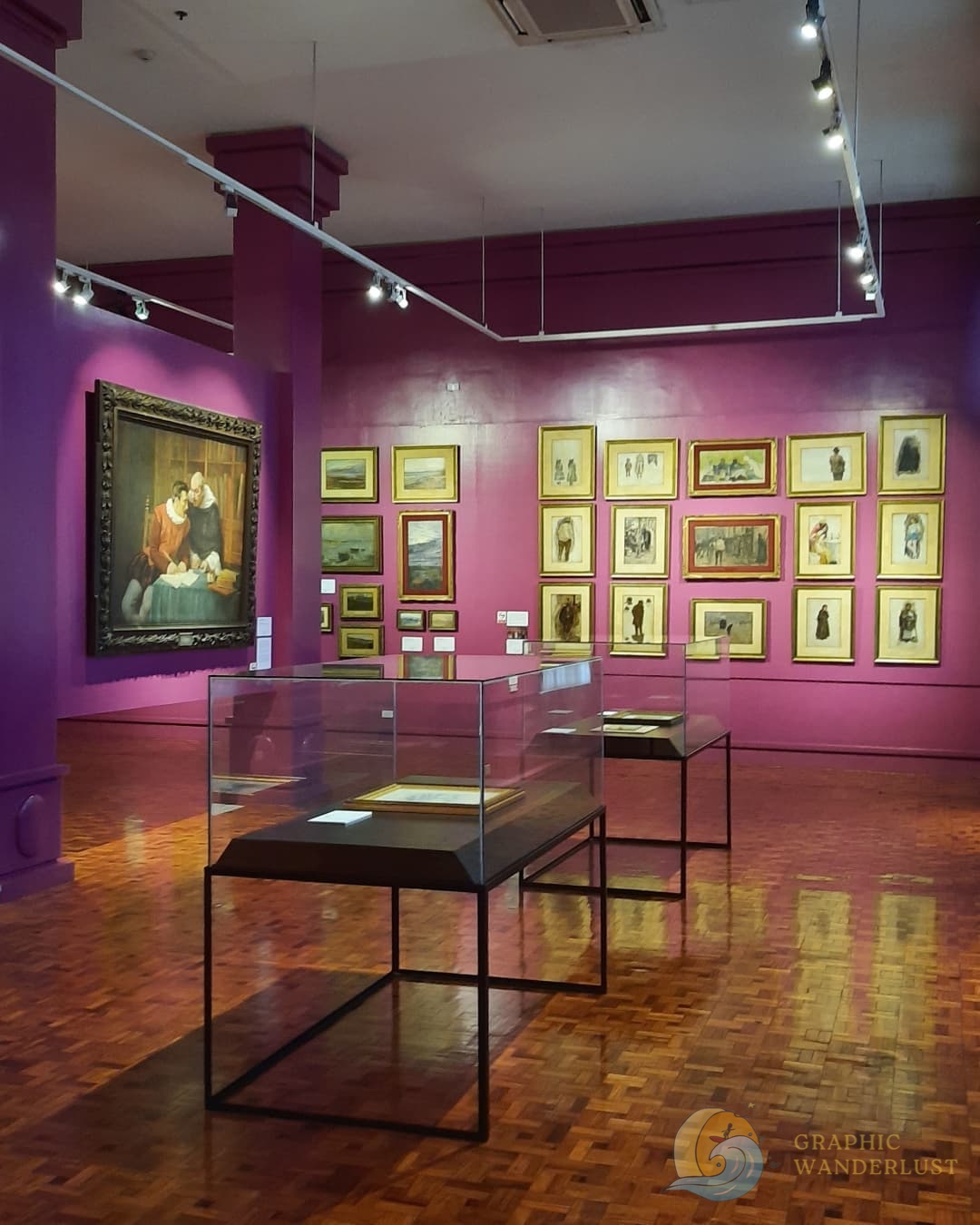
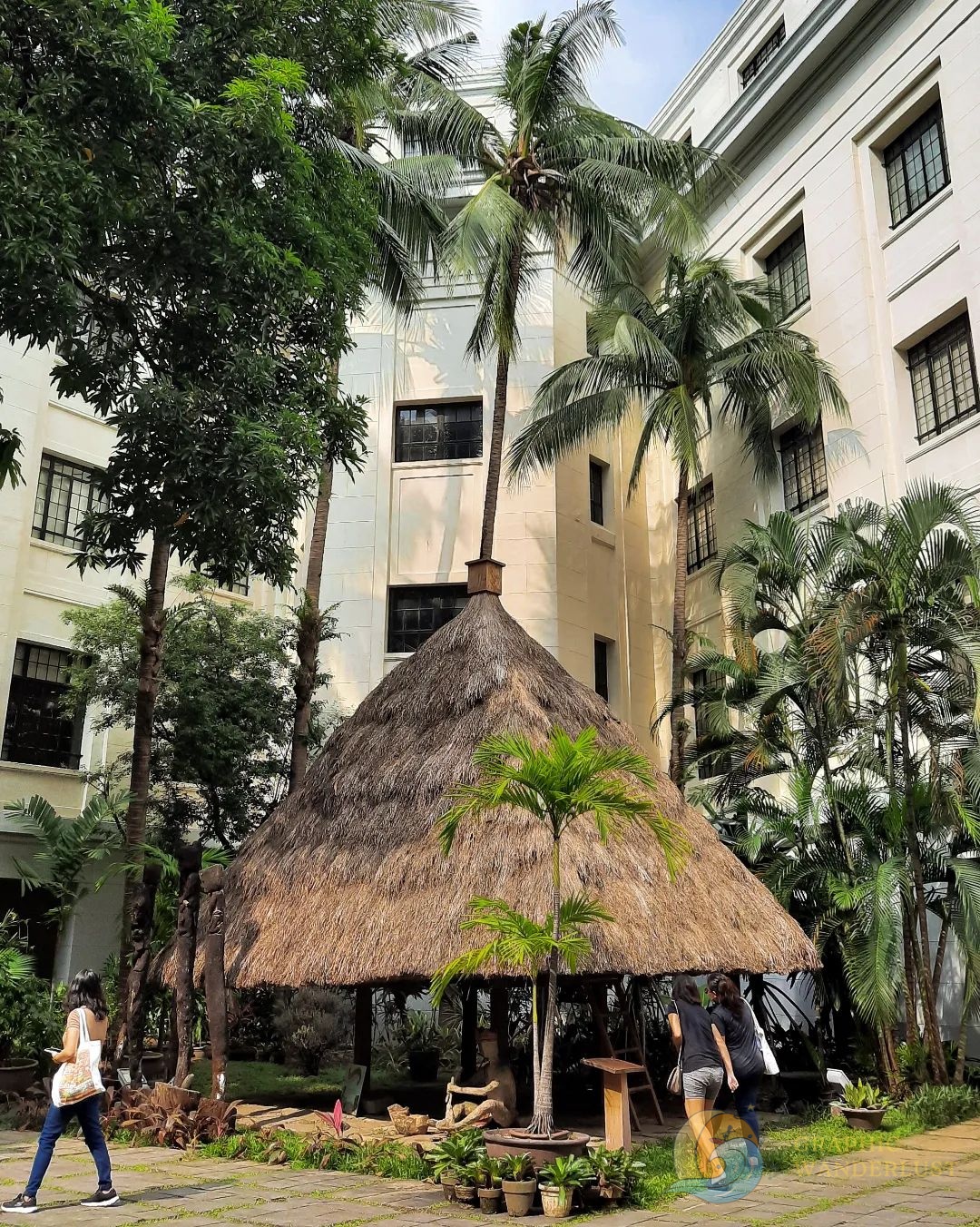
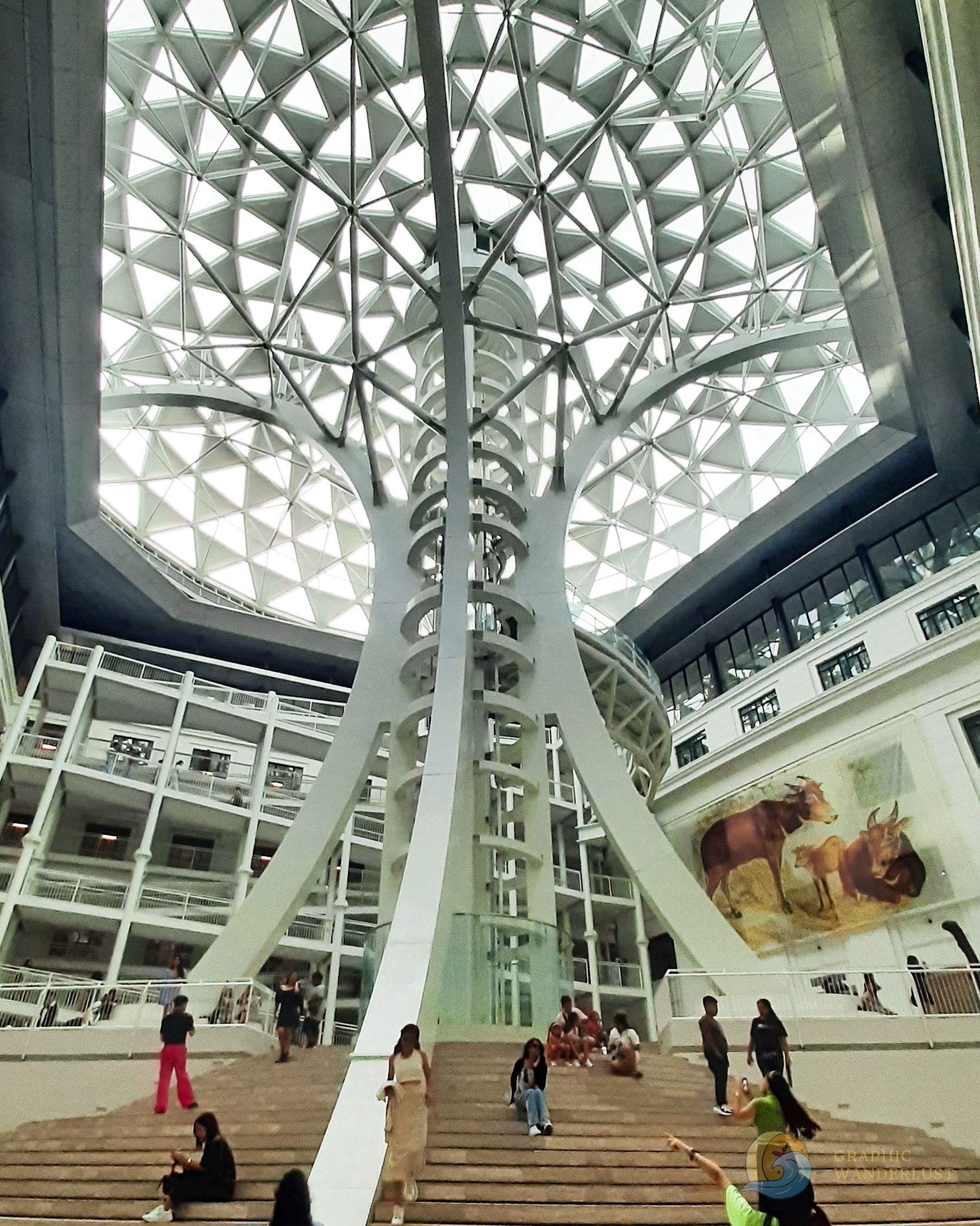
Aside from housing this vast collection of arts and artefacts, these three museums are also known for their historical significance for being the country’s former Legislative, Finance and, Agricultural and Tourism buildings respectively.
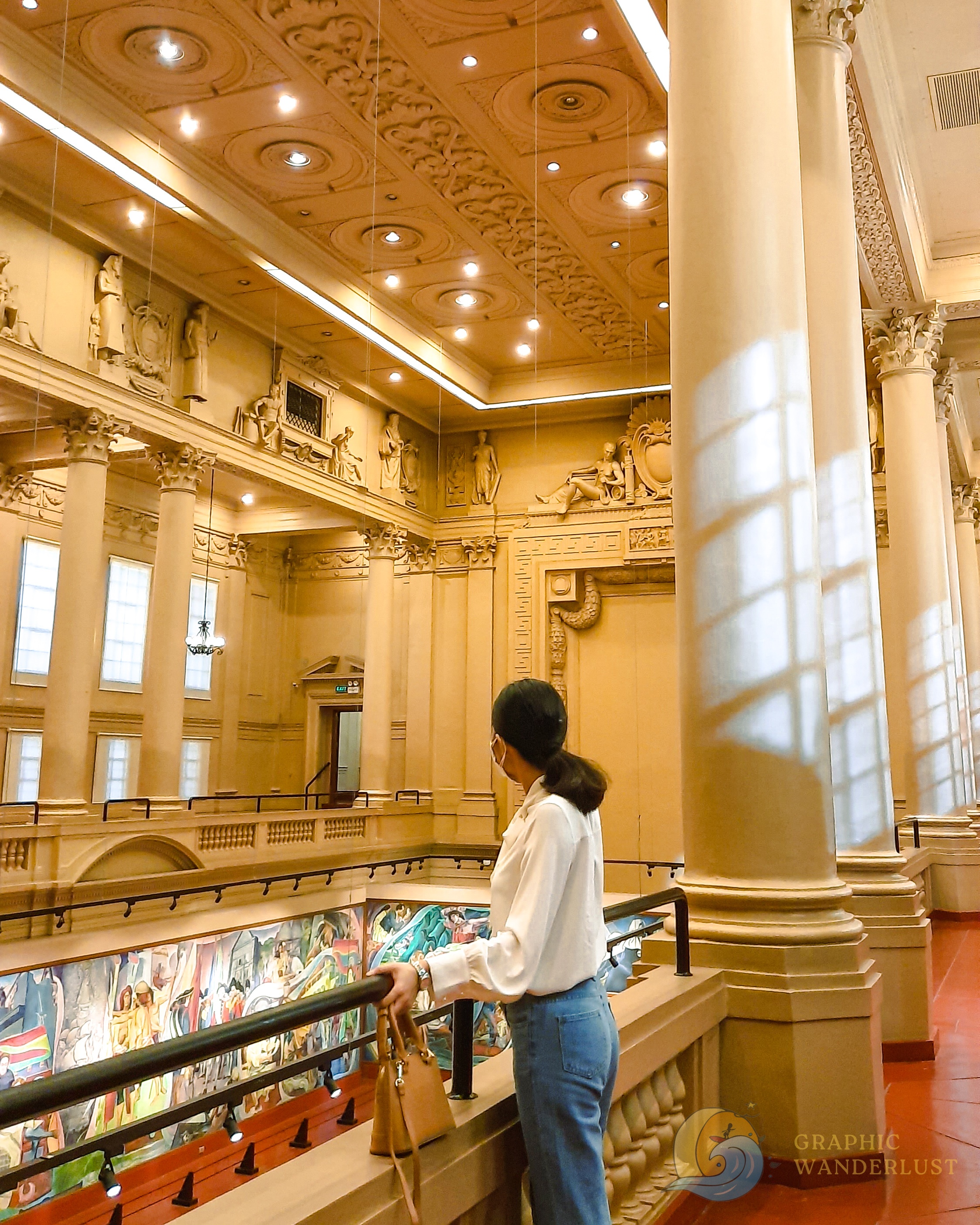
One can easily spend a whole day inside one of these three museums as each building is composed of four levels of galleries for visitors. Admission is also free which makes them good choices for a budget-friendly Manila itinerary.
Rizal Park
A trip to Manila wouldn’t be complete without sealing it with a photo op in one of the country’s well-known landmarks, Rizal Park.
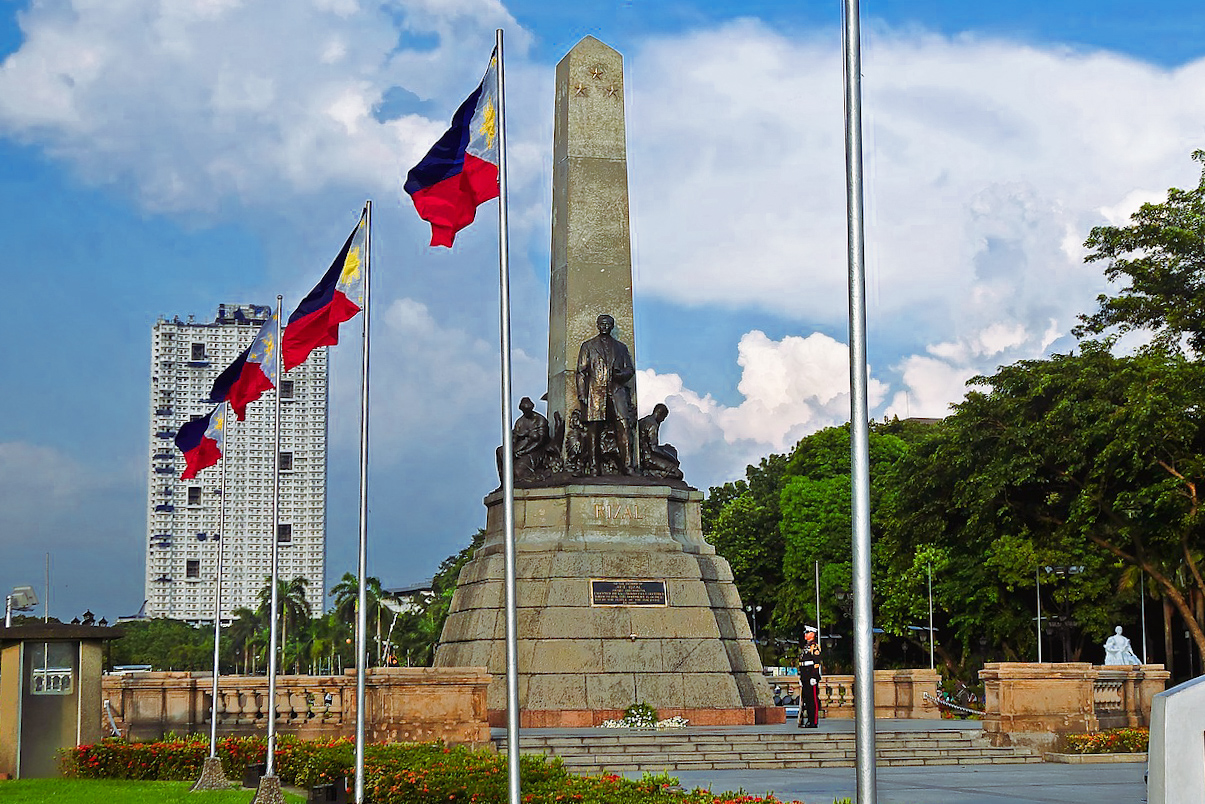
Named after the country’s national hero, José Rizal, who was executed in the area during the late Spanish colonial era, this 58-hectare urban park is home to his famous granite obelisk monument where his remains are also interred and which is often depicted in photos and postcards of Manila.
Aside from the latter, Rizal Park is also often visited by locals for its collection of gardens, open-air space, watching of changing of guards at José Rizal Monument and dancing water fountain at night.
Baywalk
After a day of sightseeing, nothing beats the satisfaction of sealing any Manila itinerary than catching a sunset at Baywalk.
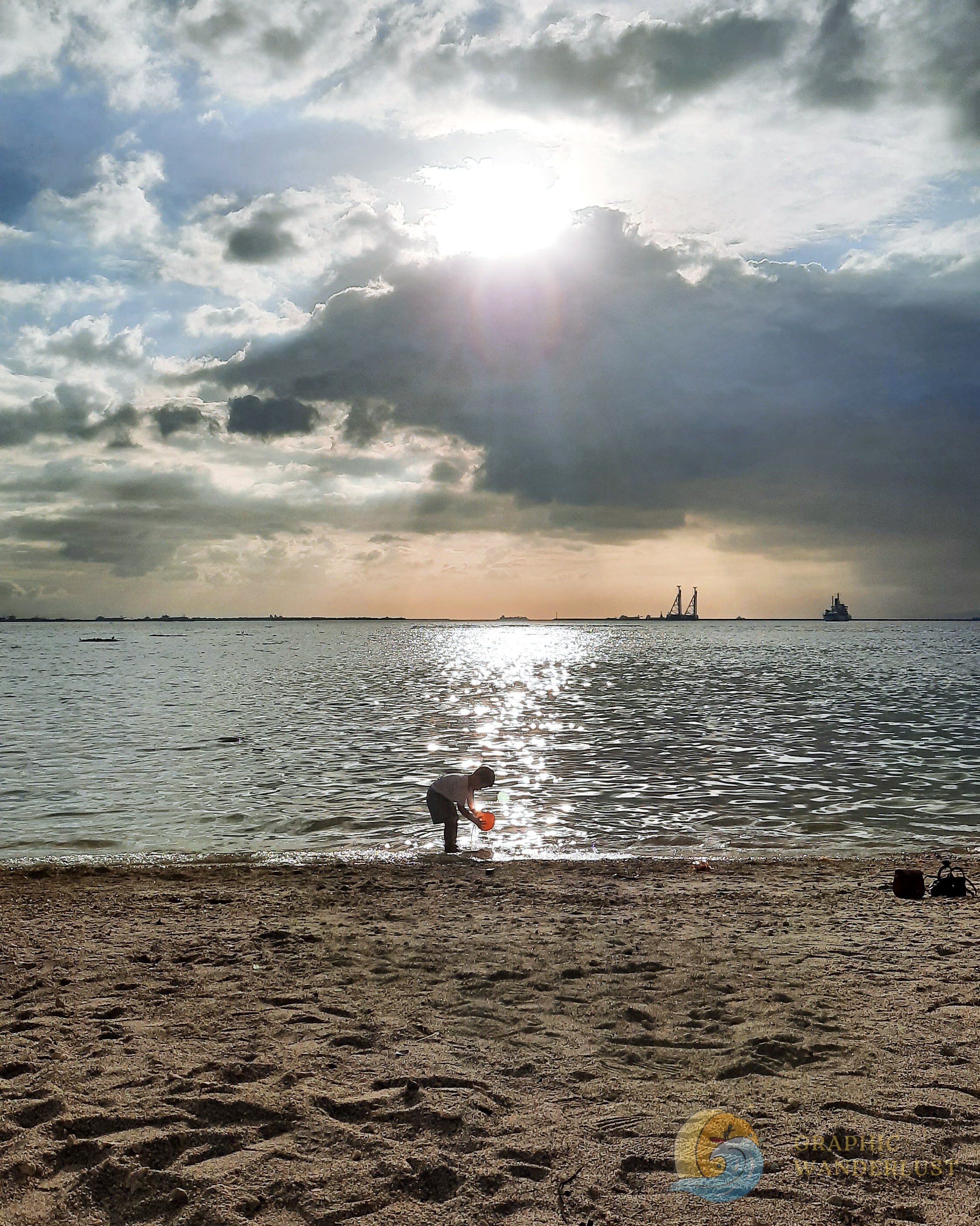
A two-kilometer promenade found along the banks of the Manila Bay, this local favorite spot is the go-to place of Manileños in the area looking to unwind and chill after a long day.
Recent addition has been added to this seaside strip with the opening of the infamous Dolomite Beach which is a free-admission artificial white sand beach where visitors can also relax. However, unlike its counterparts in the provinces, the views here are not as scenic and the waters are not clean and safe to swim in.
Mall of Asia
Similar to its neighbor Bangkok and a reflection of Filipinos’ preference for it, one thing that Manila doesn’t run out of is the presence of shopping malls with SM Mall of Asia in Pasay City leading the list as one of the largest in the world.
This 60-hectare retail and entertainment complex is visited, not just only for its vast array of offerings, but also for its location fronting Manila Bay providing scenic views during sunsets. Aside from shopping, the place is also dotted with different types of dining spots and also has a small seaside amusement park called SM by the Bay where the famous big Ferris wheel called MOA’s eye is located and is known for offering good overlooking views of the city.
The opening of the 700,000-square feet IKEA store—the largest in the world—beside SM Mall of Asia has added to the complex’s list of global records, making it a must-stop when you find yourself in Manila.
Poblacion
Despite the presence of other nightlife districts, locals, ex-pats and travelers seemed to have developed a preference towards the district of Poblacion when it comes to having a night out in Manila.
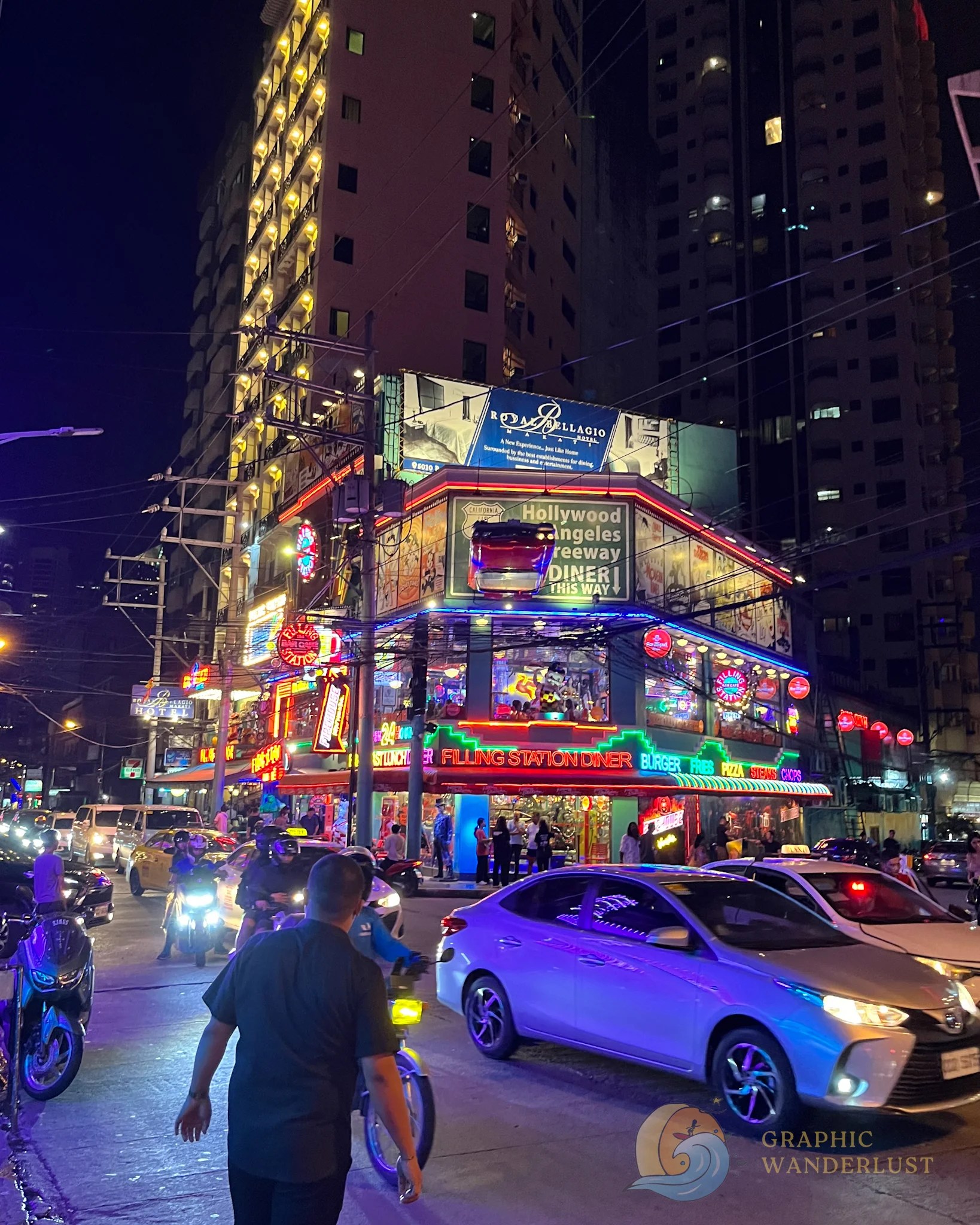
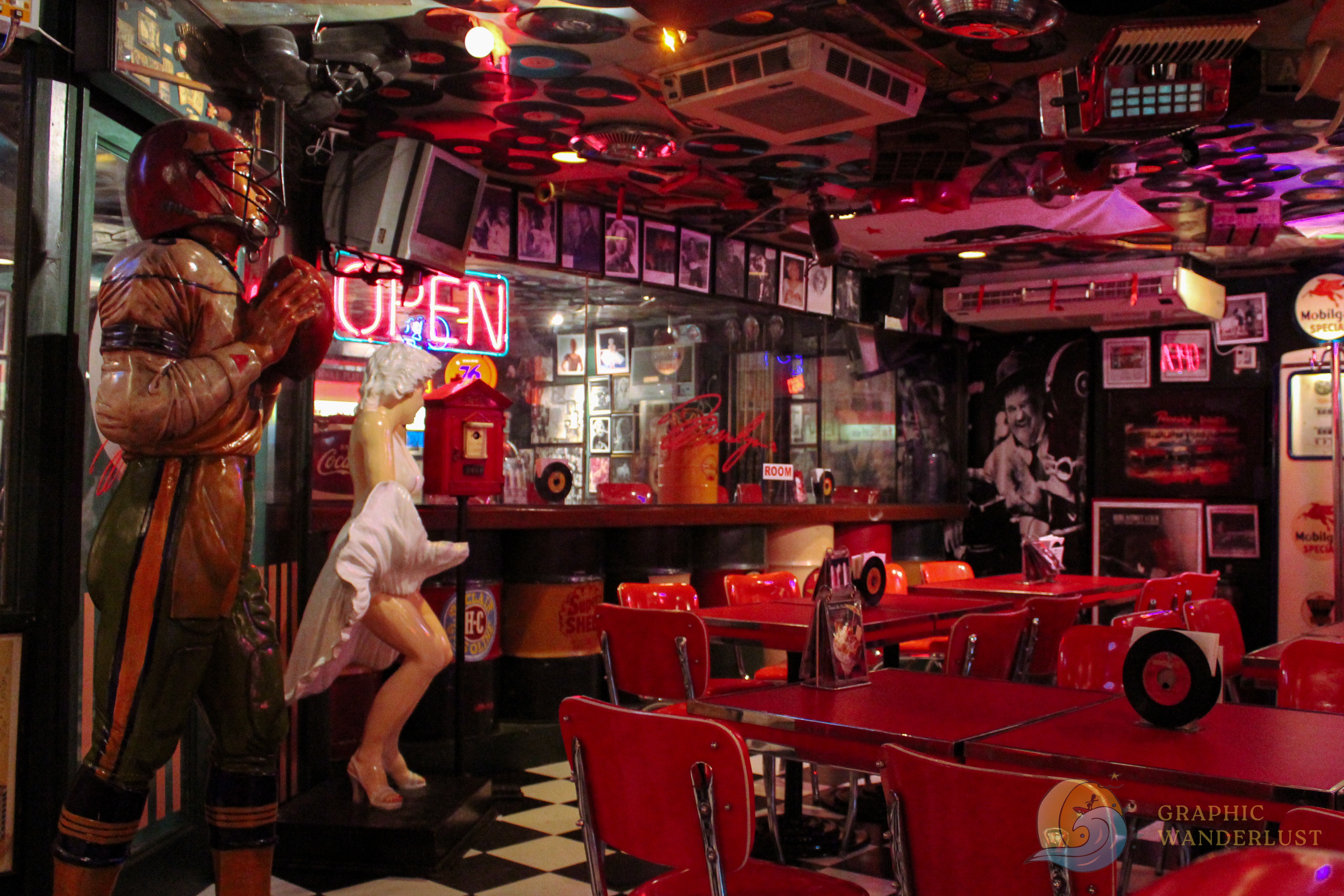
Dotted with restaurants and bars like Filling Station Bar and Cafe and El Chupacabra, this buzzing district in Makati City doesn’t fall short of providing dining and nightlife experiences for visitors. Whether you’re looking for affordable grubs, a restaurant specializing in a specific cuisine or just want to chill in a bespoke bar, Poblacion showcases Manila’s memorable nightlife scene.
BGC
Whether you’re up for a shopping spree, sightseeing or nightlife, the district of BGC is also a must-see when in Manila.
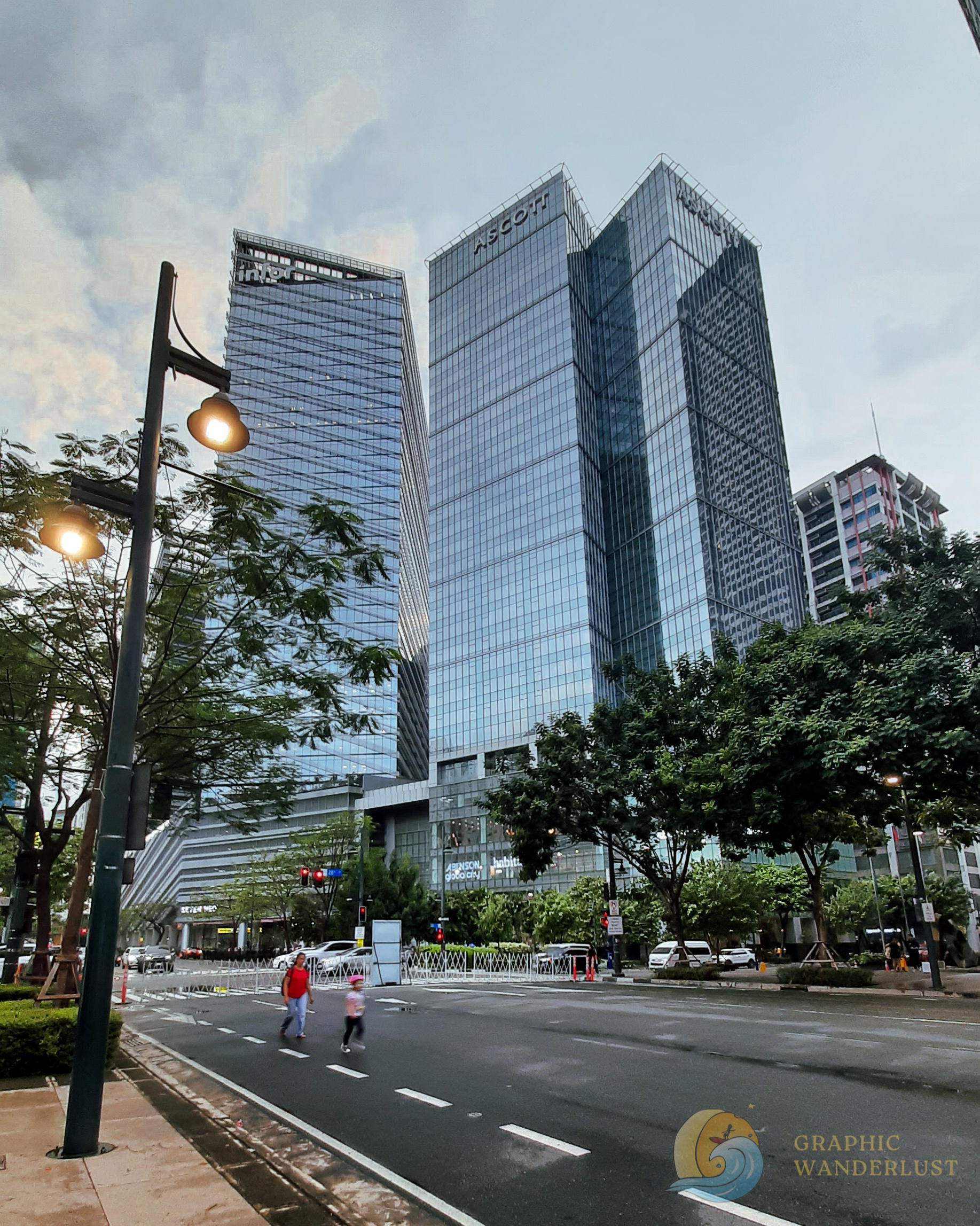
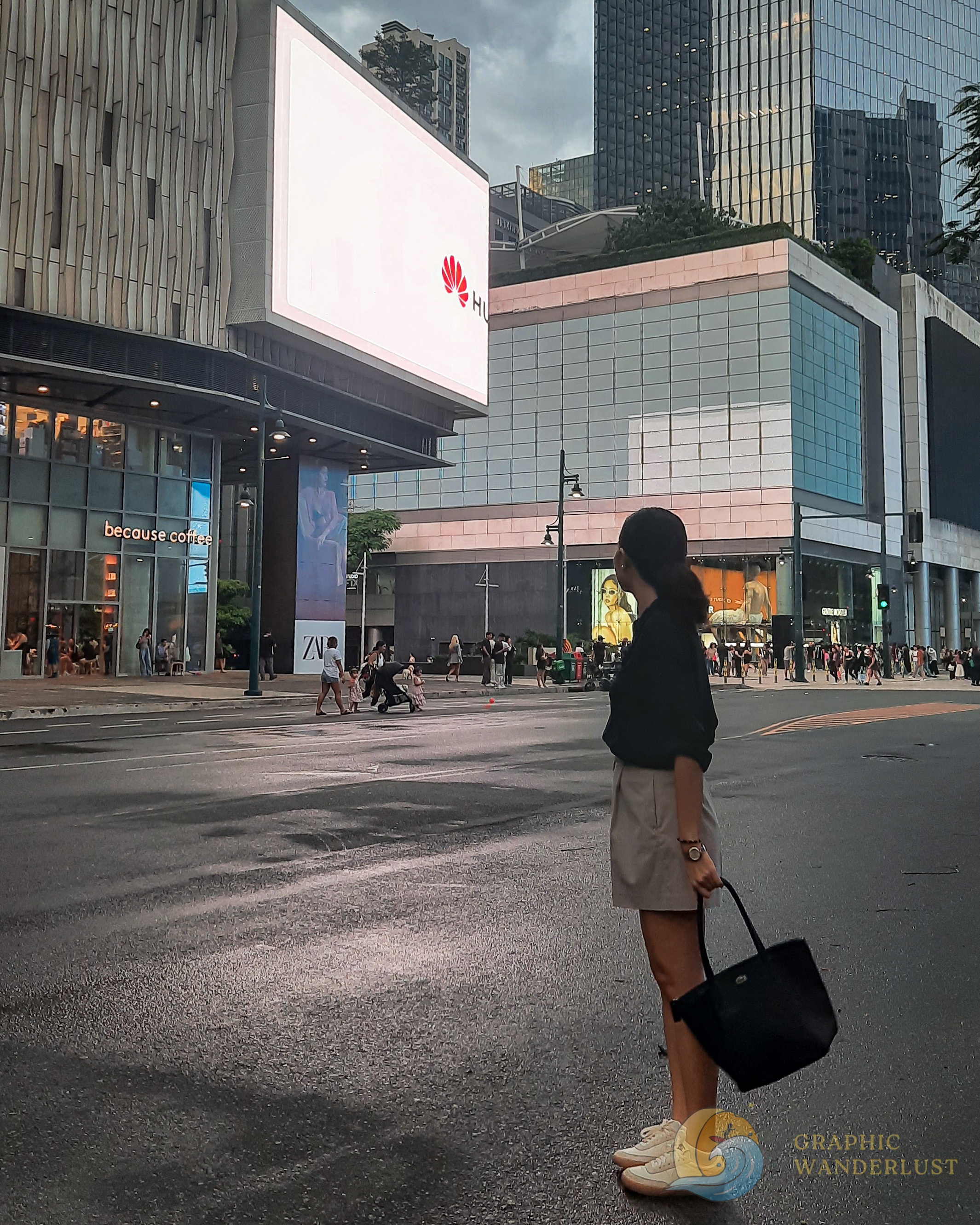
Contrary to the typical picture of a third-world capital city, BGC in Taguig City looks like a part taken somewhere in the modern metropolis of its neighbor Singapore. Lined with tall towering glass buildings and a neat grid layout planning, this district differs greatly from the usual scenery of Metro Manila.
Various retail and lifestyle complexes boasting local and international brands dot this area including Bonifacio High Street and Uptown Mall, while Xylo and Revel at the Palace lead the nightlife in the district. The Mind Museum and the Metropolitan Museum of Manila are also places to be for people in search of science and art.
Where to Eat
Aside from the gastronomic adventure waiting for you in Binondo Chinatown, Manila doesn’t run out of other dining options for foodies looking to further explore the city’s cuisine. Whether you’re a budget-conscious traveler or one who doesn’t mind splurging on food every now and then, here is a list of places where locals go and eat, sorted based on their type.
Street food
Street Vendors and Local Markets
There is a belief that you won’t fully know a place until you take a bite and taste the food that the locals eat and what’s a better way to do this than trying a place’s well-known street food and munching on them like everyone else.
Searching for street food in Manila is a piece of cake because its vendors are scattered all throughout the metro, especially in tourist areas (except business districts). Popular grubs to try include street food skewers like fish ball, squid ball, kikiam, isaw, and betamax, egg snacks like kwek kwek, tokneneng and balut, sweetened fried fruits like banana cue, turon, and kamote cue, thirst-quenchers like gulaman and fruit-based juices and sorbetes as dessert.
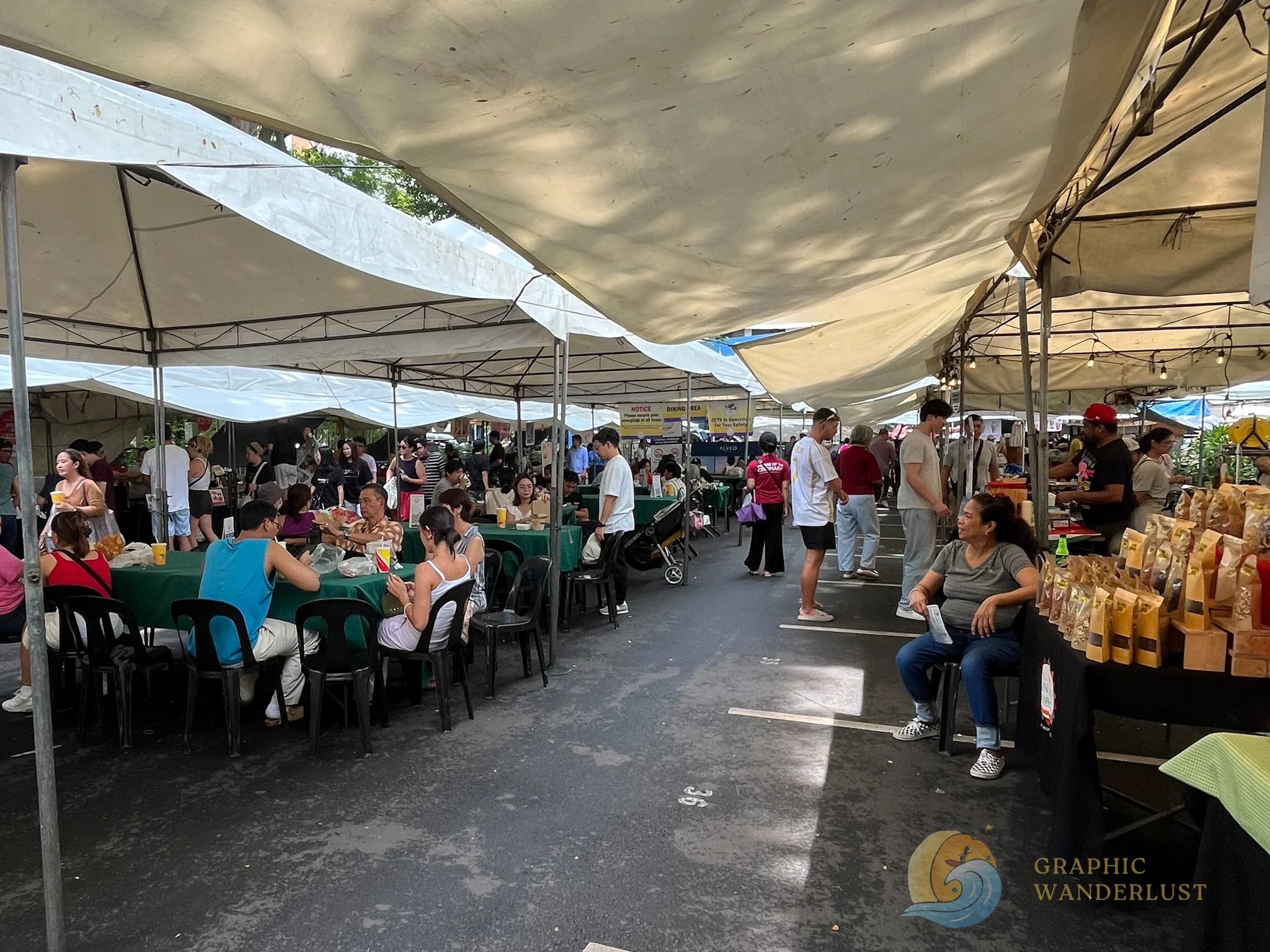
But if you’re looking for particular spots to eat these, you can find them in local favorite markets including Ugbo Street in Tondo, Manila and Salcedo Saturday and Legazpi Sunday Markets in Ayala, Makati.
Fastfood
Jollibee
You wouldn’t fly all the way to the Philippines just to skip the experience of dining in one of the branches where this famous fast-food chain originated, right? If so, then you definitely should put Jollibee at the top of your food stops in Manila.
Known for its crispy and juicy fried chicken, Chickenjoy, this well-loved fast-food restaurant has a special place in every Filipino’s heart who has known the brand as early as their childhood days. One wouldn’t even have a hard time locating a Jollibee store as the country is filled with branches of it including ones in the provinces.
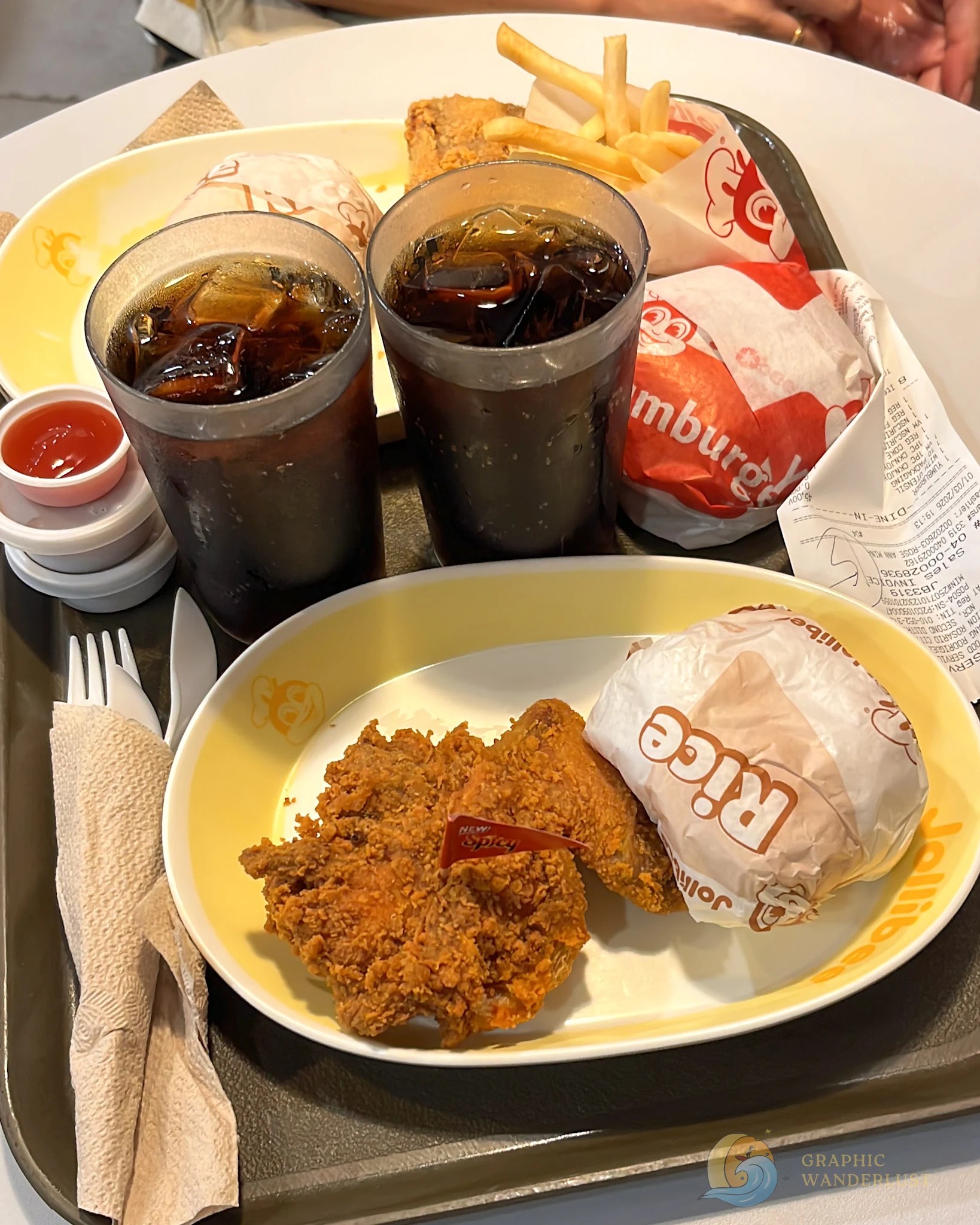
Aside from Chickenjoy, other must-dry dishes on their menu are their Yumburger, Peach Mango Pie and Jolly Spaghetti if you’re in for a sweet-tasting pasta.
Mang Inasal
For an accessible Filipino cuisine, one shouldn’t miss paying a visit at Mang Inasal which is another locally famous fast-food chain known for serving well-loved Filipino dishes and with branches scattered all throughout the country.
Their bestseller, Chicken Inasal which is a Filipino-style grilled chicken dish, is a must-try for first-time visitors and is usually paired with rice and soy sauce with calamansi. The place also serves halo-halo which is another must-try local crushed-ice dessert known for its creamy mix of milk, fruits, beans, jellies and ube (purple yam) ice cream.
Restaurants
Mesa
For more Filipino dish options, a go-to dining spot for local fares is Mesa which also has a handful of branches throughout the country in shopping malls and is known for its serving of fried Crispy Pork Belly. Aside from this, other must-try dishes on their menu include the classic Sinigang na Baboy which is a popular Filipino sour soup made out of tamarind, pork and vegetables and Kare-kare which is a traditional peanut sauce-based oxtail stew usually paired with bagoong (fermented shrimp paste).
Mendokoro Ramenba
Despite the thousand miles separating Manila and Japan, Filipinos have developed a fondness for Japanese cuisine and one of the local favorite dining spots in the metro to get this is Mendokoro Ramenba.
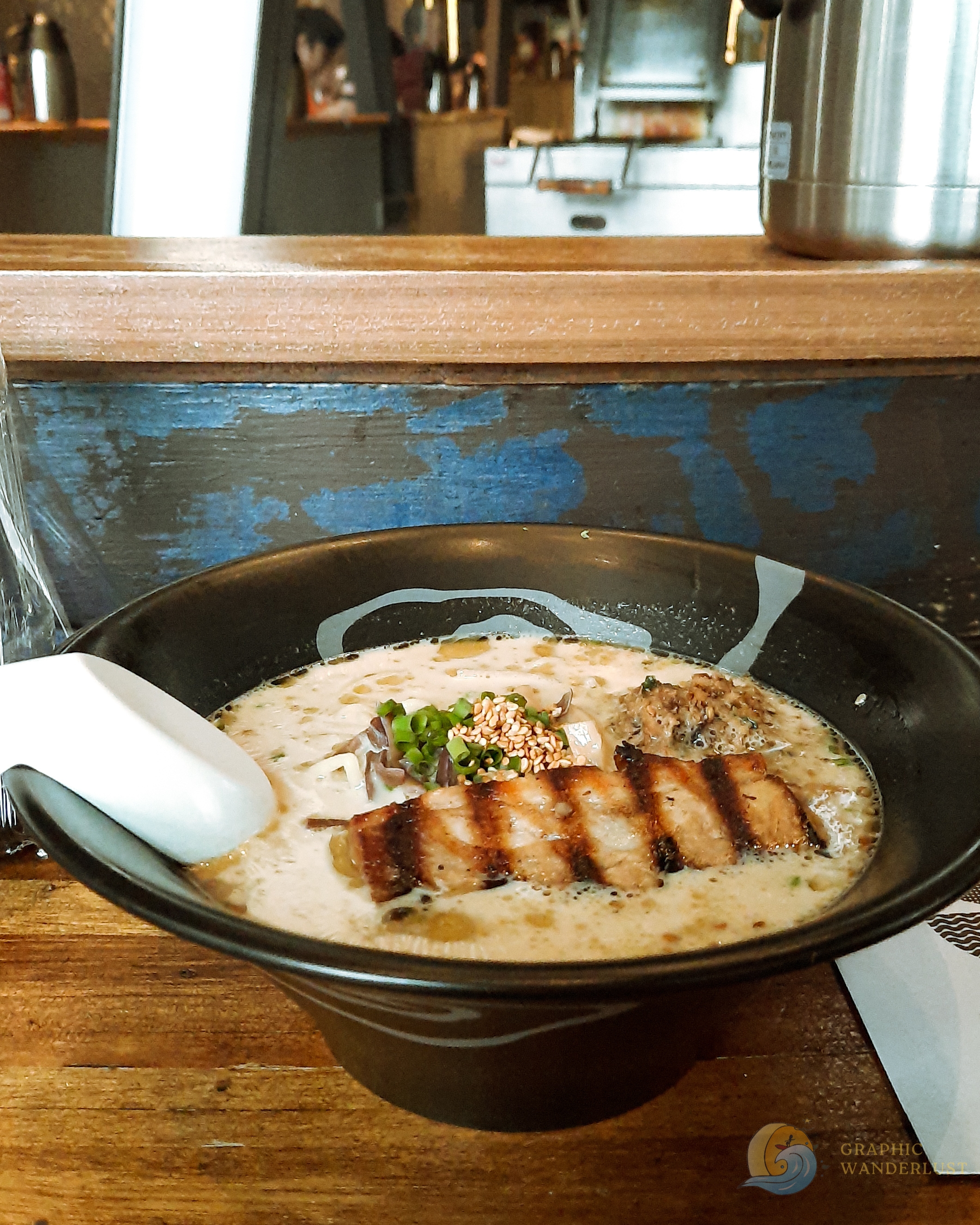
A casual dining brand under a chain of local Japanese restaurants and which has several branches in the metro, Mendokoro Ramenba is known to serve the best bowl of ramen in Manila characterized by its rich broth, flavorful noodles and grilled pork cutlet. Its stores are usually fronted by a bee-line of customers waiting for their turn to eat their must-try dishes Shio and Shoyu tonkotsu ramen.
Fine Dining
Blackbird
Level up your gastronomic experience in Manila by dining in one of the region’s finest restaurants with a touch of history at Blackbird.
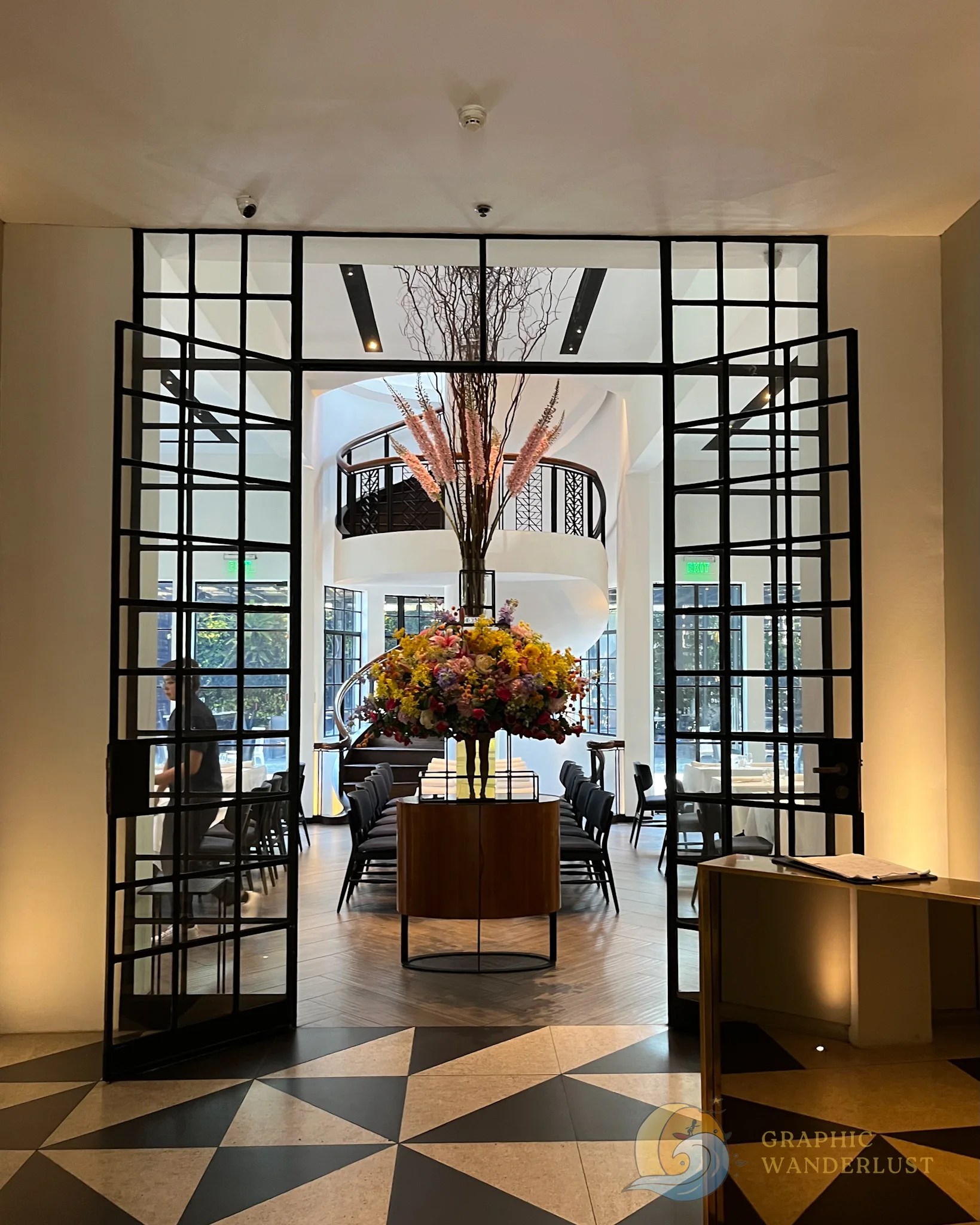

Housed inside the historic Nielson Tower in Ayala Triangle, Makati City, this highly-rated fine dining and Michelin-selected restaurant sits in a former commercial airport and serves Western and Asian-inspired cuisine to diners. The place boasts two interiors and one alfresco dining space, and also operates a lounge and bar where various wines and cocktails are served.

Toyo Eatery
Hailed as one of the top fine dining restaurants in Asia and one of the few awarded with a one star in the 2026 Manila and Environs Michelin Guide, Toyo Eatery in Chino Roces Extension, Makati City has earned its reputation not just for its delectable food offerings but also for its efforts and commitment to sustainability.
Serving modern Filipino cuisine, the restaurant proudly sources its ingredients from local farmers and artisans and offers vegan and vegetarian options in its à la carte and tasting menus. On top of this, Toyo Eatery is committed to reducing its carbon footprint making it a sustainable option for people in search of fine dining in Manila.
Is Manila Safe for Tourists?
One of the most common questions when traveling in Manila is the concern about one’s safety in it and as a local and female traveler, I personally believe that the answer lies depending on where you are in the region and the fact that, similar to other big cities in the world, the capital also has its fair share of pick-pocketing incidents and known tourist scams.
For commercial and business districts, the safety level is high as you can walk freely without the anxiety of your belongings getting pick-pocketed or snatched as long as they are kept well. These areas have an abundant number of security personnel patroling within their vicinity including big public places like shopping malls.
For the districts found within the City of Manila, the safety level goes down significantly due to the known presence of pickpockets, snatchers and scammers in the area. Despite being a local, I still personally feel unsafe and become vigilant when I find myself in these places, hence, I highly recommend using a sling bag or bumbag for your sightseeing trips in the city to protect your belongings. As much as possible too, only book tours with legitimate organizers to avoid being scammed.
Public transportation-wise, most modes are usually safe as long as you regularly keep an eye on your belongings, especially for trains and jeepneys which may become crowded. Be wary though with the use of taxis especially during rush hour as some drivers do not follow the metered fare but negotiate with you instead of an unusually higher price when going to your destination especially if you’re a tourist. Another scenario also includes the meter reporting an unusual jump from the base fare despite the distance covered.
Handy Tips From a Local
To ensure a positive experience on your Manila trip, here are more tips to know to get the most out of your travel in the metro:
- Download Grab upon arrival in Manila for a scam-free experience when traveling from the airport going to your booked accommodation.
- When the Grab driver asks if you would like to take the expressway going to your destination, decline and ask to take the alternative free route to avoid shelling out extra money for the toll pay (unless you are in a hurry).
- As much as possible, avoid traveling and taking the MRT and LRT during the city’s rush hour (7AM to 9AM; 5PM to 7PM) to spare yourself from being stuck in Manila’s bad traffic and queuing up in very long lines in the different train stations.
- When taking the jeepney, shout the word “Para po” when signalling the driver to halt.
- Regardless if you’re visiting in a dry or rainy season, wear lightweight fabrics when sightseeing to beat Manila’s humid and hot weather. In addition, you can also bring a hat or an umbrella to protect yourself from the scorching heat and carry a water bottle to stay hydrated.
- Avoid wearing and taking out flashy belongings when outside of commercial and business districts.
- Tipping in restaurants is optional and house water is free.
Sample Itinerary
Here is a sample three-day Manila itinerary considering that you’ve flown in Manila on the first day and decided to take a rest for the whole day.
Traveling to Manila may not be the first choice of many visiting the Philippines due to the lack of alluring points of interest and mesmerizing natural wonders when compared to its counterparts in the provinces. But this doesn’t mean that the region falls short of cultural and historical experiences for visitors keen to discover the capital. Whether you’re a history buff, foodie or a just curious traveler, Manila will surely not fail you in offering a truly remarkable Filipino experience and hospitality.
Ready to see the metro? Which one is at the top of your go-to list? Let’s hear them out in the comments below!
If you also find this post useful, you can support me in creating more travel and hiking guides in the future! Just tap on my Ko-fi or Buy Me a Coffee profile to get started or share this post with your friends or socials for free!
Read more related posts





Leave a reply to 4-Day Hanoi Travel Guide: Best Things to Do, Tips + Itinerary – Graphic Wanderlust Cancel reply