

Contrary to most people, Cebu hasn’t always been on my travel bucket list. Despite being a major tourist destination in the Central Visayas region known for adrenaline-pumping waterfalls canyoneering and whale shark encounters, the Queen City of the South did not initially catch my attention and often thought about it as an overrated place to visit. But as time passes by and I grew older and became a more mature traveler, I started getting curious and drawn to the natural wonders of this island province. Fast forward to 2023, I found myself walking in the halls of the airport unsure of what Cebu has in store for a person who initially doubted its beauty.
Table of Contents
North Cebu or South Cebu?
With a heart already set to discover the island’s beauty, I first have to ask myself where I want to go. Apparently, the province is divided into two main tourist spots: North and South of Cebu. These two places are not close to each other and with my usual budget and time allotted for my trips, I knew that it would not be enough to cover both destinations.
North Cebu tourist spots consist of Bantayan Island, Malapascua Island, Camotes Island and Cebu Safari and Adventure Park and are usually the more laid-back options for travelers looking for peace and quiet. South Cebu is home to the municipalities of Oslob and Badian where the famous whale shark encounters, sardine run and canyoneering experiences provide visitors with a more adrenaline-pumping experience.
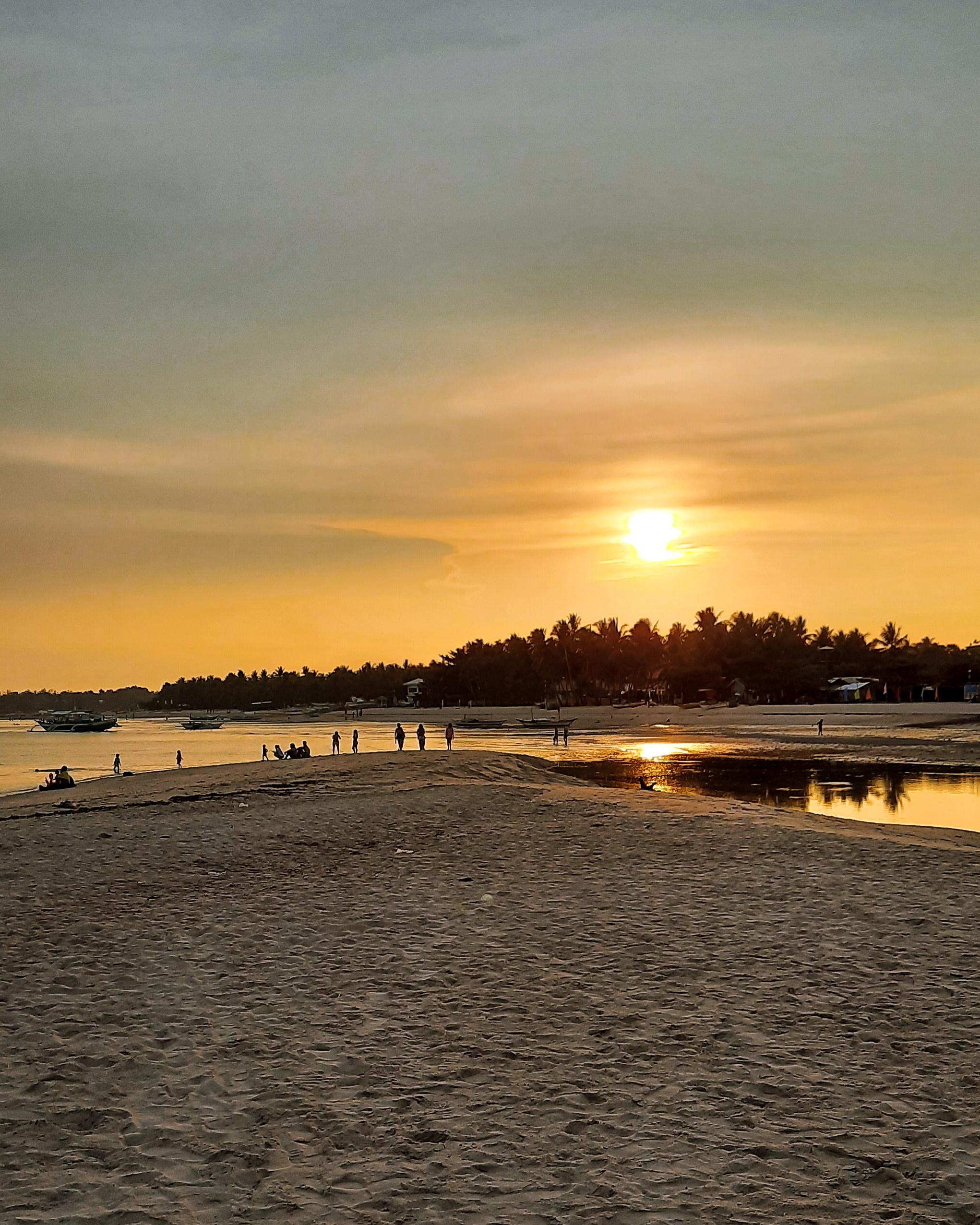
Believing that it would be a better option to destress after months of work and, after discussing with my friends who will join me in the trip, we have chosen North Cebu as our main destination particularly the island of Bantayan. We also included a quick tour of the city which we planned to see in our first few days in the province and which will be the focus of this blog post.
For Bantayan Island, head on to this link for our whole experience.
Day 1 – Arriving in Cebu
A major tourist destination and trading hub, Cebu can easily be reached via air or water. For our trip, we opted to go by plane to save time and money since we got our tickets on sale a few months ago.
Upon getting out of the aircraft, the first thing that I did was to take a look at the airport’s architecture since Mactan-Cebu International Airport is known as one of the bests in the country. However, their domestic terminal was a bit of a disappointment for me as I haven’t found anything remarkable with its design which reminded me of the gloomy atmosphere of Manila’s airport instead. Upon stepping out of the place, I was also a bit surprised to find out that the taxi lane is not that far from the scenario of typical provincial airports and lags behind NAIA’s more modern ones.
As suggested by my friend who has been in Cebu before, we took the white cab to reach our first destination of our trip where we will be having our dinner. According to her, the black ones are premium taxis and charge more compared to the regular white ones. It was also during this travel when I noticed how urbanized and how closely similar Mactan Island is to the usual residential areas of Manila until our taxi drove in front of a view showing the horizon and the nearby main island of Cebu which hinted that we have reached our destination.
The usual Monday workday paved the way for us to experience an uncrowded I Love Bucket Shrimps allowing us to get the best spot in the place overlooking the nearby parked boats of Cebu Yacht Club and the glowing city lights of the mainland across the channel. As suggested by my friend, we ordered their classic bucket of Shrimps (₱440) and an additional Saucy Crab (₱330) paired, of course, with a cup of rice to complete our kamayan dining experience.


Personally, I didn’t find the food that we ordered the best since it tasted a bit salty for my liking and that it overpowered the delicious taste of the shellfish. Nonetheless, I still had a positive experience in the place with its al fresco dining setup, relaxing views and my first taste of classic Cebu vinegar mainly contributing to this.
After a hearty meal, we ended our first day in Cebu by hopping into another cab and making our way to our booked hotel to call it a day.
Book your Manila to Cebu transport here!
Day 2 – Cebu City Tour
Known to be the oldest city in the country, Cebu City is brimming with historic spots that most Filipinos will easily recognize due to its cultural significance. But aside from being home to national landmarks, the city has also molded itself into a highly progressive place that produced attractions and spots beyond the remnants of the Spanish colonial era.
To spare ourselves from the hassle of planning and doing our whole trip on our own, we decided to join a tour instead via RNL Cebu Travel and Tours to see these destinations and for a more convenient journey. We found their ₱999 offer a good deal since the price already includes van rental, gas, driver, admission fees to most destinations and pick-up from our hotel. Not to mention the fun socialization we had with our fellow travelers which was a bonus.
After picking up all the joiners of the tour, our day started with a drop-by at Cebu Taoist Temple located in the upscale residential area of Beverly Hills in Lahug. This religious site is a reflection of the city’s Chinese community and is composed of several prayer halls open to everyone.


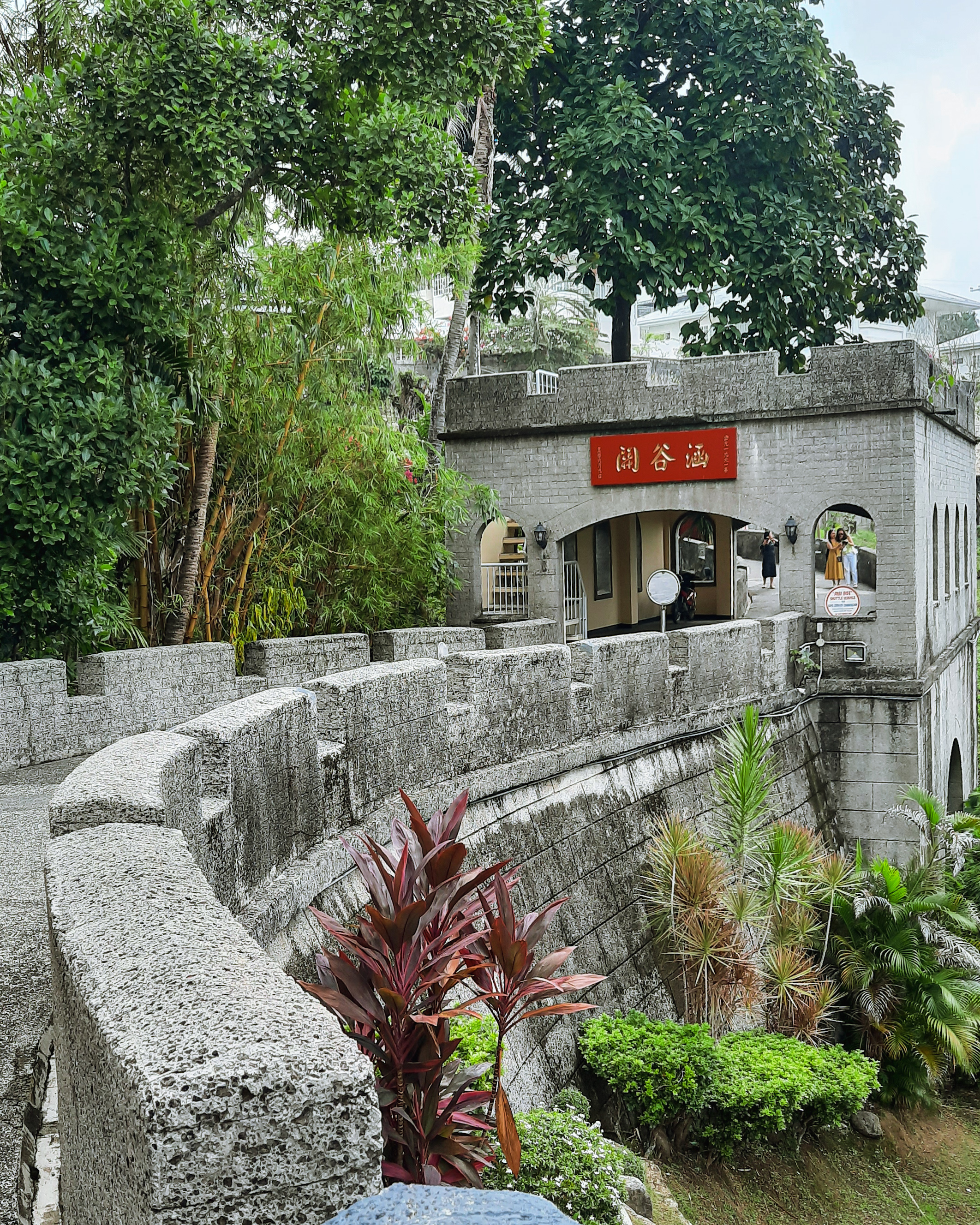


The place’s iconic pagoda and dragon scenery at its entrance is one of the features of the place that is bordered by a mini replica of the Great Wall of China beneath it that serves as a pathway. Due to its location, one couldn’t also miss the overlooking view of the city’s skyline that fronts the place.
Our second destination for the day was a bit of a disappointment for me as it did not meet my expectations. Located in the municipality of the same name that required our van to navigate through steep and zigzag roads and a few bumpy ones, I thought Sirao Flower Garden would be a trip worth the ride.

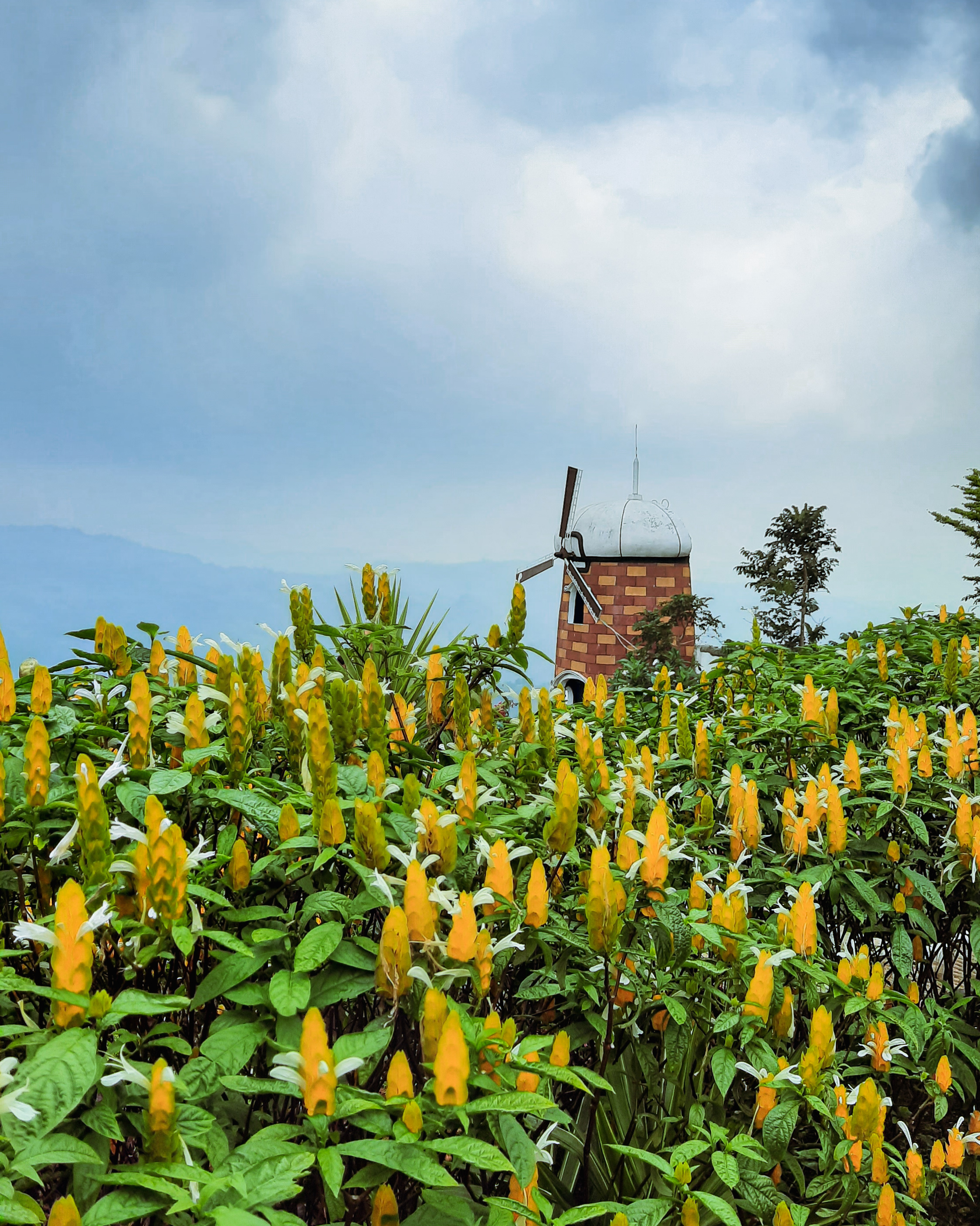
Upon stepping inside this nature park, one will be welcomed with empty flower beds that looked very far from the usual colorful and flower-filled scenarios that you usually see in pictures. One will also notice how much of a tourist hotspot the place is with the different photo ops structures that range from Bali-inspired nests to golden palms scattered throughout the place. Probably the only part where I have seen a lush sight of flora was its back portion near the mini replica of windmills that was filled with golden shrimp plants.
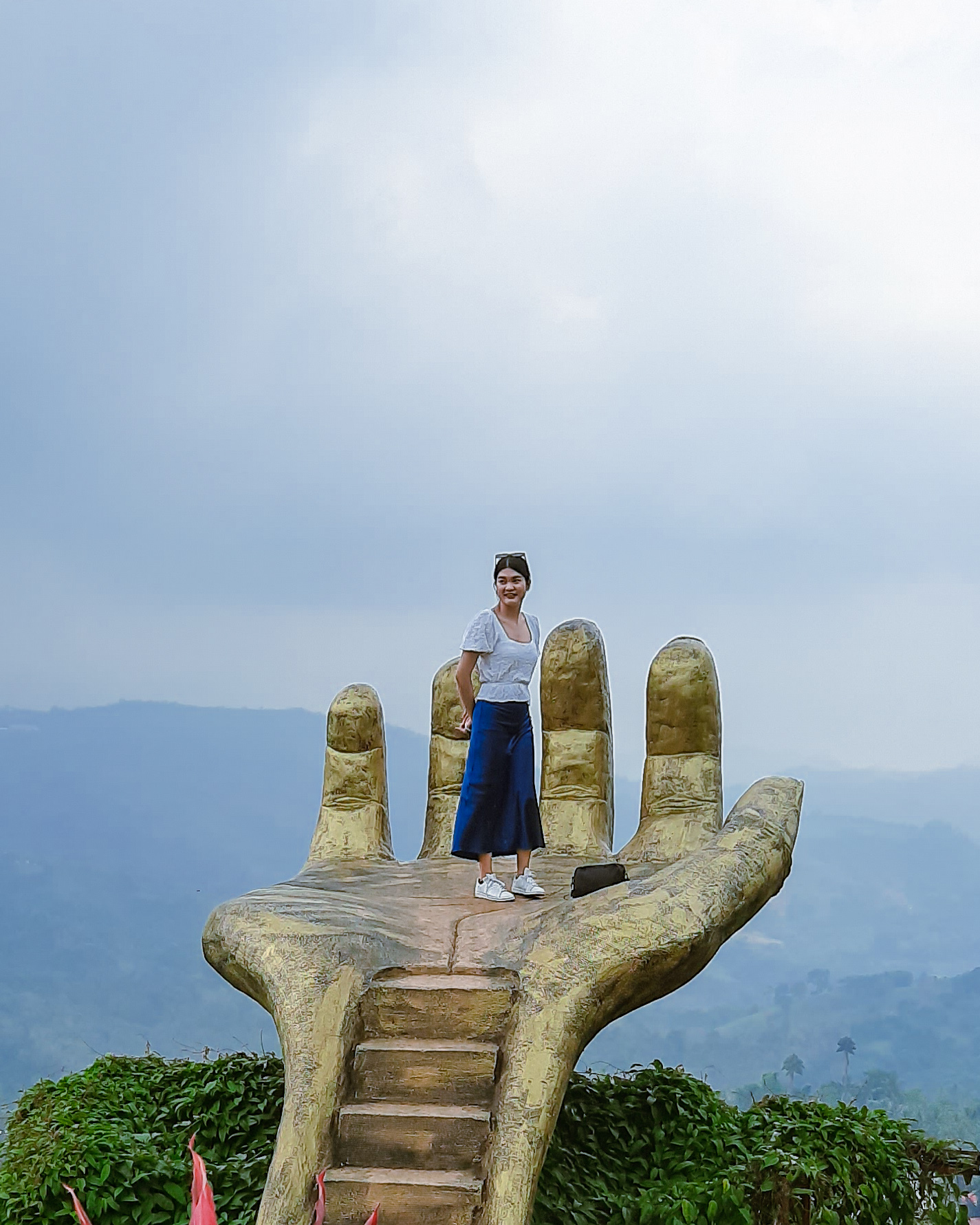
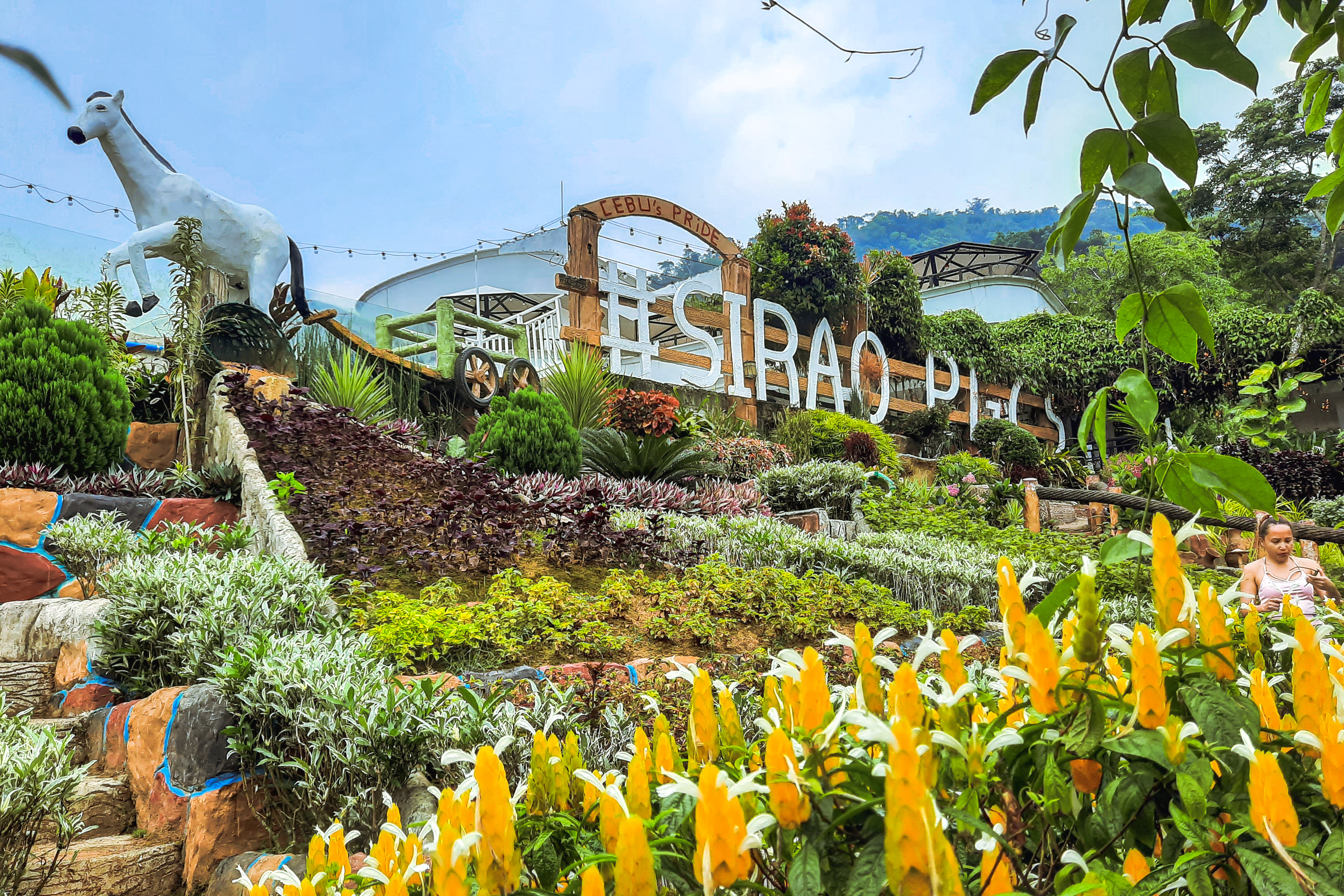
Nonetheless, the view of the nearby mountain range fronting the garden didn’t disappoint despite the threat of a rain shower that offers a glimpse of Cebu’s natural landscape.
If I was looking forward to seeing something in our tour, it would be the Temple of Leah located a couple of minutes away from our last stop.
Known for its imposing neoclassical architecture that sits in the mountains of Busay, this well-known tourist spot is Cebu’s own Parthenon which offers an overlooking view of the whole city and its nearby bays. Many have also dubbed it as the province’s version of the Taj Mahal because the whole place is dedicated to the wife of the owner, Leah Albino-Adarna.
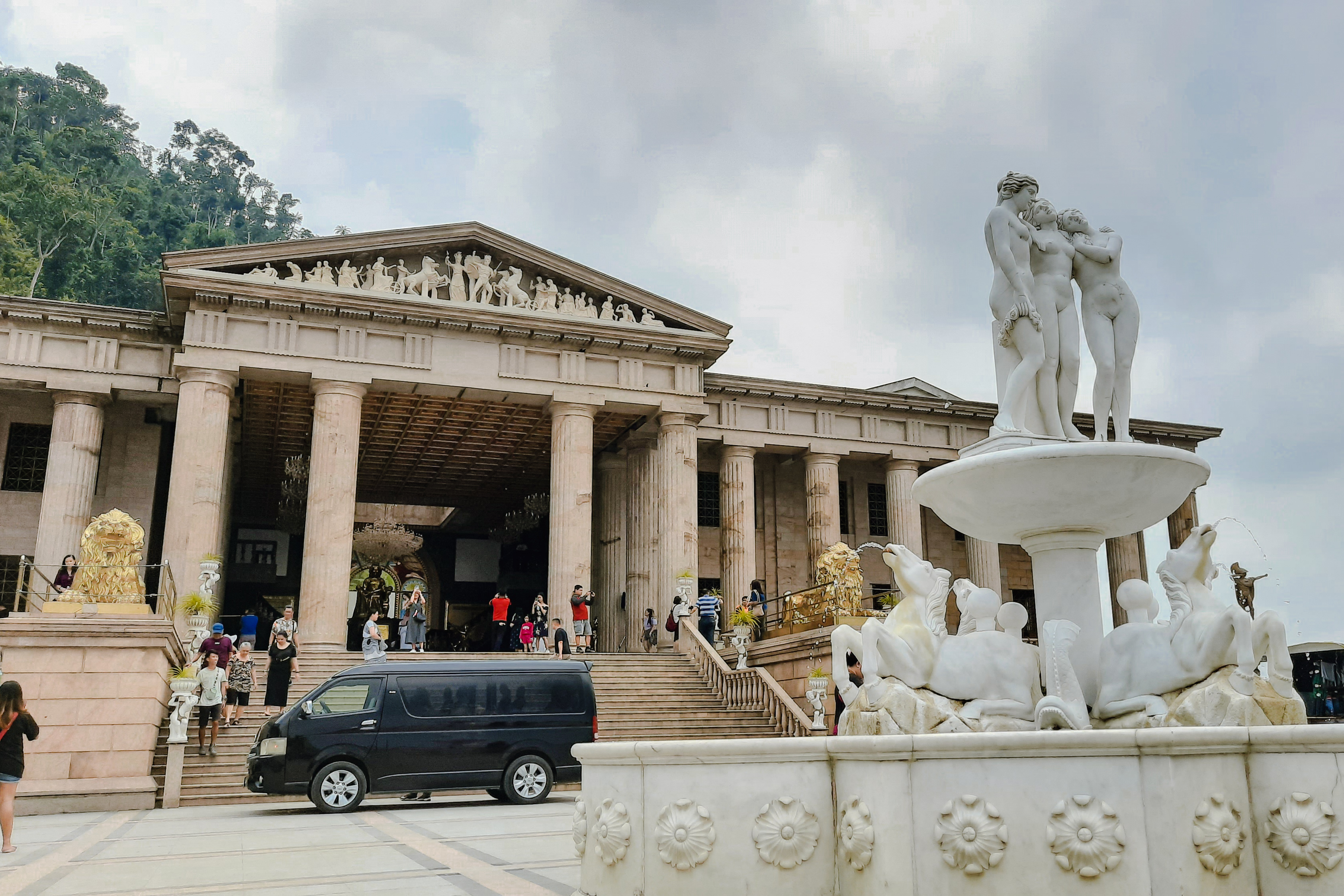
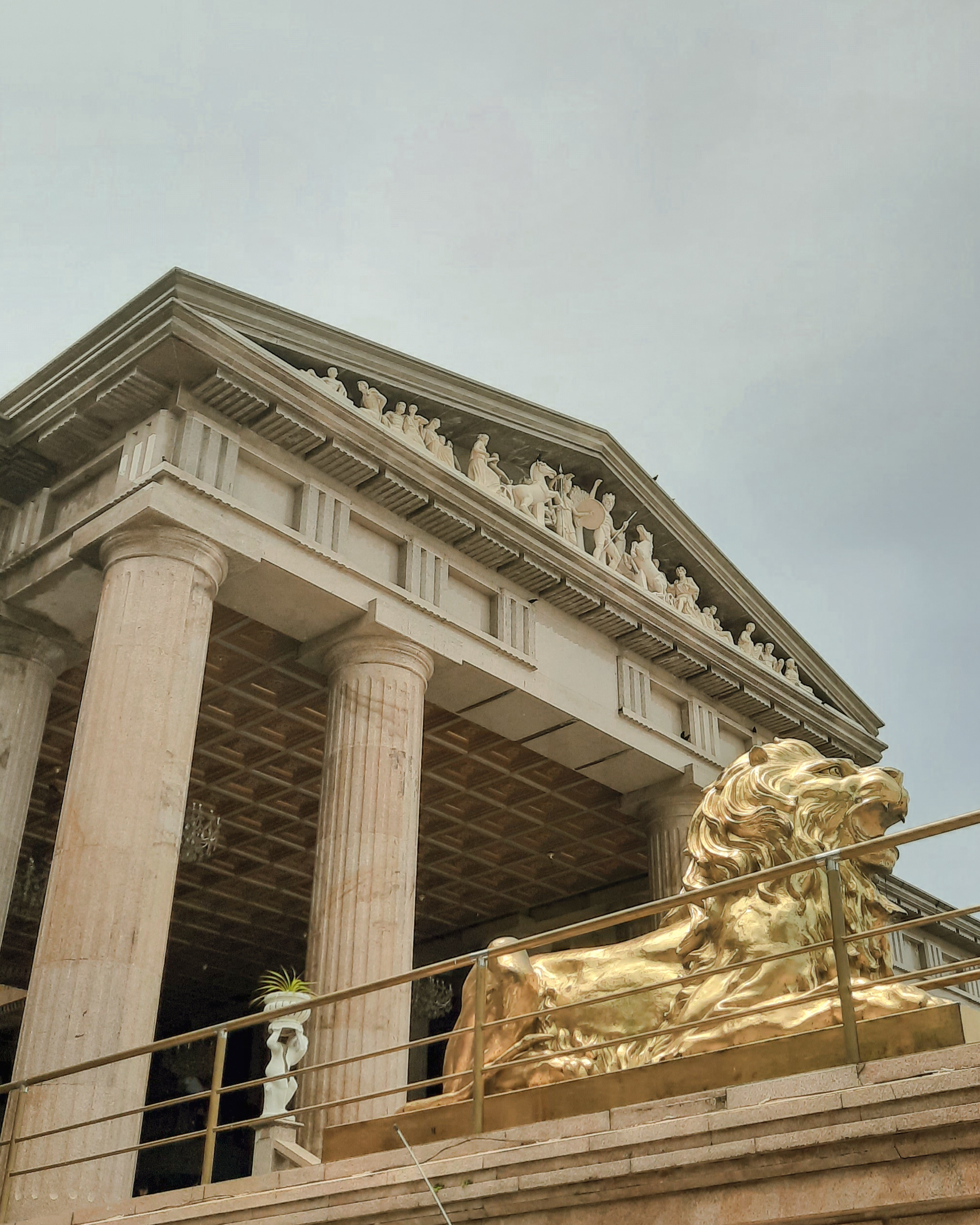
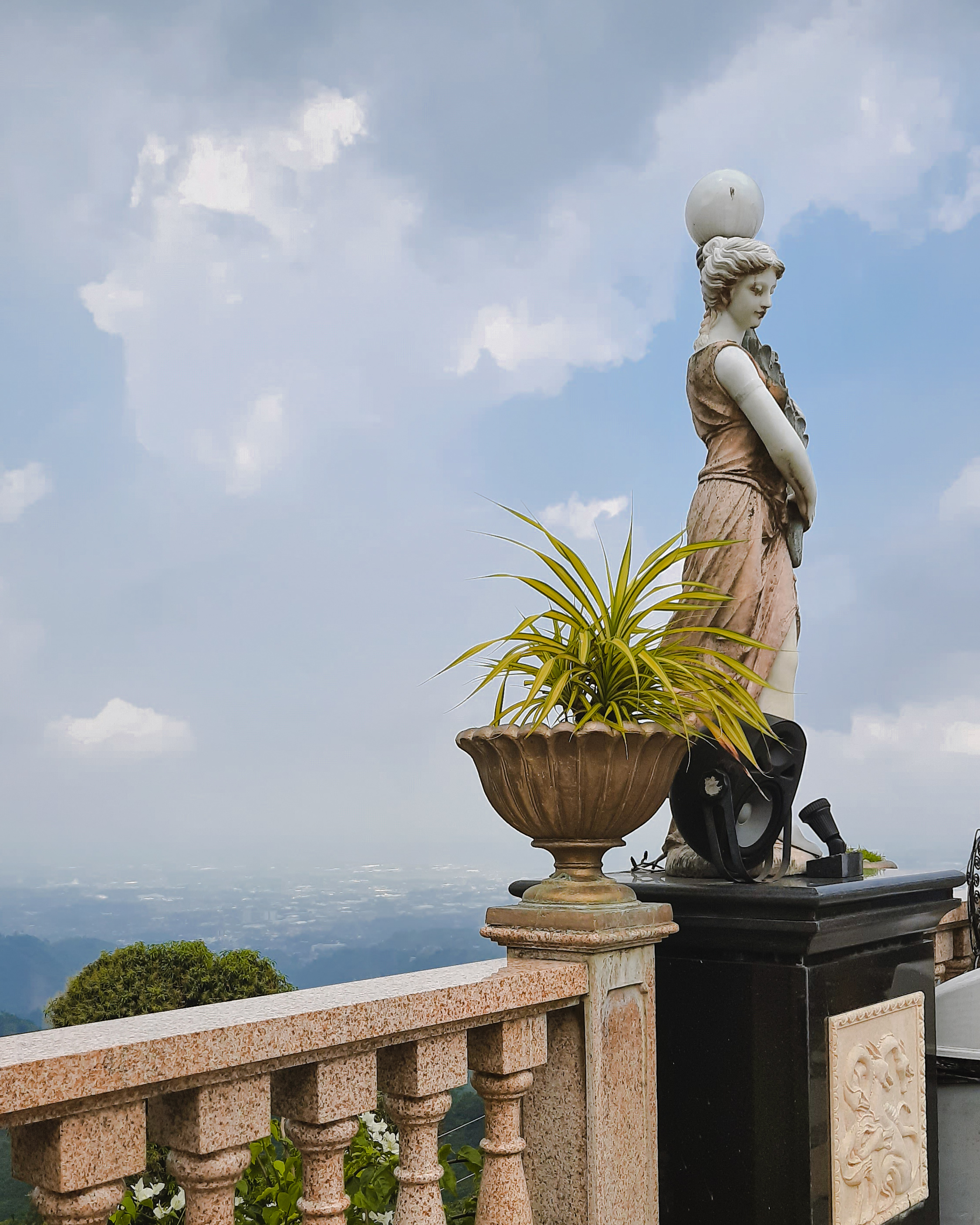
Contrary to our previous destination, I was in awe when I saw the Temple of Leah for the first time because of its beauty and massive size. As expected, the building was designed like its European counterparts complete with large doric columns and sculptures at its entablature and balconies depicting ancient Greek gods and goddesses. At the center of its interior was a gigantic bronze sculpture of Leah Albino-Adarna with an inscription at the bottom describing it. The place was finished off with several chandeliers hanging from its golden tiled stylized ceilings and a few smaller statues beside its staircase and columns.




After an hour of having lunch at a roadside restaurant, we continued the second leg of our tour back in the city proper.
A reflection of the city’s rich culture and history, the Heritage of Cebu Monument is a giant pictorial sculpture standing in the middle of the bustling streets of Sikatuna and Mabini that depicts the place’s long history during the Spanish colonial period. Towering this artwork is a massive cross on top of a galleon on one side and a series of churches on the other reflecting the Spaniards’ colonization of the province and eventually of the country and the spread of Christianity in the archipelago.
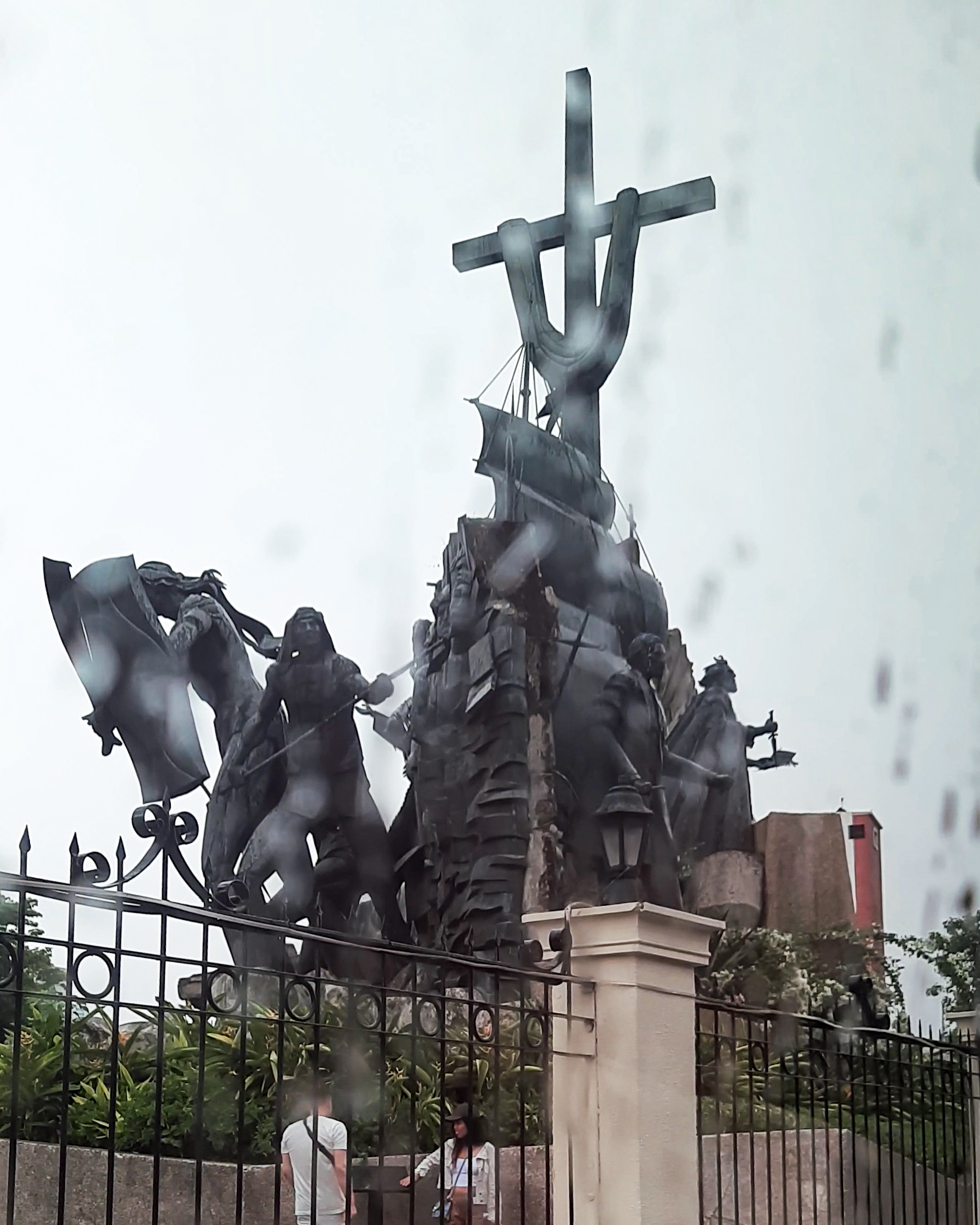
We weren’t able to drop by it but a block away from this is Colon Street and its obelisk marker that plays the role of being the oldest street in the Philippines.
A few meters from Cebu Heritage Monument is another charming tourist spot that I didn’t know would also like.
Noted to be the oldest house in the whole city and probably in the whole country, the Yap-Sandiego Ancestral House is like a time-traveling machine that instantly transports visitors back to the 17th century. With its floors and foundations made out of molave wood and walls out of a mix of coral and other locally-sourced materials, this historical gem has withstood numerous earthquakes and typhoons that came into its way receiving only minor damages during its encounter with natural catastrophes. This quaint 348-year-old house also has two levels and several rooms allotted for eating, sleeping and receiving guests. But what is most interesting about this place is that the owners are still living in it during weekends and even sleeping in the main bedroom.


Entrance to the place was not included in our tour and costs ₱100 for regular adults and ₱50 for students, senior citizens and PWDs.
My younger self would probably pinch me because as we got out of our van and realized what our next stop was, she probably wouldn’t believe that I was looking at a landmark that I only used to see in textbooks.
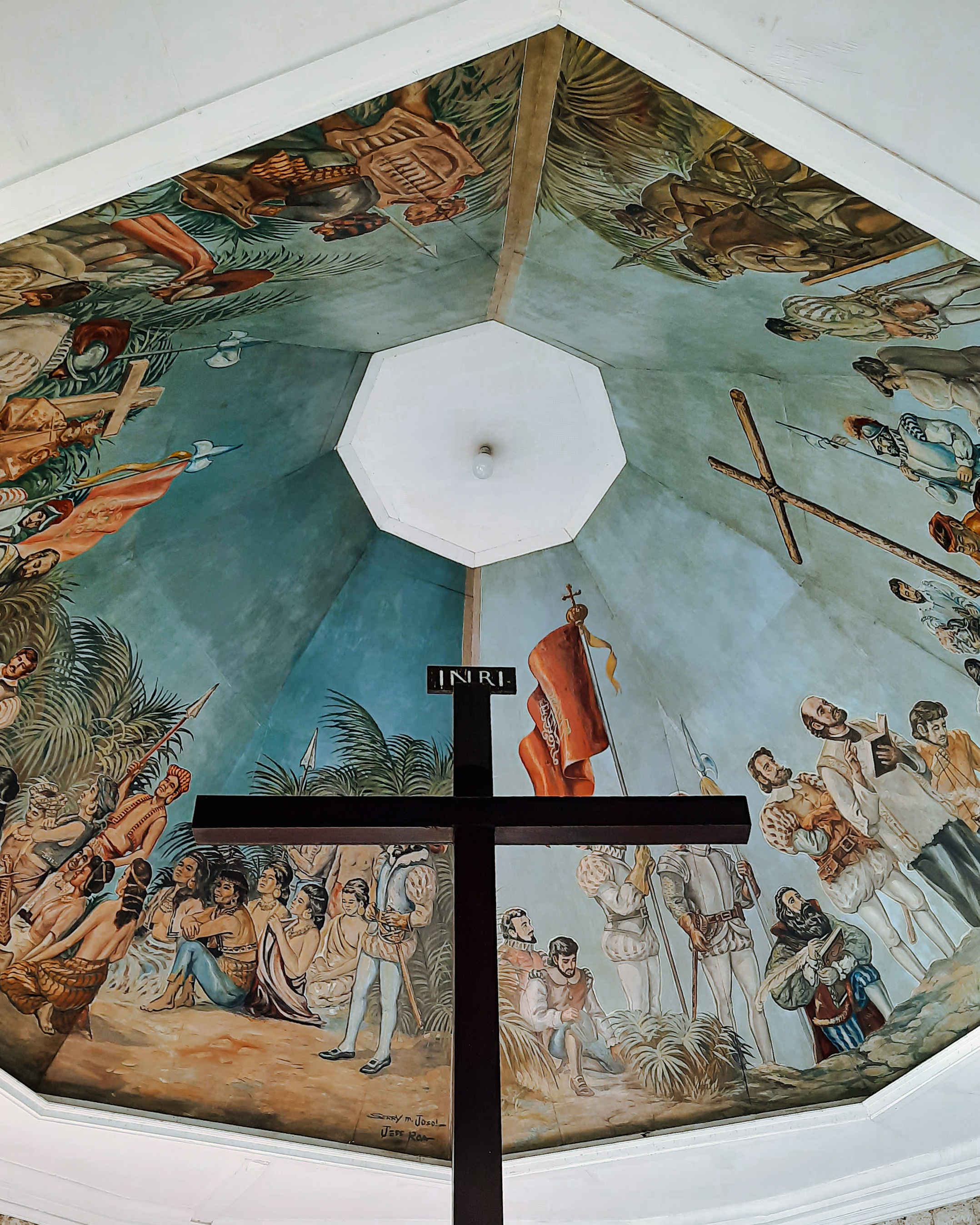
Housed in a stone pavilion with a clay-tiled roof, Magellan’s Cross is probably the most well-known tourist spot in the province due to its historical significance. Found inside it is supposedly the same cross—now encased in tidalo wood—that Portuguese navigator Ferdinand Magellan planted in the spot as a commemoration of baptizing Cebu leader Rajah Humabon and his family during his arrival in the Philippines. Surrounding this is a pictorial mural ceiling that depicts the cross’ origins.

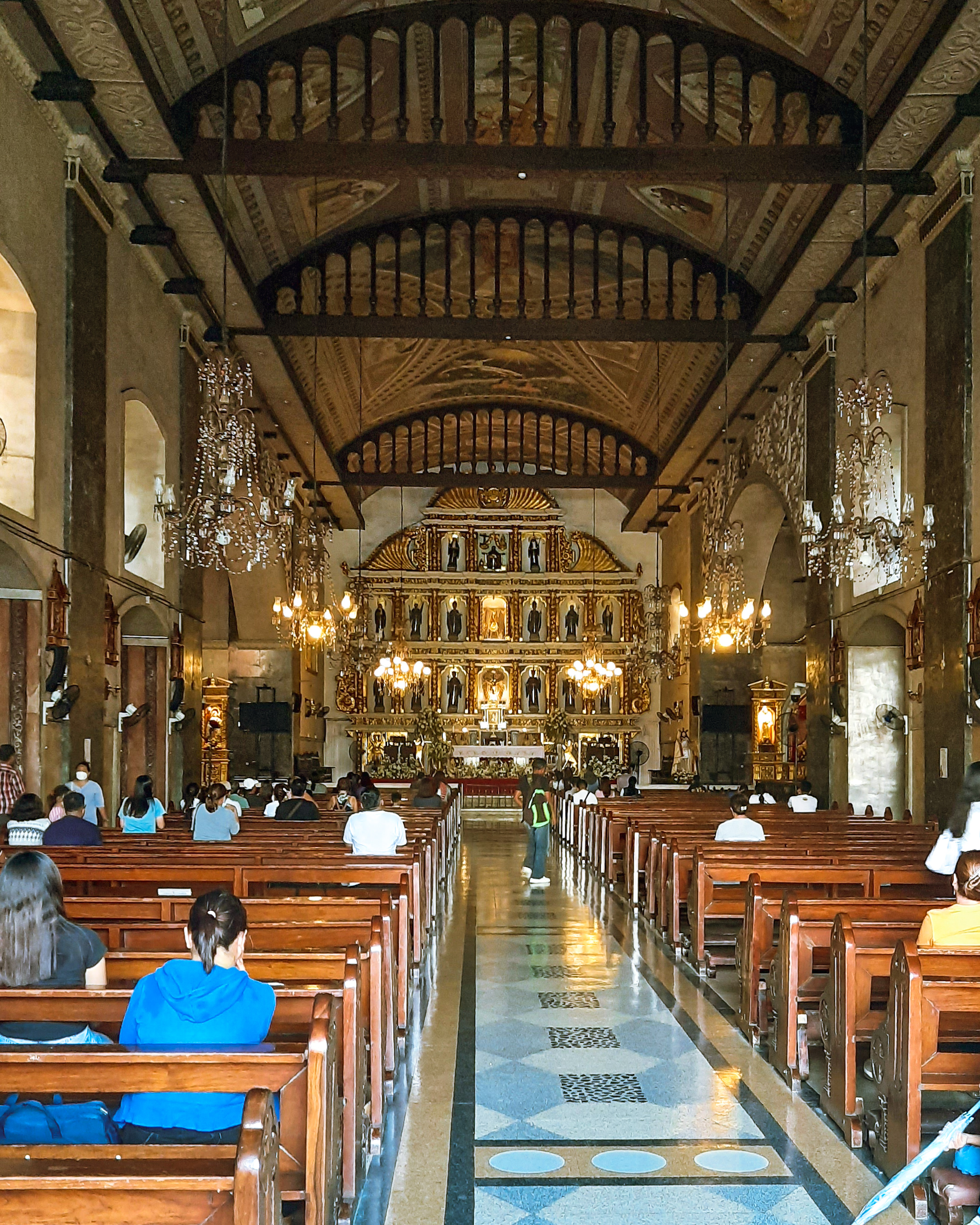
A few meters from this historical landmark is another culturally significant place that plays an important role in the city’s history and in the lives of the locals. Home to supposedly the original relic of the Holy Child Jesus, the Basilica Minore del Sto. Niño is one of the major and oldest churches in the region and in the whole country whose origins were traced back to the 16th century. Aside from housing a historical gem and being a place of worship, the church also has a convent and museum and plays a crucial part in the famous and annual Sinulog Festival of the province.

Although it was just our first whole day in Cebu, we didn’t skip on the chance of buying souvenirs in our next destination. A typical bustling commercial complex, Taboan Public Market is famous for its range of dried fish offerings that came from the different parts of the province. From danggit, and espada to dried squid, the place serves a plethora of options for people who enjoy this local dish. One shouldn’t also miss the chance of buying Cebu’s world-famous dried sweet mangoes in one of the stalls here since this is probably one of the few places in the country where you can buy them cheap starting at ₱50.
After a sweaty haggling with the local vendors, we went back to our van for a mini road trip as we make our way to Cebu-Cordova Link Expressway. Popularly known as CCLEX, this new addition to the city’s must-see spots is also worth the visit as it is currently the country’s longest bridge that spans a staggering length of 8.9 kilometers. This newly erected link connects the main island of Cebu to Mactan Island via the town of Cordova.
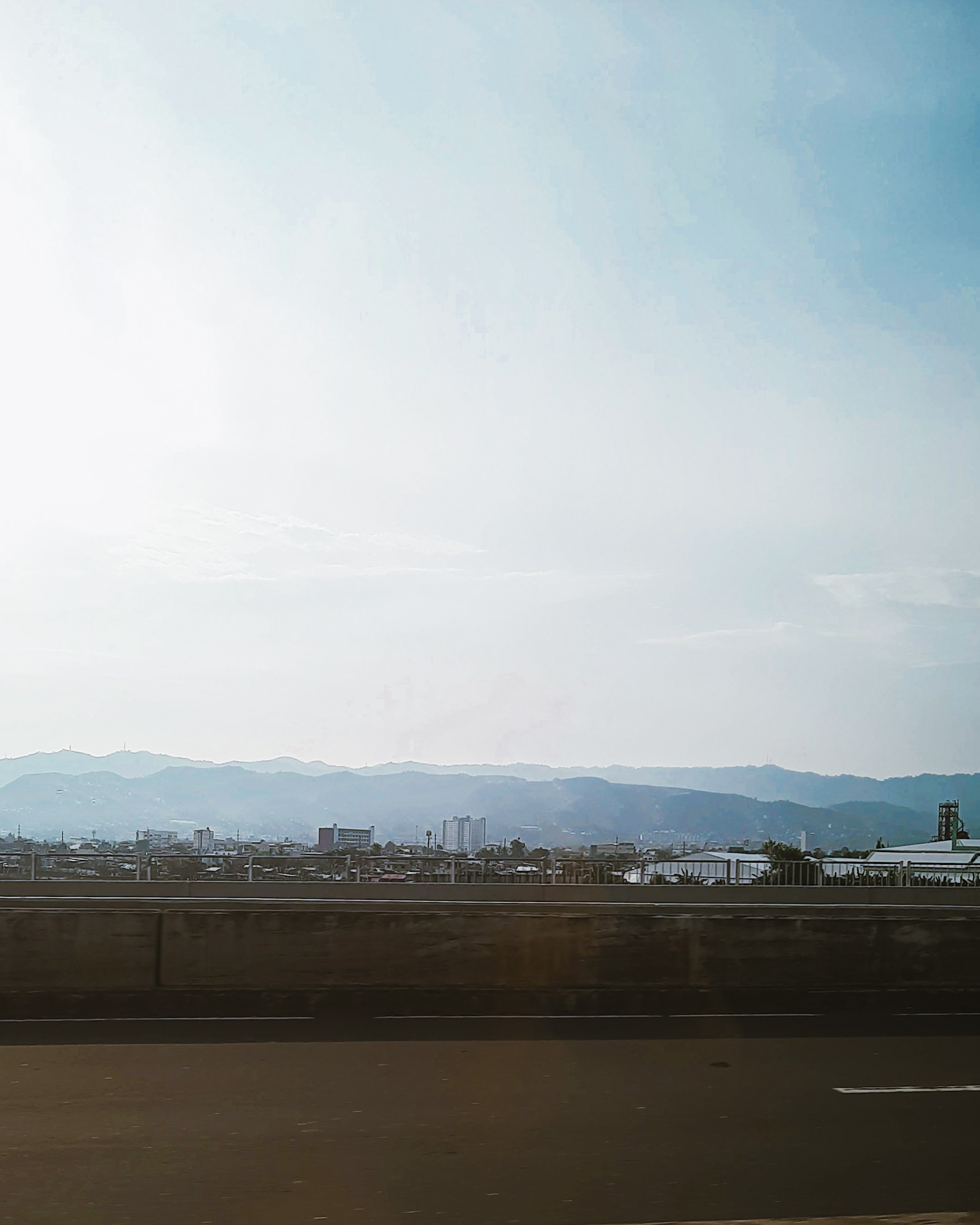
As a fan of architecture, our quick passage by this bridge was also a pleasant experience as its cable-stayed style is uncommon in the country. On top of this, the structure also provides a different and peaceful vantage point showcasing the city’s skyline amplified by the view of the nearby mountains looming over the background.
The last stop of our tour was the 10,000 Roses Café located in the municipality of Cordova. A social media favorite, this modern coffee shop has gained popularity for its garden of LED artificial roses that glow during nighttime. In addition, the place sits in front of the Mactan Channel and offers dramatic sunset views during afternoons.

Contrary to how amazing it may look in pictures, I didn’t find 10,000 Roses Café as exhilarating as one may assume. True, it is a pretty coffee shop that levels up your usual dining experience, but the main highlight of the place which is the thousands of LED roses isn’t that appealing since it is just located at the entrance. When one is dining, you’ll be sitting by the deck and will get to appreciate more of the golden sunset beaming in front of you. The price range of the café is also on the expensive side so better bring your own water bottles if you want to save more.
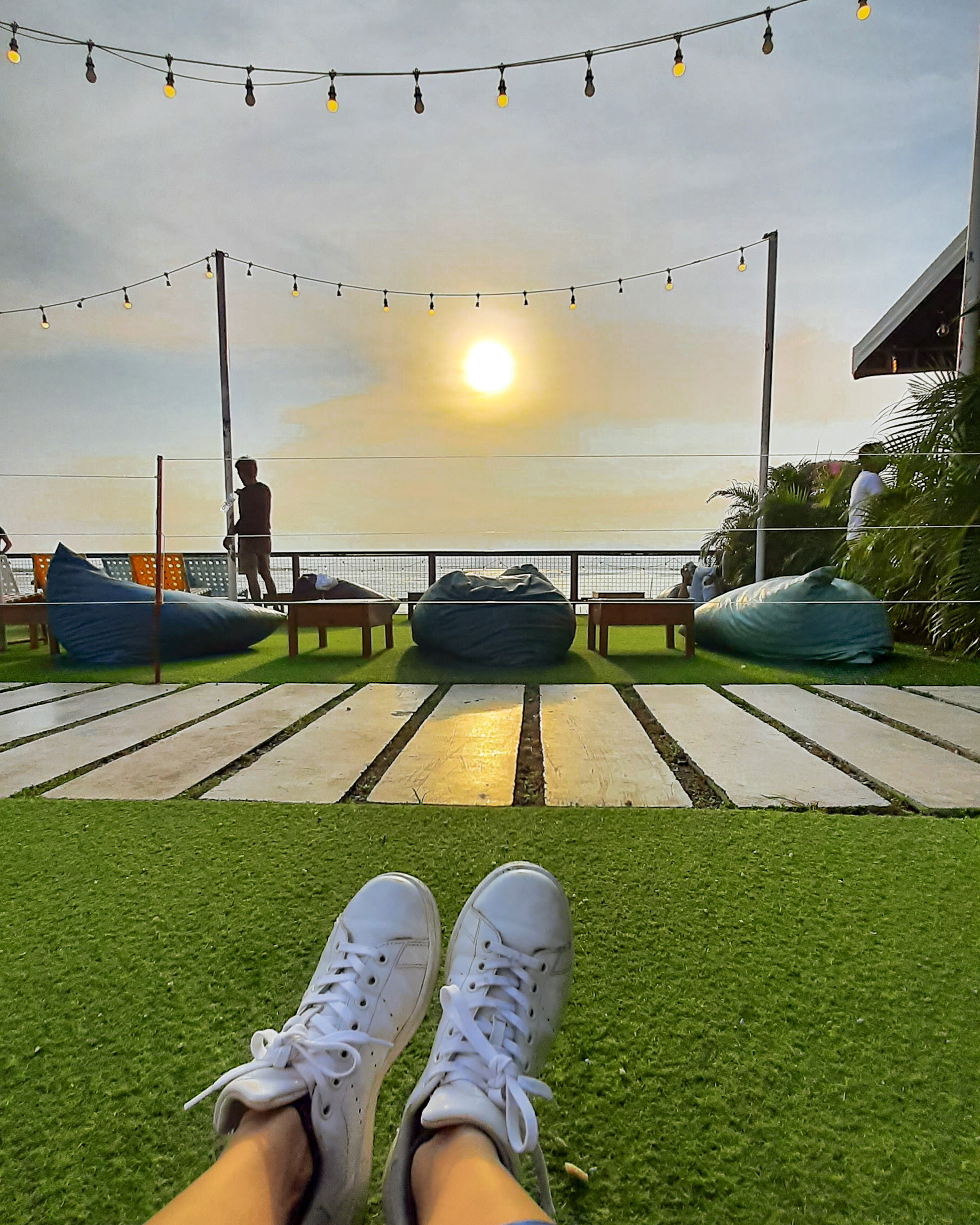
The last part of our day was spent going back to the main city and being dropped off at SM City Cebu by our driver, officially ending our tour. We also briefly toured the mall when my friend needed to buy something and noticed that, aside from the souvenir t-shirts, the branch doesn’t have much difference compared to its counterparts in Manila.
When we were able to reunite with our other friend who missed his flight yesterday with us an hour later, we didn’t skip on the chance of sealing our Cebu City experience by trying their well-known lechon in one of the branches of Rico’s Lechon. Surprisingly, my first taste of this local dish wasn’t as amazing as I expected since it tasted a bit blander compared to the ones available in Manila. However, this blandness was instantly replaced after dipping the meat and skin in the accompanying Cebuano vinegar which elevated the taste to another level. We also tried the place’s Dinuguan (₱290) and Mango Jelly (₱50) which I both found delectable, ending our first whole day in Cebu with a satisfied stomach.

It’s amusing to realize that the place that I used to doubt and call as overrated has left me wanting for more time to discover it after several hours of seeing the province. Little did I know that the journey was just starting because Cebu is yet to surprise me as we make our way to Bantayan Island as our next destination.
If you also find this post useful, you can help me create more travel and hiking guides in the future! Just tap on my Ko-fi or Buy Me a Coffee profile to get started, or share this post with your friends or socials for free!
Discover more Philippine destinations!





Leave a reply to 4-Day Siargao Travel Guide: How to Go, Where to Stay, Things to Do – Graphic Wanderlust Cancel reply