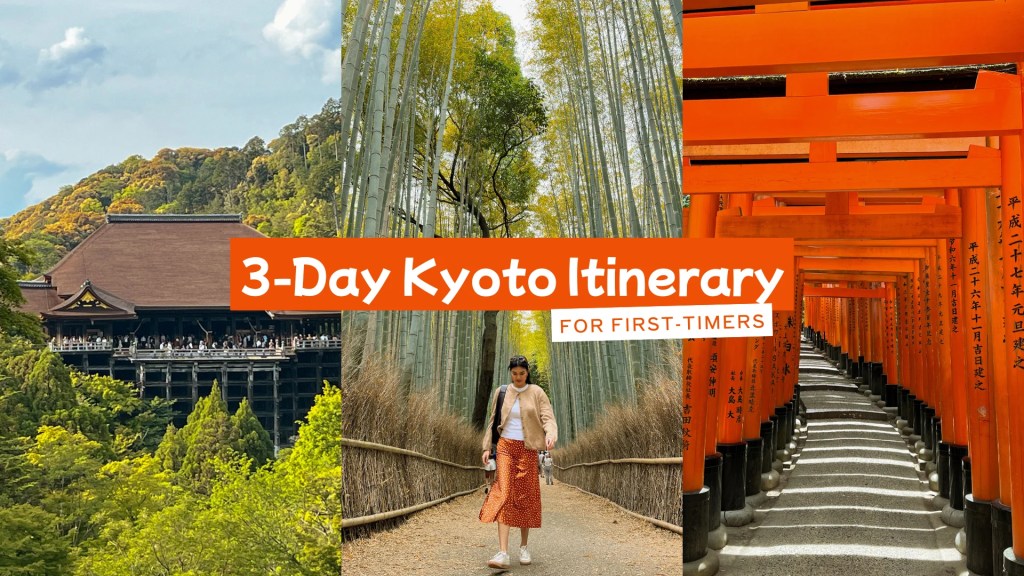

There is something magnetic about Kyoto, which has always held a deeper appeal to me than Japan’s bustling capital, Tokyo. So when I learned that it served as the country’s former capital for more than 1,000 years, that mysterious pull suddenly made sense to me as a history lover. That is why, unlike most first-time travelers to Japan, I skipped the usual Tokyo itinerary and headed straight for the Kansai region, where Kyoto is located.
From exploring the popular sights of Fushimi Inari Taisha and Arashiyama Bamboo Grove to visiting the historic sites of Kiyomizu-dera and the geisha district of Gion, here’s a handy 3-day Kyoto itinerary and travel guide for first-time travelers looking to unravel Japan’s cultural capital.
Table of Contents
- Kyoto Fast Facts
- Best Time to Visit Kyoto
- How to Get to Kyoto
- How to Get Around Kyoto
- Where to Stay in Kyoto
- Things to Do in Kyoto
- Sample 3-Day Kyoto Itinerary
- Kyoto Travel Tips
Kyoto Fast Facts
- Visa: Required for Philippine passport holders; visa-free for over 70+ countries
- Travel requirements: Valid visa (if required) and passport, completed Visit Japan Web
- Currency: Japanese Yen (¥)
- Major language: Japanese
- Major religion: Buddhism, Shinto
- Timezone: Japan Standard Time (GMT+9)
- Seasons: December to February (Winter); March to May (Spring); June to August (Summer); September to November (Autumn)
- Best time to visit: March to April (cherry blossom season); October to November
- Modes of transportation: Trains, subways, buses, taxis and bicycles
- Payment methods: Cash (local merchants), ICOCA/digital IC card (public transportation and most retail establishments), credit card, i.e., Mastercard & Visa (big establishments)
- Power plug & socket type: Type A and B
ALSO READ: Japan Visa Application in the Philippines: First-Time Guide
Best Time to Visit Kyoto
Spring: March to April
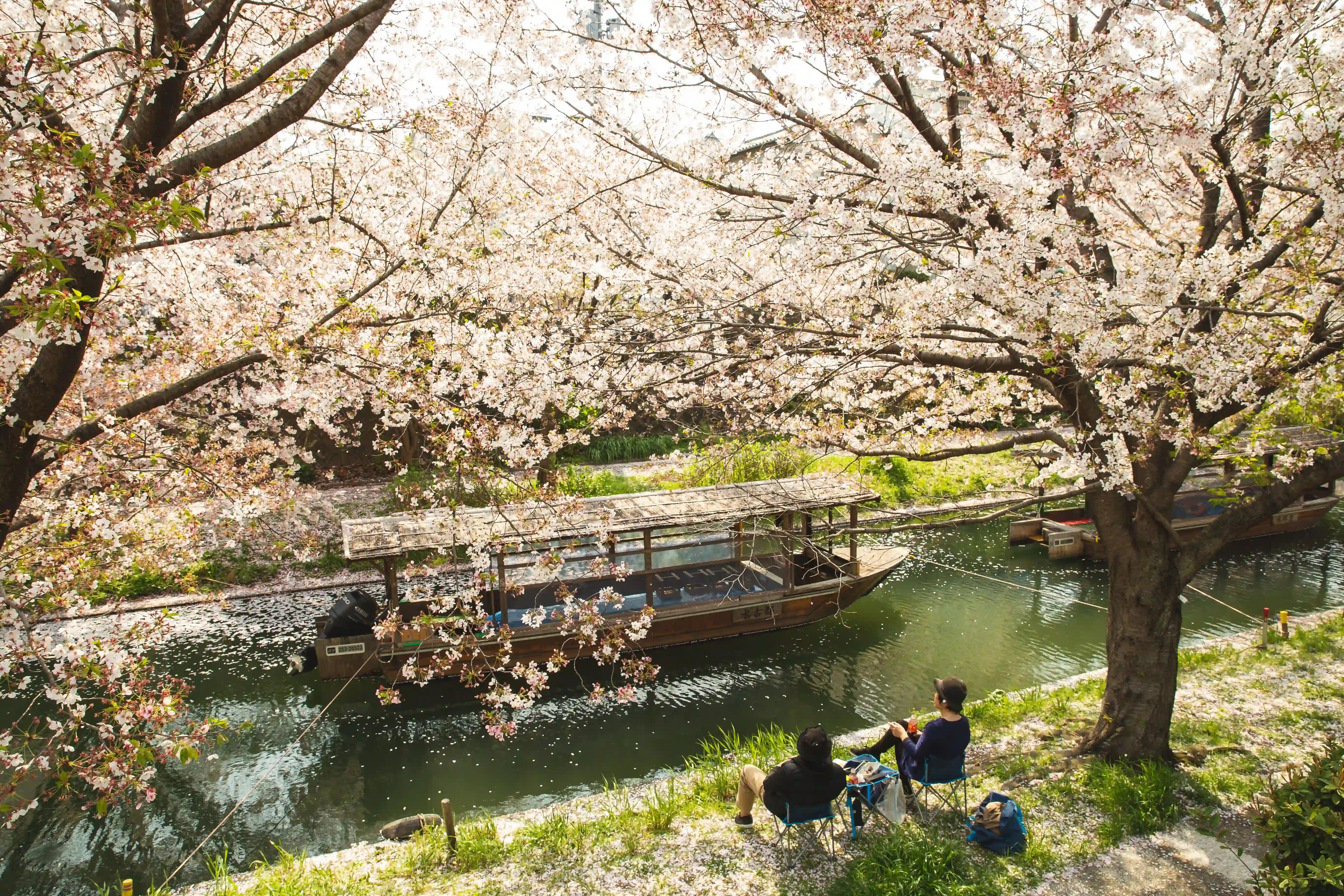
Similar to most parts of Japan, the best time to visit Kyoto is during its cherry blossom or sakura season, which runs from March to April.
Dotted with historic temple grounds and Zen gardens, Kyoto is home to some of the best landscapes in Japan, and visiting during its sakura season rewards visitors with a scenic view of cherry blossom trees in full bloom, filling the city’s streets with soft pink hues.
The weather during these months is also comfortably mild, with warm sunny days and chilly evenings, ranging from 4°C to 19°C.
Nonetheless, these months are also considered to be peak tourist season, so expect to see a swarm of tourists at major landmarks and popular sakura viewing spots.
Autumn: October to November
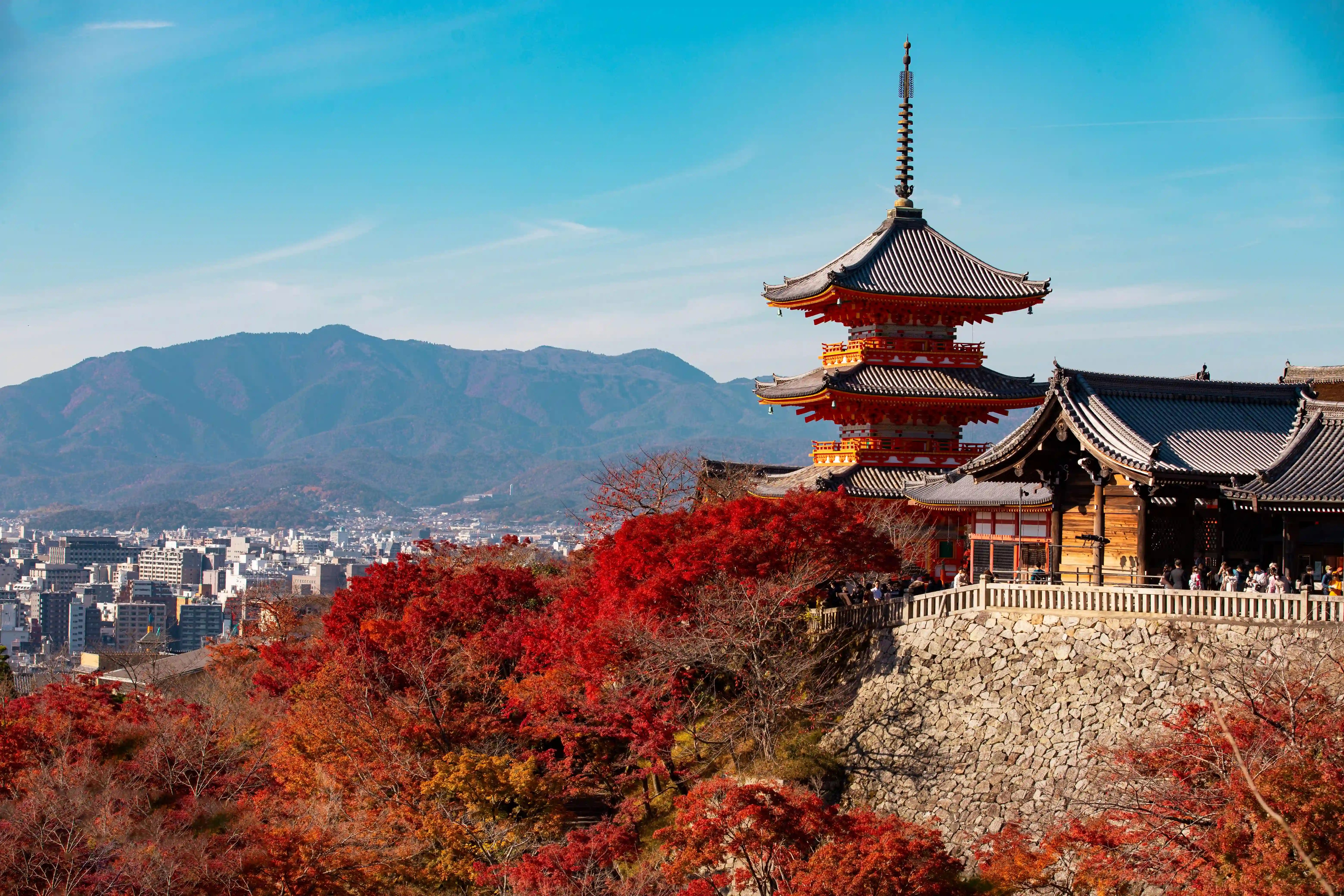
The autumn months of October to November are a good alternative to the hectic spring months, with Kyoto’s dense foliage turning into bright fiery orange and deep reds. These vibrant colors result in picturesque temple grounds and gardens minus the crowds.
Weather-wise, these months also boast comfortable temperatures that range from 8°C to 22°C, with generally warm sunny days and crisp, cold evenings.
Shoulder Season: May
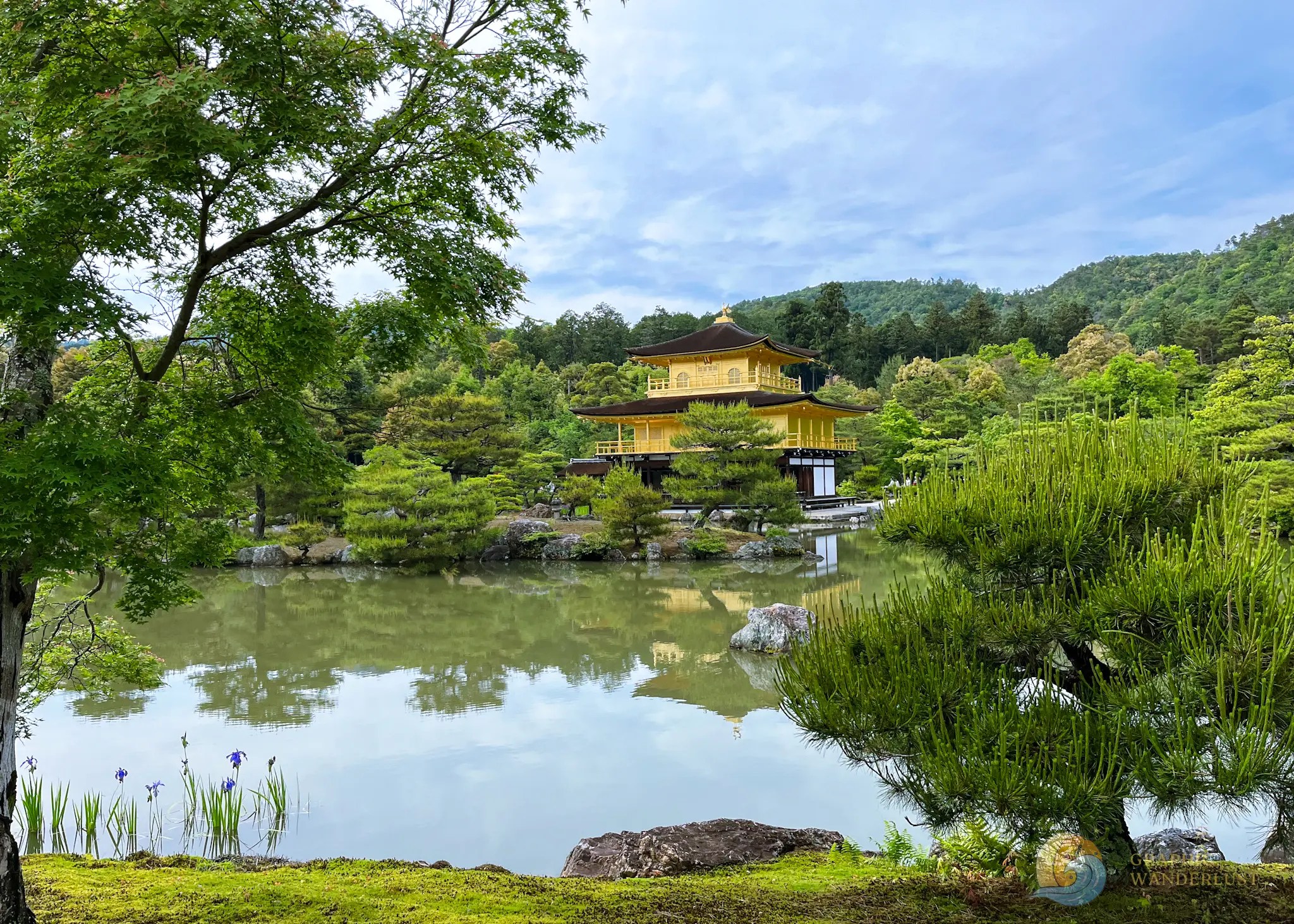
The period after Japan’s Golden Week (a national holiday from the last week of April to the first week of May) is also one of the best times to see Kyoto in full and was also the same time when I visited the city for the first time!
Noted for its generally sunny and clear weather, Kyoto’s scenery during this time of the year is vibrant with its fresh green foliage and late-spring blooming flowers.
The cherry blossom traffic and Golden Week domestic crowd have dwindled by this time, so prices go lower due to the smaller number of tourists.
Nonetheless, daily temperatures can get warm during the day, soaring up to 29°C, while evenings observe milder and breezy temperatures of 20°C. During my three-day trip, there was also a one-time spring shower in the middle of the day, which, nonetheless, immediately passed after 30 minutes of continuous rain.
How to Get to Kyoto
Whether you’re coming from outside of Japan or transiting from another city, here are the different options to choose from when traveling to Kyoto:
By plane
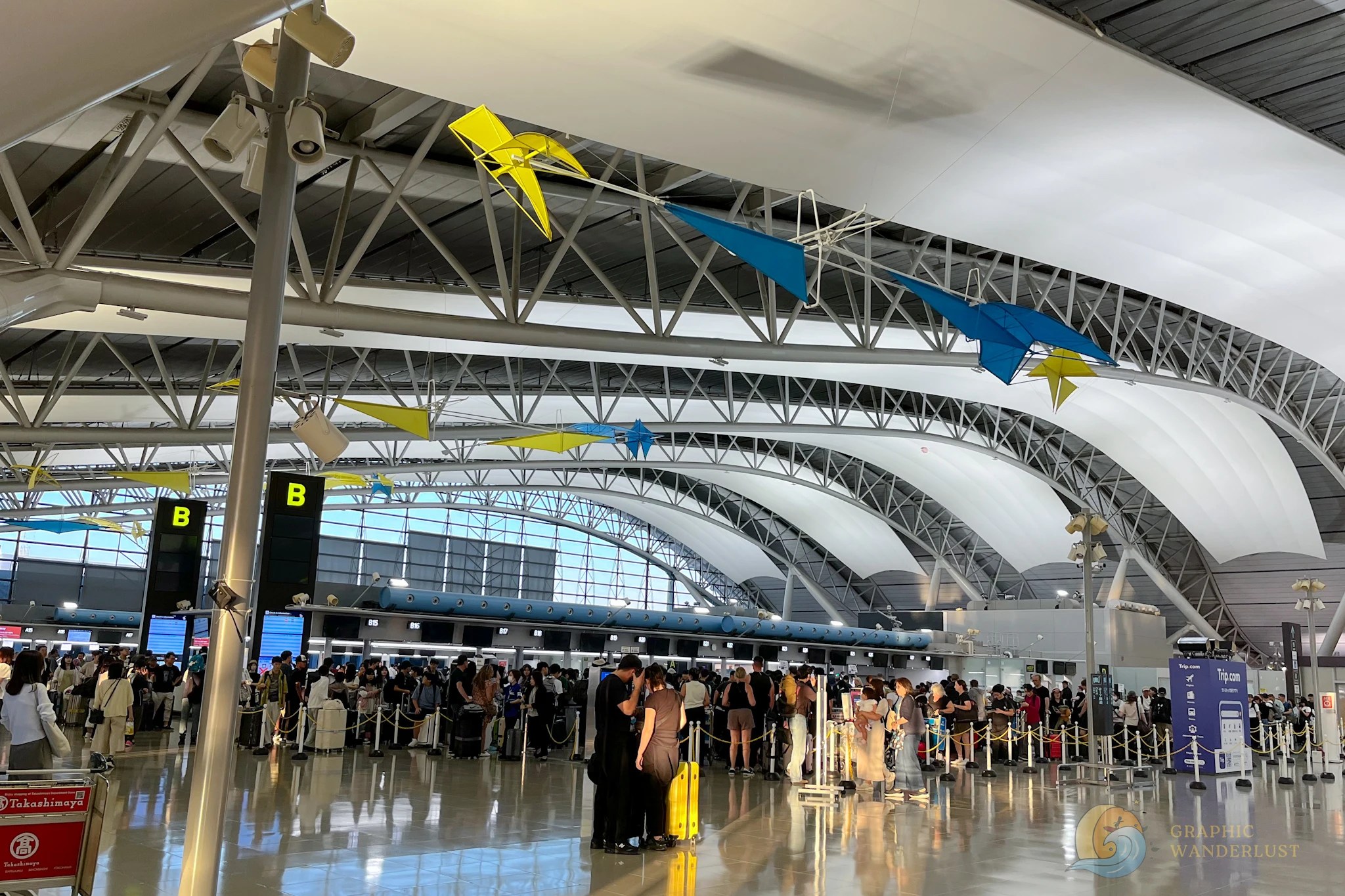
Unlike its neighboring city, Osaka, Kyoto doesn’t have its own airport and is mostly accessible through its nearest and the region’s main point of entry for international flights, Kansai International Airport (KIX). For travelers coming from Tokyo and other parts of Japan, the Osaka Itami Airport (ITM) serves as the region’s domestic hub.
From here, inbound travelers can choose from various transportation options bound for Kyoto, including express railways, buses, and private airport transfers.
For my trip, I booked with Jetstar Japan to fly into Kansai International Airport from Manila, where I scored a round-trip flight ticket for ₱22,433.17, a month and a half before our scheduled departure and after securing my visa.
Book your Manila to Kansai flight here!
By train
From Kansai International Airport
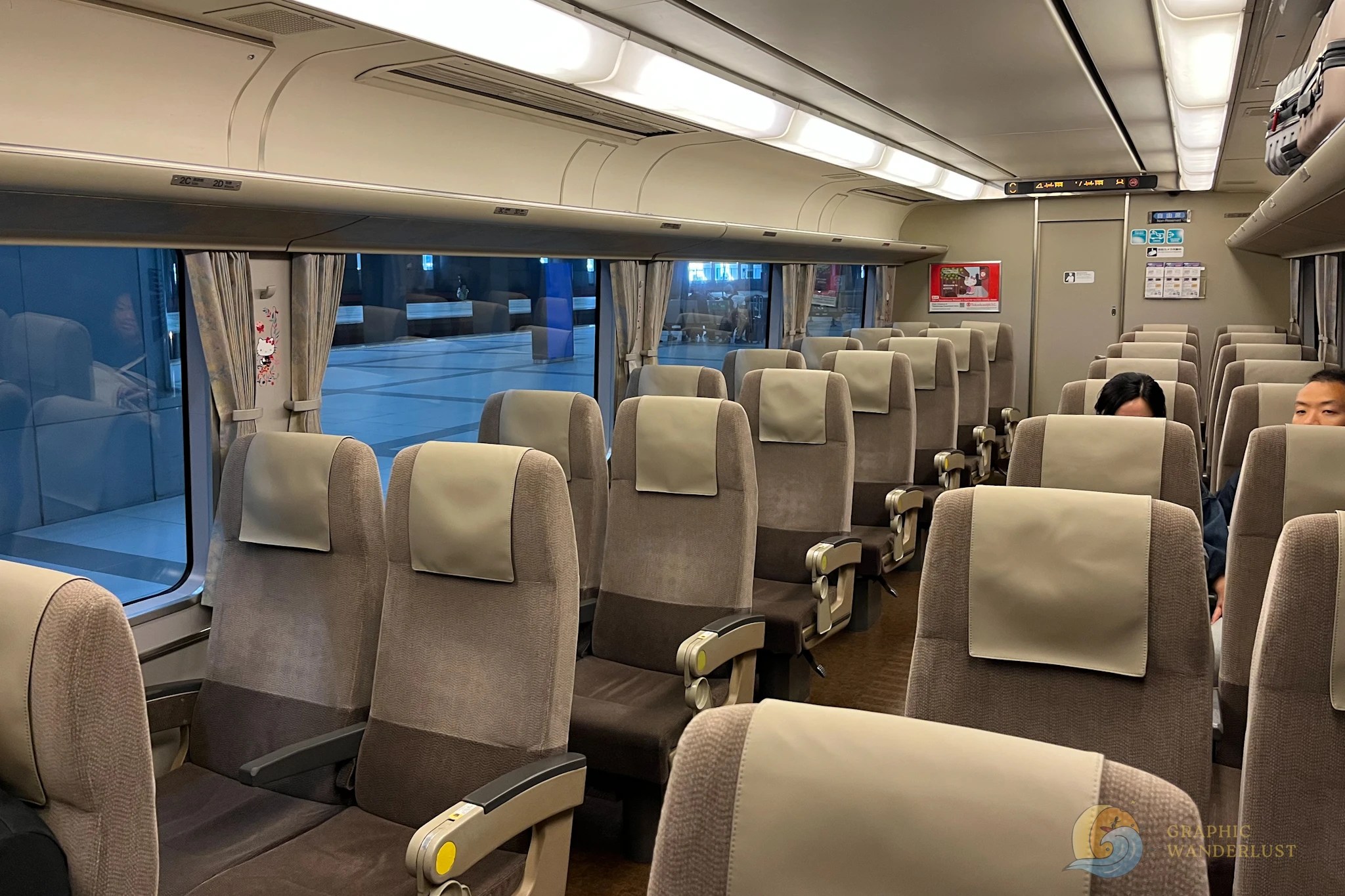
If coming from Kansai International Airport, there are two efficient options to choose from when traveling to Kyoto by train:
- JR Haruka Express: The fastest and most convenient option, the JR Haruka Express by JR West cuts the typical two-hour travel time from Kansai Airport to Kyoto by 30 minutes and only stops at four stations. Each coach is specifically designed for transit, with a dedicated luggage area and reserved and non-reserved seating options. Tickets cost over ¥3,000, but you can get cheaper ones by booking online through Klook, which is what we did for this itinerary.
- Kansaikuko and Tokaido-Sanyo Lines: For a cheaper yet still convenient option, take the Kansaikuko Line from Kansai Airport Station to Osaka Station and transfer to the Tokaido-Sanyo Line to reach Kyoto Station. This route only costs ¥1,860 and requires only one train transfer. Nonetheless, travel time is significantly longer, at nearly two hours, and coaches don’t have designated luggage areas, so you’ll have to keep your suitcases close or opt for a luggage delivery service if you have the budget.
😻 Kawaii Travel Tip: If you're a fan of Sanrio, the JR Haruka Express is known for its Hello Kitty-themed coaches!
From Osaka
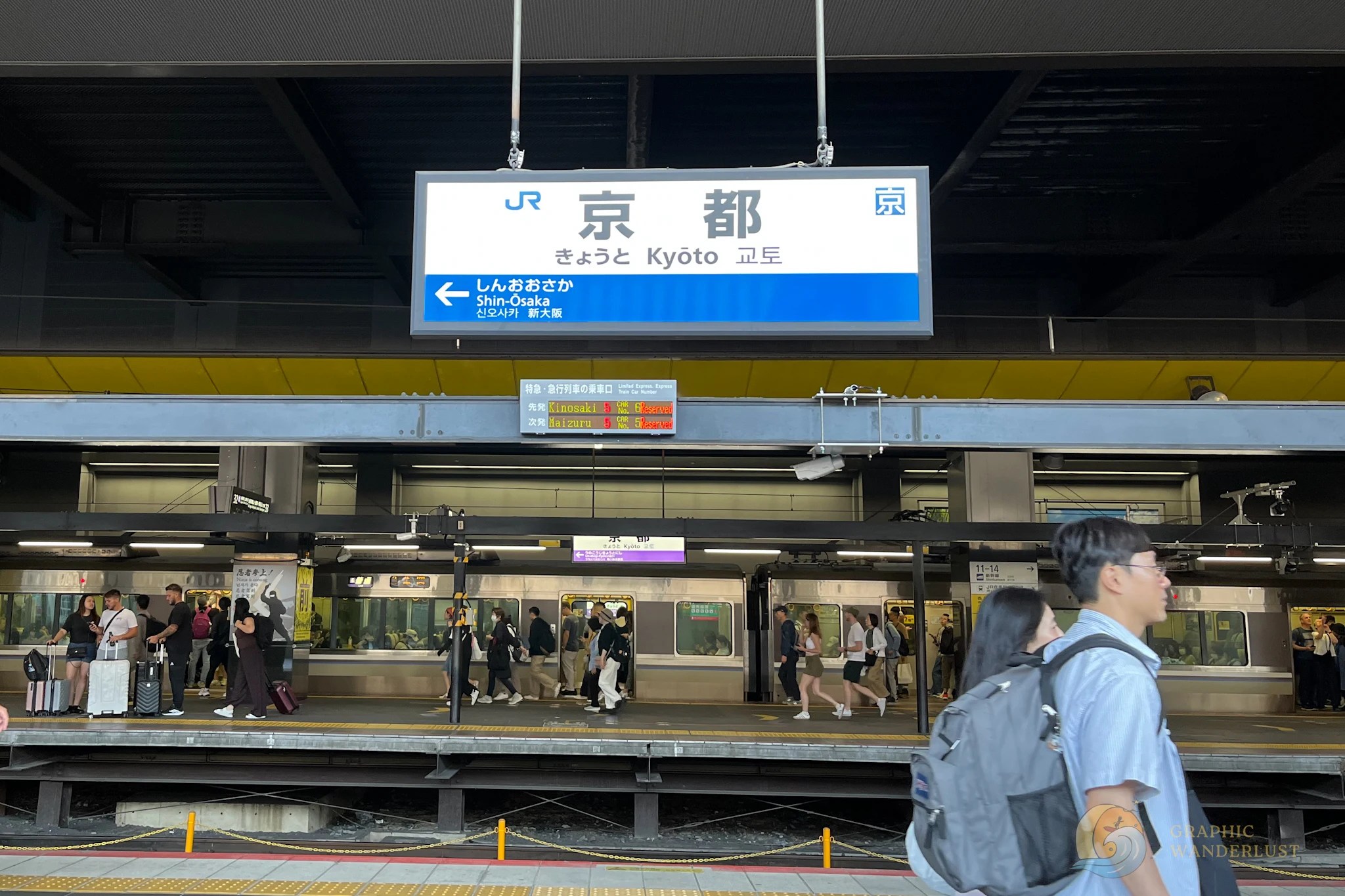
If you’re already in the Kansai region and staying in the heart of Osaka, traveling from the city to Kyoto is seamless with the following options:
- JR Tokaido-Sanyo Line: For travelers heading to Kyoto Station, board a train at Osaka Station and get off at Kyoto Station after 30 minutes for ¥580.
- Hankyu-Kyoto Line: For travelers heading directly to Downtown Kyoto, Gion, or Nishiki Market, board the train from Osaka-Umeda Station and get off at Kyoto-Kawaramachi Station for ¥410.
- Hankyu-Kyoto and Arashiyama Lines: For travelers heading to the famous Arashiyama Bamboo Grove, ride the train from Osaka-Umeda Station and transfer to the Arashiyama Line at Katsura Station. From here, board the train and get off at Arashiyama Station for ¥410.
- Keihan Main Line: For an alternative route going to Gion or for travelers heading to Fushimi Inari Taisha, board the train at Yodoyabashi Station and get off at Gion-Shijo Station for ¥490 or Fushimi Inari Station for ¥480, respectively.
⚠️ Travel Tip: Buy a contactless IC card like an ICOCA (Kansai region) or a tourist Welcome Suica (Tokyo) to tap seamlessly through train gates without buying tickets every ride. They double as digital cash, allowing you to easily pay at vending machines, convenience stores, and souvenir shops. You can also add them directly to your Apple Pay wallet for maximum convenience.
From Tokyo
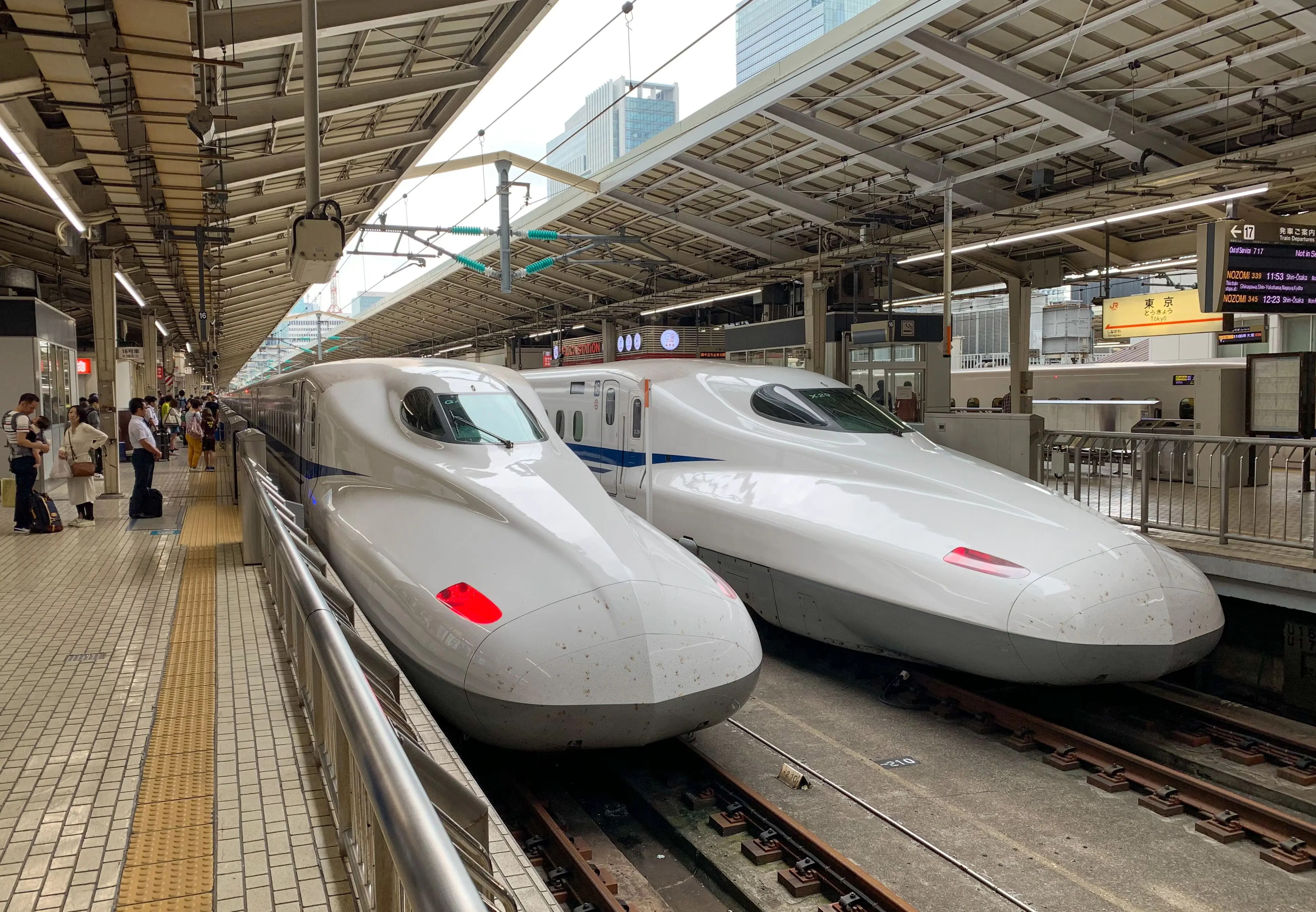
Japan is famous for its fast bullet trains, or Shinkansen, and if you want to try them for the first time, traveling from Tokyo to Kyoto is one of the best and most scenic ways to experience them through the Tokaido Shinkansen operated by JR Central.
Departing from either Tokyo Station or Shinagawa Station, there are three train options to choose from when taking the Tokaido Shinkansen to Kyoto. Ticket prices start at ¥13,320 and can be purchased on the smartEX website, on Klook, or directly at ticket counters:
| Train | Travel Time | Stops | Standard Fare (Non-Reserved) | JR Pass Coverage |
|---|---|---|---|---|
| Nozomi | 2 hrs and 10 mins | 3-4 | ¥13,320 | Not fully covered (requires an additional ¥4,960 supplement fee) |
| Hikari | 2hrs and 40 mins | 5-9 | ¥13,320 | Covered |
| Kodama | 3hrs and 40 mins | 14-16 | ¥13,320 | Covered |
- Nozomi: The fastest and world-famous Shinkansen on Japan Railways, with a speed of 285km/hour, traveling on Nozomi from Tokyo to Kyoto takes around only two hours and ten minutes and has only four stops along the way. Out of the three, this train is also the most frequent, with 13 departures per hour.
- Hikari: Balancing affordability and speed, Hikari trains are the affordable Shinkansen option when traveling to Kyoto without sacrificing travel time. For two hours and 40 minutes, travelers can easily reach Japan’s cultural capital. However, this route passes through major cities, so expect more train stops than Nozomi along the way.
- Kodama: The longest route on the list, Kodama is comparably the slowest option, with an estimated travel time of three hours and 40 minutes to reach Kyoto. Unlike the first two, this route stops at an estimated 16 stations, including the small towns along its way.
⚠️ JR Travel Tip: If you have a nationwide Japan Rail Pass, be aware that it cannot fully cover a Nozomi ticket. Riding the Nozomi requires an additional ¥4,960 supplement fee each way. However, if you ride the Hikari or Kodama trains, your Japan Rail Pass covers your ticket completely.
By bus
For more budget-friendly and convenient alternatives, buses are also a popular choice for reaching Kyoto without the hassle and struggle of navigating train lines and carrying heavy luggage.
Whether you’re coming from Tokyo or landing at Kansai Airport, here are the two main bus options directly going to Japan’s former capital.
Kansai Airport Limousine Bus
Operated by Kansai Airport Transportation Enterprise (KATE), the Airport Limousine Bus is a shuttle service that seamlessly takes inbound airport travelers to major cities in the Kansai region, including Kyoto.
For ¥2,800, one can reach Kyoto in an hour and a half without the hassle and stress of train transfers or hauling luggage. Buses also follow a fixed timetable and designated pick-up points that travelers can use as references when planning their trips.
For Kyoto-bound buses, the earliest departure starts at 6:45AM at Kansai Airport Terminal 1, and 9:37AM for passengers embarking at Kansai Airport Terminal 2. The latest departure is at 11:20PM and 11:07PM, respectively.
Similar to the airport railways, Kansai Airport Limousine Bus tickets can be purchased online on Klook or at physical ticket counters at bus stops.
⚠️ Travel Tip: Kansai Airport Limousine Bus limits each passenger to up to two pieces of luggage only, with a maximum combined weight of 30kg and not exceeding two meters in length.
Highway Bus
For budget travelers coming from Tokyo who don’t mind having an extra travel time, the highway buses departing from various pickup points in the city have also become the most affordable way to reach Kyoto and to beat the steep prices of Shinkansen tickets.
Starting at ¥3,300, travelers can easily reach Japan’s cultural capital after seven to eight hours. Tourists also have multiple options to make their trip more convenient and comfortable by choosing either a daytime or nighttime trip and selecting premium bus lines for elevated service.
Some tourist-friendly and popular bus lines servicing the Tokyo-Kyoto route include the Willer Express and VIP Liner. You can also book tickets on Klook for convenience.
By private transfer
Lastly, the most convenient and comfortable option on this list, especially for travelers with children, the elderly, or traveling in a big group or luggage, private airport transfers are the ultimate hack for a seamless transit to Kyoto.
Depending on the number of passengers and the size and type of the vehicle, the cost of private transfers varies. Most package deals also include an English-speaking driver for convenience. Nonetheless, private transfer prices are also known to be expensive due to their nature.
For seamless travel, you can book private transfers to Kyoto through Klook or GetYourGuide.
How to Get Around Kyoto
Once you have finally reached Kyoto, the next thing that you might have to do is to navigate your way to your booked accommodation or go to your first destination. Unless you have a pre-booked service or tour to go to these places, there’s a 100% chance that you’ll use Kyoto’s public transportation to explore the city.
To give you a primer on the city’s public transportation system, here are the different options to choose from when going from one destination to another.
Getting an IC Card
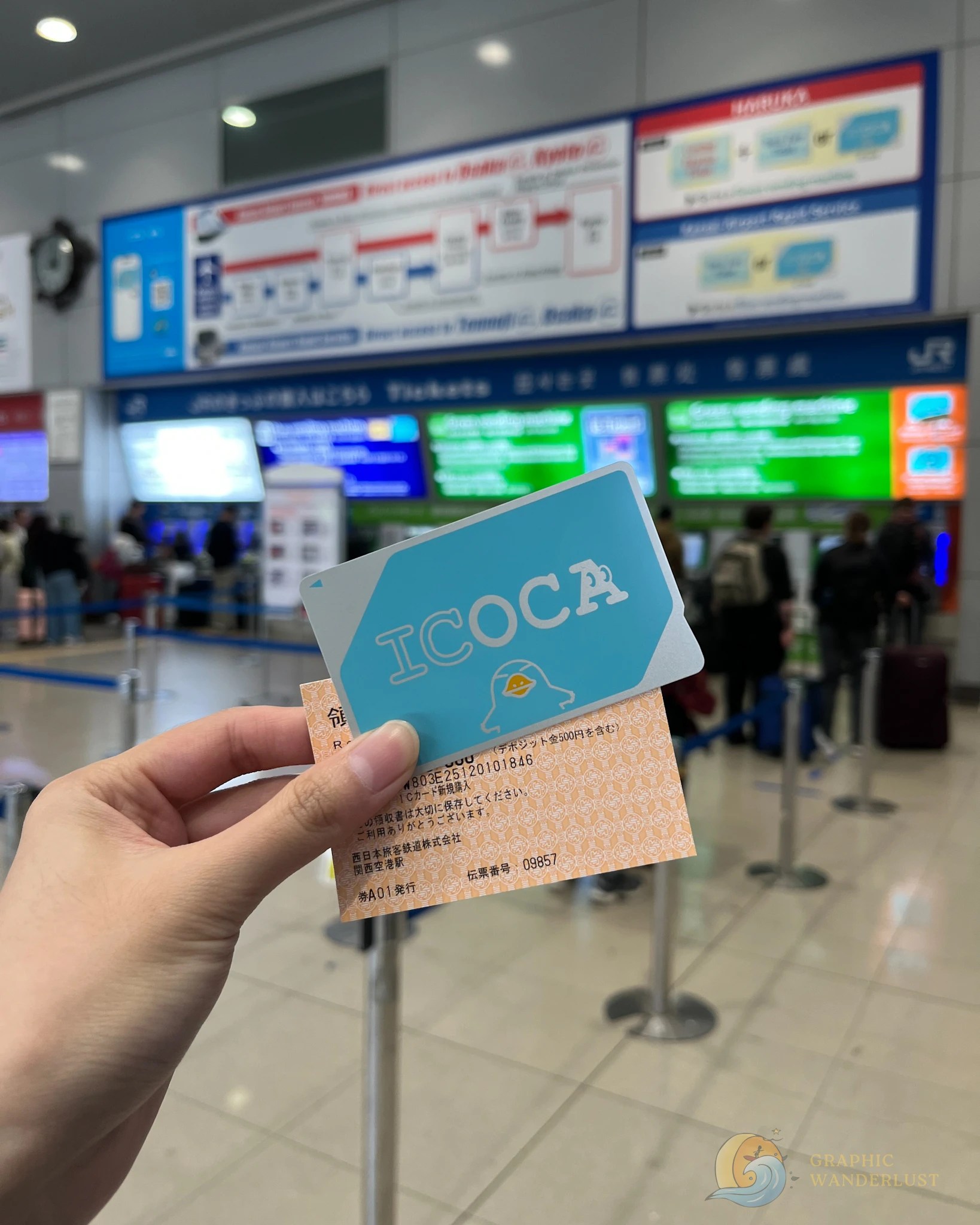
To ensure convenience when navigating Kyoto’s railway and subway network, it is highly suggested to get an IC card for seamless public transit. This contactless card functions as digital cash that you can conveniently use in train stations, buses, convenience stores, vending machines, and even souvenir shops.
Assuming that you’re coming to Kyoto from another country, you can easily get an ICOCA card or the Kansai region’s IC card at major train stations like Kansai Airport Station and Kyoto Station. When purchasing one, be aware that you have to pay the deposit fee of ¥500 on top of your topped-up amount.
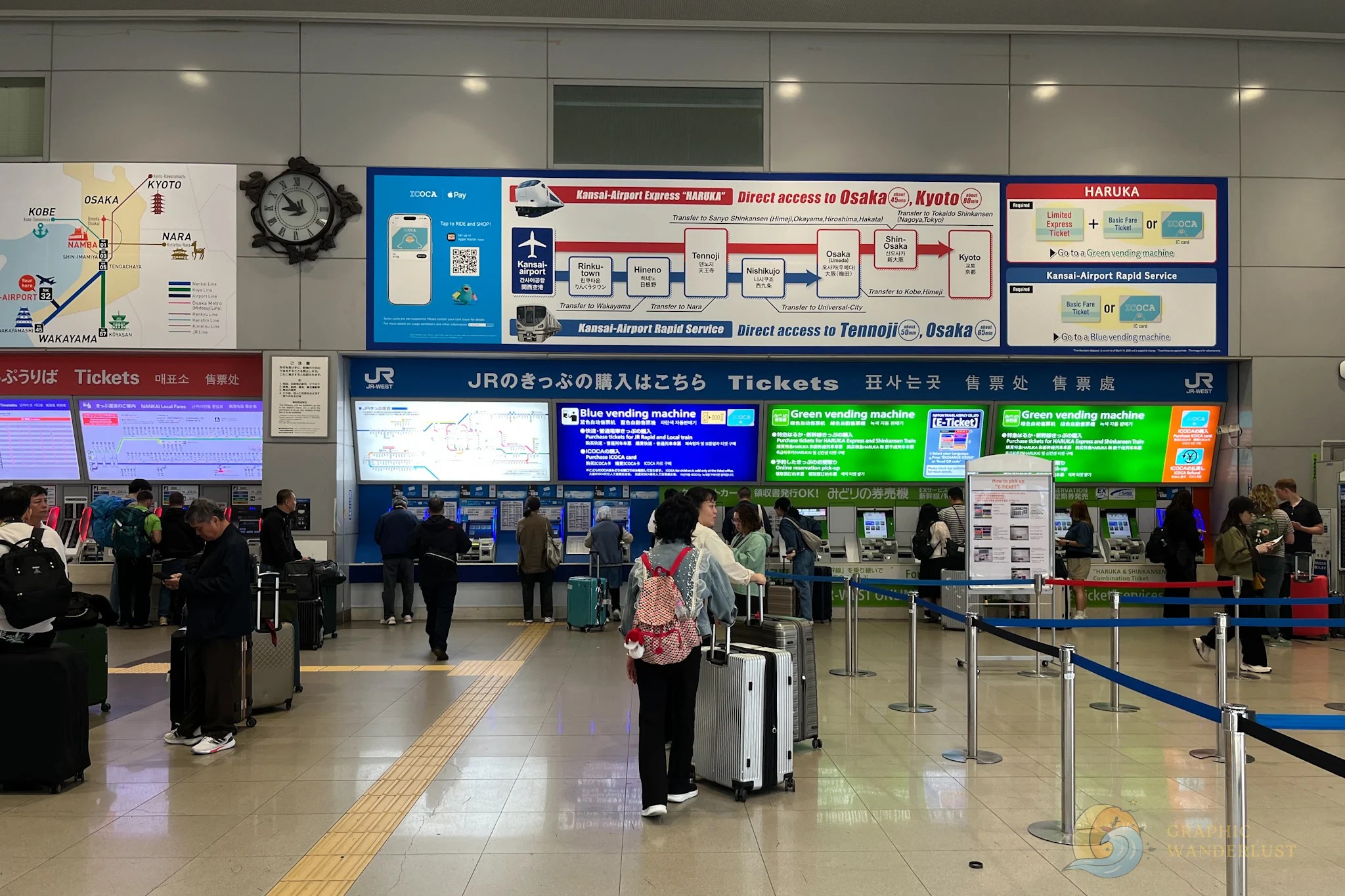
For my seven-day trip in the Kansai region, I topped up a total amount of ¥9,500, mainly used in public transportation, and left Japan with still ¥30 left.
For travelers coming from Tokyo, your tourist Welcome Suica also works in Kansai.
By train
Japan is known for its efficient network of train systems, and similar to the capital, Tokyo, most major tourist destinations in Kyoto are also easily accessible through the various railways and subways that ply across the city.
Kyoto Station is the major transportation hub of the city and is also the place where most railway systems and subway lines intersect, creating an efficient transit system.
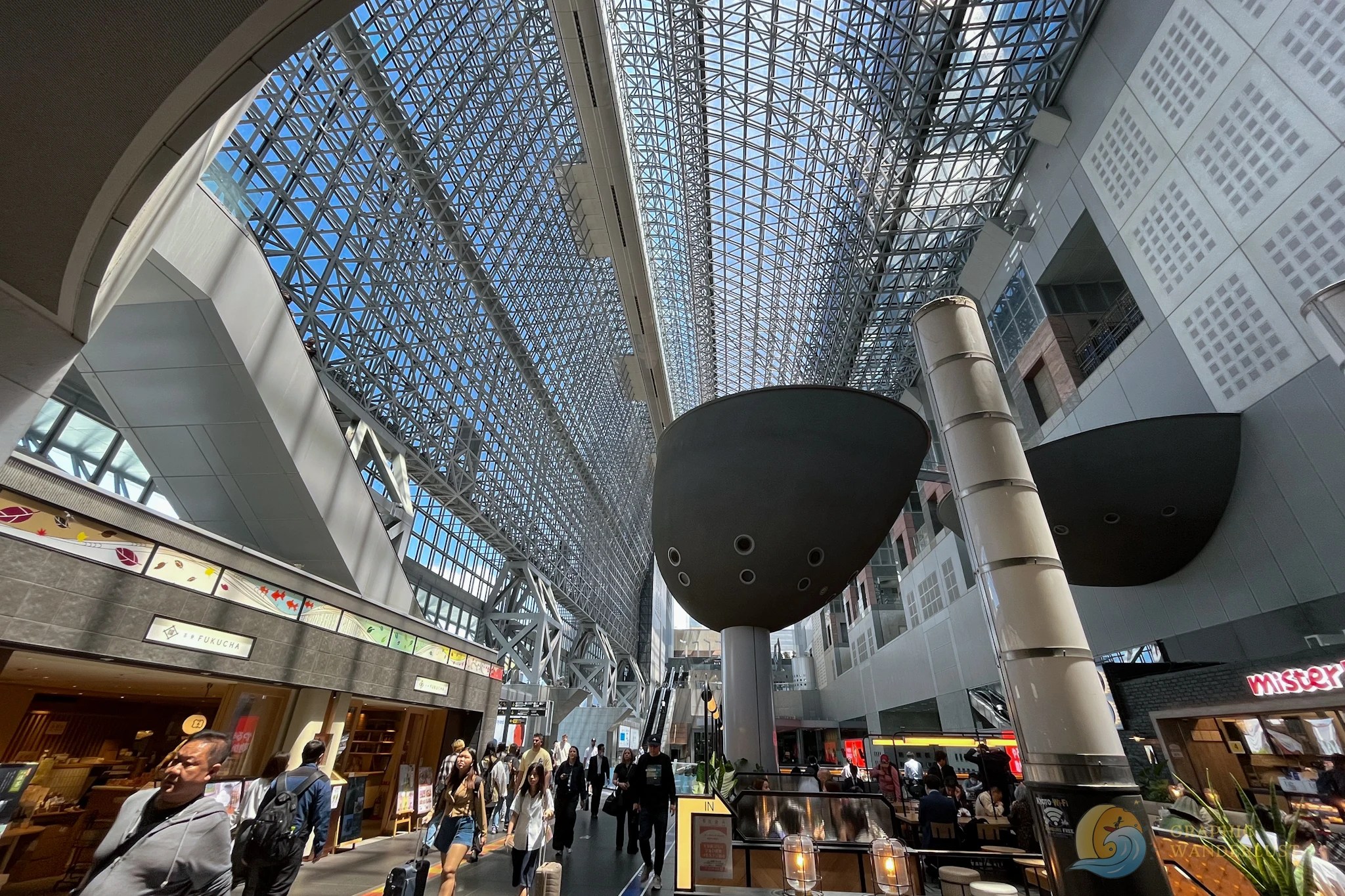
In my three days in Kyoto, here are the following train and subway lines that I used in traveling to major tourist spots:
- Karasuma Line: The city’s subway system that connects the northern and southern parts of Kyoto. Tourist hotspots near this line’s stations include The Museum of Kyoto, Kyoto Imperial Palace, and Kyoto Botanical Gardens.
- Tozai Line: The subway line that runs from the eastern to the western parts of Kyoto. Take this line when going to Arashiyama Bamboo Grove and Nijo Castle.
- Keifuku Line (Randen) – The tram line that connects tourist spots in Northwestern Kyoto and is the same one to take to head to Arashiyama Bamboo Grove, Kinkaku-ji, Ryoan-ji, and Ninna-ji temples.
- Keihan Main Line: The train line that runs through the eastern part of Kyoto and has stops near Fushimi Inari Taisha, Tofuku-ji Temple, Kyoto National Museum, Gion District, and Pontocho Alley.
- Hankyu Line: Divided into Arashiyama and Kyoto Lines, this train connects western Kyoto with the downtown area. Take this line when going to Arashiyama Bamboo Grove, Nishiki Market, Pontocho Alley, and the Gion District.
By bus
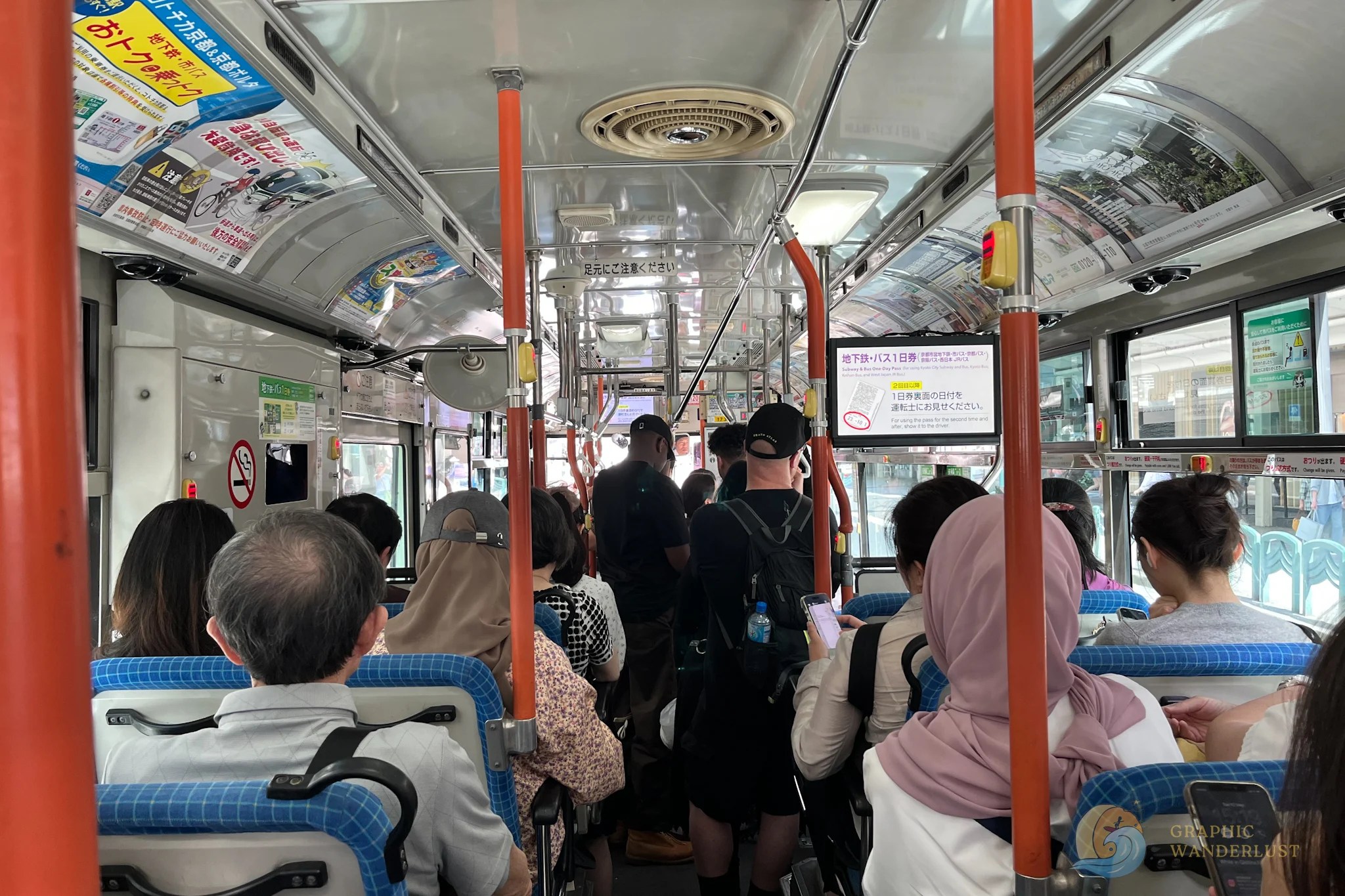
Although most are connected to nearby train stations, some major Kyoto tourist spots are far from the lines and require either walking or another mode of transportation to reach them.
That’s when city buses come in handy, as they usually have stops near these far-flung destinations. Examples of these are the temples of Kiyomizu-dera, Ginkaku-ji, Kinkaku-ji, Ryoan-ji, and Ninna-ji.
In my experience, boarding city buses is easy by following the directions in Google Maps. Just go to the nearest bus stop and take note of the bus number you’re taking. However, unlike in other cities and countries, vehicles in Kyoto drive on the left side of the road, so take note of this when boarding a bus from a bus stop to avoid getting lost or disoriented (which is what happened to us!).
Fare payments can be made in cash or by tapping your IC card before leaving the bus.
⚠️ Travel Tip: Refrain from taking the bus if you're traveling with luggage, as they are prohibited on board.
By taxi
For convenience and better comfort, taxis are also among the handful of options for navigating Kyoto.
With a base fare starting around ¥600, Kyoto taxis are the best option to choose for tourists traveling in big groups or as a family. Furthermore, riding one is an experience in itself, especially if you hail a Toyota Comfort or Toyota Crown Comfort, which feels like being transported back to the 90s with its vintage look.
Similar to most countries, you can hail a Kyoto taxi in any part of the city or ride one at a train station. Just be aware that not all drivers can speak English, so prepare a translator on hand when you board.
By bicycle
A popular mode of transport among locals, as I observed, bicycles are also one of the best options for exploring Kyoto, especially for adventurous travelers who want to explore the city at their own pace.
Starting at ¥1,000 per day, bicycle rental shops are scattered around Kyoto, with the Kyoto Cycling Tour Project leading the list and having a nearby store at Kyoto Station, offering a diverse range of choices from simple city bicycles to high-performance ones. Other popular options include J-Cycle and Kyo no Raku Chari.
For interested travelers, there are also bike tours in Kyoto that come with an accompanying English-speaking guide.
Where to Stay in Kyoto
For first-timers, there are three best areas to stay in Kyoto to maximize sightseeing and proximity to dining spots. Depending on one’s preference, here are the Kyoto districts to choose from when picking an accommodation to stay in the city for the first time.
Downtown Kyoto (Best for First Timers)
For quick access to train stations, dining hotspots, and a handful of attractions, the area of Downtown Kyoto, or locally known as Nakagyo Ward, is the best district to stay for travelers seeing the city for the first time.
Dotted with various types of accommodation from luxury, business, and budget hotels to the traditional ryokan (Japanese-style inns), Downtown Kyoto is brimming with activity that tourists can easily navigate, ranging from shopping arcades, cafes, restaurants, to izakaya (Japanese pub).
Popular tourist spots in the area include Nishiki Market, Nijo Castle, Pontocho Alley, and Kamo River.
The city’s two subway lines, the Karasuma and Tozai Lines, also pass through this district, while the Hankyu Kyoto Line also connects travelers coming from Osaka.
- Budget: Piece Hostel Sanjo, The Millennials Kyoto, Park Hotel Kyoto
- Mid-range: Hearton Hotel Kyoto, Cross Hotel Kyoto, ORI Rokkaku
- Luxury: The Ritz Carlton Kyoto, Ace Hotel Kyoto, NISHIYAMA RYOKAN
Higashiyama Ward (Best for Culture)
For travelers looking to fully experience traditional Japan, Kyoto’s Higashiyama Ward is your best choice to travel back in time.
Home to the popular Gion District and Kiyomizu-dera, its main area is lined with a handful of ryokan and machiya (traditional wooden shophouses). These traditional buildings frame the social-media-favorite slopes of Ninenzaka and Sannenzaka, renowned for their picturesque cobblestone scenery with the iconic Yasaka Pagoda soaring in the background.
The area is also known as Kyoto’s geisha (professional Japanese entertainers) district, who usually appear on the ward’s streets in the evenings to attend appointments.
Furthermore, you can expect to find some of Kyoto’s oldest restaurants in the district, with some specializing in the city’s cuisine.
Logistically, the district is also easily accessible, with the Keihan Main Line and Tozai subway line passing through its western and northern borders, respectively.
- Budget: WGJ HOSTEL, KOKO HOTEL Kyoto Sanjo, Ryokan Hostel Gion
- Mid-range: APA Hotel Kyoto Gion EXCELLENT, Minn Gion, Hotel Alza Gion
- Luxury: Yuzuya Ryokan, Higashiyama Shikikaboku, The Hotel Seiryu Kyoto Kiyomizu
Kyoto Station Area (Best for Train Transfers)
For travelers who want to be in close proximity to the city’s major transportation hub, staying in the area surrounding Kyoto Station makes exploring easier for first-timers.
Locally known as Shimogyo Ward, this district is home to Kyoto Station, where Shinkansen, railways, subway lines, and buses intersect and usually stop.
The imposing futuristic building itself, where the station is found, is also tourist-friendly, with a handful of food courts found in it, like Porta Dining, Kyoto Ramen Koji, Eat Paradise, and Isetan Department Store, known as a popular shopping destination.
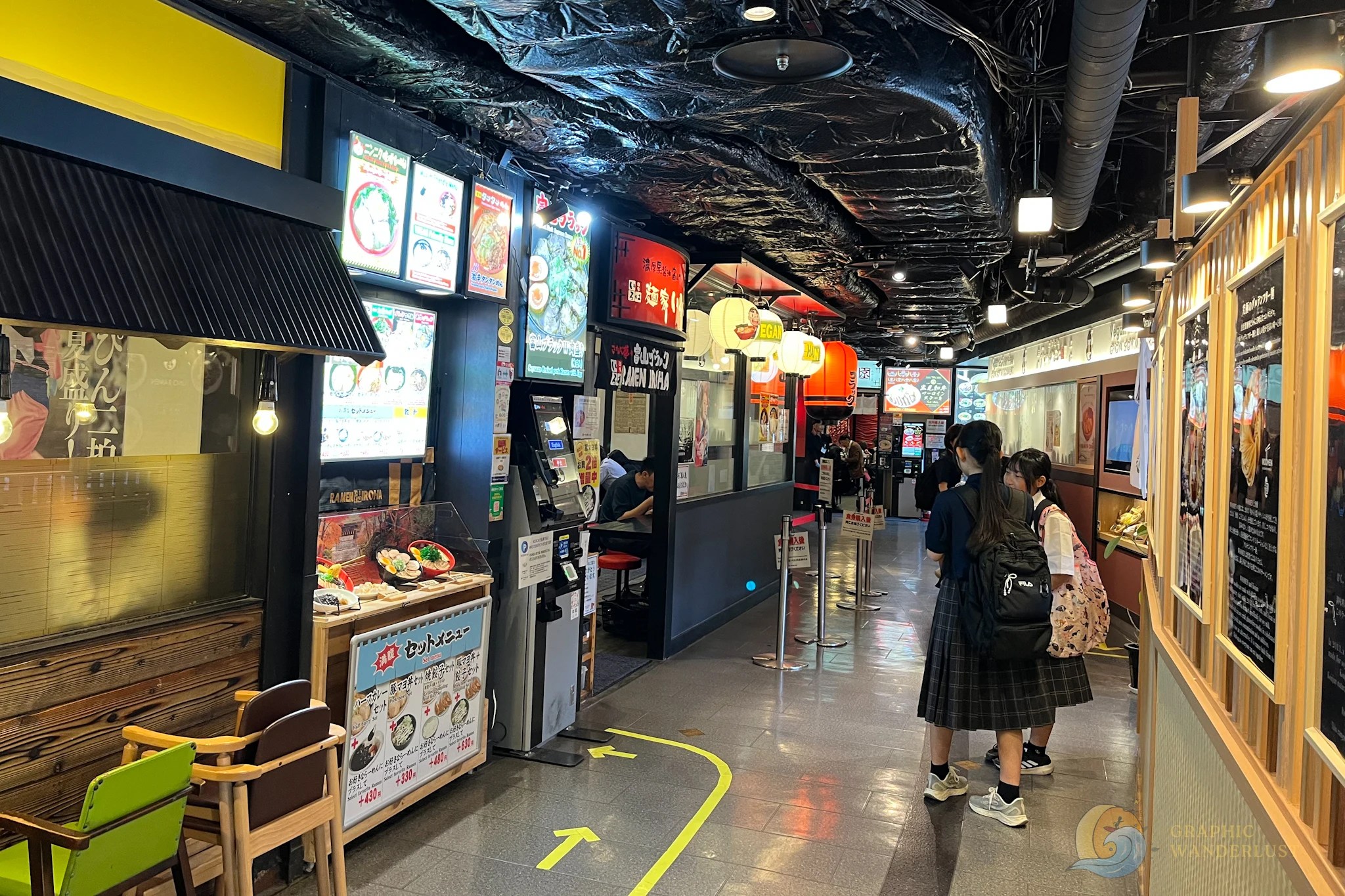
Aside from the convenient access to Kyoto Station, Shimogyo Ward also houses some of the city’s other popular tourist spots like the Kyoto Railway Museum, Kyoto Aquarium, teamLab Biovertex Kyoto, and the Nidec Kyoto Tower.
- Budget: Tune Stay Kyoto, Piece Hostel Kyoto, Sotetsu Fresa Inn Kyoto-Kiyomizu Gojo
- Mid-range: Hotel Granvia Kyoto, Kyoto Century Hotel, Miyako City Kintetsu Kyoto Station
- Luxury: The Thousand Kyoto, 20 PIECES, Nazuna Kyoto Higashi Honganji
📝 Accommodation Tips: After exploring Kyoto for three days, I can definitely say that the best area to stay in the city is downtown Kyoto for ticking all the boxes that a first-time tourist may need.

In addition, lodging establishments charge a mandatory accommodation tax to travelers upon check-in, calculated based on the number of guests and length of stay, so prepare extra money for this. You can either pay this in cash or by card.
Things to Do in Kyoto
Now that you’re done with mapping your way to the city, learning how to navigate its network of public transport and picking your best accommodation spot, it’s finally time to explore what Kyoto has in store for travelers looking to unravel Japan’s former capital for the first time.
Fushimi Inari Taisha
- Location: 68 Fukakusa Yabunouchicho, Fushimi Ward, Kyoto, Japan
- Operating Hours: Open 24 hours
- Admission Fee: None
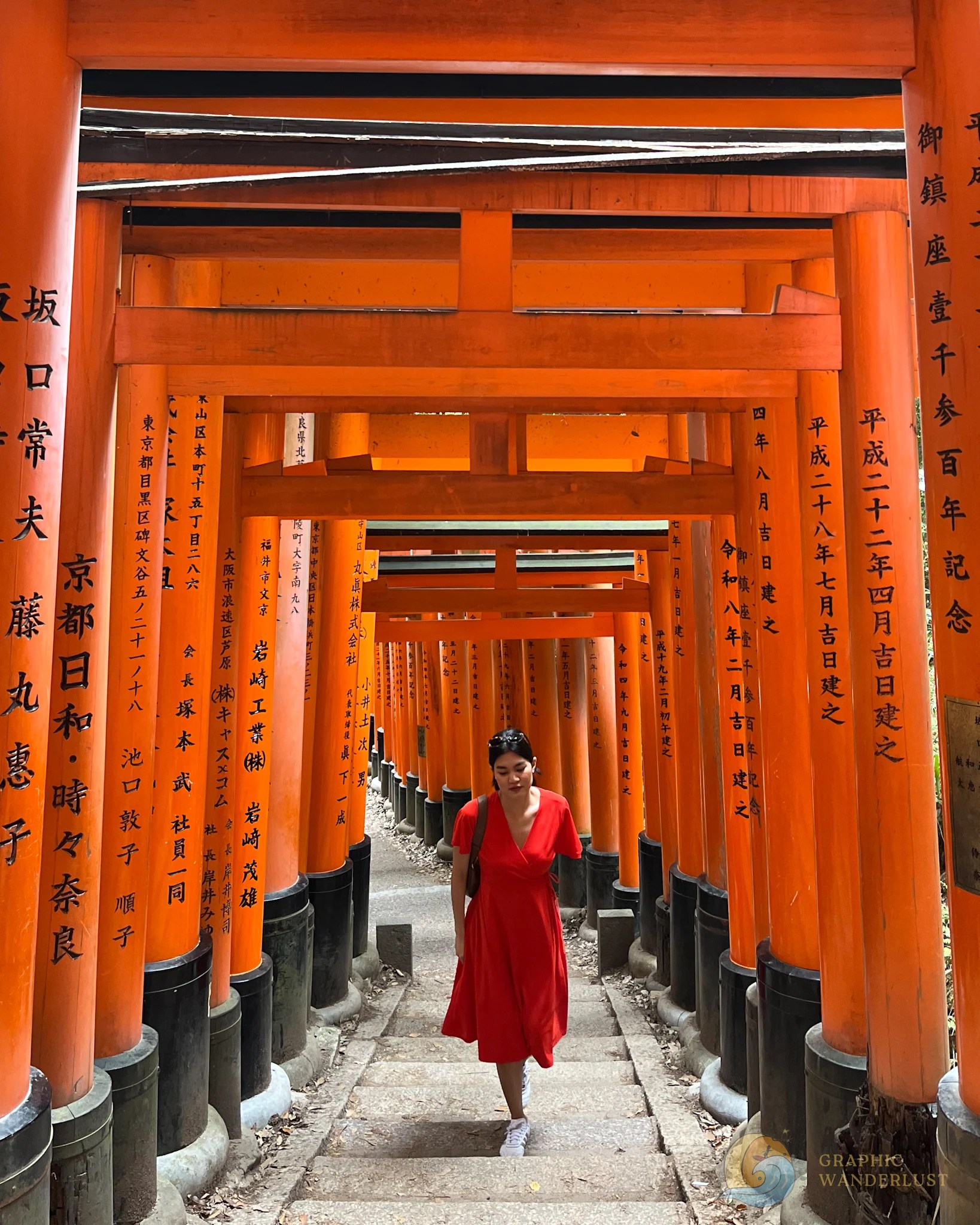
One of Japan’s most popular tourist attractions, Fushimi Inari Taisha in Southeastern Kyoto, is one of the city’s tourist hotspots, well-known for its Senbon Torii, or 10,000 shrine gates.
Dedicated to the Shinto god, Inari, who is known as the god of rice, agriculture, and prosperity, Fushimi Inari Taisha is the head shrine of all Inari shrines in Japan and is tucked at the foot of its namesake mountain, Mount Inari.
Hiking is a popular activity in the area to reach its summit for capable travelers, which can take around two hours and rewards visitors with a panoramic view of Kyoto at the top.
Along the way, visitors will be welcomed by shrines, stone altars, and fox statues, and the place’s iconic vermillion torii gates, dotting the trail.
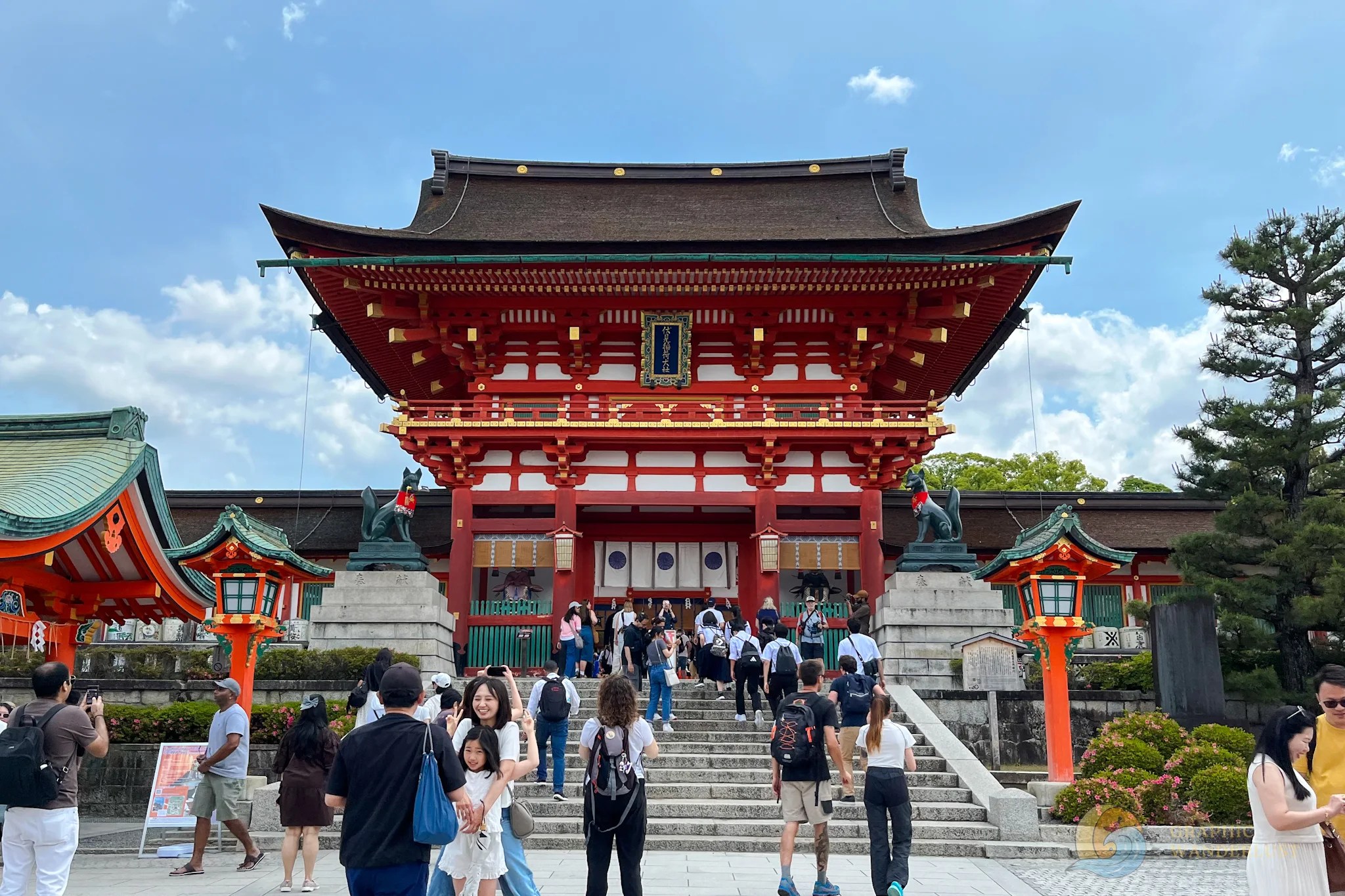
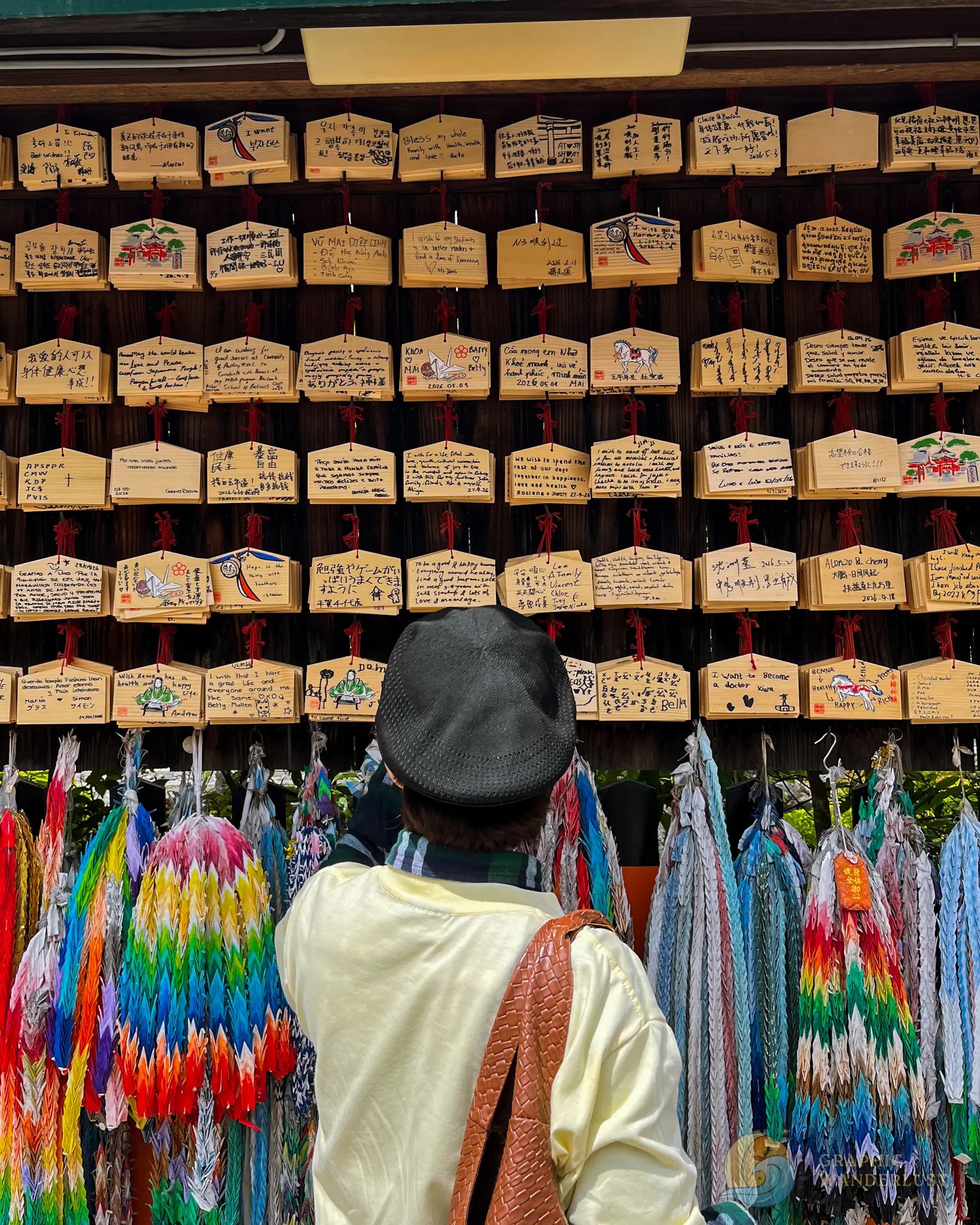
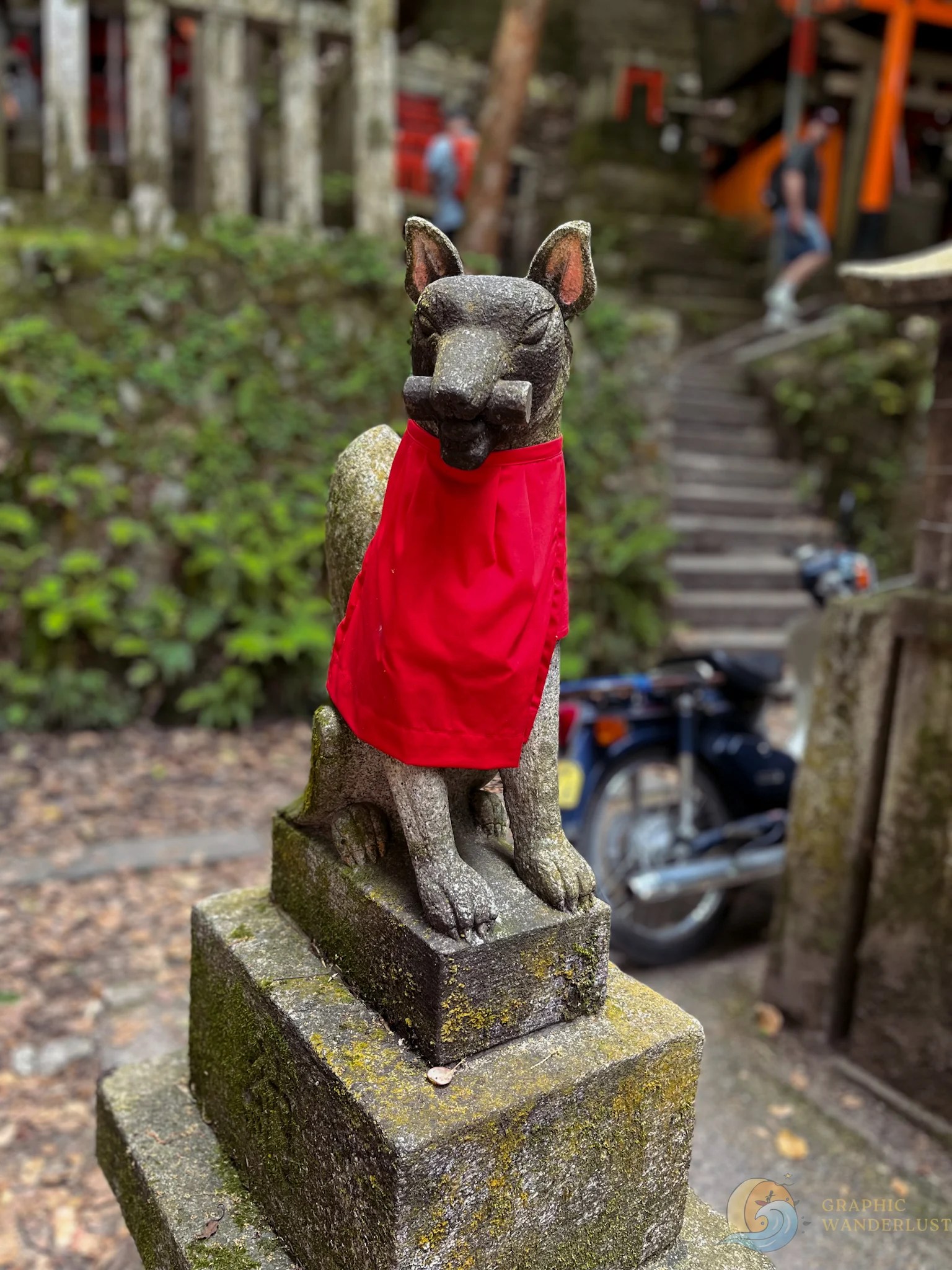
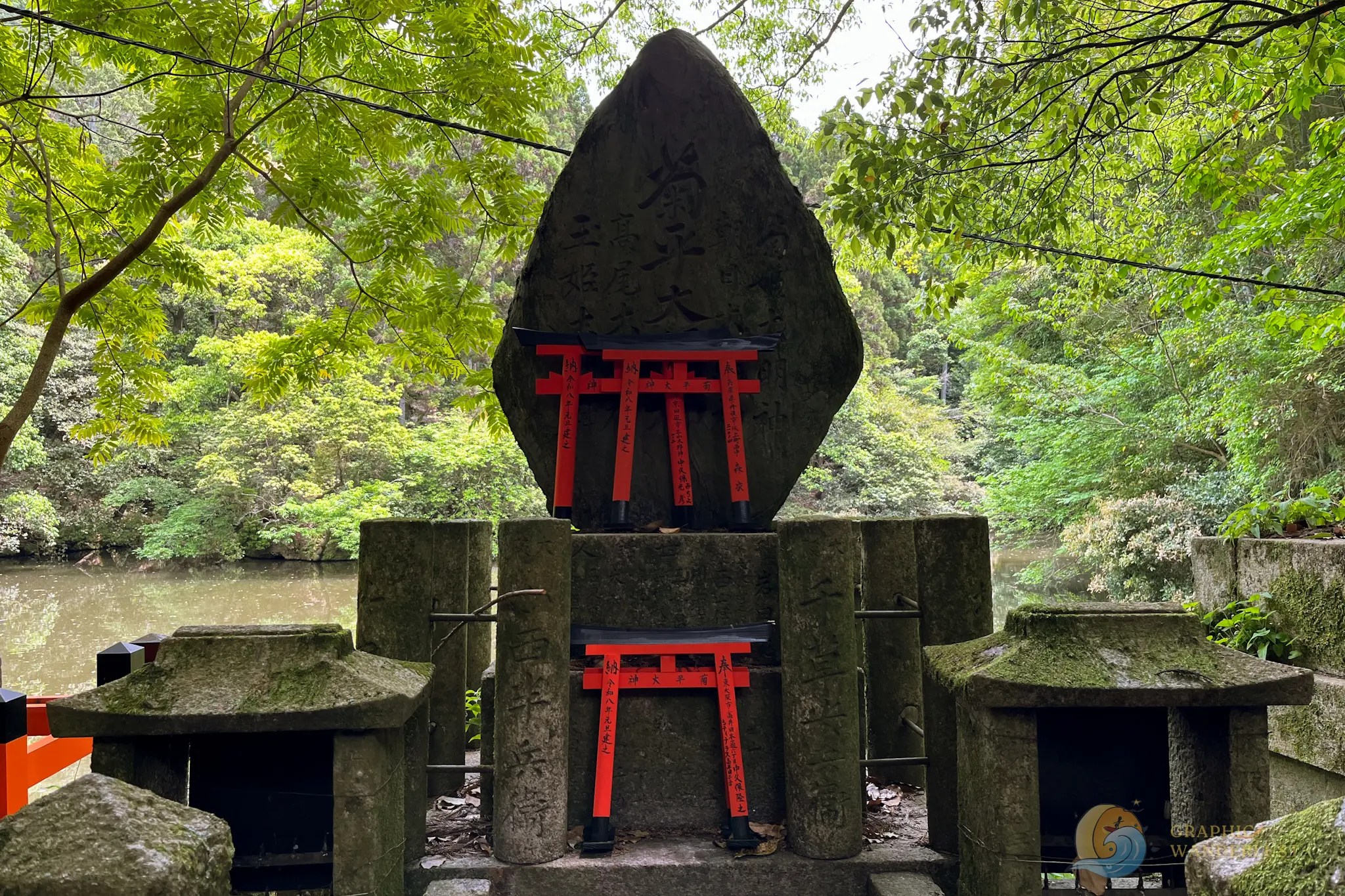
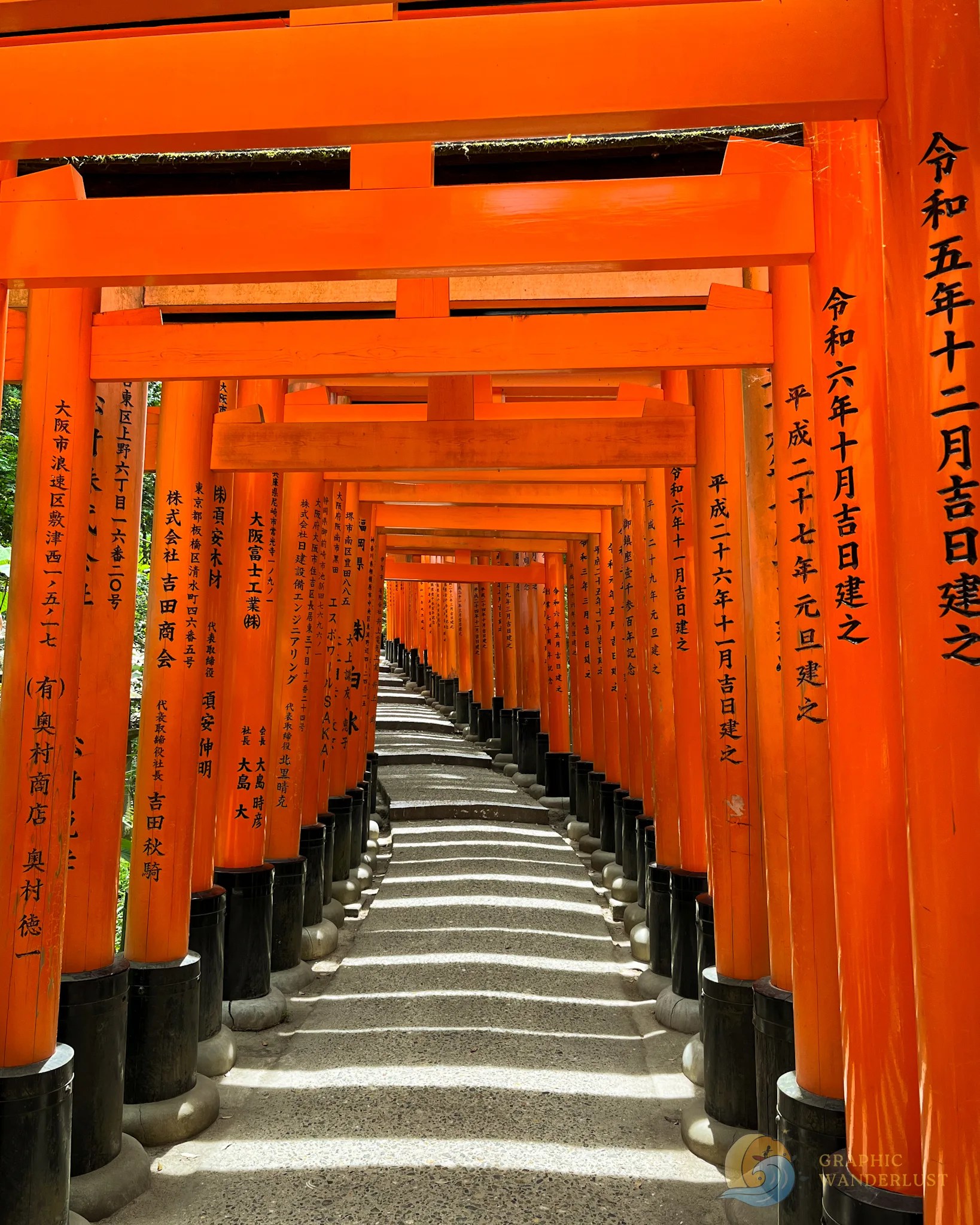
It is believed that white foxes or kitsune are Inari’s messengers, while donating a torii gate is a practice usually done by local businesses and individuals wishing prosperity from Inari and to thank them when they grant it.
Getting to Fushimi Inari Taisha is seamless with Inari Station of JR Nara Line located in front of its entrance and Fushimi Inari Station of Keihan Main Line located a couple of meters away from it.
📸 Photo Tip: To get a tourist-free photo op with the thousand torii gates during peak visiting hours, skip the lower parts of the trail and head to the middle part, where the crowd thins as you go higher. If you can, you can also visit in the early morning hours to experience the serenity of the shrine.
Kinkaku-ji Temple
- Location: 1 Kinkakuji-cho, Kita-ku, Kyoto, Japan
- Operating Hours: 9:00AM-5:00PM
- Admission Fee: ¥500
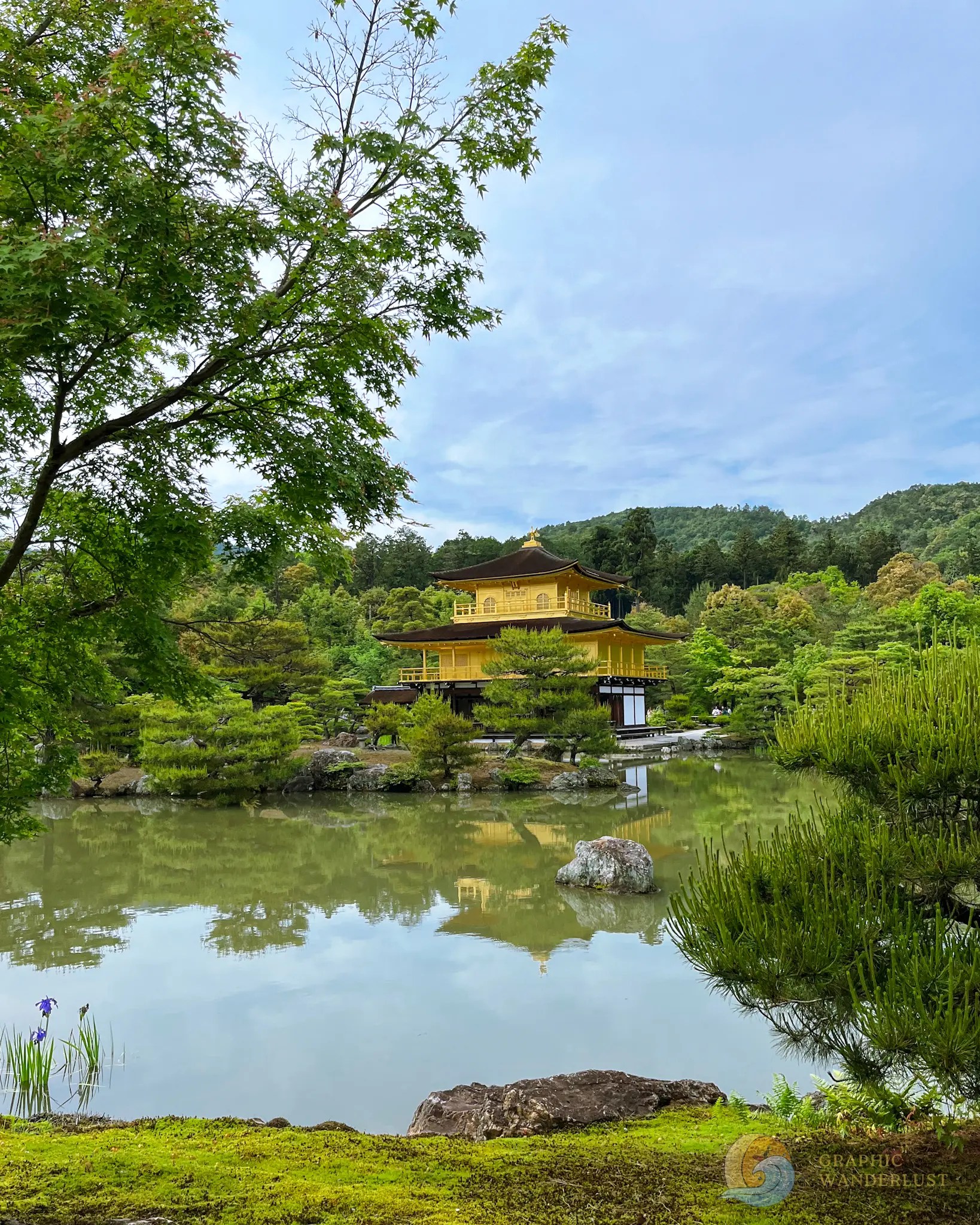
One of the 17 UNESCO-designated Heritage Sites in Kyoto, Kinkaku-ji, or The Golden Pavilion, is a Rinzai-sect Zen Buddhist temple famous for the picturesque scenery of its gilded-leaf-covered pagoda.
Located in Northeastern Kyoto, Kinkaku-ji Temple, formally called Rokuon-ji, was a former villa of the Saionji family before being converted into a Zen temple with the death of its founder, Shogun Ashikaga Yomimetsu, upon his request.
The temple is mainly visited for its scenic views and as an epitome of Japanese landscaping, but the pagoda itself is a reflection of history, with each level depicting distinct Eastern architectural styles. Its interior is also home to a handful of Buddha artefacts, which are off-limits to the public but viewable if you take a closer look.
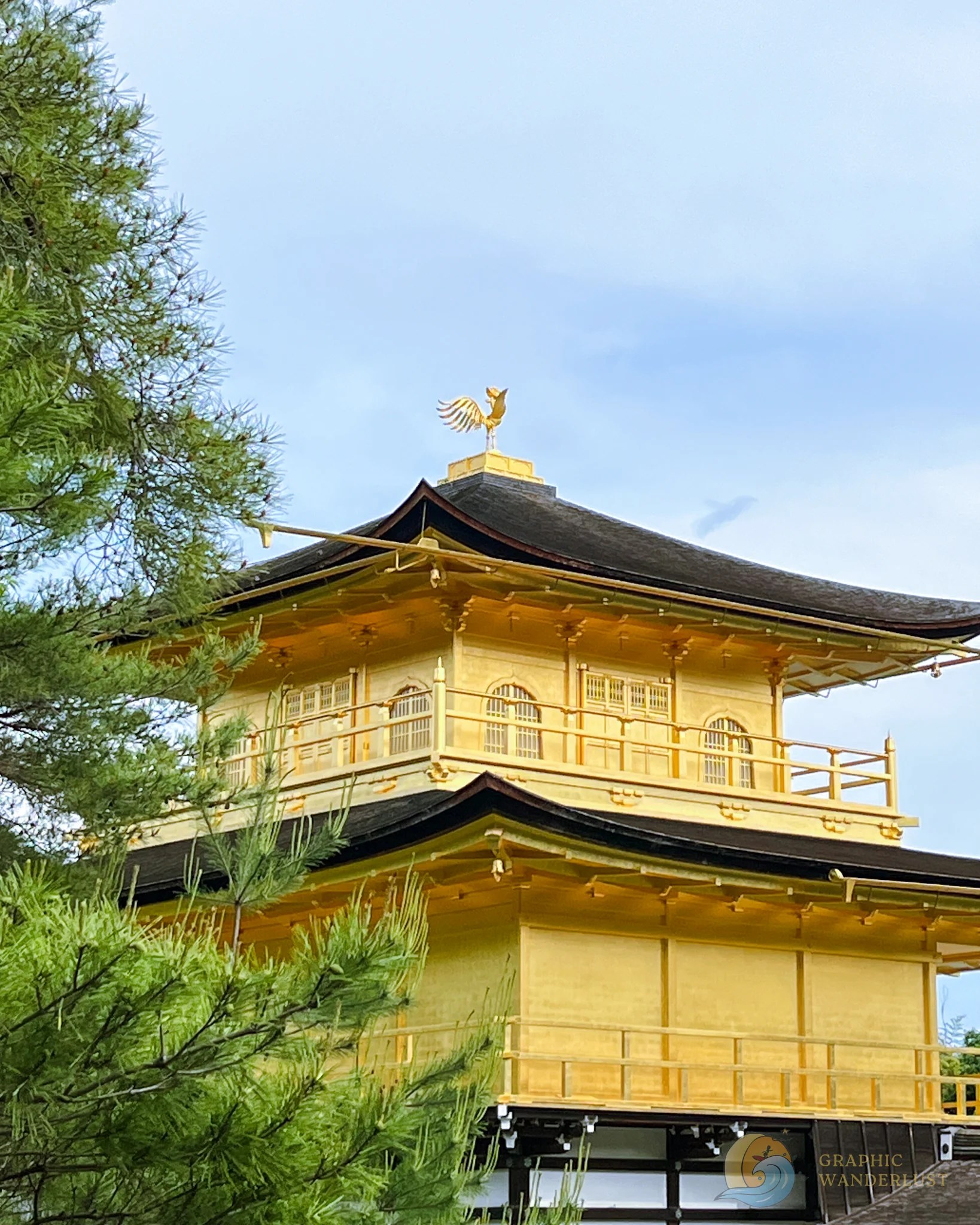
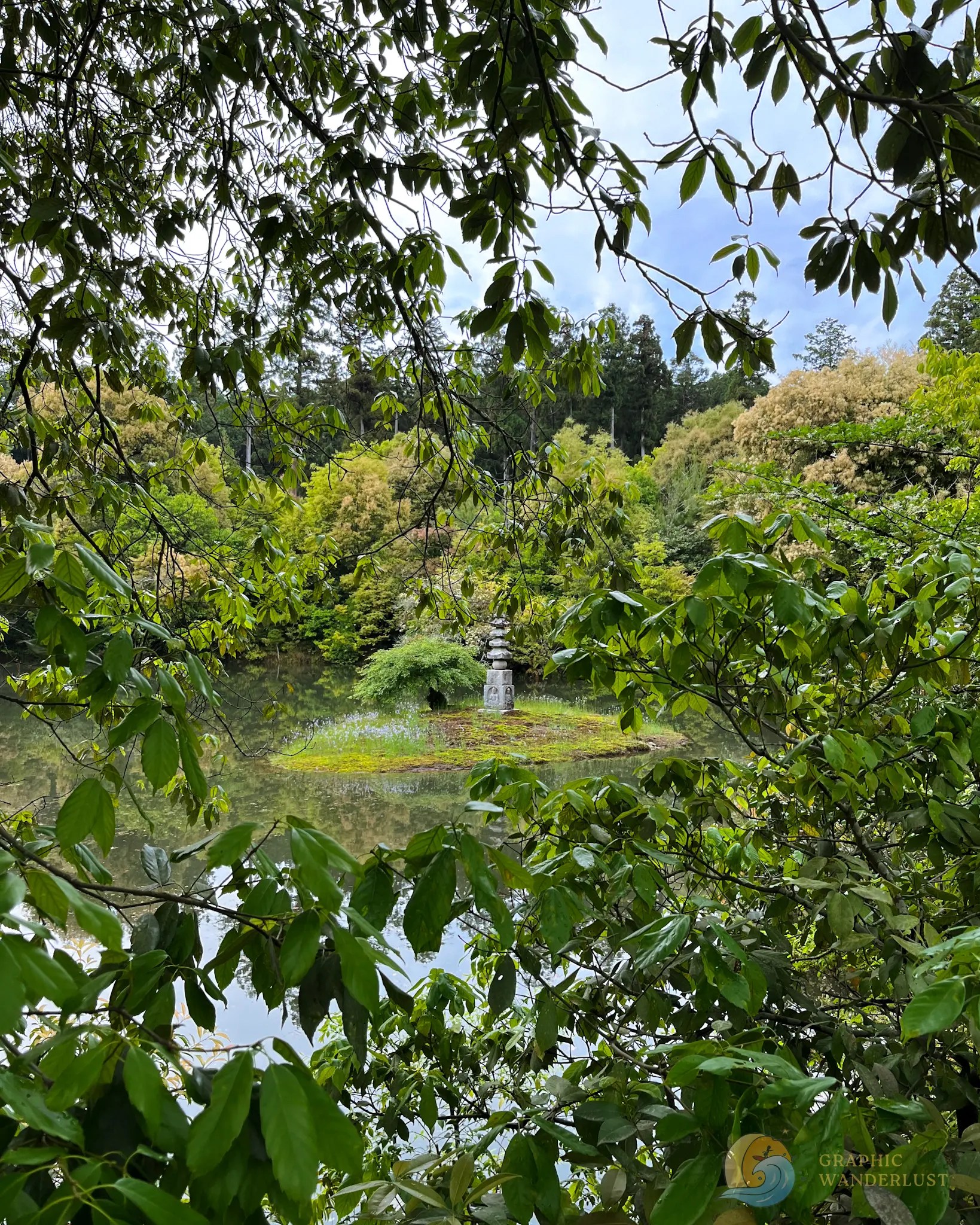
The best mode of transportation to reach Kinkaku-ji is to take the bus and get off at its nearest stop at Kinkakuji-michi.
🍀 Lucky Travel Tip: The ticket stub you receive at the entrance after paying the admission fee is actually an amulet you can hang in your home for good luck.
Arashiyama Bamboo Grove
- Location: Sagaogurayama Tabuchiyamacho, Ukyo Ward, Kyoto, Japan
- Operating Hours: Open 24 hours
- Admission Fee: None
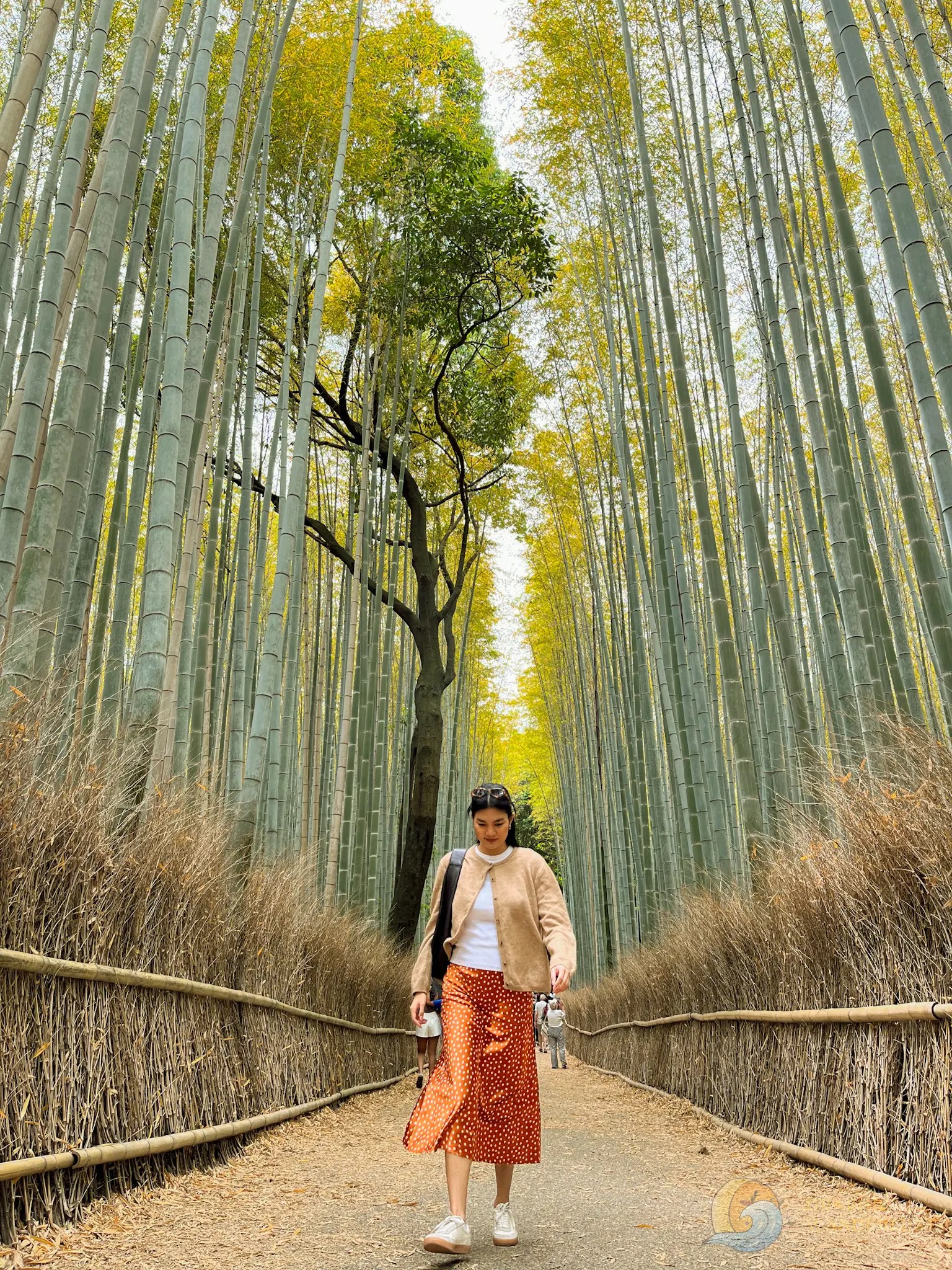
Another famous Kyoto tourist spot, Arashiyama Bamboo Grove, sits on the western part of the city and is known for its scenic view of towering bamboo trees lining a narrow path.
There’s really not much to do in the area but sightseeing and listening to the calming rustling sounds of the trees on a windy day (which you can easily do within 20 minutes), but regardless, the place’s serenity and picturesque scenery are what make this spot loved by tourists.
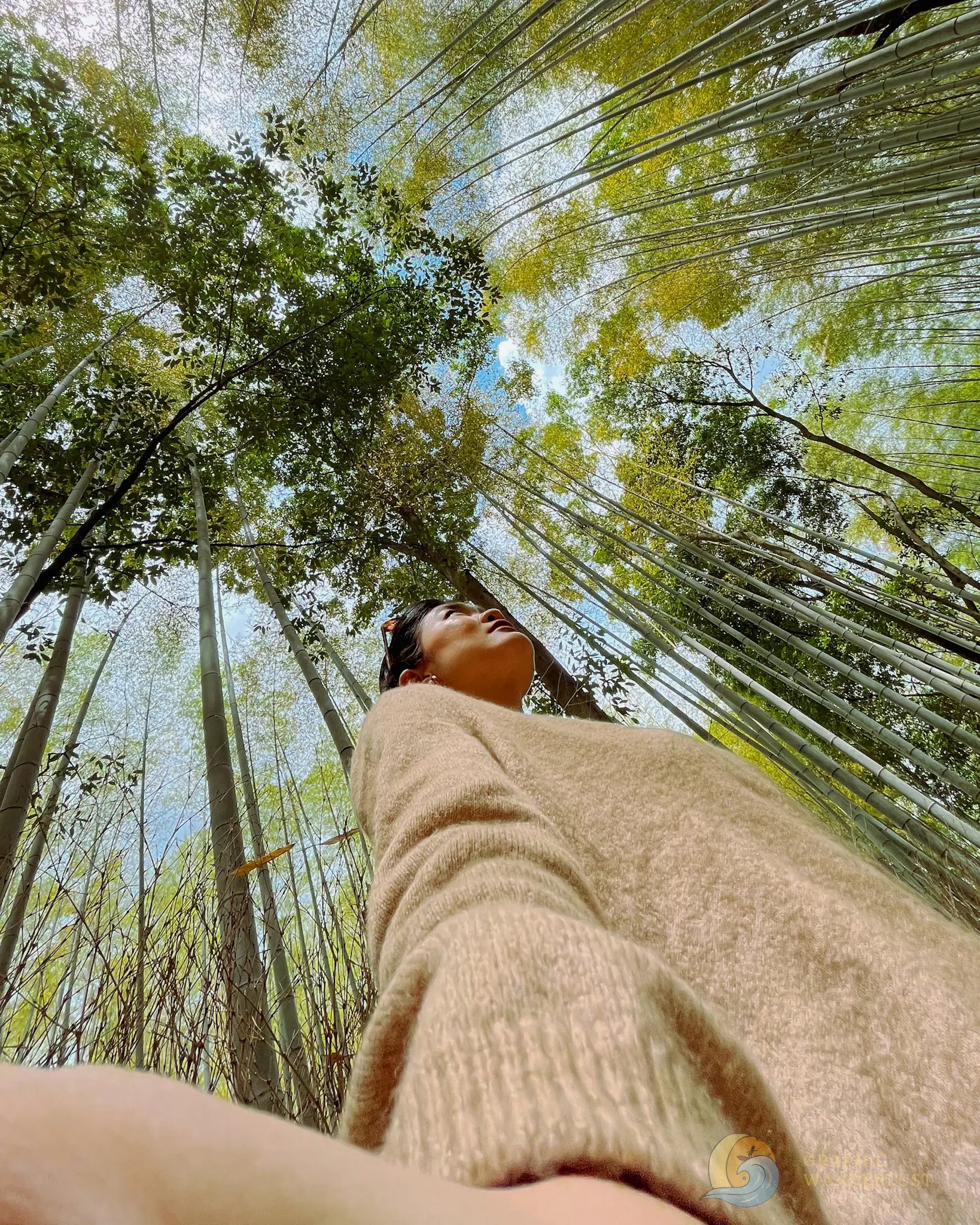
The best time to visit is during spring, when the bamboo trees are in their vibrant green shades.
If you also want to see the narrower and off-the-beaten paths of the bamboo grove and around it, you can also hire a rickshaw and a driver who will take you and guide you to it. Ebisuya Arashiyama is the main operator of rickshaw services in the area, with rates starting at ¥4,000.
The nearest public transport to Arashiyama Bamboo Grove is the Arashiyama Station of the Randen Line and the Arashiyama Station of the Hankyu Arashiyama Line.
Tenryu-ji Temple
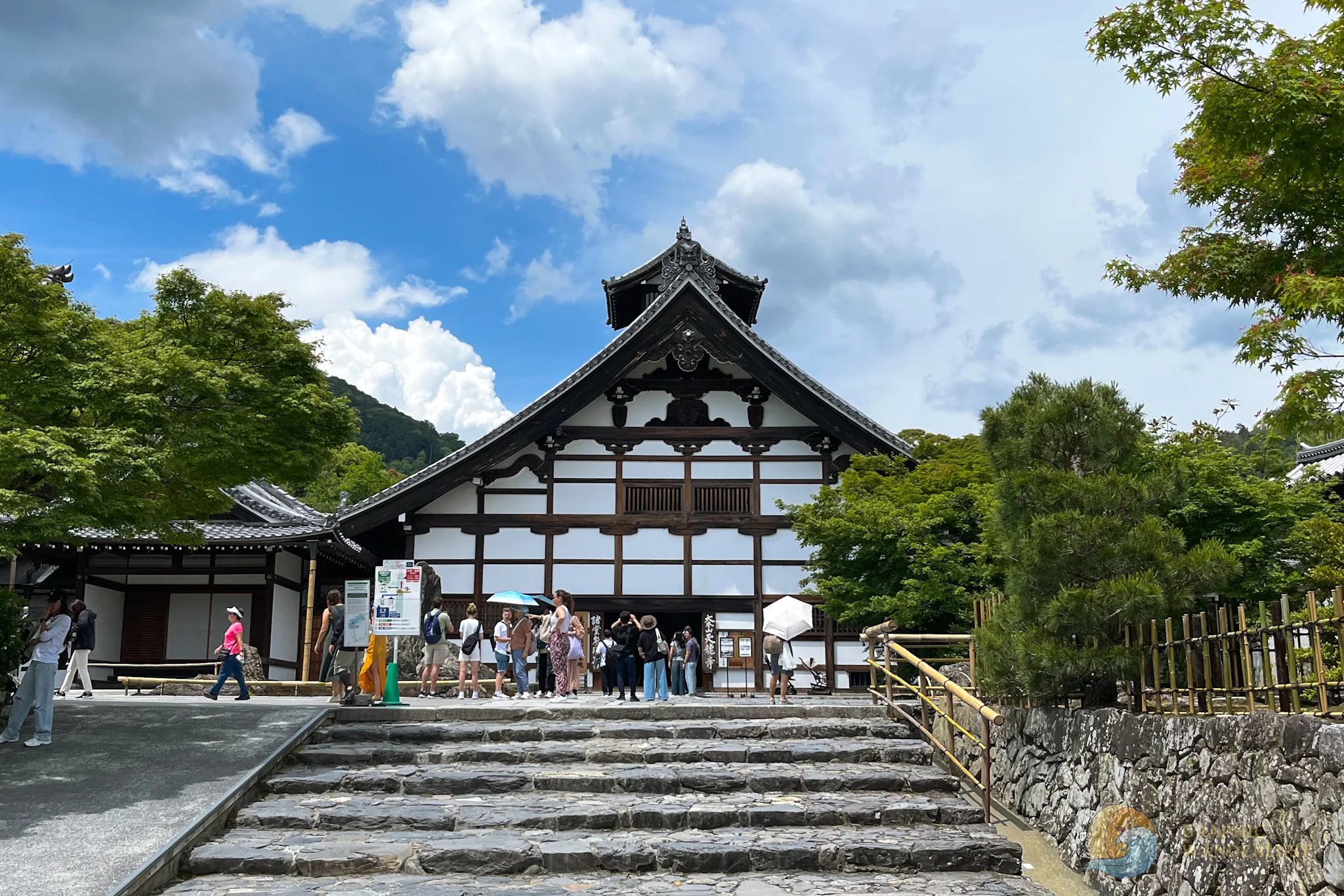
- Location: 68 Susukinobaba-cho, Saga-Tenryuji, Ukyo-ku, Kyoto, Japan
- Operating Hours: 8:30AM-5:00PM
- Admission Fee: ¥500 (Garden only); ¥300 (Main Hall only)
A usual pairing when visiting the famous Arashiyama Bamboo Grove, the UNESCO World Heritage Site of Tenryu-ji Temple, is also worth the visit when traveling to Western Kyoto.
Located south of the famous bamboo forest, Tenryu-ji is the head temple of the Rinzai Zen sect of Buddhism in Japan and one of Kyoto’s five great Zen temples.
Tenryu-ji is well-known for housing one of Japan’s Sites of Special Historic and Scenic Importance, Sogenchi Garden, revered for its picturesque “borrowed scenery” Japanese landscaping, designed by prominent Zen master and the temple’s founding abbot Muso Soseki.
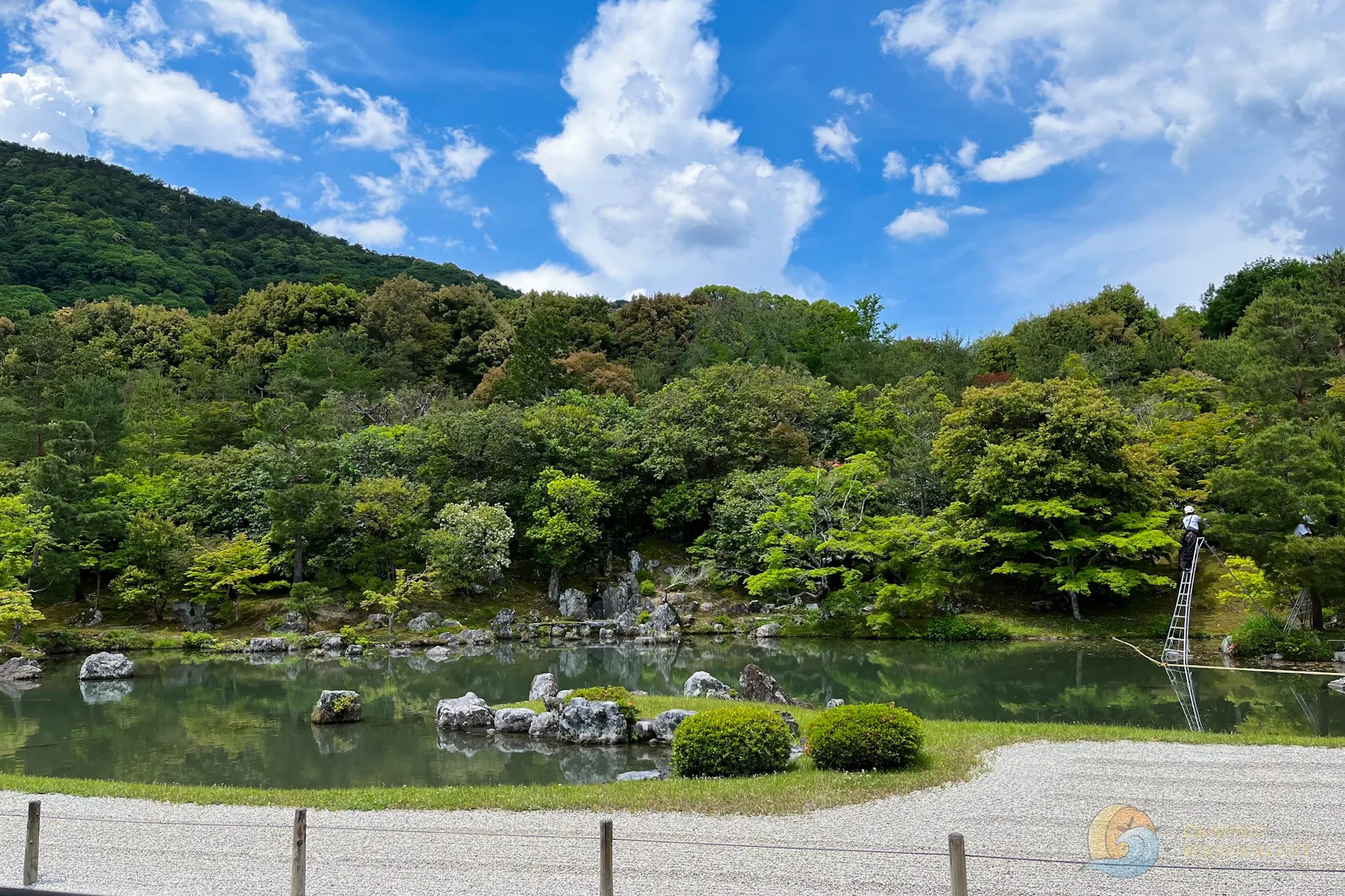
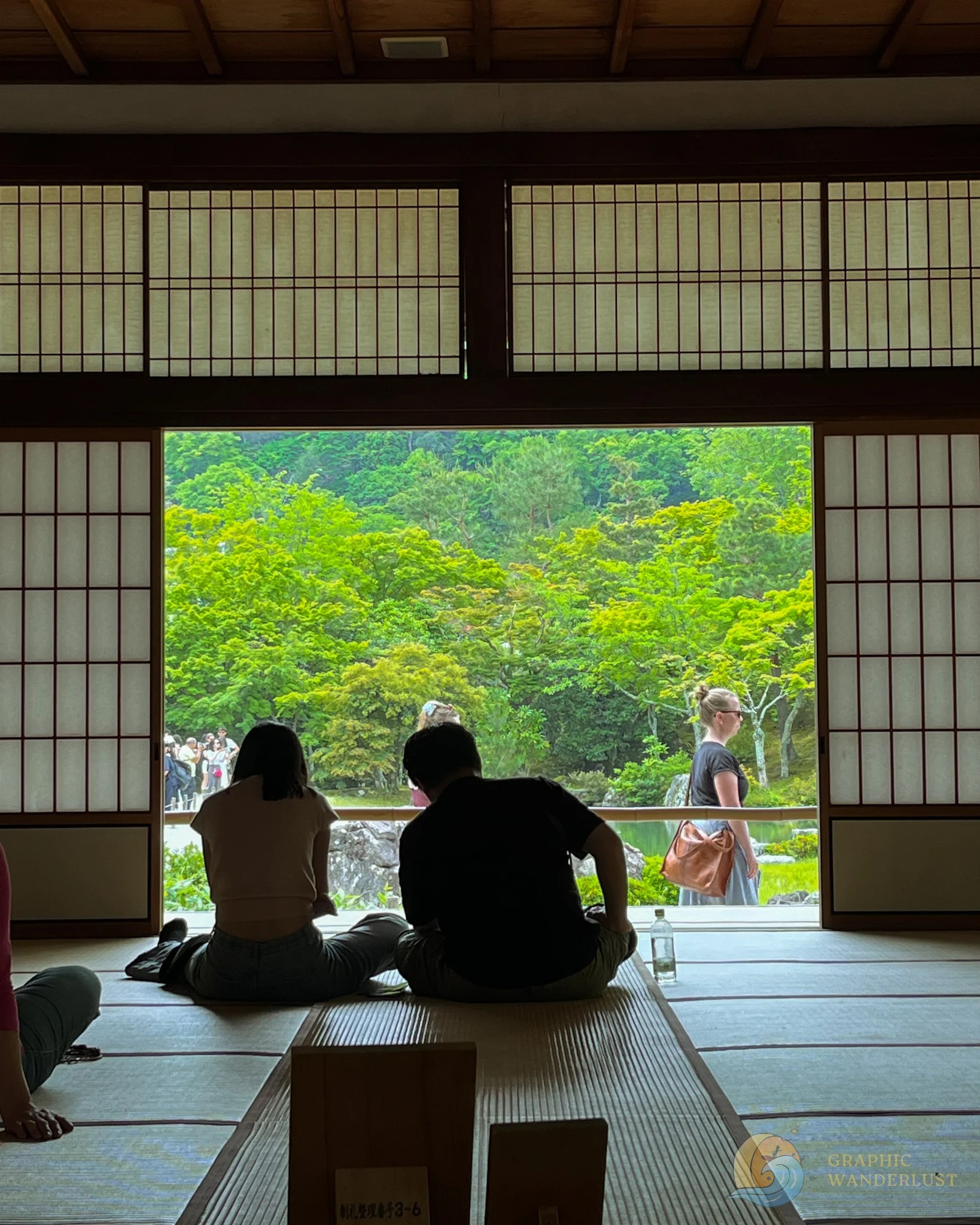
Aside from its picturesque garden, other points of interest within the grounds of the temple include the tatami-covered ceremonial and reception halls, where an image of Shakyamuni Buddha is enshrined, and interior scenic views of Sogenchi Garden can be found.
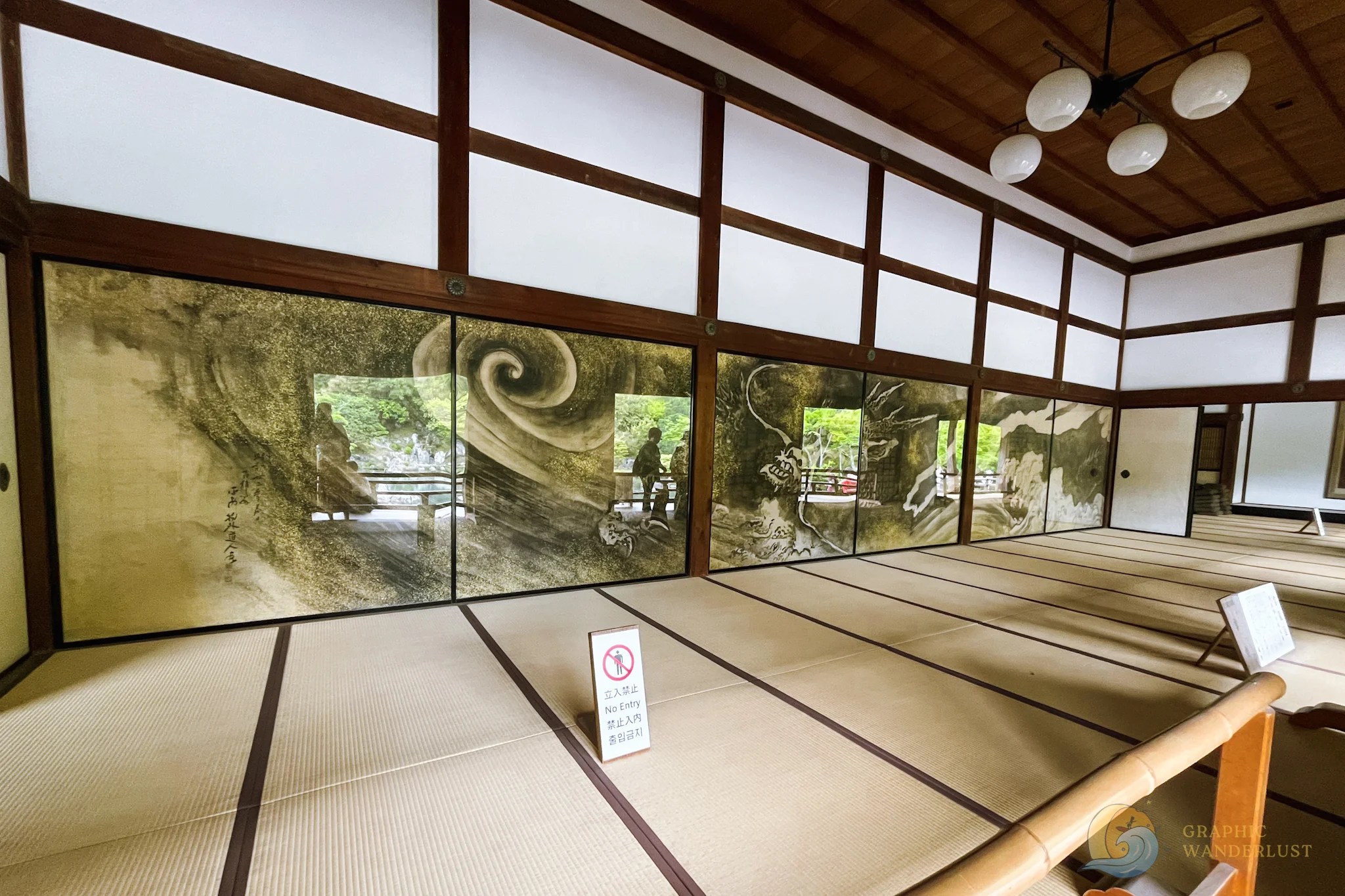
Similar to Arashiyama Bamboo Forest, Tenryu-ji can be best reached by riding the Randen Line and getting off at Arashiyama Station.
Kiyomizu-dera
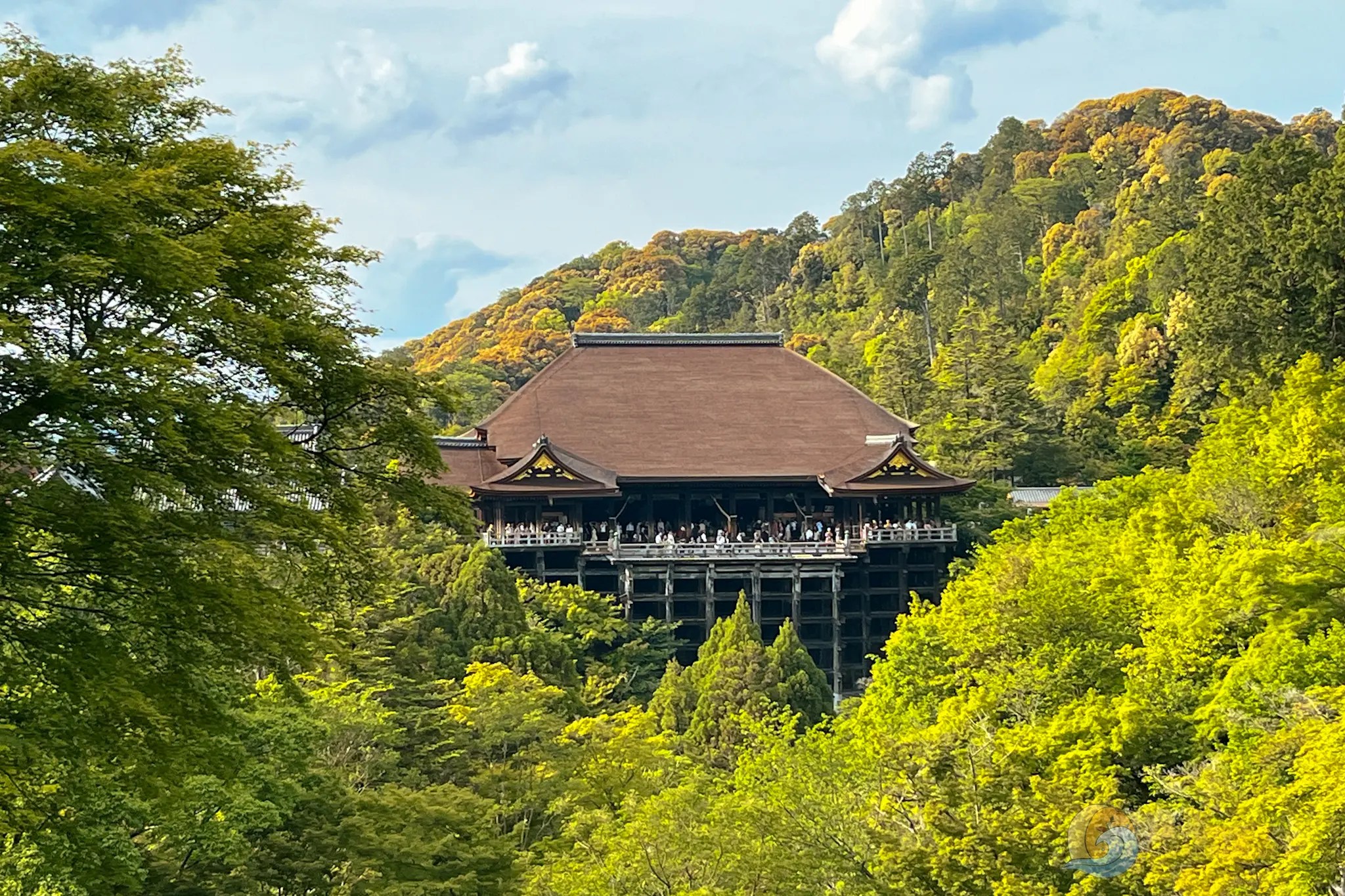
- Location: 1-294, Kiyomizu, Higashiyama-ku, Kyoto-shi, Kyoto, Japan
- Operating Hours: Opens at 6:00AM; closing time varies per season so best to check the official Kiyomizu-dera website
- Admission Fee: ¥500
Another UNESCO-designated Heritage Site in Kyoto, Kiyomizu-dera, which literally means “pure water temple,” is also among Kyoto’s top tourist attractions, known for its scenic views, engineering feat, and religious significance.
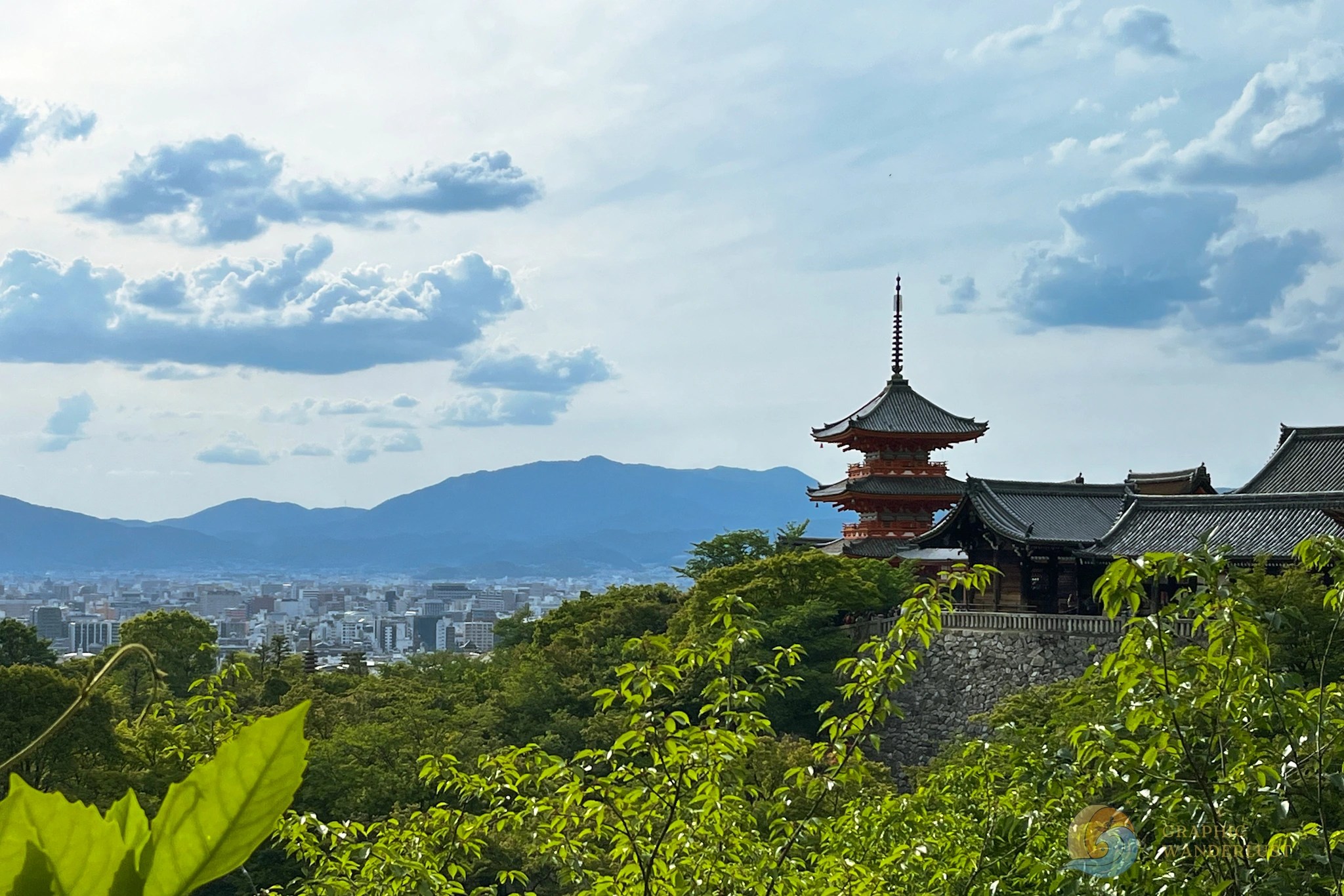
Nestled at one of the peaks of Mount Otowa in eastern Kyoto in Higashiyama Ward, this 1,250-year old Buddhist temple is treasured for the engineering marvel and earthquake-proof design of its Main Hall, which was constructed without the use of a single nail.
Its iconic protruding veranda, called the Kiyomizu Stage, is supported by 18 13-meter-high cypress wood pillars that use the same Japanese engineering method and offer scenic views of Kyoto, especially during the sakura and autumn seasons.
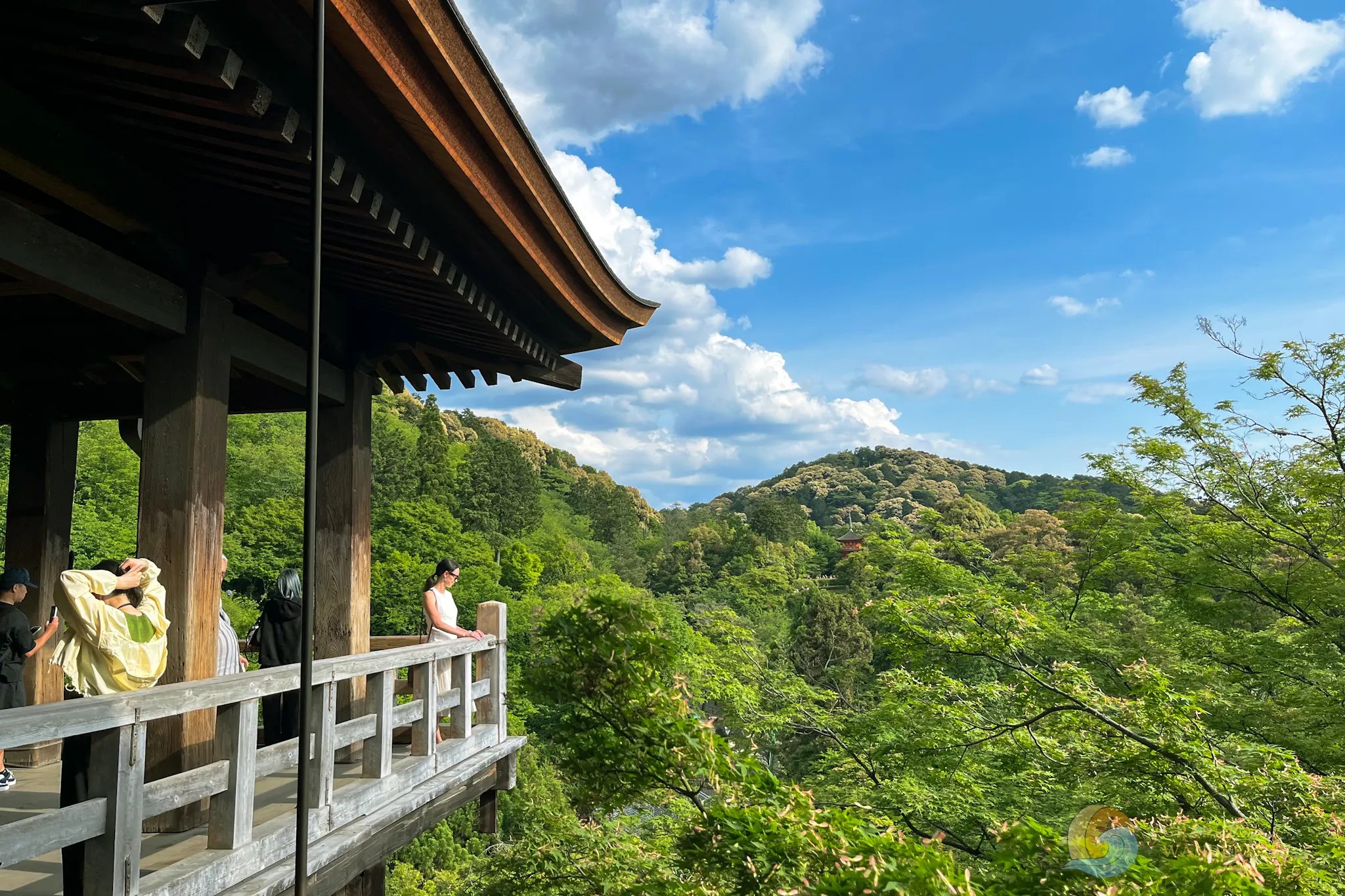
The Main Hall also houses the highly revered Buddhist deity, Kannon Bodhisattva, who is the eleven-headed, thousand-armed deity of mercy and compassion.
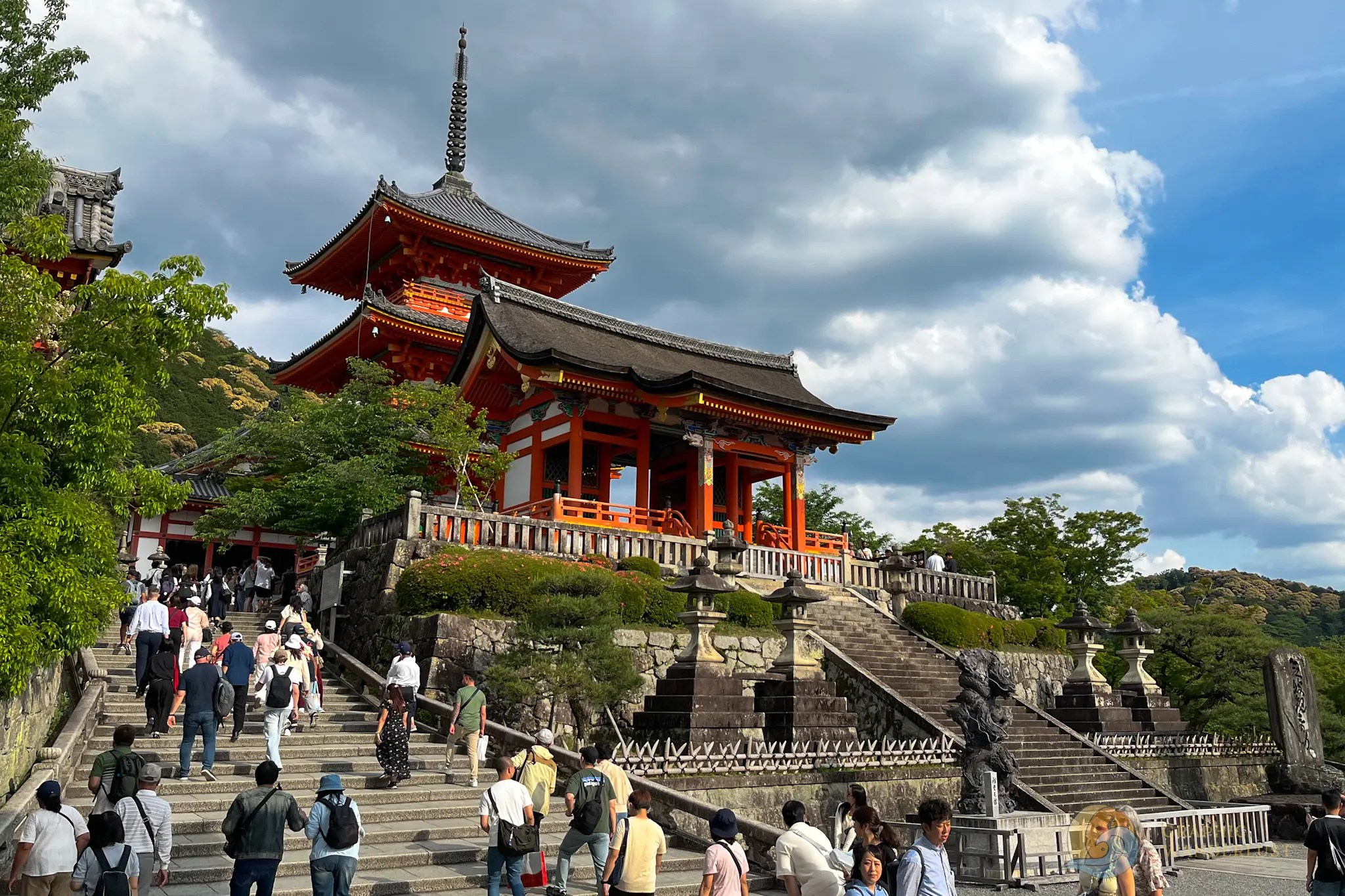
The nearest public transport to Kiyomizu-dera is the Kiyomizumichi bus stop, where you need to walk uphill for around 15 minutes until you reach the temple’s Nio-mon Gate.
Higashiyama Ward
Aside from being one of the best areas to stay in the city, Higashiyama Ward is also home to and composed of must-see tourist spots that complete a Kyoto itinerary.
Gion
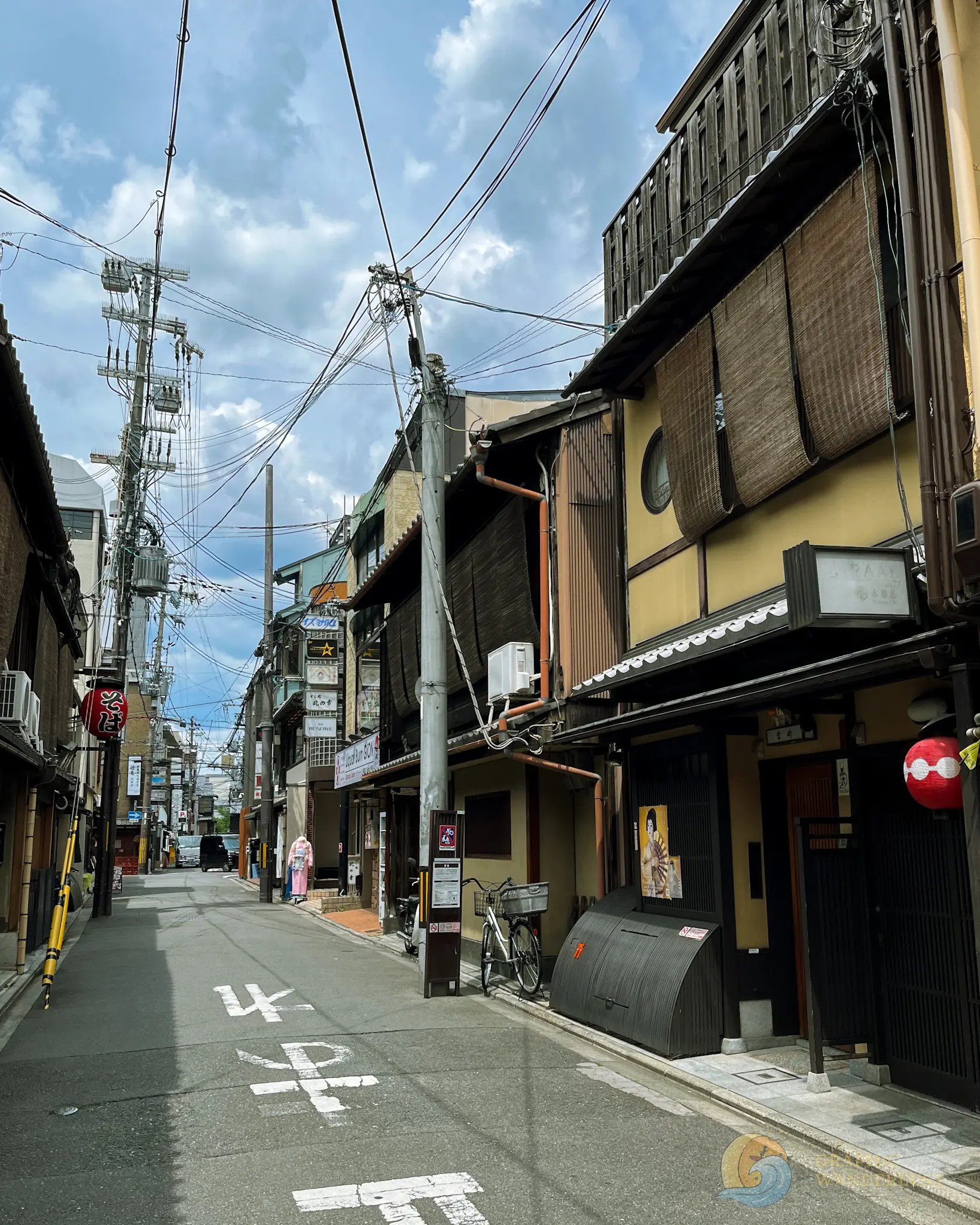
- Location: Higashiyama-ku, Kyoto-shi, Kyoto, Japan
- Operating Hours: Open 24 hours
- Admission Fee: None
Located between Yasaka Shrine and the Kamo River, the streets found between these two landmarks make up the neighborhood of Gion, which is popularly known as Kyoto’s geisha district.
Locally called geiko in Kyoto, a geisha is a professional Japanese hostess hired during special dinners, occasions, and banquets to entertain guests through traditional art performances and engaging conversations.
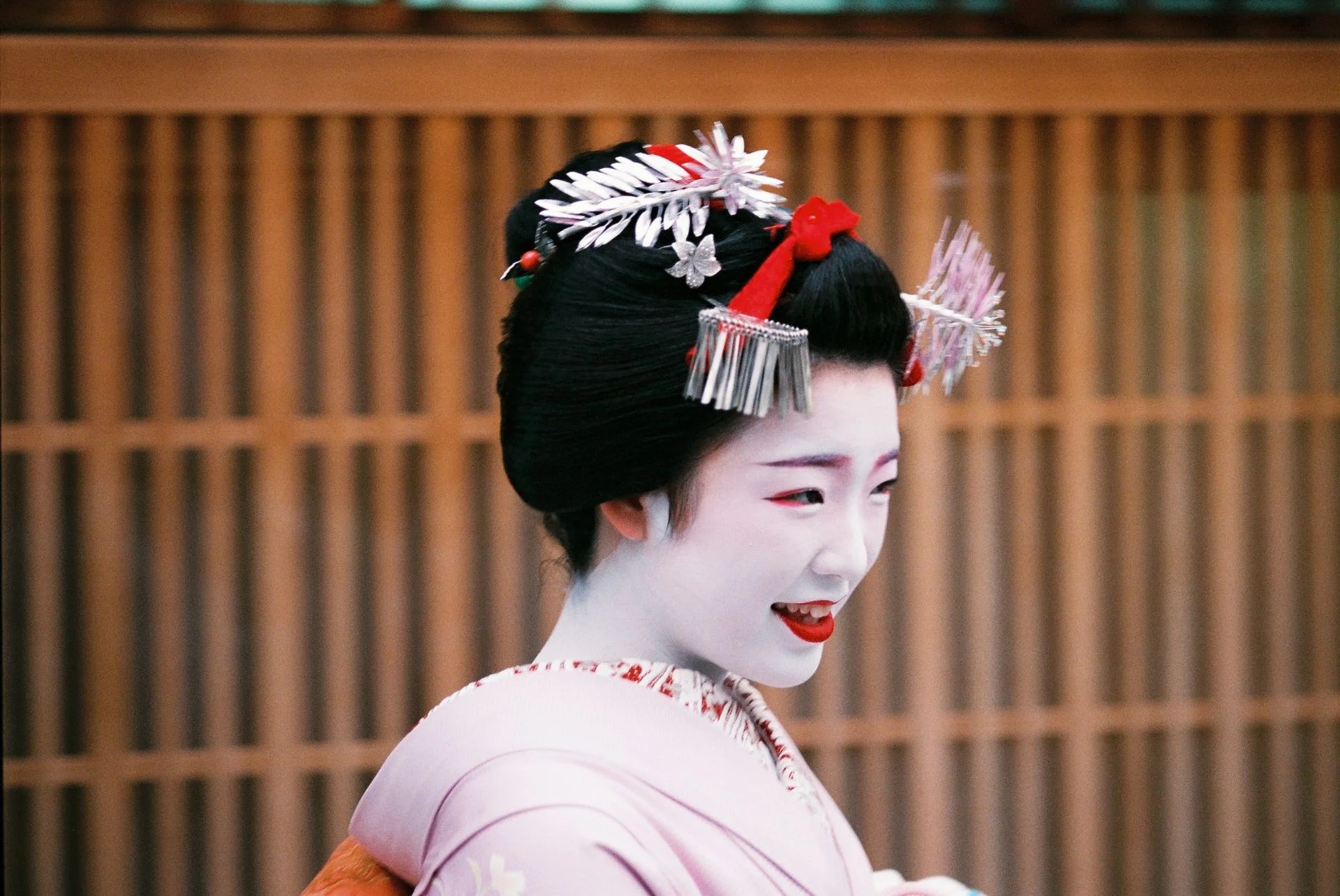
Services offered by a geisha are usually expensive, exclusive, and limited only to the ochiya (teahouses) where they entertain guests, and which also dot Gion’s main street, Hanamikoji-dori. Interested travelers are encouraged to book a geisha appointment at one of these ochiya to fully experience this traditional Japanese culture, or to watch a performance at Gion Corner, where apprentices, called maiko, often perform.
Aside from being Kyoto’s geisha district, Gion is also home to a handful of machiya (traditional wooden townhouses), mostly operating as restaurants specializing in Kyoto cuisine nowadays.
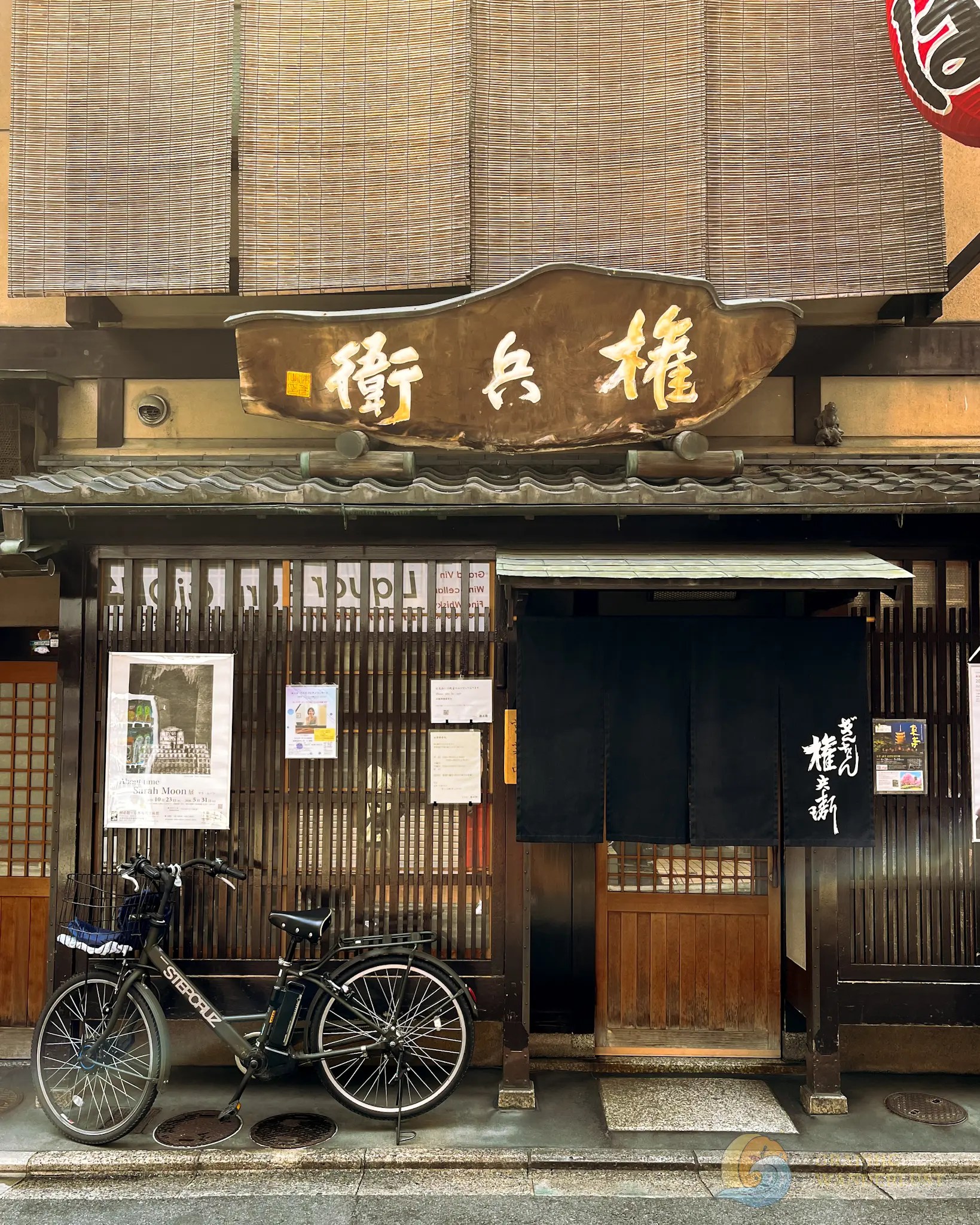
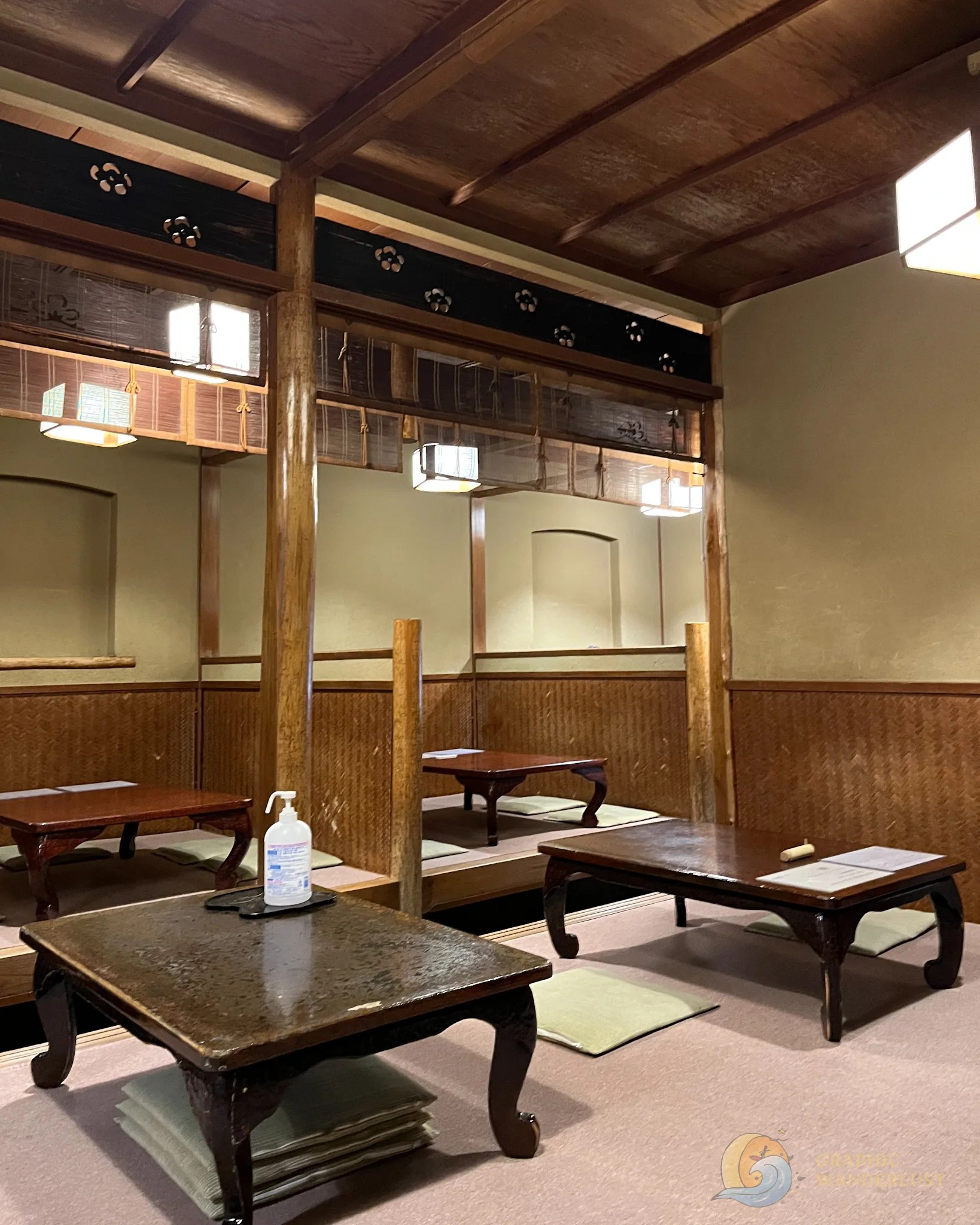
Gion can be easily accessed by hopping on one of the trains of Keihan Main Line and getting off at Gion-Shijo Station.
⚠️ Travel Tip: Taking photos of geisha and their apprentice (maiko) without consent is prohibited in Kyoto and is punishable by law.
Ninenzaka, Sannenzaka & Yasaka Pagoda
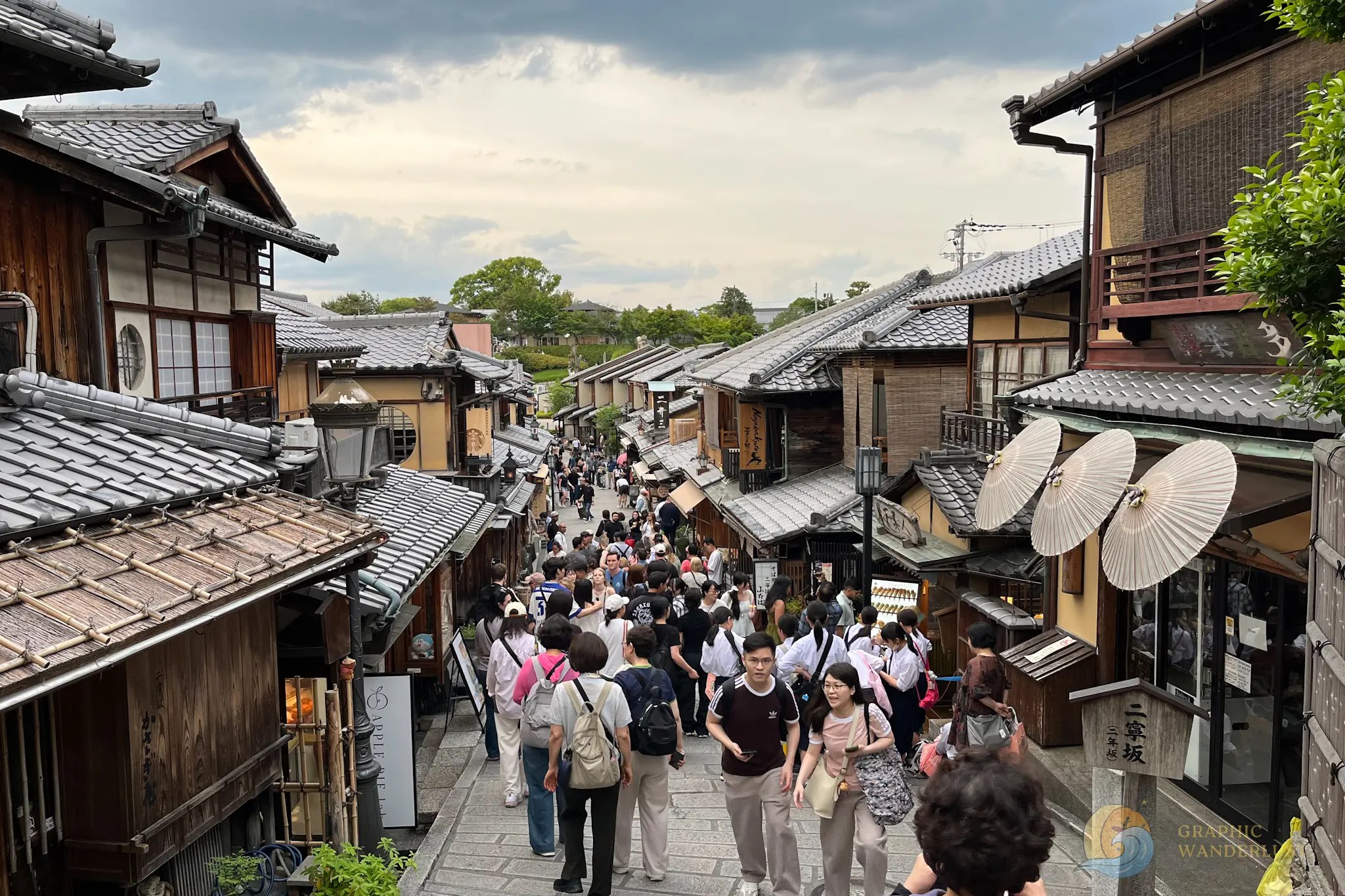
- Location: Higashiyama-ku, Kyoto-shi, Kyoto, Japan
- Operating Hours: Open 24 hours
- Admission Fee: None
A series of landmarks that can be easily visited due to their close proximity to each other, the streets of Ninenzaka and Sannenzaka are usually the pit stops of travelers looking to eat something before or after visiting the famous Kiyomizu-dera.
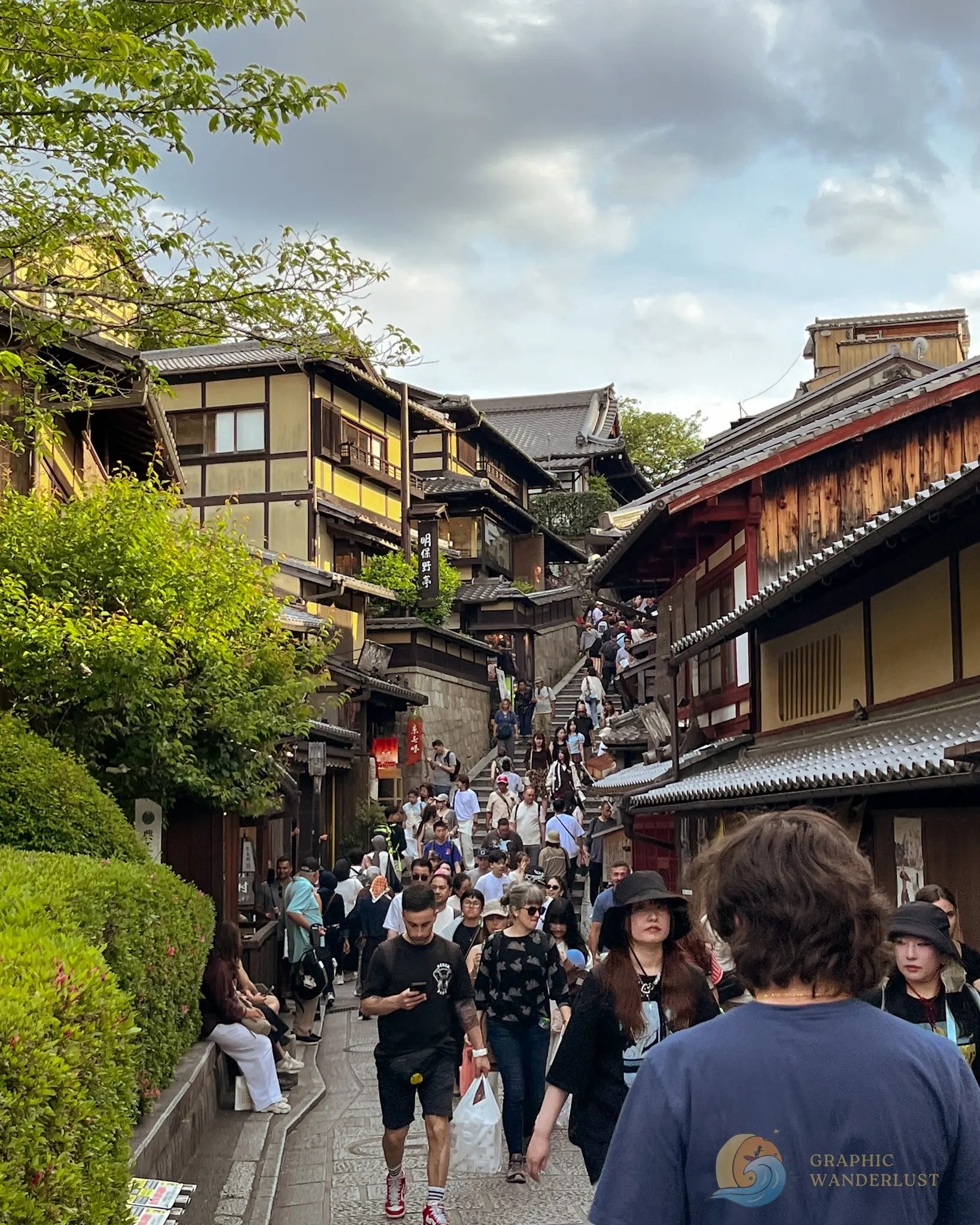
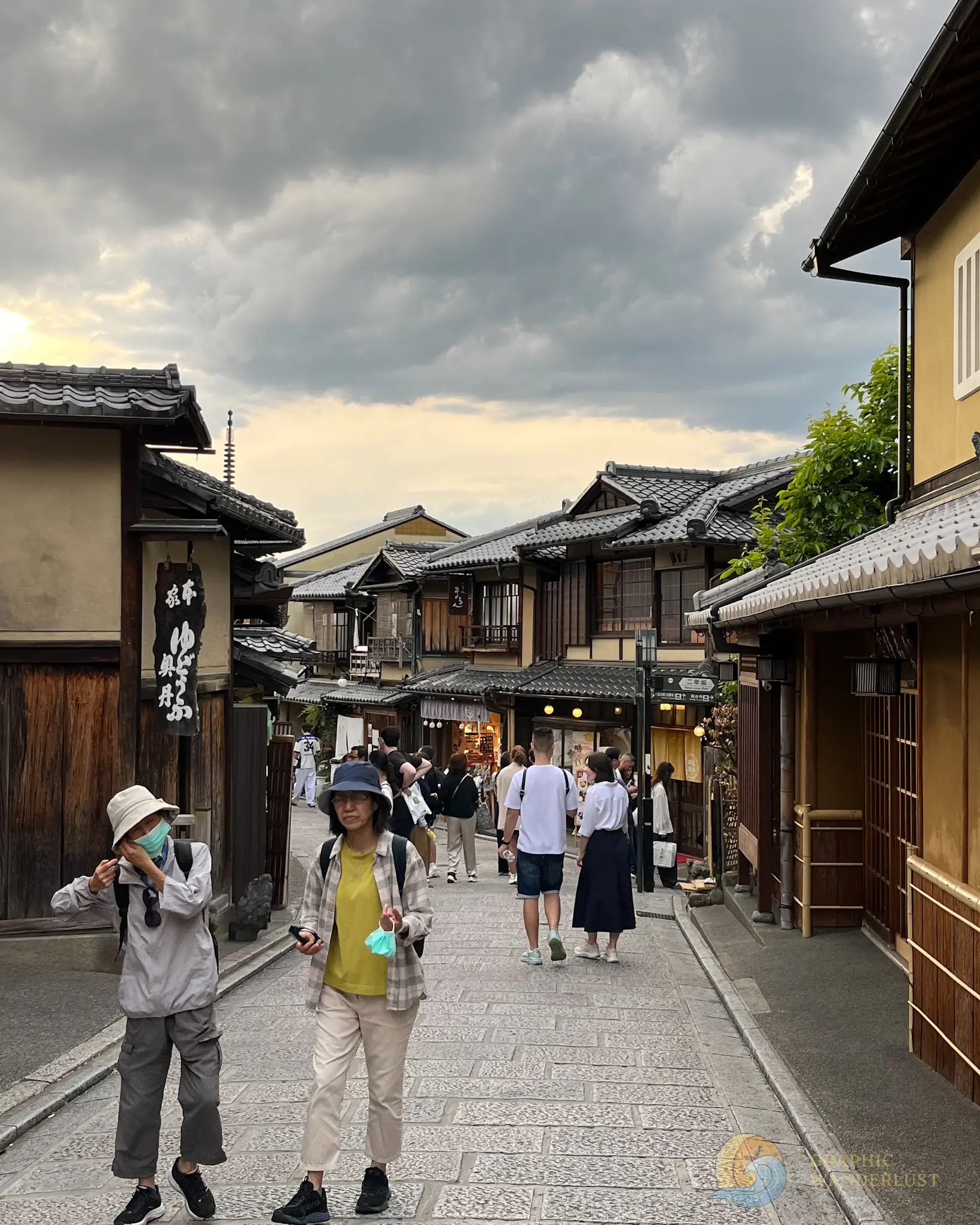
Located in the sloping part of Higashiyama Ward, Ninenzaka and Sannenzaka are lines of connected narrow cobblestone streets filled with machiya where tourists can buy souvenirs, sweets, or grab a quick meal.
Due to their beautifully preserved scenery, these two famous streets are usually noted as the best spots to travel back in time and get a glimpse of Old Kyoto.
At the crossroads of these two streets is the path going to Yasaka Pagoda of Hokan-ji Temple, which is also one of Kyoto’s well-photographed and iconic buildings that blend beautifully with the cobblestone street of Yasaka-dori. This pagoda is also treasured for its earthquake-proof engineering that resisted the test of time.
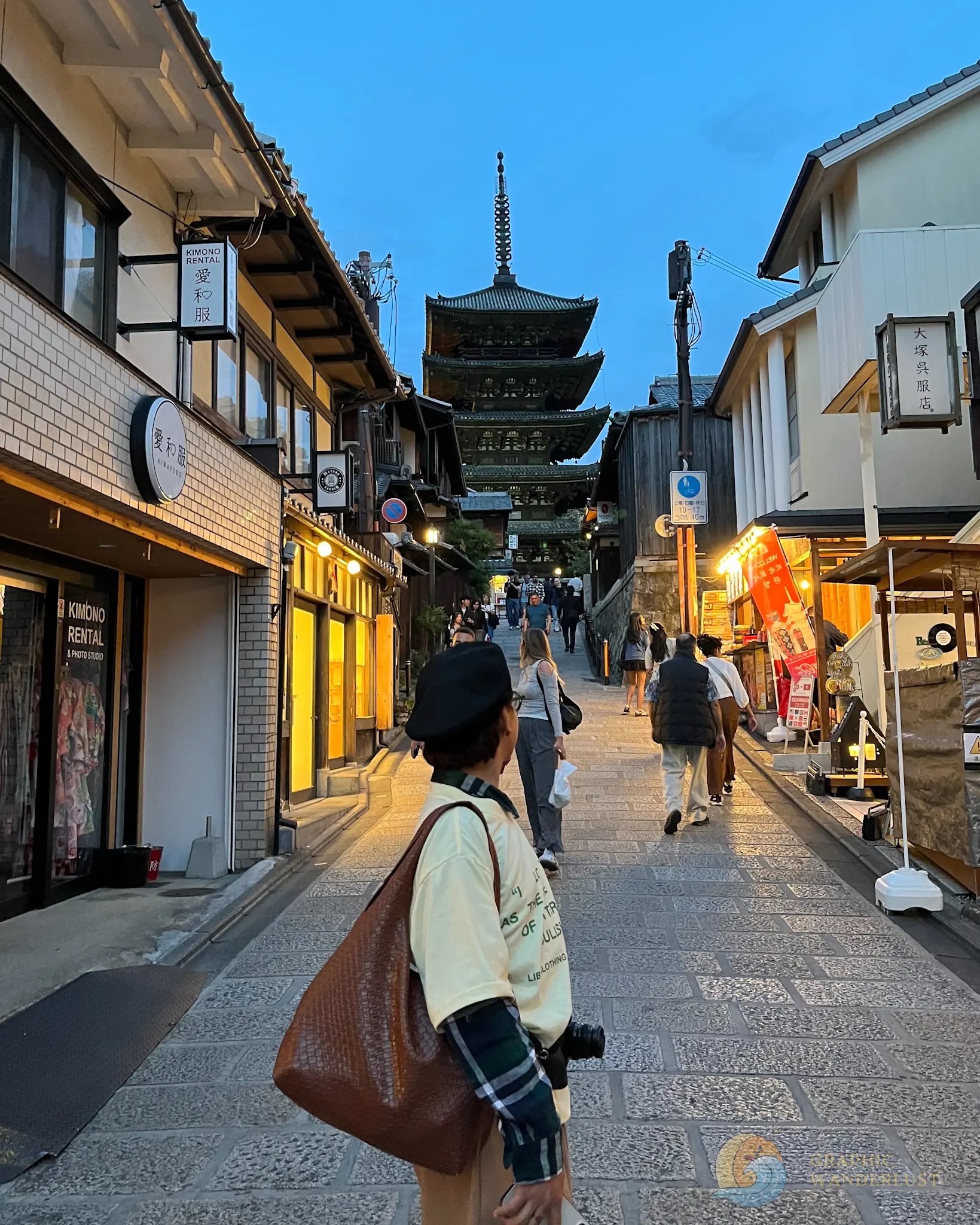
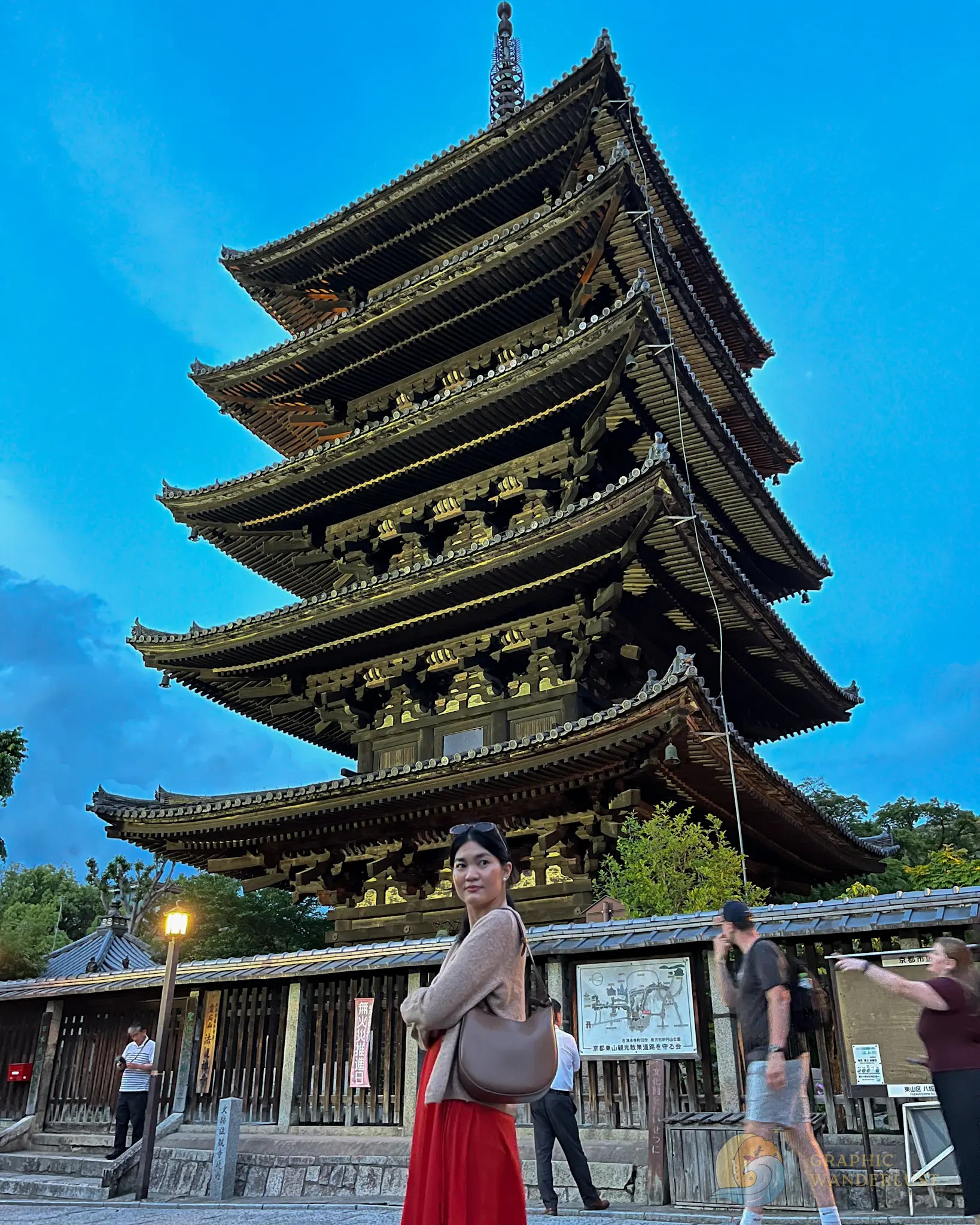
The best mode of transportation to reach these three landmarks is to take a bus and get off at either Higashiyama Yasui or Kiyomizumichi and walk your way to them.
⚠️ Travel Tip: If you can, visit Sannenzaka and Ninenzaka in the early morning or late afternoon to get a people-free shot of these two scenic streets.
🌸 Sakura Season Tip: When you find yourself in Kyoto during cherry blossom (sakura) season, make a stop at Higashiyama's Maruyama Park beside Yasaka Shrine, which is a popular cherry blossom viewing spot and where parties are held around its main attraction, the Gion Weeping Cherry Tree.
Pontocho Alley
- Location: Nakagyo Ward, Kyoto, Japan
- Operating Hours: Varies per establishment
- Admission Fee: None
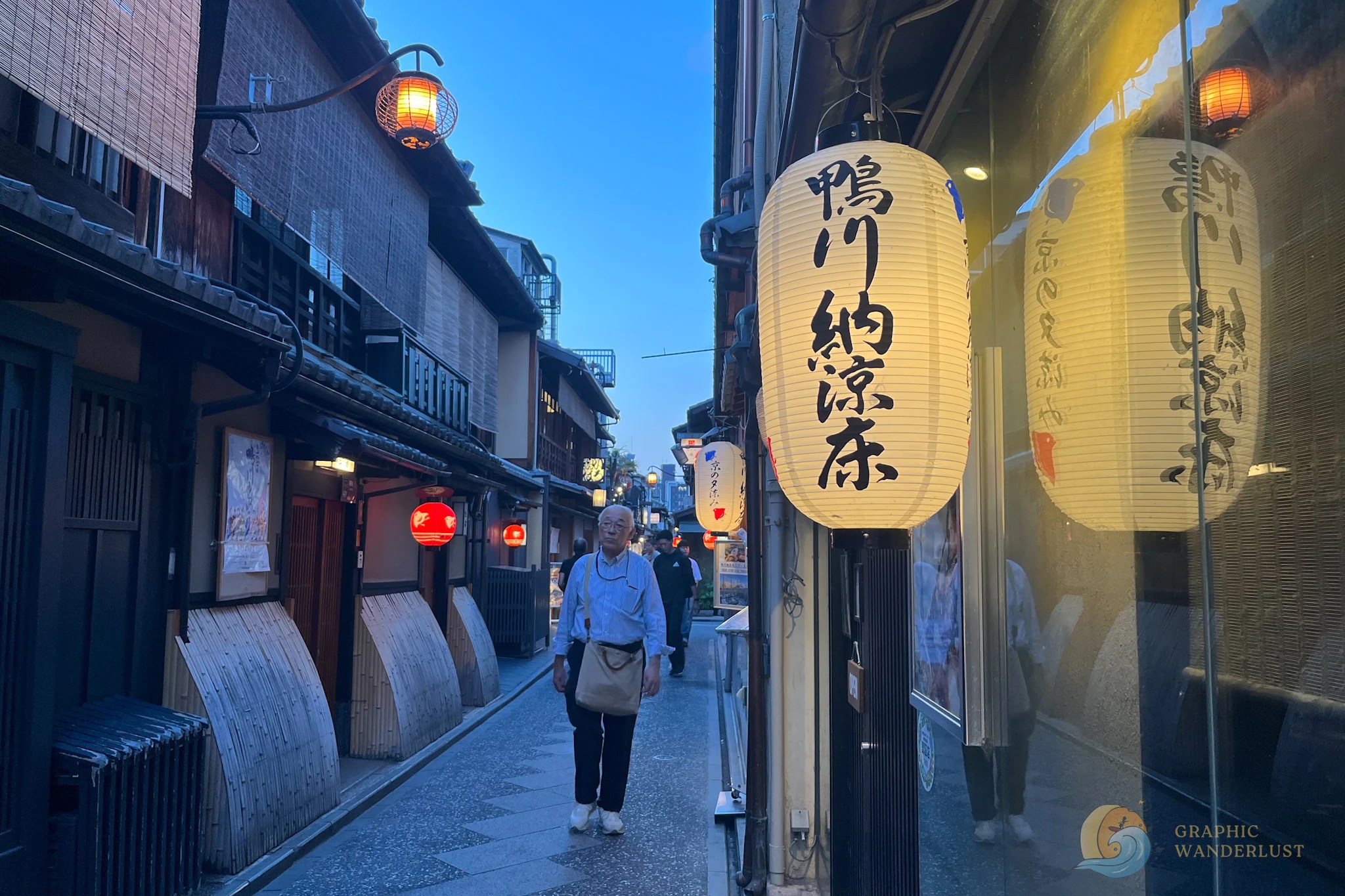
Enrich your traditional experience of Japan by feeding your taste buds with local cuisine at one of the dining spots found at Pontocho Alley.
Located right beside the Kamo River, this 500-meter-long narrow alleyway is knitted with an array of dining spots ranging from small izakaya (Japanese pubs) to elite and exclusive clubs. Aside from the Gion District, you can also spot geisha and maiko in this part of Kyoto, serving the high-end establishments in the area.
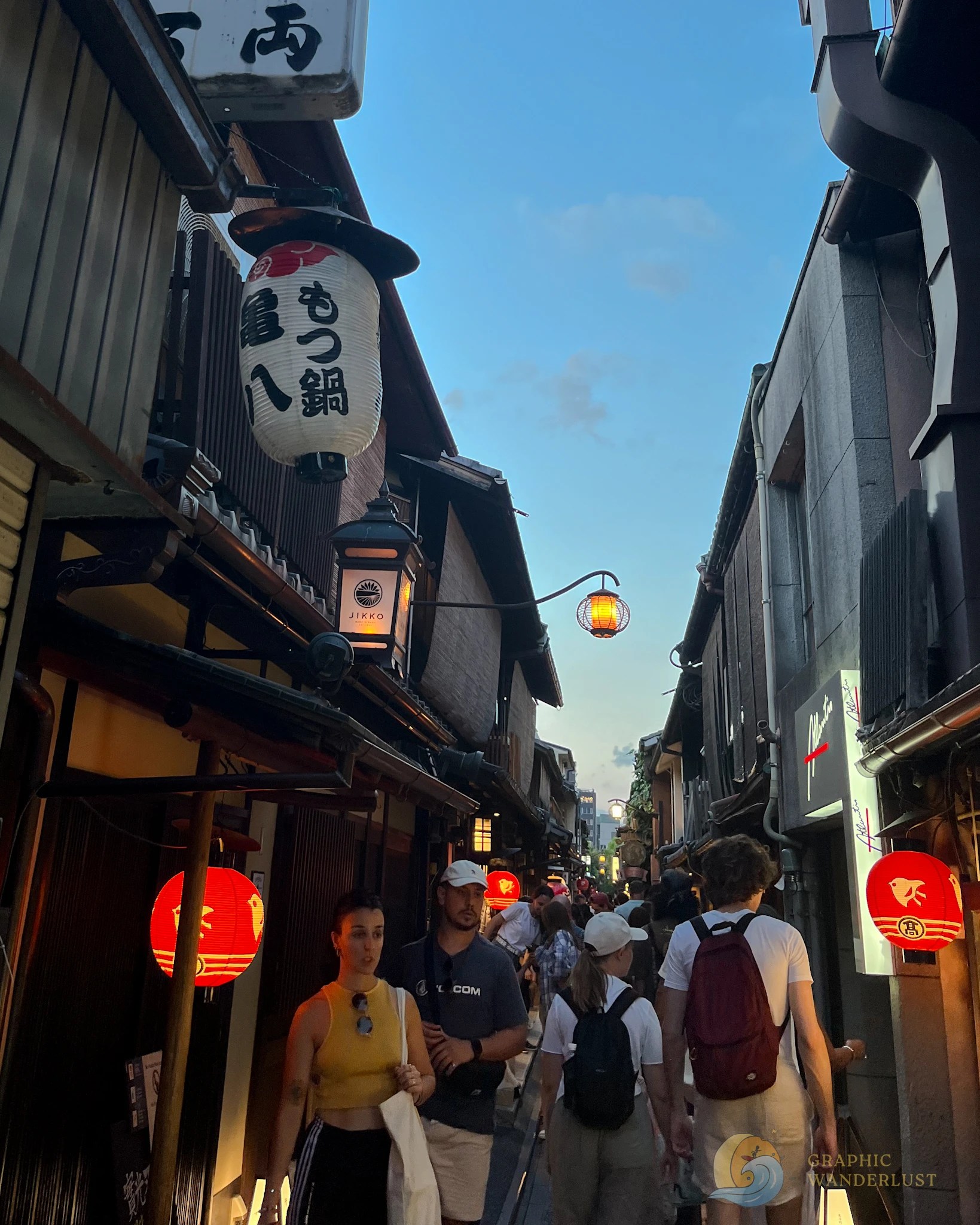
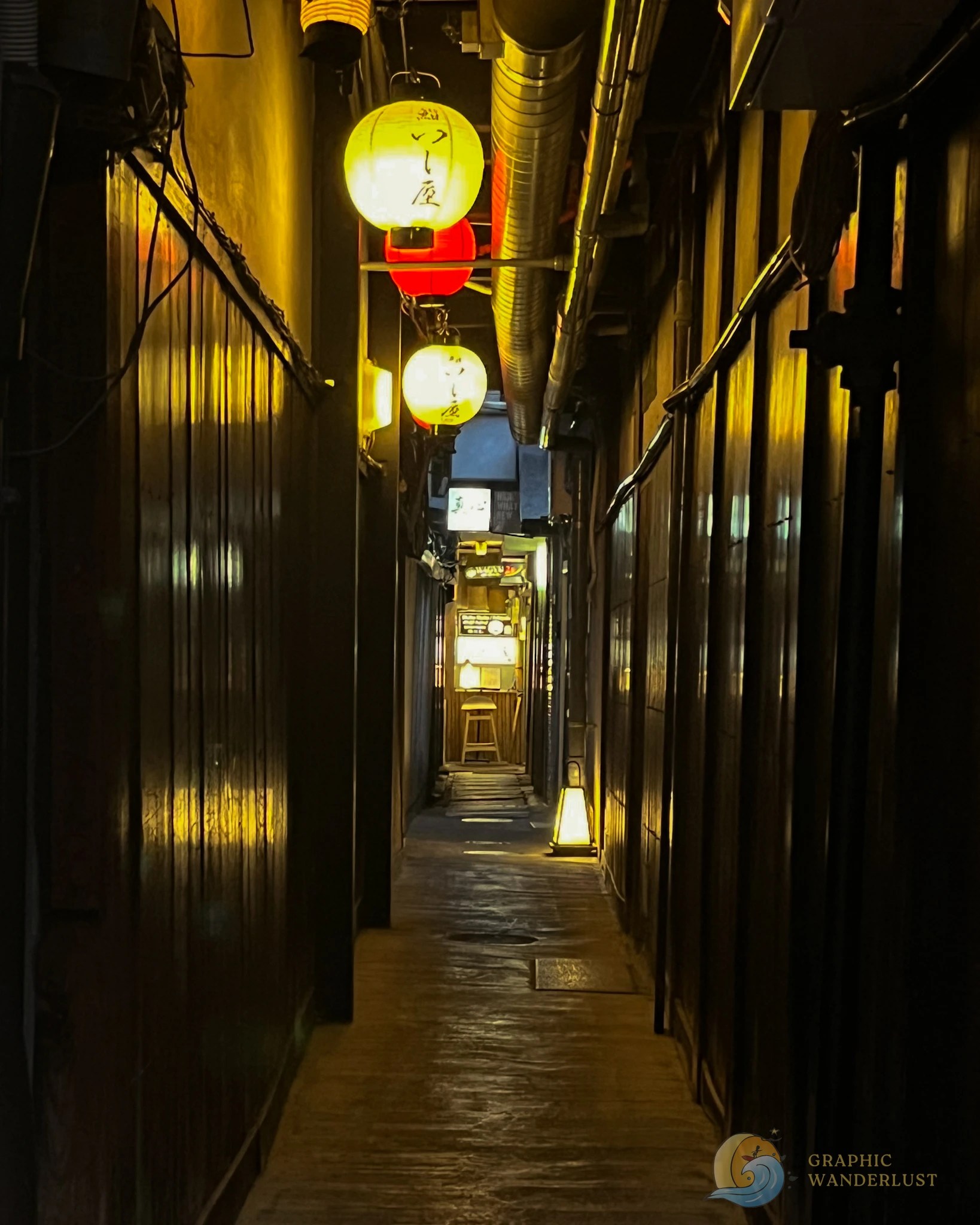
The best time to visit Pontocho Alley is after sunset, when establishments start lighting up their lanterns, creating a picturesque scene of this narrow alleyway.
Getting to Pontocho Alley is easy with the presence of Kyoto-Kawaramachi Station of Hankyu-Kyoto Line, Gion-Shijo Station of Keihan Main Line, and the Shijo Kawaramachi bus stop.
☀ Summer and Late Spring Travel Tip: When visiting Kyoto from May to September, restaurants found along the side of the Kamo River build temporary wooden platforms above the water, called kawayuka, as an al fresco option for dining customers.
Nishiki Market
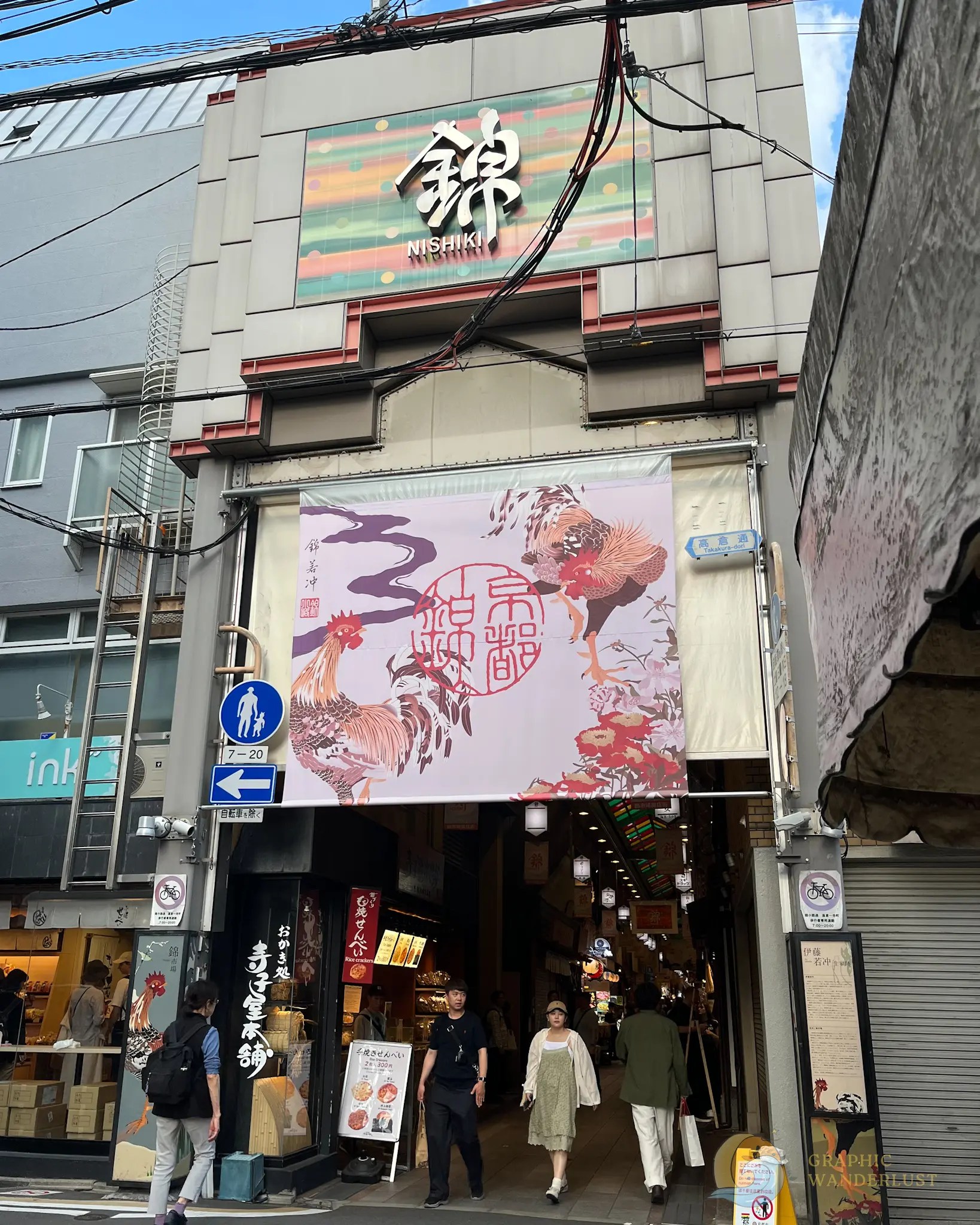
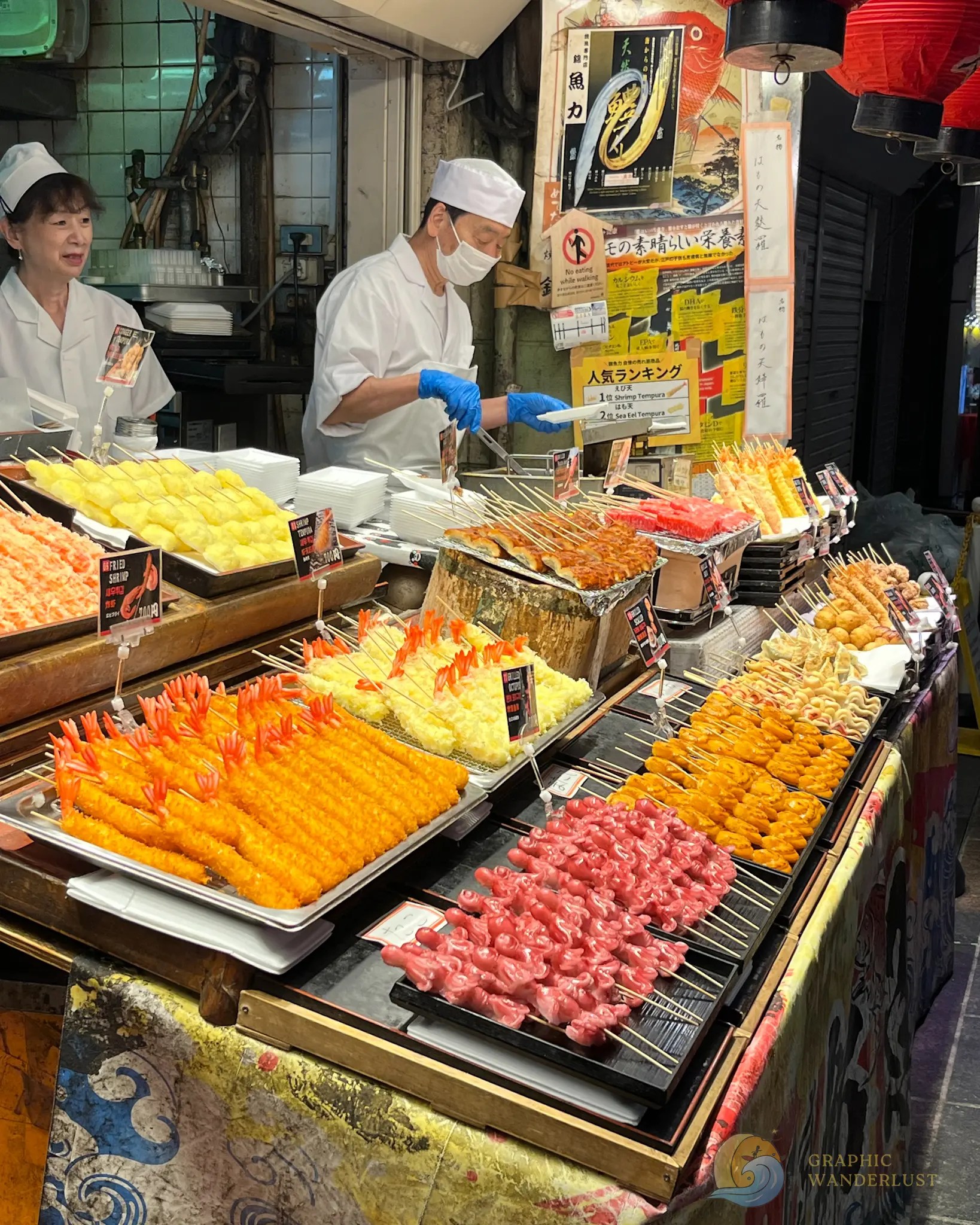
- Location: 609 Nishidaimonji-cho, Nakagyo-ku, Kyoto-shi, Kyoto, Japan
- Operating Hours: 9:00AM-6:00PM
- Admission Fee: None
Further explore the city’s food scene by dropping by at one of its oldest landmarks, Nishiki Market.
Hailed as “Kyoto’s Kitchen” and “Kyoto’s Pantry”, this 400-year-old fresh market has been serving locals since the year 782 and has been known for its array of fresh produce ranging from seafood, vegetables, and seasonal ingredients.
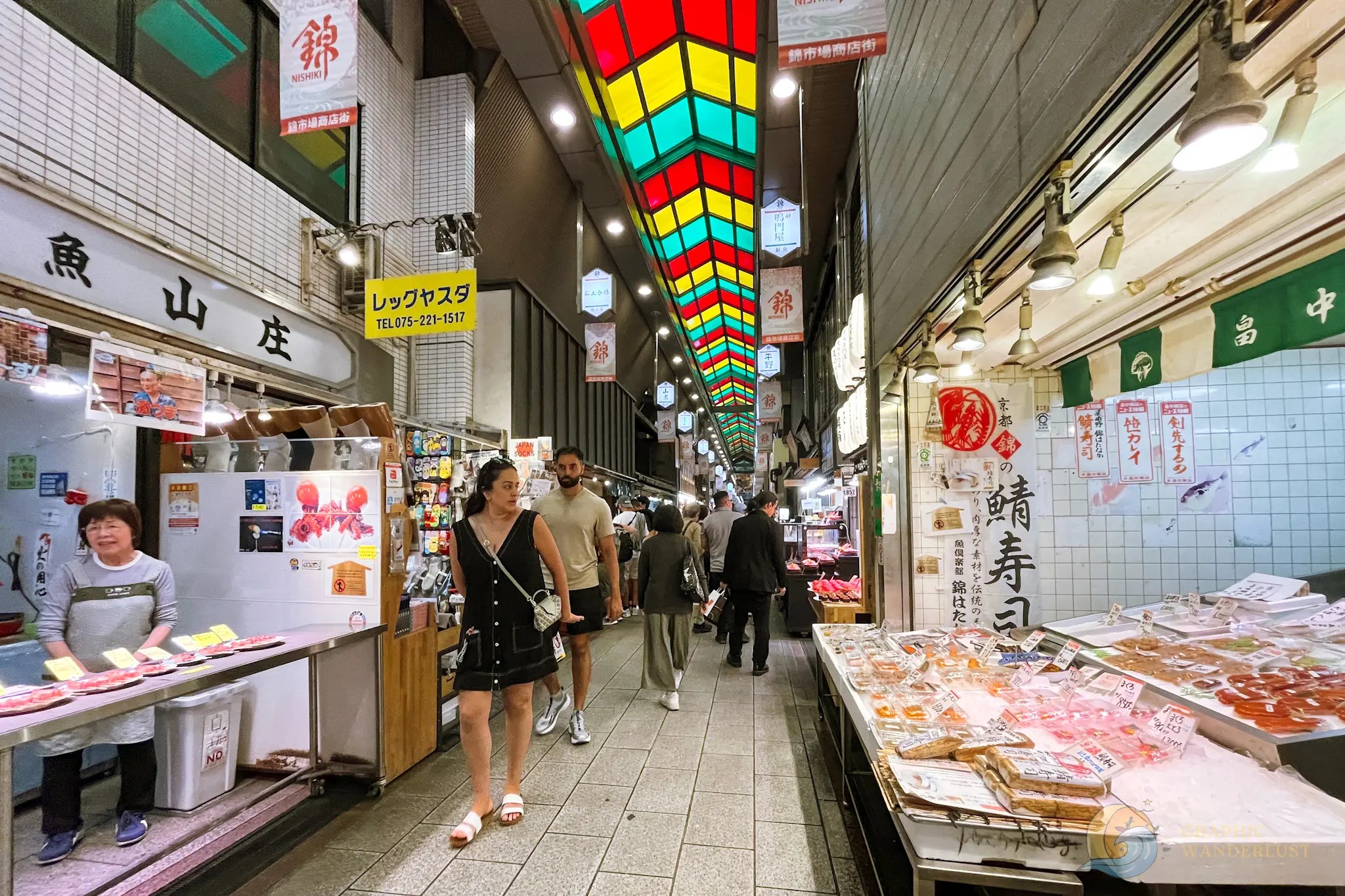
This spot is also popular among locals, especially those shopping for ingredients for traditional Kyoto cuisine, while tourists flock to the place to sample its fresh sushi, sashimi, yakitori, famous street food, and sweet Japanese treats.
Aside from fresh food and ingredients, Nishiki Market is also known for its stores selling high-quality Japanese knives and cookware.
Visiting Nishiki Market is best done within its operating hours to fully experience its array of food offerings. The nearest train station is Kyoto-Kawaramachi Station on the Hankyu-Kyoto Line.
⚠️ Travel Tip: Refrain from eating while walking in Nishiki Market, as it is perceived as negative behavior by locals.
Minor Nearby Tourist Spots
Visiting Kyoto’s aforementioned major tourist spots unlocks more minor cultural attractions important to the locals’ lifestyle and to the city’s identity.
To help you identify them during your trip, here are the other lesser-known tourist attractions in Kyoto that you can easily visit after sightseeing in its major spots:
Around Pontocho Alley
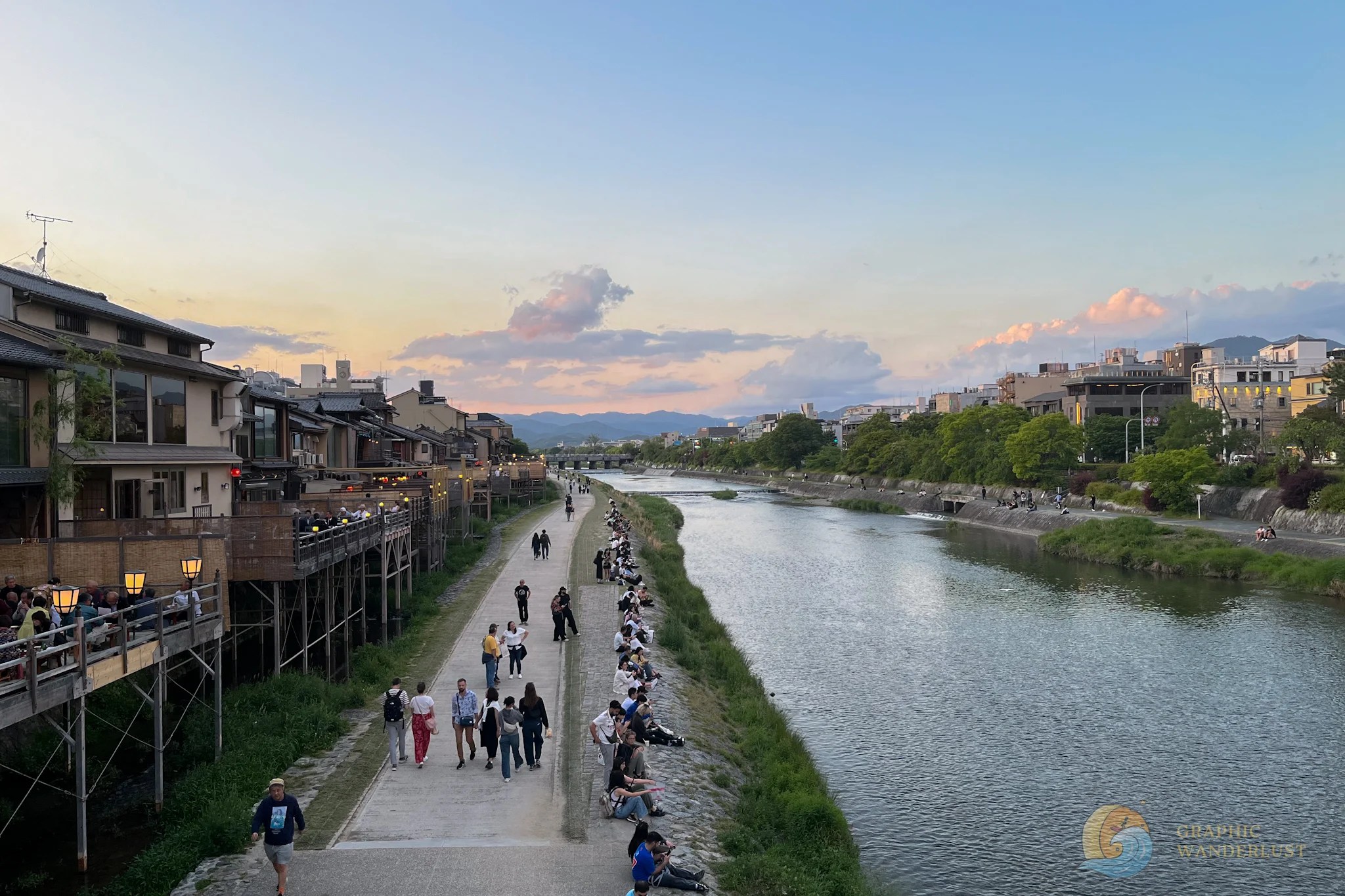
- Kamo River – A popular sunset and people-watching spot where visitors can chill, relax, or bike around.
Around Nishiki Market
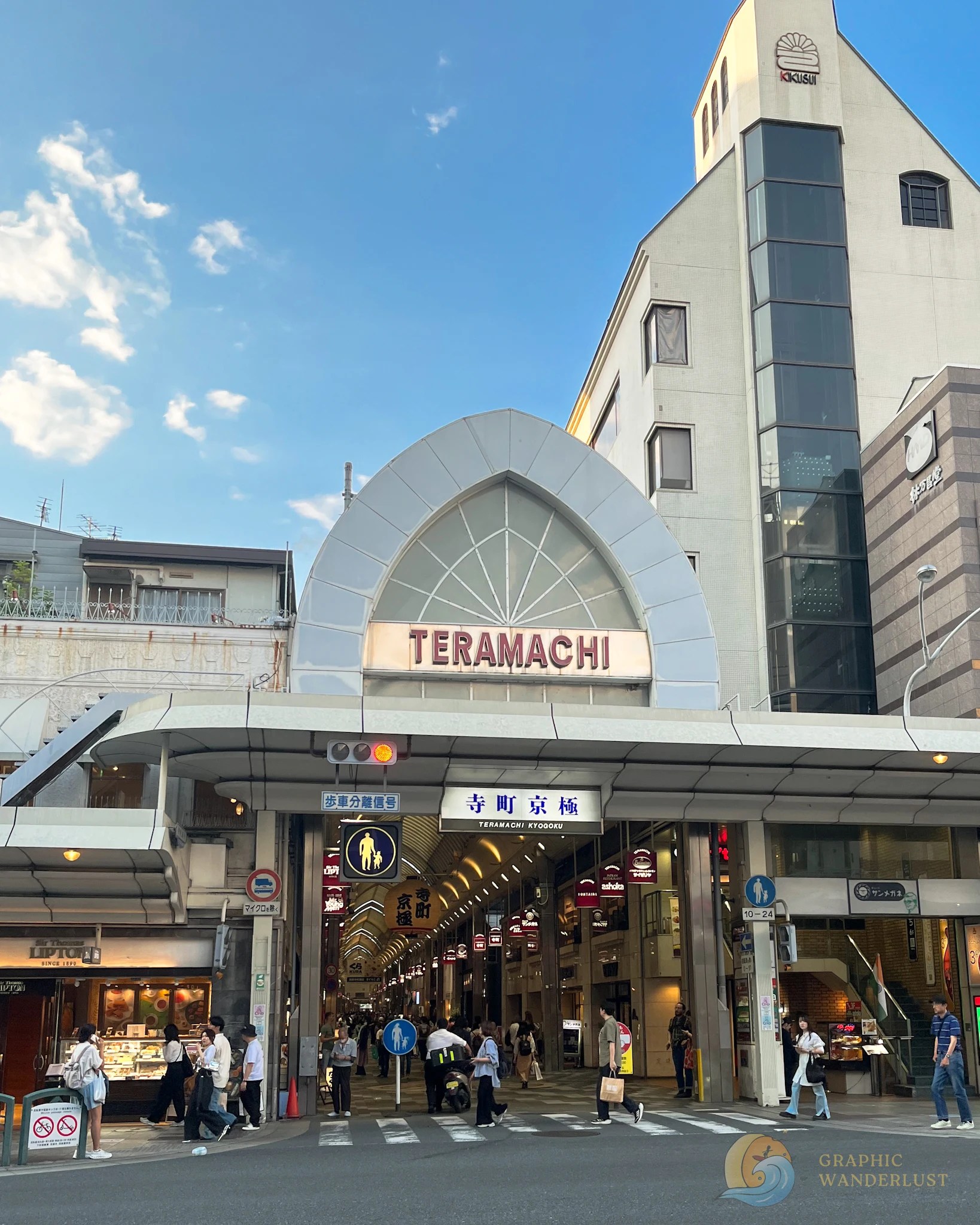
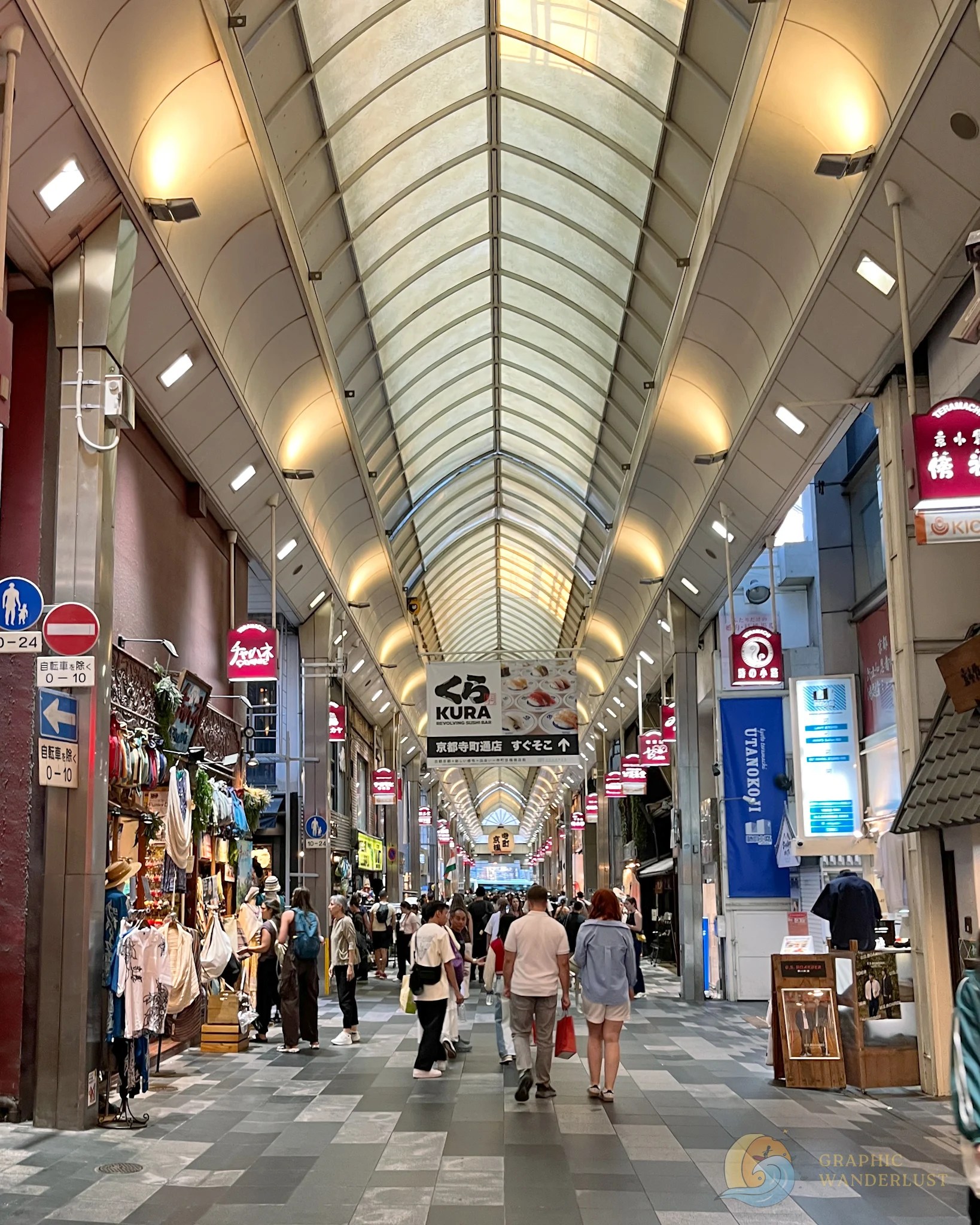
- Teramachi and Shinkyogoku Shopping Streets – Long strips of shopping arcade, housing various retail stores and dining spots found at the end of Nishiki Market.
- Nishiki Tenmangu Shrine – A small Shinto shrine found at the end of Nishiki Market.
Around Arashiyama Bamboo Grove
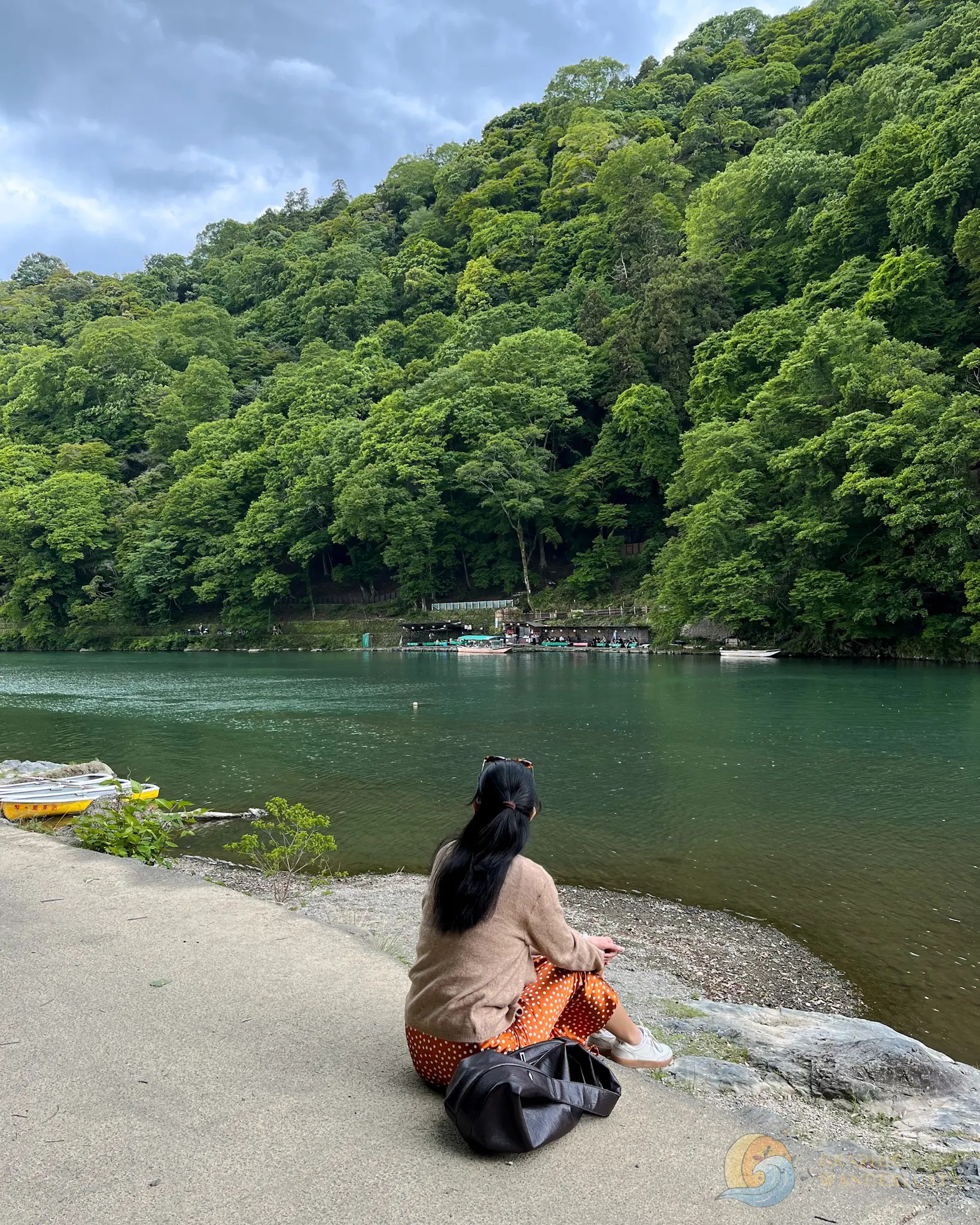
- Katsura River – A scenic emerald green river surrounded by lush greenery, best visited during autumn and sakura season, and can be explored by riding a boat.
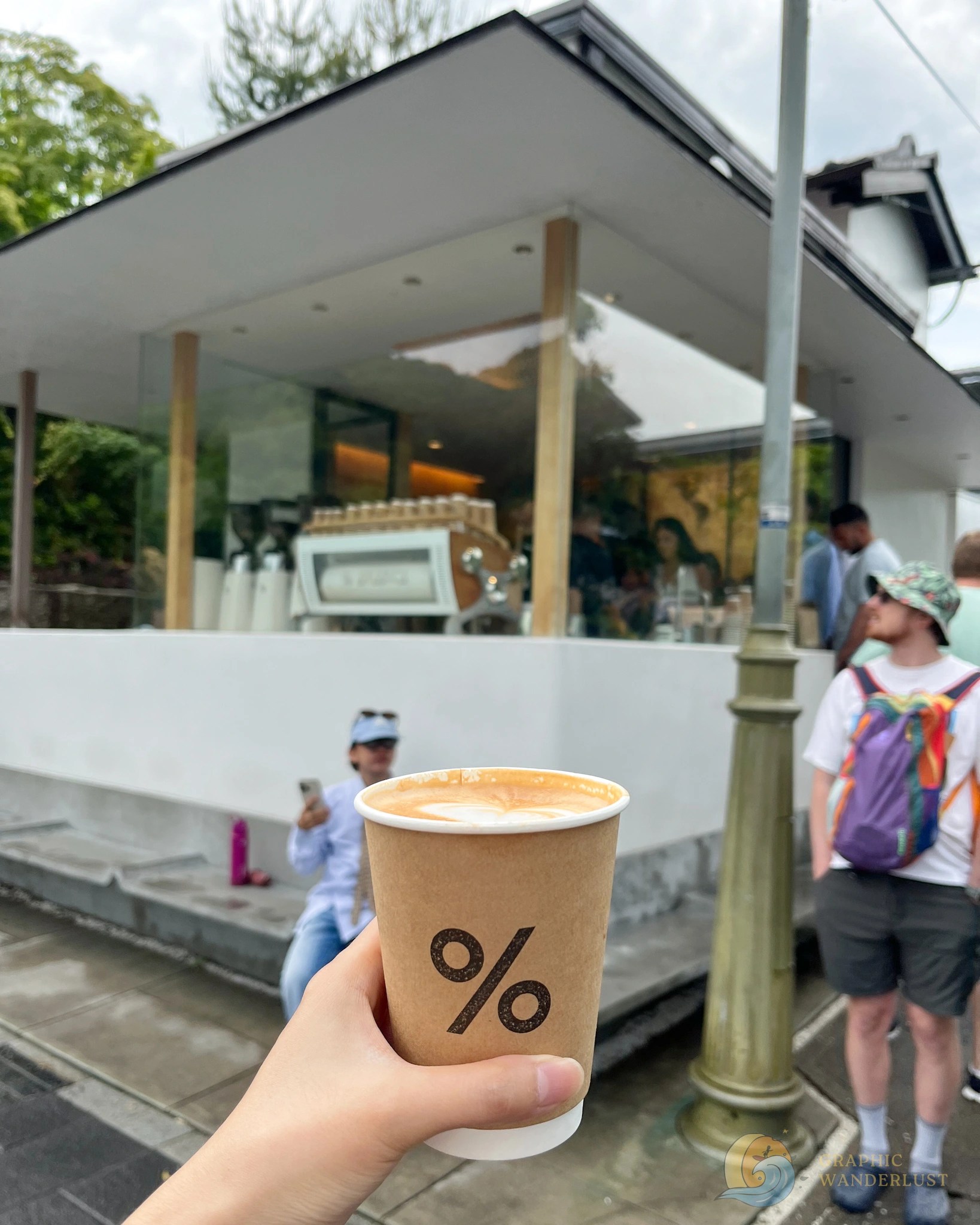
- % Arabica Flagship Store – The famous coffee chain’s flagship store, located at the corner of a street along Katsura River, offering scenic views.
- Togetsukyo Bridge – A historic and popular sakura viewing spot found above Katsura River.
- Arashiyama Monkey Park – A popular spot for sightseeing and interaction with Japan’s famous semi-wild monkeys.
Sample 3-Day Kyoto Itinerary
For our three-day trip to Kyoto, here is the actual DIY itinerary we followed in exploring the city, sorted and grouped according to each attraction’s location. Our last day was allotted to transit to the nearby city of Osaka for our second leg of our Kansai travel.
Day 1 – Arrival in Kansai and Kyoto
7:14 AM – Arrival at Kansai International Airport
9:02 AM – Travel to Kyoto thru Haruka Express
10:35 AM – Arrival at Kyoto Station
11:05 AM – Early lunch at Menya-iroha in Kyoto Ramen Koji
11:45 AM – Explore Kyoto Station Building’s Sky Garden
12:15 PM – Travel to Hearton Hotel Kyoto
12:45 PM – Arrival at Hearton Hotel Kyoto and rest
3:00 PM – Check-in
4:45 PM – Walk to Nishiki Market
5:05 PM – Explore and food crawl at Nishiki Market
6:05 PM – Explore Terramachi Shopping Street and Downtown Kyoto
6:20 PM – Explore Pontocho Alley and surroundings
7:05 PM – Head back to hotel and rest
Day 2 – DIY East Kyoto Tour
10:00 AM – Quick breakfast run at 7-eleven
10:25 AM – Travel to Fushimi Inari Taisha
10:52 AM – Explore Fushimi Inari Taisha
12:28 PM – Travel to Gion District
12:55 PM – Lunch at Gion Gombei
2:00 PM – Matcha break at Gion Tsujiri Kyoto
3:00 PM – Travel to Kiyomizu-dera
3:54 PM – Explore Kiyomizu-dera
4:50 PM – Explore Sannenzaka and Ninenzaka
6:42 PM – Quick drop-by at Yasui Kompiragū Shrine
6:55 PM – Quick drop-by and photo op at Yasaka-dori
7:38 PM – Sightseeing at Kamo River
8:00 PM – Dinner at Nikunabe Chiba
9:00 PM – Head back to hotel and rest
Day 3 – DIY West Kyoto Tour
10:15 AM – Travel to Tenryu-ji Temple
11:00 AM – Arrival and explore Tenryu-ji Temple
12:15 PM – Explore Arashiyama Bamboo Grove
12:53 PM – Stroll along Katsura River
1:00 PM – Coffee break at % Arabica Arashiyama
2:00 PM – Late lunch at Arashiyama Tenryu Diner
2:48 PM – Travel to Kinkaku-ji Temple
3:37 PM – Arrival and explore Kinkaku-ji Temple
4:00 PM – Travel to Kyoto International Conference Center
4:38 PM – Quick drop-by at Kyoto International Conference Center
6:00 PM – Shopping at GU Kyoto
6:40 PM – Head back to hotel and rest
Day 4 – Departure for Osaka
11:00 AM – Check-out of hotel
11:35 AM – Arrival at Kyoto Station
11:40 AM – Early lunch at Tonkatsu Wako
1:13 PM – Travel to Osaka through JR Tokaydo-Sanyo Line
2:00 PM – Arrival at Osaka Station
Kyoto Travel Tips
- JR Haruka Express is usually not crowded, so the reserved seating booking is not necessarily a must. But if you’re traveling during the peak tourist season, it’s recommended to get one to secure seats. Ensure you also keep your ticket close, as an inspector comes up to you after boarding to check it.
- If you plan to travel by train with big pieces of luggage (26″ or above), it is recommended to book a luggage delivery service to forward your suitcases to your booked accommodation. Although bringing them on board Haruka and JR railway coaches is possible, using one will save you the hassle of hauling your heavy baggage around Kyoto. In addition, most coin lockers don’t have a space for large-sized luggage, and you’ll have to find a luggage storage service instead to keep your suitcases.
- Always look for an elevator in train stations when traveling with luggage because, most of the time—albeit they are sometimes hidden too—they are available for use, so you can spare yourself from hauling your suitcase up the various subway exits’ flights of stairs.
- 7-Bank is the usual go-to ATM for tourists getting cash in Japan. There is a ¥110 to ¥220 transaction fee for each withdrawal, depending on the amount entered.
- Tipping in restaurants is not mandatory in Japan.
Visiting Kyoto as a first-time traveler to Japan definitely was a great way to kickstart my exploration of the country as I familiarized myself with its unique culture and complex train system network. After three days in the city, exploring the other parts of the Kansai region became easier for me with this pre-exposure.
But the main thing that really stood out in Kyoto to me was its seamless blend of nature, tradition, history, and modernity. It’s quite amazing to think that a 30-minute train ride can bring you from the bustling streets of Downtown Kyoto to the quiet and serene temples north of the city.
This observation is proof that modern innovation doesn’t need to threaten the existence of history, tradition, and nature—they can both coexist, respecting each other’s significance to today’s society. Apparently, the Japanese people share the same mindset, and I wish we could employ the same to the status of our important natural, cultural, and heritage sites here in the Philippines without eliminating them.
How about you? What lured you into Kyoto that you find yourself planning a trip to it? Let me know your thoughts in the comments below!
If you also find this post useful, you can support me in creating more travel and hiking guides in the future! Just tap on my Ko-fi or Buy Me a Coffee profile to get started, or share this post with your friends or on social media for free!
DISCOVER MORE ASIAN DESTINATIONS AND GUIDES!





Any thoughts?