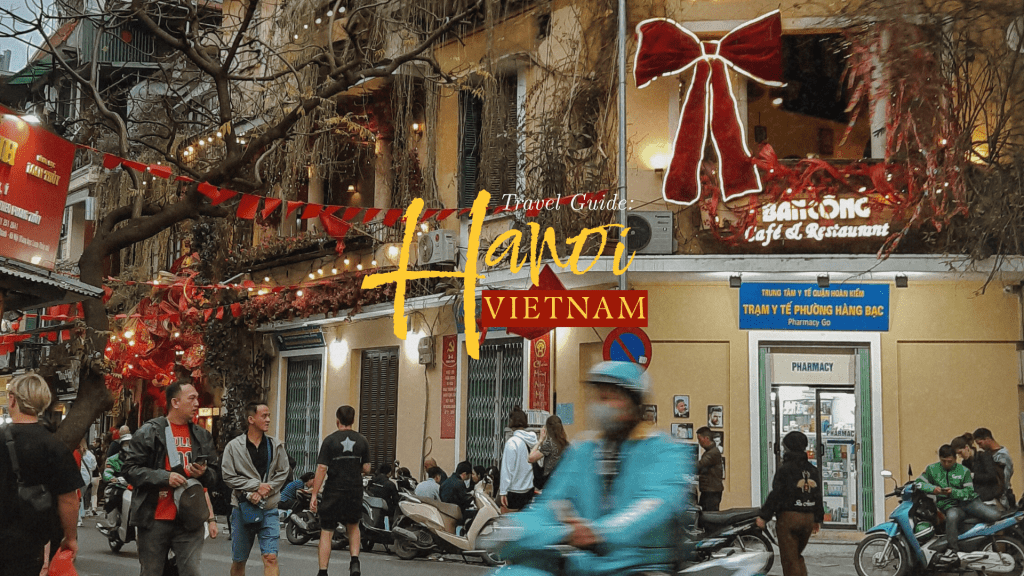

Traveling to Vietnam has been a long-overdue task in my travel plans. As early as 2022, I’ve been wanting to visit this charming Southeast Asian neighbor until I finished ticking off Singapore and Thailand, and finally booked a flight to the country late last year. This decision has been a split between Hanoi and Ho Chi Minh City, but since I wanted to visit the mountainous town of Sapa, I settled for discovering Northern Vietnam first. (Hopefully, we find ourselves in the south, too, soon!)
If you’re planning to head to Vietnam’s capital city, here’s a handy Hanoi travel guide, covering its top attractions, best things to do, where to stay, and a suggested four-day itinerary based on the first-hand experiences of a first-time traveler.
Table of Contents
ALSO READ: A Local’s 3-Day Guide to Manila: Things to Know, Where to Go and Itinerary
Hanoi Fast Facts
- Visa: Visa-free for 25 countries, including the Philippines for 21 days
- Travel requirements: Valid visa (if needed), passport valid for at least 6 months and with at least 2 blank pages
- Currency: Vietnamese Dong (đ)
- Major languages: Vietnamese, English
- Major religion: Buddhism
- Timezone: Indochina time (GMT+7)
- Seasons: Spring (February to April), Summer (May to August), Autumn (September to November), and Winter (December to January)
- Best time to visit: September to November
- Modes of transportation: Bus, taxi, ride-hailing service (Grab), MRT (Hanoi Metro), Cyclos
- Payment methods: Cash (local merchants); card i.e., Mastercard & Visa (big establishments)
- Power plug & socket type: Type A, B, and C
How to Get to Hanoi
Getting to Hanoi from Manila is easy with the regular direct flights offered by Philippine Airlines, Cebu Pacific, and Vietnam Airlines to Noi Bai International Airport, for approximately two hours of flight time. Flying from other parts of the Philippines is also an option for travelers located outside of Manila, with Vietnam Airlines servicing the Cebu-Hanoi route at Mactan-Cebu International Airport.
For our trip, we opted to fly with Vietnam Airlines from Ninoy Aquino International Airport in Manila, where we purchased round-trip tickets, in-flight meals, and a 23 kg baggage allowance for ₱12,334.35.
We didn’t immediately head to Hanoi after our flight since we booked a bus to Sapa after our arrival, but Hanoi-bound travelers can go directly to the city via taxi, booking a ride-sharing service, i.e., Grab, or boarding Bus 86 for a cheaper alternative.
Book your Manila to Hanoi flight here!
⚠ For travelers with passports issued by the United States, Canada, Australia, and other countries not covered by Vietnam's visa-exempt policy, ensure to obtain the required e-visa before your flight.
Best Time to Go
As reiterated above, the best time to visit Hanoi is during the autumn months of September to November, when the city observes a general good weather with clear skies, sunny days, and cool temperatures. If you’re also planning to do a trip to Sapa, this period also coincides with the region’s lush and green scenery, making it a good time to visit.
The spring months of February to April are also suggested as another good period to be in Hanoi. However, expect these times to be peak tourist season with Tet (Vietnam Lunar New Year) coinciding with it, and when rainy days are more frequent.
I can attest to the latter during our recent trip to Hanoi in February, when our third day morning was interrupted by moderate rain showers, causing the temperature to drop and making the cold weather a bit unbearable with one or two layers.
Try avoiding the summer months of May to August when the region receives the highest amount of rainfall and when temperatures soar.
Things to Do in Hanoi
Aside from its famous and adrenaline-pumping Train Street and the charming Old Quarter, Hanoi offers other interesting activities that further reflect the city’s rich culture and history. I suppose you’re here to find out what these are, so here is a list of must-dos in Hanoi when traveling for the first time.
Catch the train at Train Street
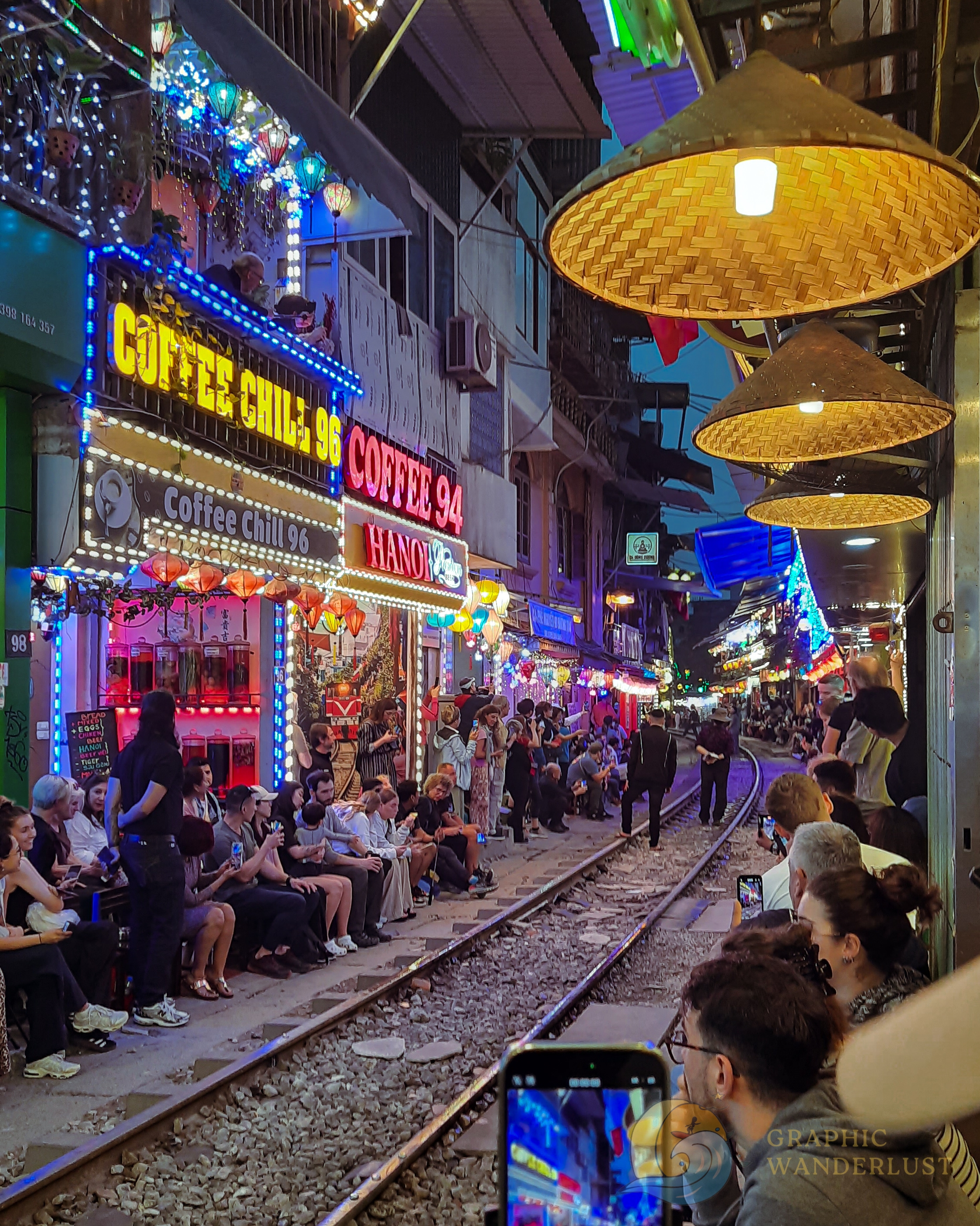
One look up at Hanoi on the Internet and you’ll be rewarded by pictures and videos of a colorful alley bordered by knitted cafés and an imposing train passing at its center. Though it may look dangerous and unsafe, Train Street has earned its reputation as a must-do activity in Hanoi and a classic way to seal any trip to the place.
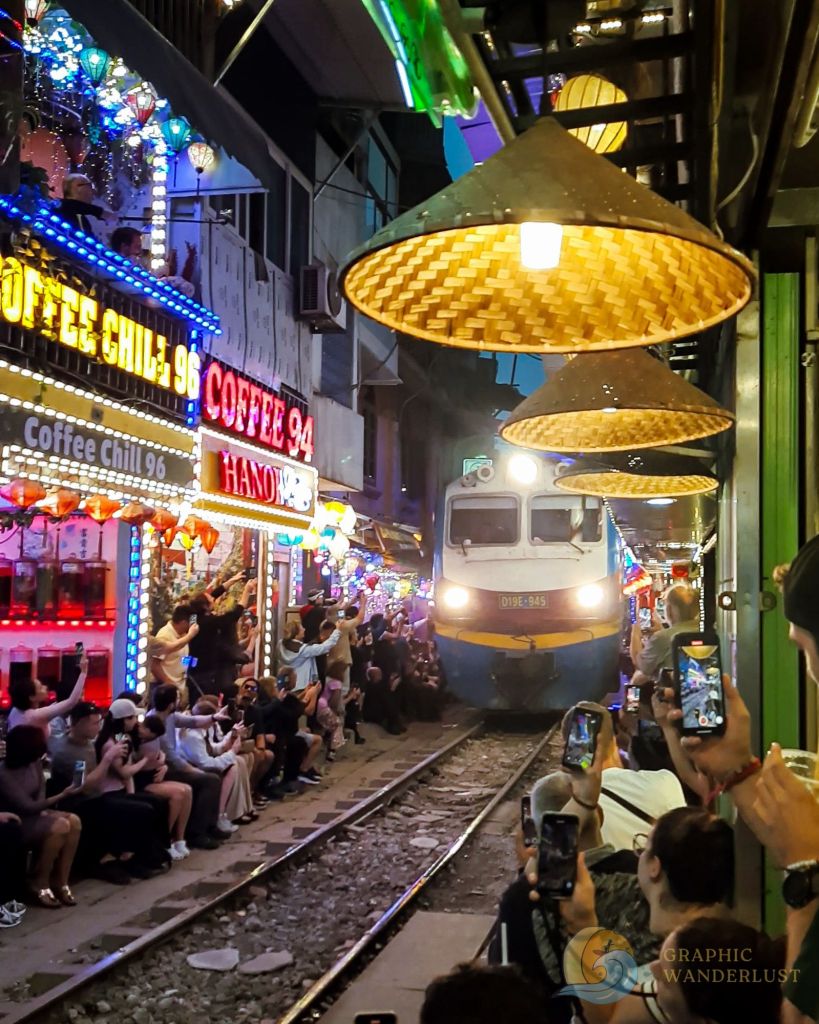
Underscored by the adrenaline-pumping experience offered by the passing coaches of Reunification Express and other regional trains, visitors have the chance to stand or sit very close to them in the line of restaurants and cafés that fill the street.
The orchestrated, hurried evacuation of the shop owners to remove plastic stools, tables, awnings, and sometimes even tourists along the tracks as the train approaches has also become an entertainment for awestruck bystander visitors.
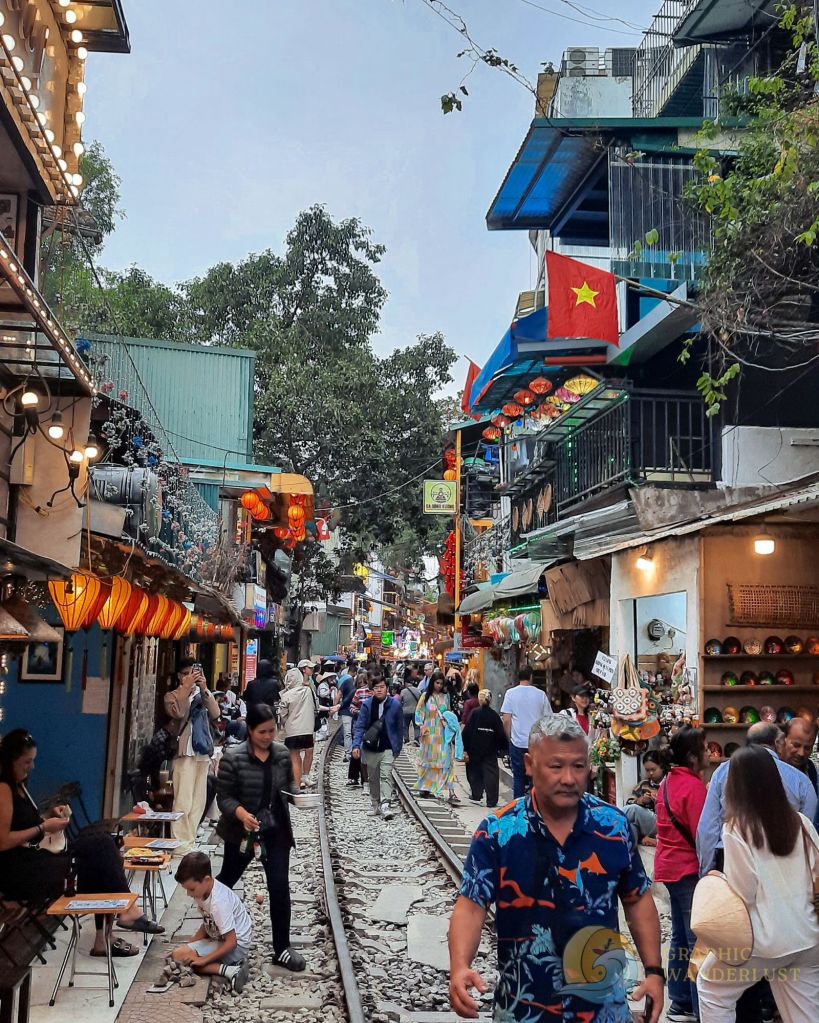
However, the place’s safety has always been a concern, with numerous minor accidents reported due to its hazardous setup, so caution is strongly advised when visiting.
Explore the buzzing streets of Old Quarter
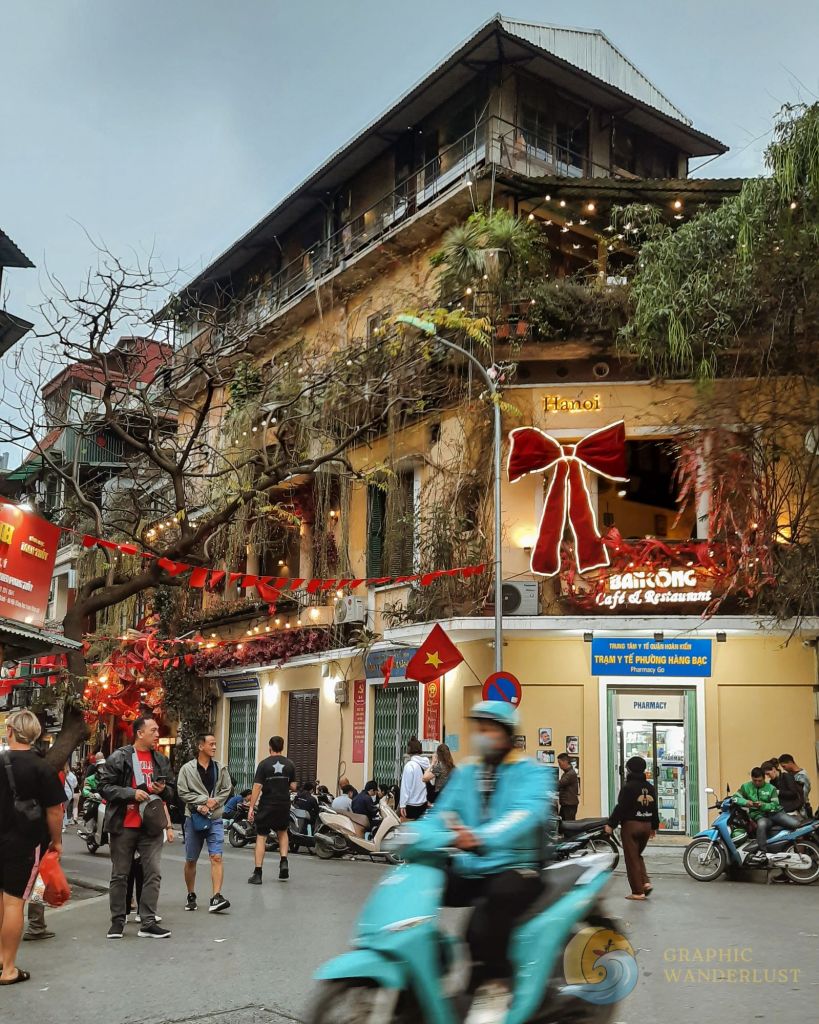
Another staple in any Hanoi itinerary and most likely the area where you’ll pick your accommodation, the Old Quarter is a must-experience for any first-time traveler.
Filled with speeding scooters, street vendors on bicycles, storefronts with low chairs pouring out into the sidewalks, and a buzzing coffee scene, Old Quarter’s historic 36 guild streets offer a quick glimpse into Vietnam’s rich culture and history.
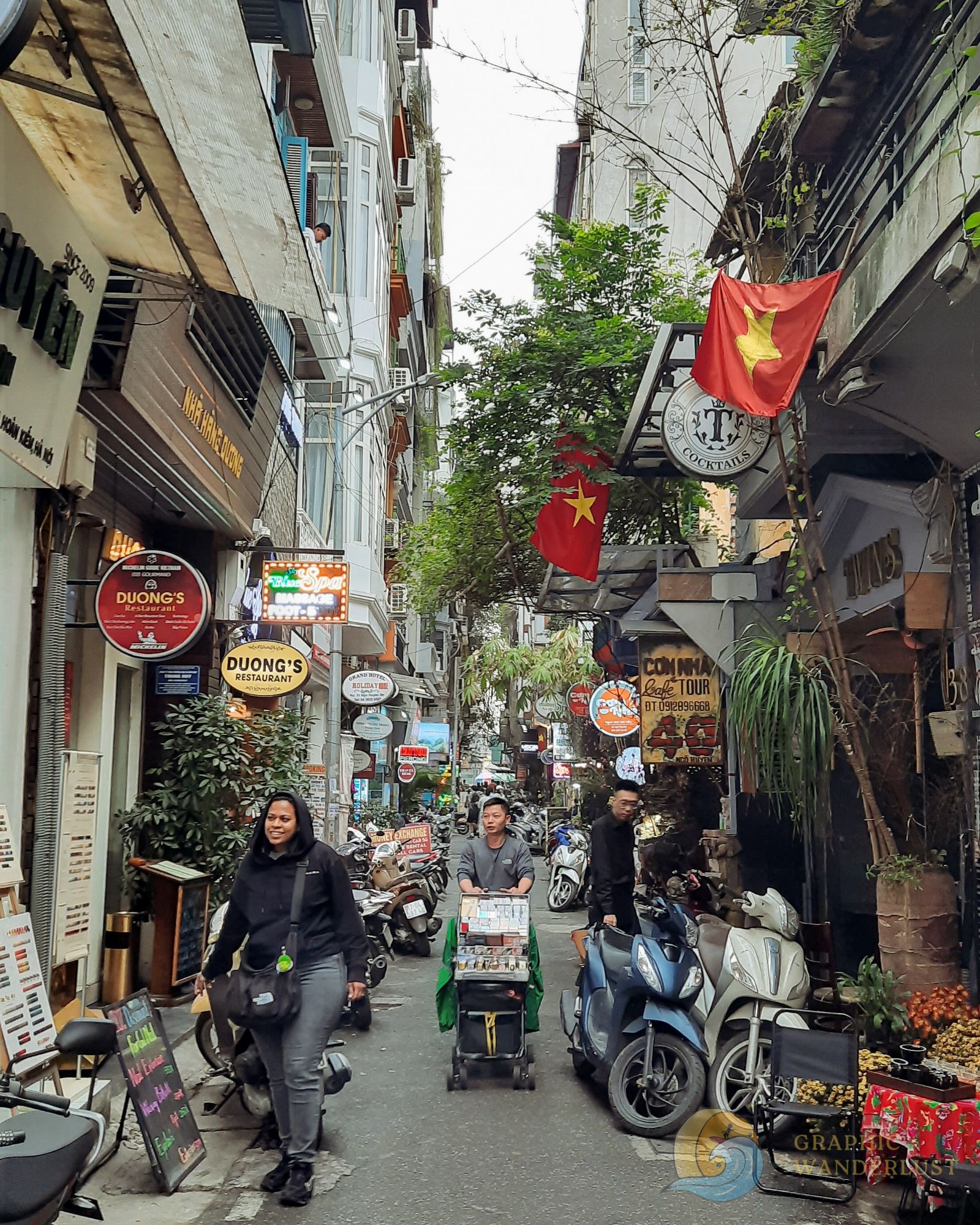
Hang Bac used to be an alley of silversmiths producing money and jewelery for the country’s then royalties and is now home to silver jewelery and currency exchange shops; Hang Ma is where locals go to buy festival decoration and religious goods to adorn their homes; Hang Gai is known as a hub for the finest silk in the city and continues to live up to its legacy with the various textile stores that fill it; while Lan Ong is the place to go for traditional herbs and medicines.
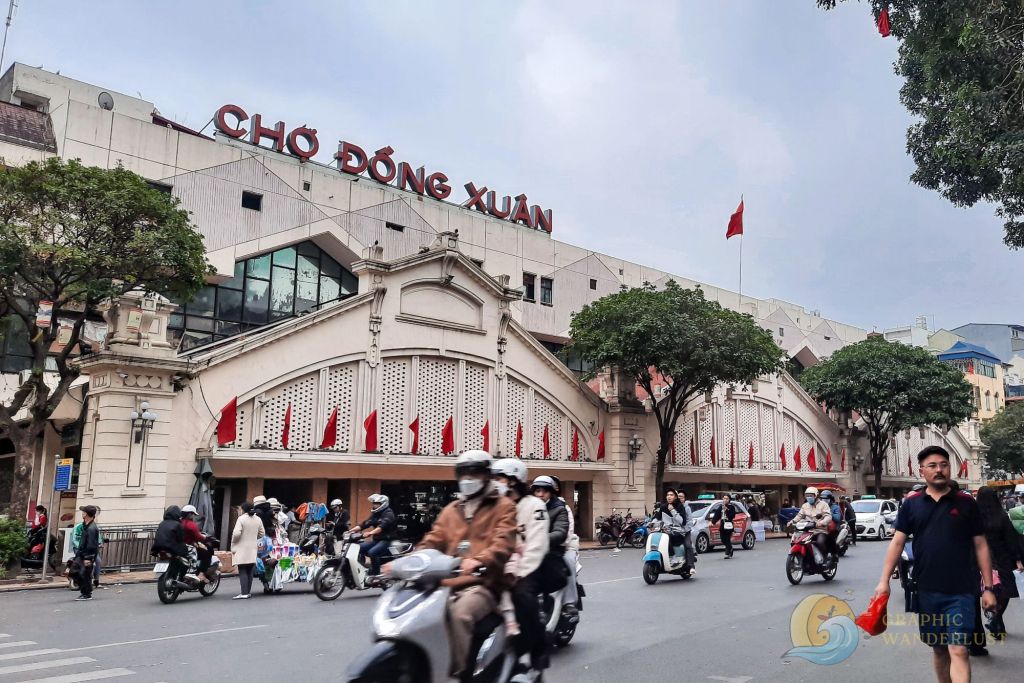
Some other points of interest to visit in the neighborhood include Bach Ma Temple, O Quan Chuong Gate, Ma May Heritage House, and Dong Xuan Market.
Stroll along Hoan Kiem Lake
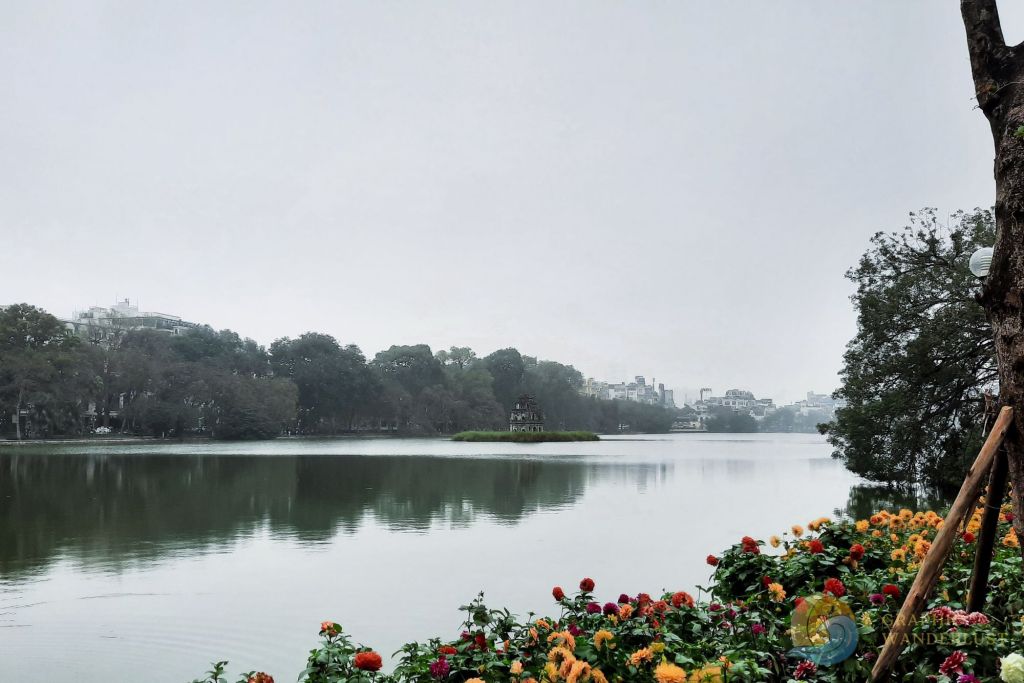
The locals respite from the daily hustle and bustle of the city, Hoan Kiem Lake has become a landmark and significant symbol of Hanoi.
Characterized by its year-round green freshwaters and a mini building that stands on an island at its center called Turtle Tower, Hoan Kiem Lake is believed to be the home of a mystical turtle who took the magical sword given to King Le to protect Vietnam from Chinese invaders.
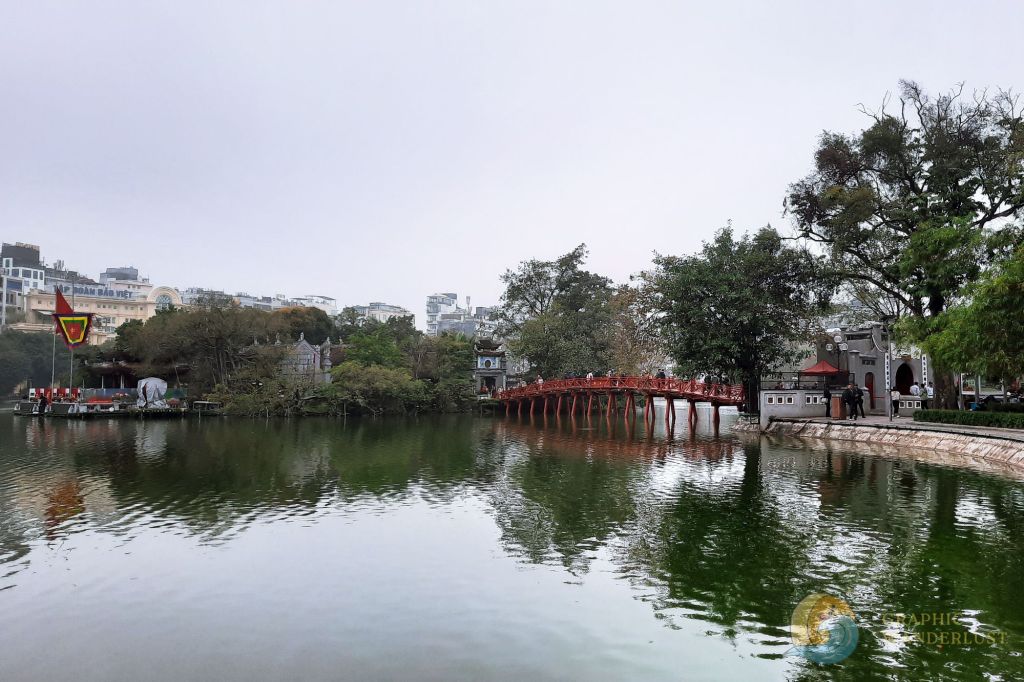
The lake also houses Ngoc Son Temple and The Huc Red Bridge, where both locals and tourists flock to pay respects to its deities for VND50,000.
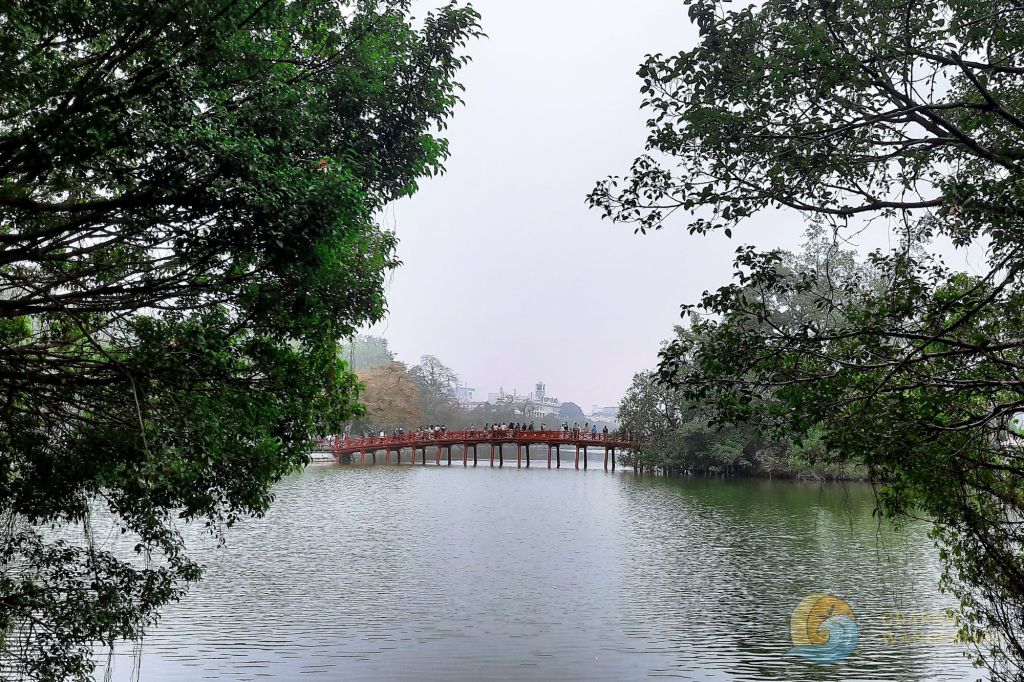
The Thang Long Water Puppet Theatre, located northeast of the lake, is also a must-visit, where performance of this traditional art is shown starting at VND100,000.
Hoan Kiem Lake is also a good spot to do people-watching, with elderly locals gathering near the lake on early mornings to do tai chi and youngsters spread across its vicinity during late afternoons.
Marvel at St. Joseph Cathedral’s architecture
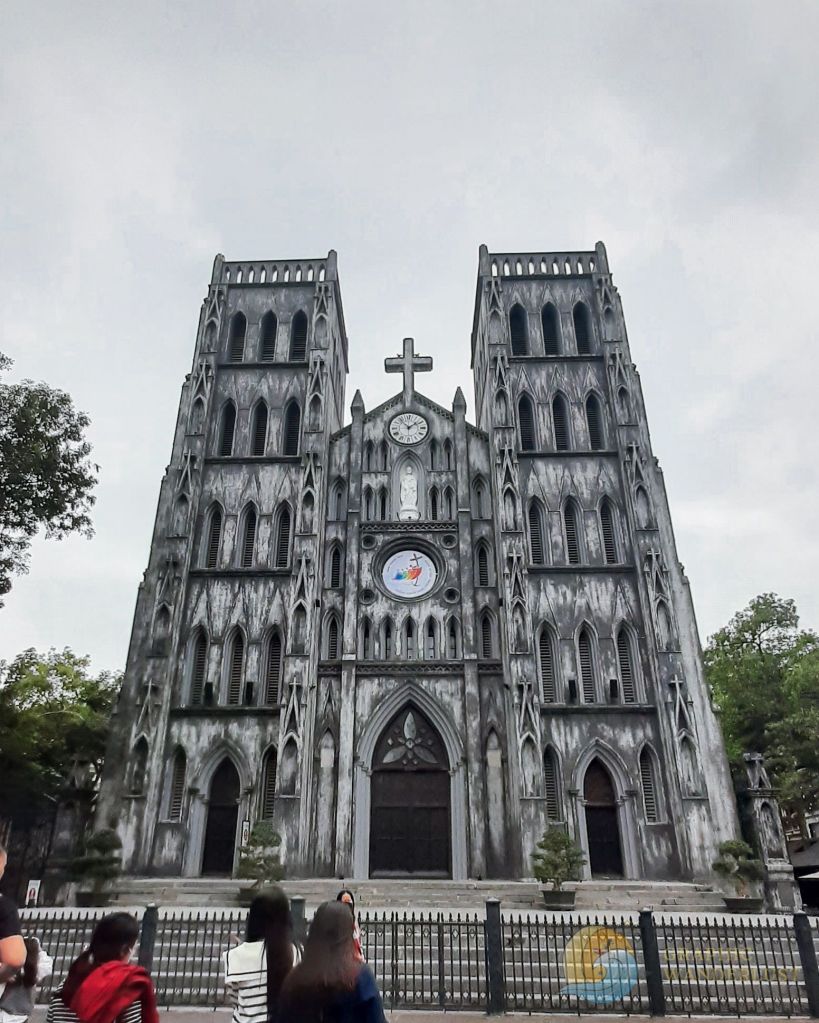
One of the few Southeast Asian countries with a significant Catholic population, Hanoi is also home to Vietnam’s 19th-century Neo-Gothic church, St. Joseph Cathedral (also known as Hanoi Cathedral), which serves as an important relic of its French colonial past and a must-see attraction in the city.
One of the first and oldest buildings in the city, erected during the French colonial period, St. Joseph Cathedral stands in stark contrast against its surroundings in the Old Quarter with its distinguishing twin square bell towers, pointed arches, and stained glass windows. Its interior is defined by its rib vaulting and gilded main altar with an image of St. Joseph holding an infant Jesus in his arm, taking center stage. Records also state that the church is supposed to be a mini-replica of the famous Notre Dame de Cathédrale in Paris, France.
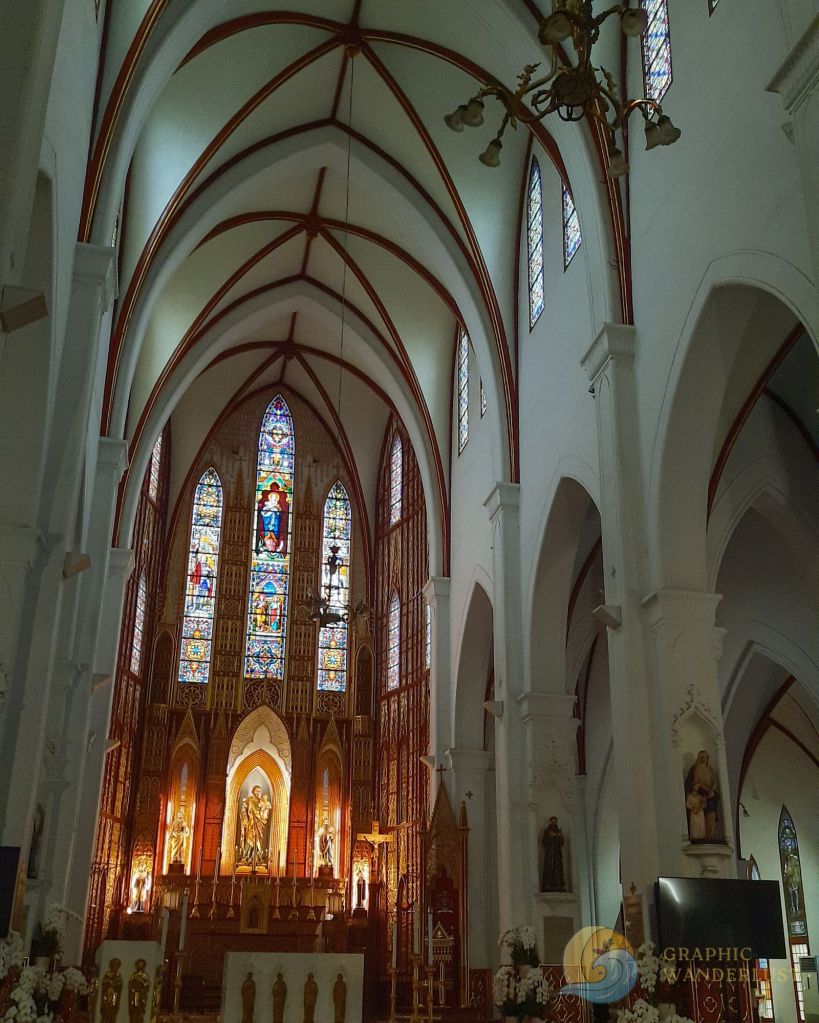
Admission is free for travelers looking to explore this historic spot in Hanoi, but take note of its sightseeing time, which runs from 8AM to 11AM in the morning and 2PM to 5PM in the afternoon.
Scheduled masses are also available for tourists who wish to attend one, while surrounding cafés and restaurants fill the vicinity of the cathedral for travelers in search of a lively food scene.
Discover Vietnam’s first university at Temple of Literature
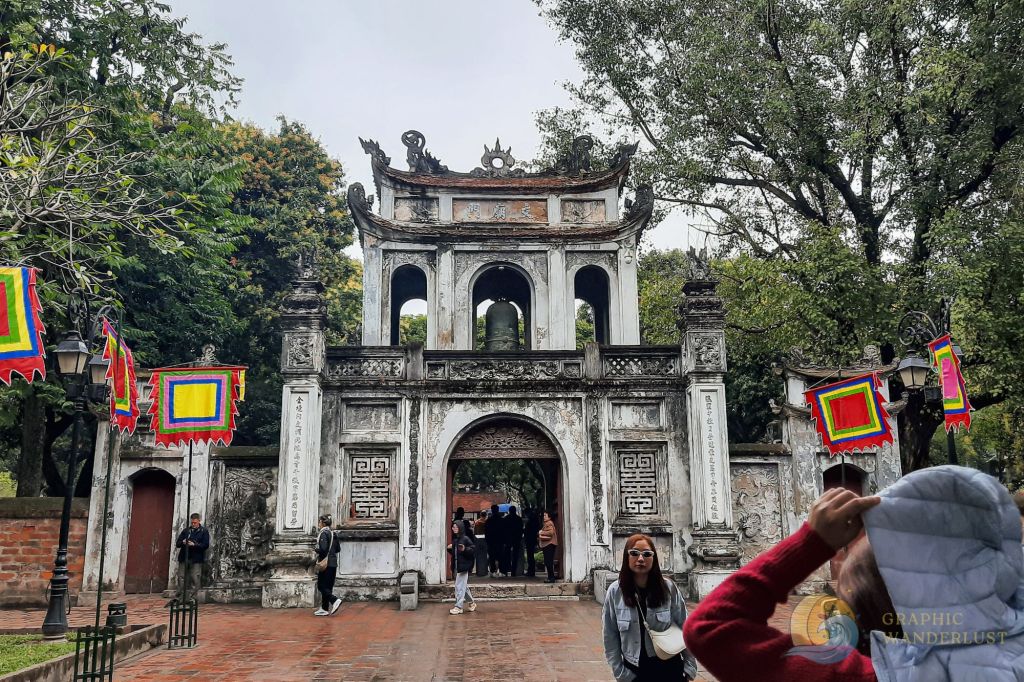
Originally constructed in the 11th century as a place of worship dedicated to the Chinese philosopher, Confucius, the Temple of Literature has become the country’s first and Southeast Asia’s oldest historical university with the establishment of the Imperial Academy.
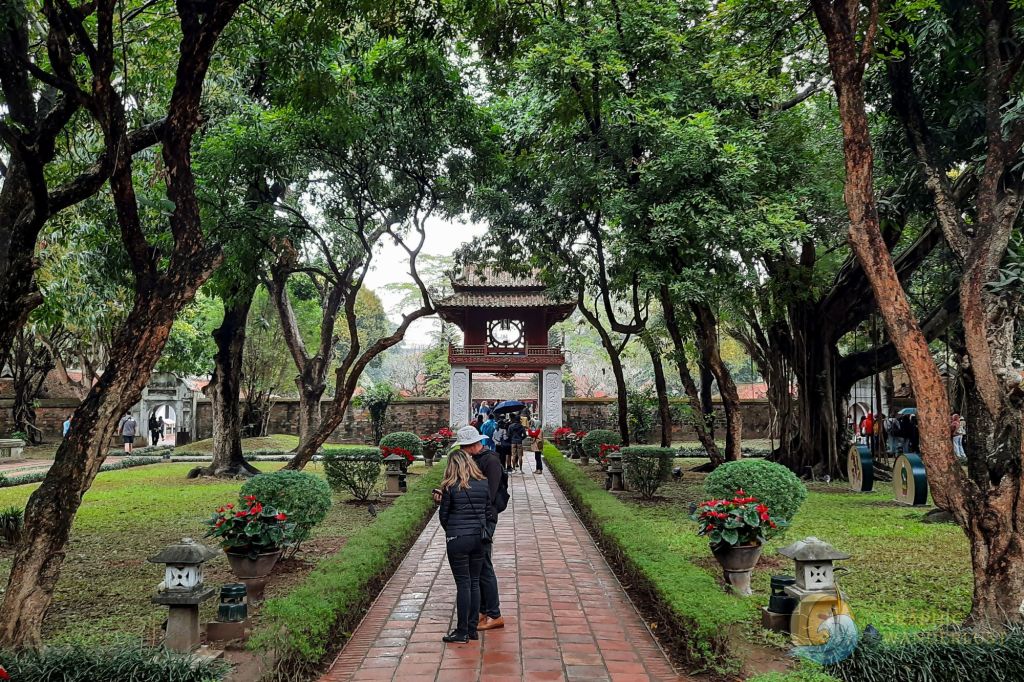
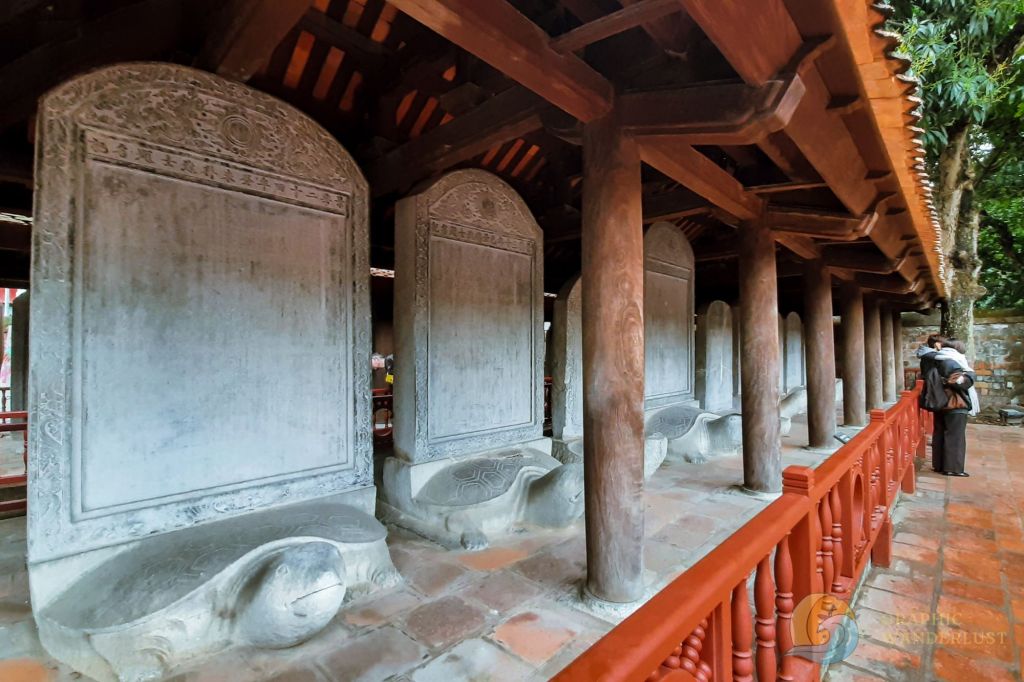
Initially attended by royals and the society’s noble and elite, the university eventually admitted the nation’s best scholars who studied literature, poetry, and Confucianism within its complex. Names of exceptional students were engraved in the stone tablets called stelae atop turtle statues, which can still be seen in the vicinity up to this day.
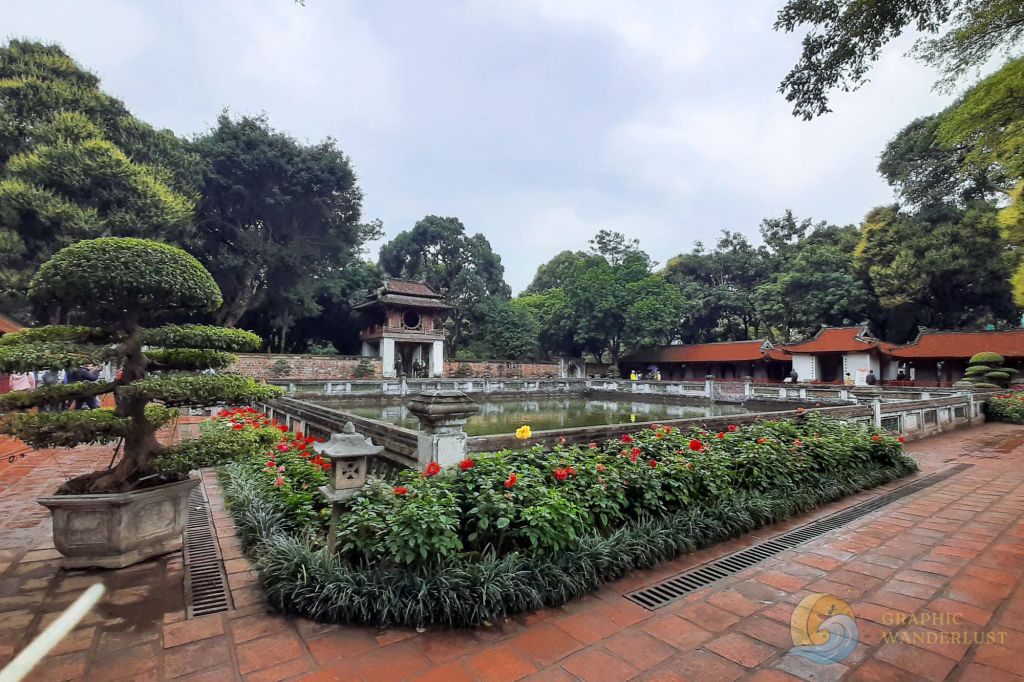
Aside from being an important historical relic in Hanoi, the place is also visited for its depiction of authentic Vietnamese architecture, which can be seen in the different buildings that surround its five unique courtyards.
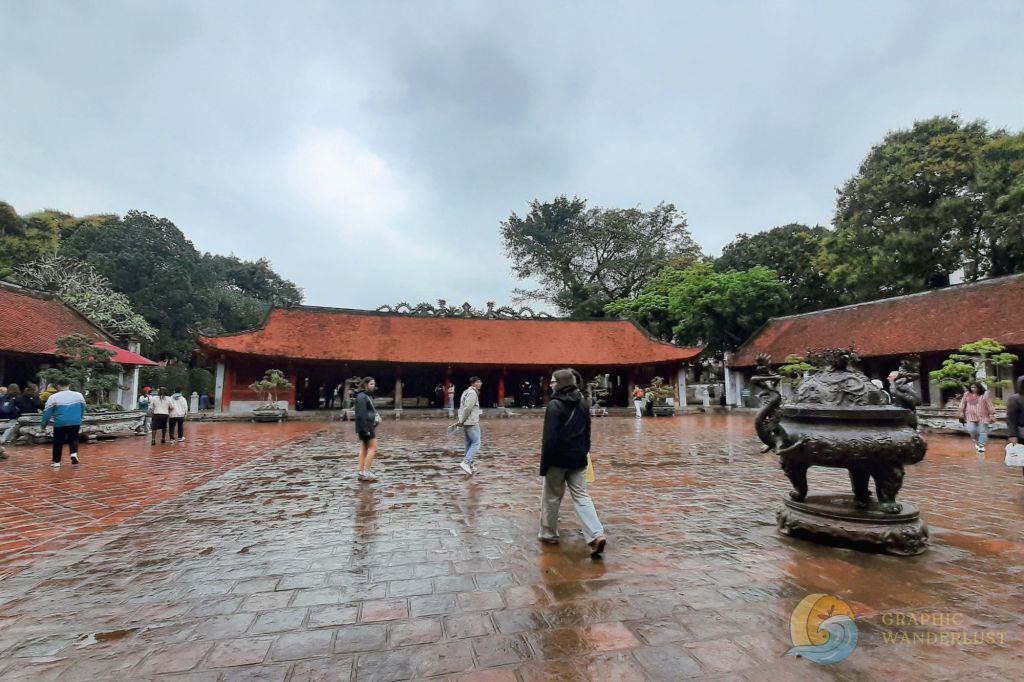
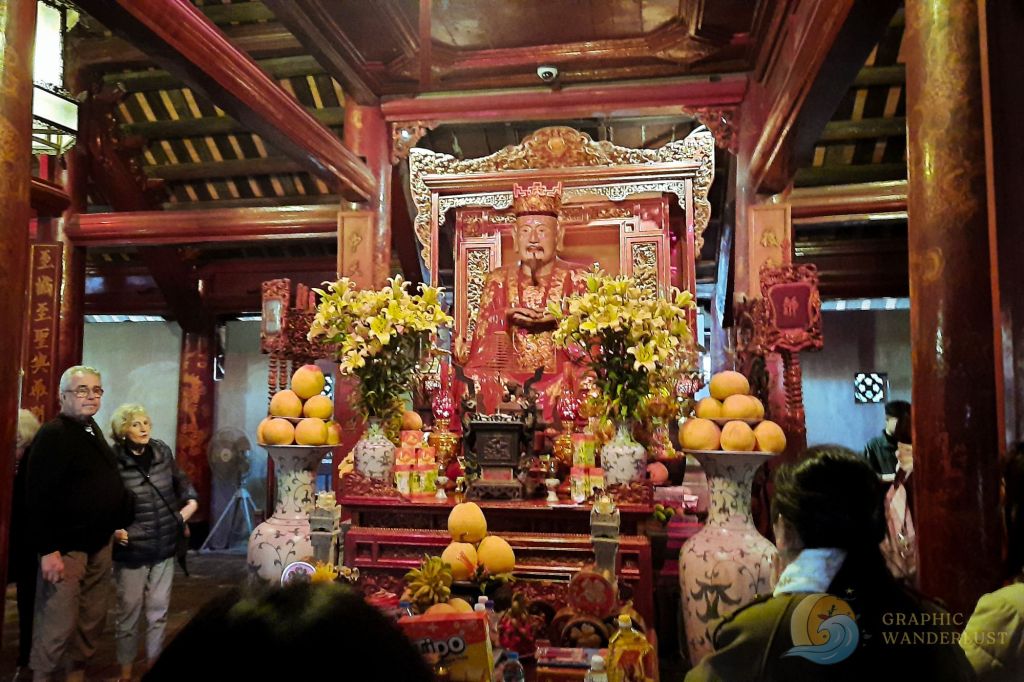
Local students of today also pay a visit to the Temple of Literature to pray and seek guidance during important examinations and to commemorate academic achievements.
Admission to the place costs VND70,000 per ticket, and observe modest and conservative clothing for visitors.
Learn Vietnam’s history at Imperial Citadel of Thang Long
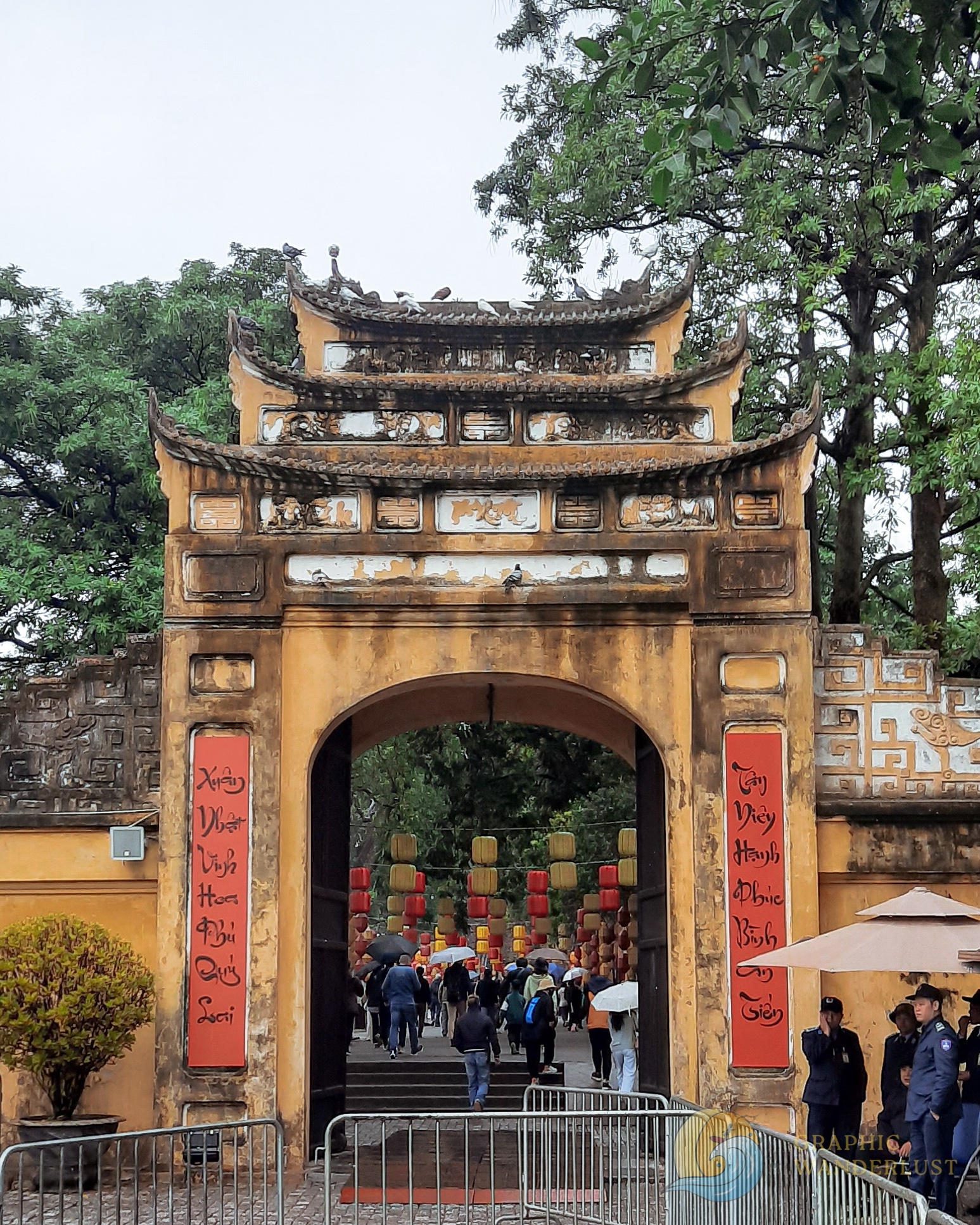
If you want to further continue your exploration of Hanoi’s historical origins, complete your itinerary with a visit to the Imperial Citadel of Thang Long.
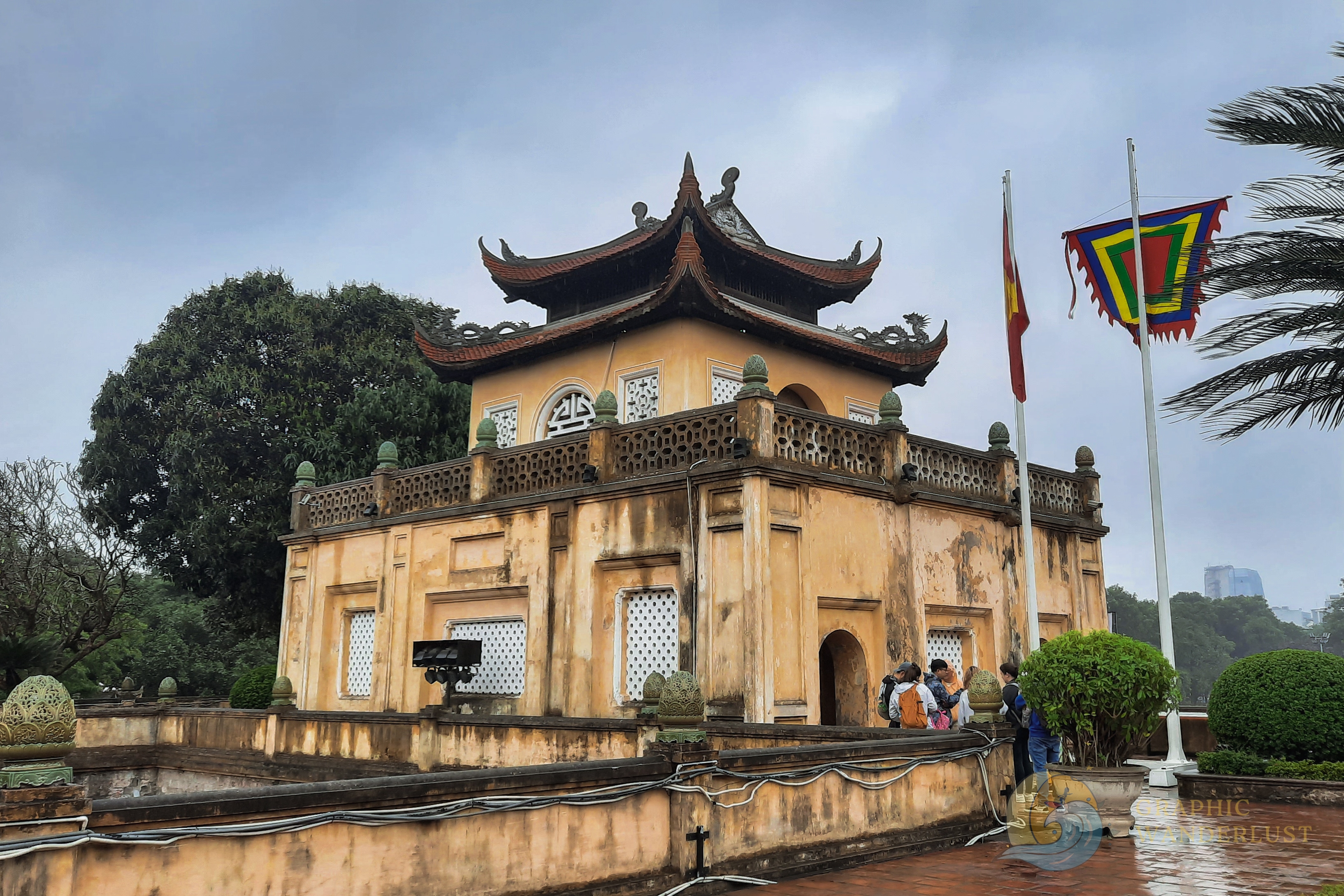
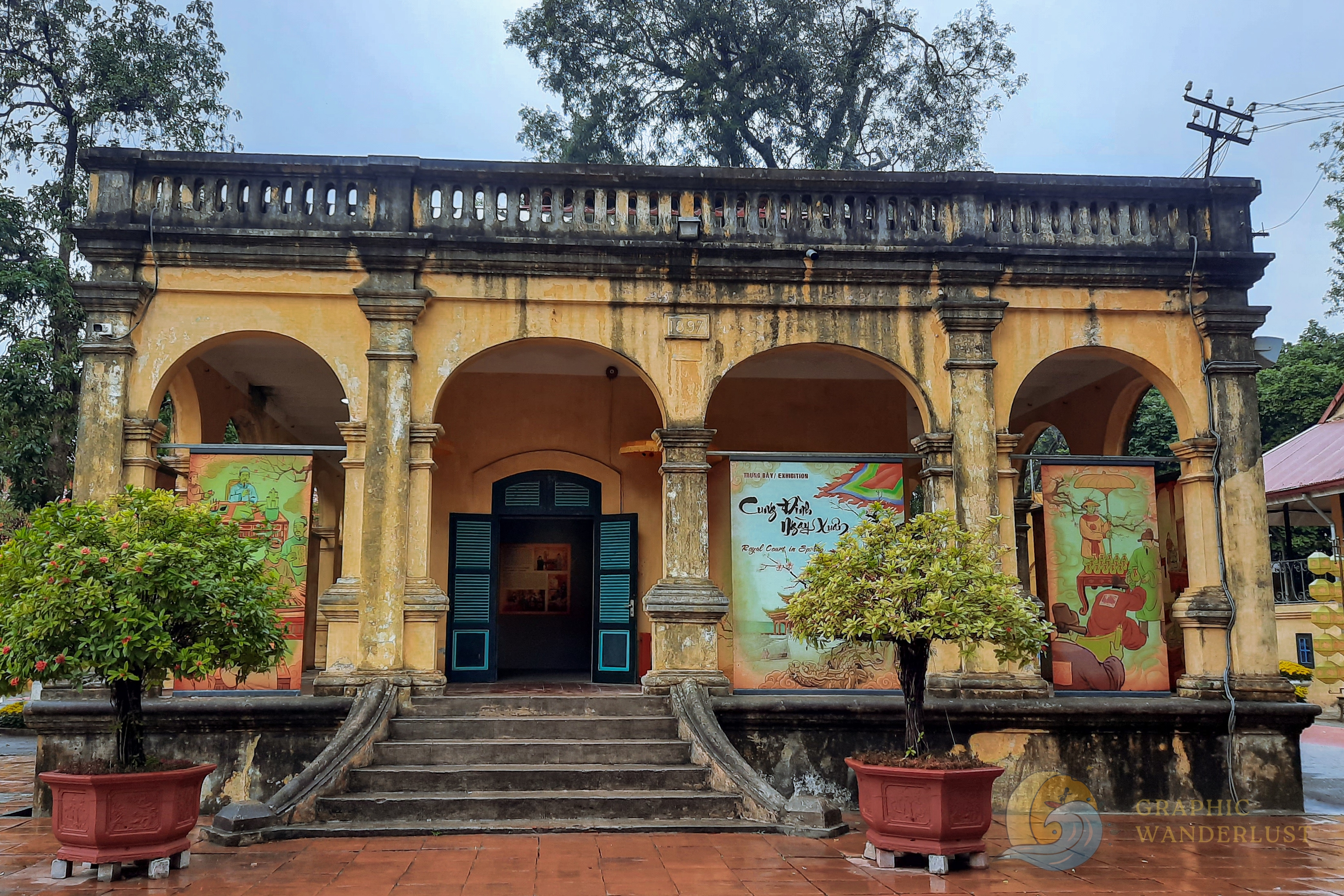
An 11th-century UNESCO World Heritage Site, Imperial Citadel of Thang Long played pivotal political and military roles in Vietnam’s history by being the seat of power of the different dynasties that ruled the country in the past 13 centuries and the more recent Vietnam War.
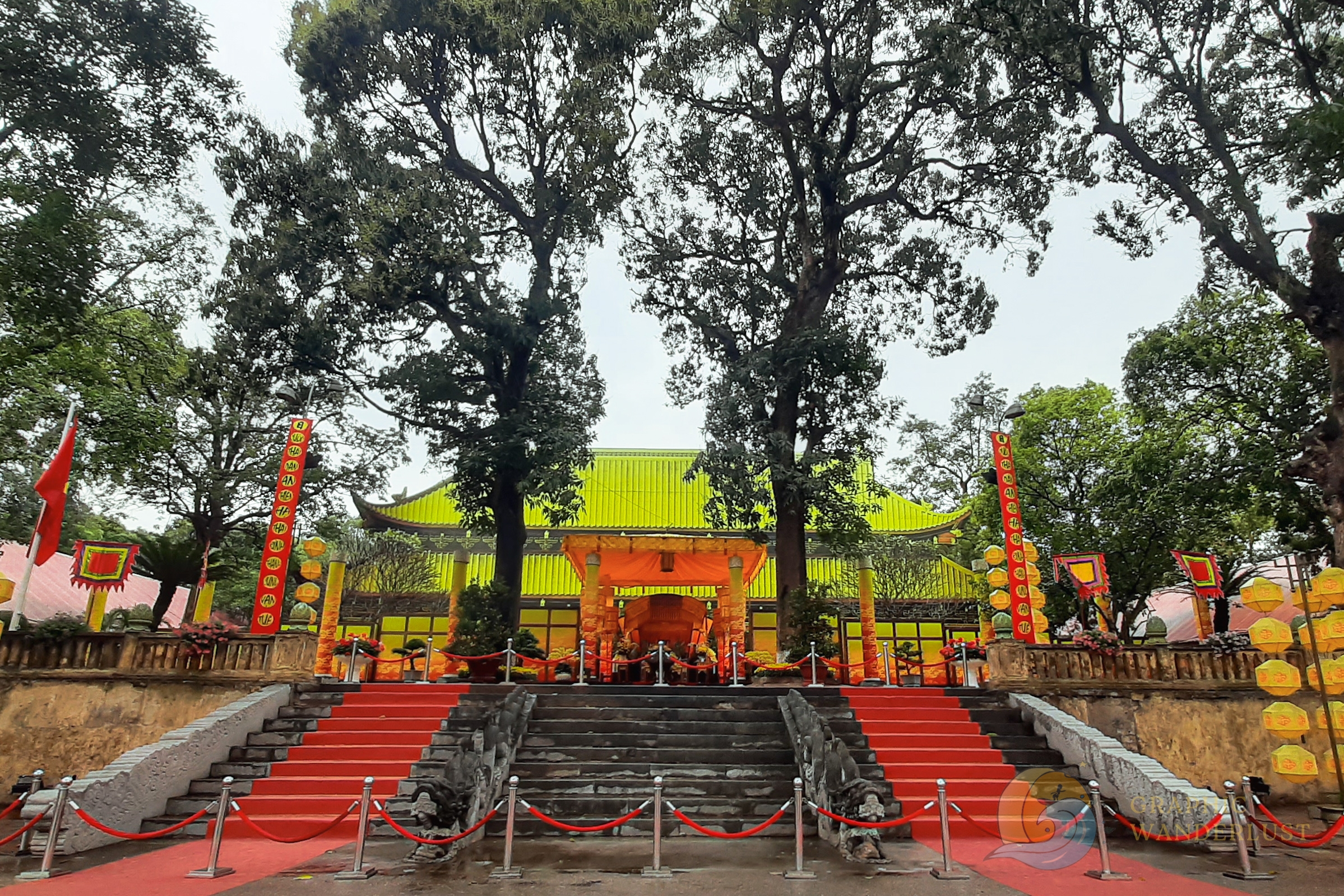
It also plays an important role in showcasing unique and authentic Vietnamese architecture as depicted by its main points of interest, including Doan Mon and Cua Bac Gates, Kinh Thien Palace, Hanoi Flag Tower, and Hau Lau.
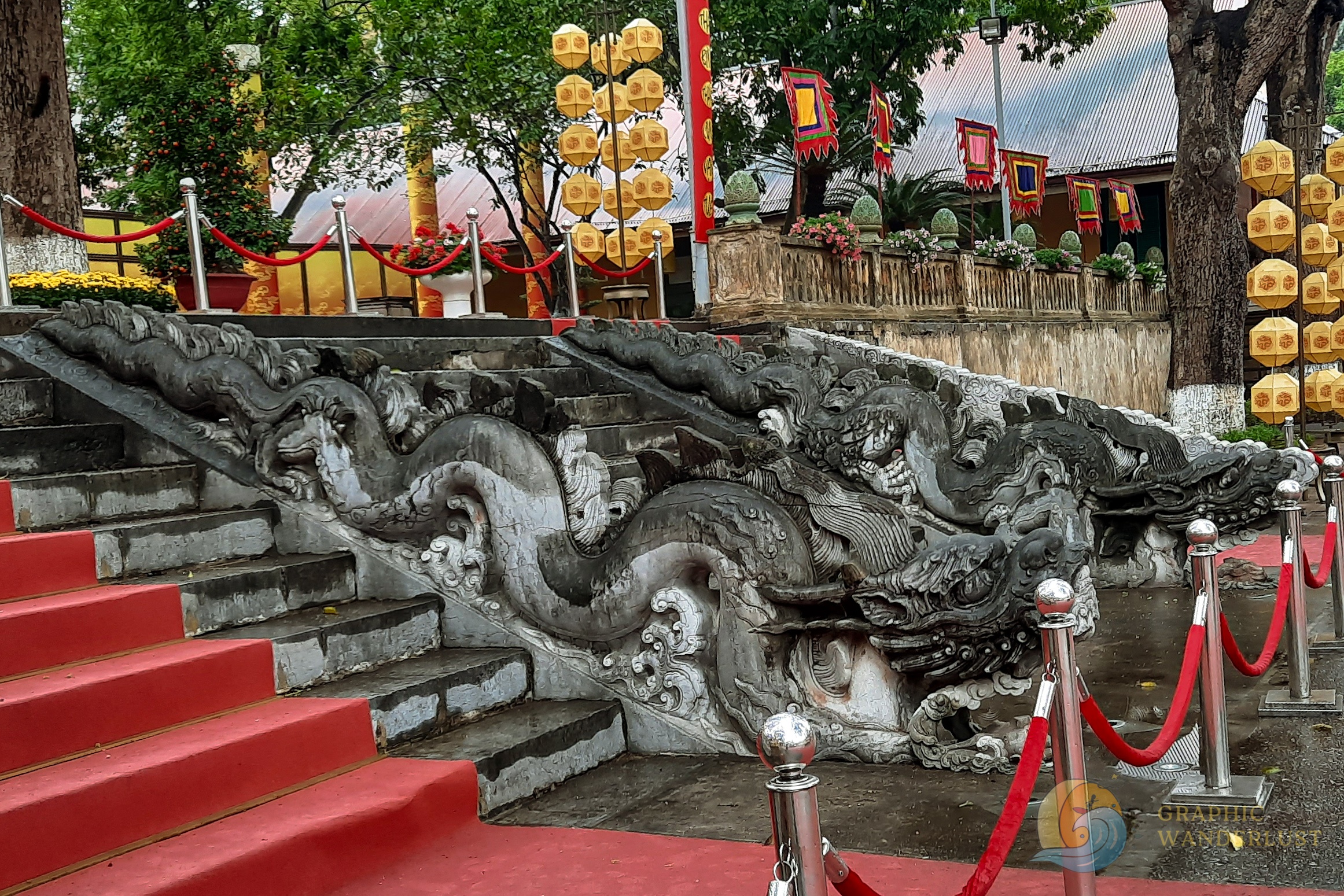
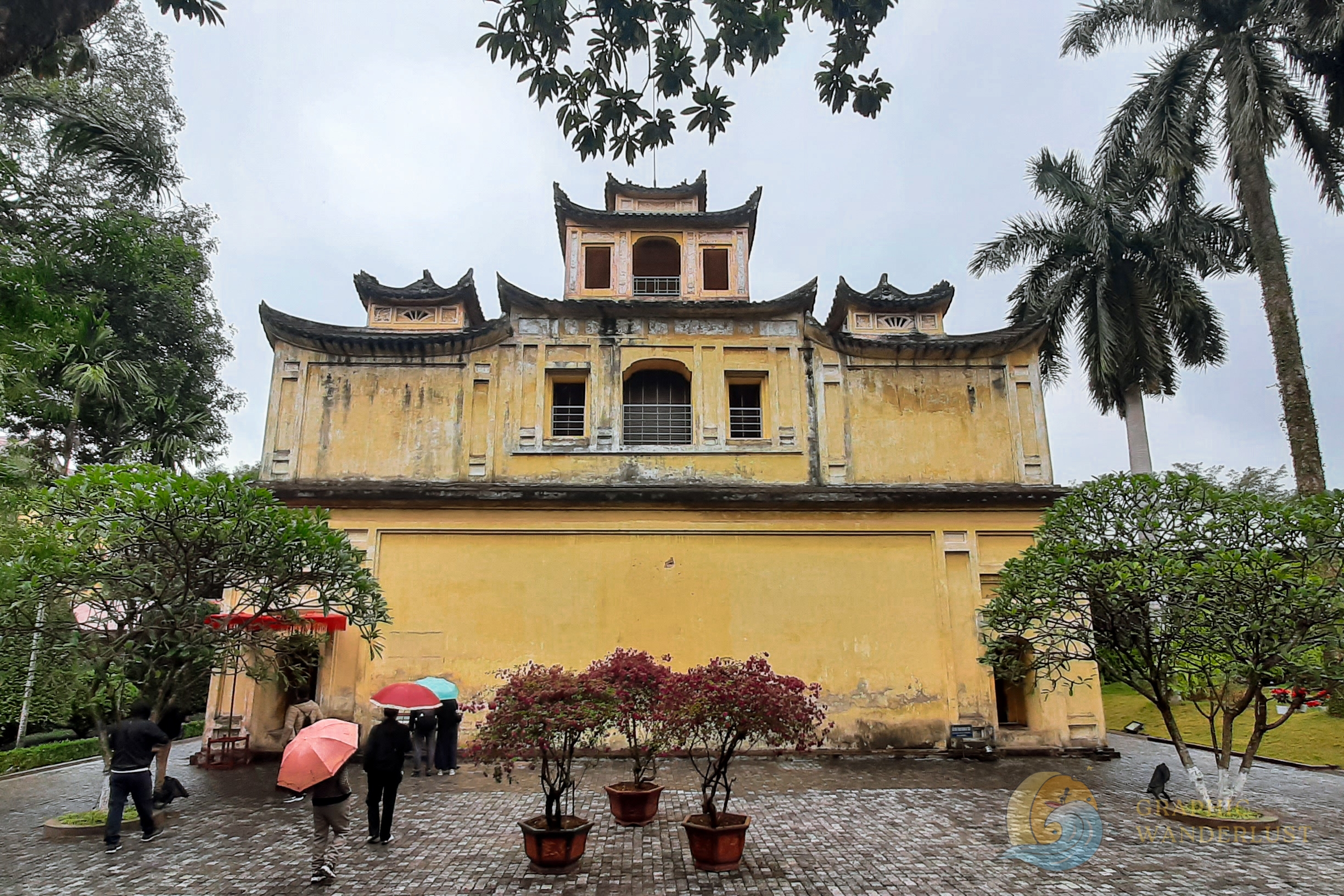
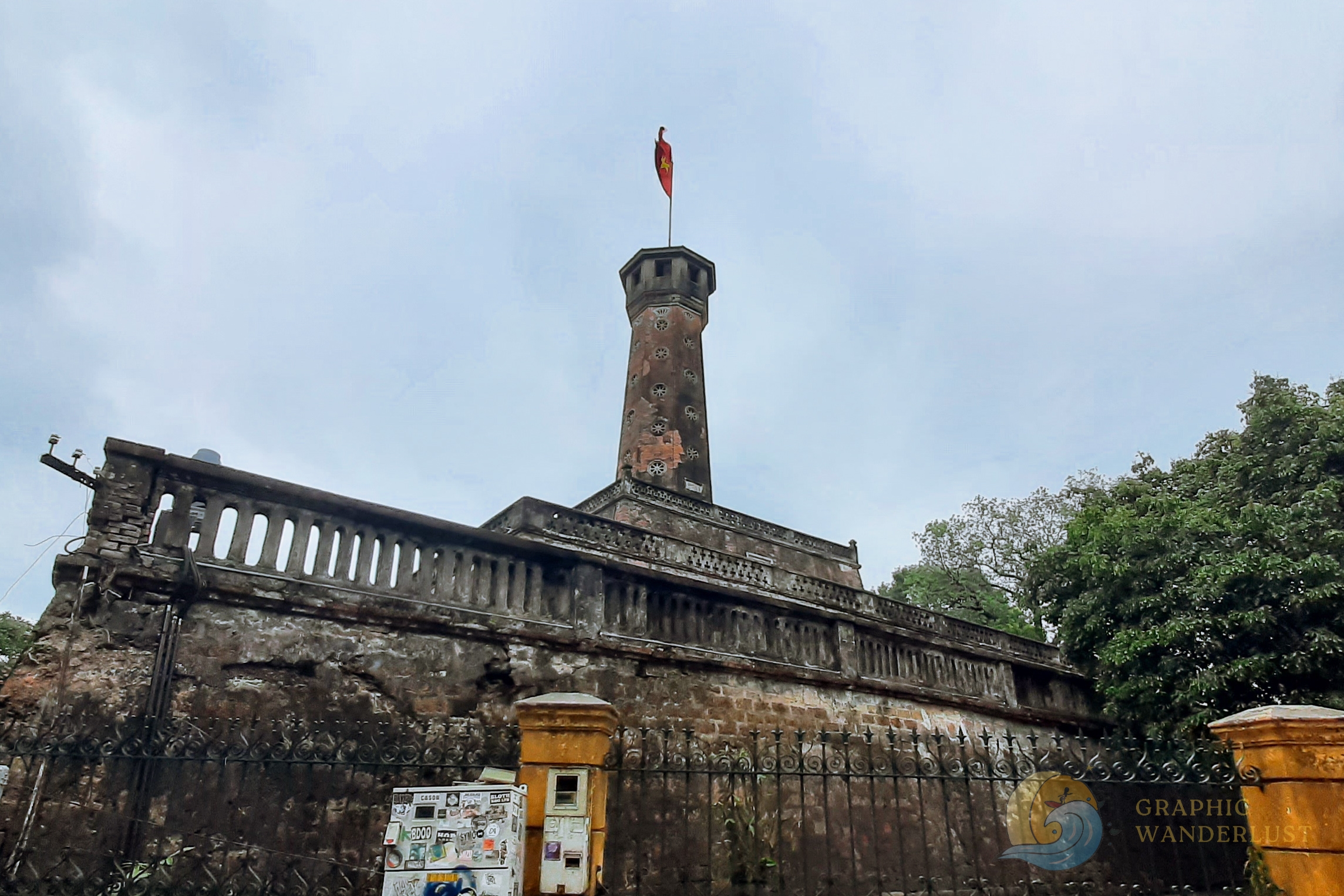
At the height of the Vietnam War, the citadel also became Northern Vietnam’s main military headquarters with the construction of D67 Revolutionary House, which still stands to this day, exhibiting the exact meeting rooms, materials, and bunker used by the different top officials.
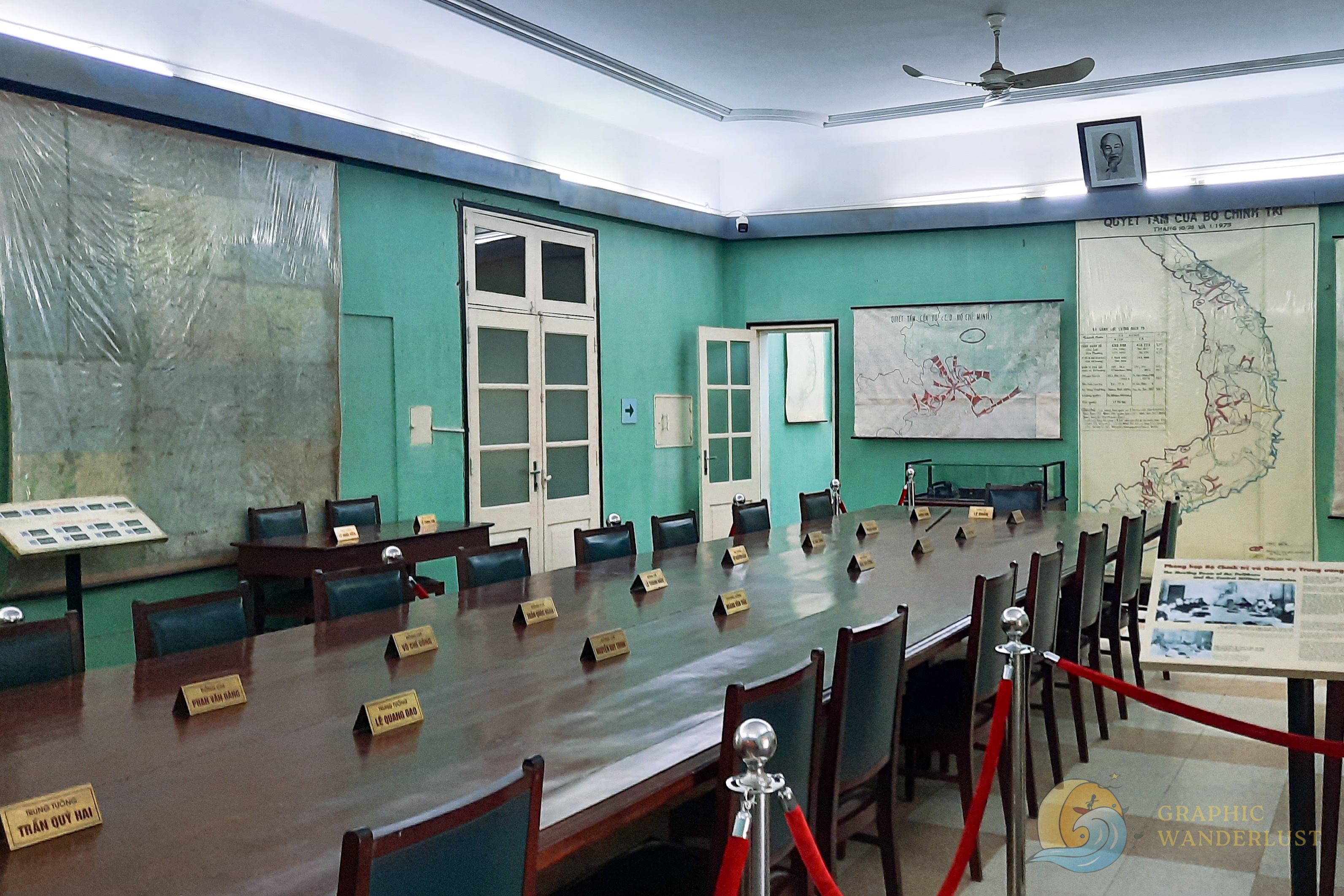
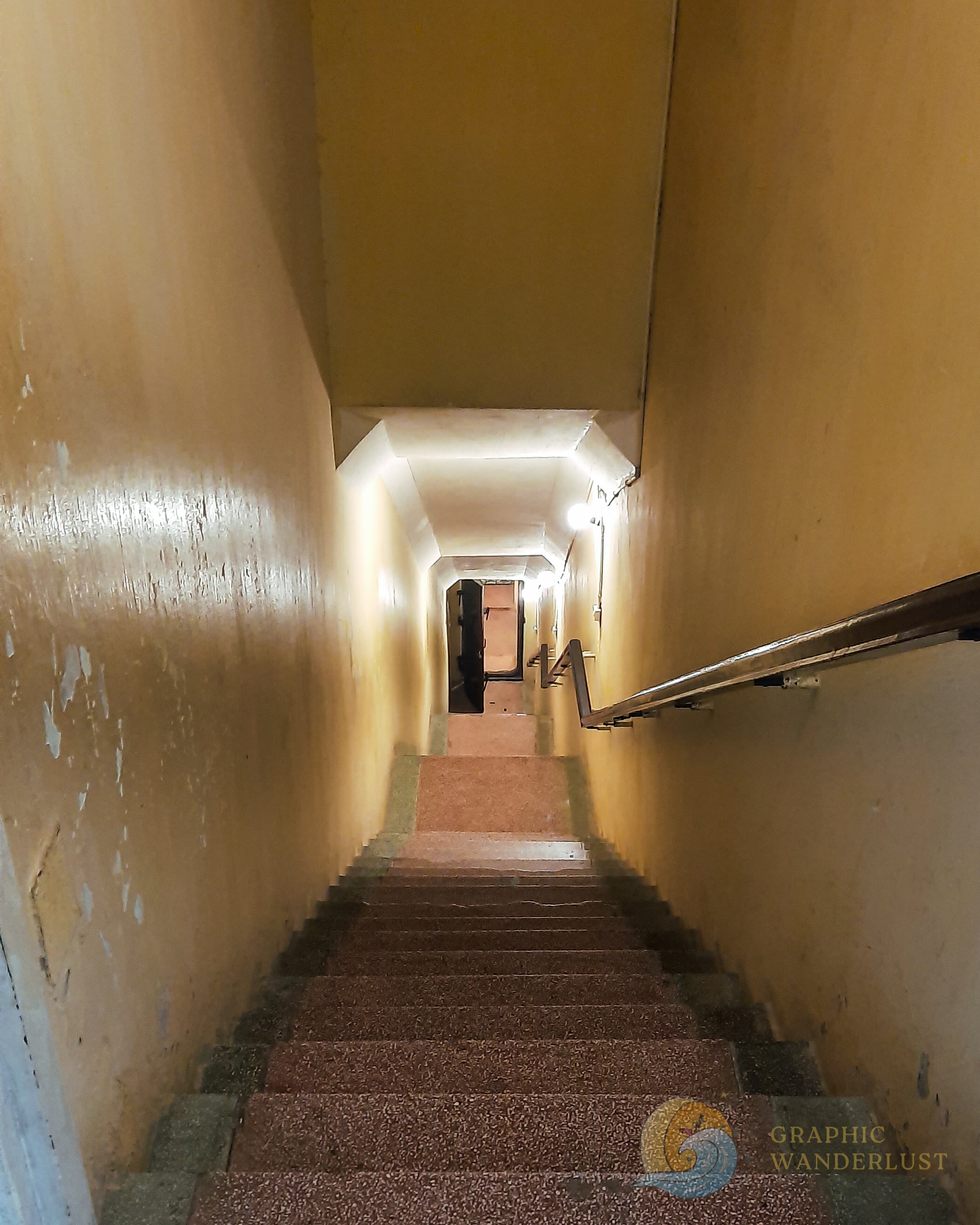
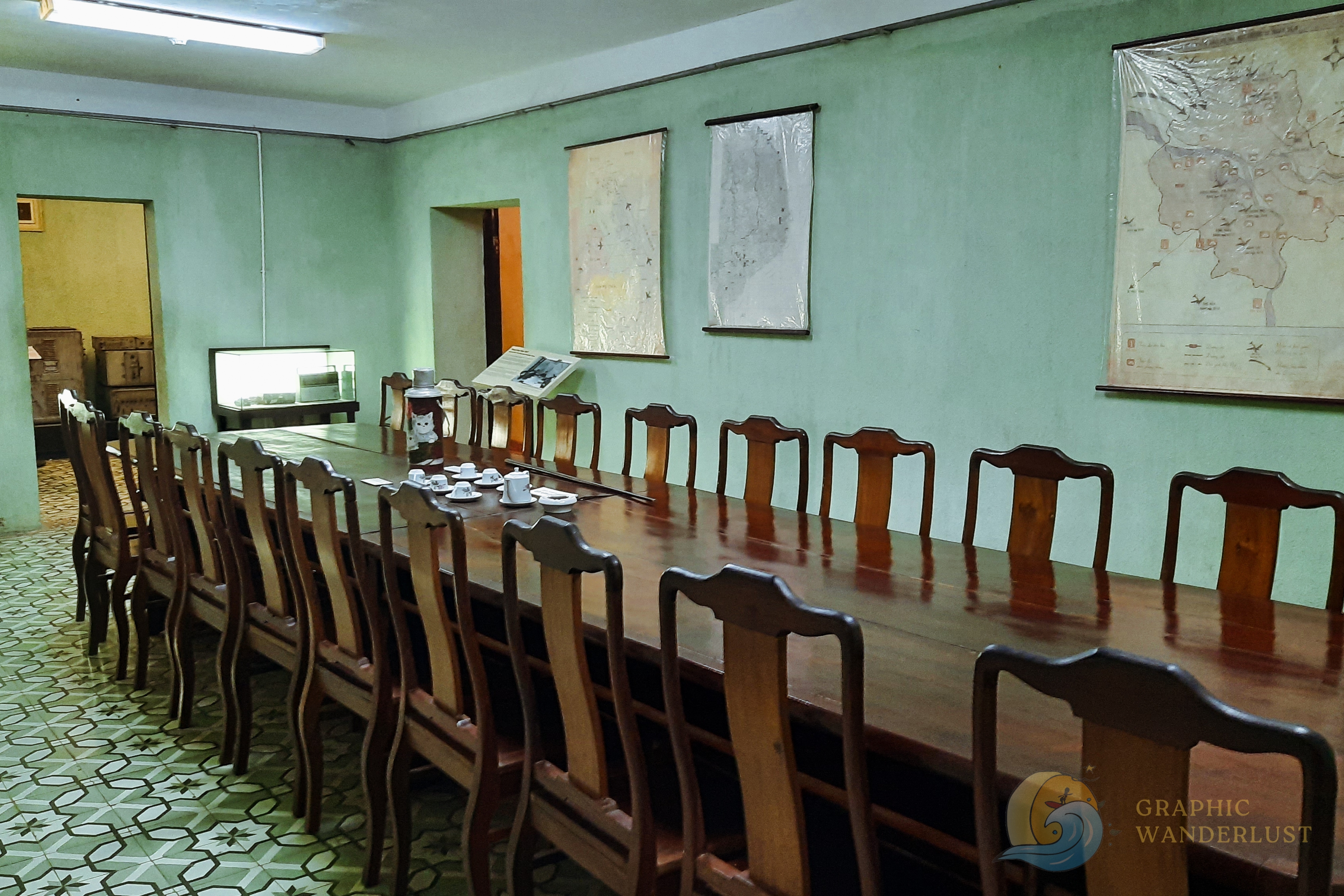
Imperial Citadel of Thang Long’s rich history is continually being treasured and unraveled with the different exhibits housing the complex’ important relics and artifacts, and excavation sites found within its grounds, which can all be accessed on top of the aforementioned for VND100,000.
Drink bia hoi like a local
Aside from its buzzing coffee culture, Hanoi also takes pride in being home to Vietnam’s bia hoi, which literally translates to fresh beer in English.
A Northern Vietnam specialty, bia hoi, is a cheap light draft beer brewed daily and delivered in metal kegs with only around 3% alcohol content, and usually costs at least VND5,000 per glass. Its affordability and low alcohol content make it a local favorite, with some of them even seen chugging a pitcher of it while sitting on low plastic stools.
Some of the well-known places to order bia hoi include Quán Bia Hơi Bát Đàn and Cửa hàng Ngọc Linh in the Old Quarter.
Sample on famous Hanoi street foods
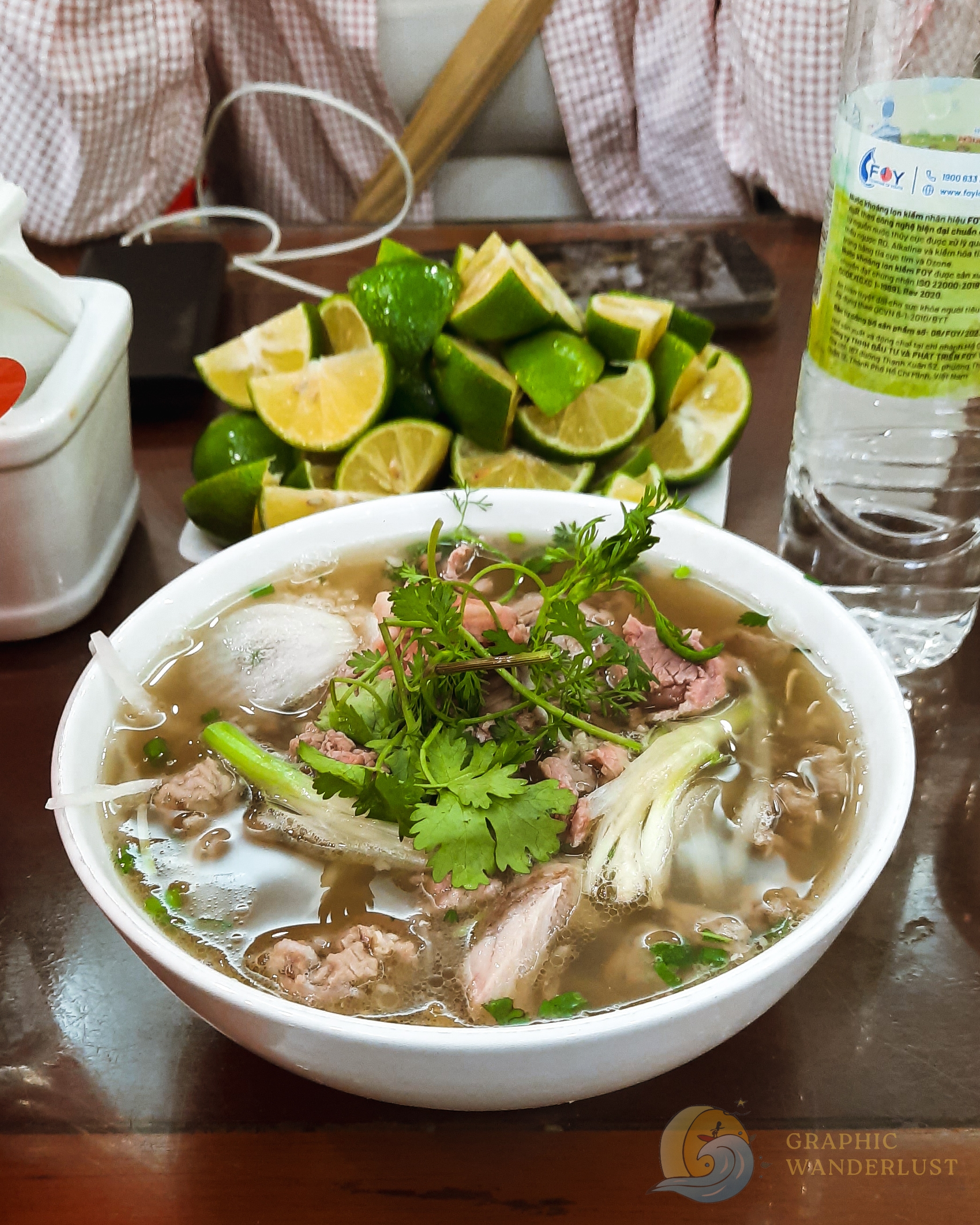
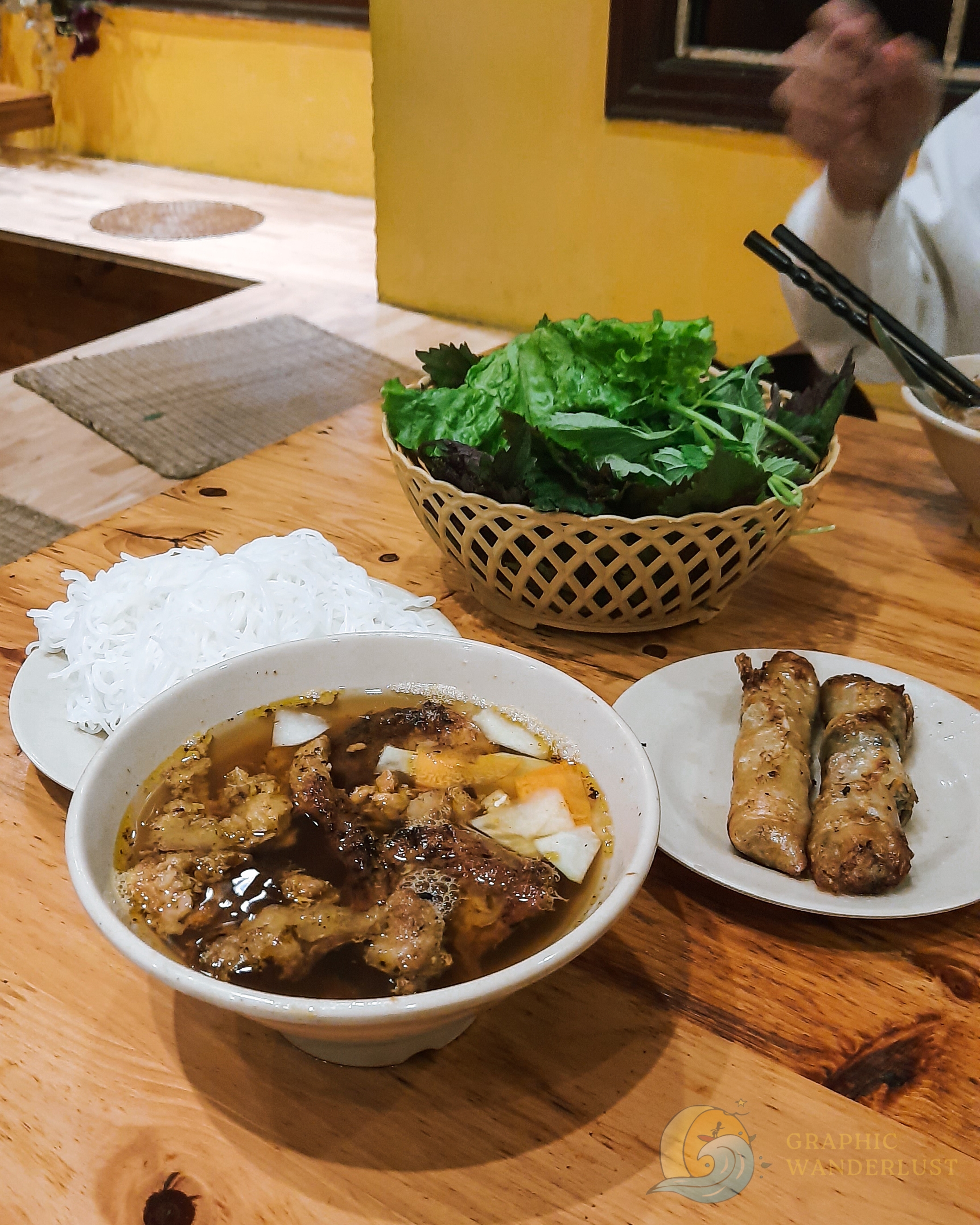
A Hanoi itinerary wouldn’t be complete without delving into a serving of some of the place’s famous and well-loved street food, which is available in a handful of dining spots scattered throughout the city serving staples like pho, bun cha, and banh mi.
Various organizers offer guided street food tours—mostly concentrated in the Old Quarter—for travelers in search of authentic Hanoi dishes, stopping by at popular restaurants and local-approved eateries.
But even without a guide, one wouldn’t have a hard time appreciating authentic Vietnamese street food in Hanoi, especially in Michelin-approved eateries, which we tried during our trip.
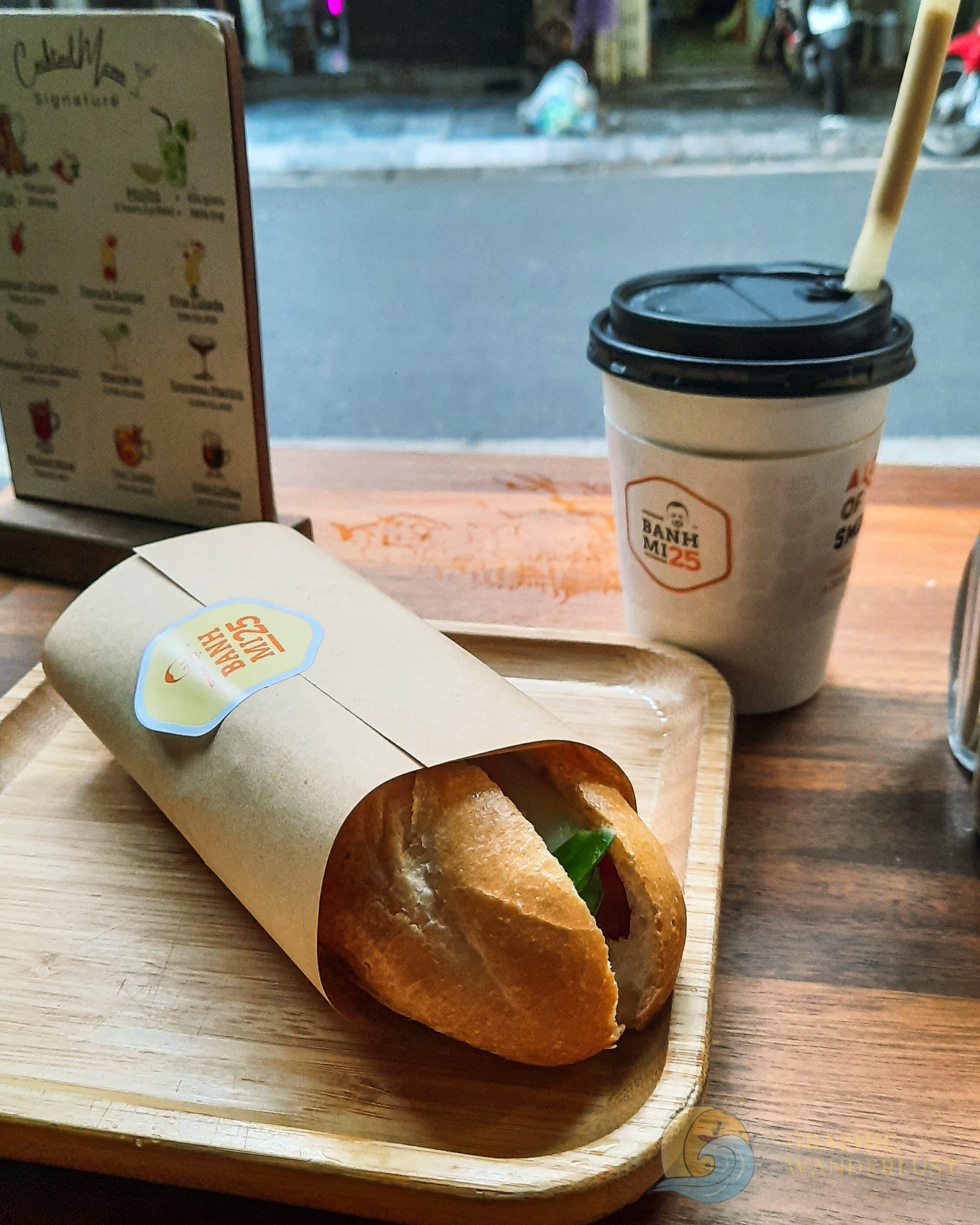
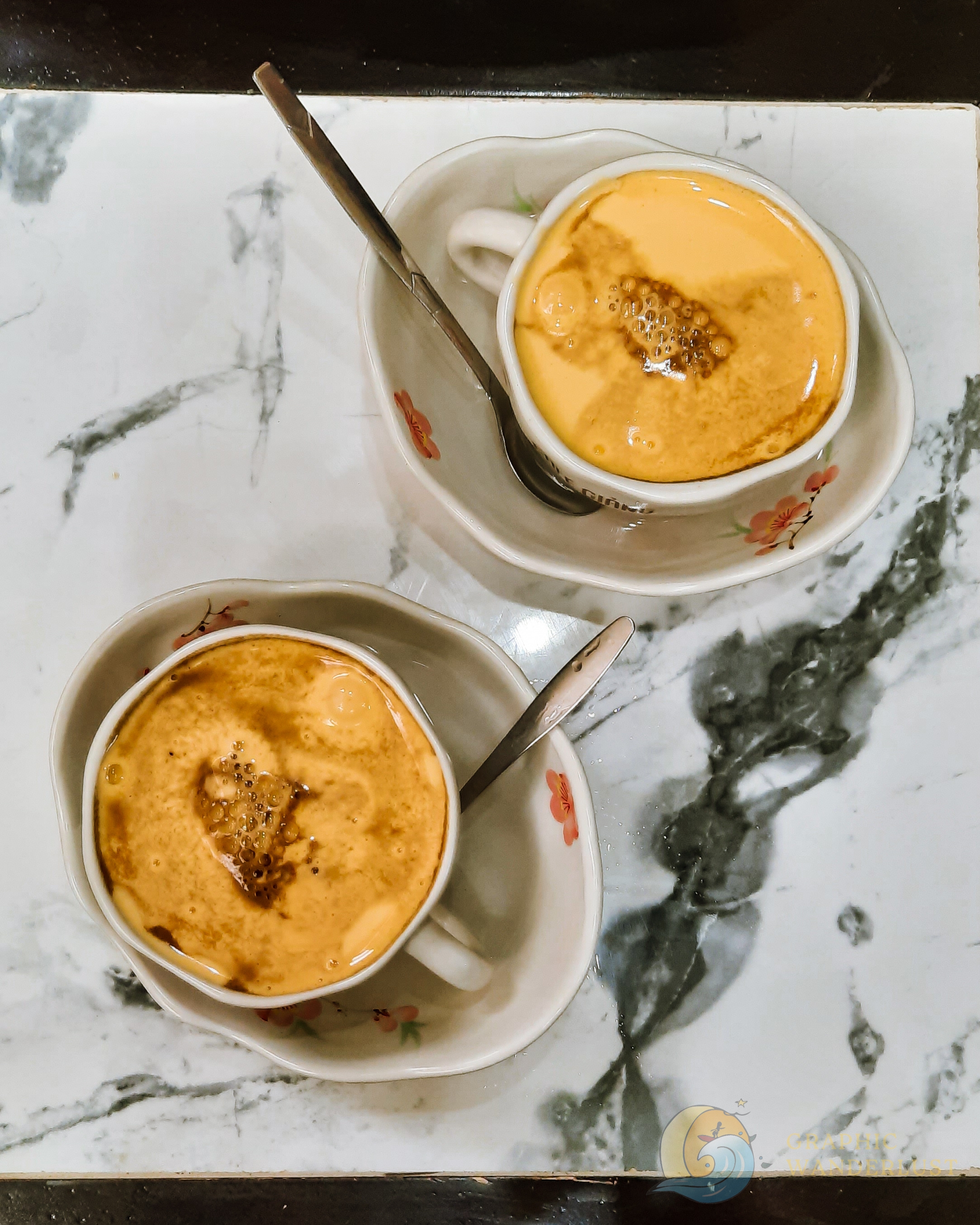
If you’re also leaning towards doing a DIY tour, here is a list of places to visit to taste some of the best street food in Hanoi:
Michelin Bib Gourmand
- Pho – Phở 10 Lý Quốc Sư, Phở Gà Nguyệt
- Bun cha – Bun Cha Ta
Local and Tourist-Favorite
- Banh mi – Banh Mi 25, Banh My Mama
- Che – Chè 4 Mùa Hàng Cân Chè Bốn Mùa
- Egg coffee – Cafe Giảng
Other Places to Visit in Hanoi
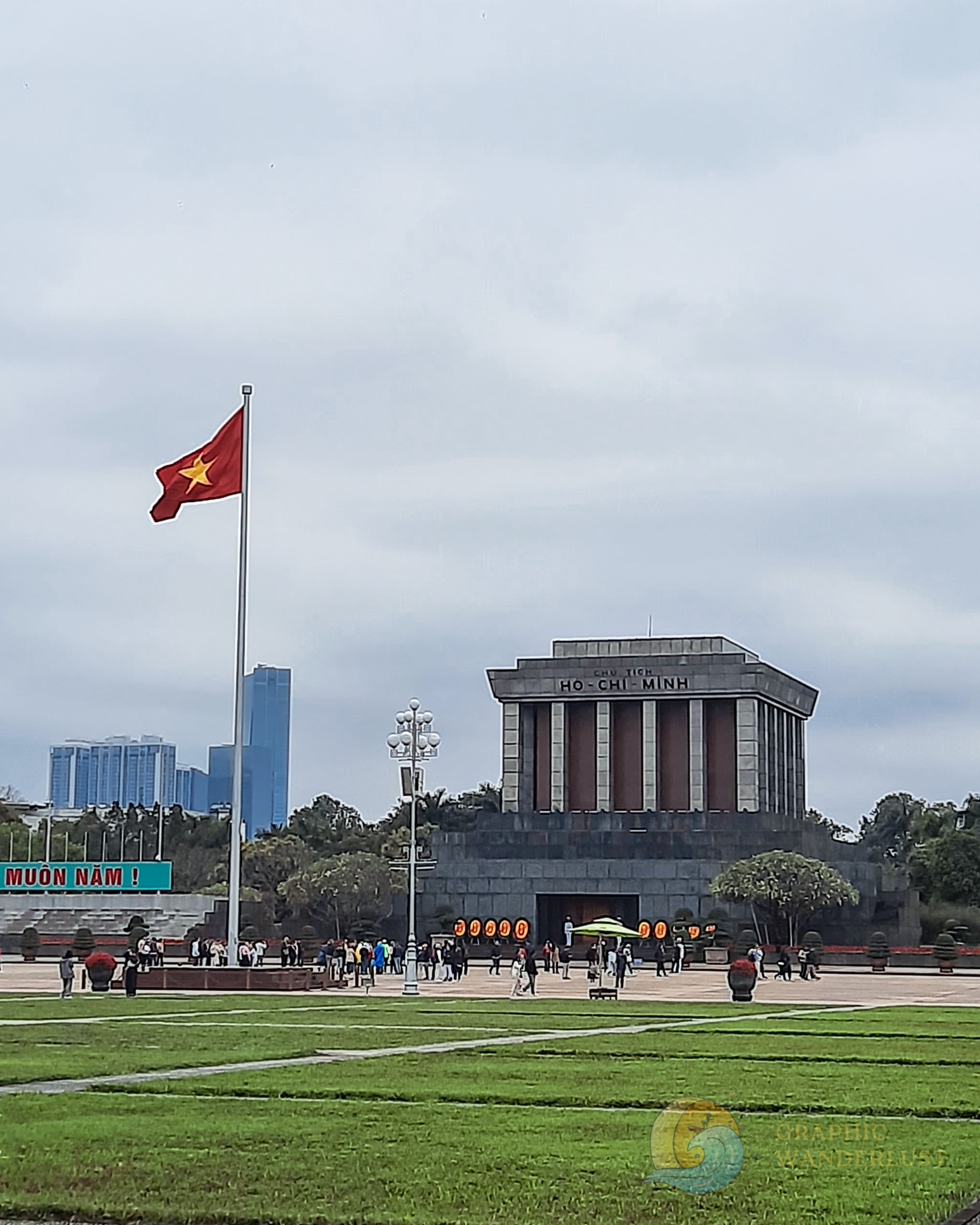
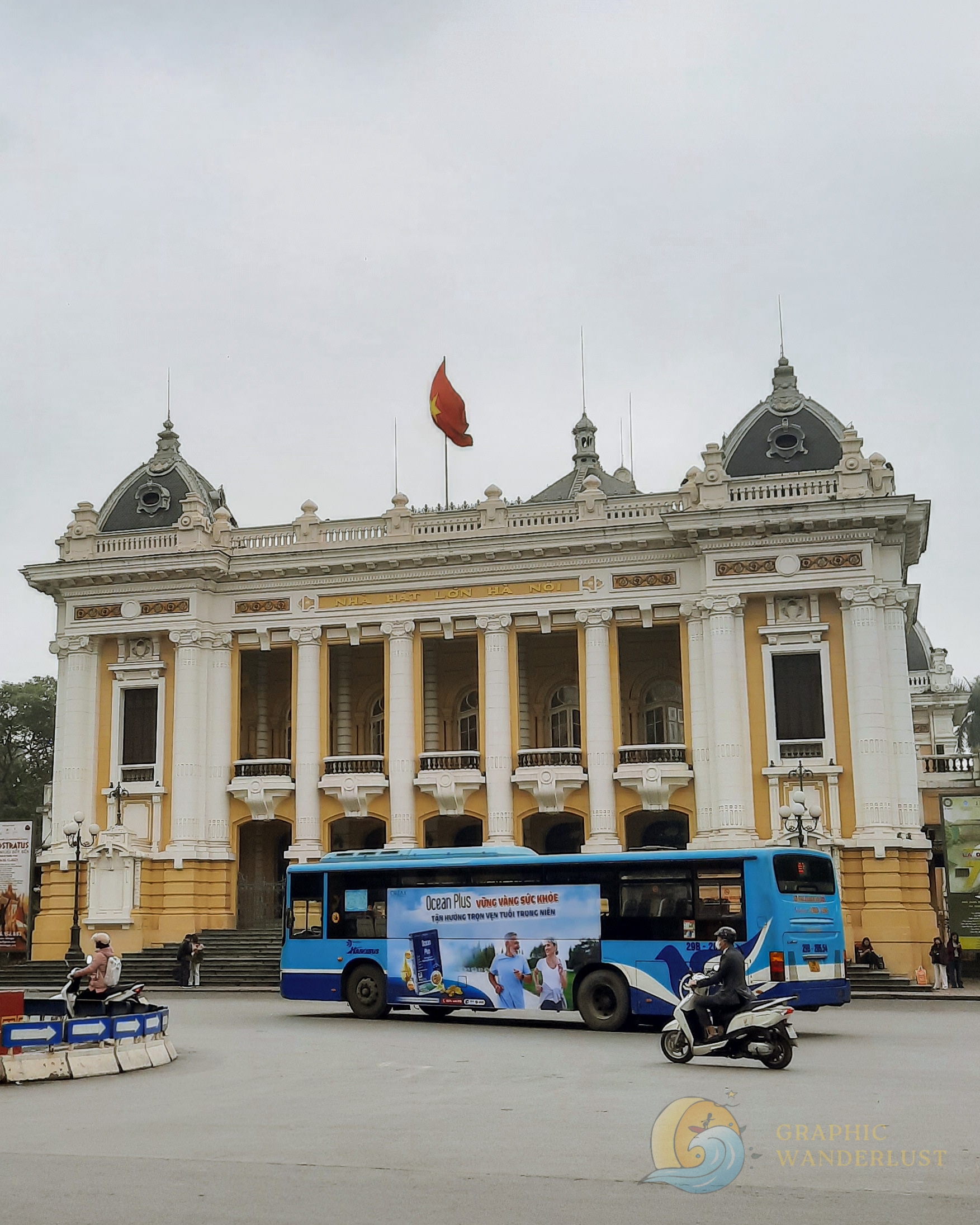
If you’ve already ticked off or included the aforementioned must-visit places in your Hanoi itinerary and would still like to add in a few more or have more options, here are other recommended must-see spots in the city:
- Ho Chi Minh Mausoleum – Located six minutes away from the Imperial Citadel of Thang Long on foot, this highly respected Brutalist landmark at the heart of Hanoi houses the embalmed body of Vietnam’s iconic leader, Ho Chi Minh.
- One Pillar Pagoda – Located just right behind Ho Chi Minh Mausoleum, this famous Buddhist temple, standing in the middle of a lotus pond, got its name from the sole column that supports its entire structure.
- Hoa Lo Prison – Infamously also called “Hanoi Hilton”, is a historic building and museum depicting the gruesome experiences and struggles of its Vietnamese and American political detainees during the French colonial period and the Vietnam War.
- Hanoi Opera House – Another important relic of Hanoi’s past and an important cultural and entertainment center in the city, known for its French colonial architecture inspired by Palais Garnier in Paris, France.
- Tran Quoc Pagoda – The oldest Buddhist temple in Hanoi, known for its scenic location in the middle of West Lake.
- Hanoi Museums – Delve further into Vietnam’s rich history and culture in the different museums present in Hanoi, including the Vietnam Museum of Ethnology, Vietnamese Women’s Museum, National Fine Arts Museum, National Museum of History, Ho Chi Minh Museum, and Vietnam Military History Museum.
Side Trips and Day Tours from Hanoi
As Northern Vietnam’s main point of entry to the region, Hanoi often becomes the jump-off point to other nearby destinations located a couple of hours away from the capital city.
If you’re curious to discover more about what Vietnam has to offer, here are a few recommended side trips to do from Hanoi:
Ha Long Bay
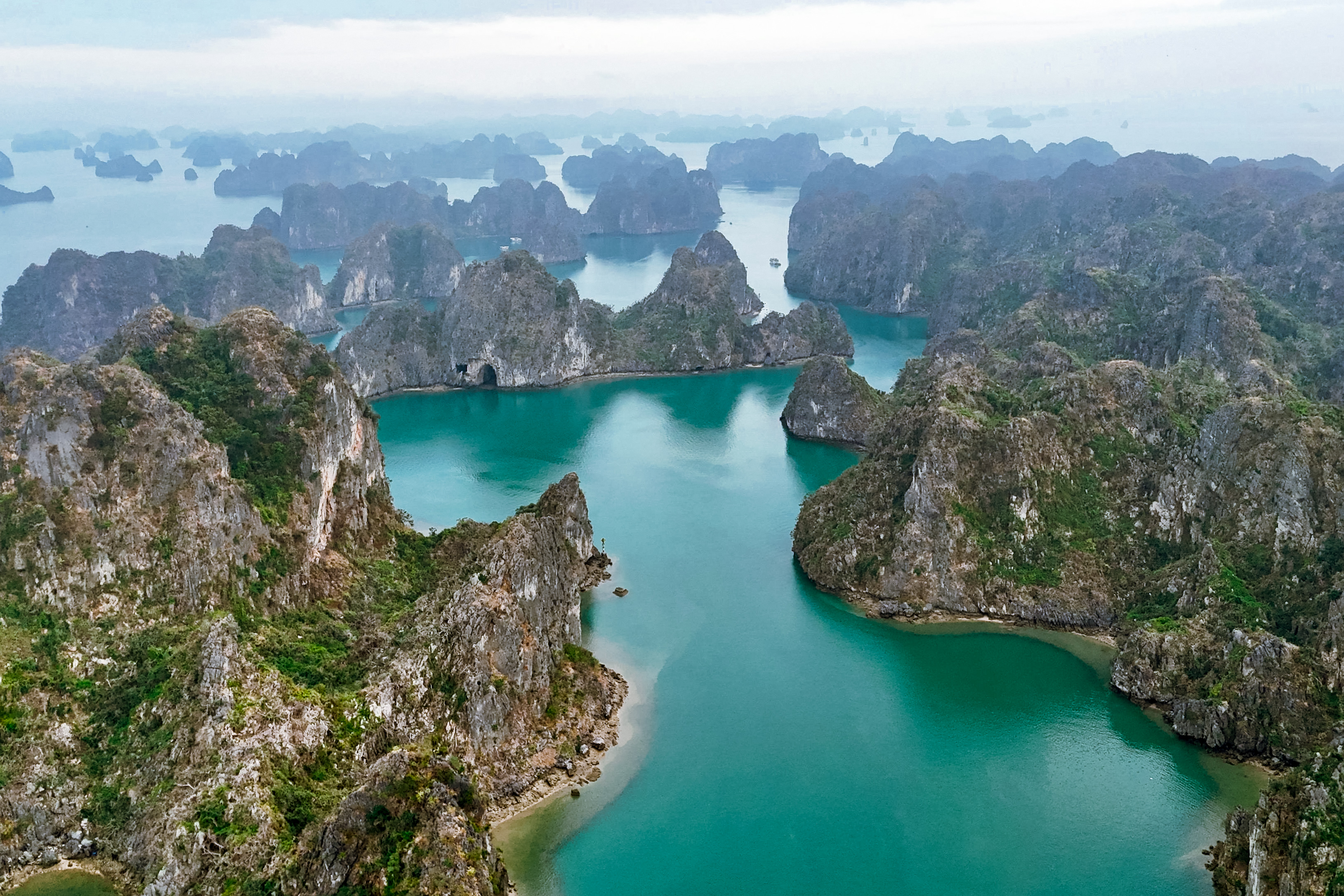
Located three hours away from Hanoi, Vietnam’s iconic tourist spot and UNESCO-inscribed World Heritage Site, Ha Long Bay sits at the top of the list of any Vietnam itinerary.
For half a day, overnight, or up to three whole days, tourists will have the chance to marvel at the area’s gigantic and majestic limestone karst cliffs and visit the different islets and caves located nearby, including the famous Sung Sot Cave and Ti Top Island.
Ha Long Bay is so popular that booking a tour to go to it is as easy as talking to your hotel’s receptionist, as most accommodations also offer it to guests.
Online booking options on various organizers’ websites and travel booking apps are also available for travelers in search of convenience.
ALSO READ: 5-Day El Nido Itinerary: Revisiting Tour A and Exploring Nacpan & Duli Beach
Ninh Binh
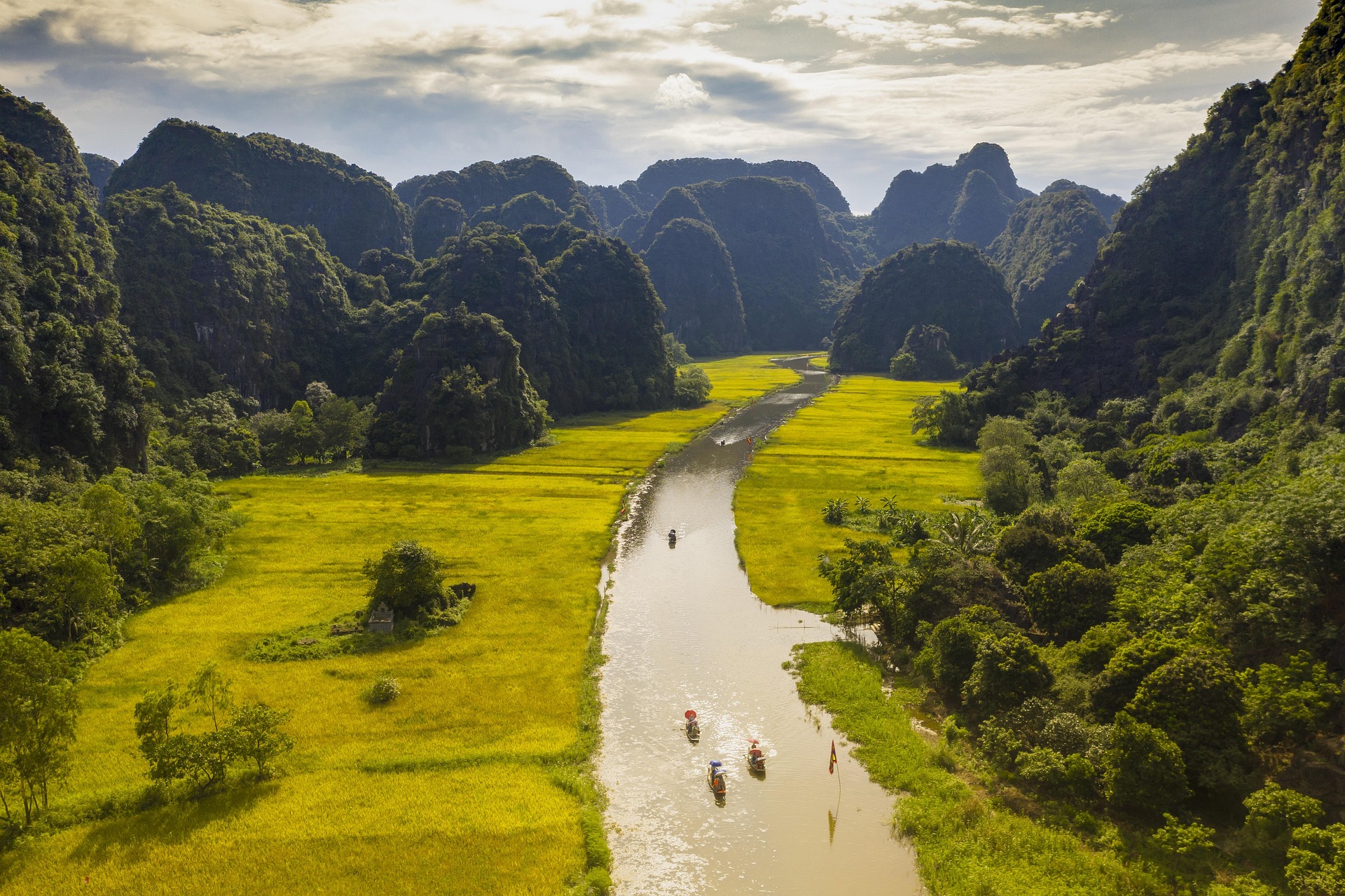
Located two hours away, south of Hanoi, lies a province priding itself on beautiful natural landscapes and rich historical significance.
Similar to Ha Long Bay, Ninh Binh‘s beauty is underscored by its majestic limestone karst cliffs, yet unlike its more popular counterpart, not all of these are standing on open waters, just like the ones found in Tam Coc and Mua Caves, which are surrounded by rice fields instead.
Its limestone formations surrounded by a network of rivers, streams, and wetlands also make its neighboring destination, Trang An, equally beautiful, which is also listed as a UNESCO World Heritage Site.
If you have an extra day to spare, don’t skip on also visiting the former capital of Vietnam, Hoa Lu, which takes visitors to the past with its ancient buildings and important relics, and to Bai Dinh to see the largest pagoda complex in Southeast Asia.
A lot of tour organizers also offer day trips to Ninh Binh from Hanoi, so going to the province is also seamless.
Sapa

A stark contrast against the offerings of the first two, Sapa‘s iconic rice terraces and mountain culture may be a good cure for travelers experiencing limestone karst cliff fatigue.
Located northwest and six hours away from Hanoi, this mountainous valley town sits within the Hoang Lien Son Mountain Range and is home to some of Vietnam’s minor ethnic groups, responsible for cultivating the place’s iconic rice terraces.
Furthermore, Sapa is the jump-off point to Indochina’s highest peak, located at Fansipan Mountain, which can be accessed via a cable car ride or a two-day hike.
Similar to Ha Long Bay and Ninh Binh, traveling to Sapa is also possible with the different tours offered by various organizers or through a DIY itinerary, which is what we did during our visit to the place.
ALSO READ: First-Time Guide to Sapa, Vietnam: How to Get There, Things to Do and Itinerary
Where to Stay
As mentioned previously, the Old Quarter is the best place for first-time travelers to stay due to its immersive culture, walking-distance dining spots, and variety of accommodation options.
But aside from this neighborhood, other nearby alternatives offer a calmer ambience while still being a stone’s throw away from Hanoi’s famous tourist spots.
To help and guide you in finding the best accommodation for your trip, here are a few suggestions, sorted based on their neighborhood and price range.
Old Quarter

- Ambience: Lively and hectic
- Ideal for: Backpackers, first-timers, foodies
- Suggested accommodations:
- Budget: Tabalo Hostel, Nexy Hostel, Hanoi Boutique House, BamBoo Hotel
- Mid-range: Diamond King Hotel, Hanoi Skyline Hotel, MK Premier Boutique Hotel, Hanoi Boutique Hotel & Spa
- Luxury: La Mejor Hotel, May De Ville Crown Hotel, Hanoi Tirant Hotel, San Grand Hotel
Hanoi Cathedral Area

- Ambience: Charming, less chaotic to Old Quarter, lively café culture and street food scene
- Ideal for: Solo and budget travelers, first-timers, foodies, architecture buffs
- Suggested accommodations:
Ba Dinh District

- Ambience: Historic spots area
- Ideal for: History buffs, practical travelers who want walking distance accommodations from tourist spots
- Suggested accommodations:
- Budget: Spoon Hotel, Ami House, Royal Hotel
- Mid-range: AIRA Boutique Hotel & Spa, Silk Path Hotel, Bespoke Trendy Hotel
- Luxury: Peridot Grand Luxury Boutique Hotel, GM Premium Hotel, Grand Mercure
French Quarter

- Ambience: Elegant, quiet, French colonial architecture
- Ideal for: Luxury travelers, honeymooners, families
- Suggested accommodations:
- Mid-range: Hilton Garden Inn, Thang Long Opera Hotel, Hotel de l’Opera
- Luxury: Sofitel Legend Metropole, Capella Hanoi
Sample 4-Day Hanoi Itinerary
For a four-day trip to Hanoi, here is the actual itinerary we followed during our recent travel to the city. Take note that before heading to the capital, we first did a trip to Sapa a few days before.
Hanoi Travel Tips
- Check if your visit is going to coincide with Vietnam’s Tet (Lunar New Year) season, as most establishments are closed to celebrate this important cultural event, and prices go higher than usual.
- When withdrawing cash at Noi Bai International Airport Arrival Hall, opt for the AgriBank ATM for their low VND22,000 withdrawal fee when compared to other banks.
- Before going to Train Street, check the schedules of the trains on the Internet on the day of your visit to align your itinerary. Time varies every day due to different circumstances, and doing this will save you a couple of hours of catching the next one.
- Don’t fully believe that the part of Train Street near Old Quarter is filled with shop owners who force tourists to sit in their cafés. During our visit, store owners were unaggressive and kind if you declined their offer.
- If you want a less crowded alternative during your visit to Train Street, you can try Southern Hanoi Train Street, which can easily be located on Google Maps.
- To fully optimize your itinerary during your exploration of Hanoi’s historical spots, start with the Imperial Citadel of Thang Long, which provides relevant information about the city’s other ancient places, allowing you to appreciate and immerse yourself fully when you visit them.
- Do not head to the famous Beer Street at Ta Hien Street if you plan to get a glass of bia hoi. (Go to the two recommended ones above instead in the Old Quarter!) This strip mostly consists of bars serving local and international beer, instead and feels more like a tourist trap. Heads up, too, that servers here are aggressive and pushy when it comes to recommending options to diners, so be firm with your preferences.
- Visit Michelin-approved dining spots during non-peak hours to easily secure seats and avoid long queues. If you find yourself unavoidably in the area, do not be discouraged by the line in front of Phở 10 Lý Quốc Sư as the waiting time is not that long and diners come and go.
- TPBank and VPBank ATMs do not charge transaction fees when doing withdrawals. However, cash supply usually runs out for TPBank ATMs when you transact during the latter part of the day due to the handful of tourists withdrawing from their machines.
- Haggling is a common practice in Hanoi, so negotiate with vendors when shopping for souvenirs to get the most out of your money.
Finally being able to travel to Vietnam after years of delay definitely felt fulfilling, as both Hanoi and Sapa didn’t disappoint in offering us a unique and true Vietnamese experience. As a matter of fact, this further fueled my interest to explore the country more and visit its south and middle parts very soon.
It’s also quite interesting to realize that despite the thousands of miles separating Vietnam and the Philippines and their distinct cultures, these two countries have noticeable similarities—both good and bad—that make them familiar and quite easy to connect with their people as a Filipino.
How about you, what made you interested in visiting Vietnam, or more specifically, Hanoi? Let’s hear them out in the comments below!
If you also find this post useful, you can support me in creating more travel and hiking guides in the future! Just tap on my Ko-fi or Buy Me a Coffee profile to get started or share this post with your friends or socials for free!
Read more Asia travel posts





Any thoughts?