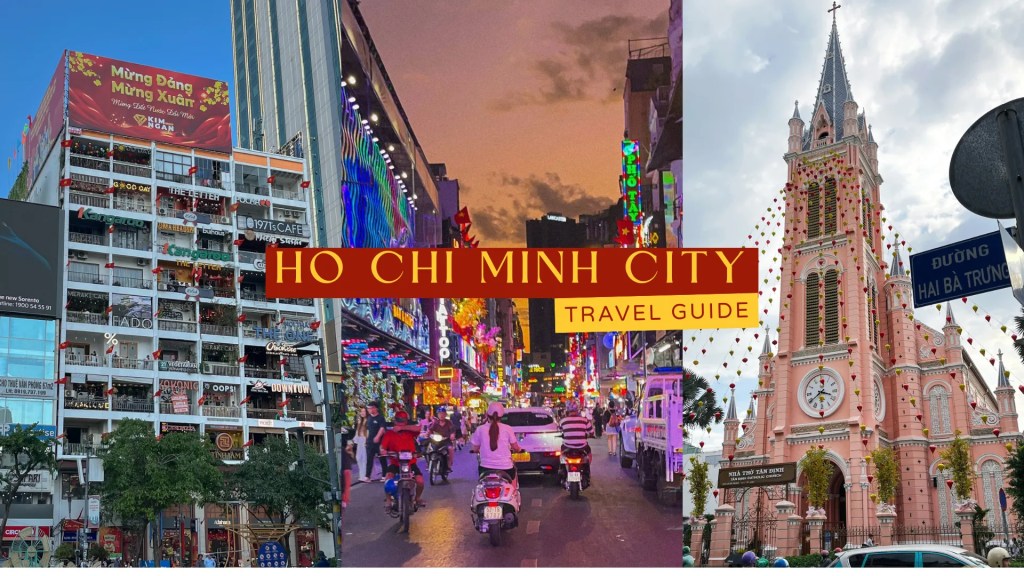

Before visiting Vietnam, my only knowledge—embarrassingly—of Ho Chi Minh City, formerly known as Saigon, was of Leah Salonga’s famously billed musical, Miss Saigon, which recounts the tragic love story of a Vietnamese woman and an American soldier at the end of the Vietnam War.
But when I learned about the vibrant, interesting culture and landscapes of Vietnam in recent years, this minimal knowledge was replaced with curiosity to learn more about this Southeast Asian neighbor, eventually finding myself in North Vietnam in 2025, and exploring the mountainous town of Sapa and its capital city, Hanoi.
This curiosity continued when I redirected a recently cancelled trip to Kuala Lumpur and finally made my way to Ho Chi Minh City instead, ticking off Southern Vietnam’s largest city and major economic hub from my travel bucket list and finally embarking on my first solo journey abroad.
From historic French colonial landmarks, towering modern skyscrapers, to local eats, here’s a handy three-day Ho Chi Minh City itinerary and travel guide for first-time visitors like me!
TABLE OF CONTENTS
- Ho Chi Minh City Fast Facts
- Hanoi vs. Ho Chi Minh City
- Ho Chi Minh City vs. Saigon: What’s the Difference?
- How to Get to Ho Chi Minh City
- Ho Chi Minh City Travel Requirements
- Best Time to Visit Ho Chi Minh City
- How to Get Around Ho Chi Minh City
- Where to Stay in Ho Chi Minh City
- Places to Visit in Ho Chi Minh City
- Where to Eat in Ho Chi Minh City
- Sample 3-Day Ho Chi Minh City Itinerary
- Ho Chi Minh City Travel Tips
- Ho Chi Minh City Budget Breakdown
Ho Chi Minh City Fast Facts
- Visa: Visa-free for 25 countries, including the Philippines for 21 days
- Travel requirements: Valid visa (if needed), passport valid for at least 6 months and with at least 2 blank pages
- Currency: Vietnamese Dong (đ)
- Major languages: Vietnamese, English
- Major religion: Buddhism
- Timezone: Indochina time (GMT+7)
- Seasons: December to April (dry season); May to November (wet season)
- Best time to visit: December to April
- Modes of transportation: Ride-hailing services (Grab, Gojek, Be), HCMC Metro, public buses, Saigon waterbus, motorcycle taxis, cyclos
- Payment methods: Cash (local merchants); card i.e., Mastercard & Visa (big establishments)
- Power plug & socket type: Type A, C, and F
Hanoi vs. Ho Chi Minh City
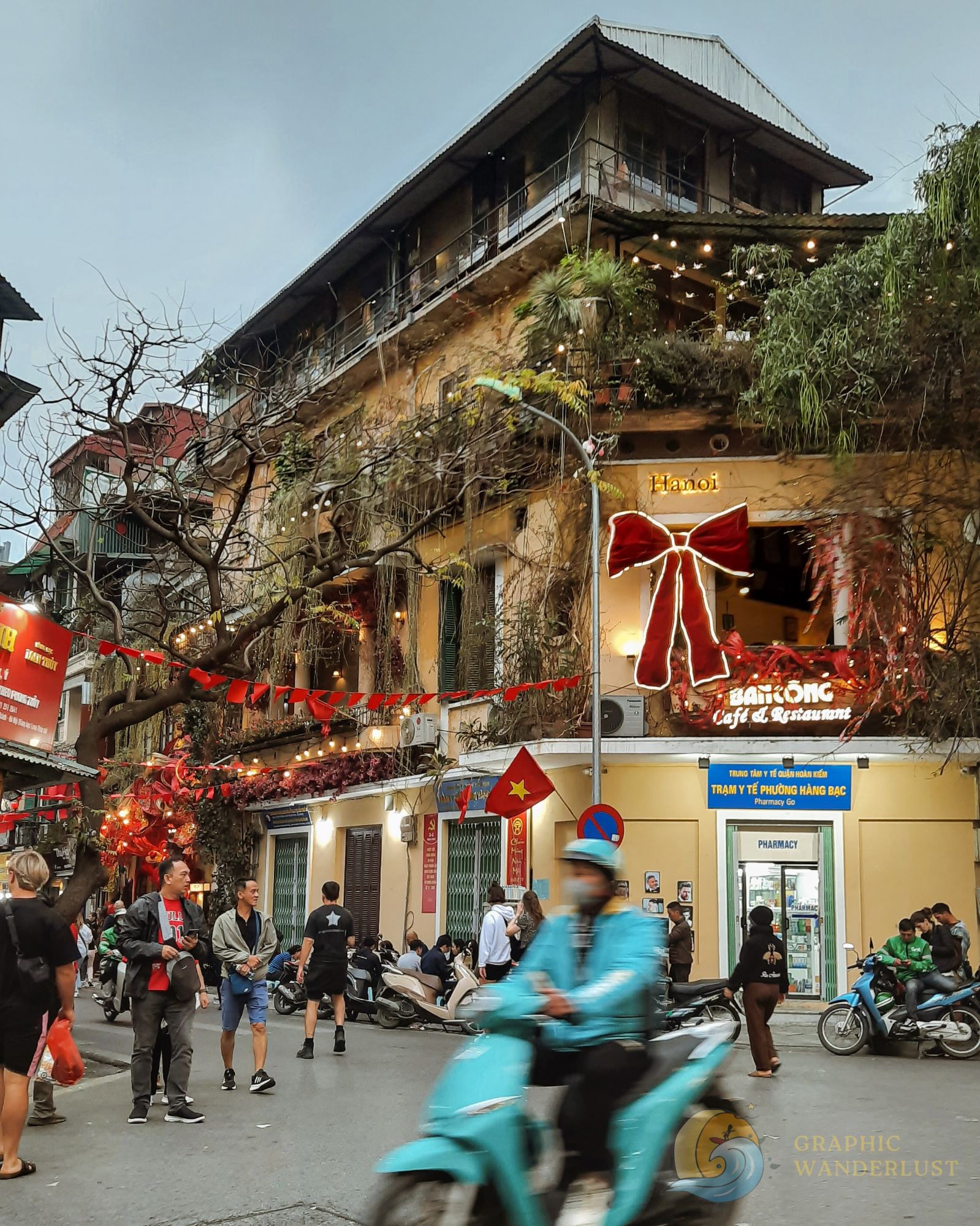
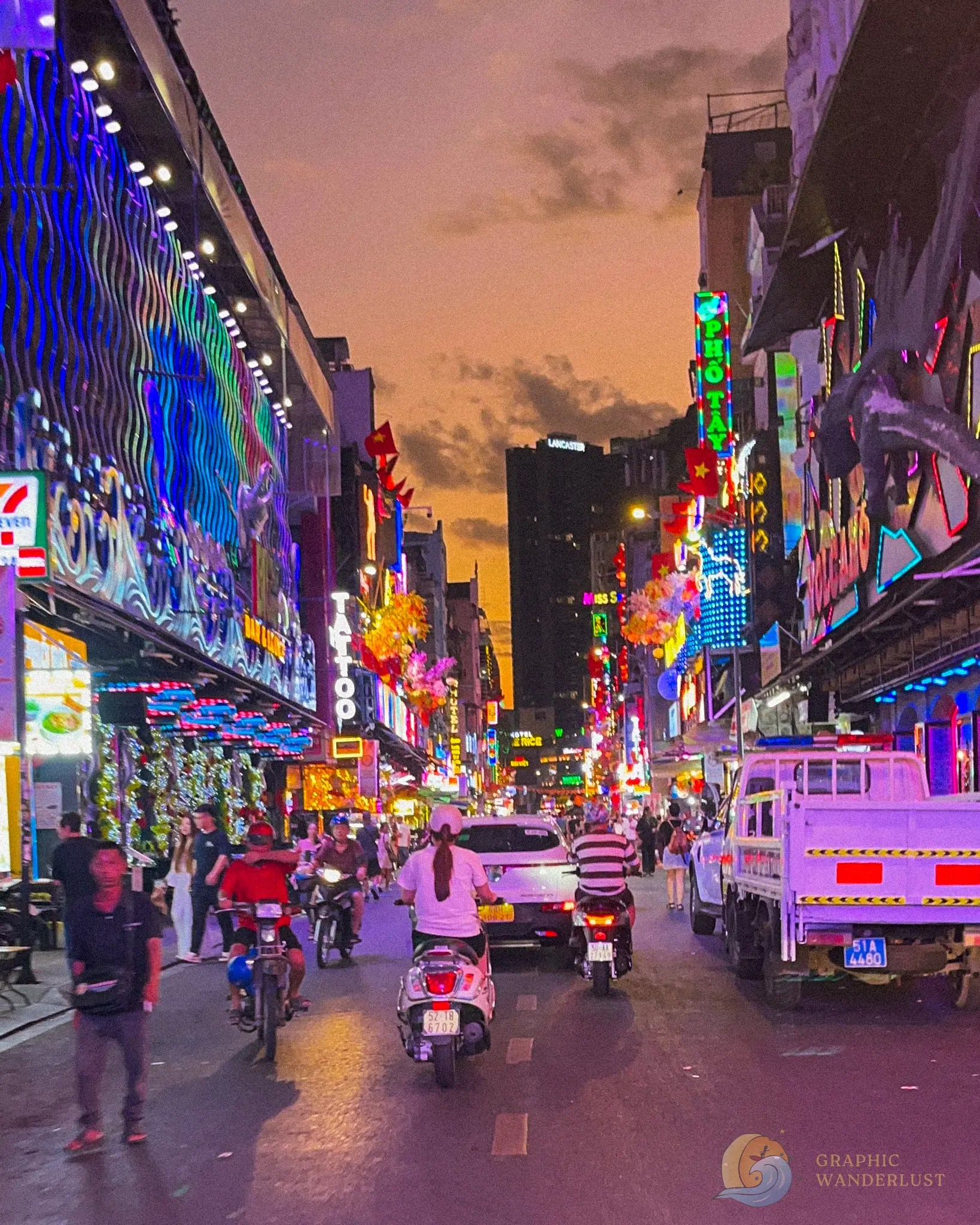
Being torn between Vietnam’s two major cities is probably a very common dilemma experienced by travelers visiting the country for the first time.
Geographically, the two cities have big differences, with Hanoi being located in the northern part of Vietnam, while Ho Chi Minh City sits in the south.
This location also plays a crucial role in the climate of these two cities, with Hanoi experiencing four seasons (winter, spring, summer, autumn) in a year, while Ho Chi Minh City has only two (dry and wet).
Destination-wise, Hanoi boasts a more relaxed and culturally immersive experience with the presence of historical landmarks from the precolonial period, such as the Imperial Citadel of Thang Long and Temple of Literature.
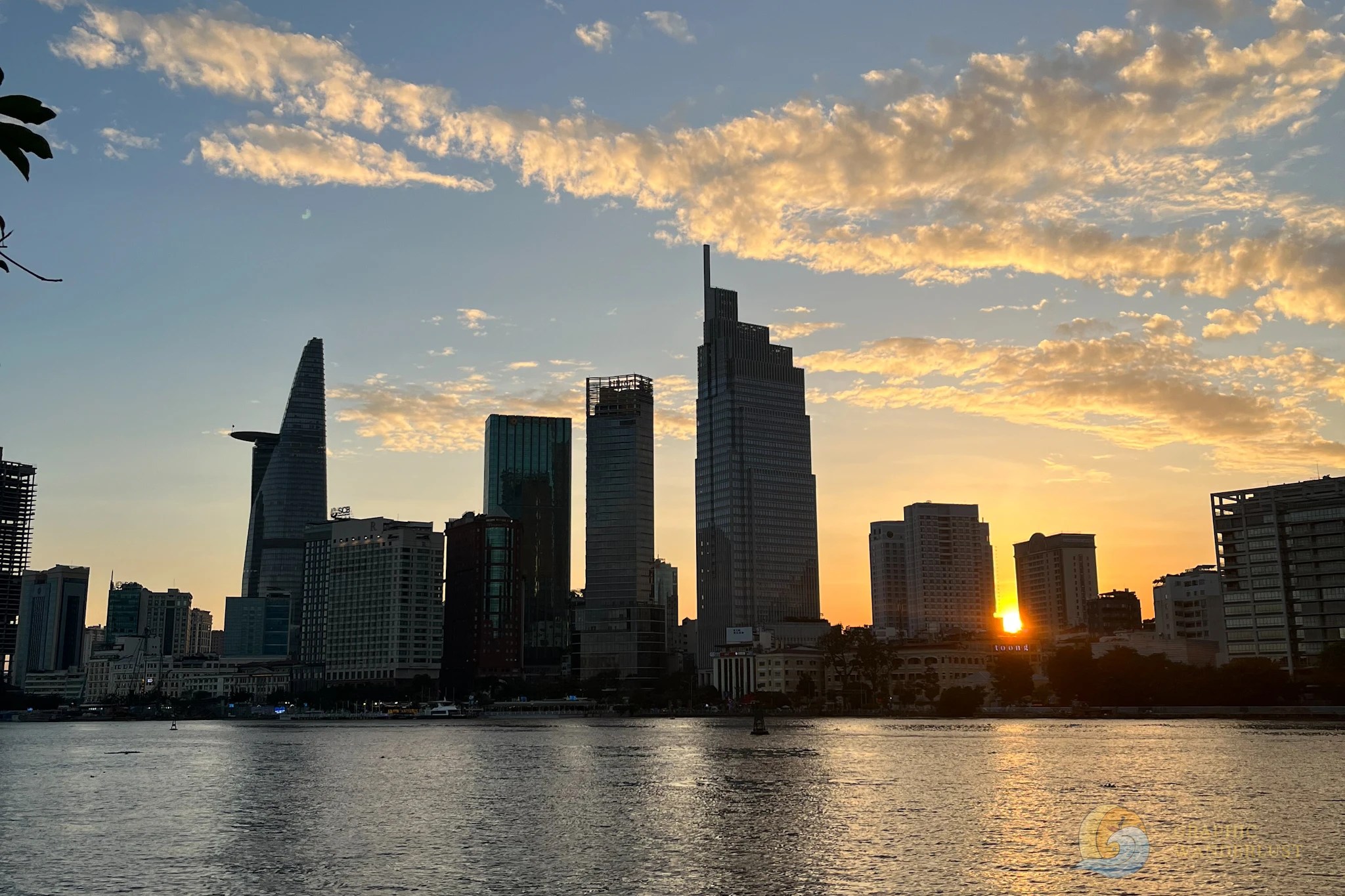
Ho Chi Minh City, on the other hand, is an urbanized, modern metropolis, pulsing with economic activity and a mix of historic French colonial buildings and modern, towering glass skyscrapers in the background.
Now the question lingers—which one is better? The answer actually relies on a person’s personality and preference.
As someone who appreciates history more, I liked Hanoi better, especially for its more relaxed, unhurried setting compared to Ho Chi Minh City. The latter may be better appreciated by those who prefer a vibrant, energetic city, offering cheap and diverse shopping and cultural experiences. But honestly, I like both cities’ personalities, which are similar to Manila‘s chaotic charm in some ways.
Ho Chi Minh City vs. Saigon: What’s the Difference?
But before diving into the logistics of planning the trip, let’s first take a look at one of the most commonly asked questions when visiting the city for the first time: What’s the difference between Ho Chi Minh City and Saigon?
Ho Chi Minh City is the current official name of the city, after the reunification of Vietnam in 1976, in honor of the late revolutionary leader and former President of the Democratic Republic of Vietnam, Ho Chi Minh. Saigon, on the other hand, was its former name before and during the Vietnam War.
This name change has been deemed pivotal for the history of Vietnam as it signifies the reunification of the northern and southern parts of the country and has become a symbol of post-war national identity.
Despite the change, the name Saigon is still widely used in Vietnam, with a handful of places and brands still using it to this day. Others prefer to use it due to its shorter and easier-to-remember name, while some South Vietnamese prefer to use it as a sense of historical pride. In everyday travel situations, using either name is perfectly acceptable.
How to Get to Ho Chi Minh City
Ho Chi Minh City is home to one of Southeast Asia’s busiest airports, Tan Sot Nhat International Airport. Hence, various routes coming from and going to different parts of the world are available.
From Manila, one can reach Ho Chi Minh City by booking one of the regular direct flights serviced by Philippine Airlines, Cebu Pacific, and Vietjet Air. For travelers coming from Cebu, Cebu Pacific has also selected direct flights going to the city.
Ho Chi Minh City is also easily accessible by air if coming from other cities in Vietnam, like Hanoi or Da Nang, by booking through local airlines. Buses also offer cheaper alternatives for budget travelers and for those who are not in a rush to reach the city.
If coming from the nearby capital of Cambodia, Phnom Penh, buses also run regular trips to and from the city.
For my trip from Manila, I flew with Cebu Pacific and scored a one-way ticket for only ₱2,873 during a seat sale.
Book your Manila to Ho Chi Minh City transport here!
Ho Chi Minh City Travel Requirements
Unlike its neighboring countries, Vietnam doesn’t have an arrival card/form that travelers need to fill out and submit prior to their arrival in Ho Chi Minh City.
For Philippine passport holders, a passport with at least six months before its expiration and at least two blank pages, and a boarding pass are the only requirements to enter Ho Chi Minh City and Vietnam, generally.
Nonetheless, for travelers holding passports issued by the United States, Australia, Canada, and other countries not covered by Vietnam’s visa-exempt policy, a valid e-visa is also required.
Best Time to Visit Ho Chi Minh City
With its proximity to the equator, Ho Chi Minh City observes a tropical climate and only has two seasons, just like the Philippines.
December to April is the region’s dry season and is deemed the best time to visit and explore Ho Chi Minh City, with a low amount of rainfall and milder temperatures expected during these months.
This period also coincides with Vietnam’s festive celebration of Tet (Vietnamese Lunar New Year), which happens between the last week of January and mid-February, and is ideal for travelers who want an immersive cultural experience. Nonetheless, for budget travelers, this may not be a good time to explore the city as accommodation and food prices usually rise during this festive period.
The remaining months of May to November are the wet or rainy season of the region, and generally observe fewer tourists due to the high amount of rainfall expected, brought by monsoon rains. Accommodation and flight prices usually drop during this period and may be a good time for budget travelers who want to explore the city and don’t mind a few rainy days during their trip.
How to Get Around Ho Chi Minh City
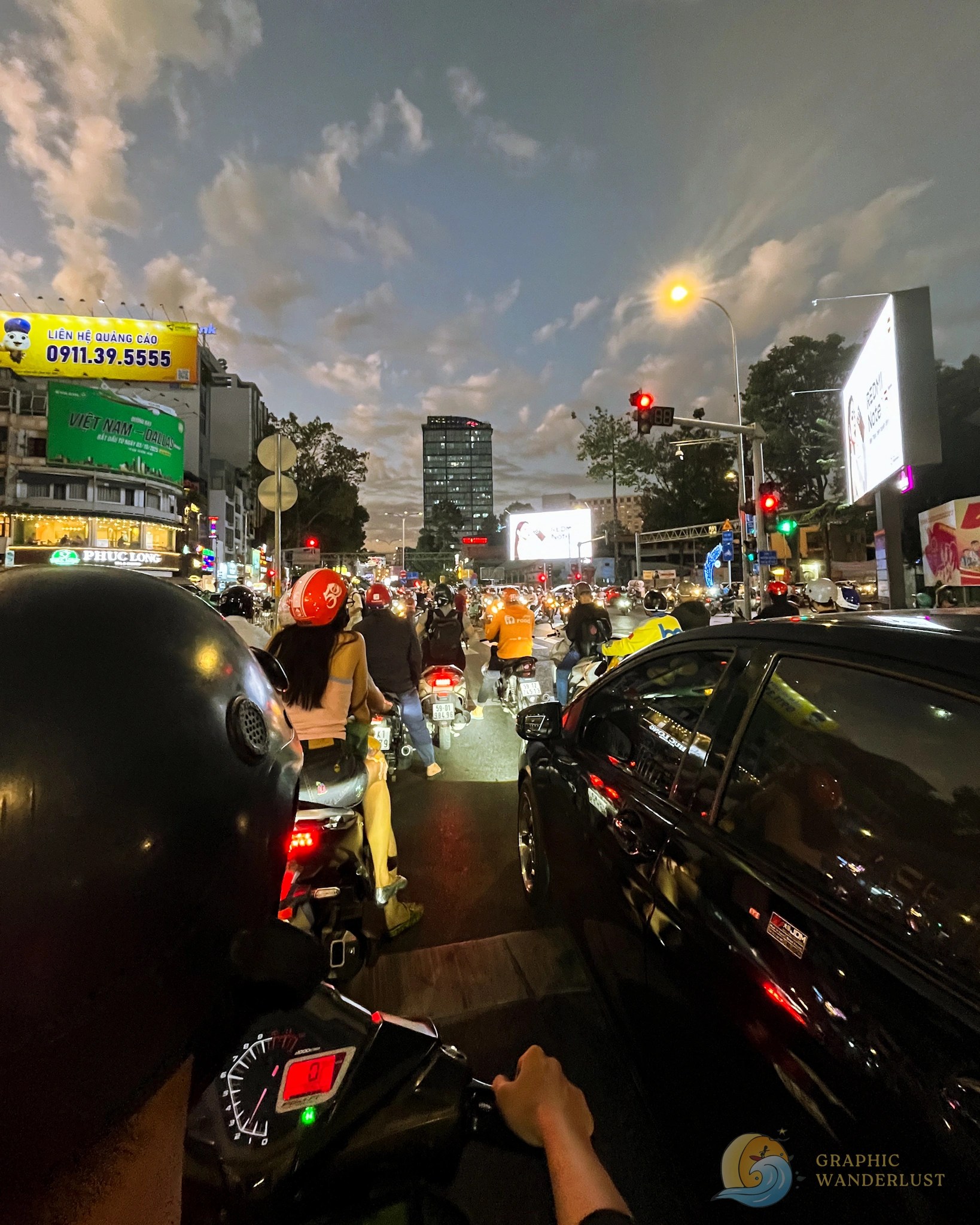
Known for its infamous traffic jams, getting around Ho Chi Minh City may look intimidating at first, especially for travelers coming from countries with established and reliable public transportation. But for someone coming from Manila with chaotic mass transportation, I found the city quite easy to navigate and even familiar in some ways.
For first-timers, here is a list of transportation options to choose from when exploring Ho Chi Minh City:
- Ride-hailing apps: For a scam-free experience with upfront pricing, Grab, Gojek, and Be are among the most convenient ways to get around Ho Chi Minh City. Travelers can choose between car rides and motorbike taxis based on their budget and comfort level.
- HCMC Metro: A big step-up in response to growing demand for better public transportation, the recent opening of the Ho Chi Minh City Metro in late 2024 has also become one of the most convenient options for exploring the city. Metro Line 1 runs from Ben Thanh Station in District 1 to Suoi Tien Station in Thu Duc City. Fares start at VND7,000 and can be paid using the metro’s smart IC card, contactless payments (e.g., Mastercard), or a QR code for tickets bought online in the HCMC Metro app.
- Saigon Waterbus: For a scenic alternative to exploring the city, the various boats that ply along the Saigon River are good options to beat the metro traffic. Starting at Bach Dang Station in District 1 near Nguyen Hue Walking Street, tourists can marvel at the city on water or hop off at the nearest wharf closest to their destination. Fares start at VND15,000, which can be availed at each station or on the Saigon Waterbus website.
Where to Stay in Ho Chi Minh City
District 1 and District 3 are usually the recommended areas to stay in Ho Chi Minh City for first-time visitors due to their proximity to major tourist spots. But this information can be quite overwhelming, especially for District 1, which has a lot of smaller areas and neighborhoods (called wards or phường in Vietnamese) that each boast their own charm and attractions.
To help you narrow down the best area to stay for your trip, here are the top recommended neighborhoods in the districts, sorted based on their personality and charm.
Pham Ngu Lao Ward (Best for Backpackers)
Ho Chi Minh City’s backpacker area, Pham Ngu Lao ward, boasts budget-friendly accommodation for first-time travelers.
From hostels, budget hotels, to vacation rentals, travelers will never run out of options to choose from, especially at Bui Vien Walking Street, where most of these are concentrated and is also known as the city’s nightlife center. The area is also an easy 15-20-minute walking distance from the center of the city’s major tourist attractions.
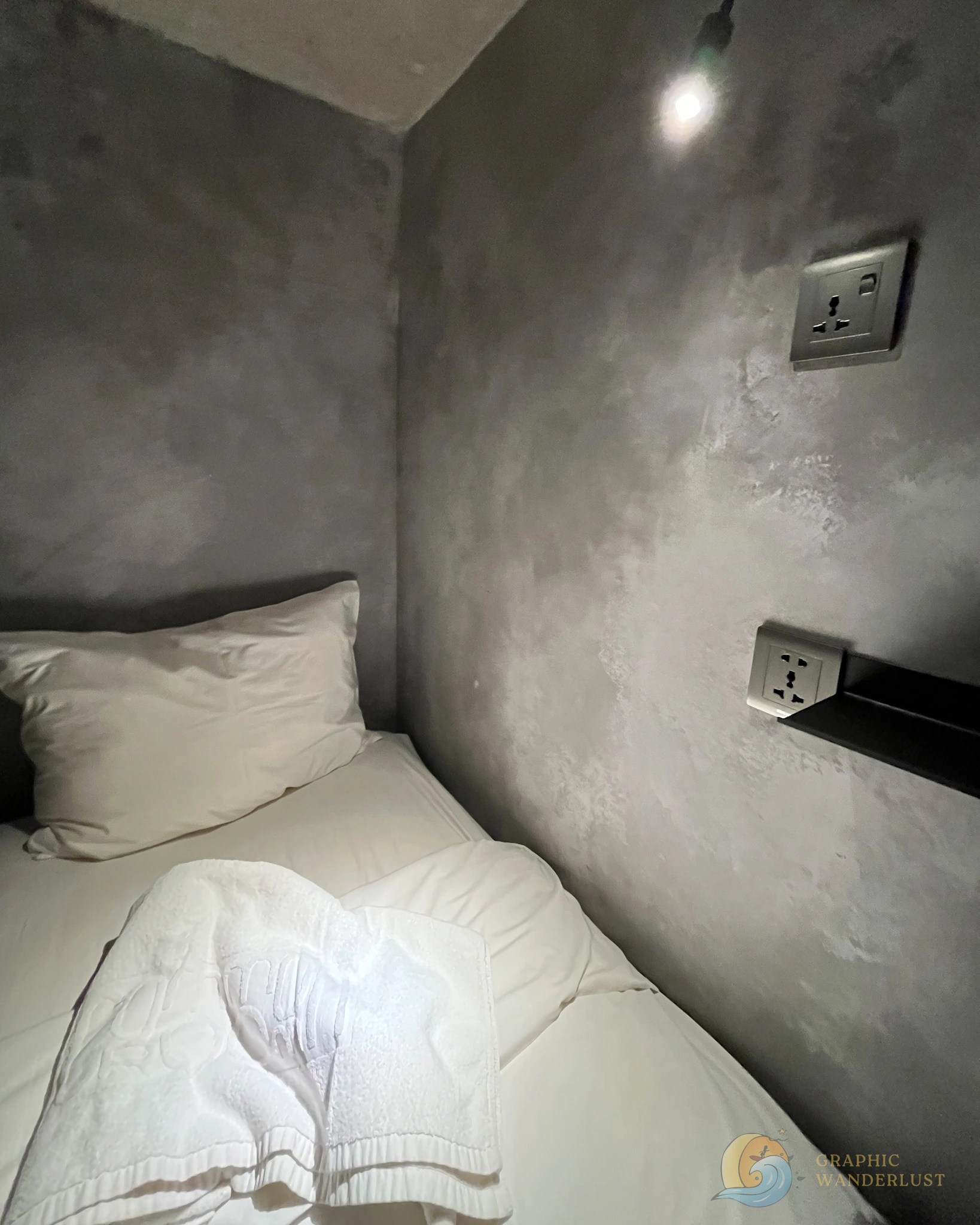
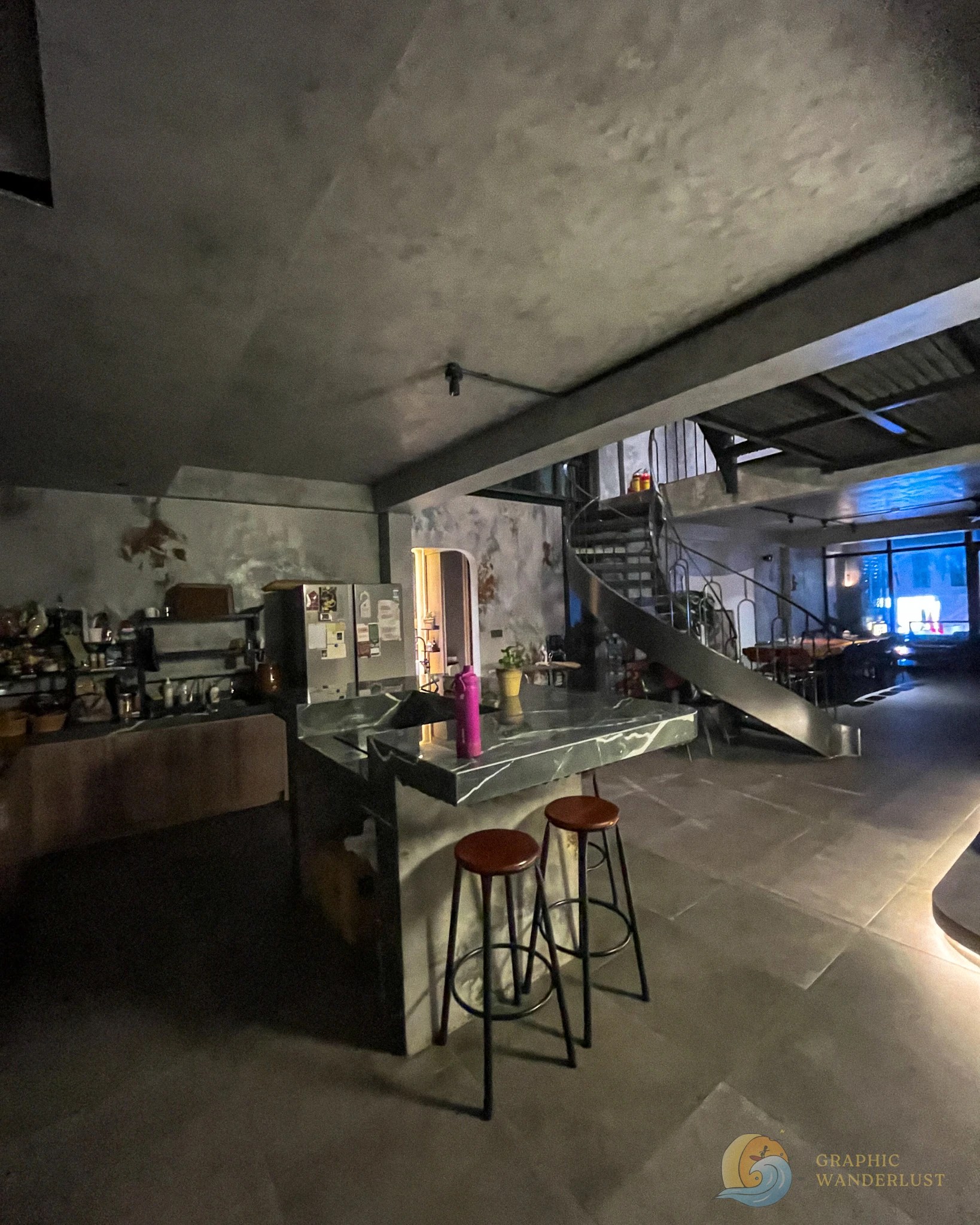
During my trip, this is the area where I stayed, and contrary to its loud persona, I actually had a pleasant experience at The Common Room Project located at the end and quiet side of Bui Vien Walking Street. Not to mention that the hostel boasts a neo-brutalist-industrial interior design and comfortable dorm beds, which are a thumbs-up for an accommodation-conscious traveler like me.
- Budget: Aquarizon Boutique Hostel, Felix Hotel, Saigon Style Hostel
- Mid-range: Galaxy Boutique Hotel, The Rice 191 Bui Vien Hotel, Duc Vuong Saigon Hotel, Vien Dong Hotel
Ben Thanh Ward (Best for First-timers)
If you want to veer away from the noisy and chaotic streets of Pham Ngu Lao without losing access to affordable accommodation options and proximity to major tourist spots, then the nearby area of Ben Thanh is your best bet.
Located in a very central point in the city, this area is home to the famous Ben Thanh Market and provides quick access to Ben Thanh Metro Station. Furthermore, travelers will never run out of dining options, as the neighborhood is dotted with the city’s best and most famous banh mi and pho restaurants, such as those on streets Le Thi Rieng and Nguyen Trai.
- Budget: 9 Hostel and Bar, City Backpackers Hostel, Alleyway Hostel, Vy Da Backpacker Hostel
- Mid-range: The Hammock Hotel, The Umi Hotel, Nicecy Boutique Hotel
- Luxury: Silverland Yen Hotel, M City Hotel Saigon, Alagon Saigon Hotel & Spa, M Village Hotel Nguyen Du
Nguyen Thai Binh Ward (Best for Art Lovers)
Another good alternative to Pham Ngu Lao is the neighborhood of Nguyen Thai Binh, which sits in the middle of Ben Thanh Ward and Ben Nghe Channel.
Staying true to its bohemian and artsy persona, the area is home to Ho Chi Minh City Fine Arts Museum, which, aside from its array of art collection, is also known for its distinct mix of French and Asian influences in its architecture. Its strategic location also provides quick access to the other nearby areas and attractions, without the hefty accommodation price.
- Budget: Grandma Lu’s Saigon Signature, The Triple Hostel, Elegant Feel Inn
- Mid-range: Zeus Living – City Central, Diamond Luxury Ben Thanh, IconSphere Hotel
- Luxury: Rêve Ho Chi Minh City Vignette Collection
Ben Nghe Ward (Best for Luxury Travelers)
For mid-range to luxury first-time travelers, the neighborhood of Ben Nghe is home to the city’s finest and most luxurious accommodation options, while providing quick access to major tourist spots of Ho Chi Minh City.
Along the famous Nguyen Hue Walking Street, lines of four-star hotels dot the area while sitting in proximity to other popular tourist spots like Café Apartments and Saigon Skydeck in Bitexco Financial Tower.
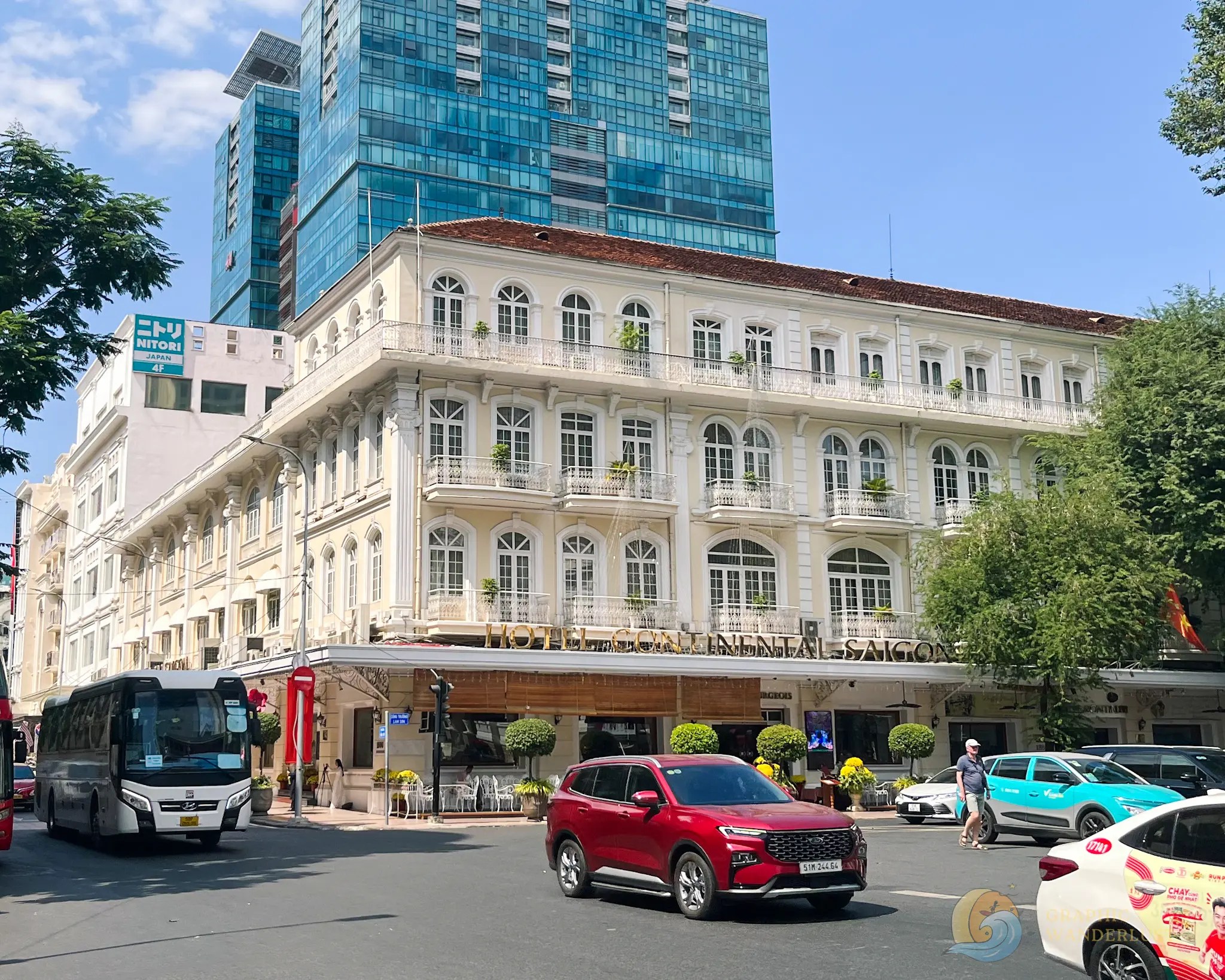
The corner of Dong Khoi Street is also home to one of the city’s oldest and historic landmarks, Hotel Continental Saigon, erected during the late 19th century and boasts a striking French colonial architecture reminiscent of the period.
Nonetheless, budget travelers shouldn’t shy away from this area, as there are also affordable accommodation choices located in the rear streets of the neighborhood.
- Budget: SEN Vivian, Saigon Pink Hotel, Centana Hotel & Apartments
- Mid-range: MEANDER Saigon, Siverland Sakyo Hotel, Liberty Central Saigon Riverside Hotel
- Luxury: Park Hyatt Saigon, Caravelle Hotel, The Reverie Saigon, Hilton Saigon
District 3 (Best for Local Experience)
Noted to be the nearest area for both local experience and proximity to major tourist spots, District 3 is also one of the most recommended neighborhoods to stay in Ho Chi Minh City for first-timers.
Home to the famous War Remnants Museum and the pink Tan Dinh Catholic Church, the neighborhood boasts a more laid-back vibe than District 1, with tree-lined, less chaotic streets. The area is also filled with street-side food vendors serving grub to locals, sipping and propped in low plastic stools or leaning against metal tables, embodying a classic Saigon local scene.
- Budget: HT Hotel Apartment, Minh Khang Hotel, A25 Hotel – 06 Truong Dinh, HemTouch House
- Mid-range: Hoang Lan Hotel, The Concept Hotel HCMC, M Village Living Kỳ Đồng, SILA Urban Living
- Luxury: Hotel des Arts Saigon, President Maison Signature, Novotel Saigon Centre Hotel
Places to Visit in Ho Chi Minh City
Pulsing with activity and nonstop scooters, Ho Chi Minh City may seem overwhelming and intimidating to explore as a first-time visitor. But once you get hold of the list of its must-visit tourist spots, navigating the city can be a piece of cake, especially with the walking distance of most attractions from each other.
For first-timers, here is a list of the best places to visit in Ho Chi Minh City, sorted based on their category:
Historical Landmarks
Saigon Central Post Office
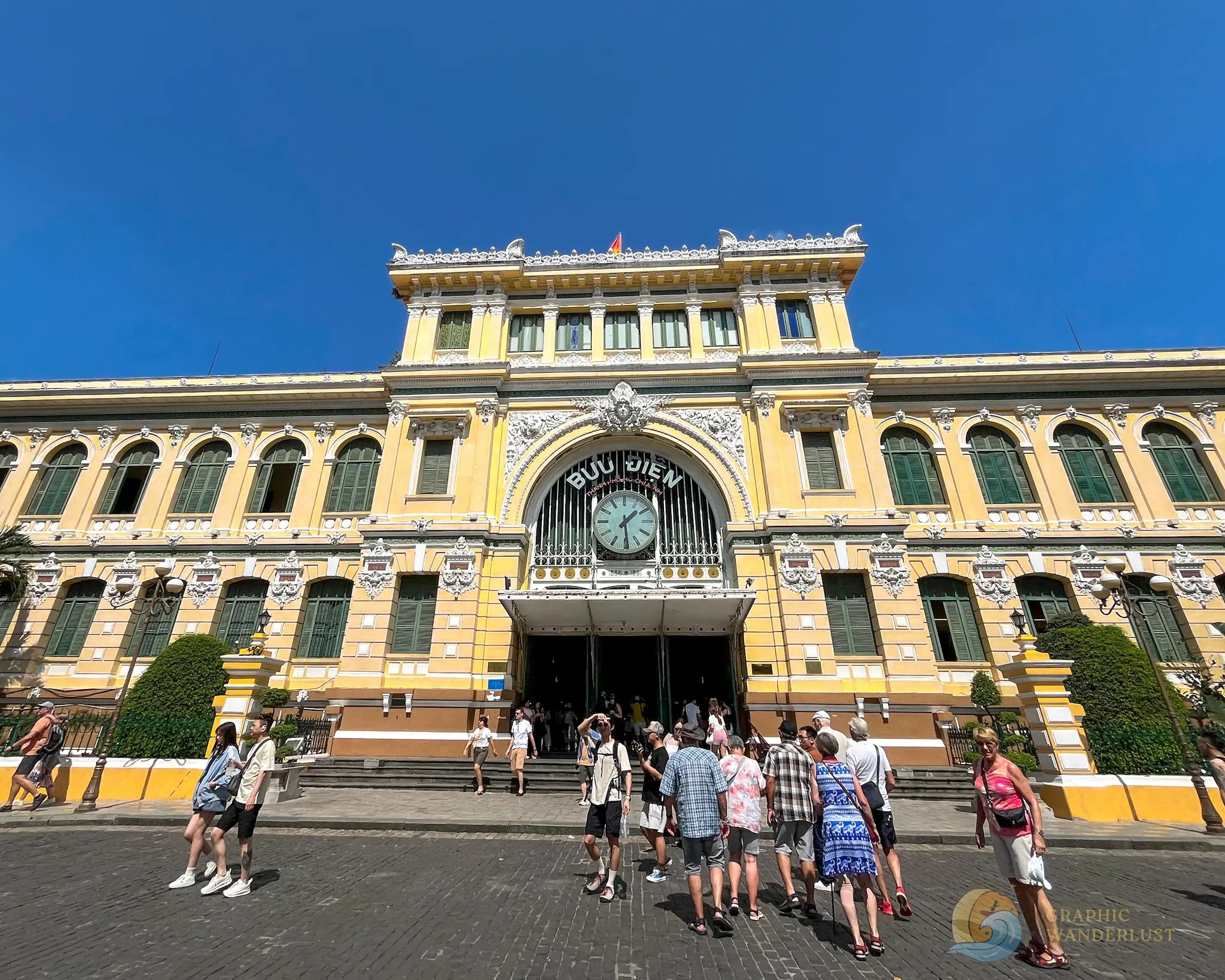
- Location: 02 Paris Commune Square, Ben Nghe Ward, District 1, Ho Chi Minh City
- Operating Hours: 7:30AM-6:00PM (Mondays-Saturdays); 8:00AM-5:00PM (Sundays)
- Entrance Fee: Free
- Spend Time: 30 to 45 minutes
Boasting French colonial architecture with distinct Beaux-Arts and Neoclassical influences and wrought ironwork, the Saigon Central Post Office is one of the city’s enduring testaments to its colonial past.
Originally constructed to serve as a communication building during the French Indochina time in the late 19th century, the dominant parts of the post office still echo its former function with the presence of wooden telephone booths at its entrance and vintage wall map paintings of Saigon and its surroundings during the colonial period.
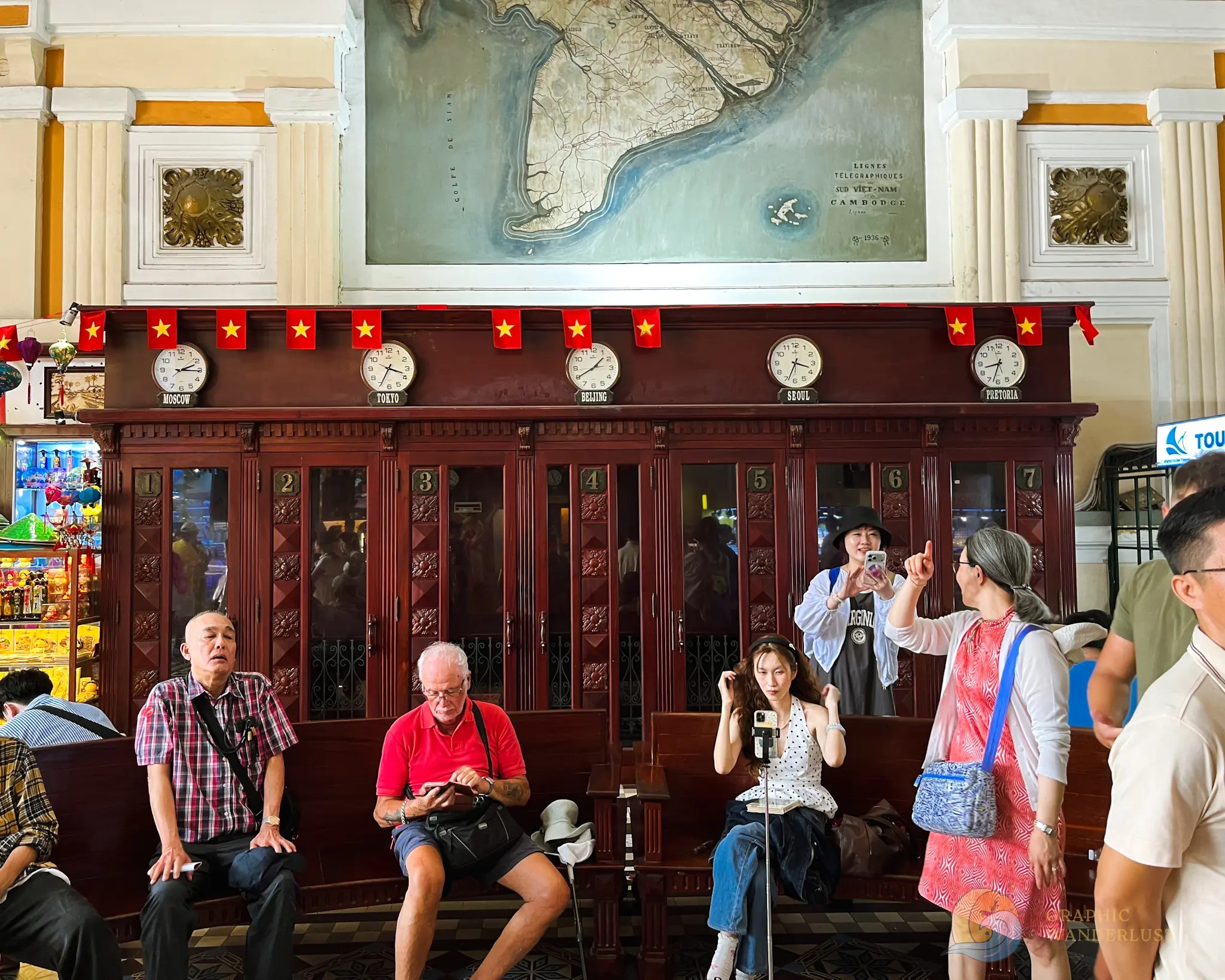
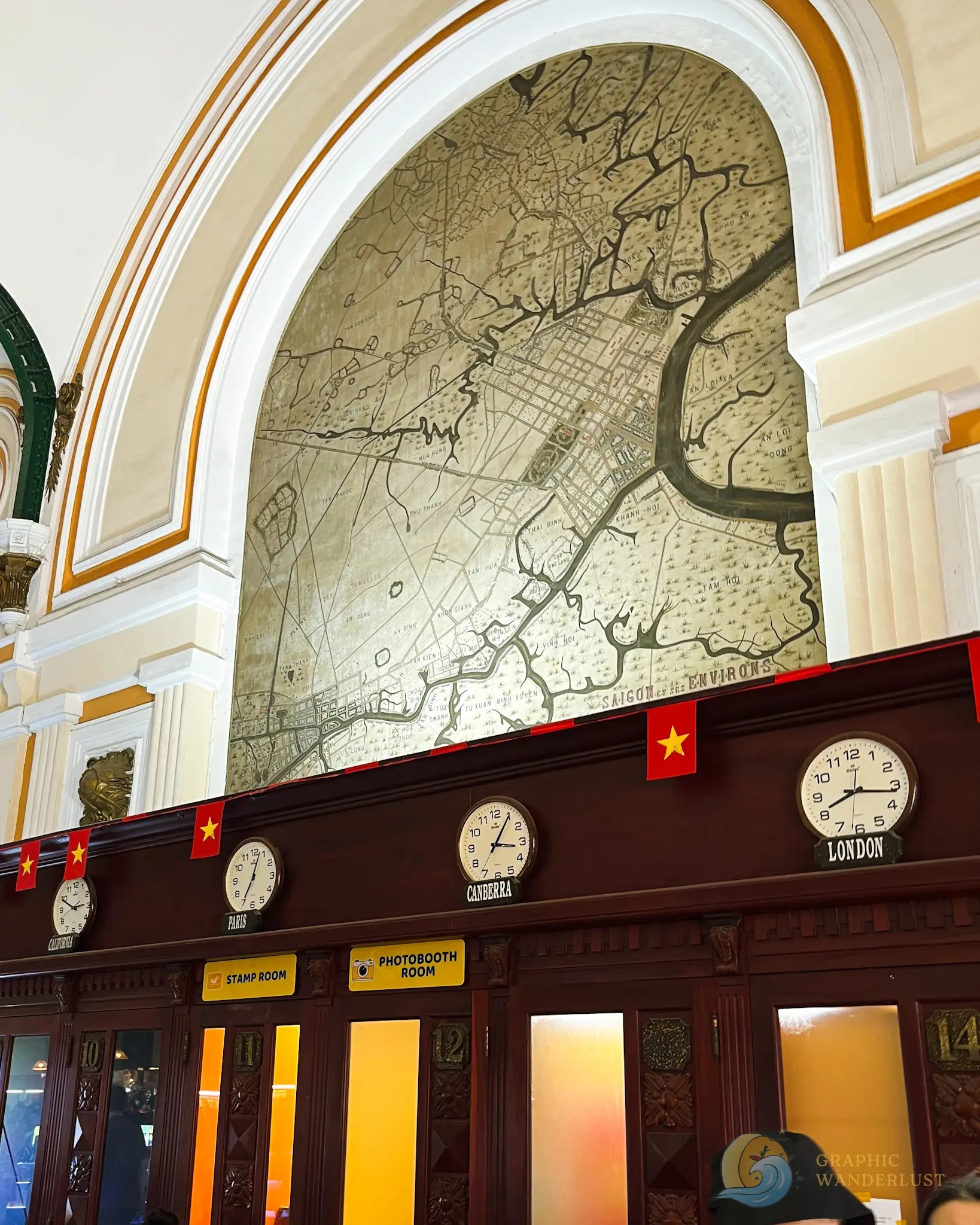
Furthermore, the place is still an active and functioning post office, and the largest in the country, where visitors can buy postcards and send them to their loved ones abroad.
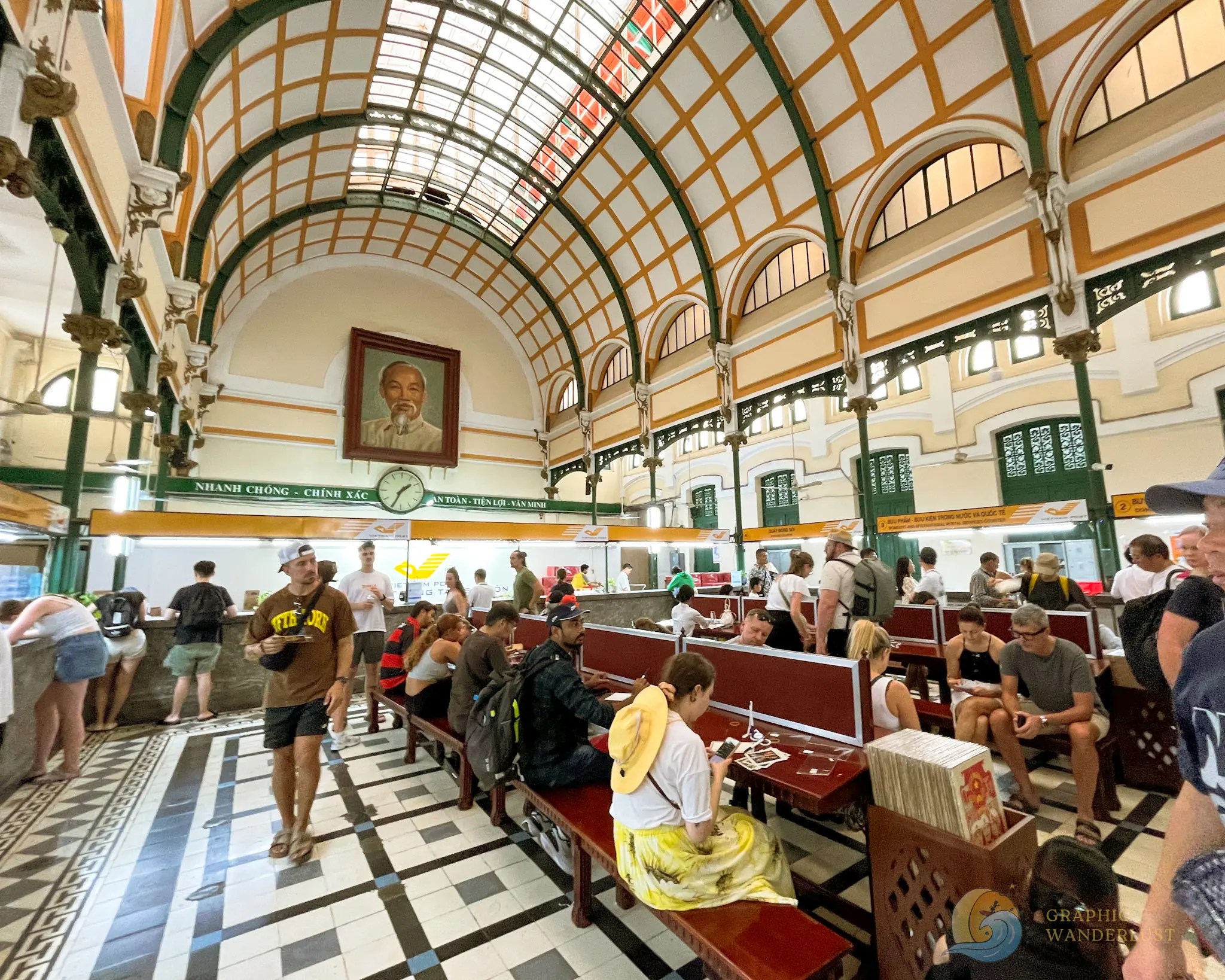
Various souvenir stores selling an array of fridge magnets, keychains, and other handicrafts can also be found in the area, while a portrait of Ho Chi Minh hangs dominantly in the vicinity, right below the place’s well-photographed barrel-vaulted main hall.
Saigon Opera House
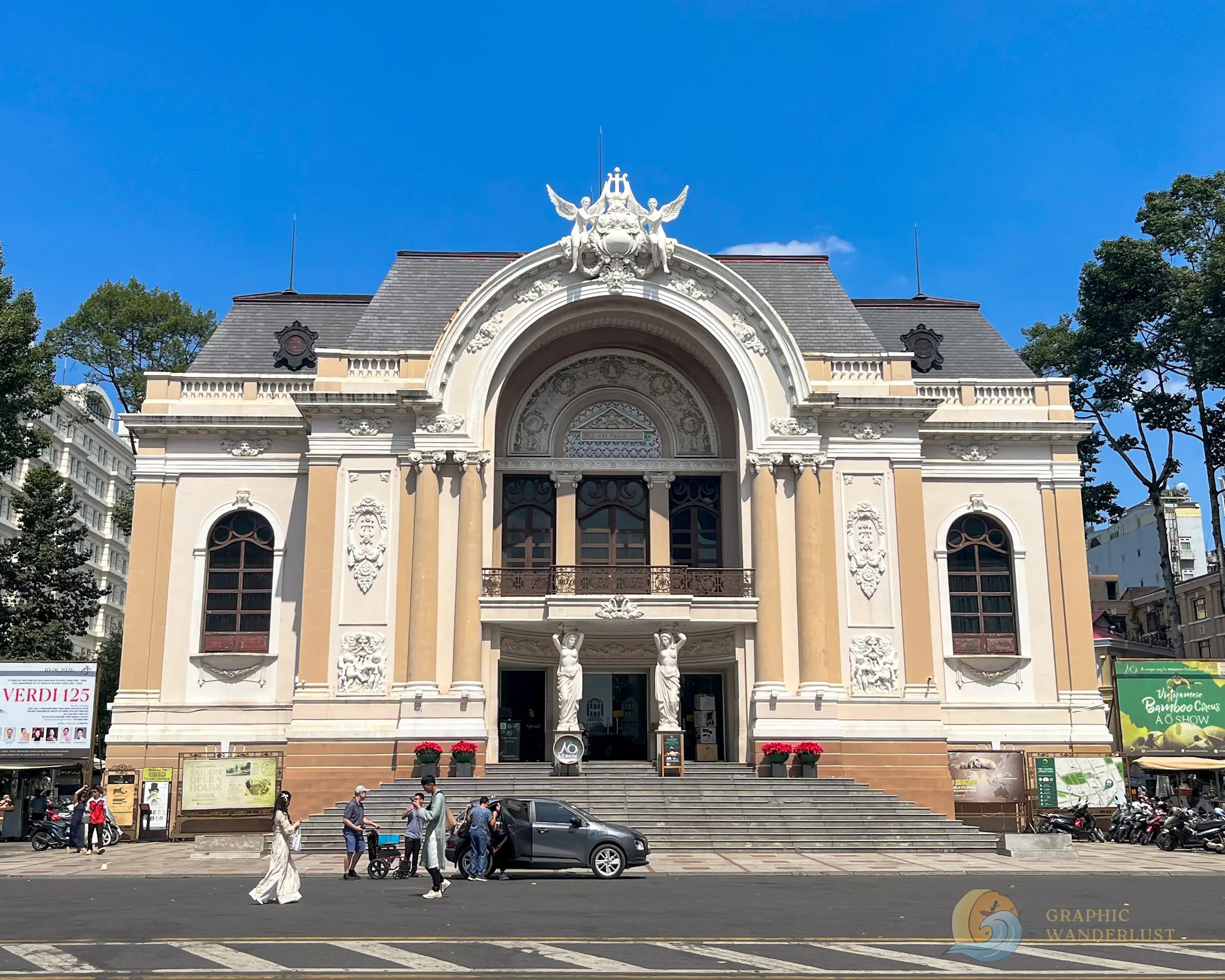
- Location: 07 Lam Son Square, Ben Nghe Ward, District 1, Ho Chi Minh City
- Operating Hours: Varies per show
- Entrance Fee: Varies per show
- Spend Time: 10 minutes (if not attending a show)
Another prime example of French colonial architecture and the epitome of the Belle Époque in Vietnam is the Saigon Opera House, located a couple of blocks away from the Central Post Office.
Inspired by the Palais Garnier and Petit Palais in Paris, France, this late 19th-century French colonial building boasts a mix of striking Beaux-Arts and Neoclassical elements.
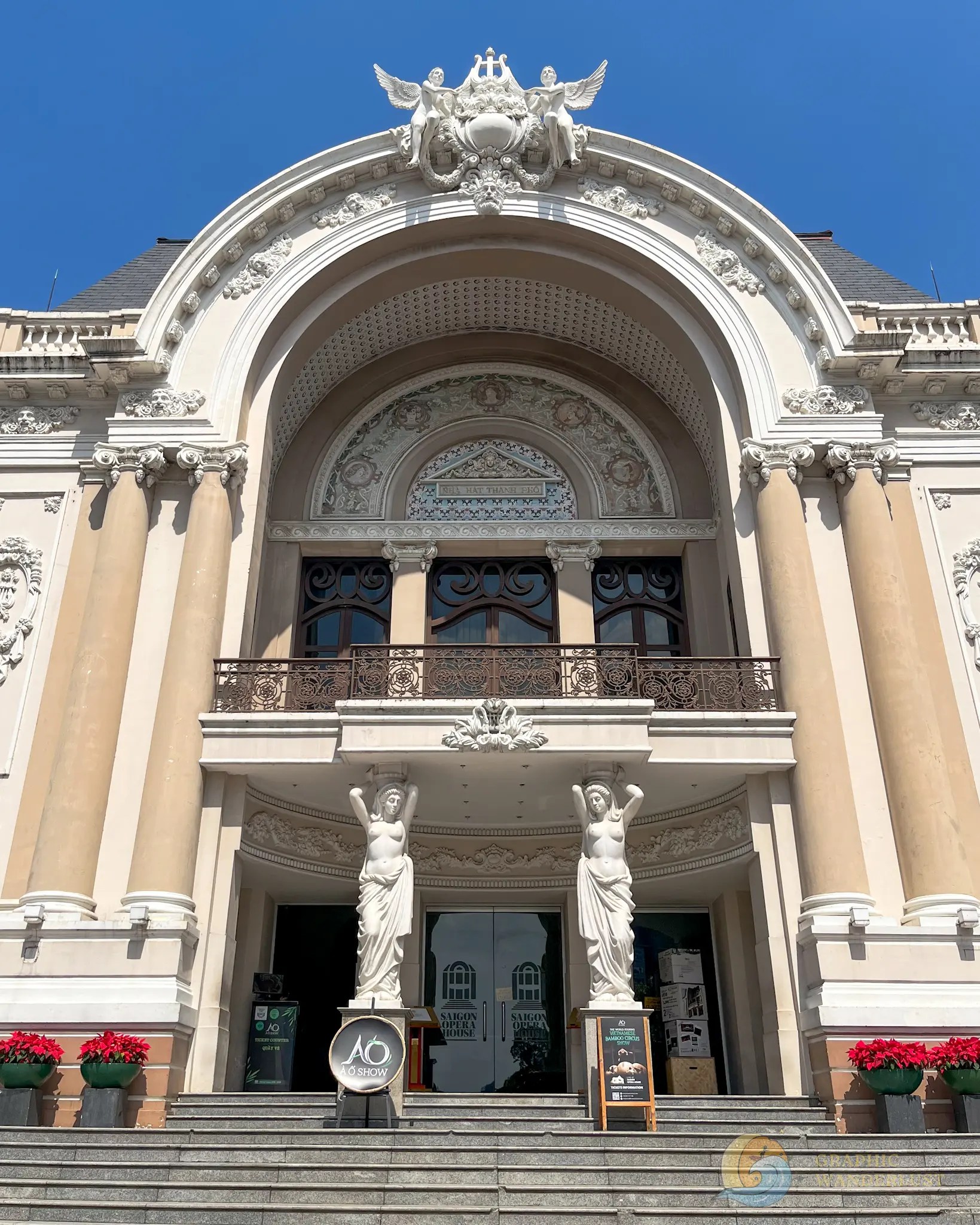
Aside from hosting various entertainment shows, the place has also played significant roles in Vietnam’s history by being the seat of the Lower House of the State of Vietnam in 1955, and as a venue of the People’s Assembly in 1975, before finally being converted back into a functional theater after the reunification in 1976.
Various theatrical performances are shown in the building with the A O, The Mist, and Teh Dar shows, billing the list and featuring Vietnamese art, music, and dance.
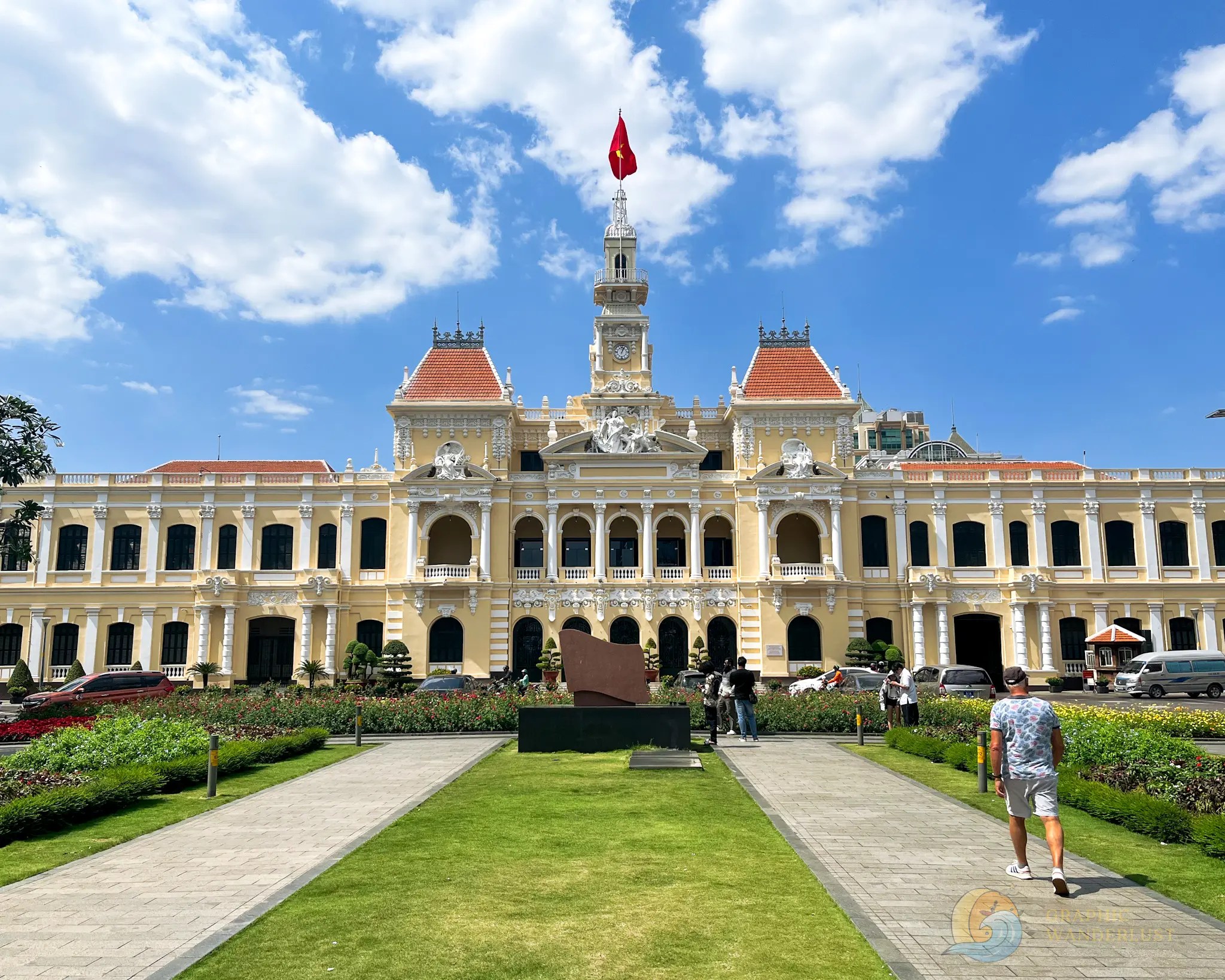
Ho Chi Minh City Hall
- Location: 86 Le Thanh Ton Street, Ben Nghe Ward, District 1, Ho Chi Minh City
- Operating Hours: Façade open 24 hours
- Entrance Fee: Closed to the public; occasionally opens during important historical dates
- Spend Time: 10 minutes
Officially named Ho Chi Minh City’s People’s Committee Building, the striking yellow and white façade of the place is hard to miss with its central and prime location in the city.
Inspired by the Hôtel de Ville in Paris, France, this 20th-century French colonial landmark is the epitome of French Renaissance Revival in Vietnam, with hints of Neoclassical influence. The main highlight of the place is its façade, which boasts symmetrical rows of arched windows and Greek-inspired columns, Marianne and wreath sculptures, and its clock tower.
Apparently, the building played an important role in the history of the city and Vietnam by being the seat of the previous and current administrative governments. Nonetheless, entry to the place is currently off-limits to the public.
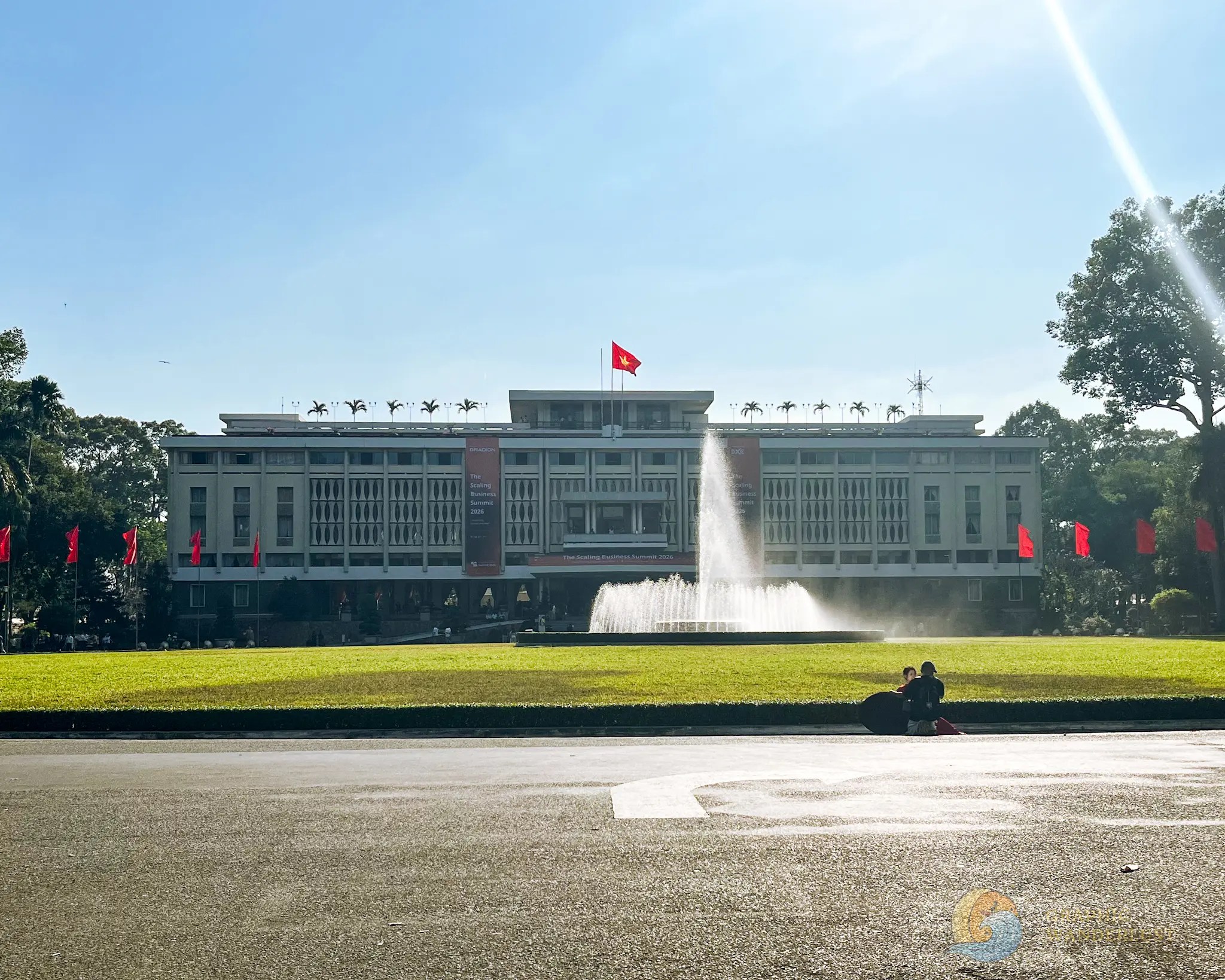
Independence Palace
- Location: 135 Nam Ky Khoi Nghia Street, Ben Thanh Ward, Ho Chi Minh City
- Operating Hours: 7:00AM-6:00PM
- Entrance Fee: VND40,000
- Spend Time: 1 to 2 hours
Also known as the Reunification Palace and Norodom Palace, the Independence Palace is probably the lone major historic landmark in the city with missing French colonial architecture.
Featuring a streamlined and symmetrical modern architecture with East Asian influences, the current design of the Independence Palace is symbolic of South Vietnam’s detachment from Western imperialism, which actually started from a French colonial style and housed the governors-general of French Indochina during the colonial period.
Nonetheless, after its sustained heavy damage from the plane bombings of the Democratic Republic of Vietnam (North Vietnam) during the war, the palace was ordered to be demolished and rebuilt to its current design.
One of the key and monumental roles that the palace played in Vietnamese history was the hoisting of the National Liberation Front of South Vietnam flag on the building’s roof, after two of their tanks slammed its gates in 1975. This initiated the end of the Vietnam War and the start of the reunification of the North and South.
Unlike the city hall, the massive interiors of the Independence Palace and its grounds can be accessed and toured by paying the entrance fee of VND40,000, which can be availed in-person or online.
Modern Landmarks and City Highlights
Cafe Apartments
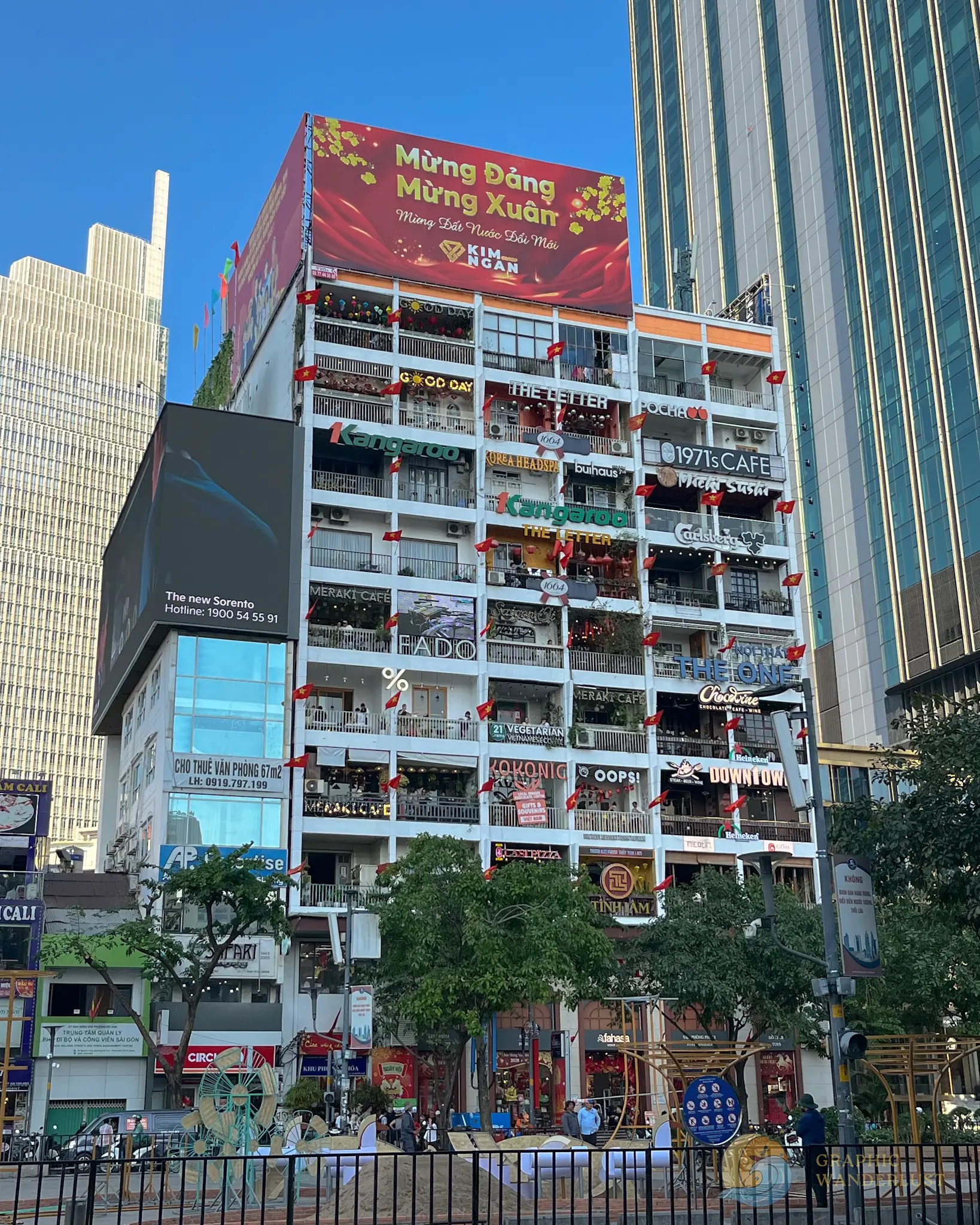
- Location: 42 Nguyen Hue Street, Ben Nghe Ward, District 1, Ho Chi Minh City
- Operating Hours: Varies per café
- Entrance Fee: None
- Spend Time: 30 minutes to 1 hour
Reflecting the bygone era of Old Saigon and the city’s residential landscape of the 20th century, the Café Apartments is one of the handful of places in Ho Chi Minh City that seamlessly blend the past and the present.
Housed in a nine-story building, this commercial and residential complex (yes, there are people actually living here!) is home to a collection of international and homegrown cafés, restaurants, bars, boutique shops, and co-working spaces that both locals and tourists flock to.
Each floor has its own distinguishing persona, with the second to eighth floors being home to some of the well-loved coffee shops and restaurants in the building, such as Meraki Café (3rd floor), % Arabica (4th floor), Madam Quyen Restaurant (6th floor), and, my personal favorite, Po Café (8th floor).
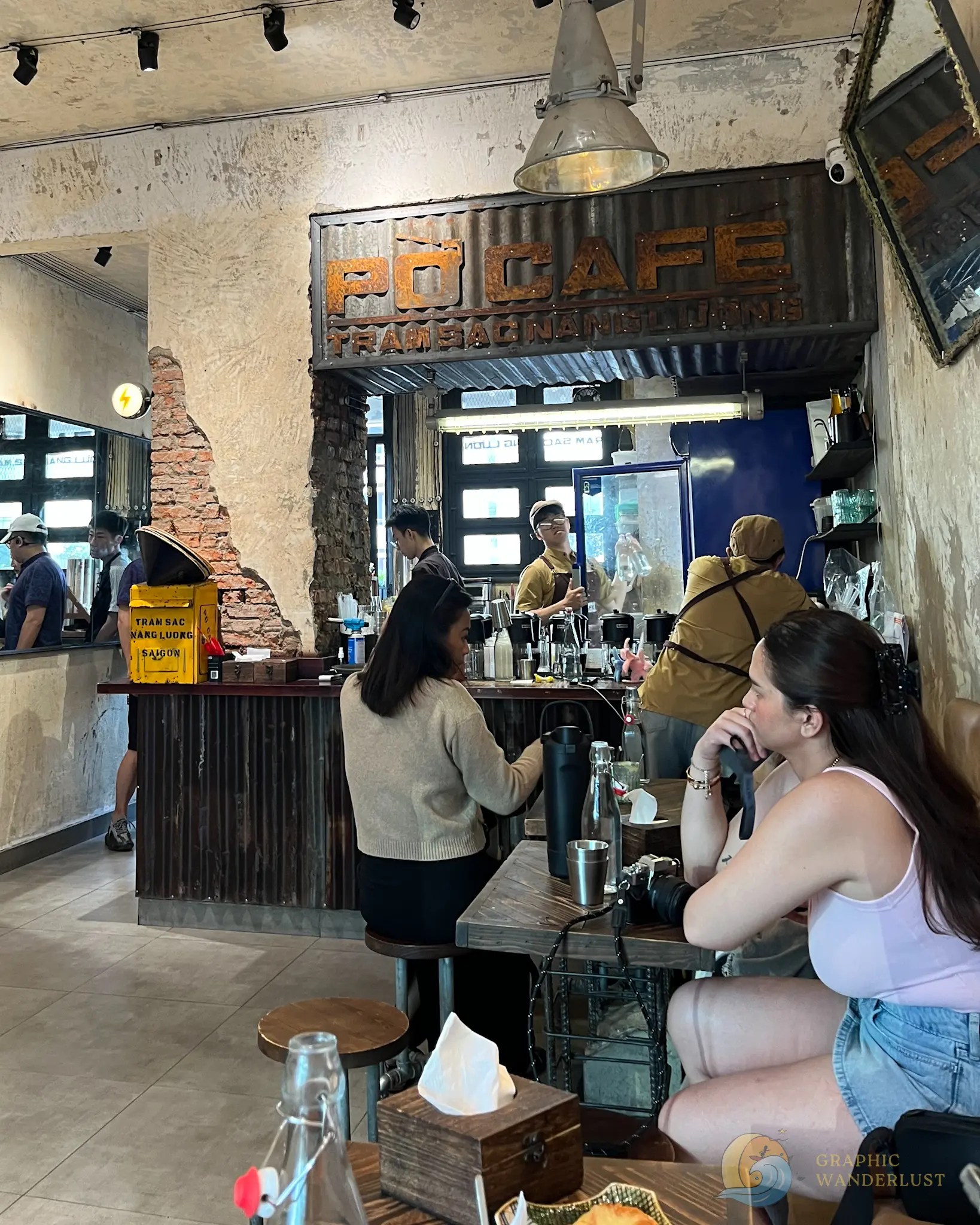
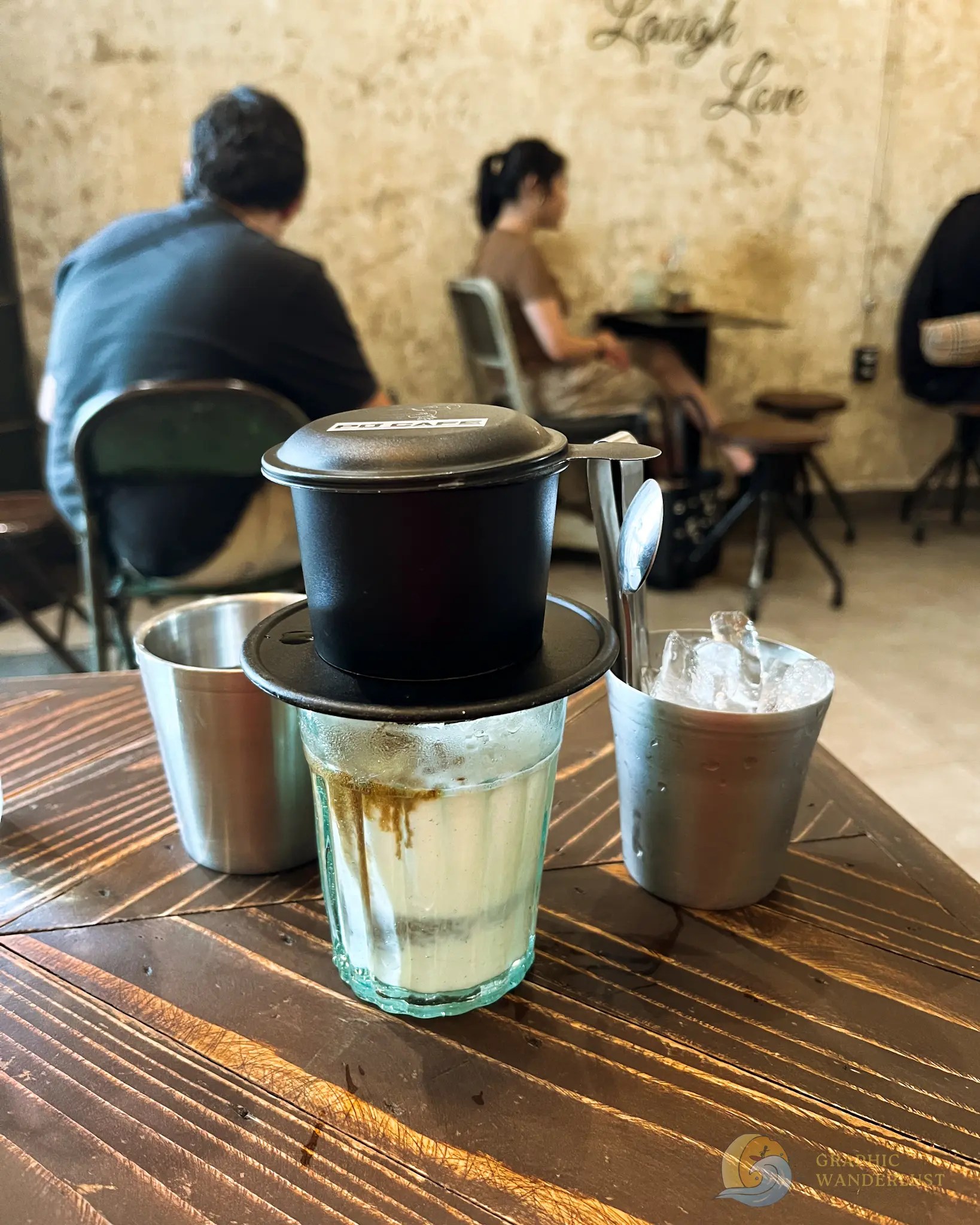
Entrance to the stairway leading to the upper floors can be found in the alleyway, on the left side of the Fahasa bookstore on Nguyen Hue Street. A service elevator is also available for convenience (albeit with a queue) for a minimal fee of VND3,000.
Nguyen Hue Walking Street
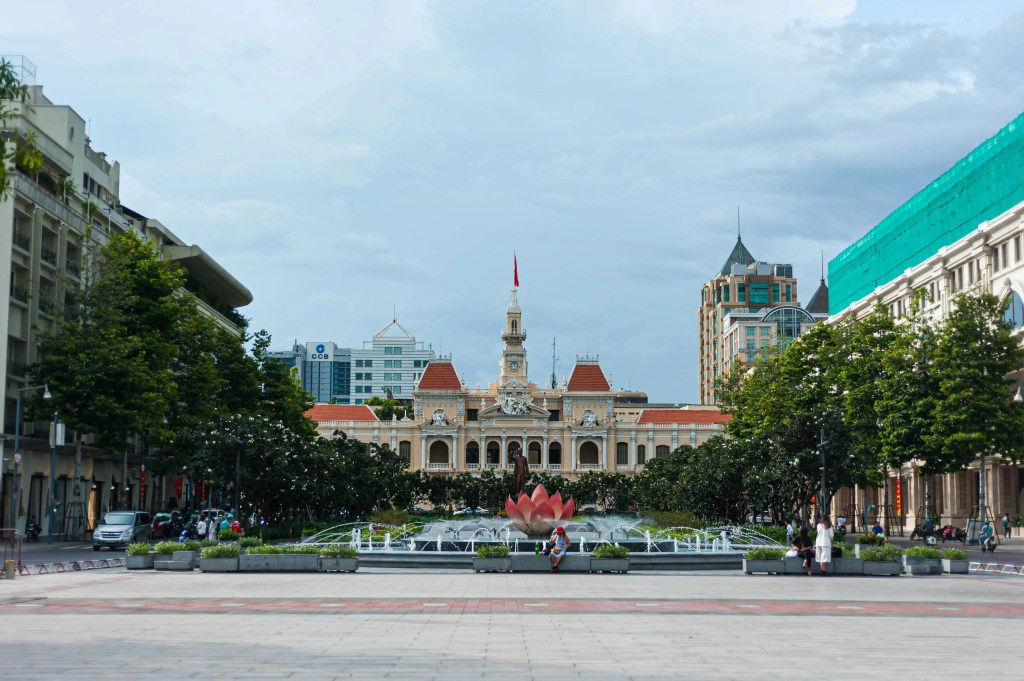
- Location: Nguyen Hue Street, Ben Nghe Ward, District 1, Ho Chi Minh City,
- Operating Hours: Open 24 hours
- Entrance Fee: None
- Spend Time: 15 to 30 minutes
A pedestrian avenue stretching from the bank of the Saigon River up to the façade of the People’s Committee Building, this 900-meter tree-lined strip in Ben Nghe Ward is both a local and tourist favorite due to its lively atmosphere and scenery.
Marked by its tiled pavement, lotus-centered fountain, seasonal displays, and Ho Chi Minh’s statue, Nguyen Hue Walking Street is also dotted with shopping centers and various dining spots along its sides, drawing local and foreign visitors alike. The street particularly becomes more buzzing and alive at night when the Ho Chi Minh City Hall and its surrounding buildings get illuminated, adding more charm to the place.
Ho Chi Minh City Book Street
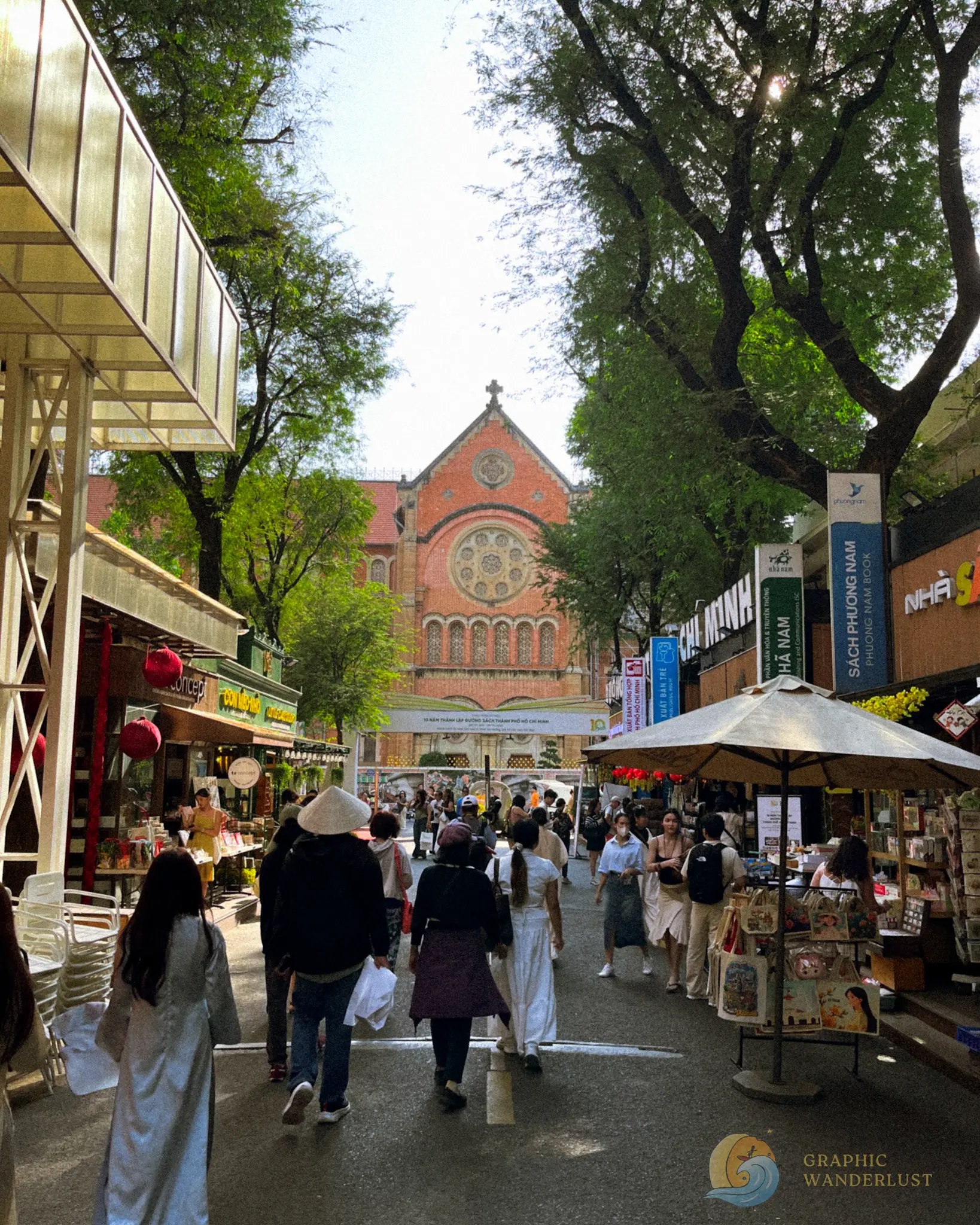
- Location: Nguyen Van Binh Street, Ben Nghe Ward, District 1, Ho Chi Minh City
- Operating Hours: 8:00AM-9:00PM
- Entrance Fee: None
- Spend Time: 30 minutes to 1 hour
An oasis for book lovers (and even introverts) amidst the hustle and bustle of the city, Ho Chi Minh City Book Street, or formally known as Nguyen Van Binh Book Street is also one of the handful of must-stops when in the city.
Dedicated to the well-known and highly respected Vietnamese bishop and intellectual, Nguyen Van Binh, and a symbol of the country’s dedication to learning and knowledge, this 100-meter street is home to a collection of bookstores, offering new and second-hand books in various genres both in Vietnamese and English.
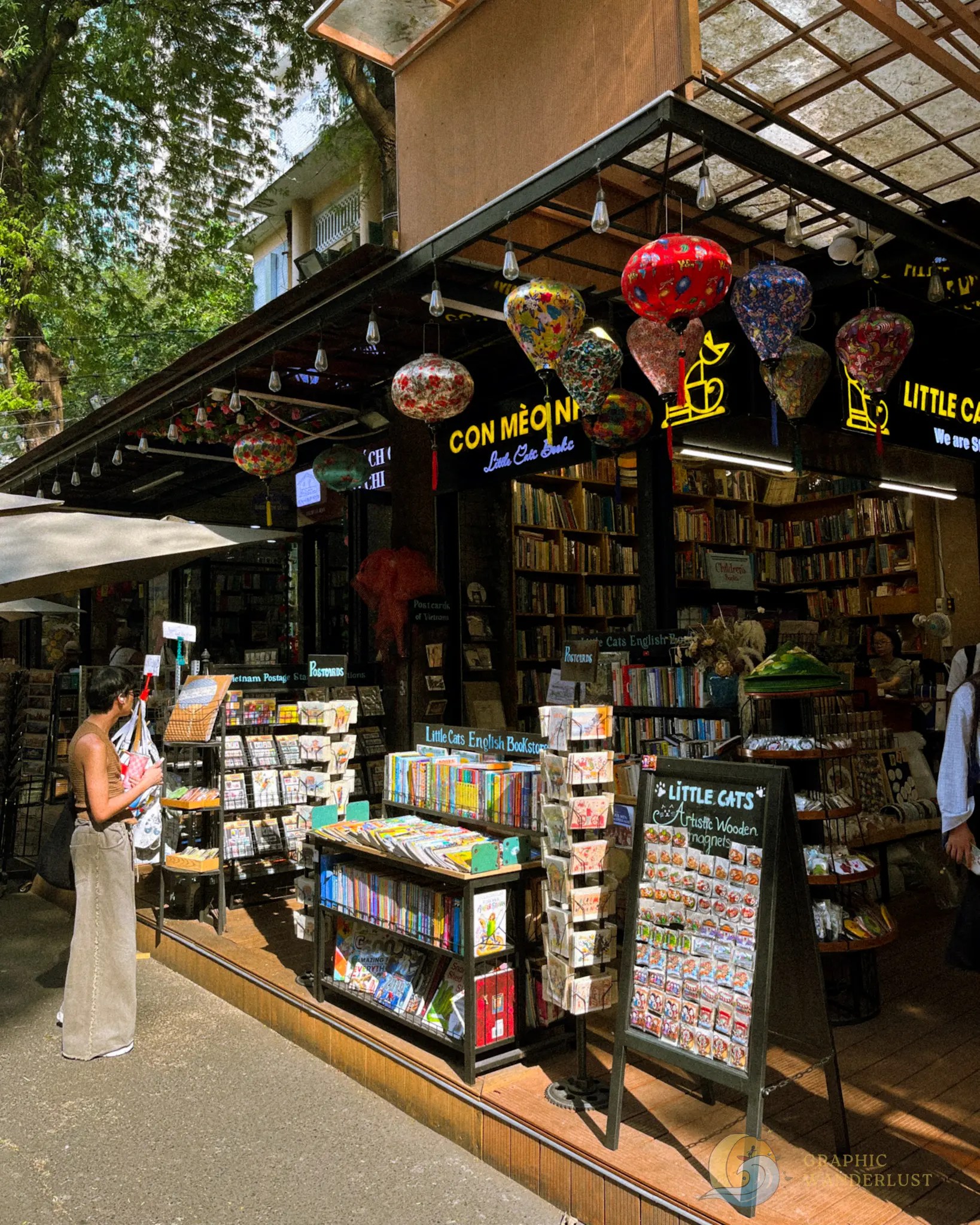
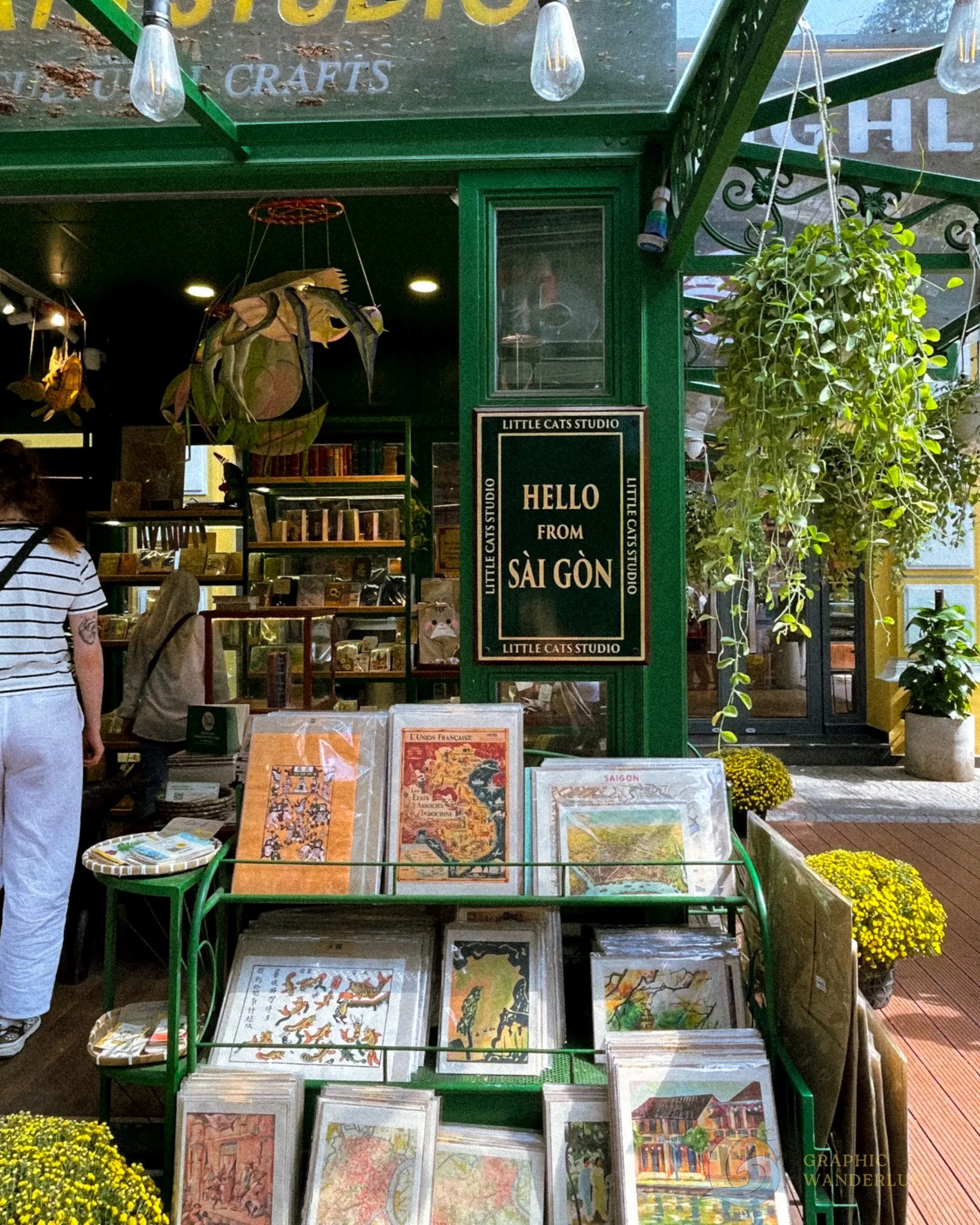
A handful of shops also sell handicrafts and postcards for souvenirs, while others have in-store cafés for visitors who want to soak in the place’s peaceful atmosphere or have midday breaks in between.
Bitexco Financial Tower
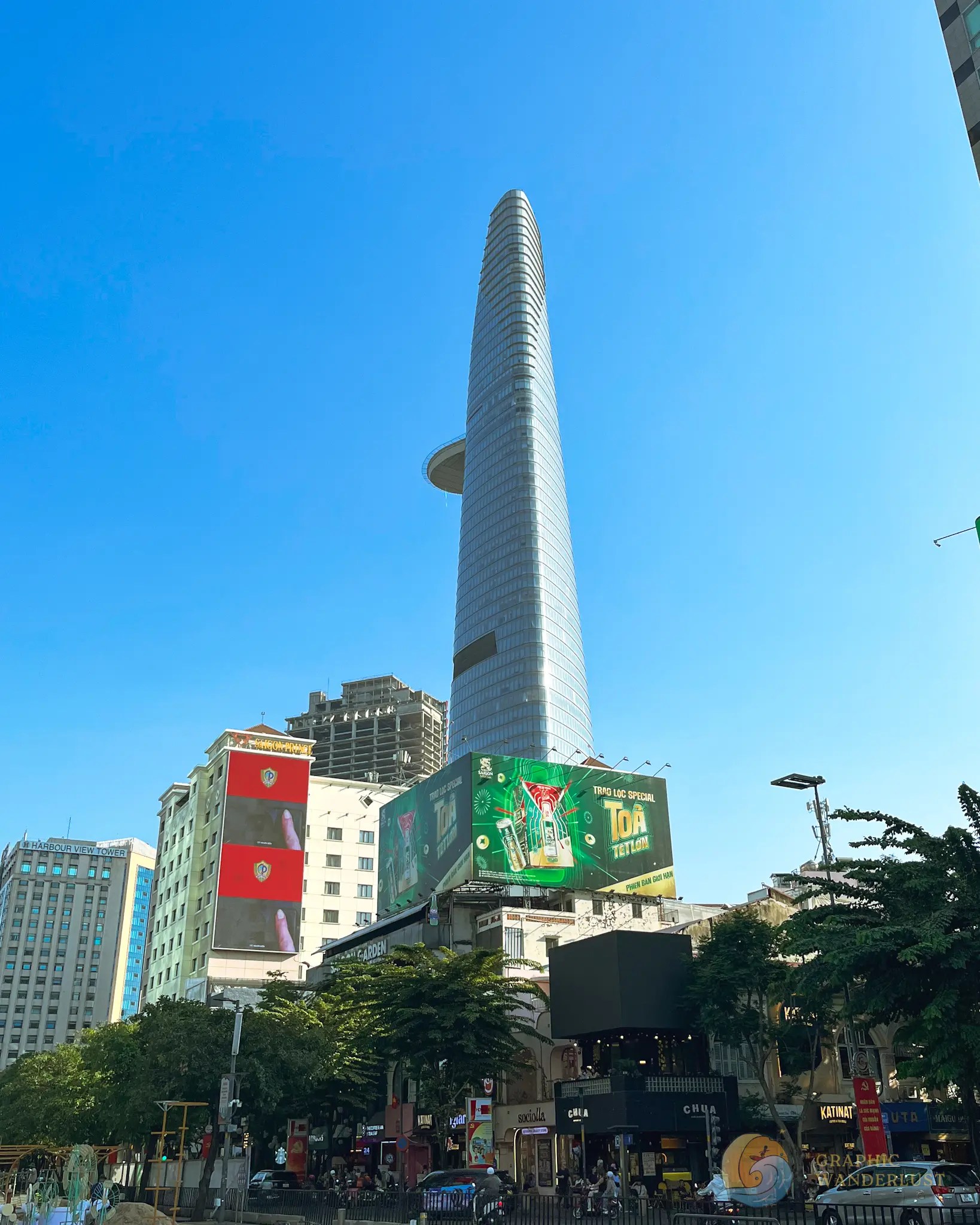
- Location: 2 Hai Trieu Street, Ben Nghe Ward, District 1, Ho Chi Minh City
- Operating Hours: 9:30AM-9:30PM
- Entrance Fee: VND200,000 (Saigon Skydeck Observatory)
- Spend Time: 30 minutes to 1 hour
Standing at 262 meters at the heart of District 1, Bitexco Financial Tower stands proudly against the city’s skyline, with its lotus bud-inspired architecture symbolizing the country’s bustling economic activity.
Housing a lifestyle retail center, fine dining restaurants, and a handful of corporate offices, this 68-floor building has become an attraction of its own, especially with its dedicated observatory, Saigon Skydeck, at the 49th level, which boasts scenic panoramic views of the city, best visited during nighttime and sunsets.
Landmark 81
- Location: 720A Dien Bien Phu Street, Binh Thanh District, Ho Chi Minh City
- Operating Hours: 9:30AM-9:30PM
- Entrance Fee: Free (retail complex); VND300,000 (SkyView Observatory)
- Spend Time: 1 to 1.5 hours
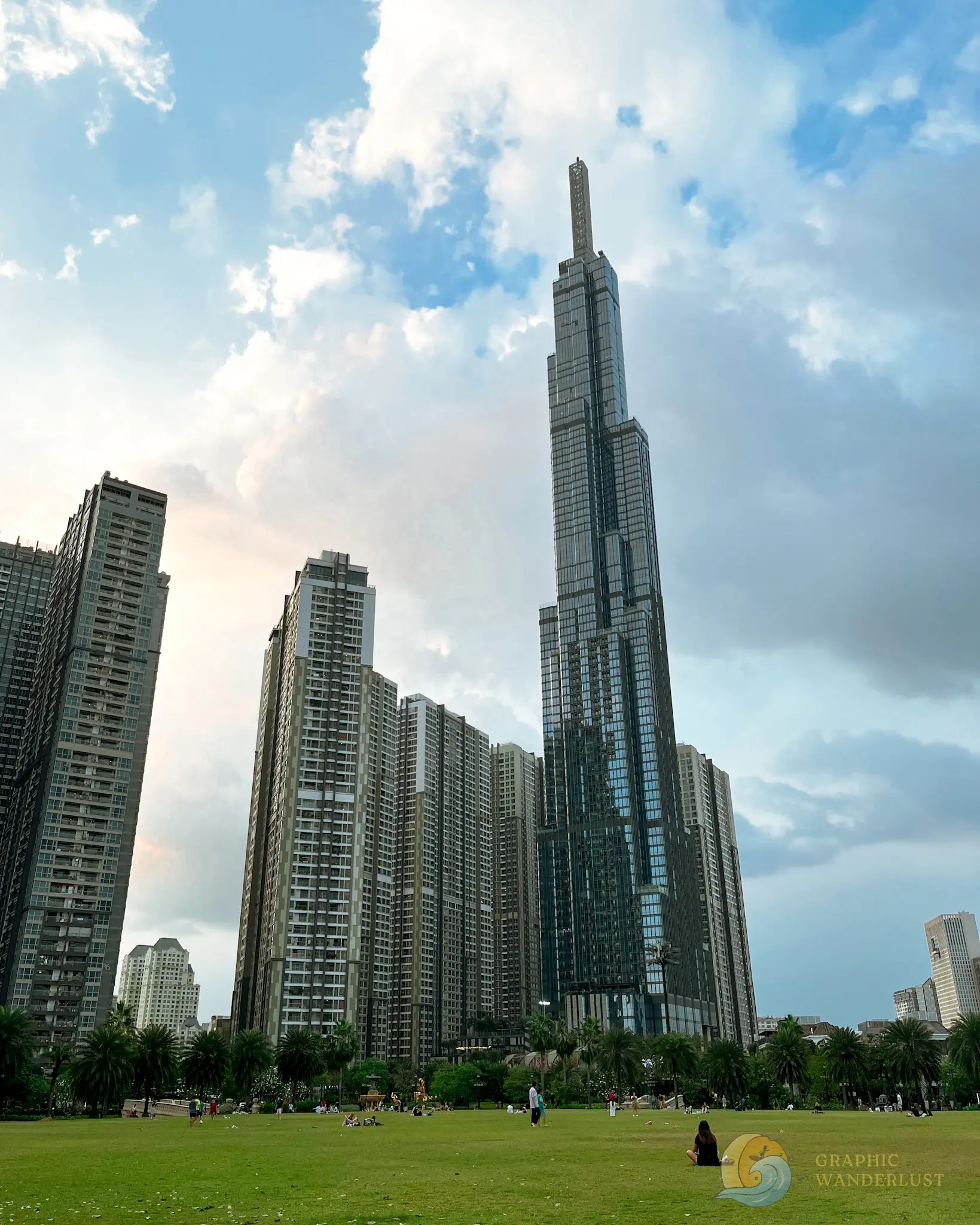
Another architectural feat and the tallest building in the city, Landmark 81 has also made its way as one of Ho Chi Minh City’s major attractions.
Standing at 461.2 meters, this 81-floor mixed-use building is inspired by a bamboo bundle and is composed of a retail and entertainment complex in its lower floors, high-end residential spaces, and a hotel at its middle and a collection of dining spots at its top levels.
Similar to Bitexco Financial Tower, the building also has an observatory at its top floors called Sky View Observatory, at the 79th-81st levels, where visitors can marvel at Ho Chi Minh City’s panoramic views, lounge at its coffee shop, play a virtual reality game, and experience its open-air terrace.
Ba Son Bridge
- Location: Ben Nghe Ward, District 1, Ho Chi Minh City
- Operating Hours: Open 24 hours
- Entrance Fee: None
- Spend Time: 5 to 15 minutes
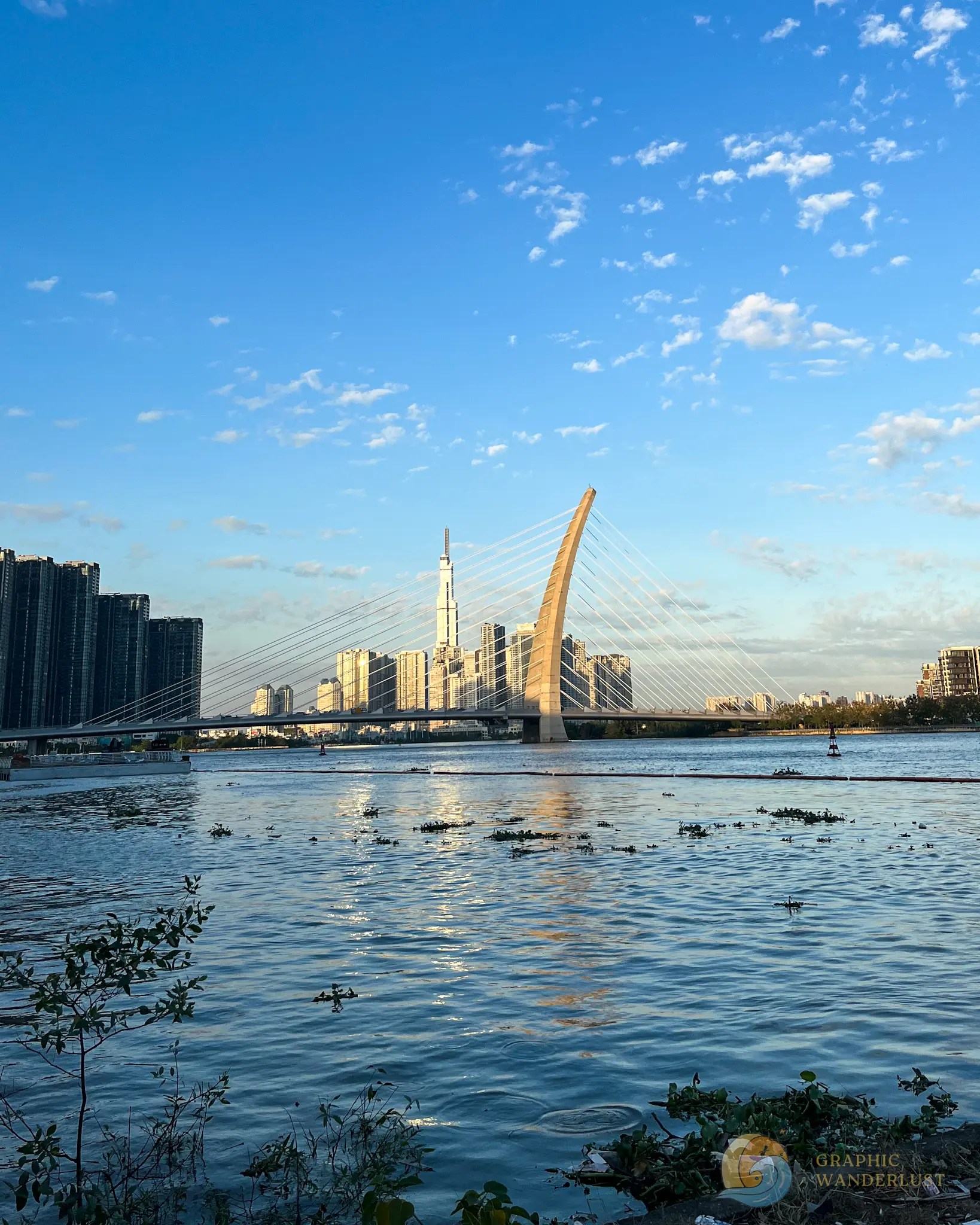
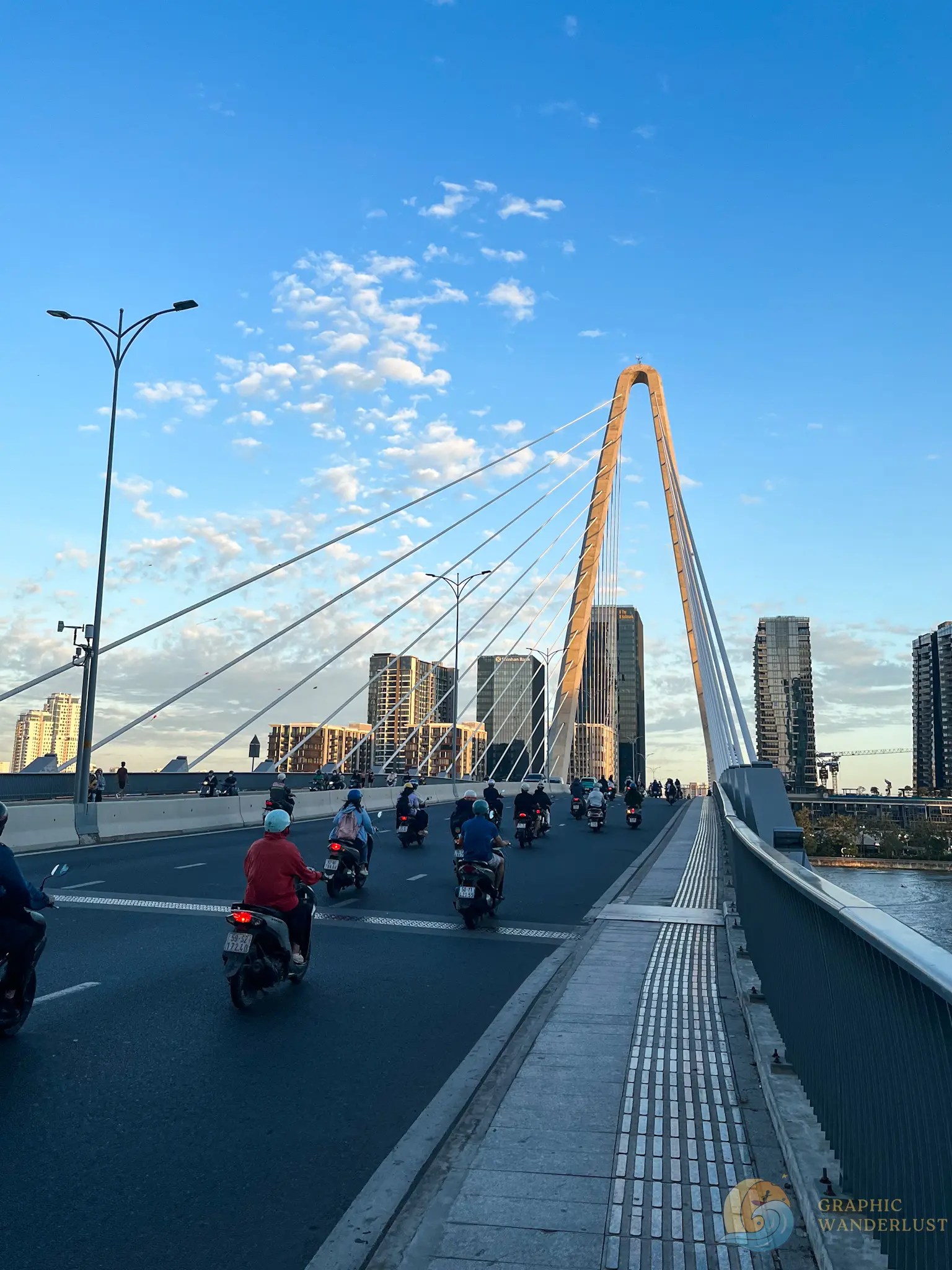
An emblem of the city’s modern progression, Ba Son Bridge, is one of the most recent additions to Ho Chi Minh City’s attractions.
Inaugurated just last 2022, this cable-stayed bridge boasts a length of 1.5 kilometers and 113-meter high tower and connects District 1 to the Thu Thiem New Urban Area of District 2. Aside from being a major road, Ba Son Bridge has also become a well-loved photography spot with its vantage points offering scenic views of the Saigon River, the nearby Landmark 81, and Ho Chi Minh City’s skyline.
Other highlights of the place include its pedestrian walkway and modern LED lighting system that illuminates the bridge at night, adding charm to this landmark at nightfall, best visited on top of a hop-on-hop-off tourist bus.
Religious Sites
Saigon Cathedral
- Location: 01 Paris Commune Square, Ben Nghe Ward, District 1, Ho Chi Minh City
- Scheduled Mass: 5:30AM & 5:30PM (Weekdays); 5:30AM, 8:00AM, 9:30AM (English mass), 4:00PM, 5:30PM & 6:00PM (Sundays)
- Entrance Fee: None
- Spend Time: 1 hour
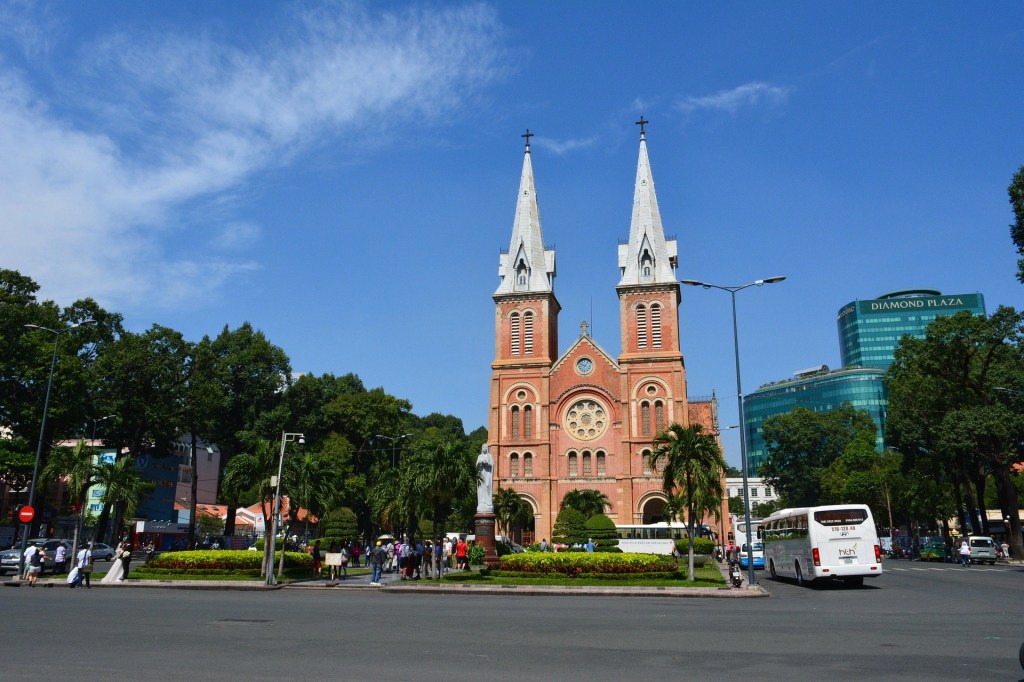
Officially called the Notre Dame Cathedral Basilica of Saigon, the existence of Saigon Cathedral serves not just as a testament to its French colonial past but also as a reflection of Vietnam’s dominant Catholic population, making it home to one of the largest in Southeast Asia and in Asia as a whole.
Mainly donning a Neo-Romanesque architecture with Gothic Revival influences, this 19th-century French colonial building prides itself on its distinct red exterior, made from bricks imported from Marseille, France, and its granite statue of Mary at its front. It also currently houses the Archdiocese of Saigon and is one of the four major basilicas of Vietnam.
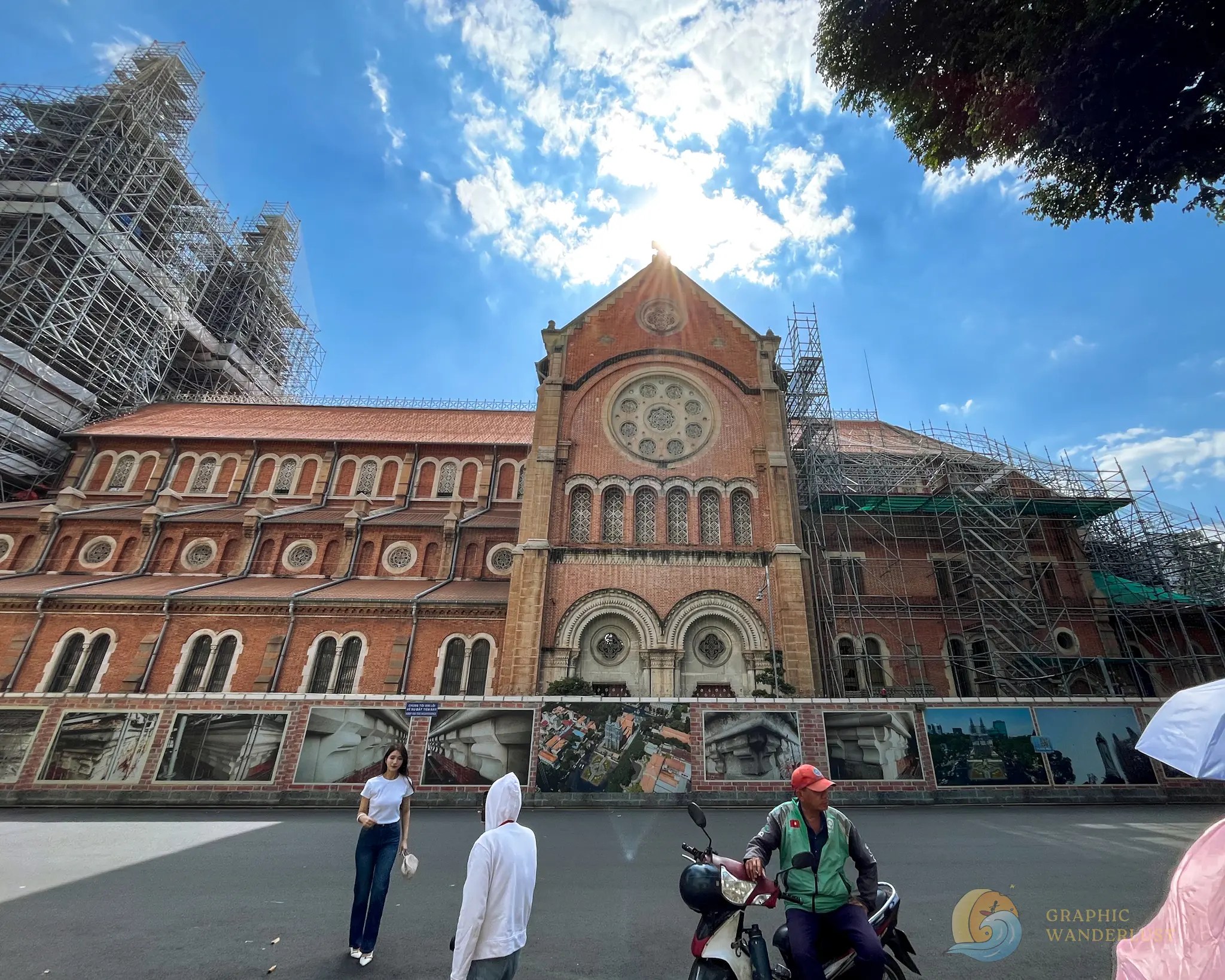
As of writing, the church is currently undergoing renovation, with the majority of its exterior covered in scaffolding, and is estimated to be completed in 2027. Nonetheless, daily masses continue to be held for devotees and visitors.
Tan Dinh Catholic Church
- Location: 289 Hai Bà Trưng Street, Võ Thị Sáu Ward, District 3, Ho Chi Minh City
- Visiting Hours: 7:00AM-12:00PM; 2:00PM-5:00PM; 8:00PM-9:00PM (Weekdays)
- Scheduled Mass: 5:00 AM; 6:15 AM; 5:30 PM; 7:00 PM (Weekdays & Saturdays); 5:00 AM; 6:15 AM; 7:30 AM; 9:00 AM; 4:00 PM; 5:30 PM; 7:00 PM (Sundays)
- Entrance Fee: None
- Spend Time: 1 hour
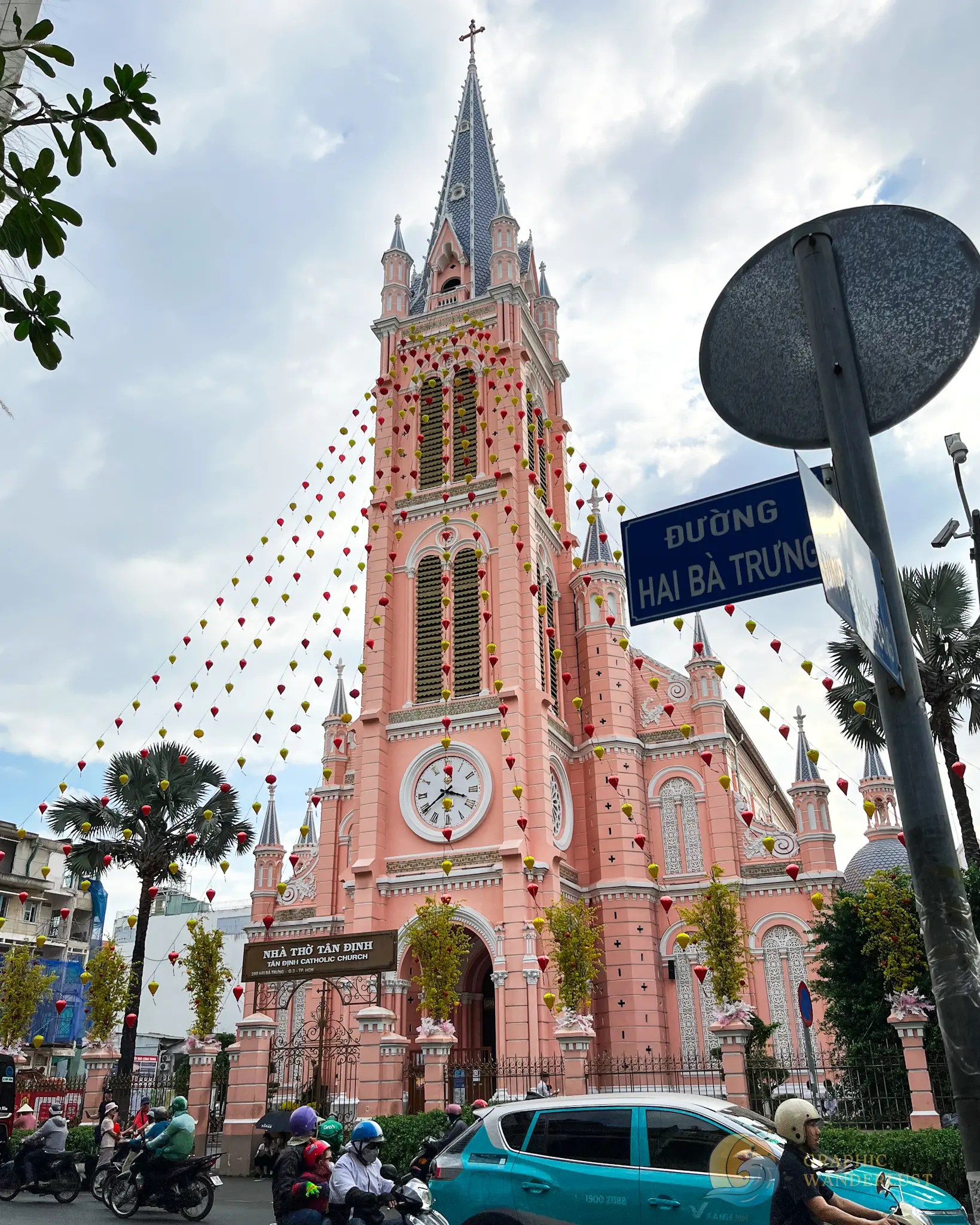
Another building and symbol of Catholicism in Ho Chi Minh City is the famous pink church of Tan Dinh Catholic Church in District 3.
Distinguished by its pink exterior and interiors, the Church of the Sacred Heart of Jesus is a 19th-century French colonial landmark, predominantly dressed in a Neo-Romanesque architecture with hints of Gothic Revival influences.
The building got its distinct pastel rose hue during its major renovation in 1957, and ever since retained its iconic color and is now one of the most Instagrammable spots in the city, visited by both locals and tourists.
Museums
War Remnants Museum
- Location: 28 Vo Van Tan Street, Xuan Hoa Ward, District 3, Ho Chi Minh City
- Operating Hours: 7:30AM-5:30PM
- Entrance Fee: VND40,000
- Spend Time: 1.5 to 2 hours
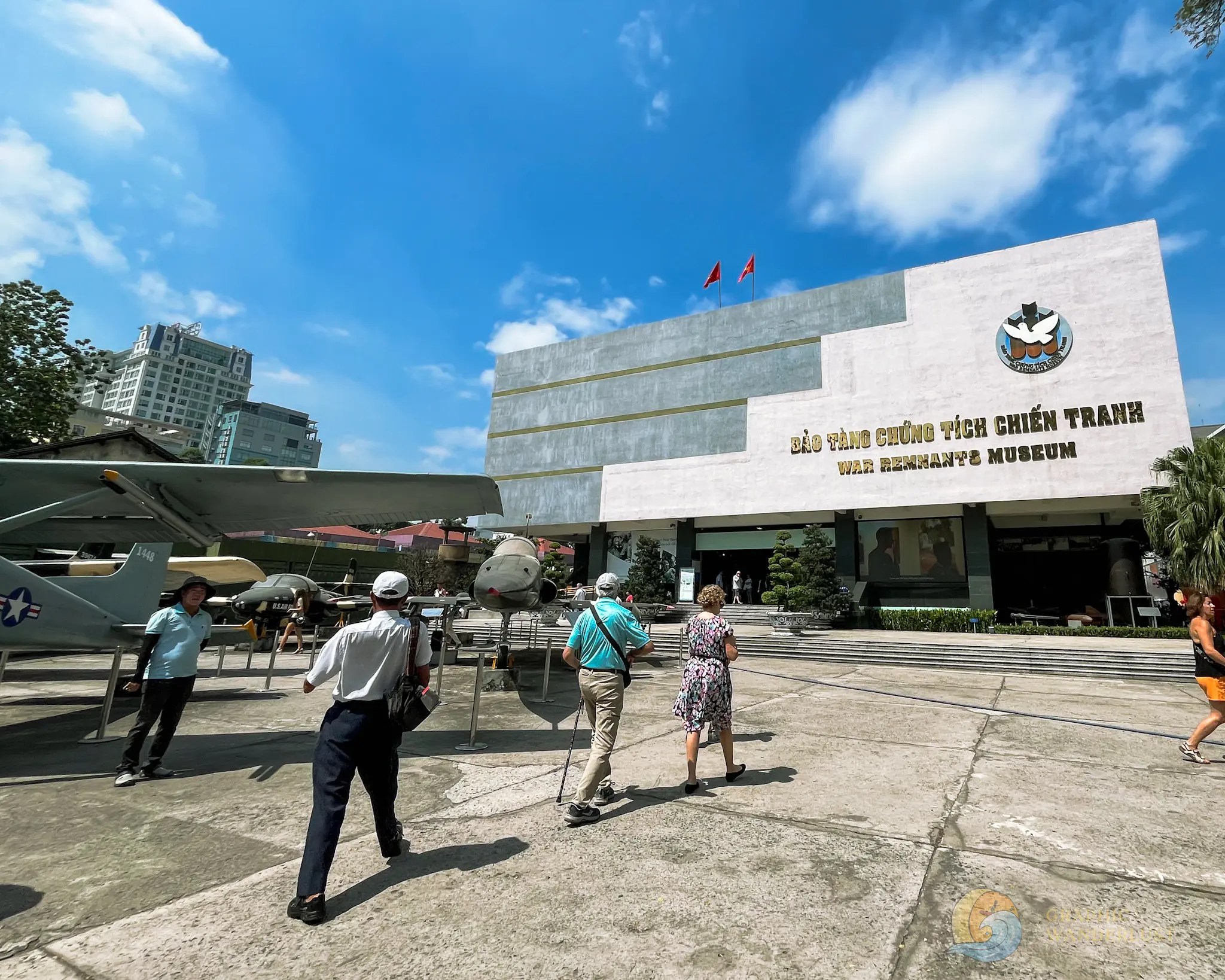
If there’s one museum that you should definitely keep in your itinerary when visiting Ho Chi Minh City, especially if you have limited knowledge about the Vietnam War like me, it should be the famous War Remnants Museum in District 3.
Housed in a post-war modernist building, the museum narrates the horrific war crimes and atrocities experienced by South Vietnam at the hands of the United States and its French colonialists through moving and graphic imagery and a Vietnamese perspective.
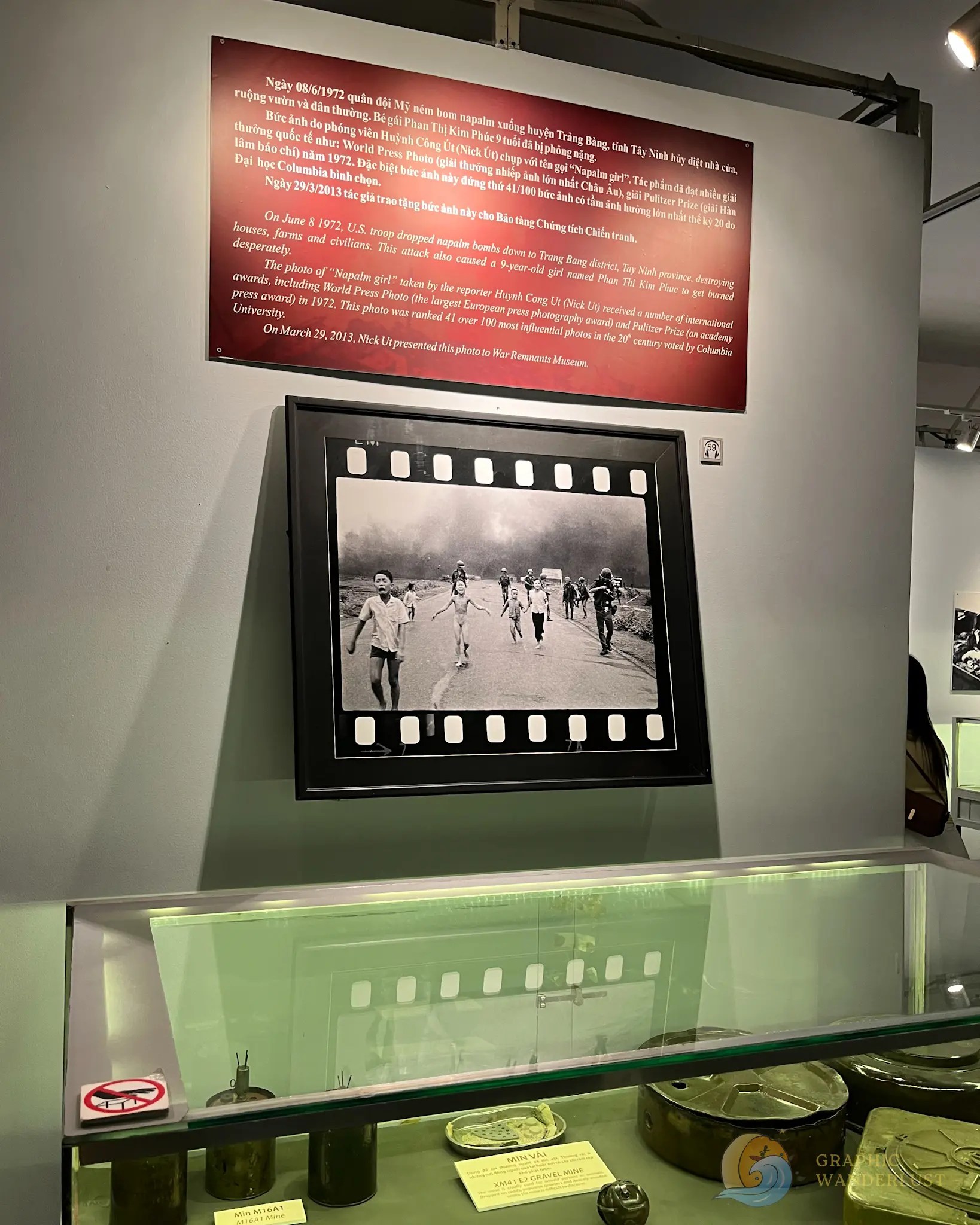
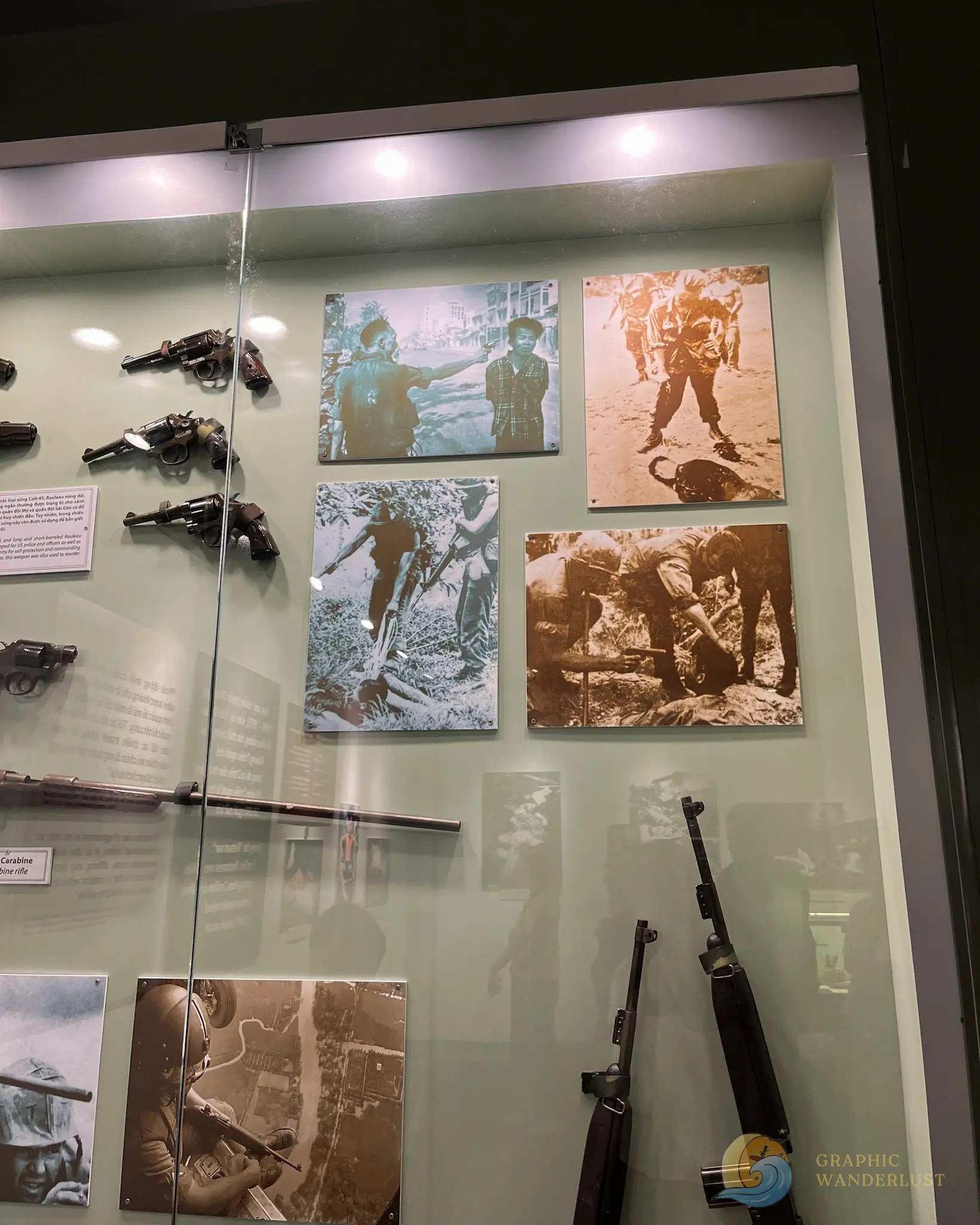
A standout exhibition in the place is the narration about Agent Orange, whose devastating effects affected not just its direct victims but also their subsequent generations. Other highlights of the museum include its outdoor exhibition of military vehicles, tanks, and aircrafts used during the Vietnam War, and prison cell replicas used in Phu Quoc and Con Son Islands.
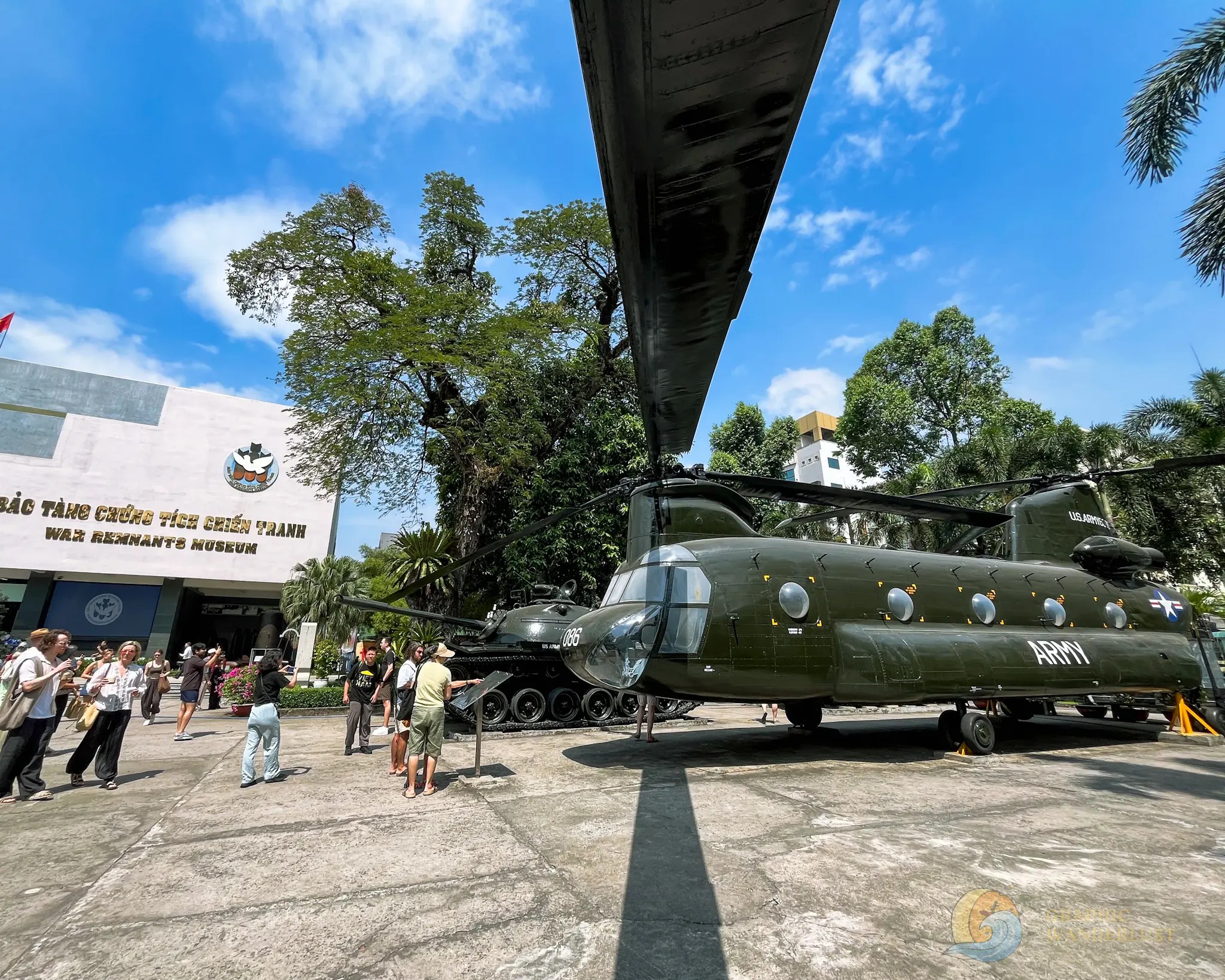
Admission to the museum costs VND40,000, which can be availed in-person or online.
If you have an extra day or want an alternative that is less graphic, the Ho Chi Minh City Fine Art Museum in the heart of District 1 is another good option to get acquainted with Vietnamese art and French colonial architecture with Asian influences.
Nightlife and Entertainment
Bui Vien Walking Street
- Location: Bui Vien Street, Pham Ngu Lao Ward, District 1, Ho Chi Minh City
- Operating Hours: Open 24 hours
- Entrance Fee: None
- Spend Time: 1 to 2 hours
Dubbed as the backpacker area of the city and the Khao San Road of Saigon (inspired by Bangkok’s famous nightlife center), Bui Vien Walking Street has become one of Southeast Asia’s bustling nightlife districts.
Stretching for around 850 meters, this pedestrian-only street is buzzing with bars, pubs, clubs, restaurants, cafés, and street food vendors, serving both foreign and local tourists from early evenings to early mornings.
Aside from dining spots, the area is also dotted with hostels and budget accommodations, as well as offices of travel agencies that offer day tours to nearby attractions such as the Cu Chi Tunnels and the Mekong Delta.
Markets and Shopping
Ben Thanh Market
- Location: Le Loi Street, Ben Thanh Ward, District 1, Ho Chi Minh City
- Operating Hours: 6:00AM-6:00pm (Day Market); 6:00PM-10:00PM (Night Market)
- Entrance Fee: None
- Spend Time: 15 minutes to 1 hour
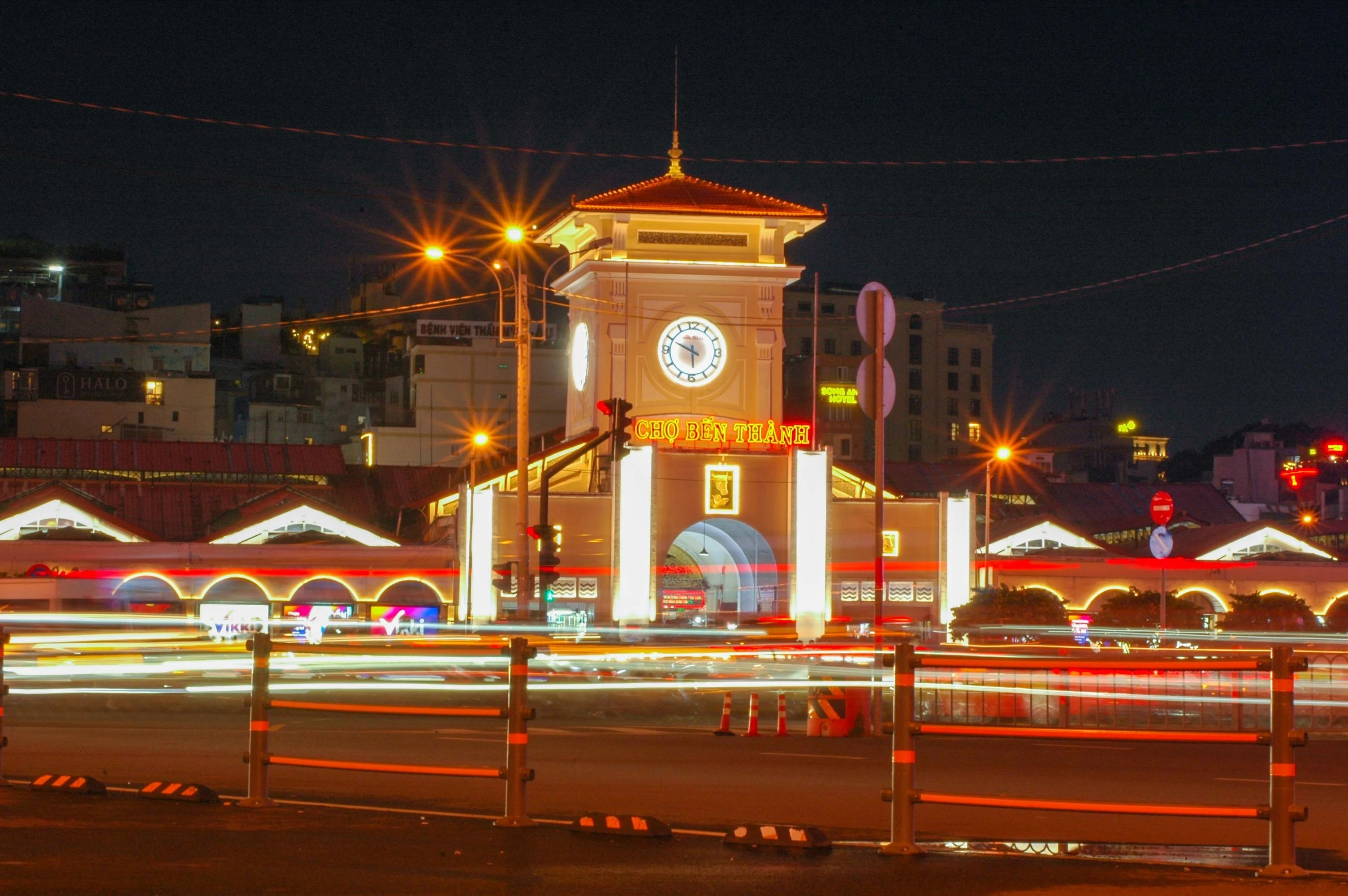
End your itinerary by dropping by one of Ho Chi Minh City’s iconic landmarks and go-to spots for souvenir shopping at Ben Thanh Market.
Located in central Ben Thanh Ward, this 20th-century French colonial building has become an iconic symbol of the city due to its distinct yellow façade and clock tower. The buzzing trade that happens in the area is also reflective of the city’s commercial scene, where tourists and locals shop for souvenirs, dry goods, clothing, textiles, wet goods, and even sample classic Vietnamese street food.
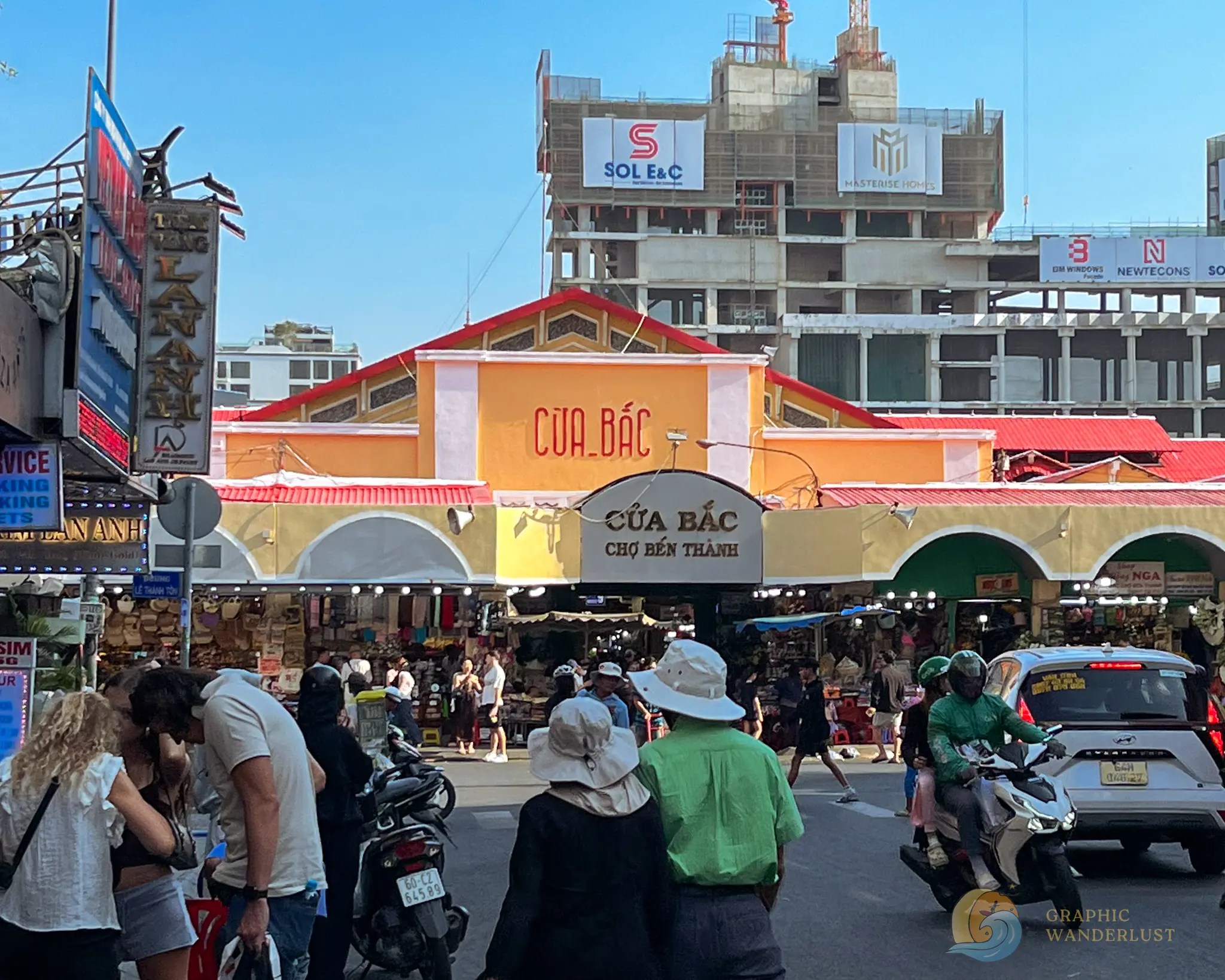
Similar to most markets in Southeast Asia, haggling is a common practice in Ben Thanh Market to score on lower prices for bulk purchases.
Where to Eat in Ho Chi Minh City
On top of sightseeing, another must-do activity when traveling in Ho Chi Minh City for the first time is a food trip to sample some of the country’s famous Vietnamese dishes.
From comfort food staples like pho and banh mi to Vietnamese iced coffee (cà phê sữa đá) and even daring choices like sea snails, the city is brimming with dining spots ranging from humble street-side eateries to posh fine dining restaurants.
The extensive selection featured in the Ho Chi Minh City Michelin Guide is a testament to this, reflecting Vietnam’s rich and vibrant cuisine, favored by both locals and experts.
To help you narrow down the best dining spots to try on your trip, here is a list of budget-friendly eateries and restaurants where you can sample authentic Vietnamese food.
Michelin Bib Gourmand
- Phở Minh – 63/6 Pasteur Street, Sai Gon Ward, District 1, Ho Chi Minh City
- Must-try: Phở Bò (Beef noodle soup) and Patechaud
- Bếp Mẹ ỉn (Le Thanh Ton Street) – 136 Le Thanh Ton Street, Ben Thanh Ward, Dsitrict 1, Ho Chi Minh City
- Must-try: Ban Xeo Thom Tit (Vietnamese pancake with shrimp and pork)
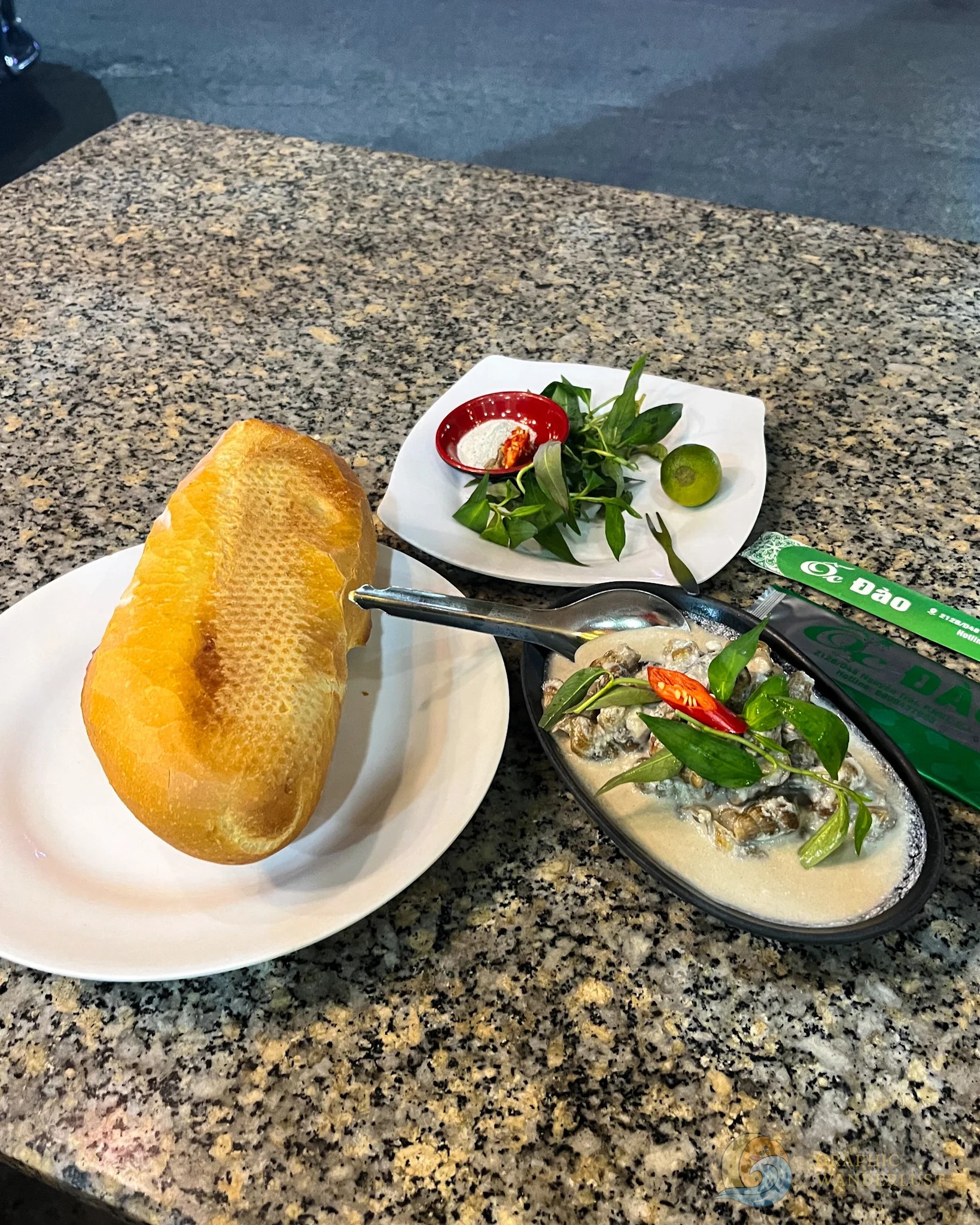
- Ốc Đào (District 1) – 212B/D48 Nguyen Trai Street, Nguyen Cu Trinh Ward, District 1, Ho Chi Minh City
- Must-try: Oc Len Xao Dua (Mud creeper snails in coconut milk)
- Phở Chào – 52 Nguyen Cong Tru Street, Ward 19, Binh Thanh District, Ho Chi Minh City
- Must-try: Phở Tine (Beef noodle soup with French fries and cheese)
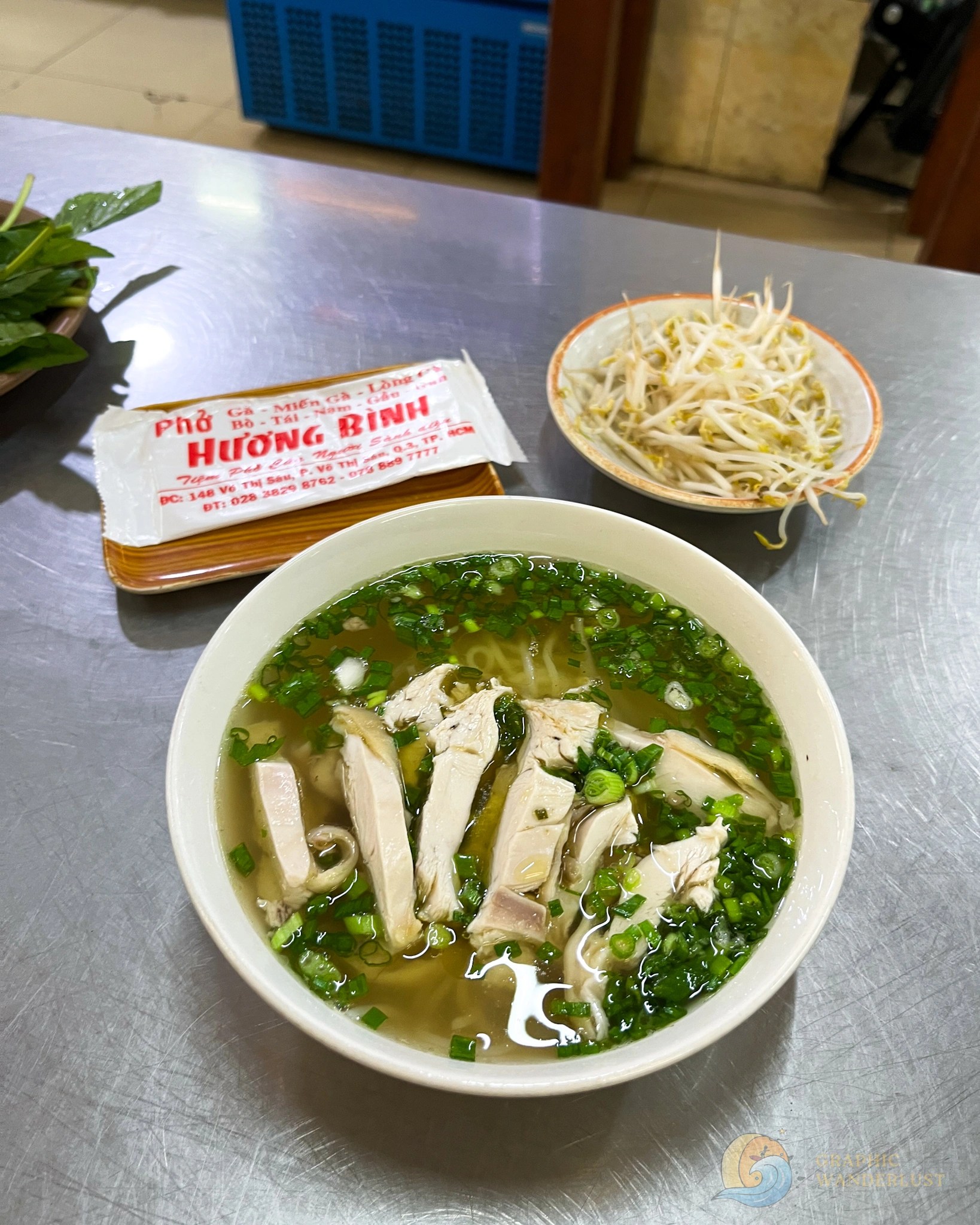
- Phở Hương Bình: 148 Vo Thi Sau Street, Ward 8, District 3, Ho Chi Minh City
- Must-try: Phở Gà (Chicken noodle soup) and Phở Bò (Beef noodle soup)
Popular Local Cafes
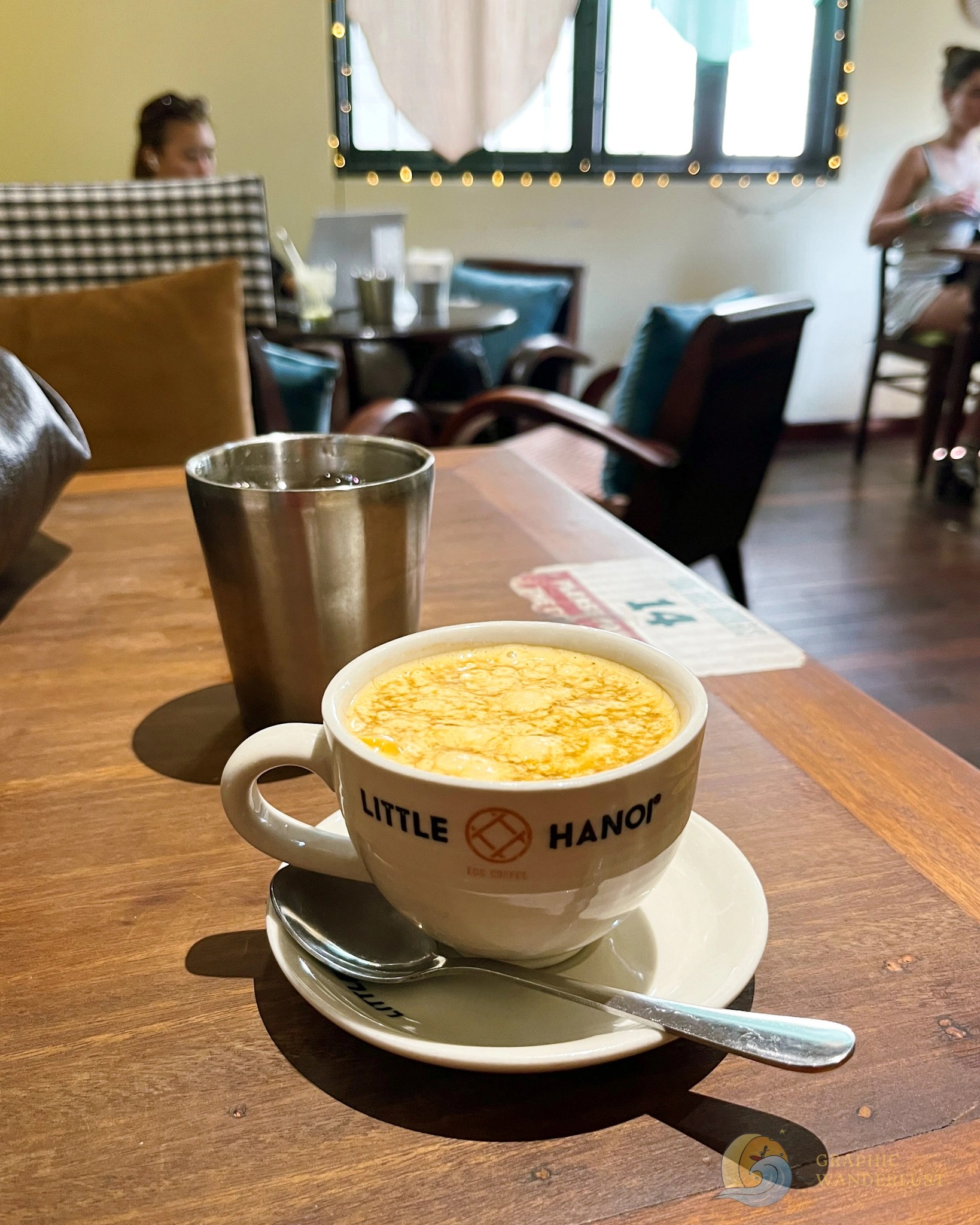
- Little Hanoi – Multiple branches across the city
- Must-try: Egg Coffee
- Cong Ca Phe – Multiple branches across the city
- Must-try: Coconut Coffee
- Po Café – 8th Floor, The Café Apartments, 42 Nguyen Hue Street, Ben Nghe Ward, District 1, Ho Chi Minh City
- Must-try: Hue Original Salty Coffee
Tourist Favorites
- Banh Mi Huynh Hoa – 26 Le Thi Rieng Street, Pham Ngu Lao Ward, District 1, Ho Chi Minh City
- Must-try: Bánh Mì Dặc Biệt
- Banh Mi Hong Hoa – Multiple branches across the city
- Must-try: Bánh Mì Heo Quay and Bánh Mì Thịt Nướng
- Madam Quyen Restaurant – 6th Floor, The Café Apartments, 42 Nguyen Hue Street, Ben Nghe Ward, District 1, Ho Chi Minh City
- Must-try: Bún Chả Ha Noi, Bánh Uớt Dặc Biệt and Egg Coffee
- Hoang’s Kitchen – Multiple branches across the city
- Must-try: Nem Rán Bếp Hoàng (Fried Spring Rolls), Bún Chả (Fried Pork), Chả Cá (Fried Fish), Bánh Xèo (Vietnamese pancake)
- Phở Việt Nam – Multiple branches across the city
- Must-try: Phổ Thơ Đã C1 (Special pho in hot stone bowl) and Phở Bắp Hoa (Beef shank pho)
Sample 3-Day Ho Chi Minh City Itinerary
In my recent trip to Ho Chi Minh City, here is the actual itinerary I followed in exploring the city for the first time:
Day 0 – Arrival in Ho Chi Minh City
3:30PM – Arrive at NAIA Terminal 3; pay travel tax, get boarding pass and pass immigration
10:15PM – Depart for Ho Chi Minh City
11:40PM (Indochina Time): Land at Tan Sot Nhat International Airport
Day 1 – Half-day DIY Ho Chi Minh City Tour
12:50AM – Check-in at hostel
1:40AM – Quick midnight snack at nearby 7-eleven
4:30AM – Lights off and sleep
10:30AM – Wake up and prep
11:30AM – Head out to grab brunch
11:40AM – Grab banh mi at Banh Mi Saigon – Bread 1 USD
12:00PM – Grab Egg Coffee at Little Hanoi
1:00PM – Quick photo op at Ho Chi Minh City Hall
1:10PM – Quick photo op at Saigon Opera House
1:30PM – Visit Saigon Central Post Office
2:05PM – Quick snap of Saigon Cathedral; explore and pass afternoon at Ho Chi Minh City Book Street
3:30PM – Quick photo op at Independence Palace gate
3:45PM – Drop by Ben Thanh Market to buy souvenir
4:10PM – Arrive at Cafe Apartments and have coffee at Po Cafe
5:30PM – Sightseeing at Ba Son Bridge
5:40PM – Watch sunset at Saigon Riverside Park
6:30PM – Arrive back at hostel and have dinner
Day 2 – Exploring War Remnants Museum, District 3 and Landmark 81
9:00AM – Wake up and prep
10:35AM – Quick breakfast at nearby 7-eleven
11:00AM – Drop by at Librairie Francaise Nam Phong to check out some French books
11:20AM – Explore War Remnants Museum
2:10PM – Souvenir shopping at Co.opmart Nguyen Dinh Chieu
2:40PM – Late lunch at Pho Huong Binh
3:35PM – Quick photo op at Tan Dinh Catholic Church
4:00PM – Explore Vincom Center Landmark 81
4:20PM – Drop by and spend afternoon at Vincom Central Park
6:15PM – Dinner at Oc Dao
7:30PM – Quick tea at Phuc Long
8:00PM – Head back to hostel and rest
Day 3 – Last Day in Ho Chi Minh City
7:00AM – Wake up and prep
9:30AM – Brunch at Quan Ngon Bun Cha Ha Noi
11:00AM – Check out of hostel
11:55AM – Arrive at Tan Sot Nhat International Airport
5:30PM – Board aircraft and depart for Singapore
Ho Chi Minh City Travel Tips
- When withdrawing in the ATMs in the airport, ensure to take out an ample amount of cash to maximize fees charged since these machines are notorious for charging high access fees with value-added tax (VAT) on top of it.
- When riding your booked Grab from the airport, you can find the pickup point next to the street in front of the arrival area.
- When purchasing tickets in HCMC Metro, the ticket vending machine charges a deposit fee of VND22,000 for availed tickets.
- When dining in eateries, be aware that extra dishes served by servers aside from your order, such as vegetables, condiments, etc., are charged separately on your bill. These are not free.
- Tan Sot Nhat International Airport is notorious for its long immigration lines. Hence, for peace of mind, try to arrive at the airport five hours before your boarding time to anticipate long waiting times.
- When buying food at the international terminal, most dining spots and souvenir stores charge travelers in US dollars and not in Vietnamese dong.
- If you have any Vietnamese dong left over from your trip and want to burn it, the Phuc Long branch upstairs in the Tan Sot Nhat International Airport Terminal 2 accepts payments in dong.
Ho Chi Minh City Budget Breakdown
| Particulars | Amount |
|---|---|
| Grab Car going to Hostel from Airport | 137,000 ₫ |
| 3-night Hostel Accommodation | 1,390,000 ₫ |
| 7-eleven Midnight Snack | 32,000 ₫ |
| 1 USD Banh Mi | 20,000 ₫ |
| Little Hanoi Egg Coffee | 40,000 ₫ |
| Book Street Water Bottle | 20,000 ₫ |
| Book Street Postcard | 30,000 ₫ |
| Ben Thanh Market Ref Magnet | 50,000 ₫ |
| Po Cafe | 49,000 ₫ |
| Grab Bike going back to hostel | 44,000 ₫ |
| Hostel Dinner | 150,000 ₫ |
| 7-eleven breakfast | 35,000 ₫ |
| Grab Bike to War Remnants Museum | 15,000 ₫ |
| War Remnants Museum Entrance Fee | 40,000 ₫ |
| Co.opmart Instant Coffee Souvenir | 36,000 ₫ |
| Pho Huong Binh Pho Ga Uc | 100,000 ₫ |
| Grab Bike to Landmark 81 | 23,000 ₫ |
| Grab Bike to Oc Dao | 44,000 ₫ |
| Oc Dao Dinner | 124,000 ₫ |
| Phuc Long Tea | 50,000 ₫ |
| Bun Cha Brunch | 110,000 ₫ |
| 7-eleven Snacks | 47,000 ₫ |
| Grab Car to Airport | 119,000 ₫ |
| Phuc Long Burger | 73,000 ₫ |
| Total | 2,778,000 ₫ ~ ₱6,284.06 |
| MNL-SGN One-way Ticket | ₱2,873.00 |
| Grand Total in PHP | ₱9,157.06 |
After numerous attempts to visit Ho Chi Minh City in the past years, it was a satisfying feeling to finally see the place with my own eyes and experience its bustling urban culture. This trip further made me realize how Vietnam and the Philippines have a lot in common—I often describe them as siblings with different personalities but the same identity.
One of the things that truly opened my eyes during this trip was how rapidly Vietnam’s economy has been growing in recent years. Ho Chi Minh City is poised to become one of Southeast Asia’s major economic hubs in the coming years, alongside cities like Singapore and Kuala Lumpur—and, sad to say, it might even overtake (or perhaps already has) Manila in some aspects.
And since this was also my first real solo travel abroad, Ho Chi Minh City has carved a core memory for me, reminding me that I can do anything and go anywhere when my heart is set on it, whether I am alone or not.
How about you? What made you decide to visit Ho Chi Minh City for the first time? I wanna hear your thoughts in the comments below! 🙂
DISCOVER MORE SOUTHEAST ASIAN DESTINATIONS HERE!





Any thoughts?