
Streaks of water started to trickle in the window close to me, but unlike on the ground, they were going sideways. The plane shook a bit and the view shifted to a constant scene of dark grey clouds. Then a few moments later, the anticipated impact—we’ve finally landed. I moved closer to take a look at the window again to see Singapore Changi Airport soaked in what seemed to be a day of rain.
This was how I initially saw Singapore during my first overseas trip after three years—wet and grey. I thought it would be an omen of what was ahead of us but fortunately it was not.
With the exception of the unusually long travel of our plane to the arrival gate, Changi Airport was impressive. From its patterned carpeted floors, moving hanging furnishings, electronic immigration counters to its overall modern design and futuristic feel, one will not have a hard time realizing why the place is hailed as one of the bests in the world. Although, I wish that I also got that covetable stamp on my passport upon arriving instead of an email confirmation.
After claiming our luggage, I picked up the Singapore SIM card that I bought online prior to our flight to regain access to the Internet. Fortunately, the process was easy since registration was made by the person in the counter and we just needed to put the SIM in our phones and wait for a few minutes to use it. During this period, we noticed how different the daytime was in the country as the usually dark 7PM back home is just the start of the sunset. Mask wearing of people was also lenient as a reflection of the government’s direction of voluntarily wearing it just a day before we arrived.

Aside from obtaining SIM cards, we also exchanged a few Philippine peso notes to the local Singapore dollar before leaving the airport and hopping on the bus bound for Jewel Changi.
Table of Contents
- Seeing Jewel Changi and Learning the MRT
- Discovering Chinatown and Maxwell Food Centre
- Fusion of Nature and Man-made at Gardens by the Bay
Seeing Jewel Changi and Learning the MRT
A lifestyle and retail complex well known for its indoor waterfall, Jewel Changi can be easily reached from any of the airport’s terminals through the free shuttle buses that service each. Upon reaching and entering the place, one will be welcomed with the iconic Rain Vortex cascading seamlessly down to the the lower floors and, if you’re lucky, an additional view of the train passing by in front of it that completes the entire picture.

It was hard to take notice of the line of glitzy stores that stood beside this view. But as soon as I took note of their presence, I realized how similar the scenario was with the posh shopping malls in Manila as well as the number of crowd.
To get a better view of the waterfall, we went down to the lower floor to observe and take photo ops with the landmark. From this perspective, one can have a better look at the other details that complete the place such as the lush foliage that gather around the falls.


The lower ground floor is also a must-see as its center serves as the continuation of the waterfalls above and functions as an additional dreamy design element to the food court that surrounds it. Eventually, it was also here where we decided to grab our first meal and ended up with a chicken burger in our hands from Japanese fast-food chain MOS Burger.
Our search for the MRT station from Jewel Changi initiated our experience with the kindness of the locals. Unsure and a bit lost on how to get out of the shopping mall, my friend randomly asked this woman for directions and she ended up accompanying us to the top floor where the walkway going to it was located. It was actually not necessary but it was really nice of her to extend such effort to help us.
Our walk going to the MRT station reminded me of the time when we also did the same back in Taipei. It was a long one but unlike before, there were several travellators this time that allowed us to carry our luggage easier.
When we arrived at Changi Airport MRT station, we immediately looked for the counter issuing the Singapore Tourist Pass, which is a public transport card that you can use unlimitedly in trains and buses for several days. Unfortunately, it was already closed when we arrived that prompted us to buy an MRT EZ Link Card instead for $5 and an additional $15 for its top up. The man at the kiosk also noticed that we were tourists and oriented us that after our trip, we can refund the remaining balance in our card and also handed us a copy of the MRT rail map.
For first timers, Singapore’s railway system can be a bit overwhelming and intimidating with its different lines and handful of stations. Personally, I did study it weeks before our arrival as part of creating our itinerary and realized how easy it was to navigate the country once you get accustomed to it. My tip would be to use your booked accommodation as your base area and from there familiarize yourself with the nearest MRT station to it. Through this, you can learn about the different rail lines which are mostly named after colors such as green, blue, purple and red.
The line servicing the airport was the green one so we just followed it to get to the city center. But do note that after two stations, you need to get off at Tanah Merah and transfer to the East-West Line that goes to the city. No need to be worried of getting lost as there are route maps inside the train that are written in different languages including English, Chinese and Tamil.

For our case, we needed to reach the MRT Red Line to go to our hotel so we got off at the City Hall MRT station after several stops. Then, we hopped on to the train opposite the platform to transfer to the Red Line where we would need to get off at Novena station.
The train station at Novena became a bit tricky for us as the exit signs were not clearly identified prompting us to get lost again. Fortunately, after asking for directions, a mother-and-daughter tandem pointed us to the right way with the young lady accompanying us again—I suppose this is a common gesture to Singaporeans—making me think more about the locals’ kindness.
Getting out of the metro and into Irrawaddy Road reminded me a lot of McKinley Hill in BGC, Taguig with its tree-lined downhill sidewalk. The towering hospitals that dot the street also added to the feel and when we reached our hotel, the welcoming receptionist was also a Filipino. It was because of this fellow kababayan where we had the idea of trying Toa Payoh station and not getting lost on the way out (finally!) to Chinatown the following day.
Discovering Chinatown and Maxwell Food Centre
Our first whole day in Singapore started with a drop by at the classic McDonald’s at Zhongshan Mall to grab breakfast. As expected, the menu was slightly different from the one in the Philippines with the inclusion of the Chicken Breakfast Wrap in the selections and grape jam as one of the toppings on the pancakes.
I actually had a good time having a taste of this McDonald’s breakfast that I’ve eaten a bit more than usual which I will later on regret at the latter part of the day due to dyspepsia. Nonetheless, this worry was still non-existent when we got up and left the place to ride the train at Toa Payoh station.
Our 15 t0 20-minute walk to the MRT station allowed us to see a side of Singapore that most tourists probably don’t usually see. Our crossing over Kallang River made me realize that the water quality is not that far from the usual ones in Manila since it was brown (probably due to the rain) and there were floating tree branches and faint foul smell as well. However, I was impressed with how bicycle-friendly their overpass bridge was with its connecting ramp specifically constructed for it. It made me think that such thing is actually possible with the right design.
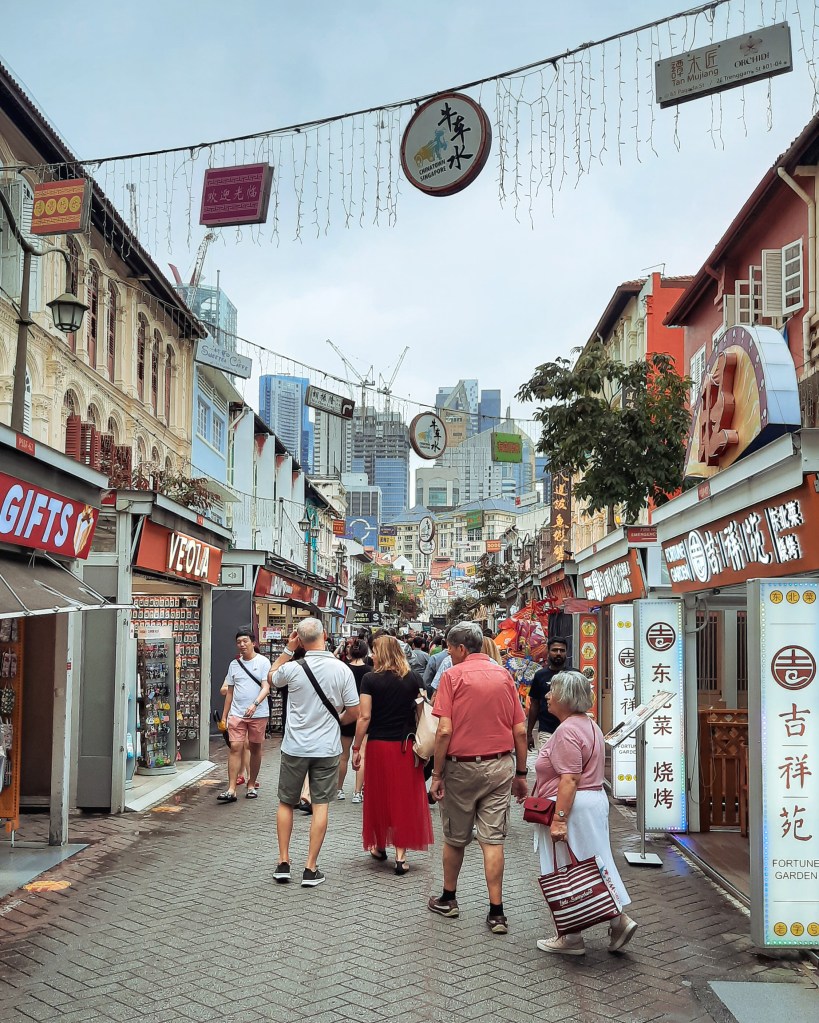
After getting on the train and making it to Chinatown station, we immediately looked for Exit A as advised by our hotel’s receptionist and was welcomed by the line of shophouses that fill Pagoda Street. One will easily see how much of a tourist hotspot the place was with the different souvenir stores that crowd it. In addition, Chinatown Heritage Centre is also found here that caters to people who want to further learn about the district’s history. However, as a lover of architecture, my attention was drawn to the colorful Peranakan houses that tower over the stores.


At the end of the street, one wil easily spot the distinct tiered tower façade of Sri Mariamman Temple that was adorned with a gigantic red and yellow flower garland during our trip. Before entering, visitors must remove their shoes to pay respect and put it in the alloted storage shelf outside.

One of the first things that I noticed upon entering was the distinct scent of the place that smelled like a mix of flower and body oil. Despite its location in the middle of a bustling area, the temple was surprisingly quiet with the exception of the occasional murmur of visitors and locals in the vicinity. Even with my socks on, I can tell that the floors were also regularly cleaned, although, after reclaiming our shoes outside, a yellowish stain formed under my soles.
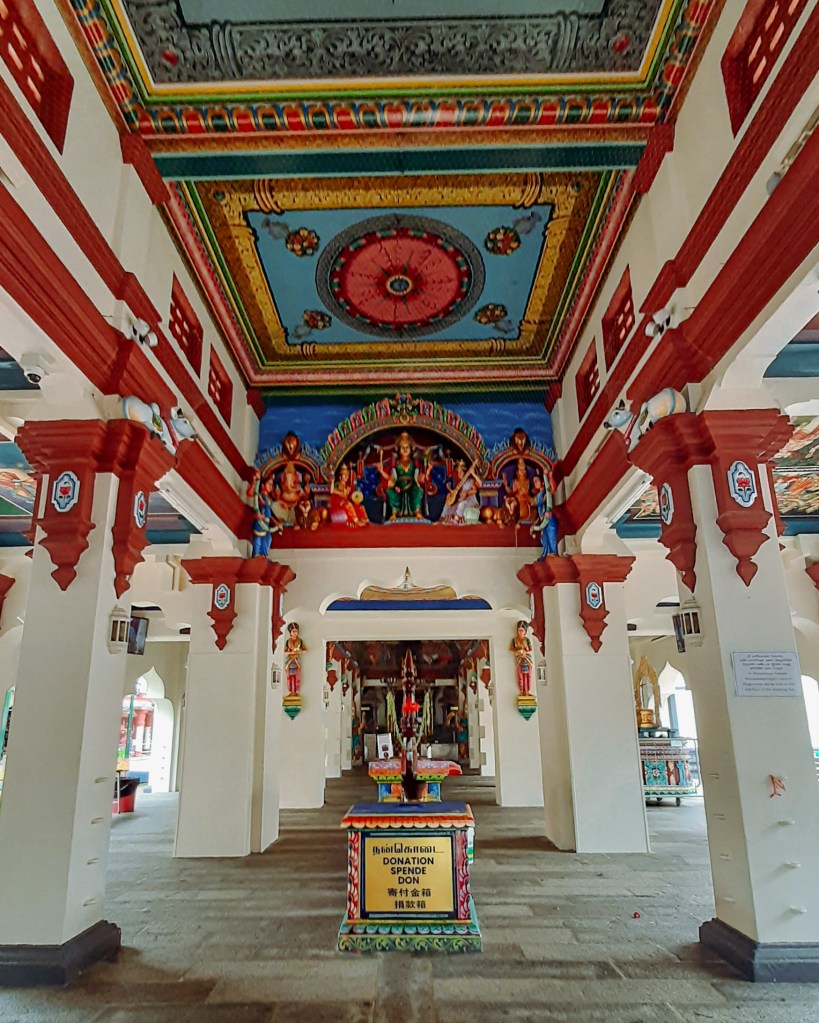
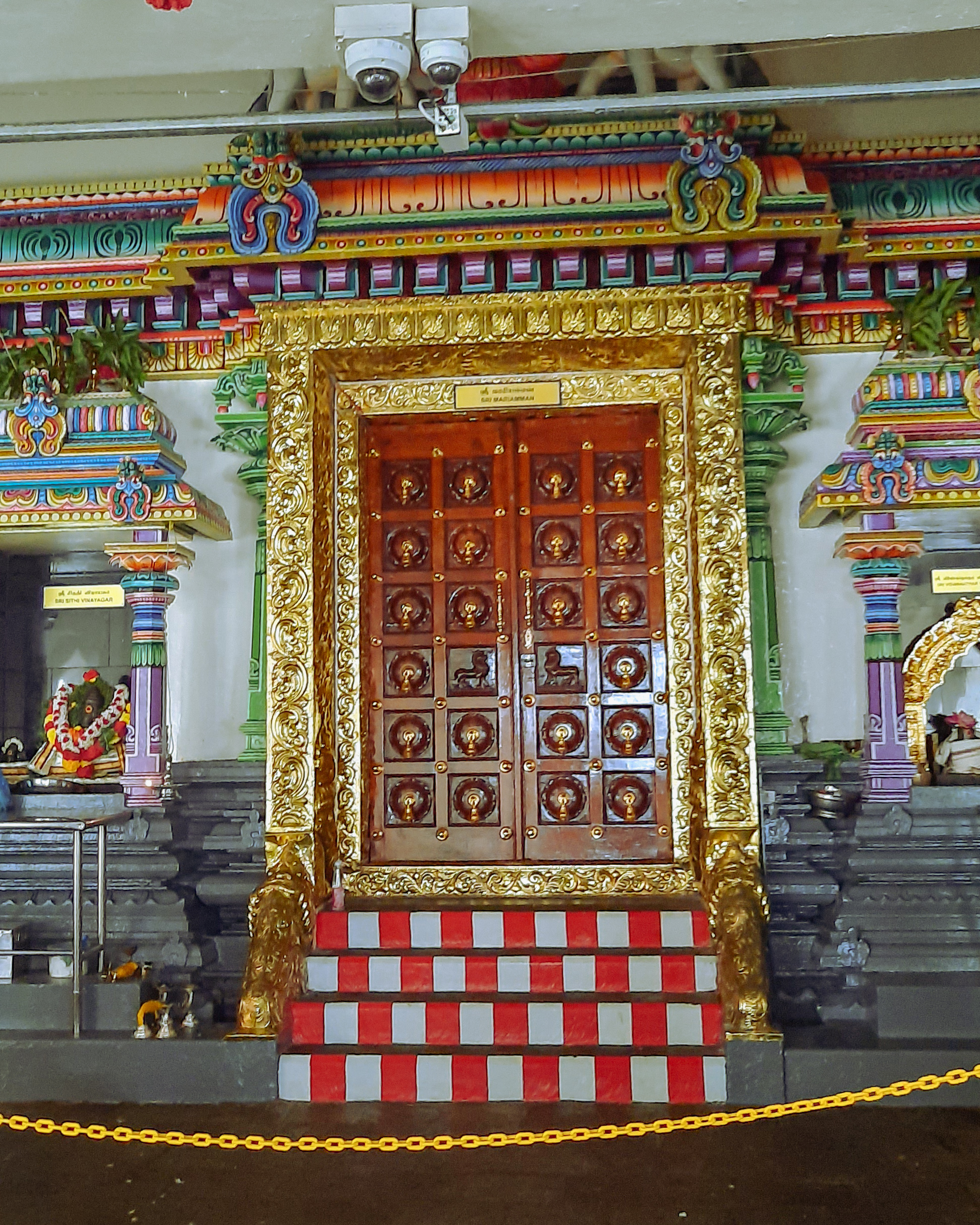
The interior of the temple is also filled with different paintings especially the main walkway’s ceiling depicting the different Hindu gods and goddesses. At the end of it is the door leading to the shrine of Mariamman who is a goddess known to cure illnesses and the place’s main deity.


Anxious to see my Air Force 1s again, I was relieved to find my shoes after exiting the place before crossing the road to drop by at Mohamed Ali Lane.
A famous Instagram spot with murals created by Singaporean visual artist Yip Yew Chong, the wall art in Mohamed Ali Lane are more than just for the ‘gram as each of it depicts the country’s trading origins during the 1960s. Aside from this, there are also other themed murals in the other streets of the district that showcase scenes from Singapore’s history.
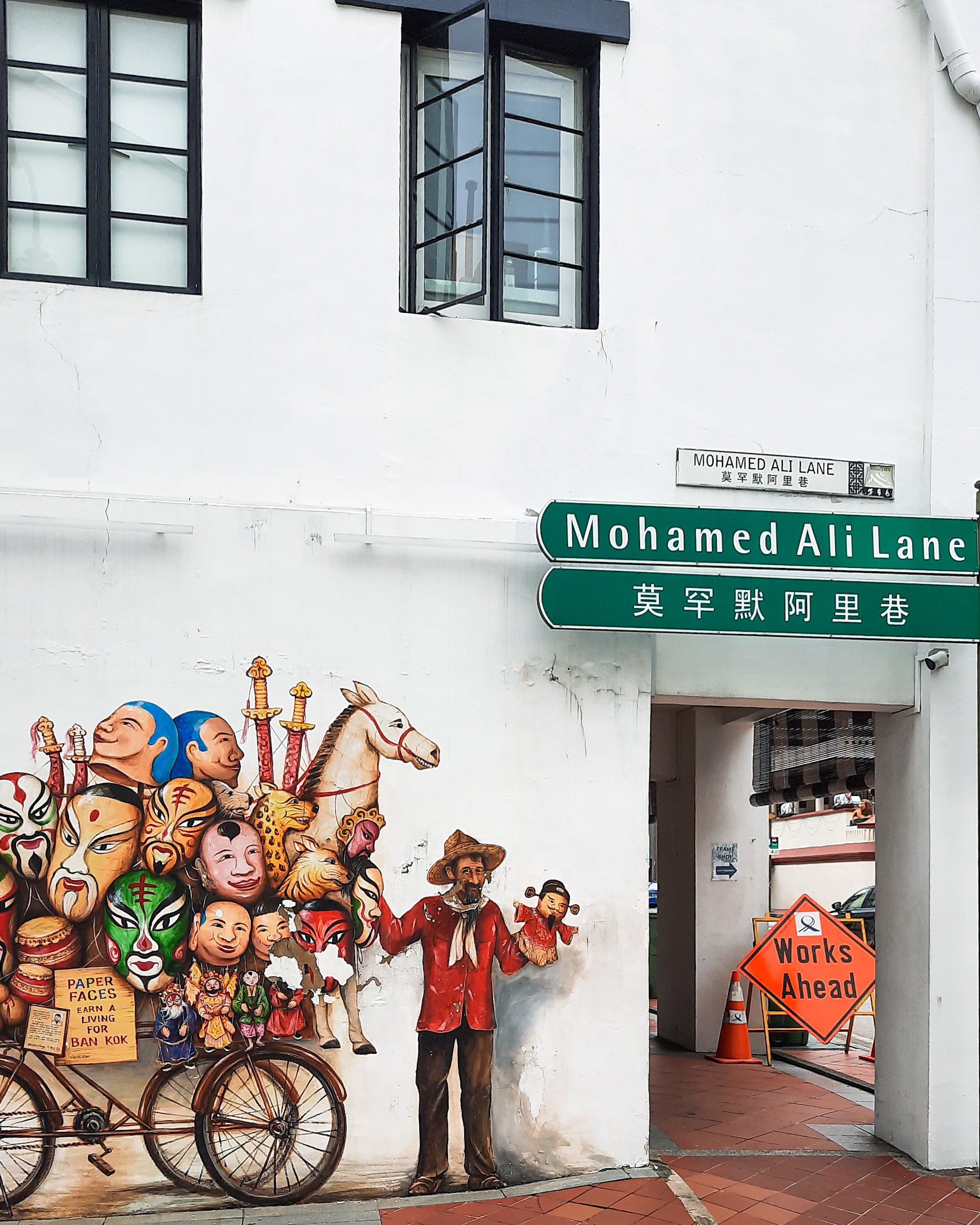


After a few pictures and passing by at Temple Street to find another themed mural, we headed next to one of the places that I was looking forward to see in this trip.
Easily distinguished by its striking traditional Chinese architecture, Buddha Tooth Relic Temple sits at the corners of Sago Street, South Bridge Road and Sago Lane and, as its name implies, is a namesake place of worship after the sacred left canine tooth of Buddha that is also found within the complex. Aside from being a religious site, this tourist spot also functions as a museum showcasing different exhibits related to Buddhism.

Unlike in Sri Mariamman Temple, visitors dropping by at Buddha Tooth Relic do not need to remove their shoes upon entering but people wearing revealing clothes such as sleeveless tops, shorts, mini skirts and dresses are required to wear a sarong that will be handed free of charge by the entrance.
One of the things that I did not expect prior to visiting the temple is the beauty of its interior. Personally, I was already amazed with its architecture outside but stepping inside instantly transported me to the world of Buddhism. Coincidentally, there was a ceremony happening during our drop by and devotees were reading and chanting inside the main chamber with three golden statues fronting them. The light design of the place also contributed to the atmosphere that’ll make any visitor pay respect and observe silently. At the back of this is another smaller room with a dedicated shrine where visitors can kneel and pray. The upper floors are allotted to the exhibits where one can learn more about the different Buddhist artifacts collected by the museum.

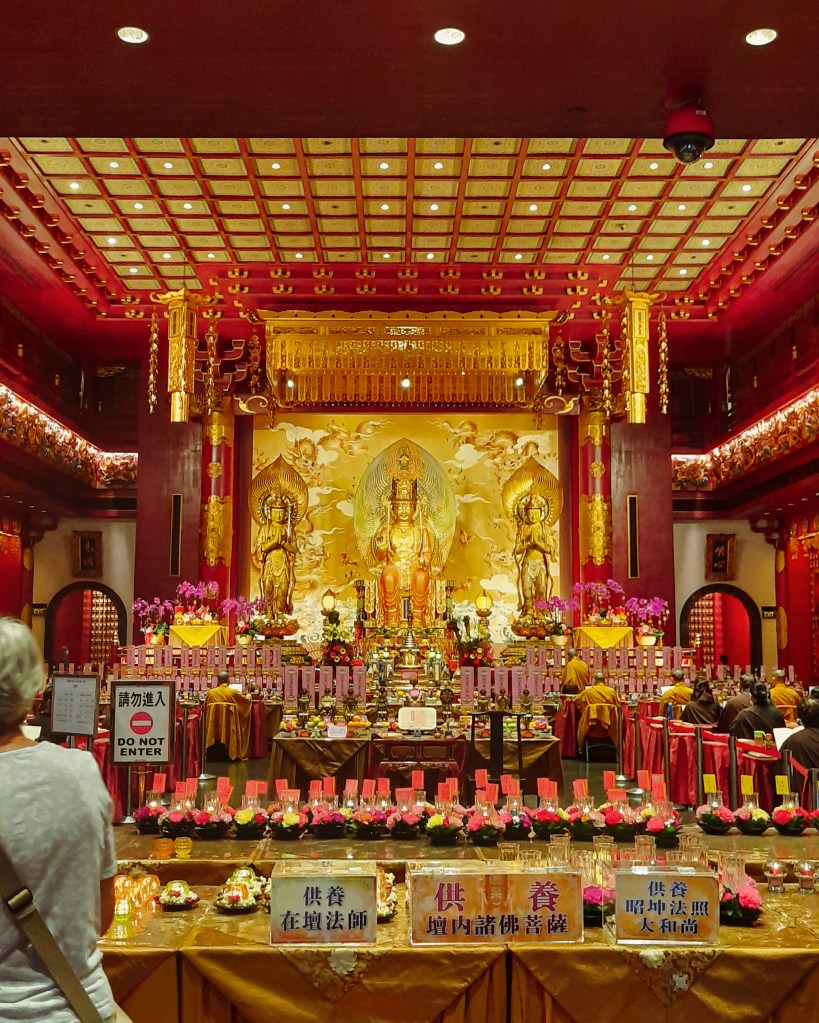

It was during our visit to Buddha Tooth Relic’s museum when I started to feel my dyspepsia kick in that when we reached Maxwell Food Centre across it, I was feeling full and was not in the mood to eat. I guess our breakfast at McDonald’s was really big because even my friend did not eat at the place. However, we did ensure to check out the array of stalls in the area that serve various options ranging from fish soups, beef noodles, teas, juices to oyster cakes and chicken rice which the place is known for.
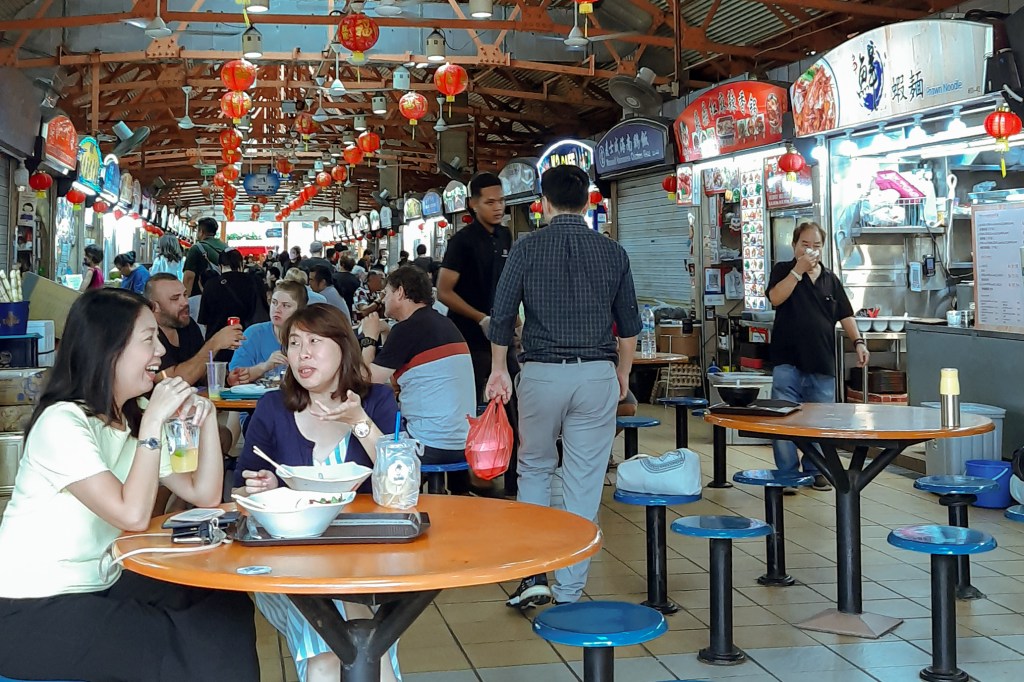
The popular Tian Tian Hainanese Chicken has covered three stalls in the area and as expected the queue for it was long even during a non-peak hour. My friend also bought me a cup of hot green tea from one of the stores to aid with my indigestion.
Fusion of Nature and Man-made at Gardens by the Bay
Still feeling a bit sick, we left Chinatown via the MRT to head to Gardens by the Bay as our next agenda. After getting off the station, one will need to walk for a few minutes to reach the main attractions of this tourist spot.
Prior to our flight, we already bought admission tickets to Cloud Forest and Flower Dome through Klook to save more but if you’re dropping by unplanned, ticket kiosks are also available in the place.
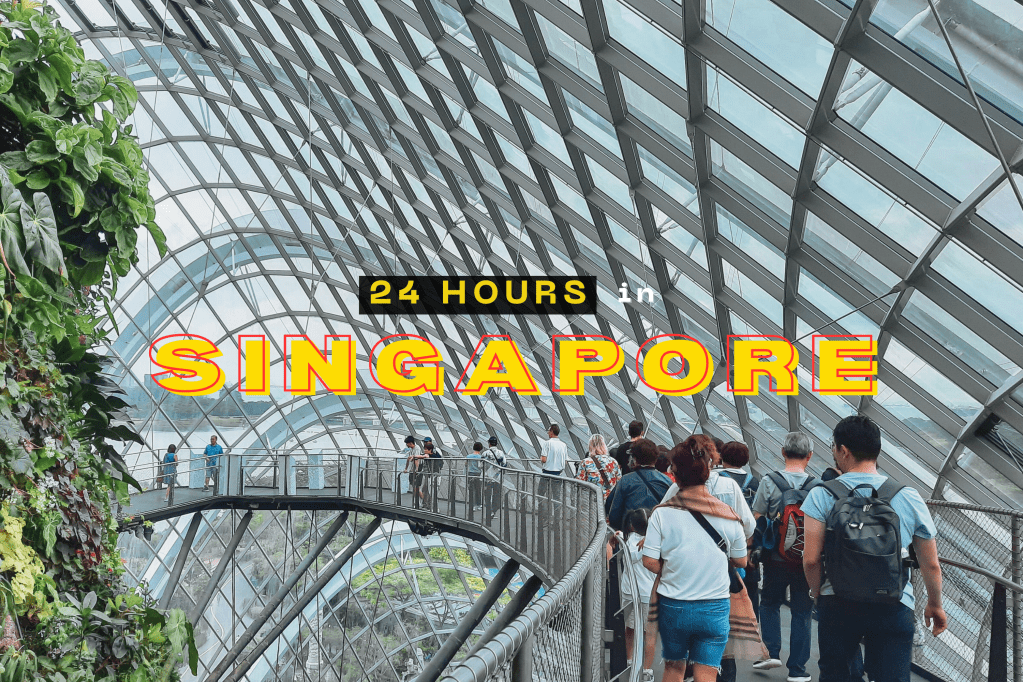
Our first stop was Cloud Forest which was another place that I was looking forward to see. Upon entering this glass greenhouse, one will be welcomed by its popular lush indoor waterfall cascading majestically down to the lower floor. During our visit, the theme of the place was the movie Avatar, hence, the area’s flora was also adorned with different characters and location elements from it. There were also booths in the place where one would just need to stand and their Avatar version would instantly be displayed.


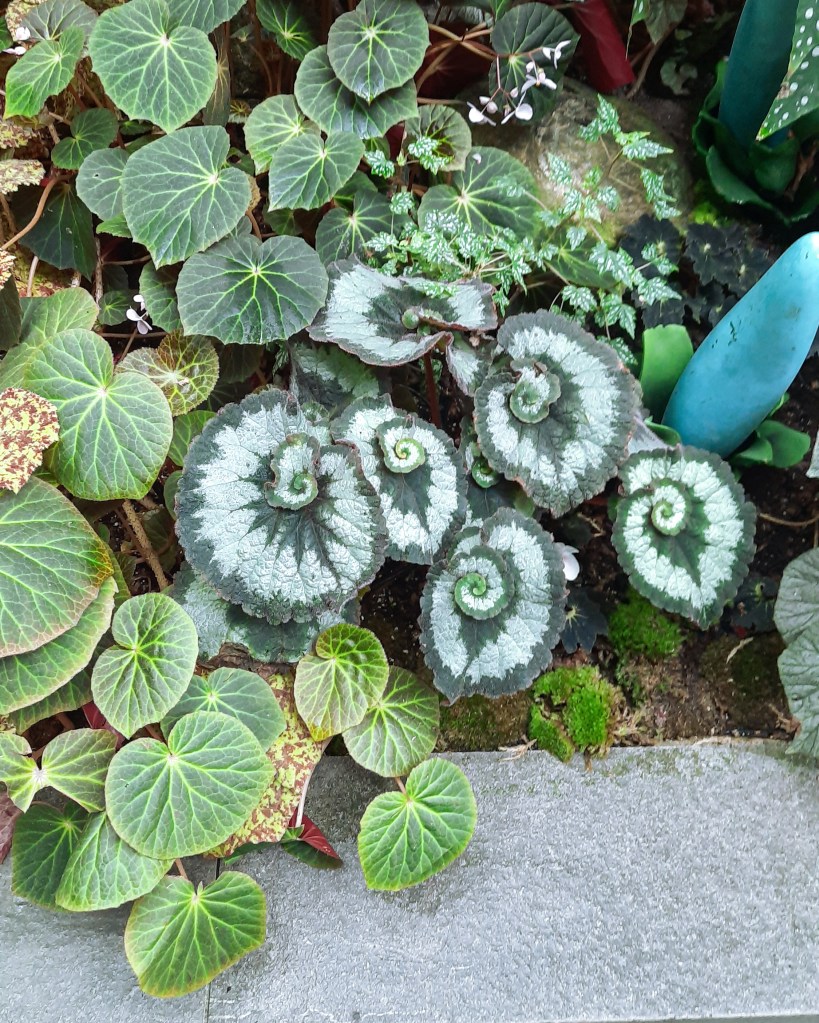

As recommended by the guides, the best route to explore the whole area is to start at the top where an overlooking view of the place can be seen with the additional sight of the SuperTree Grove and the nearby city skyline peeking through the glass windows. There’s also a small garden at the top where visitors can take photo ops or enjoy the view in the available benches. From here, one can make their way down to the lower floors with varying views and angles of the greenhouse through the aerial walkway while passing by at the other parts of it such as the Crystal Mountain and Secret Garden.


During our visit, the theater was also setup with the place’s Avatar motif that showed an interactive animated short film featuring the different creatures found in the fictional world of Pandora. The entrance to it has also been complemented with the rows of bioluminiscent animals from the movie hanging from the ceiling, making a dreamy and magical appeal.
We also got the chance to experience the misting of the greenhouse that created an additional misty atmosphere to the entire place.

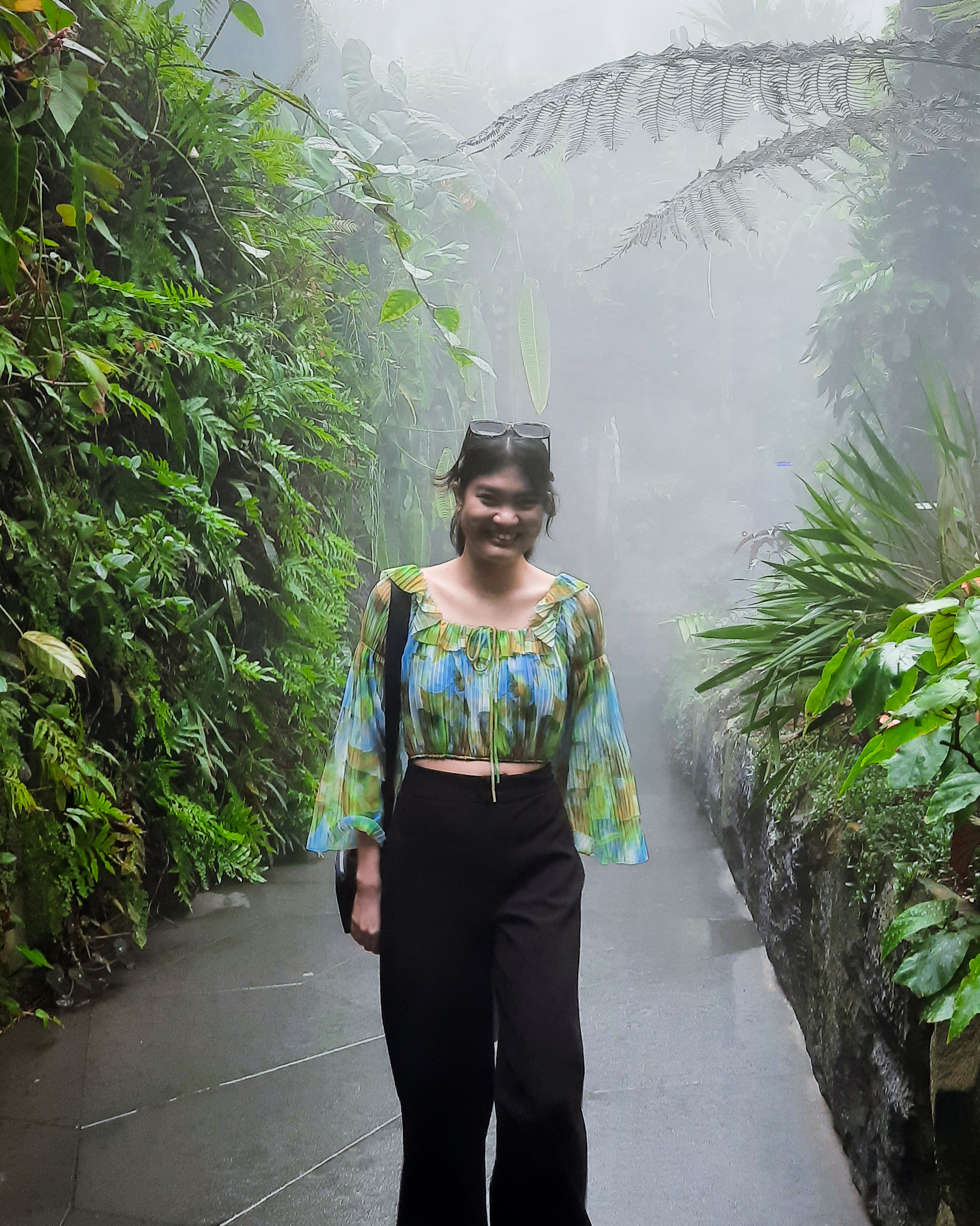
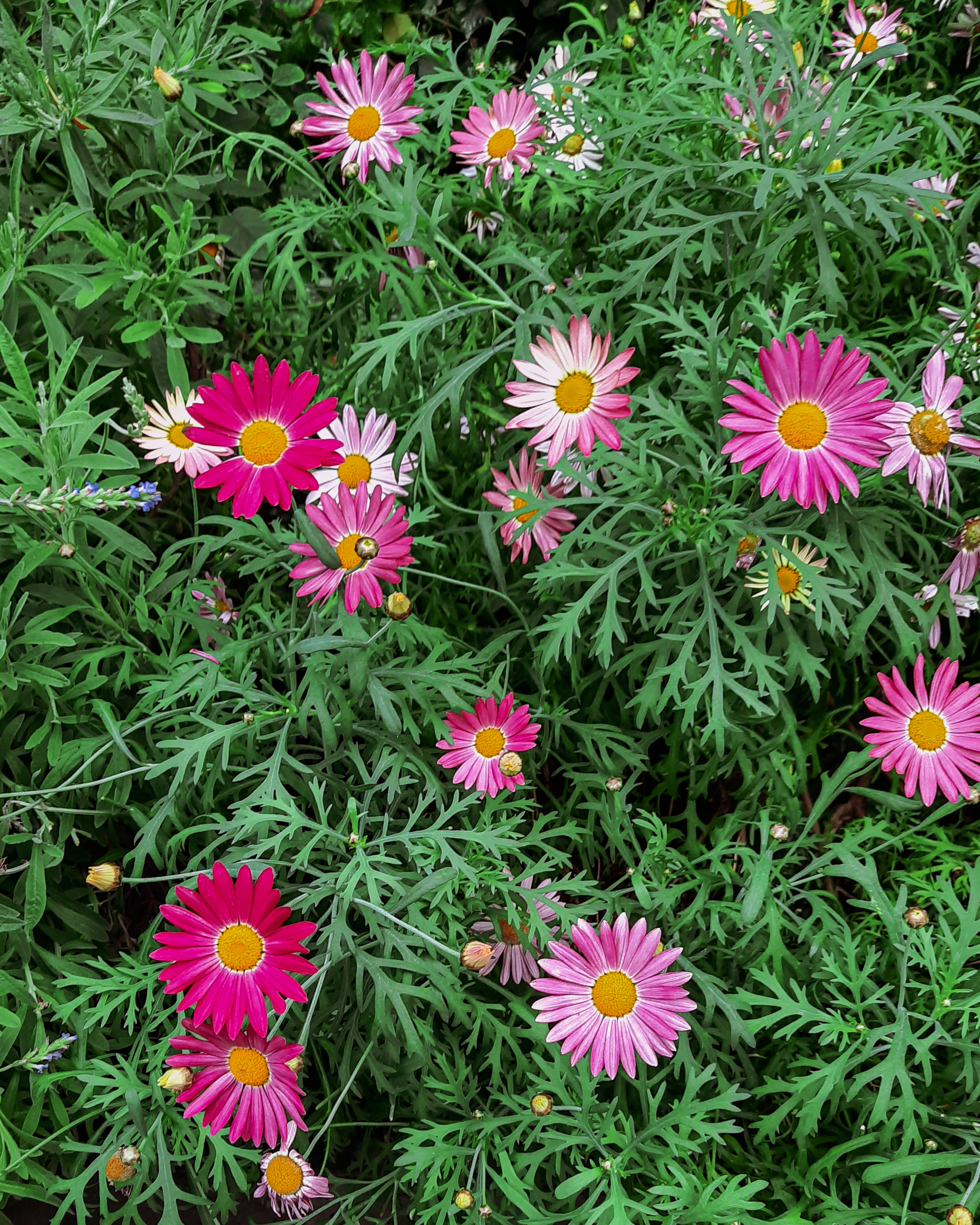
After reaching the first floor again, we exited Cloud Forest and made our way to Flower Dome which sits just right across it. As expected, this greenhouse is filled with different kinds of flowers and plants from all over the world that each part is named after the location where they are commonly seen. At the center of the place is the so-called Flower Field which was dressed in a Lunar New Year-themed display made out of different flowers during our visit.



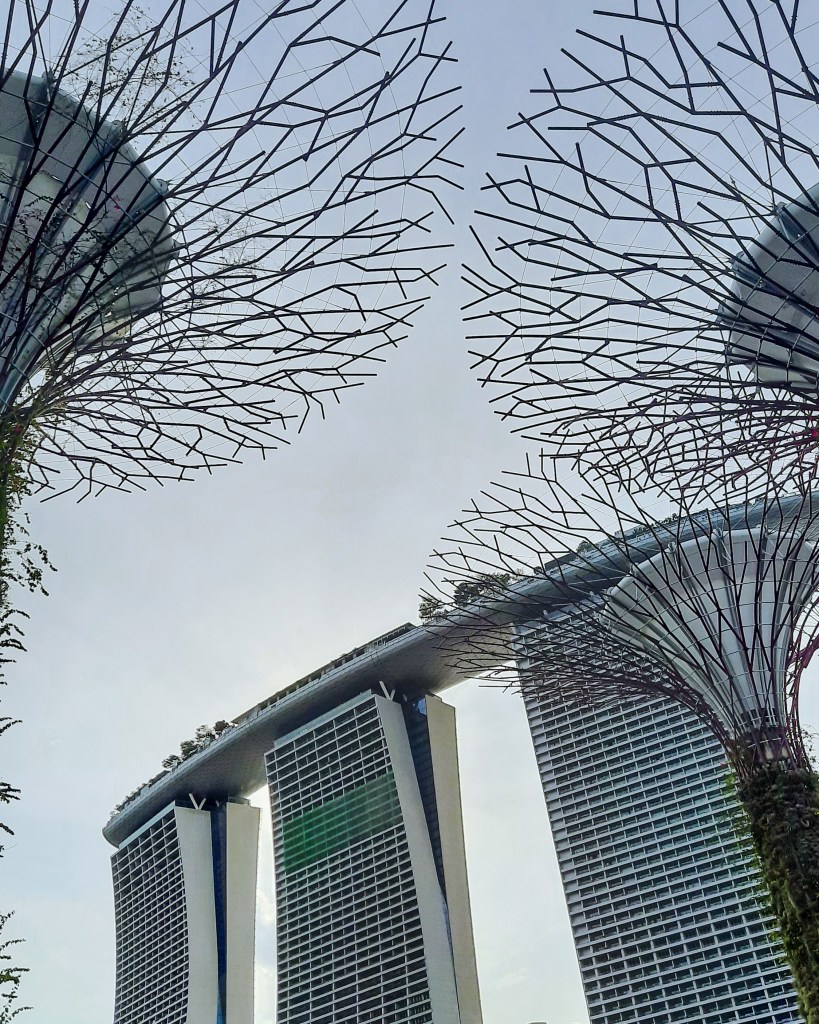
Last part of our exploration of Gardens by the Bay was the iconic SuperTree Grove. During our trip, we didn’t know that there were mini groves surrounding the main one, hence, we weren’t technically able to drop by at the actual tourist spot. Instead, we were able to see the Silver Garden which is the close on to the Flower Dome. The former was also not disappointing because aside from the skeleton trees and lesser number of people in the area, there was also an additional good angle of Marina Bay Sands in the background. Although, I am still regretting that we didn’t walk further and see the actual grove.


After a few pics and minutes of resting in one of the benches in the area, we proceeded to make our way to the Bayfront MRT station to go back to our hotel. We took the way passing underneath the bridge of Sheares Avenue which has an esplanade that offers a scenic view of the city skyline. There were also a handful of people passing by and jogging in the place that made us assume that the area is a local favorite spot.
Initially, I was planned to go with my friend and meet her cousin for dinner but since I was not really feeling well, I decided to stay in our hotel room when we got back.
Since I was also feeling hungry after a day of not eating, I decided to grab something to eat at the nearby Balestier Food Court which is like the hawker centre in the area. My drop by here made me realize how big the servings are in places like this because after ordering a meatball soup for $4.50, I was given a large bowl of soup and a serving of rice that took me an hour and a half to finish back at our hotel—a very good price for a big meal. Fortunately after this, my dyspepsia gradually subsided just as our first day in Singapore has ended.
If you also find this post useful, you can support me in creating more travel and hiking guides in the future! Just tap on my Ko-fi or Buy Me a Coffee profile to get started or share this post with your friends or socials for free!
Read more Asia posts





Any thoughts?